
Heavy-Duty Gearing for Locks, Dams, and Movable Bridges
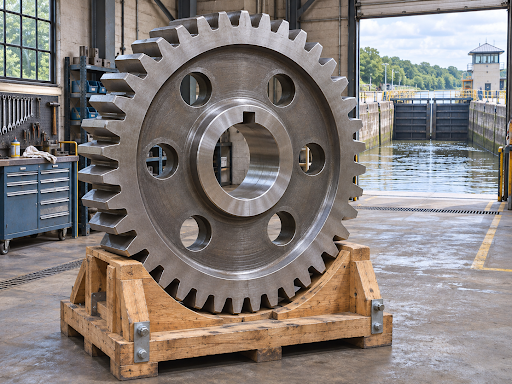
A gate drive can occupy only a small part of a waterway structure and still carry an essential responsibility. Locks, dams and movable bridges depend on controlled movement under demanding conditions, often using equipment that has served for generations. Heavy-duty gearing must suit that work and the physical space around it. For an owner planning a repair or replacement, the starting point is the existing application: what moves, how it operates and which connections the new components must preserve.
Match the Gearing to the Movement
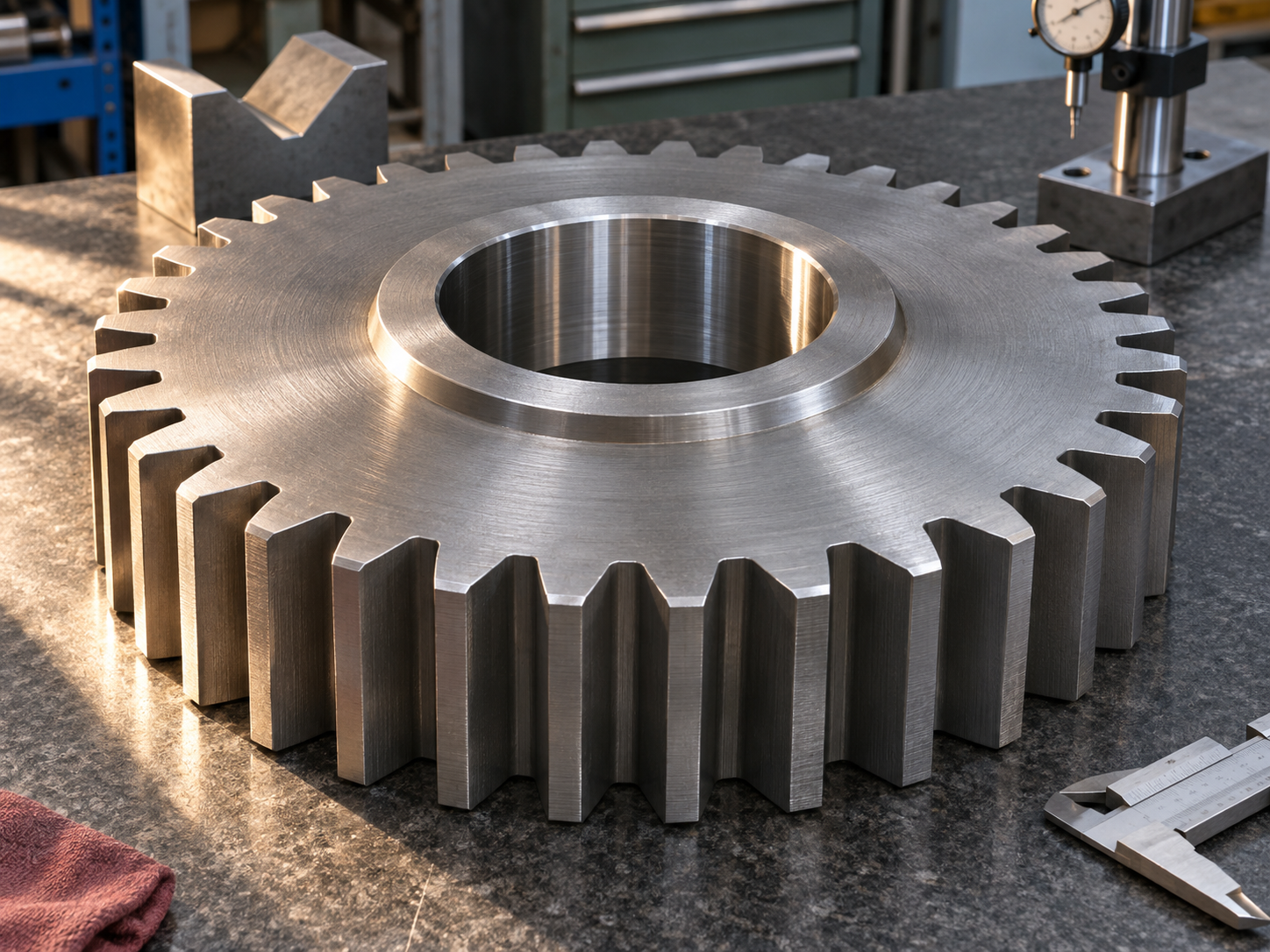
Lock and dam applications commonly call for high torque at low operating speeds and precise movement. Gearing can serve miter or sector gate drives, tainter gates, valve machinery, hoists and winches. Movable bridges create another application for heavy-duty drive systems.
Those uses should not be treated as interchangeable. Before choosing a replacement, establish which mechanism the gearing drives and how the surrounding equipment connects to it. A component that looks similar may belong to a different operating arrangement.
At Overton Chicago Gear, we build solutions around the installation's requirements and physical limitations. That can mean an individual replacement gear or a complete custom drive system. Defining the scope early helps the project team focus on the machinery that actually needs attention.
Account for the Waterway Environment
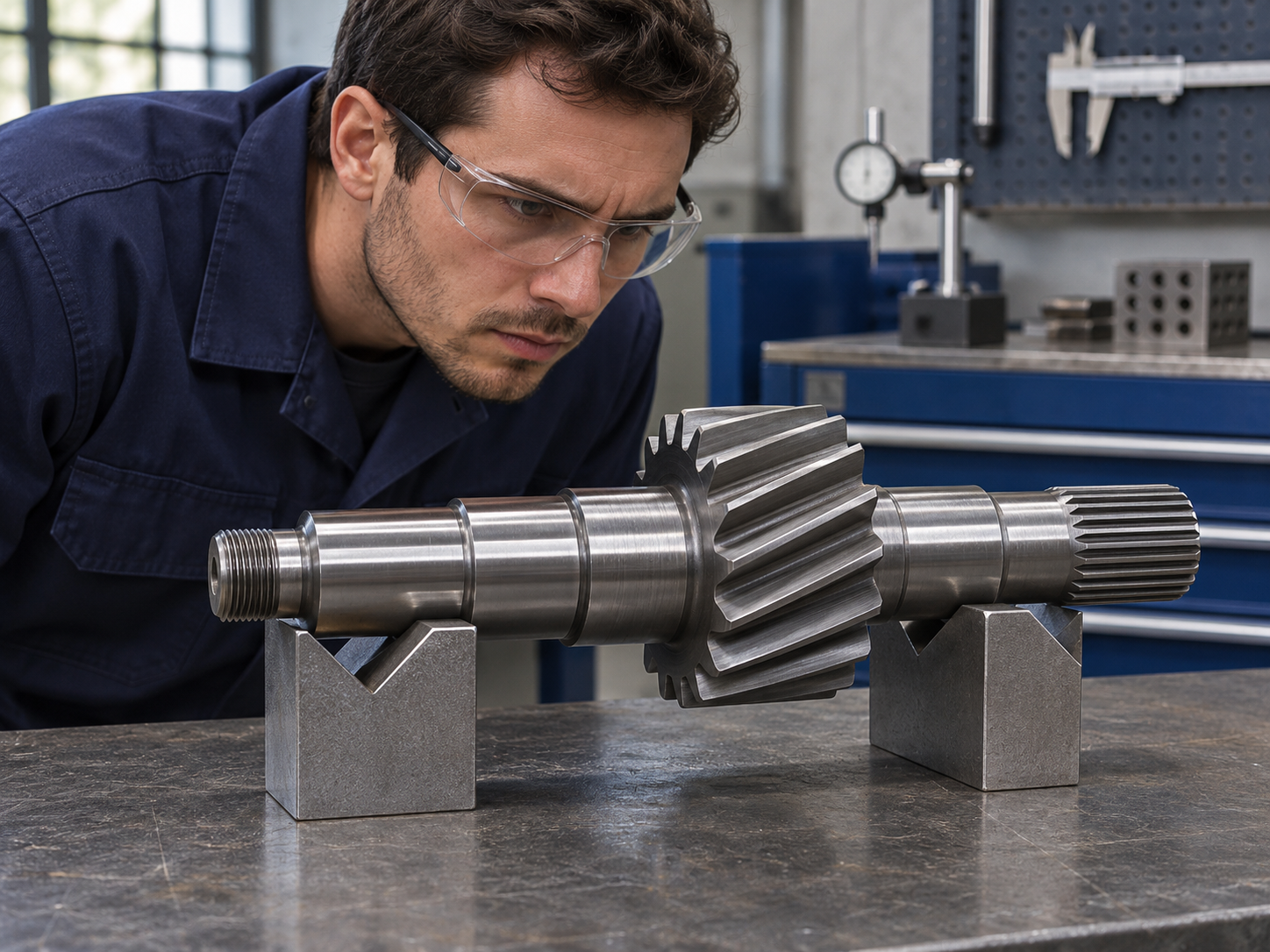
Heavy loads are only part of the operating picture. Lock and dam equipment may face moisture, corrosion, changing temperatures and flooding risk, with long intervals between major overhauls. These conditions belong in the engineering discussion from the outset.
Seals, bearings and lubrication deserve attention alongside the gear geometry. Depending on the project, an upgrade can also consider materials, processing methods and condition monitoring. Choosing among these changes requires an understanding of the existing installation rather than a general assumption that every upgrade is necessary.
Bring the operating history and known condition of the equipment into that conversation. Plan the repair or replacement around the actual environment. It is more useful to identify a specific requirement than to rely on a broad description such as heavy-duty alone.
Preserve the Fit of Existing Equipment
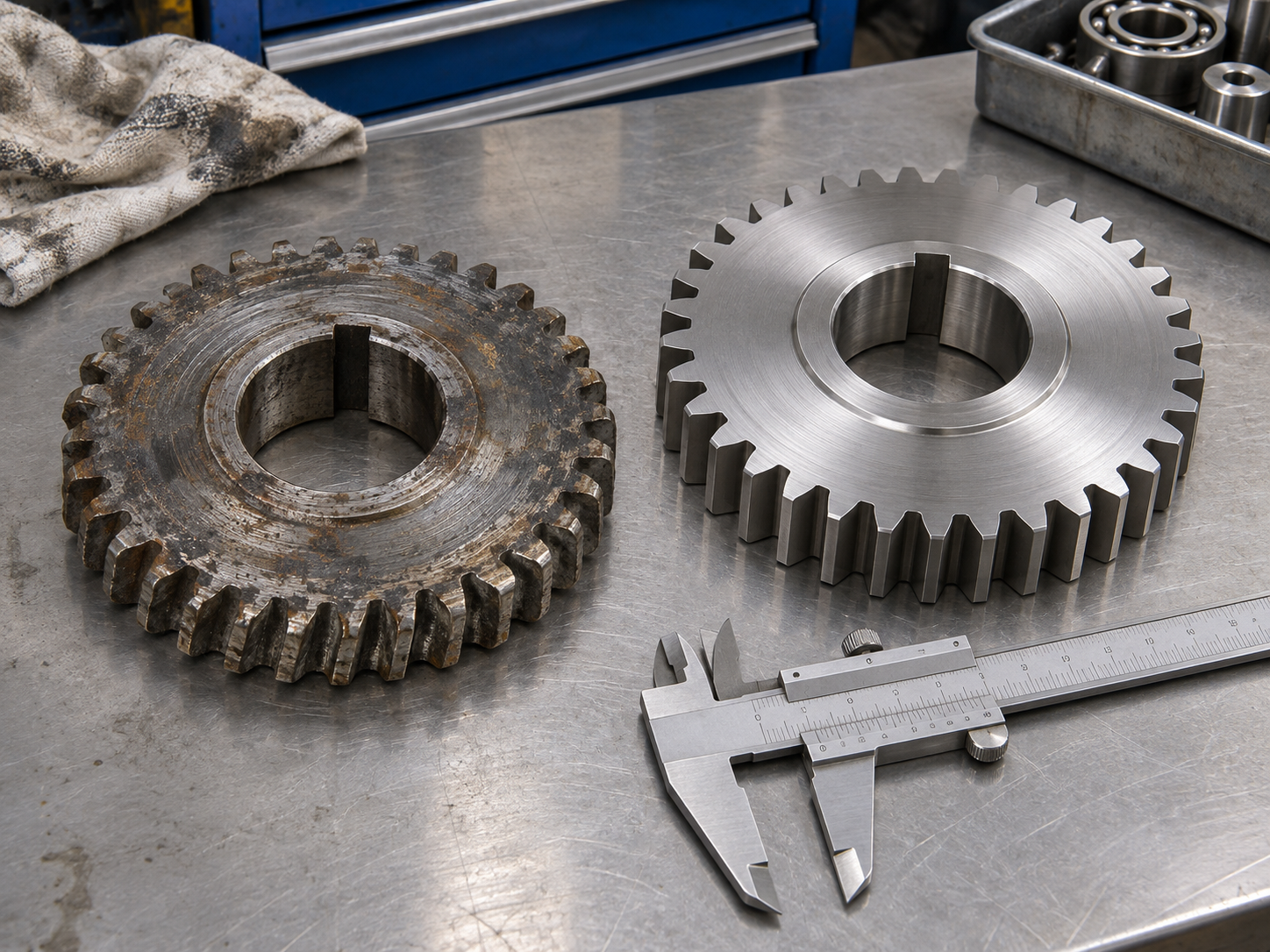
Many waterway drive systems have been operating for generations. When a gear set becomes worn, damaged or obsolete, replacing all the surrounding machinery may be impractical. Reverse engineering offers a way to develop replacement components around established mounting positions and equipment connections.
Our team can inspect individual components or complete assemblies and assess a replacement approach. Depending on the requirements, the result may reproduce the original design or incorporate an engineered improvement. Recreating fit and deciding whether to change the design are related, but separate, tasks.
Make the interfaces part of the project scope. The new component must work within the existing arrangement, not merely resemble the old part on a workbench. This is particularly important when an original design is no longer supported and the equipment itself becomes a key source of information.
Choose a Configuration Around the Application
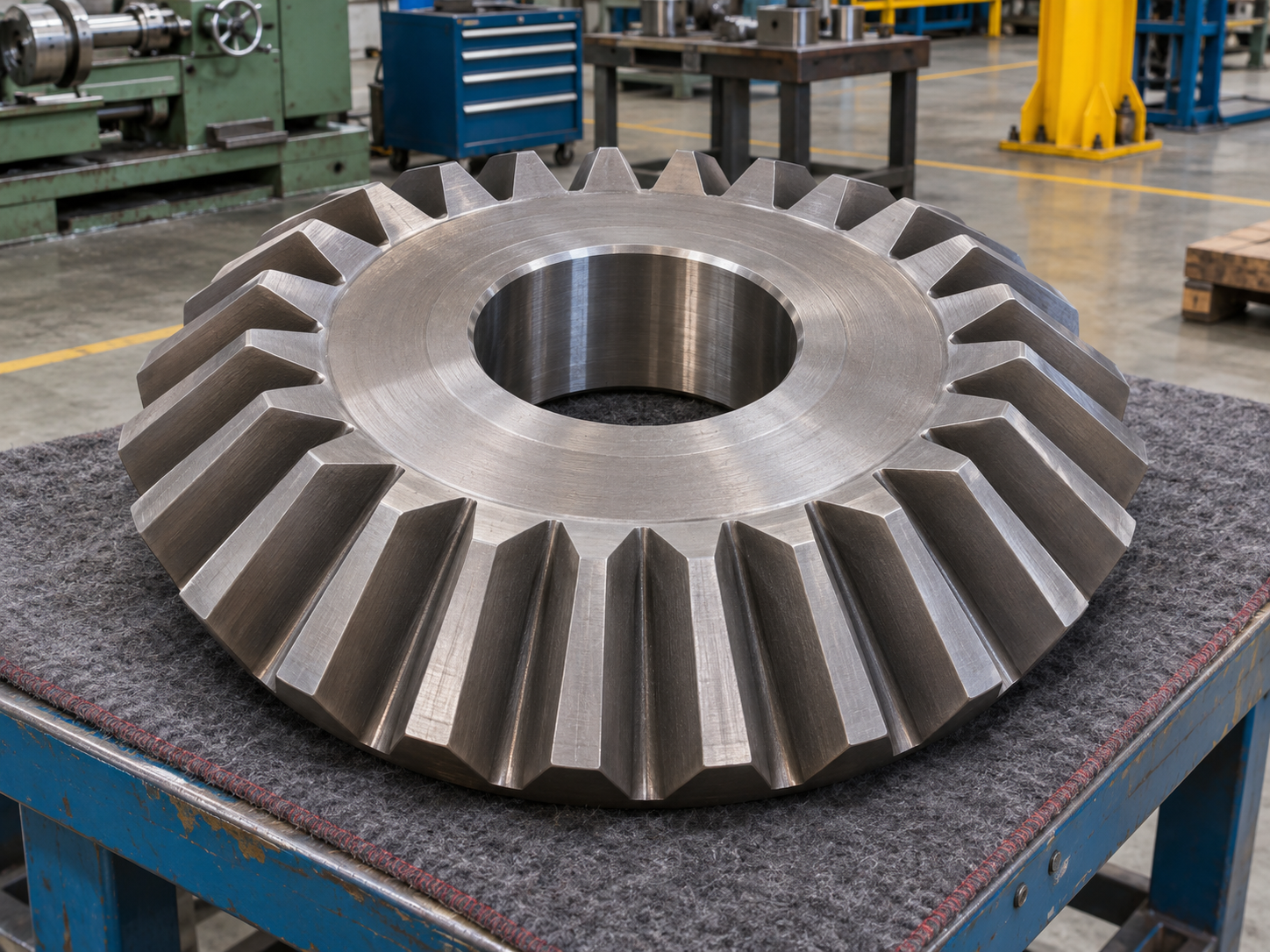
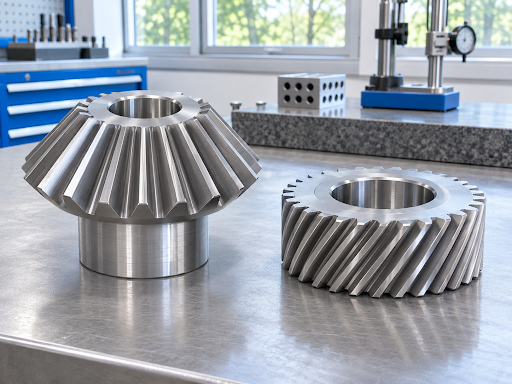
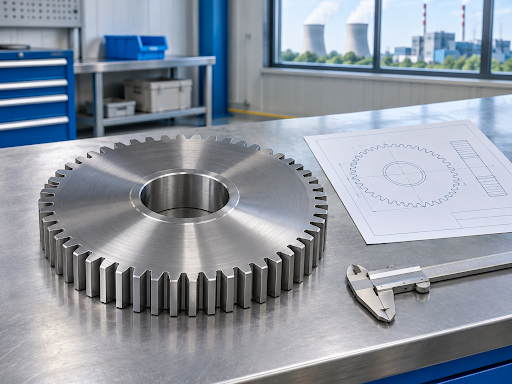
Our capabilities include custom enclosed gearboxes, right-angle and parallel-shaft configurations, large open gears and pinions, and drop-in replacement gearboxes. Spur, helical, bevel-helical and planetary gearing are among the available approaches.
This range gives the engineering team options; it does not make every configuration suitable for every gate, hoist or bridge. The installation's layout and operating requirements should guide the choice. Start with the mechanism and its connections before discussing a preferred gear type.
A repair may retain the existing arrangement while replacing rotating components. Another project may call for a custom drive system. Keeping those alternatives tied to a defined application helps owners compare meaningful scopes rather than assume that a larger replacement is always the right answer.
Connect Inspection, Rebuilding and Testing
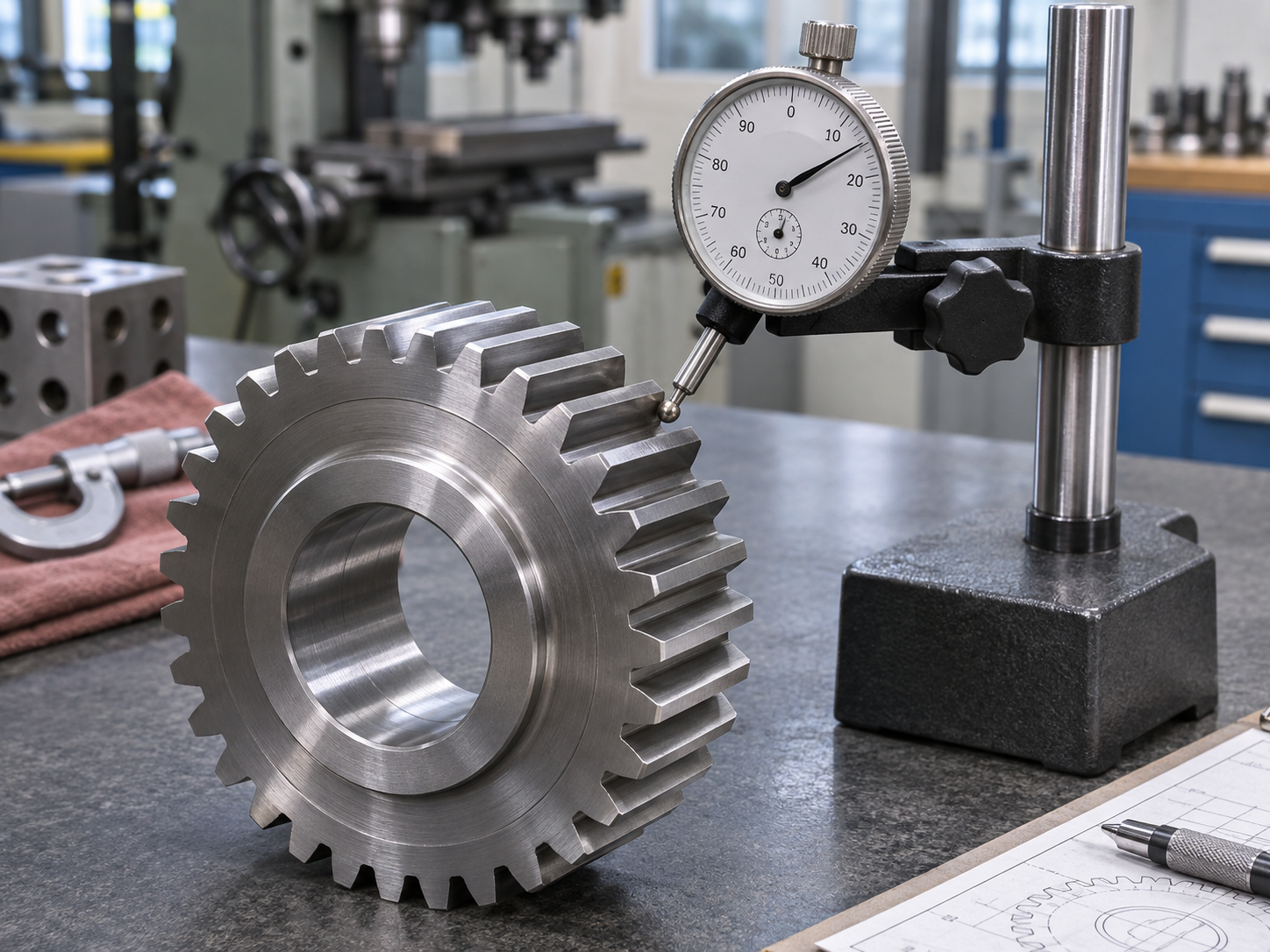
Inspection and failure analysis can help define what needs repair and what a replacement must address. They also give a rebuilding project a more useful starting point than changing a visibly worn component without reviewing the wider assembly.
We combine engineering, manufacturing, heat treatment, inspection and metrology resources for these applications. Depending on the project, the work can include rotating-component replacement, lubrication or condition-monitoring systems, and no-load or project-specific testing.
Agree on the inspection and testing scope as part of the work itself. A single obsolete gear and a complete drive system will not require identical projects. Clear requirements keep the assessment, manufacturing and verification connected to the equipment's intended role in the waterway installation.
Frequently Asked Questions
Which Waterway Systems Can Use Heavy-Duty Gearing?
Applications include gate drives, valve machinery, hoists, winches, tow-haulage equipment and movable bridge drives. The exact arrangement depends on the facility.
Can an Obsolete Gearbox Be Replaced Without Rebuilding Everything Around It?
In some projects, reverse engineering can support replacement within existing mounting locations and equipment connections. Suitability requires inspection and engineering review.
Does Every Project Need a New Drive System?
No. The scope may involve an individual gear, rotating-component replacement, gearbox rebuilding or a new custom system, depending on the equipment.
What Should a Project Discussion Cover?
Describe the operating application, existing connections, known equipment condition and relevant environmental exposure. Confirm the inspection, repair and testing requirements with the engineering team.
Final Takeaway
Reliable waterway machinery starts with gearing matched to the job and the installation. Gate drives, hoists and movable bridges may share demanding operating conditions, yet their repair and replacement needs differ. Review the existing equipment, define the required fit and consider environmental exposure alongside the mechanical work. Our heavy-duty gearing capabilities span individual components, reverse-engineered replacements and complete drive systems. A clear project scope connects those capabilities to a practical outcome: equipment designed around the facility's requirements, with inspection and testing appropriate to the work. Begin with the application details so the engineering discussion addresses the right problem.
Note: We share gearing and power-transmission information for general guidance. Suitability depends on the equipment and its operating conditions. AI-generated images illustrate gear designs, not specific OCG products or projects. For current capabilities and project-specific guidance, visit Overton Chicago Gear.

Member discussion