
How Reverse-Engineered Gears Support Power Generation Uptime
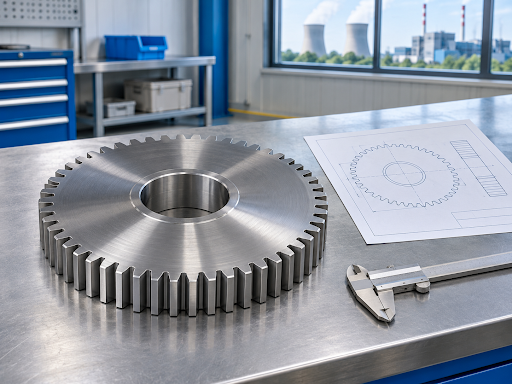
An unavailable replacement gear can turn a maintenance problem into a difficult engineering decision. The existing component may be worn, the original drawing may be missing, and the equipment still has a job to do. Reverse-engineered gears offer a possible route forward, but copying the outline is only the beginning. Supporting power generation uptime means understanding what the part must withstand and checking whether the replacement suits the wider drive. The strongest approach combines evidence from the component with engineering review, manufacturing controls and inspection, rather than treating a similar-looking gear as a finished answer.
Start With the Existing Gear and Its Application
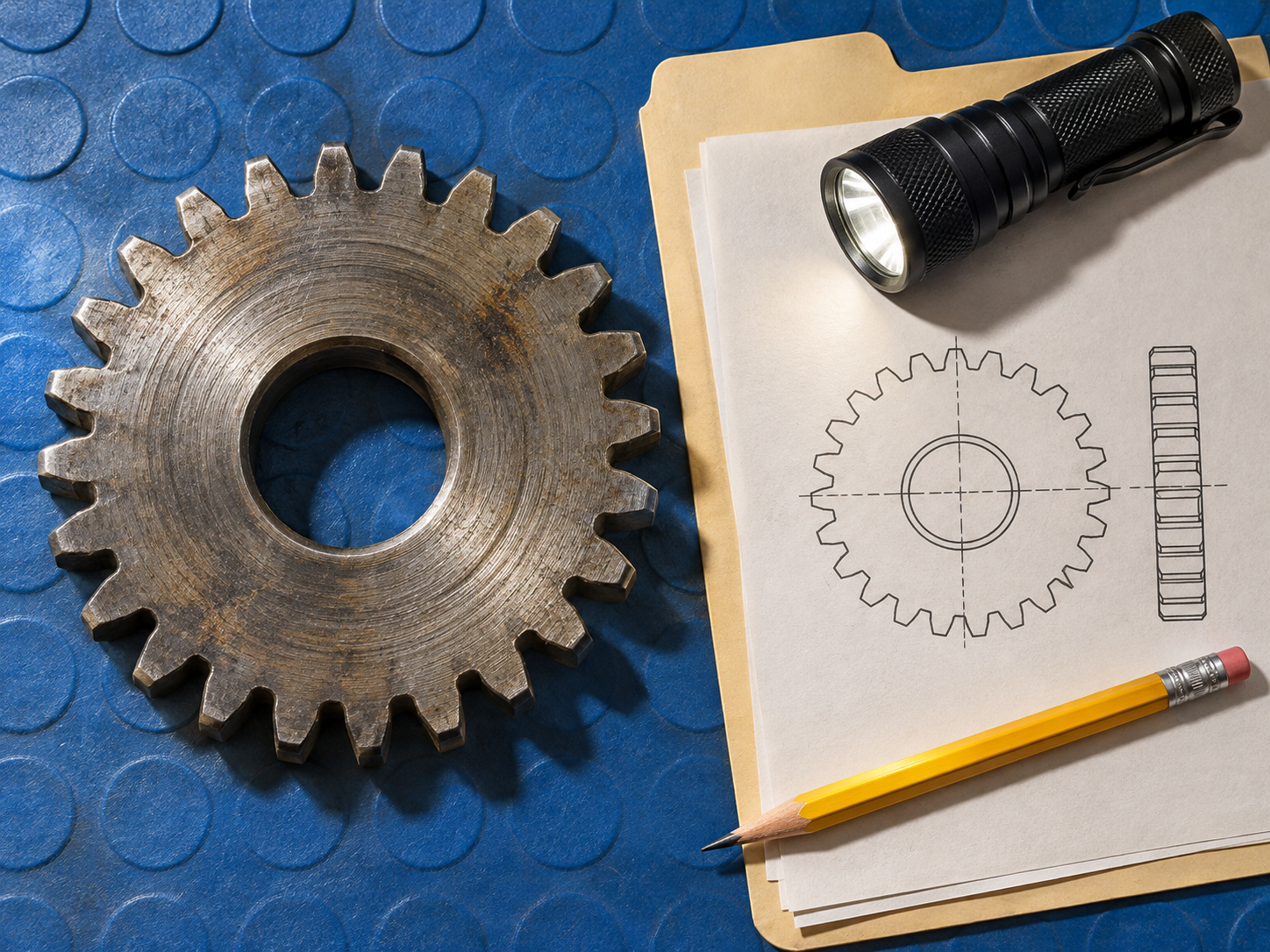
An existing gear gives an engineer something tangible to examine when drawings or replacement parts are unavailable. Its dimensions and condition can help establish a starting point. They cannot, on their own, explain every requirement of the original design.
A worn sample needs particular care. Damage may have changed the very surfaces that an engineer wants to measure. The task is to distinguish the intended geometry from the shape left by service, not reproduce the wear as though it belonged in the design.
For a power-generation application, the useful question is therefore broader than whether someone can make a similar part. It is whether the available evidence supports a suitable replacement for the equipment and its operating conditions. That assessment should guide the work before manufacturing begins.
Turn Measurements Into Engineering Information
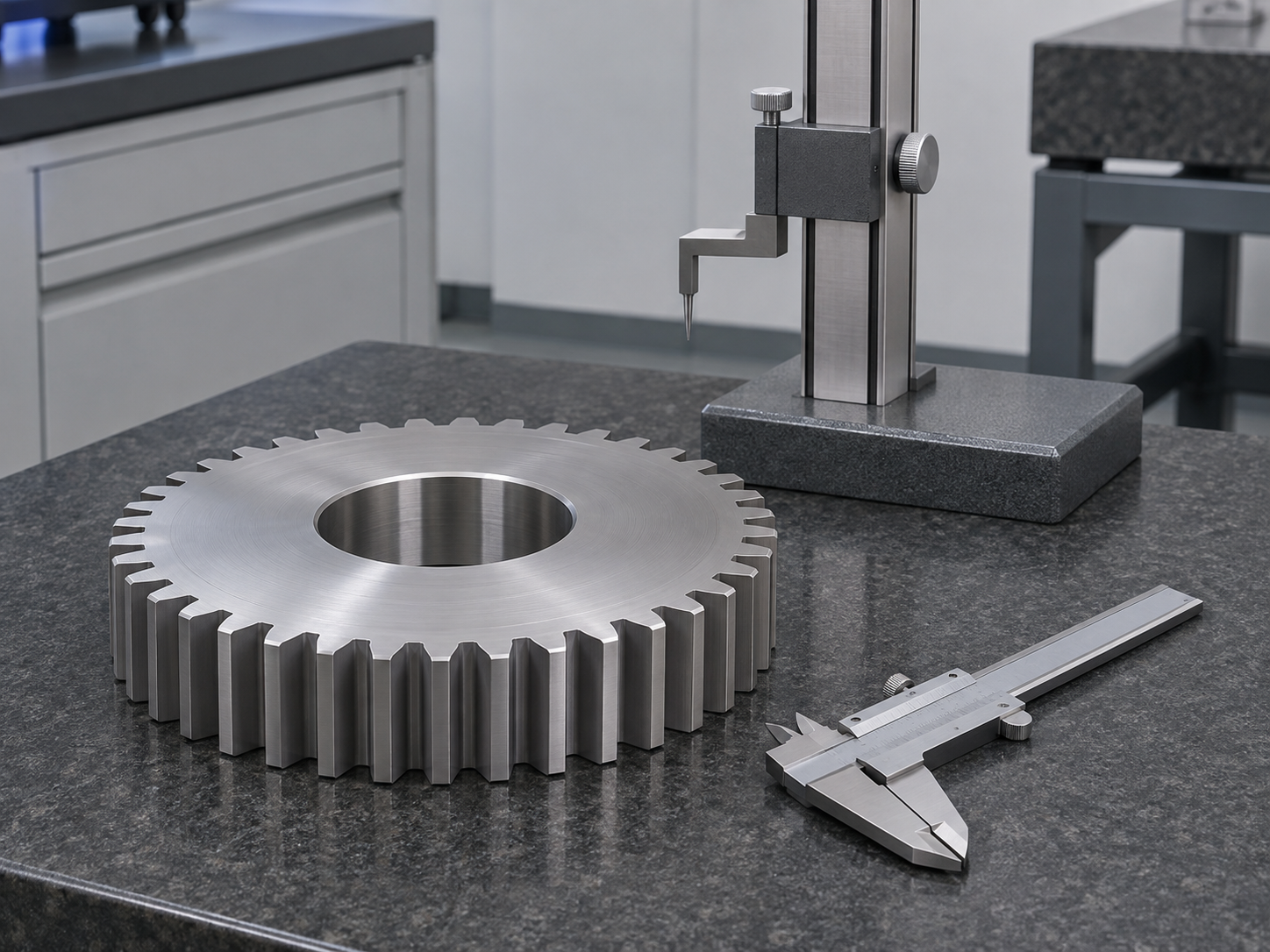
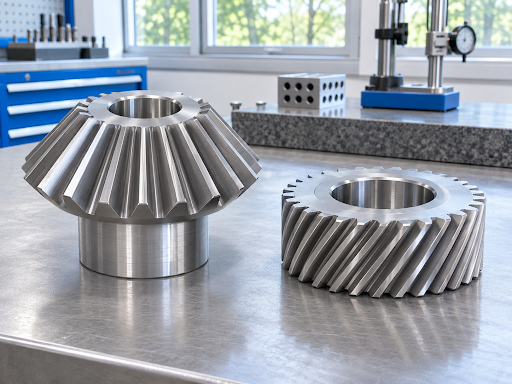
Reverse engineering requires more than recording the outside diameter and counting teeth. Tooth geometry, bore features and the relationship between surfaces influence how a gear fits and works. Accurate measurements provide information that engineers can evaluate and document.
At Overton Chicago Gear, our capabilities include coordinate measuring systems and a gear metrology laboratory. These tools support the inspection side of gearing work. Their value comes from applying them to defined requirements, not assuming that a detailed scan automatically reveals every original design decision.
Keep the distinction between measurement and interpretation clear. A measurement describes the available part; engineering review determines what the replacement needs to be. That distinction matters most when the sample is damaged or the original specification is incomplete.
Check Material Requirements as Carefully as Shape
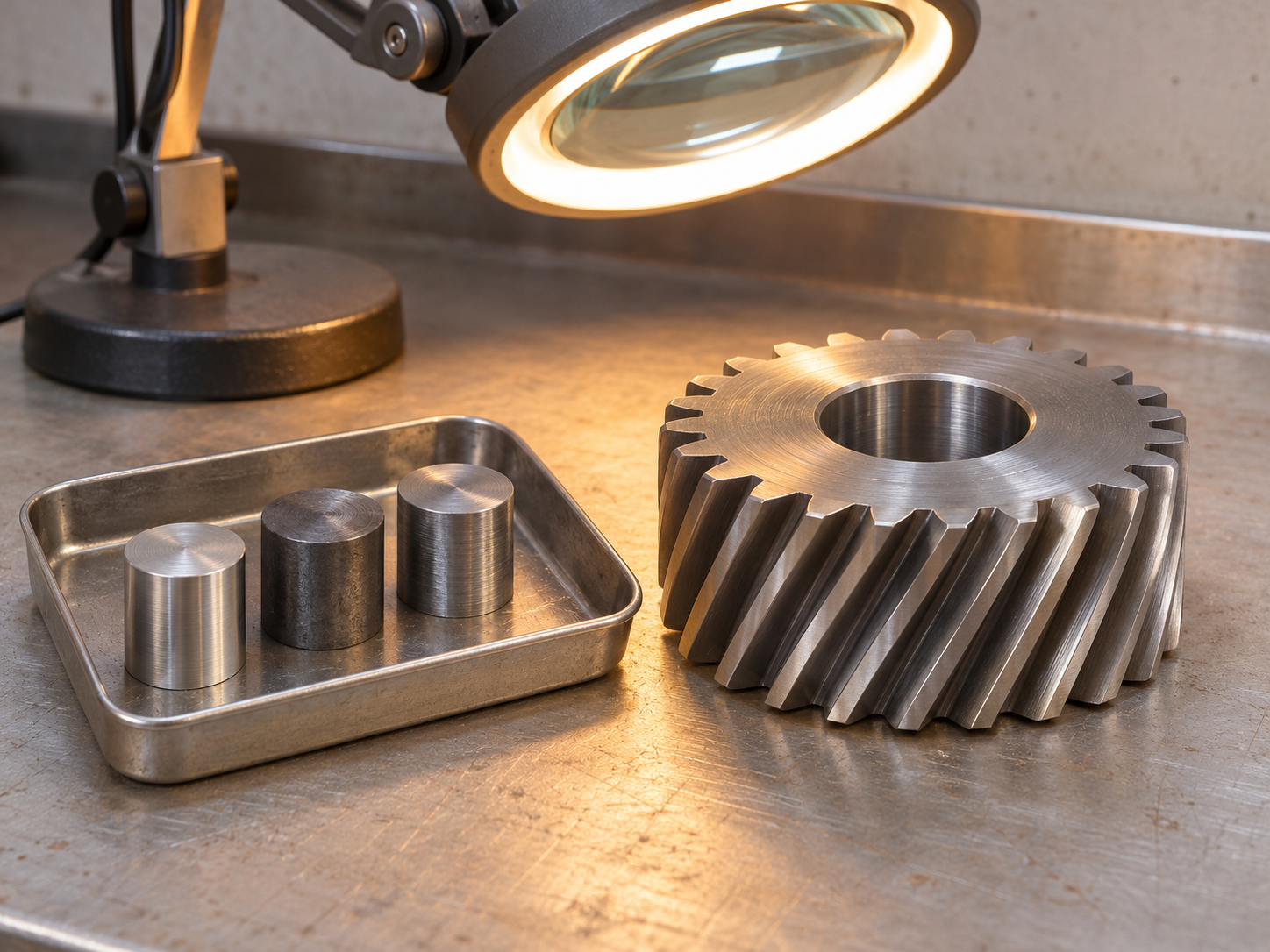
Two gears can look alike and still behave differently in service. Material, heat treatment and surface condition are part of the engineering problem, not finishing details to consider after the shape is settled.
A visual match does not establish equivalent hardness, case depth or core properties. The supplied repair guidance highlights those uncertainties, especially when the available sample has already worn or failed. Treating appearance as proof of equivalence leaves important questions unanswered.
Our manufacturing capabilities include machining and heat treatment, but the appropriate process remains application-specific. A replacement proposal should address the requirements that the evidence supports and identify what still needs verification. That is a more useful foundation for reliability than a broad promise of an exact copy.
Evaluate the Gear Within the Wider Drive
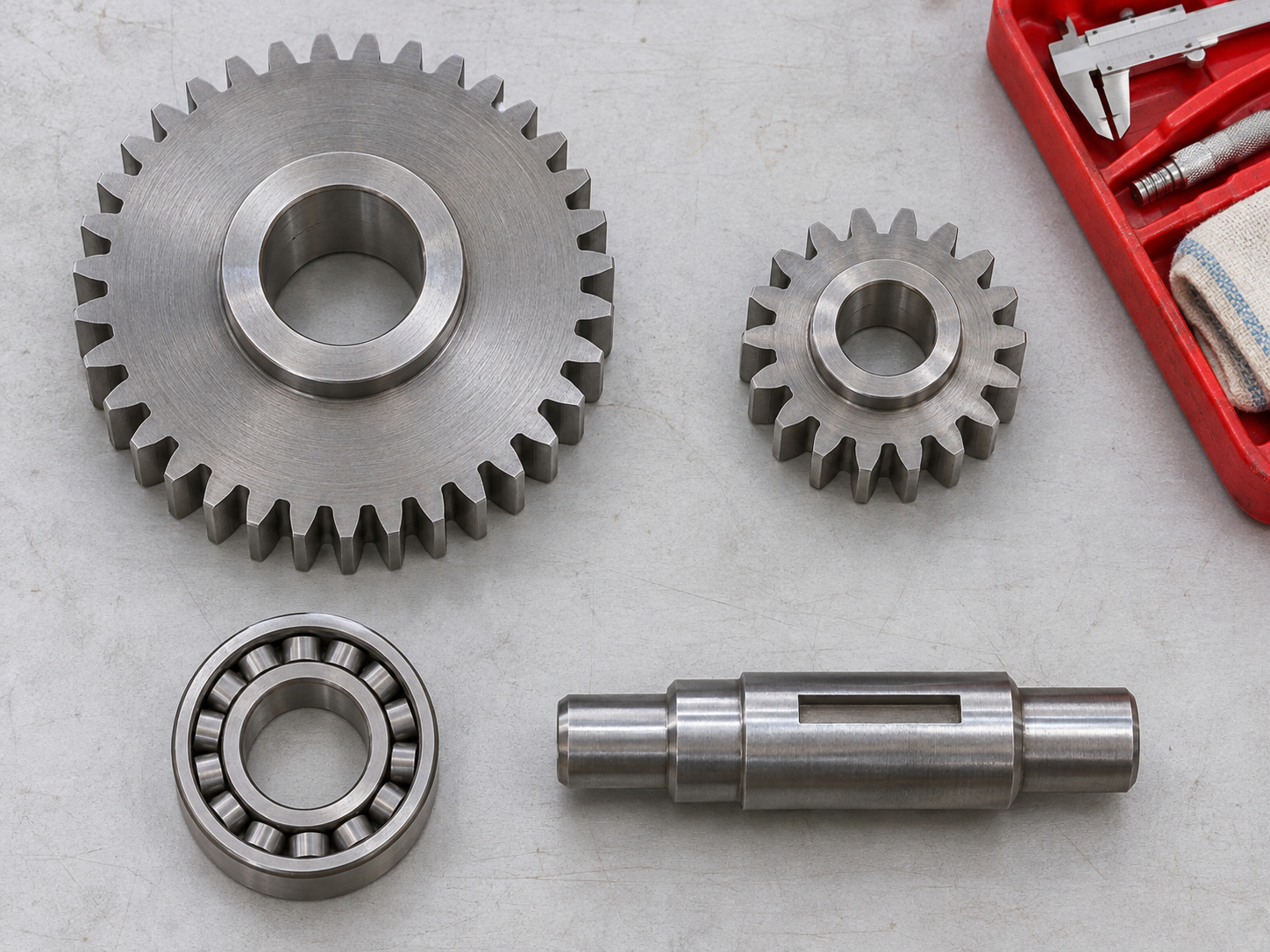
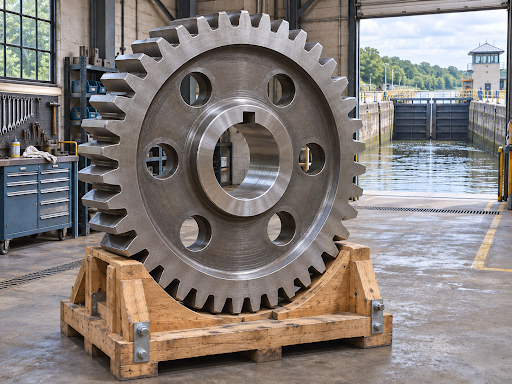
A replacement gear does not work in isolation. It must operate with the mating components already in the equipment. A part that fits into the available space has not necessarily demonstrated the right operating relationship with those components.
Differences in tooth geometry and other critical characteristics can affect contact, wear, noise and backlash. Those risks explain why reverse engineering deserves a system-level review rather than a decision based solely on a photograph or a few dimensions.
Overton Chicago Gear supports both individual gearing and complete gearbox work. For a particular project, the scope should follow the condition and requirements of the equipment. Replacing one part may be appropriate, but the condition of the wider drive still belongs in the discussion.
Use the Work to Improve Replacement Planning
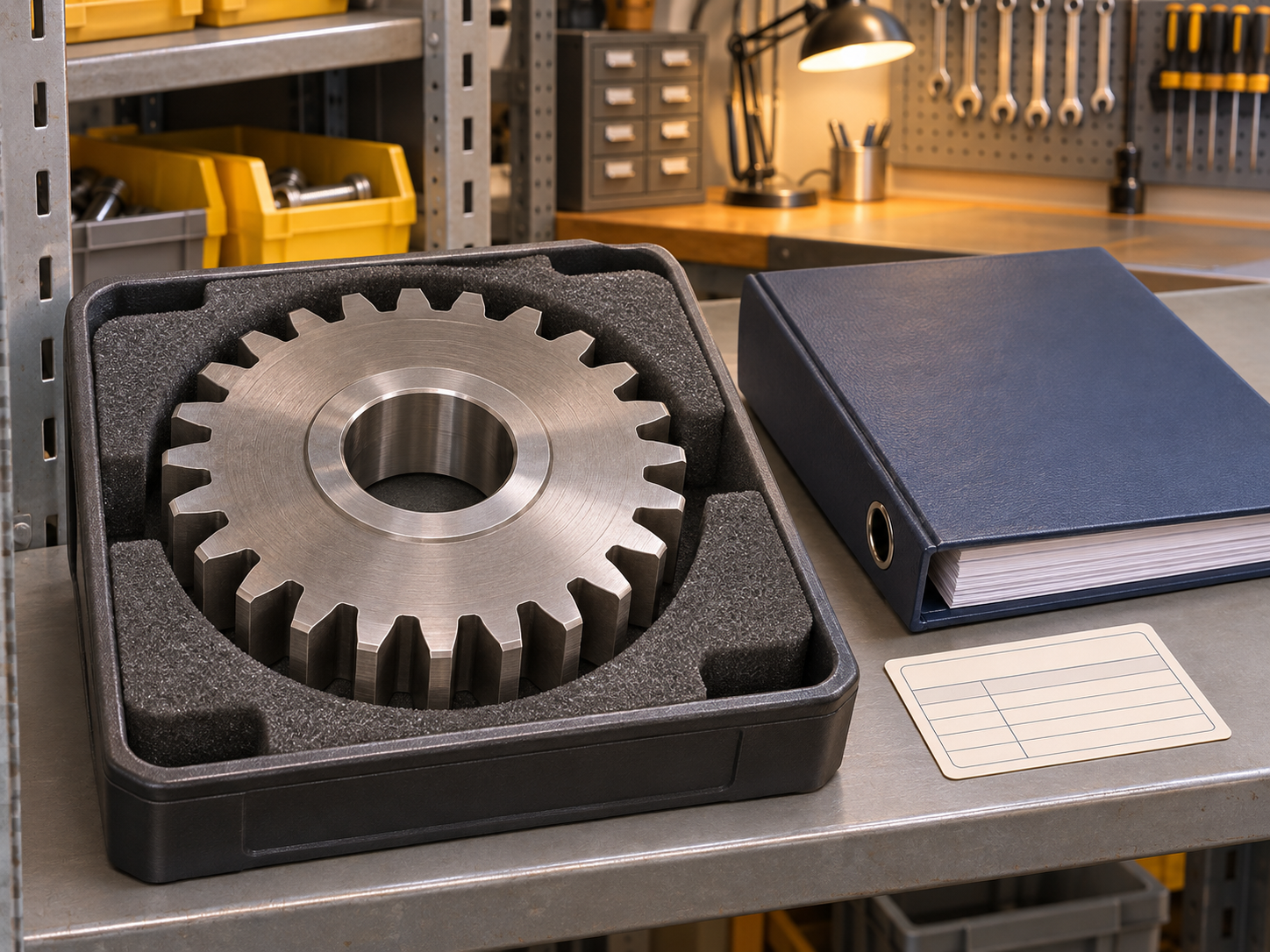
A carefully documented replacement project can leave a maintenance team with more than a new component. It can also provide a clearer basis for discussing future gearing needs: what was examined, what requirements were established and what inspection confirmed.
That record matters because a future spare should not depend on another round of guesswork from an increasingly worn sample. Retaining the relevant engineering and inspection information helps the next decision start from evidence rather than appearance.
This is how reverse-engineering work can support uptime planning without guaranteeing uninterrupted operation. The benefit depends on the quality of the assessment, the suitability of the replacement and the equipment around it. Use the assessment to make a defensible maintenance decision about the replacement gear.
Frequently Asked Questions
Can a Worn Gear Be Used for Reverse Engineering?
It can provide useful evidence, but wear may obscure the original geometry. The condition of the sample and the available engineering information determine what further assessment is needed.
Does Matching the Shape Establish Equivalent Performance?
No. Material, heat treatment, surface condition and the relationship with mating components also matter. A physical resemblance is not proof of suitability.
Does Reverse Engineering Guarantee More Uptime?
No. It may support a replacement strategy, but the outcome depends on the application, engineering decisions, manufacturing and the condition of the wider equipment.
Can Overton Chicago Gear Support More Than One Replacement Gear?
Our capabilities include individual gears, complete gearboxes, rebuilding and engineering services. The appropriate scope needs project-specific review.
Final Takeaway
Reverse-engineered gears can help address a difficult replacement problem when the available part or documentation is limited. Their contribution to power generation uptime comes from the work behind the component: careful assessment, meaningful measurements, material decisions and inspection against defined requirements. None of those steps should disappear behind a claim that two parts look the same. Start with the evidence you have, identify what remains uncertain and review the replacement in the context of the wider drive. That approach gives a maintenance team a stronger basis for deciding how to keep its equipment supported.
Note: We share gearing and power-transmission information for general guidance. Suitability depends on the equipment and its operating conditions. AI-generated images illustrate gear designs, not specific OCG products or projects. For current capabilities and project-specific guidance, visit Overton Chicago Gear.

Member discussion