
How to Migrate an eCommerce Website Without Losing SEO Traffic

A redesigned store can look ready while important parts of the business still need attention. Customers must find the products, search engines must understand the pages, and the checkout and reporting must keep working. Protecting those connections starts before launch. An eCommerce website migration needs a plan that treats visibility and operations as part of the same project. No migration can promise zero traffic loss, but a disciplined review helps you identify risks and judge the result against more than a new homepage. Start with what already works, then decide what must change.
Establish What the Current Store Needs to Protect

Start with an audit of the existing business, not a design preference. At Burst Online, our discovery process considers goals, systems, traffic, data and constraints. Those questions give a migration a practical starting point: what does the store need to keep doing while its platform changes?
Record the current picture before deciding whether the new site performs better. Consider search visibility alongside the quality of tracking and the path from product discovery to checkout. A single traffic total cannot explain every part of that journey.
Agree on the outcomes before the build begins.
- Review search visibility and content clarity.
- Check the reliability of analytics and reporting.
- Identify checkout and connected-system dependencies.
Carry Useful Content and Clear Structure Forward

A visual refresh should make a store easier to understand. Review whether product and category information answers the questions customers bring with them. Clear descriptions and a sensible route through the site give the new design something useful to present.
Search visibility also depends on a technical foundation. Crawlability, indexing, mobile usability and clear structure all belong in the review. Strong visuals do not compensate for pages that search systems cannot understand or customers cannot navigate.
Keep content decisions connected to the actual offer. Preserve useful explanations and improve thin or confusing pages. The aim is a store that communicates clearly, rather than a new layout carrying the same unanswered questions.
Test the Shopping Experience Across Devices

A desktop presentation does not show how a customer shops on a phone. Mobile usability and page performance need their own checks. Review the experience of finding a product, understanding it and taking the next step on the devices your customers use.
Our eCommerce performance work considers real page load time, mobile reviews, caching and ongoing monitoring. For migration planning, those are useful areas to compare before and after the change. A new platform should not escape scrutiny simply because the design feels faster.
Test complete customer tasks, not just attractive pages. Note where navigation becomes confusing or the buying path stalls, and give those findings a place in the launch review.
Keep Product Data and Checkout Connected
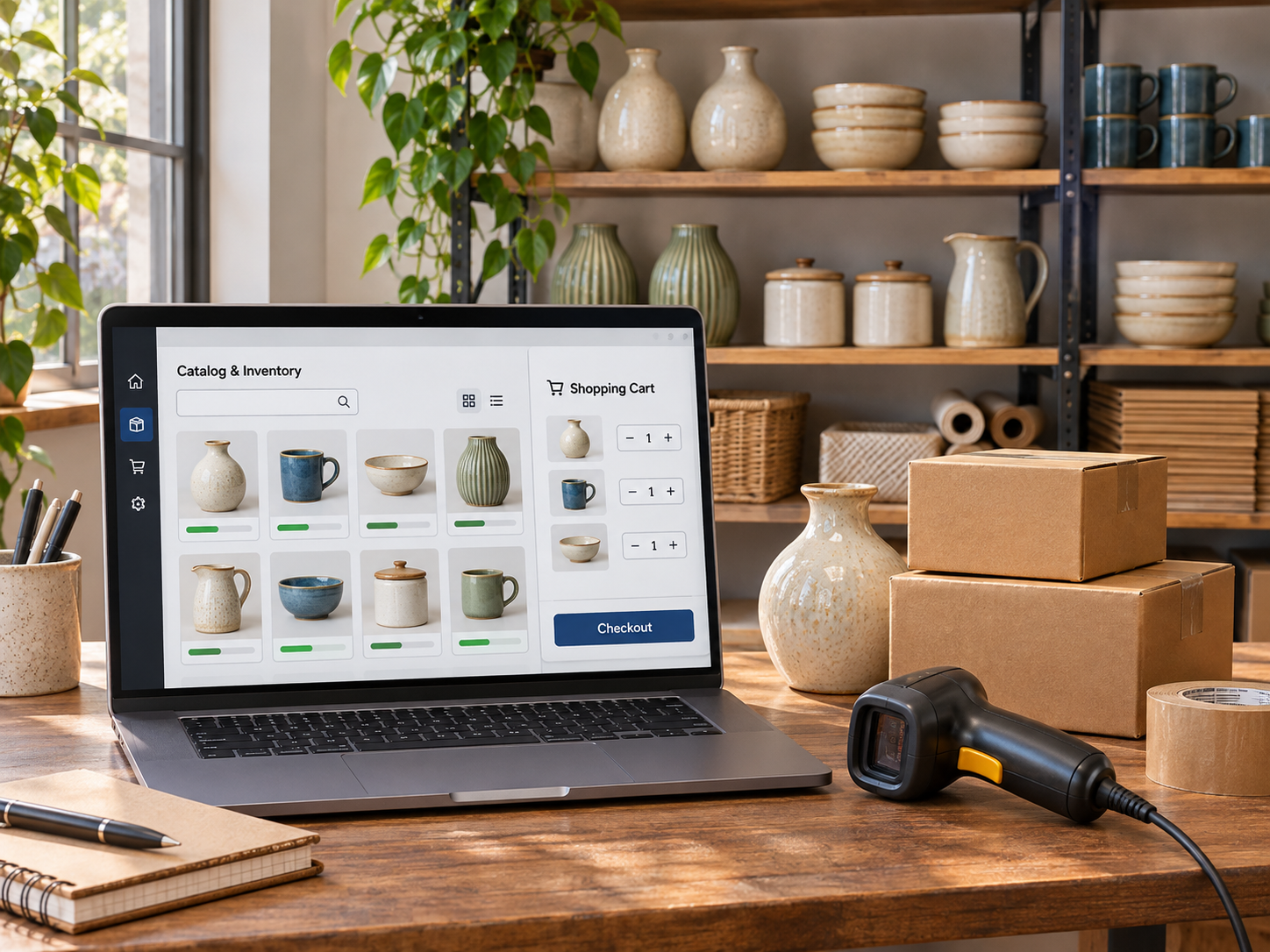
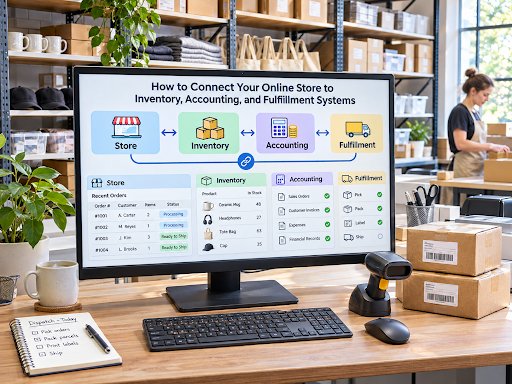
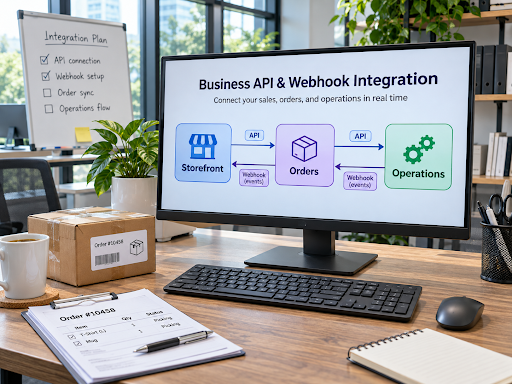
A storefront depends on information and processes outside the page itself. Catalog data, inventory, product feeds and reporting can involve several systems. Map those relationships before changing the platform so the project team understands what the store relies on.
Burst Online's commerce work spans the storefront and its operating layer. Our portfolio includes projects where platform planning and backend integration support business continuity. The practical lesson for a migration is to review the connected operation, not treat each screen as a standalone deliverable.
- Include catalog and product-feed checks in the plan.
- Review checkout behaviour alongside connected systems.
- Confirm that reporting still reflects the customer journey.
Measure the Launch and Keep Reviewing
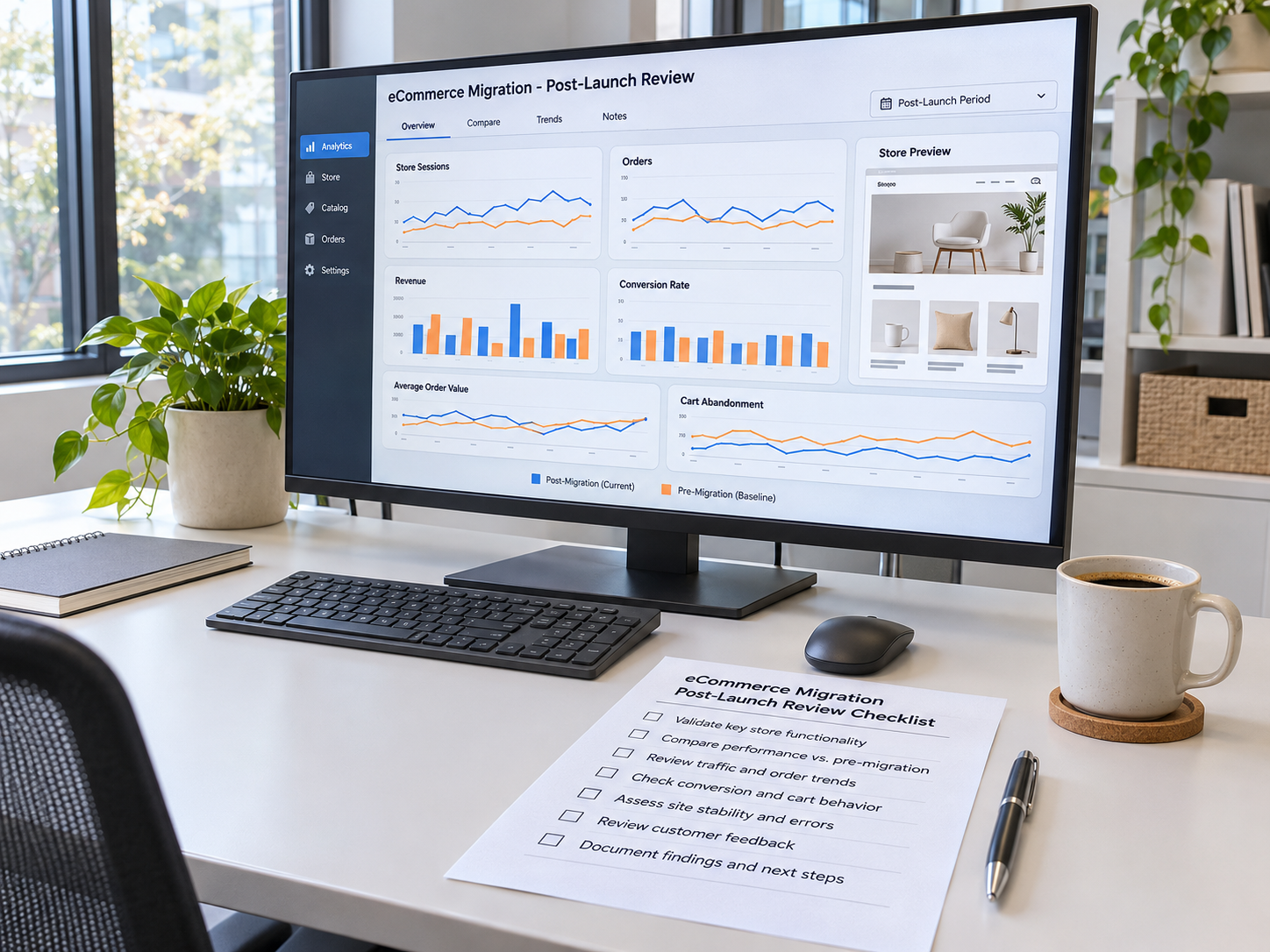
A launch is a point to examine results, not the end of the work. Our delivery model includes phased launches, quality checks and continued optimization. Agree who will review the store after the change and which outcomes will guide the next decisions.
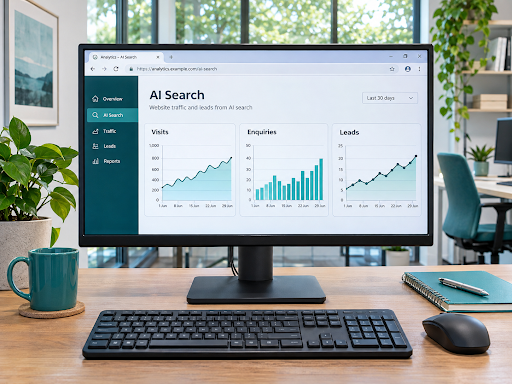
Monitor visibility, indexing, performance and conversion information together. A traffic change needs context; so does a conversion change. Check that measurement itself remains dependable before drawing conclusions from a dashboard.
Protecting SEO is ongoing work. Keep a record of issues, connect them to the responsible part of the project, and use the findings to guide improvements. The strongest migration plan includes time to understand what happens after customers reach the new store.
Frequently Asked Questions
Can a Migration Guarantee No SEO Traffic Loss?
No. Treat traffic protection as a planning and monitoring objective, not a guaranteed result. The site's condition, scope of change and implementation all matter.
Should the Project Start With Design?
Start by reviewing goals, systems, traffic and constraints. That gives design and development a clearer job to do.
What Should We Review After Launch?
Review search visibility, indexing, performance, mobile usability, checkout and tracking. Read those signals together rather than judging the migration from one number.
Does Every Store Need a Complete Rebuild?
Not necessarily. An audit can identify whether technical cleanup, clearer content or improvements to the existing platform would address the problem.
Final Takeaway
An eCommerce website migration deserves the same attention as any other change to a working business. Establish the starting point, retain useful content, test the customer experience and understand the systems behind the storefront. Then keep reviewing the results after launch. Help customers continue finding and using the business as you improve the site. A technical audit gives those decisions a clearer basis and helps the project team focus on the risks and improvements that matter to your store.
Note: This article provides general information about digital marketing, websites and AI-enabled services. Recommendations and outcomes depend on your goals, audience, data and systems. Visit Burst Online to discuss guidance suited to your business.

Member discussion