
API vs Webhook and Which Does Your Business Integration Need?
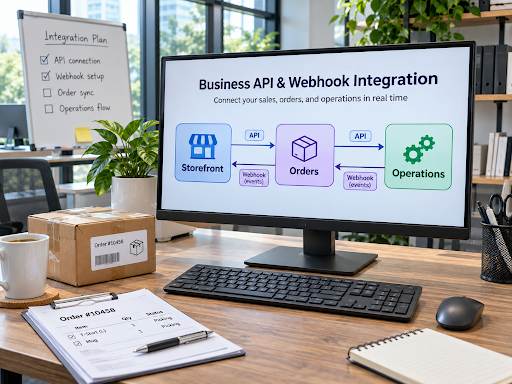
An order reaches your storefront, but your operations team still needs the right information in its other systems. That gap can turn a straightforward transaction into repeated checking and manual work. Choosing a business integration starts with understanding that gap. API and webhook services belong in the discussion, but the useful starting point is the workflow you need to connect. Which system holds the information, who needs it next, and what should happen after it arrives? Those questions give a development team something concrete to build around.
Start With the Workflow You Need to Connect

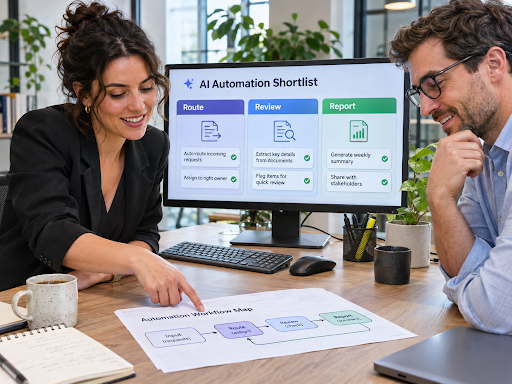
Before choosing a technical approach, describe the work in ordinary business language. A storefront, warehouse and reporting system serve different purposes, yet the same order can touch all three. Map where information starts and where your team needs to use it. A clear map makes missing connections easier to discuss than a broad request to automate everything.
Burst Online places architecture before development. Its approach maps systems, data flows, risks and dependencies before build work begins. That gives the project a practical foundation: the team can see which connections matter to the outcome and which other systems the work depends on.
Write down the current process, including the points where someone copies information, checks another screen or waits for an update. These are useful discussion points for an integration brief. Describe the work accurately before deciding how software should handle it.
Treat API and Webhook Support as a Project Requirement
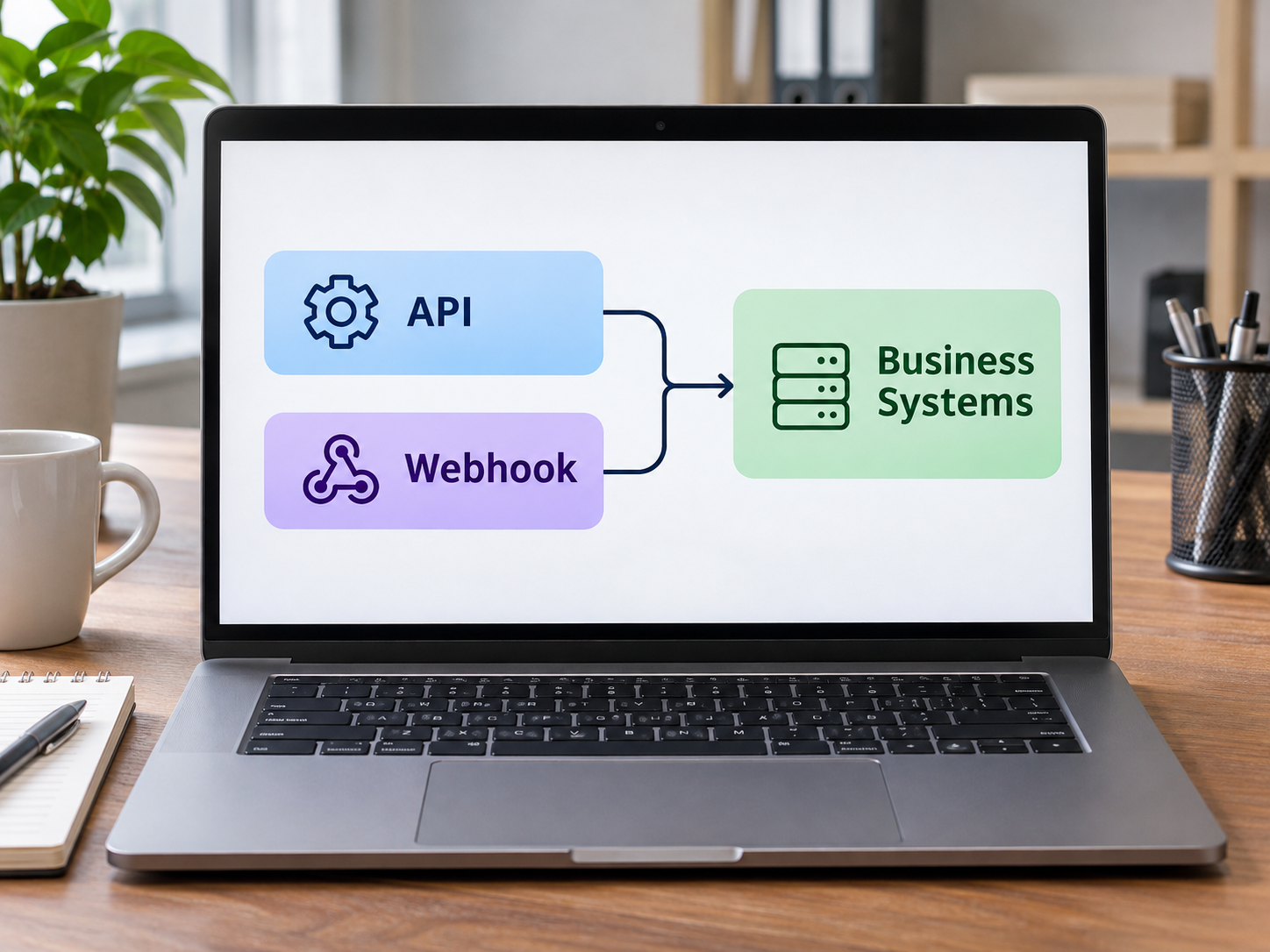
Burst Online lists REST and webhook integrations within its API backend and custom development services. It also develops backends, admin tools, portals and data services. That places both approaches within a wider engineering service rather than presenting either as a universal answer for every business.
The website does not provide a detailed technical comparison or a platform-by-platform compatibility guide. A responsible choice therefore starts with a review of your actual systems. Ask the development team to establish what each platform supports and how that support fits the workflow you have described.
Choose the connection after defining the job it must do. A service label alone does not establish whether a particular connection will meet your needs. Your brief should identify the information involved, the systems on each side and the result your team expects, leaving room for the technical review to determine the implementation.
Look Beyond the Storefront

A business integration can involve more than the customer-facing website. Burst Online describes work across ERP, CRM, third-party logistics, accounting, feeds and warehouse systems. Its commerce services also cover catalog, checkout, fulfillment, inventory and reporting. These connections affect how people carry out the work after a customer takes action.
Start by identifying the systems that already support your business. Then explain where their responsibilities meet. For example, an integration discussion about fulfillment should include the operating systems involved, not just the appearance of the storefront. This keeps the project focused on the complete process.
- Record the systems involved and the information each one needs.
- Identify the handoffs that currently require manual checking.
- State the operational or reporting outcome you want to improve.
Build QA and Reporting Into the Plan

A connection needs a clear plan for checking its work. Burst Online includes QA, launch planning, tracking checks and maintenance in its delivery approach. Its project model also defines phases and metrics before delivery, then measures and improves the work after launch.
Use that structure to make your integration brief more specific. Decide what your team needs to see during testing and what information will help you evaluate the result. A project tied to reporting, efficiency or conversion should have an agreed way to review those outcomes.
Plan verification before launch, not after a problem appears. This does not require inventing a performance target at the start. It requires agreeing on what success means for your workflow and how the team will check it as development progresses.
Bring a Focused Brief to the Technical Review
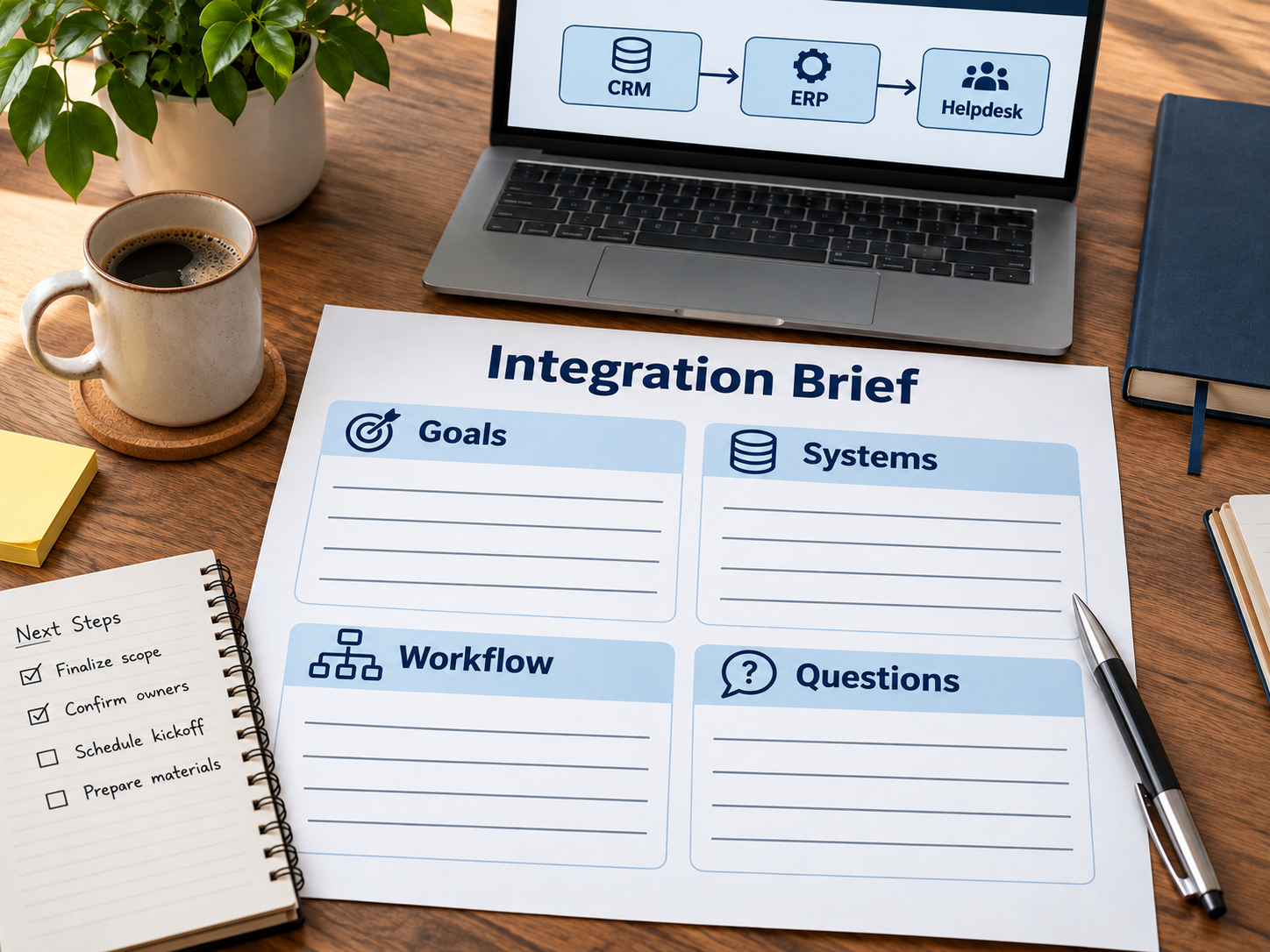
Burst Online's discovery process starts with goals, systems, data and constraints. Its technical growth audit also examines integration gaps involving business operations and automation. A focused brief helps that review stay connected to the problem you actually need to solve.
Bring a description of the current workflow, the systems involved and the points that slow your team down. Separate essential requirements from later improvements. This gives the development discussion a starting scope without assuming that every connection must change at once.
The practical answer to API versus webhook depends on that review. Burst offers both services, alongside the backend and infrastructure work that may support them. Let the requirements and the capabilities of your existing systems guide the choice, rather than choosing a label first and reshaping the business process around it.
Frequently Asked Questions
Does Burst Online Offer Both API and Webhook Integrations?
Yes. Its services page lists REST and webhook integrations within API backend and custom development.
Which Business Systems Can Be Part of the Discussion?
Burst describes work involving storefronts, ERP, CRM, third-party logistics, accounting, feeds, warehouses and reporting. Your specific platforms and requirements still need a technical review.
What Should I Prepare Before Discussing an Integration?
Prepare your goals, current workflow, systems, data requirements and constraints. These match the discovery and architecture stages described by Burst Online.
Final Takeaway
A useful integration project begins with a clear account of the work your business needs to complete. Map the systems, explain the handoffs and decide how you will check the result. Burst Online's business integration services include REST and webhooks, but its broader process also covers architecture, QA and ongoing improvement. That combination gives you a way to discuss the whole workflow rather than selecting a technology in isolation. Bring a focused brief, confirm what your systems support and agree on a scope that addresses the operational problem. The technical choice should follow those requirements.
Note: This article provides general information about digital marketing, websites and AI-enabled services. Recommendations and outcomes depend on your goals, audience, data and systems. Visit Burst Online to discuss guidance suited to your business.


Member discussion