
What Should Parents Know About A2 Desi Ghee for Kids' Strong Bones?
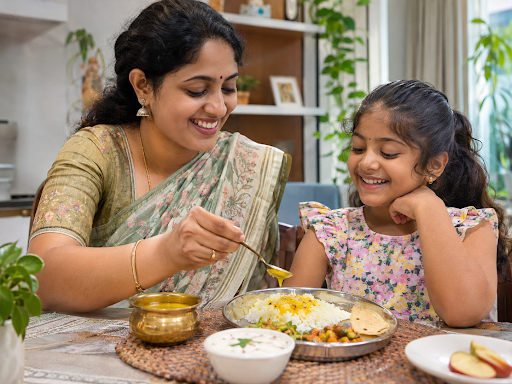
A child's unfinished lunch can leave parents wondering whether one familiar ingredient might make the meal more nourishing. In many Tamil Nadu homes, that ingredient is A2 Desi ghee. Its aroma and place in family cooking are familiar, but a claim about stronger bones needs more than tradition. Parents can use ghee in food while assessing bone-health claims separately. Start with what the product contains, how it fits the child's meals and which questions need a paediatrician's advice.
Separate Food Traditions From Bone-Health Promises
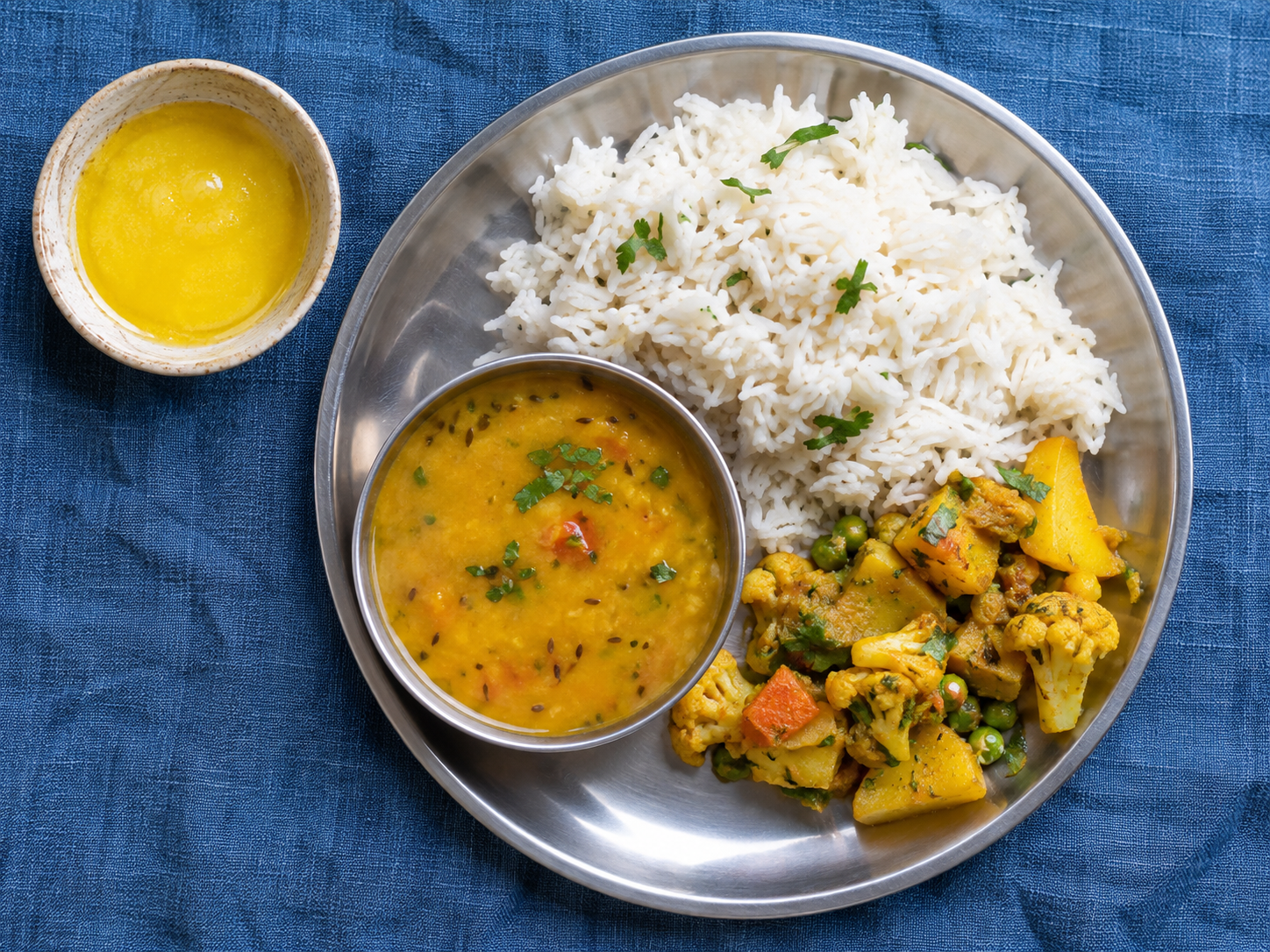
A2 Desi ghee has an established place in family cooking. That history can explain why parents enjoy adding it to familiar foods, but it does not by itself show that the product makes children's bones stronger. The pages considered for this article do not establish that specific outcome.
Be cautious when an ingredient's general nutritional description turns into a promise about growth. A list of vitamins, a traditional preparation method or a reassuring product label does not tell you how a particular child will benefit. Nor does it establish that the food can correct an underlying health concern.
Keep the question practical: does this ingredient have a sensible place in the meals your child already eats? If your concern is bone health or growth, discuss the concern itself with a paediatrician. Choosing a jar should not become a substitute for that conversation.
Understand What the A2 Description Means
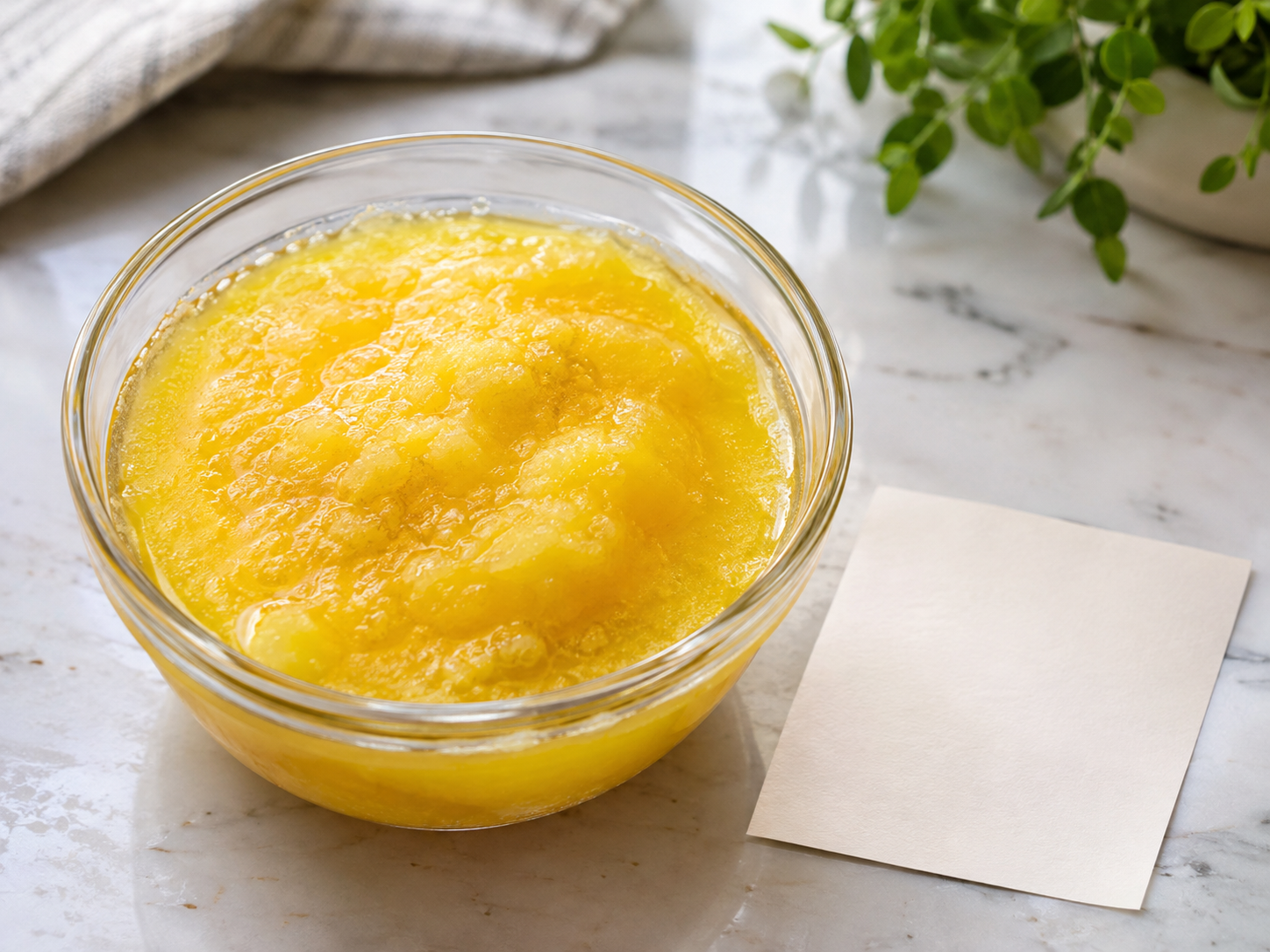
A2 describes a protein type in the source milk. Ghee is predominantly fat, with very little protein remaining. Parents therefore should not read the A2 label as proof of a special bone-building effect, or assume that it guarantees easier digestion for every child.
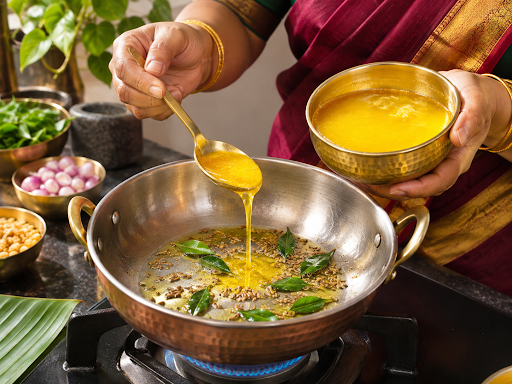
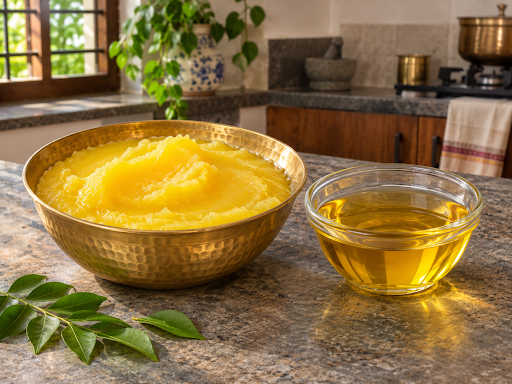
The preparation method is a separate detail. Traditional Bilona preparation starts with curd, which is churned to obtain butter before making ghee. Families may value the resulting taste, aroma and traceable preparation. Those preferences can guide a food purchase without becoming medical claims.
Ask clear questions about the milk source and how the product is made. Keep those answers separate from claims about children's development. Understanding the label helps you choose deliberately and avoids placing expectations on A2 Desi ghee that the available information does not support.
Keep A2 Desi Ghee Within the Meal
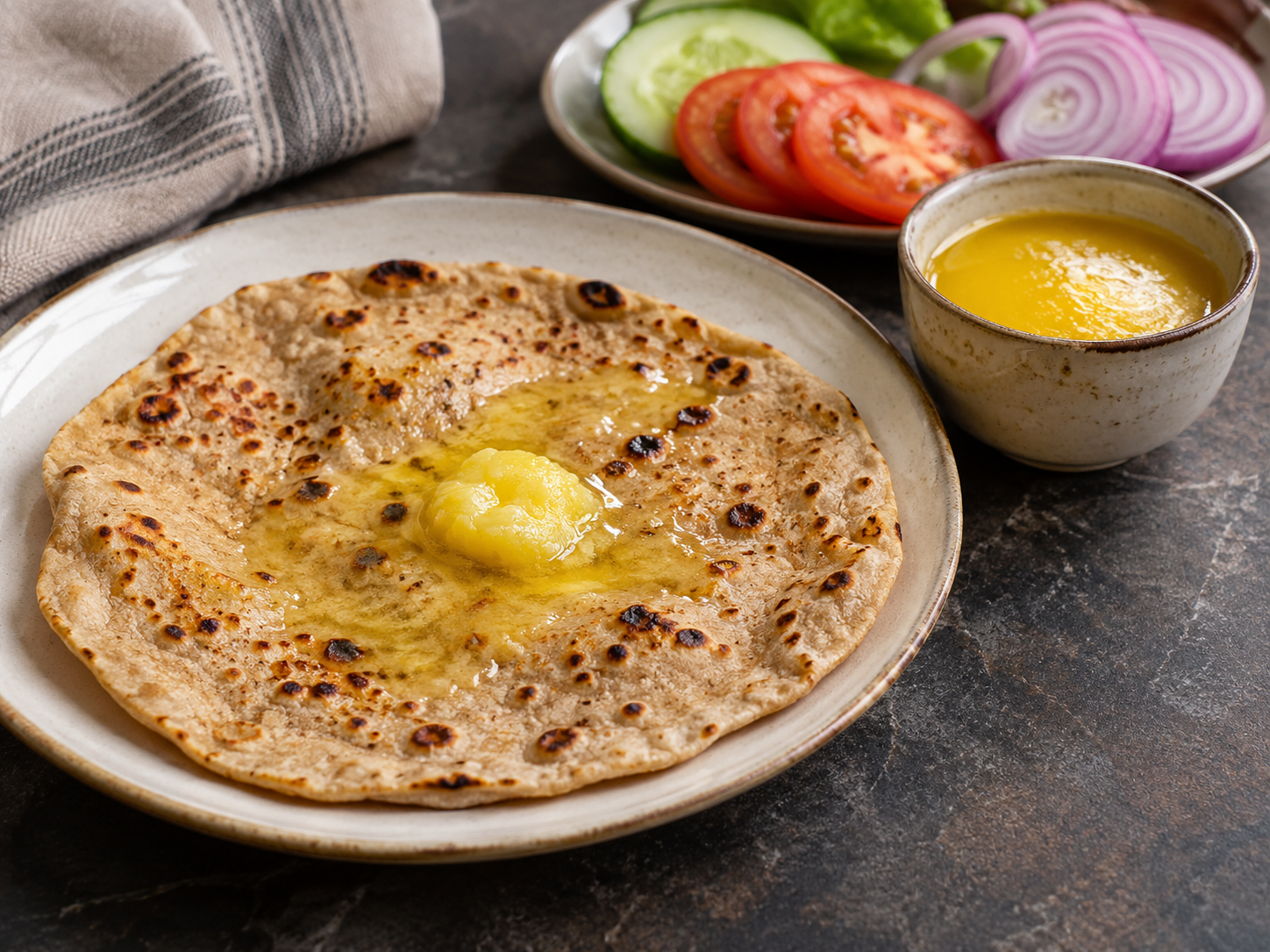
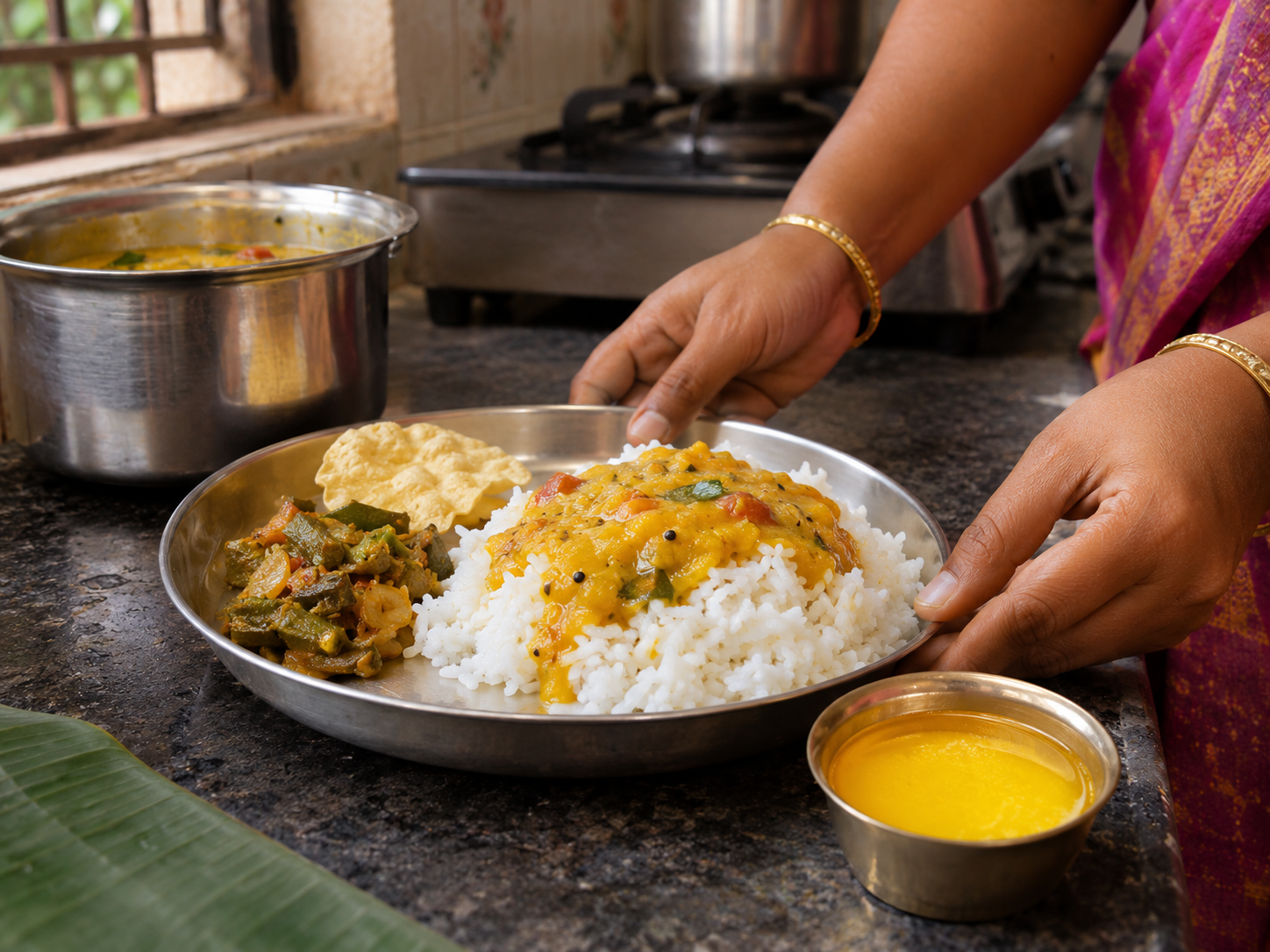
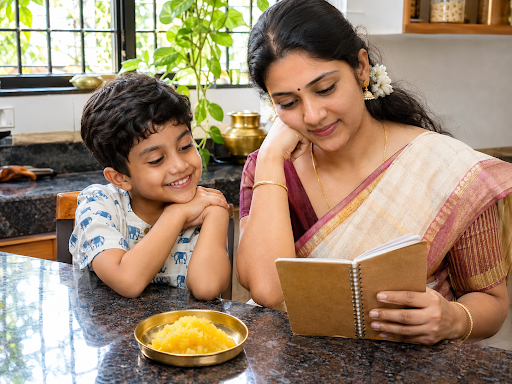
A2 Desi ghee can add a familiar flavour to foods such as rice, dal or khichdi. Thinking about it as an ingredient makes the decision more manageable than treating it as a stand-alone remedy. The meal around it still deserves attention.
For younger children, timing and quantity should reflect individual feeding advice. Avoid turning a general online serving suggestion into a fixed rule for every child. A paediatrician who knows the child's health history can help parents decide whether and how it fits.
Use the same care when several family members prepare meals. Share the agreed approach with caregivers so that everyone understands how the ingredient is being used. This keeps household practice consistent without making ghee the centre of every food decision.
Check the Product Information Carefully
Look beyond an attractive front label. Check the ingredient list, the identity of the maker and available food-business information. Plain products make it easier to understand what you are adding to a meal than preparations with several extra ingredients.
Clear sourcing and preparation details help parents ask informed questions. They do not certify a bone-health result. Similarly, food-business licensing identifies a regulated business; it should not be presented as proof that a product treats a medical condition.
At home, follow the product's storage directions and use a clean, dry utensil. Keep food residue and moisture out of the container. These ordinary handling habits are more useful than relying on a broad health promise to decide whether a product suits your family.
Know When to Ask for Individual Advice
A question about stronger bones may reflect a wider concern about a child's growth or eating pattern. Explain that concern directly to a paediatrician rather than trying to resolve it by adding more A2 Desi ghee. The answer may require information that a general food article cannot provide.
Parents should also seek advice before use when a child has a suspected or confirmed milk allergy or a diagnosed condition affecting diet. Do not assume that clarification or the A2 label makes every dairy product suitable. Product terminology cannot replace an individual assessment.
Bring the product label and a simple description of the child's usual meals to the discussion. Ask whether the ingredient is appropriate, how it should fit and what to do if a concern arises. Specific questions give you more useful guidance than asking whether one food is universally good for all children.
A2 Desi Ghee From Raghas Dairy
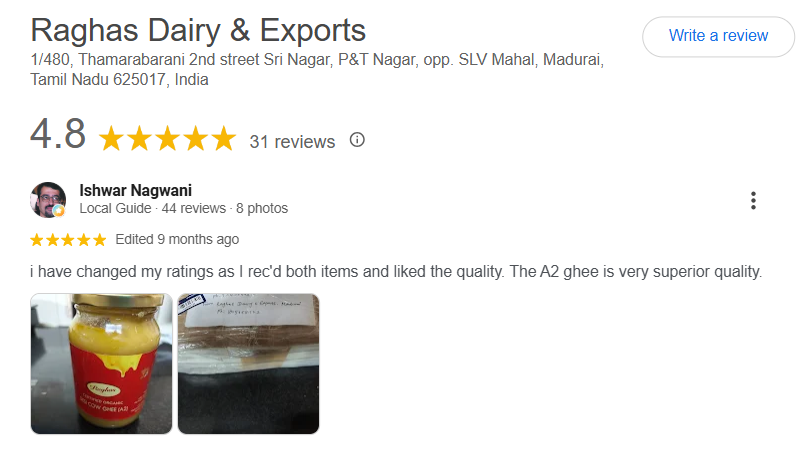
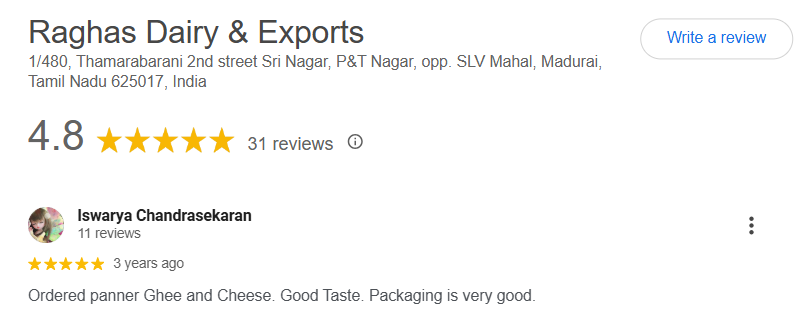
At Raghas Dairy, we prepare A2 Desi ghee using the traditional curd-first Bilona method and milk from Tamil Nadu native desi cows. We welcome questions about our products and preparation so families can make an informed food choice. Our product information is not a substitute for advice about a child's growth, allergies or medical needs. Those questions belong with a qualified healthcare professional who knows the child.
Frequently Asked Questions
Does A2 Desi Ghee Guarantee Stronger Bones?
No such guarantee is established by the information reviewed here. Use it as a food ingredient where appropriate, and seek individual advice about bone-health concerns.
Does the A2 Label Make a Product Suitable for Every Child?
No. The label describes the source milk and does not replace advice about allergies, feeding needs or a diagnosed health condition.
How Can Families Use A2 Desi Ghee in Meals?
It can be incorporated into familiar dishes such as rice, dal or khichdi when appropriate. Ask your paediatrician about timing and quantity for younger children.
Is Bilona Preparation Proof of a Health Benefit?
It describes a preparation method. Families can prefer its flavour and sourcing without treating the method as proof of a specific medical outcome.
Final Takeaway
Parents can appreciate A2 Desi ghee without expecting it to solve a growth or bone-health concern. Choose a product with clear information, use it thoughtfully in familiar meals and keep health promises separate from food preferences. The A2 description and Bilona method help explain sourcing and preparation, but neither guarantees stronger bones. When a child's development, allergy history or eating pattern worries you, speak with a paediatrician and bring the product details along. A considered food choice, made with appropriate advice, gives families a more dependable starting point than relying on a single ingredient to deliver a particular result.
Visit Raghas Dairy to learn more about our products and join our community of happy customers.

Member discussion