
What Should Parents Know About A2 Desi Cow Ghee for Children's Growth?
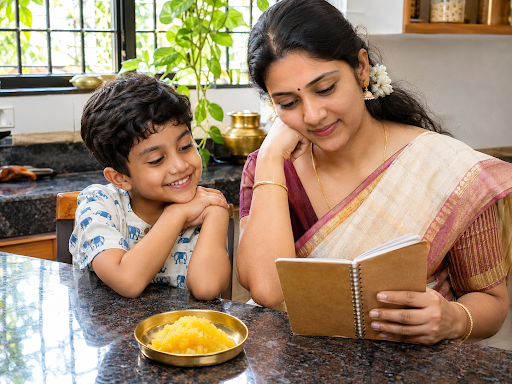
Parents often hear that one traditional ingredient can make a child stronger, taller or sharper. It is understandable to want a clear answer before adding it to everyday meals. With A2 Desi ghee, the useful starting point is its place in food and how it is made. Claims about growth need a separate look. A familiar taste or a traditional preparation method does not, by itself, prove a developmental benefit. Understanding that difference helps families choose food thoughtfully without expecting a spoonful to do more than the evidence supports.
Understand the Milk Source and Preparation
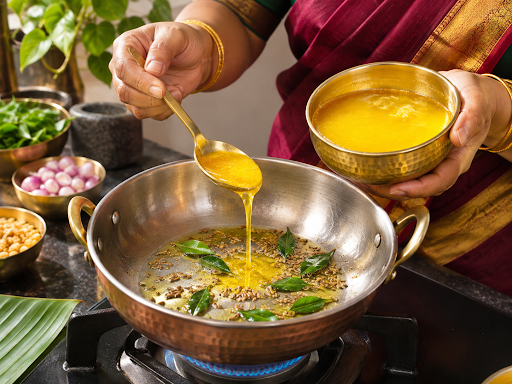
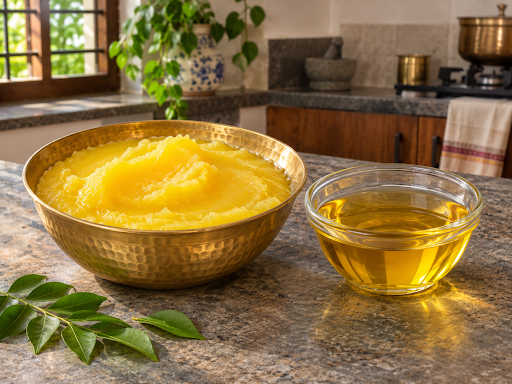
The A2 description refers to the milk used to make the ghee. Bilona describes a preparation method: milk becomes curd, the curd is churned to obtain butter, and the butter is heated to make ghee. These terms answer different questions about the product.
For parents, the practical value is knowing what they are choosing. Ask about the milk source, ingredients and preparation rather than relying on a short front-label phrase. A traditional method can be part of a family's food preference without becoming proof that the finished product improves a child's growth.
Keep the distinction clear when reading advice. Information about a milk protein cannot automatically establish the effects of clarified butter made from that milk. A claim about the finished A2 Desi ghee needs evidence about that product and the outcome being promised.
See Ghee as an Ingredient in the Whole Meal
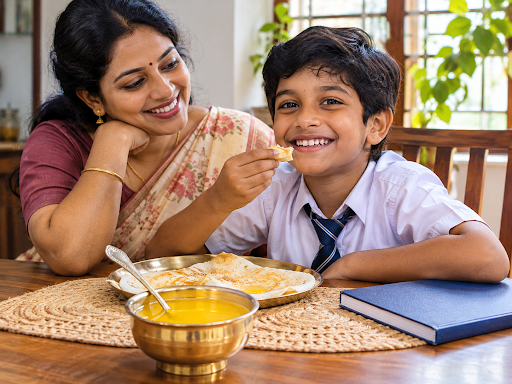
Ghee supplies dietary fat and adds a rich taste to familiar foods such as rice and dal. Its aroma can be part of the meals a family enjoys preparing together. In those meals, ghee is a cooking ingredient. Its presence alone does not establish a developmental benefit.
A meal still needs consideration as a whole. Adding A2 Desi ghee does not tell a parent whether the overall diet meets a particular child's needs. Nor does an ingredient list establish that a child needs more of one food. Avoid treating a single product as the answer to every concern about eating or growth.
For families who already use ghee, a useful question is where it fits in the meals the child accepts. Keep that conversation separate from claims about rapid weight gain, stronger bones or better learning. Those outcomes require more than a traditional food recommendation.
Read Growth and Brain Claims Carefully
Advice about children's development can sound convincing when it mentions vitamins or fatty acids. But explaining the role of a nutrient does not show that a particular serving of A2 Desi ghee supplies enough of it to produce a claimed result. The amount in the finished product matters.
Claims that this ghee makes children taller, improves intelligence or guarantees stronger bones need product-specific clinical evidence. The material reviewed for this article does not establish those outcomes. Parents should not have to turn promotional claims into expectations for their own child.
Look for the missing link between the ingredient and the promised outcome. Is there a verified amount, a relevant study of the finished food and evidence that applies to children? When that support is absent, treat the statement as an unproven claim rather than a reason to change a child's diet.
Keep Baby Feeding Decisions Individual
Advice for babies and advice for school-age children are not interchangeable. Complementary feeding introduces different questions from choosing ingredients for established family meals. A broad blog cannot decide when or how much is appropriate for an individual baby.
At Raghas Dairy, we encourage families with questions about babies or diagnosed health conditions to speak with a doctor or dietitian. Concerns about feeding, growth or reactions to dairy deserve individual guidance rather than a fixed spoon-by-age schedule copied from a promotional page.
Do not assume that the A2 label makes a dairy-derived product suitable for a child with a milk allergy. Seek professional guidance for confirmed cow's-milk protein allergy. Food preference and medical suitability are different decisions.
Choose With Clear Information and Realistic Expectations
A useful product discussion starts with what the maker can explain: the ingredients, milk source and preparation. At Raghas Dairy, our A2 Desi ghee follows the traditional curd-first Bilona process using milk from Tamil Nadu native desi cows. Those are production details families can consider alongside taste and everyday use.
Reviews can help with a different set of questions, such as aroma and texture. They cannot establish that a food changes a child's growth or treats a condition. Keeping those roles separate makes both product information and customer feedback easier to interpret.
Parents do not need to attach a dramatic promise to a familiar ingredient to enjoy using it. Choose A2 Desi ghee for a clearly understood place in family meals, and take unresolved concerns about a child's development to an appropriate professional. That keeps the food choice practical and the expectations fair.
What Customers Appreciate About Raghas A2 Desi Ghee
At Raghas Dairy, we value feedback about the everyday experience of using our ghee. Our published customer feedback includes appreciation for its rich taste, aroma and granular texture. Those comments can help families understand the product experience, but they are not evidence of growth or health benefits for children.
Frequently Asked Questions
Does A2 Desi Ghee Guarantee Better Growth?
No. The evidence reviewed here does not establish a guaranteed growth benefit from the finished product. A child's growth concerns need individual assessment.
Are A2 and Bilona the Same Thing?
No. A2 describes the milk source, while Bilona describes the curd-churning preparation method used to obtain butter before making ghee.
Can I Follow a Universal Daily Quantity for My Baby?
This article does not provide an individual feeding quantity. Ask a qualified clinician or dietitian about your baby's age, feeding stage and health needs.
Do Customer Reviews Prove Health Benefits?
No. Feedback about taste, aroma or texture describes a customer's experience. It does not establish clinical benefits for children.
Final Takeaway
A2 Desi ghee can have a familiar place in family cooking without carrying promises about height, intelligence or stronger bones. Understand the milk source and preparation, look at the whole meal and distinguish a food preference from a health claim. Product information can help you choose confidently; it cannot assess your child's development. For babies, milk-allergy concerns or questions about growth, use individual professional guidance. Keeping these boundaries clear allows parents to appreciate a traditional ingredient for what it is, while making decisions about their children with realistic expectations and better questions.
Visit Raghas Dairy to learn more about our products and join our community of happy customers.


Member discussion