
What Cognitive Benefits Does A2 Desi Ghee Provide for Kids' Brain?
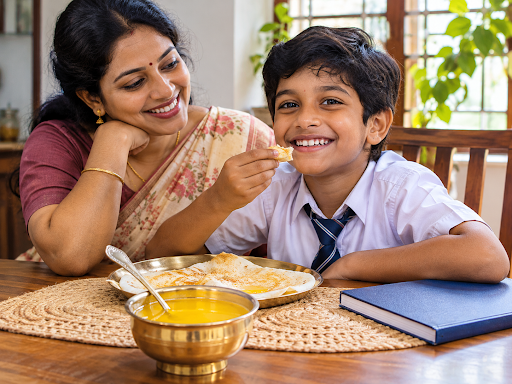
When a child struggles to finish breakfast or concentrate on homework, parents naturally look for something that might help. Familiar foods often enter that conversation, including A2 Desi ghee stirred into rice or served with dosa. But a food's place in family meals and a proven improvement in memory are different questions. Understanding the health benefits of ghee starts with keeping those questions separate. Consider its dietary role without treating a spoonful as a promise about a child's brain.
Understand Its Role as a Dietary Fat
A2 Desi ghee is primarily a source of fat. In a meal, it adds richness and energy, which explains why families often include it in children's food. That ordinary dietary role is a more grounded starting point than treating it as a special ingredient that directly raises intelligence or improves school performance.
Brain-health promotions often move quickly from the body's need for nourishment to claims about a particular product. The connection needs evidence. Showing that nutrition matters does not establish that adding this specific food will produce a measurable cognitive improvement in a child.
Think about the whole meal when deciding where A2 Desi ghee fits. A familiar flavour can make rice, dal or another dish more enjoyable, but it should not carry the entire responsibility for a child's nourishment. Keep expectations focused on its role as food rather than a cognitive treatment.
Look Carefully at Memory and Focus Claims
Claims about better memory, sharper concentration and stronger brain function can sound reassuring, especially during busy school terms. The promotional articles reviewed for this topic make several such suggestions, but they do not establish those outcomes through clearly presented clinical evidence in children.
That limitation matters because a general statement about traditional use cannot tell a parent how much a child's concentration will change, whether any change will last, or whether the same result would occur without the product. A confident headline does not answer those questions.
You can still choose A2 Desi ghee as part of familiar family cooking without expecting it to solve a learning concern. If concentration or development worries persist, seek appropriate professional guidance rather than increasing a food in the hope of correcting the problem. Avoid measuring its value by promised marks, memory scores or attention improvements.
Keep Nutrient Claims in Perspective
Descriptions of A2 Desi ghee frequently mention fatty acids and fat-soluble vitamins. Those descriptions can encourage parents to see a broad nutritional picture, but they do not by themselves establish a product's measured composition or a particular cognitive benefit for a child.
Read the actual product information rather than assuming that every nutritional claim applies equally to every jar. A claim that a food contains a nutrient is also different from evidence that eating it improves memory. The articles reviewed do not provide a reliable basis for promising that result.
A varied meal remains a more useful planning focus than expecting one ingredient to cover every need. A2 Desi ghee can accompany the foods your family already prepares. Keep the surrounding meal varied and avoid treating it as a replacement for other foods simply because a brain-health claim sounds appealing.
Use It in Familiar Meals Without Making Big Promises
For many Tamil Nadu families, the appeal of A2 Desi ghee begins with aroma and flavour. It can accompany rice and dal or finish a warm dosa, making its place at the table easy to understand without a claim about academic performance. That practical use needs less explanation than a sweeping brain-boosting promise.
Keep the serving appropriate to the meal and your child's individual needs rather than following a promotional promise that more will deliver a better result. The supplied articles do not establish a universal amount that improves cognition, so this discussion does not prescribe one.
Vary the meals instead of repeating the same ghee-heavy dish because of its supposed benefits. A child can enjoy a familiar ingredient while the family keeps a sensible distinction between food preference and health treatment. Everyday eating should not become a test of whether a product has changed the child's memory.
Choose With Clear Information and Realistic Expectations
A useful purchase decision begins with understandable product information and a realistic reason for using the food. Ask what you want from A2 Desi ghee: a cooking ingredient, a familiar flavour or a particular texture. Those are different expectations from seeking a verified improvement in thinking or learning.
Be cautious when a product description joins several promises together, such as better memory, mood and sleep, without explaining the evidence behind each one. The pages reviewed for this article do not establish that A2 Desi ghee produces those cognitive outcomes in children.
At Raghas Dairy, we want families to make an informed choice about the foods they bring home. Keep the focus on the product information and how it fits your meals. A thoughtful decision does not require accepting every brain-health claim attached to a traditional food.
Share Your Raghas Dairy Experience
Have you used our A2 Desi ghee in your family's cooking? Share your experience with Raghas Dairy, including the flavour, texture and dishes you enjoyed preparing. Honest product feedback helps other families understand the everyday cooking experience. Personal reviews should not be treated as evidence that a food improves a child's memory or concentration.
Frequently Asked Questions
Does A2 Desi Ghee Have Proven Memory Benefits for Children?
The promotional sources reviewed for this article do not establish a clinically proven improvement in children's memory. Its use as a food should remain separate from that stronger claim.
Can It Replace a Varied Diet?
No single ingredient should stand in for a varied meal pattern. Consider A2 Desi ghee as one part of family cooking rather than a complete answer to a child's nutritional needs.
How Much Should I Give for Better Concentration?
The supplied articles do not establish a universal cognitive-benefit serving. Ask a qualified professional about individual dietary needs rather than using an unverified amount to target concentration.
Final Takeaway
A2 Desi ghee can have a familiar place in children's meals, particularly when families enjoy its flavour and texture. The stronger claim that it improves memory, intelligence or concentration needs evidence that the reviewed promotional pages do not establish. When exploring ghee for children, keep that distinction in view: choosing a food is not the same as choosing a proven treatment. Build the decision around the whole meal, clear product information and your child's individual needs. Enjoy a traditional ingredient for what it contributes at the table, without placing unsupported expectations on a spoonful.
Visit Raghas Dairy to learn more about our products and join our community of happy customers.


Member discussion