
How Compact Gear Drives Support Medical Equipment Positioning
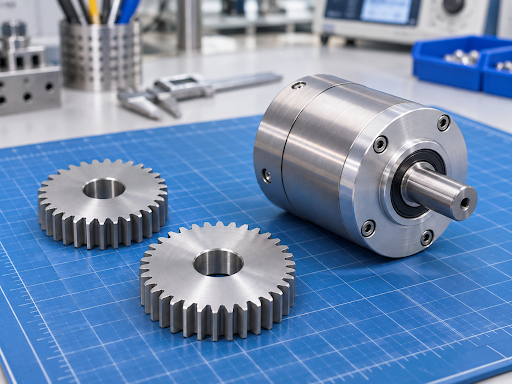
Moving a medical platform into position can demand more than a small motor. The mechanism must fit limited space, handle its load and return to the intended position consistently. Compact gear drives help engineers balance those demands by adapting motor motion to the equipment's needs. Understanding the gearing options also means knowing what a gear alone cannot establish: positioning performance depends on the complete drive, its controls and the way the equipment is tested.
Fit Useful Reduction Into Limited Space
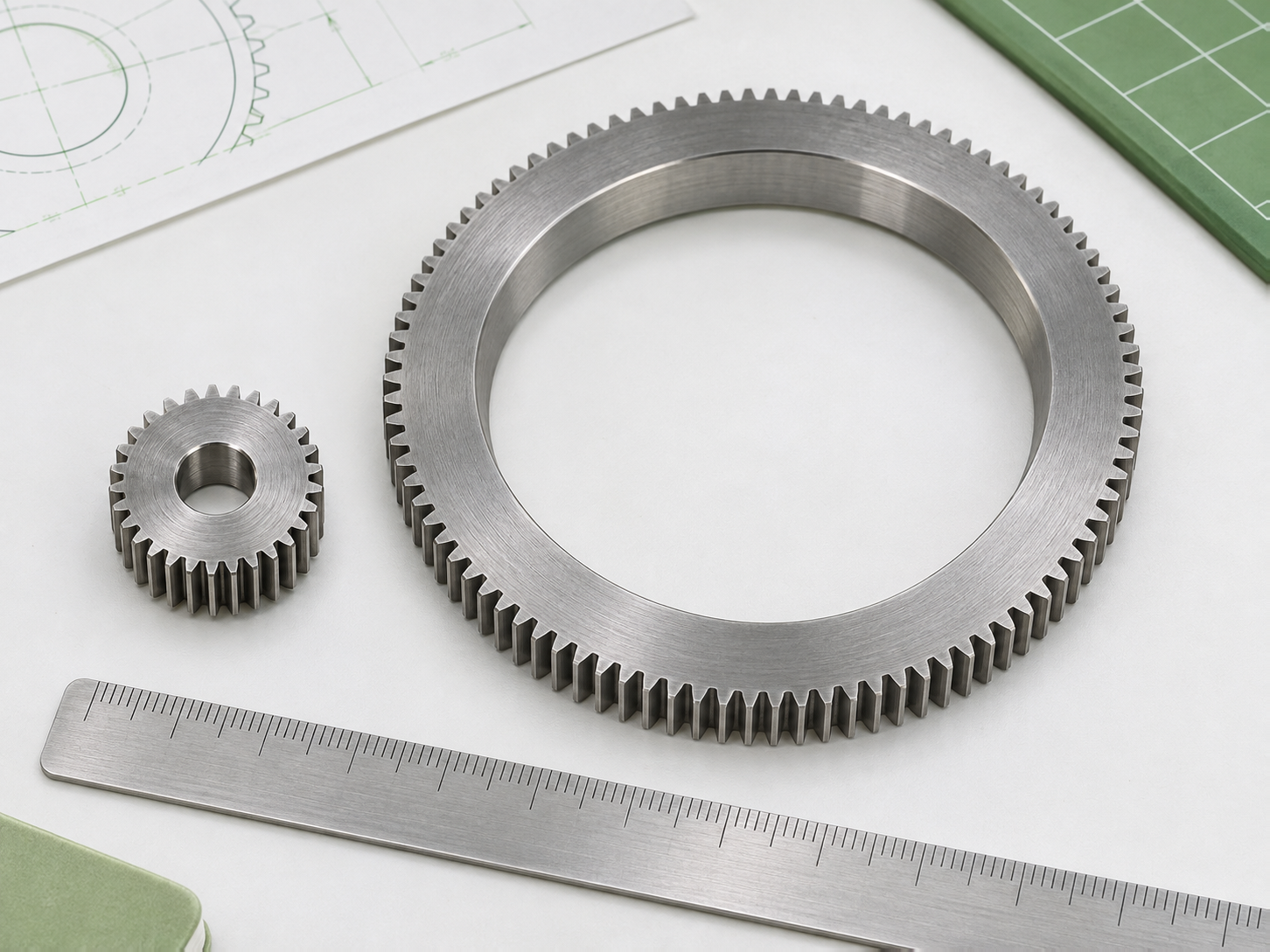
A gear drive changes the relationship between motor speed and output motion. Compact reduction mechanisms let designers consider useful output torque without building the entire positioning system around a large direct-drive motor. This matters where the available installation space sits close to imaging equipment, a moving platform or a robotic joint.
Strain-wave and cycloidal designs are examples of compact reduction approaches discussed in medical-motion applications. They use different internal arrangements, so they should not be treated as interchangeable simply because both fit a small envelope. The reduction ratio, load and intended movement still guide selection.
Start with the space the whole assembly can occupy, including its connections and support structure. A small gear unit does not guarantee a small finished mechanism. Engineers must also allow for the motor, cables and surrounding equipment rather than comparing the gear housing in isolation.
Control Lost Motion When Direction Changes
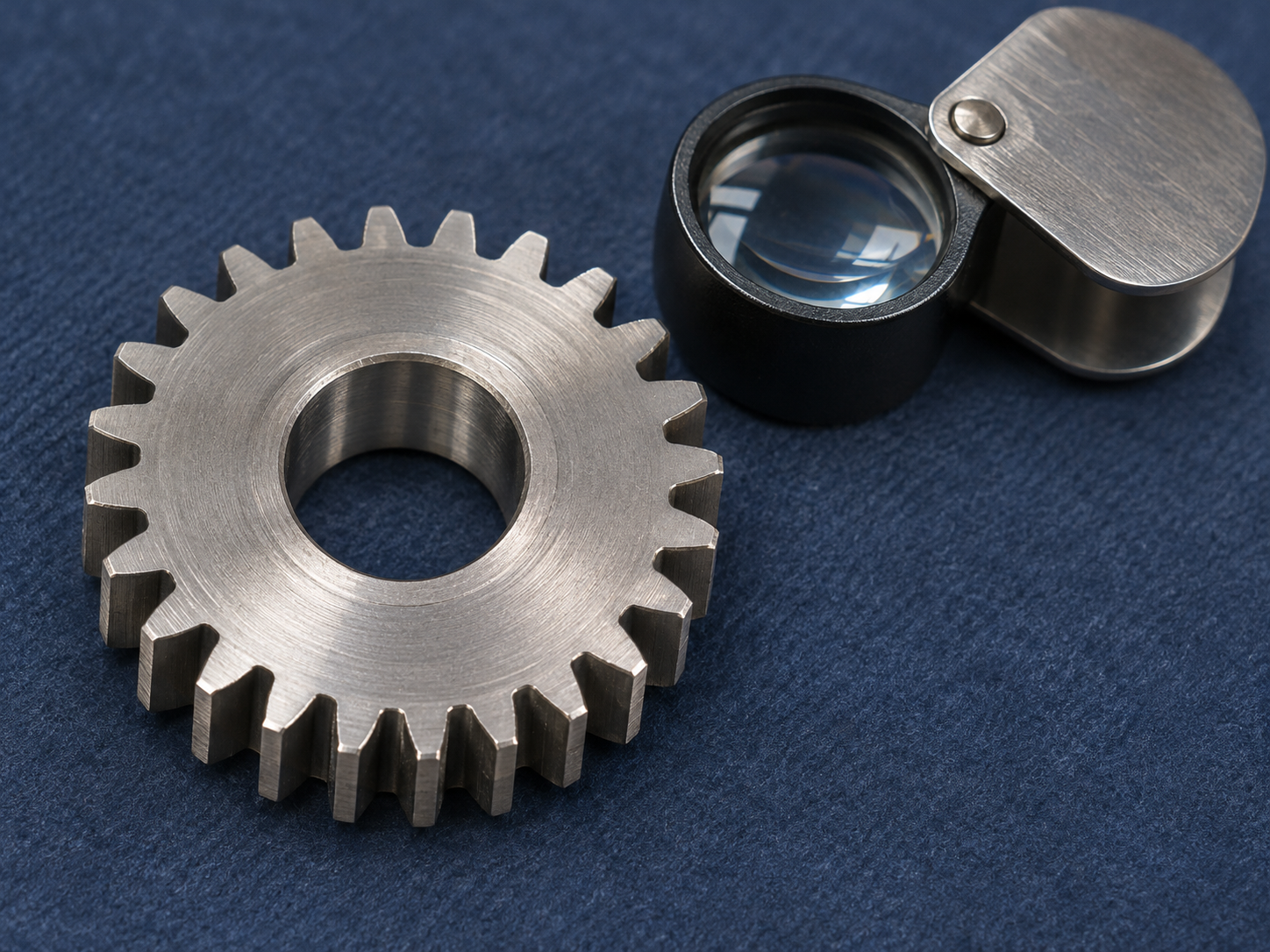
Positioning equipment often needs to reverse direction or approach a target repeatedly. Backlash creates clearance that must be taken up when motion reverses. In a demanding positioning task, that behavior deserves attention because the motor's movement and the output's response may not match immediately.
Low-backlash gear designs help address this requirement, and precision reduction units are available for applications that depend on repeatable movement. However, a low-backlash description is not a complete accuracy specification. The assembled mechanism and its control behavior determine how it performs in the intended task.
Define the movement that matters before selecting the drive. Repeated travel to the same position, a smooth directional change and holding a load are related but different requirements. Comparing the drive against those actual motions gives a better basis for selection than relying on a single precision-related phrase.
Match Stiffness and Load to the Application
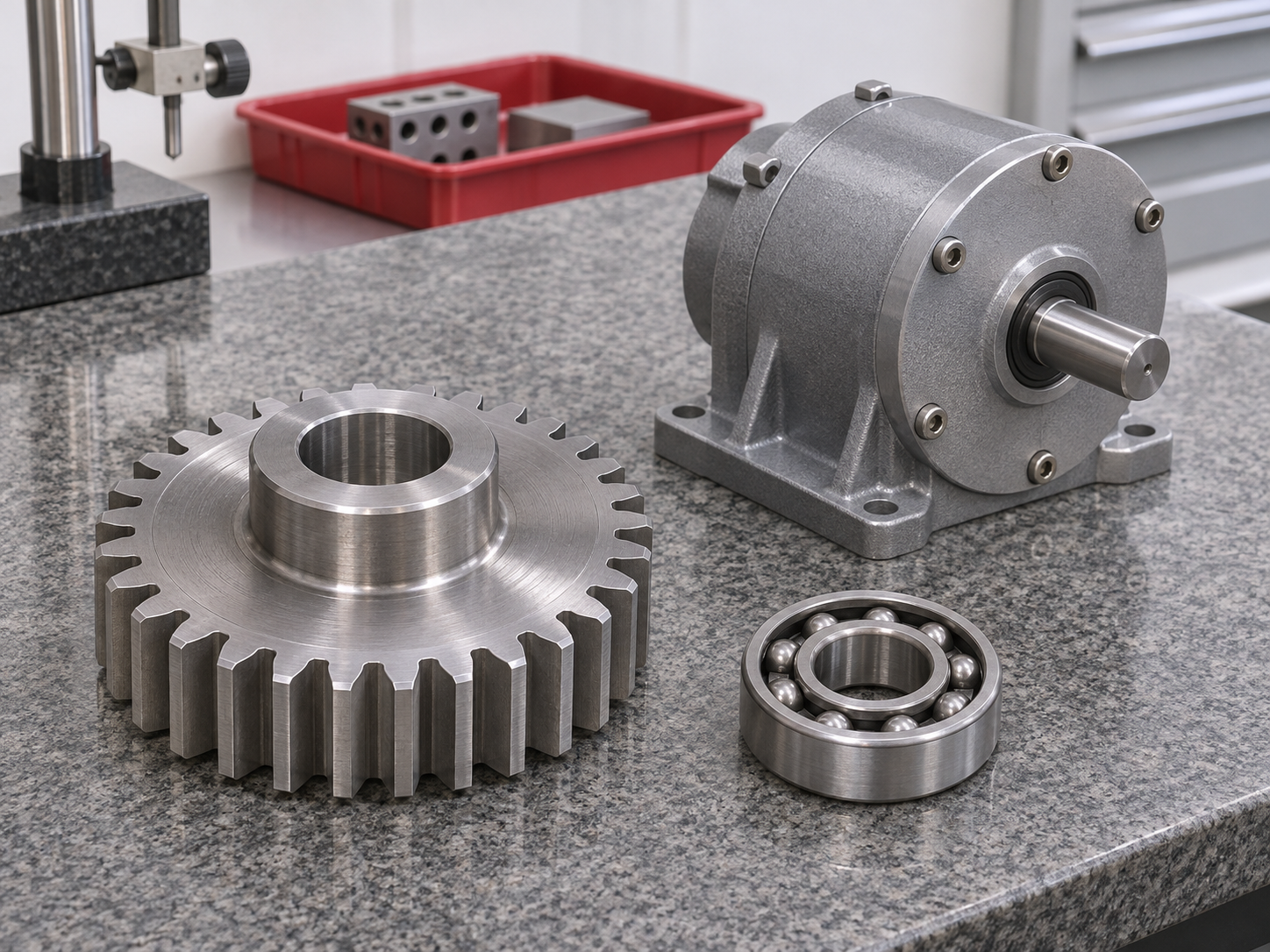
A drive must do more than reach a position without load. It also has to behave appropriately when the equipment places forces on the mechanism. Torsional stiffness and load capability therefore matter alongside compactness, particularly where the output supports or moves a substantial part of a medical system.
Cycloidal reduction technology is one approach associated with high rigidity and precise motion in medical applications. Assess how those characteristics fit the particular equipment. A drive selected for one motion cannot automatically establish suitability for another platform with different forces or movement patterns.
Consider the load, available support and required movement together. Selection should account for what happens during operation rather than just how the unit looks on a drawing. The medical-equipment manufacturer must assess the complete design; a gearing description does not replace application-specific verification.
Integrate the Drive With Motors and Feedback
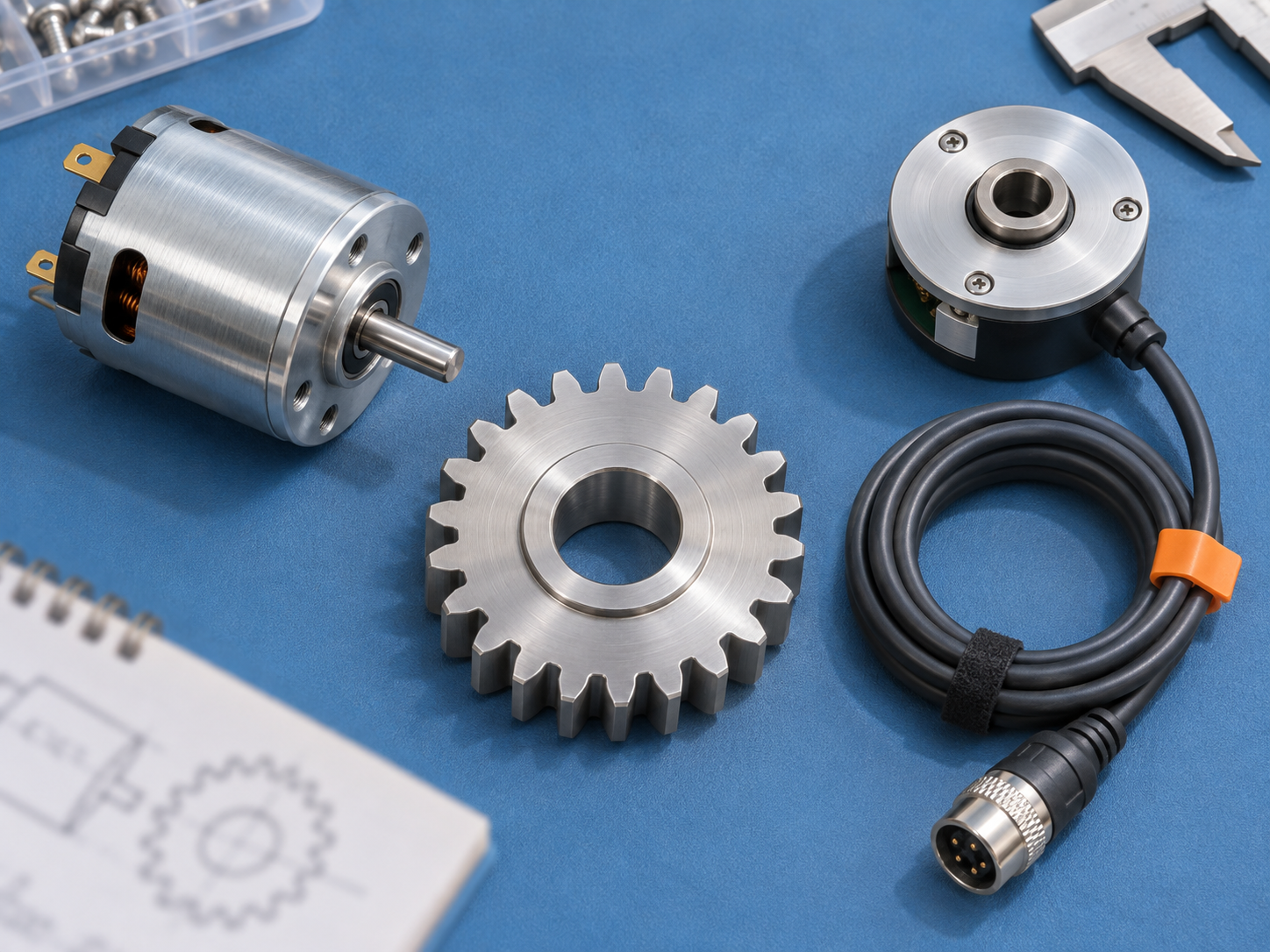
The gear unit sits within a larger motion system. Motors produce movement, and feedback and control components help the equipment manage that movement. Treating the gear drive as a standalone answer can overlook the connections that determine whether the system responds as intended.
Compact layouts can also benefit from arrangements that accommodate cables or other connections through the drive area. Hollow-shaft options may help with this packaging task when they suit the selected mechanism. That space still needs careful planning so moving parts and routed connections can coexist properly.
Map the complete path from the motor to the moving output before settling on a component. Check how the control arrangement relates to the load and how the equipment will behave during its required movements. This keeps the focus on positioning performance rather than assuming that gear reduction alone provides it.
Plan for the Medical Equipment Environment
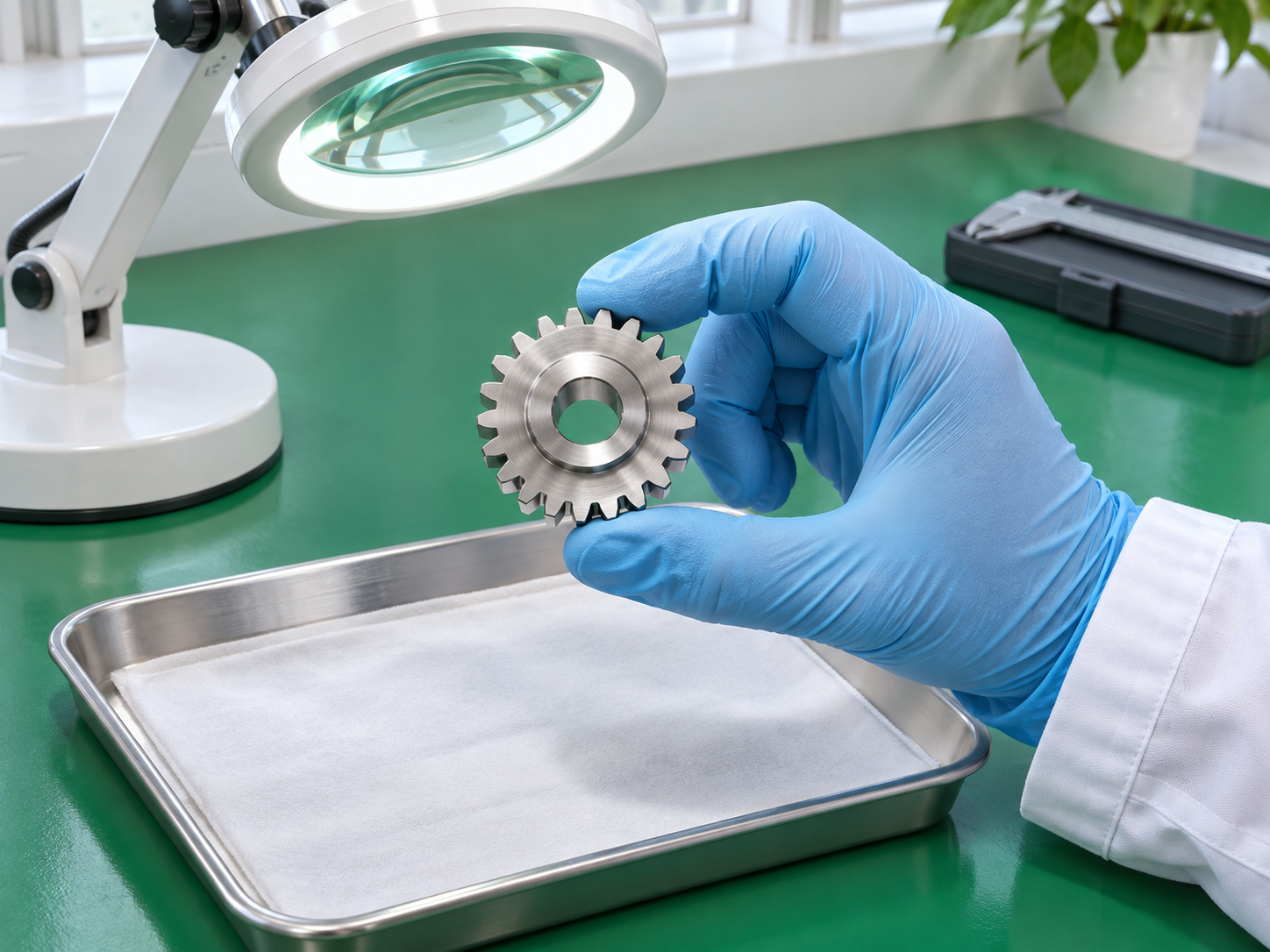
Medical equipment brings requirements beyond basic motion. Noise, heat, cleanliness and dependable operation can affect the design choices around the drive. The importance of each factor depends on the equipment and its working environment, so a general gearing article cannot establish suitability for a specific device.
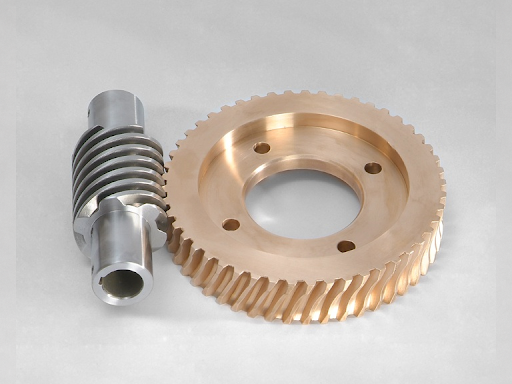
Inspection and testing need to address the finished assembly as well as individual components. A gear that looks accurately made still needs to meet the actual application requirements. Likewise, an illustration of a precision gear does not demonstrate that the part has passed medical-device testing or appears in a particular clinical system.
Our open-gearing capabilities provide a starting point for discussing gear forms and project requirements. Any proposed component needs assessment against the intended design. Keep claims about medical use, compliance and performance tied to verified project information rather than inferring them from a general manufacturing capability.
Frequently Asked Questions
Does a Compact Gear Drive Guarantee Accurate Positioning?
No. The gear, motor, feedback, controller, load and mechanical structure work together. Assess the complete motion system against the application's requirements.
Why Does Backlash Matter?
Clearance in the drive can affect the response when direction changes. Its significance depends on the required positioning motion and the design of the complete system.
Do These Illustrations Show Specific Medical Products?
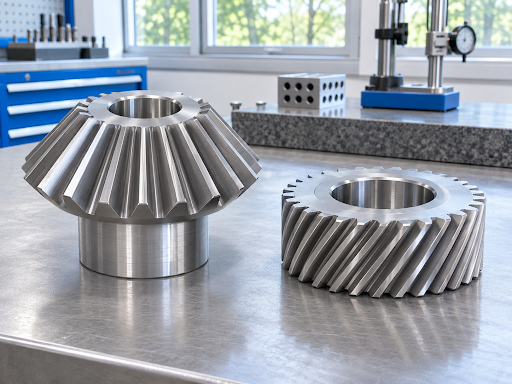
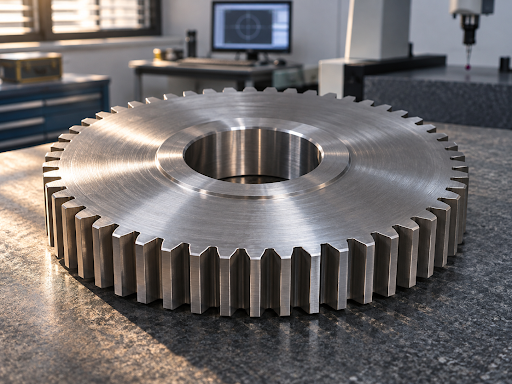
No. The illustrations explain general gear and inspection concepts. They do not identify actual medical devices, OCG projects or certified components.
Final Takeaway
Compact gear drives help designers manage reduction, space and load while building a positioning system around the equipment's needs. Their value depends on the details: reversing behavior, stiffness, routing space and integration with the motor and controls. When comparing open-gearing capabilities, begin with the required motion and the conditions the assembly must handle. Then verify the complete design rather than treating a compact housing or a precision label as proof of performance. Medical-equipment suitability needs application-specific assessment, with clear separation between general gear technology and claims about a particular device.
Note: We share gearing and power-transmission information for general guidance. Suitability depends on the equipment and its operating conditions. AI-generated images illustrate gear designs, not specific OCG products or projects. For current capabilities and project-specific guidance, visit Overton Chicago Gear.
Member discussion