
Right-Angle vs. Parallel-Shaft Gearboxes: How to Choose
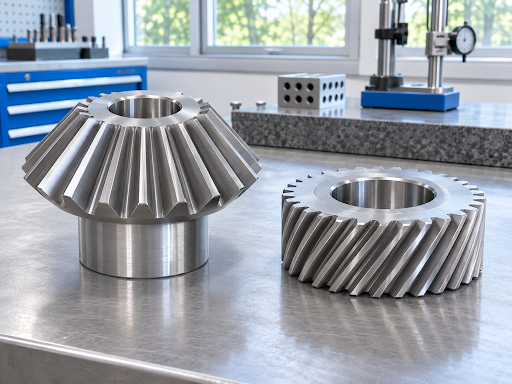
A gearbox can meet a power requirement and still be wrong for the space around it. The relationship between the motor and driven shaft often decides which layouts deserve a closer look. When comparing right-angle and parallel-shaft gearboxes, start with the machine arrangement, then work through the operating conditions. Neither layout is automatically the best choice for every installation. A useful specification describes the required motion and the loads the drive must handle, while leaving enough detail for an engineering review of the complete configuration.
Start With the Shaft Arrangement
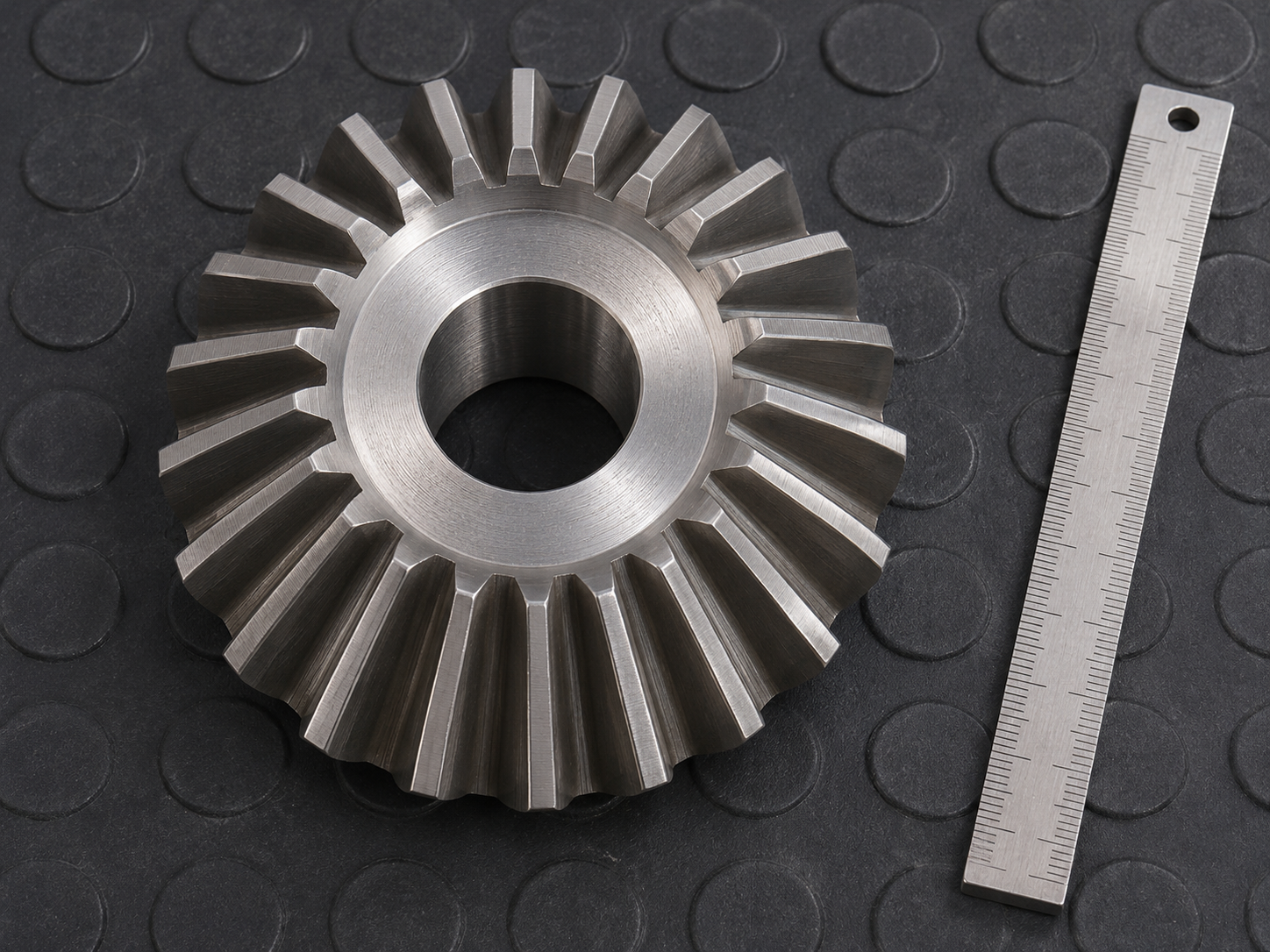
A right-angle layout redirects power between shafts arranged at approximately ninety degrees. A bevel stage provides one way to make that change in direction. This can be useful where the motor cannot sit in line with the driven equipment.
Parallel-shaft gearing keeps the shaft axes parallel. Start the comparison with shaft geometry. That alone does not make either design better. Draw the available space and shaft positions before comparing individual units.
Include the surrounding equipment in that sketch. A gearbox that fits its own footprint may still obstruct a coupling, support or maintenance point. The usable installation space matters as much as the outline of the housing.
Separate Layout From Gear Design
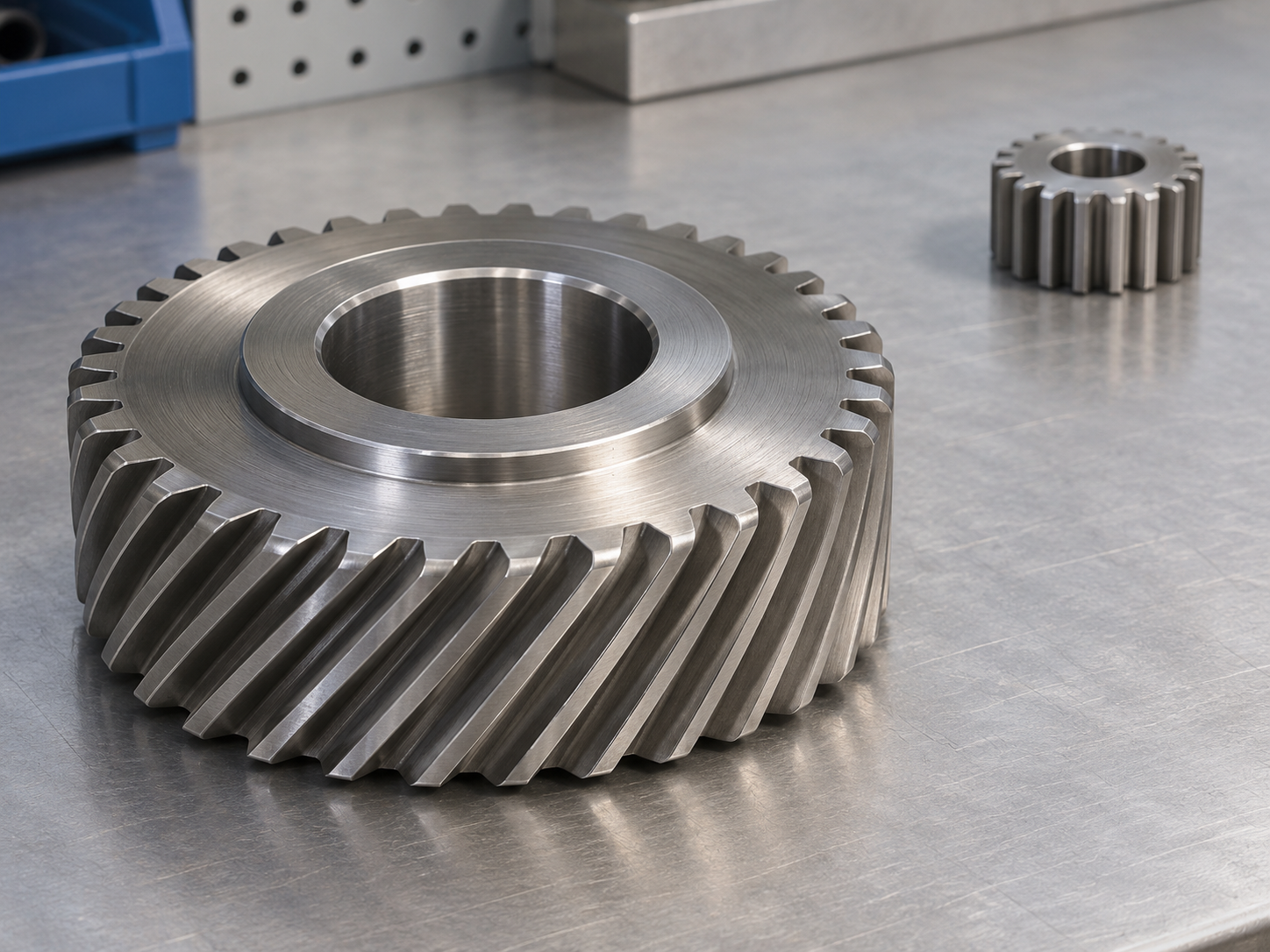
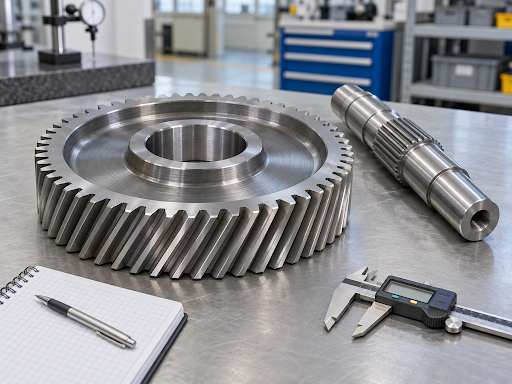
The shaft arrangement and the tooth design answer different questions. Helical gears can operate on parallel shafts, while a helical-bevel unit combines reduction stages with a bevel stage that changes direction. The layout name alone does not describe every feature inside the unit.
That distinction helps avoid overly broad comparisons. Noise, load capability and operating behavior depend on the actual design and its application. Do not infer a verified performance advantage merely from the words right-angle or parallel-shaft.
At Overton Chicago Gear, our gearbox capabilities include standard and custom configurations across different shaft arrangements. The useful conversation begins with the required arrangement and operating conditions, followed by the appropriate design for that job.
Define the Load Before Comparing Units
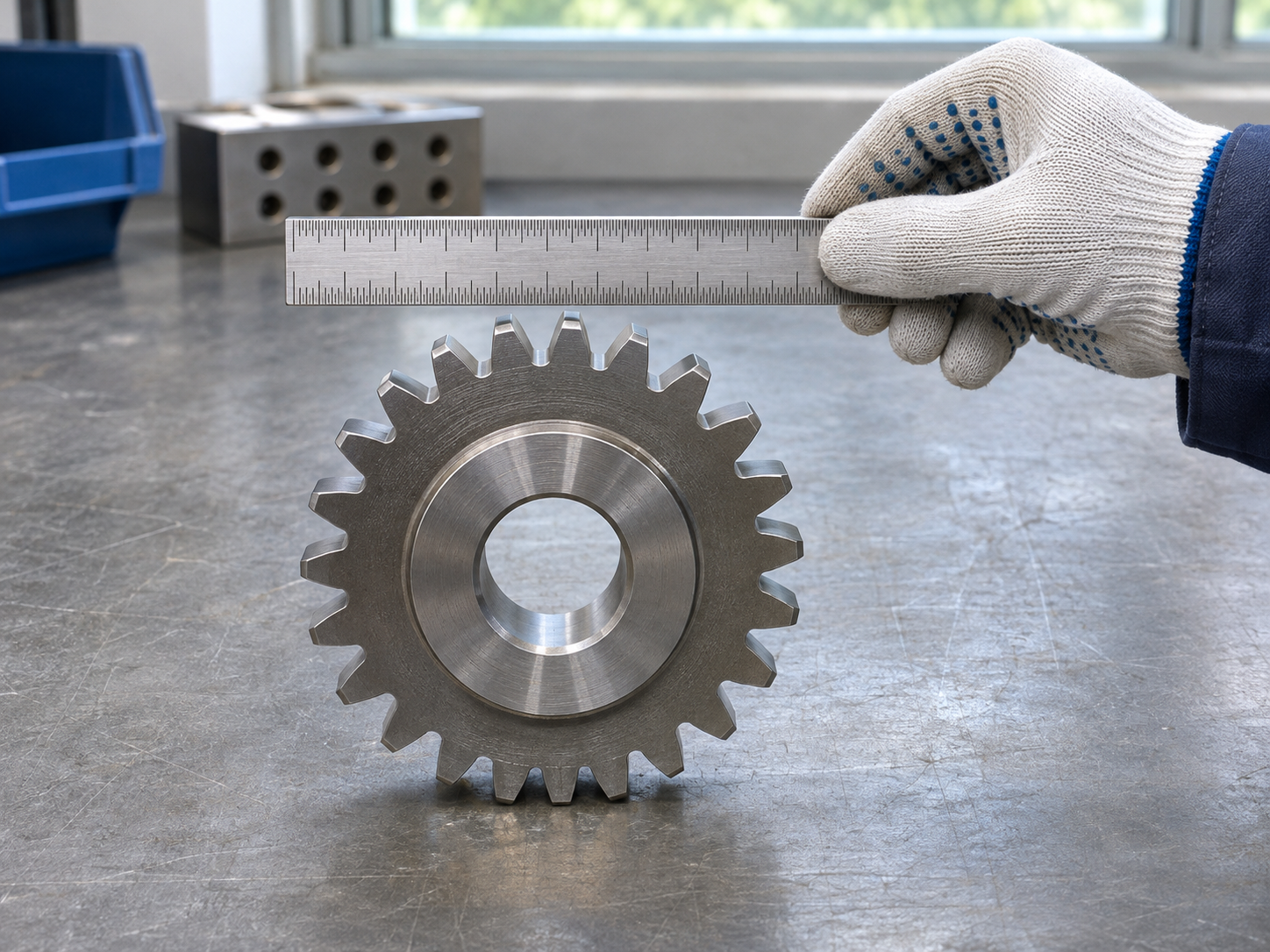
Record the required output speed and the load the machine must move. Include the operating cycle and conditions at startup, rather than treating the motor rating as a complete description of the application. A drive that starts under load presents a different problem from one that starts empty.
Consider how the load changes through the cycle. Reversals, temporary overloads and shock conditions belong in the engineering discussion. A catalog comparison becomes more useful when each candidate is evaluated against the same operating information.
Keep continuous operation and exceptional conditions distinct in the specification. This gives the reviewer a clearer description than a single broad label such as heavy duty, which does not explain when or how the load occurs.
Plan the Mounting and Maintenance Access
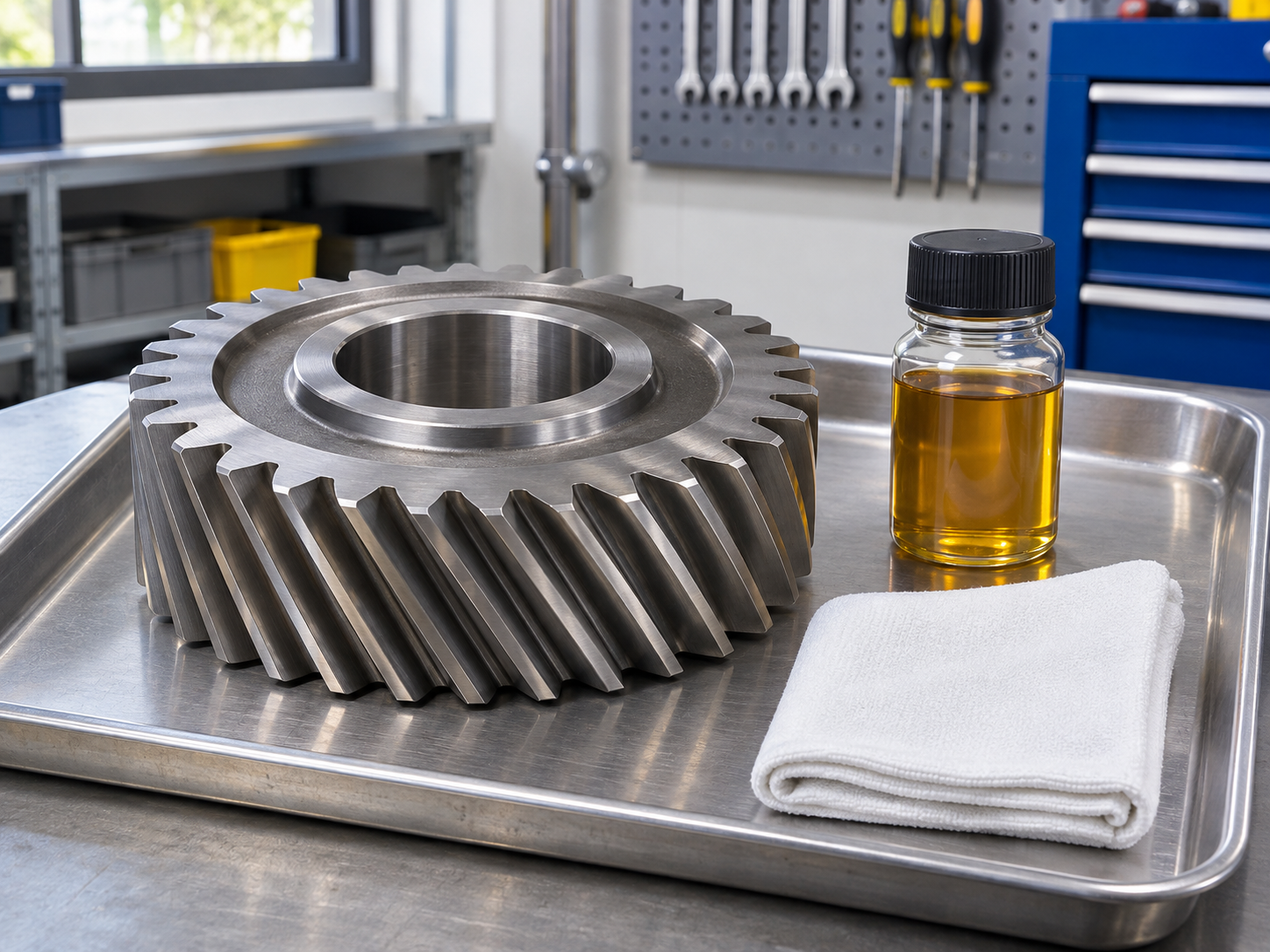
A suitable layout must also work in its installed position. Consider the mounting arrangement, shaft interfaces and space for inspection. The installation should make sense as a complete assembly, not only as a gearbox selected from an isolated product photograph.
Lubrication requirements depend on the configuration. Overton Chicago Gear offers different lubrication arrangements, including pressurized options for relevant applications. The appropriate choice requires review of the actual equipment and operating conditions.
Leave practical access for routine checks and future service. If the proposed position makes the unit difficult to inspect or remove, resolve that issue before finalizing the arrangement. Access is part of the selection discussion, not an afterthought.
Compare Complete Specifications

Bring the layout, operating requirements and installation details together before choosing. Our work includes custom configurations and replacement gearbox solutions, where the surrounding machine may impose constraints that a general comparison cannot capture.
For an existing installation, provide the available equipment information and explain the reason for the change. A replacement project can involve a different set of questions from a new machine design, particularly when existing interfaces need to remain in place.
Ask for a review of the specific configuration. Right-angle and parallel-shaft arrangements each have a place; the better choice is the one that fits the documented application and can be supported throughout its use.
Frequently Asked Questions
Is a Right-Angle Gearbox Always More Compact?
Not in every installation. Compare the complete arrangement, including the motor, shaft interfaces and working clearances, rather than the gearbox housing alone.
Does Motor Power Alone Determine the Choice?
No. The required output speed, load profile and installation conditions also matter. Provide those details for a configuration-specific engineering review.
Can Existing Equipment Limit the Shaft Layout?
Yes. The positions of the driven equipment and existing interfaces can constrain the arrangement. Include those details when discussing a replacement or custom gearbox.
Final Takeaway
Choosing between right-angle and parallel-shaft gearboxes starts with a clear picture of the machine. Establish where the shafts need to sit, describe the load and operating cycle, and check how the unit will be mounted and maintained. That information makes the comparison more useful than a general claim that one layout is always stronger or more efficient. At Overton Chicago Gear, we work with standard and custom configurations, so the next step is an application-specific review of the requirements you have documented. Keep the complete installation in view before committing to an individual unit.
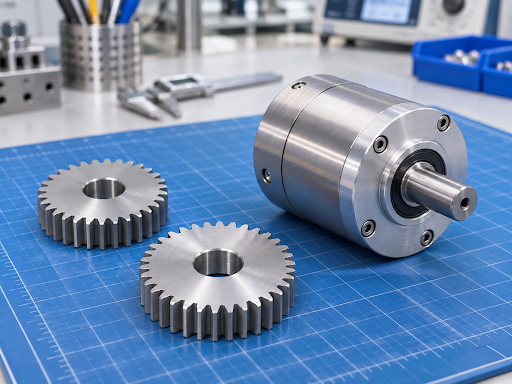
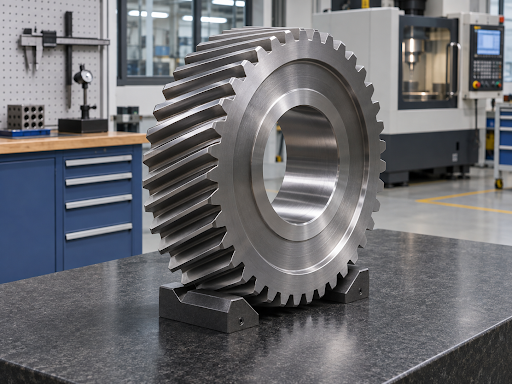
Note: We share gearing and power-transmission information for general guidance. Suitability depends on the equipment and its operating conditions. AI-generated images illustrate gear designs, not specific OCG products or projects. For current capabilities and project-specific guidance, visit Overton Chicago Gear.


Member discussion