
Why Right-Angle Gearboxes Matter in Cement Processing
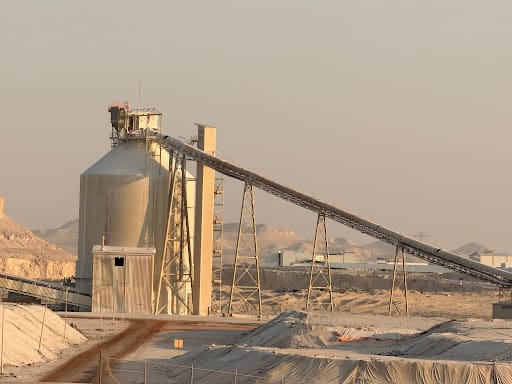
A cement-processing drive has to fit the equipment it serves. Its shaft arrangement, gearing and support requirements belong in the same engineering discussion. Right-angle gearboxes form part of that discussion, particularly for pulverizer applications. A housing's outside shape does not tell you whether the gearbox suits the application. The design must suit the application, and the finished components need appropriate verification. Understanding those connections helps plant teams discuss a replacement, repair or new drive with clearer expectations.
Start With the Cement-Processing Application
Pulverizers are a specific example of cement-industry equipment that needs capable gearing and gearboxes. At Overton Chicago Gear, our cement work includes right-angle gearboxes and internally manufactured bevel gearing. The application provides the starting point for selecting and developing the drive.
That starting point matters when an available standard offering does not suit the plant's requirements. A custom solution can address the plant's requirements when a catalog entry does not fit. The relevant question is what the particular drive needs to accomplish.
Keep the conversation specific to cement processing. Equipment used to grind an existing concrete floor or operate a mixer truck presents a different application. Similar terminology does not make its gearbox requirements a reliable substitute for the requirements of a cement-plant pulverizer.
Treat Shaft Arrangement as a Design Decision
Right-angle and parallel-shaft configurations represent different layout choices. Our gearbox work includes both, with the configuration determined by customer specifications. A right-angle arrangement is therefore a design option for the equipment, not a universal upgrade over every other layout.
Made-to-order gearbox work can include helical, bevel-helical and planetary designs. Those choices need to fit the installation and the work it performs. Avoid selecting a gearbox from appearance alone or assuming that two similar housings contain equivalent drive arrangements.
For an existing installation, discuss the required equipment connections early. A replacement project may need to fit the existing space and interfaces. That gives the engineering team a concrete starting point when deciding whether to reproduce the existing arrangement or develop a different solution.
Look Beyond the Housing to the Bevel Gearing
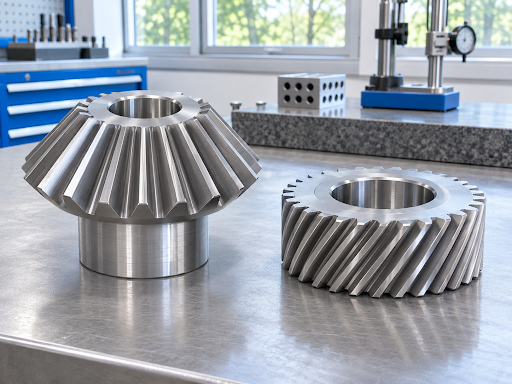
The bevel gearing deserves attention alongside the enclosed unit. Our manufacturing capabilities include straight, skewed and spiral bevel gears, including hard-cut spiral bevels. These are distinct manufacturing options rather than interchangeable descriptions of every gear inside a right-angle drive.
Manufacturing also involves material processing and control of the finished geometry. For carburized bevel gears, our capabilities include press quenching to limit distortion and hard cutting after heat treatment. These processes concern how the component is produced, not simply its nominal outside dimensions.
Ask which gear design and production process the proposed unit requires. A general statement about a manufacturer's capability does not establish the specification of a particular replacement. The useful discussion connects the application, the selected gearing and the drawing or specification that the finished part must meet.
Make Inspection Part of the Gearbox Plan
A finished gear needs verification, not just a successful machining operation. Our gear-geometry inspection uses equipment independent of the manufacturing machines. That separation helps detect setup-related errors that checking solely on the production equipment could miss.
Bevel gears fall within that inspection capability. Coordinate measuring machines also support checks of attributes that are difficult to measure by other means. These are ways of verifying the component against its requirements; they do not remove the need to define those requirements correctly.
For a cement-processing project, make acceptance and inspection part of the discussion before work begins. Clarify what the team will check and how the results relate to the intended application. Inspection is most useful when everyone understands what a satisfactory component or completed unit must demonstrate.
Consider Repair and Rebuild Alongside Replacement
An unsupported gearbox does not automatically make the surrounding equipment unusable. Reverse engineering can reproduce a component or inform a replacement design. Our engineering services also include inspection and failure analysis, allowing the condition of an existing drive to inform the next step.
The choice depends on the project. A duplicate design may suit an application whose previous performance met requirements. An improved design may be appropriate when the existing system needs a different solution. Neither route should be assumed before the drive and the customer's needs are understood.
Bring the existing unit, available drawings and application requirements into that conversation. The aim is to establish whether repair, rebuild or a new drive best fits the situation. For a plant that depends on equipment availability, a well-defined engineering decision is more useful than a blanket promise about replacement performance.
Frequently Asked Questions
Are Right-Angle Gearboxes Used in Cement Processing?
Yes. Overton Chicago Gear's cement-industry work includes right-angle gearboxes and bevel gearing for applications such as pulverizers.
Is a Right-Angle Layout Always the Best Choice?
No. The shaft configuration needs to suit the application and customer specifications. Parallel-shaft and other arrangements remain separate design options.
Why Does Independent Gear Inspection Matter?
Inspection separate from the manufacturing equipment can help identify setup-related geometry errors that production-machine checks might miss.
Can an Unsupported Gearbox Be Assessed for Rebuild?
Yes. Inspection, failure analysis and reverse engineering can help define a repair, rebuild or replacement project. The appropriate route depends on the unit and its requirements.
Final Takeaway
Right-angle gearboxes matter in cement processing because they offer an application-specific drive arrangement supported by bevel gearing, manufacturing and inspection. Their value depends on how well the complete solution fits the equipment. Start with the pulverizer or other defined application, clarify the required connections and examine the gearing beneath the housing. Include inspection and the condition of any existing drive in the decision. At Overton Chicago Gear, we bring those engineering and manufacturing capabilities together so a plant can discuss its next step on the basis of the actual equipment, not a generic gearbox description.
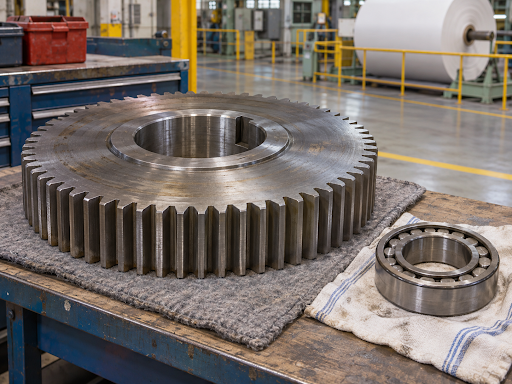
Note: We share gearing and power-transmission information for general guidance. Suitability depends on the equipment and its operating conditions. AI-generated images illustrate gear designs, not specific OCG products or projects. For current capabilities and project-specific guidance, visit Overton Chicago Gear.
Member discussion