
Gearbox Rebuild Strategies for Paper and Pulp Mills
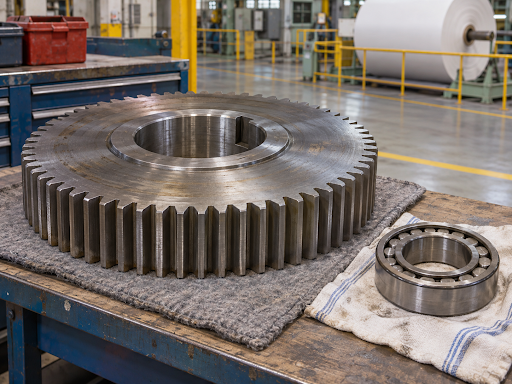
A gearbox rebuild should solve the reason a drive failed, not just replace the parts that show damage. For paper and pulp mills, that means connecting workshop findings with the load, lubrication and maintenance history of the equipment. A useful rebuild plan starts before dismantling and continues after the unit returns to service. That plan depends on good records and a repair scope grounded in the unit's condition.
Record the Symptoms Before Dismantling
Start with what changed. A new noise, rising temperature, unusual vibration or an oil leak gives the repair team a starting point. Record when the symptom appeared and what the equipment was doing at the time. A problem that develops under load tells a different story from one that appears immediately at startup.
Gather the nameplate information, photographs, maintenance notes and available operating history. Keep relevant lubricant findings with that record. These details allow technicians to compare the mill's observations with the wear they find inside the gearbox, rather than treating each damaged component as an isolated fault.
Do not assume that continued operation will clarify the diagnosis. Severe vibration, grinding or abnormal heat can accompany damage that spreads to connected components. Qualified maintenance personnel should assess the unit and follow the plant's safety procedures before inspection or removal. The aim is to preserve evidence and prevent avoidable secondary damage.
Inspect the Whole Assembly, Not Just the Gears
A stripped or pitted tooth may attract attention first, but the rebuild assessment needs to include shafts, bearings, seals and the housing. Clean dismantled components carefully so technicians can see wear patterns and measure them. Dirt and deposits can hide damage and make an early visual judgment unreliable.
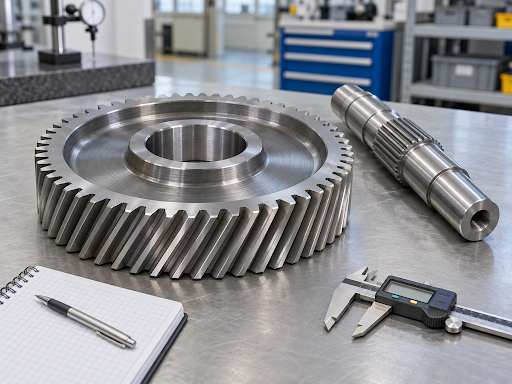
The inspection should address bearing seats, shaft journals, seal contact areas and housing bores as well as gear teeth. Worn fits or misaligned bores can leave a replacement gear working in the same poor conditions as the old one. Measurements turn those concerns into specific findings that can guide the repair plan.
Ask for a clear account of what remains serviceable, what needs restoration and what requires replacement. Keep that assessment tied to the unit's specifications. A paper mill's operating requirements cannot be reduced to a generic checklist, and a visually tidy assembly does not establish that its clearances or alignment are correct.
Choose Repairs That Address the Failure Cause
Replacing a failed bearing without investigating lubrication, contamination, alignment or loading can leave the original problem untouched. Compare the teardown findings with the symptoms recorded before removal. A rebuild becomes more useful when the repair scope explains both the damaged part and the conditions that damaged it.
Some shafts and housings can return to service after appropriate machining restores the required dimensions. Other components need replacement. The decision depends on the location and extent of damage, the specified tolerances and the condition of the remaining assembly. Severe housing damage or repeated failures may justify considering a replacement drive instead.
Critical spares also deserve attention during this stage. Overton Chicago Gear supports the pulp and paper industry with customized gearing, gearbox rebuilds and reverse engineering for critical spares. For an installed drive with limited documentation, discuss the available drawings, samples and measurements before assuming a replacement component will fit.
Verify Assembly Settings and Test the Rebuild
Reassembly requires more than putting cleaned parts back into the housing. Bearing preload, shaft endplay, gear backlash and alignment must suit the particular gearbox. Follow the applicable service information and engineering requirements rather than transferring settings from a superficially similar unit.
Careful installation and fastening matter too. Appropriate bearing-fitting methods and controlled tightening help avoid damage during assembly. A new bearing or seal cannot compensate for an incorrect fit, distorted cover or unresolved shaft problem. Document the checks so the final condition is traceable.
Testing should then examine rotation, noise, vibration, temperature and lubrication as appropriate to the agreed repair scope. A no-load check can reveal binding or abnormal behavior, but it is not the same as proving every operating condition in the mill. Confirm what the test actually covered and what commissioning checks remain necessary.
Carry the Rebuild Findings Into Maintenance
The repair report should remain useful after installation. Retain photographs, replaced-part details, measurements and test findings alongside the operating history. Those records create a reference point when a technician later notices a change in sound, temperature or vibration.
Use the specified lubricant and a maintenance schedule suited to the gearbox and its working conditions. Watch for contamination and leaks, and review oil-analysis findings where that monitoring forms part of the maintenance plan. Do not copy a universal interval from another application without checking its suitability.
Continue checking alignment and operating behavior after the drive returns to service. If a familiar symptom comes back, compare it with the rebuild findings instead of simply repeating the same repair. A well-documented rebuild should improve the team's understanding of the drive as well as restore its components.
Frequently Asked Questions
Can Every Gearbox Be Rebuilt?
No. Inspection may reveal housing damage, unsuitable components or application changes that make replacement more appropriate. Evaluate the complete drive before committing to a rebuild.
What Should a Mill Provide to the Repair Team?
Provide identification details, photographs, symptoms, operating history and maintenance records. Available drawings and lubricant findings can also help explain the unit's condition.
Why Inspect Housing Bores and Shafts?
Worn fits or alignment problems can contribute to recurring damage. Replacing a gear alone does not correct those underlying conditions.
Does a Successful No-Load Test Prove Full Mill Performance?
No. It checks certain aspects of operation under the test conditions. Confirm the agreed testing scope and the checks needed during commissioning.
Final Takeaway
A sound gearbox rebuild connects three things: the mill's operating experience, the workshop's measurements and a documented return-to-service plan. Start with the symptoms, inspect the complete assembly and address the cause of failure before choosing parts. Then verify the assembly settings and understand the limits of the tests performed. For paper and pulp mills, that disciplined approach also makes future maintenance more informed. Overton Chicago Gear's application-focused rebuild and critical-spares support can form part of that process, with the final scope based on the actual drive rather than a one-size-fits-all repair assumption.
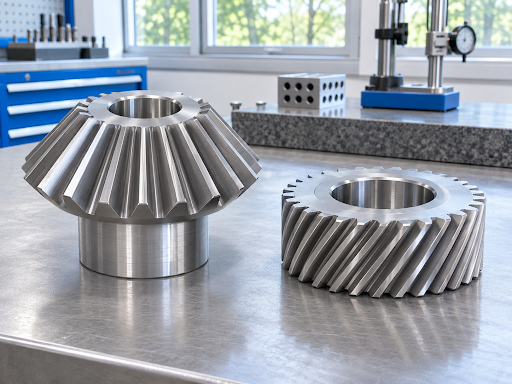
Note: We share gearing and power-transmission information for general guidance. Suitability depends on the equipment and its operating conditions. AI-generated images illustrate gear designs, not specific OCG products or projects. For current capabilities and project-specific guidance, visit Overton Chicago Gear.

Member discussion