
Questions to Ask Before Selecting a Gearbox Rebuild Partner
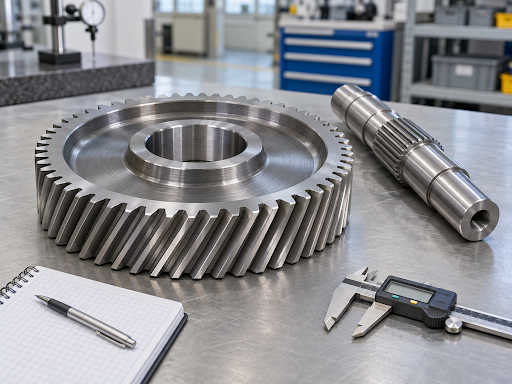
Before rebuilding a gearbox, the repair team needs to understand the machine it drives, the condition of its components and what the unit must do when it returns to service. Choosing a gearbox rebuild partner becomes easier when you ask about that process in detail. The answers should explain how the team will inspect the unit, decide what to retain and verify the completed work. These questions help turn a broad repair proposal into a discussion about your actual equipment.
How Will You Assess the Gearbox and Its Application?
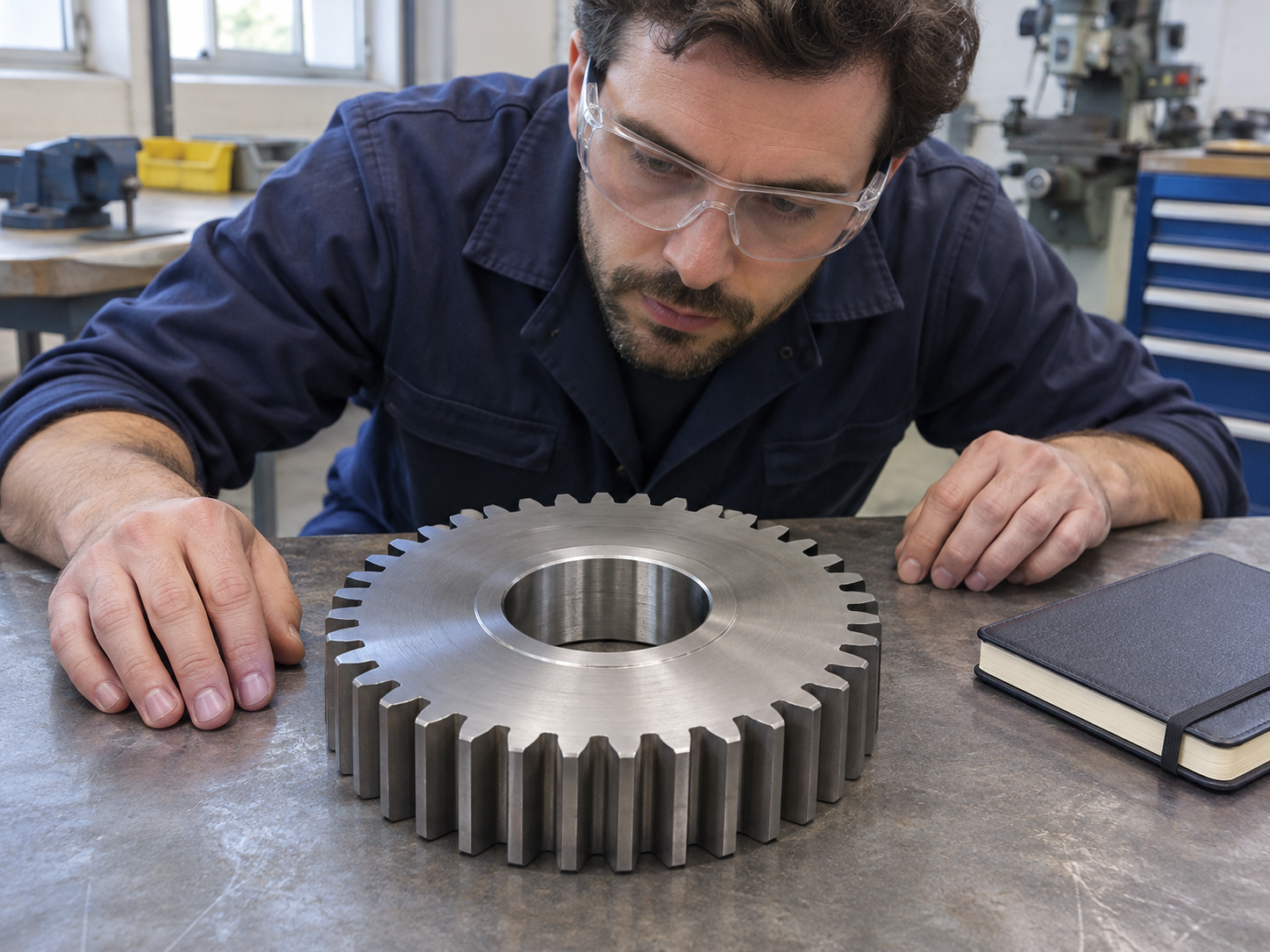
Ask how the inspection will account for the gearbox's application and repair needs. A useful assessment connects the condition of the unit with the job it performs. It should give both teams a basis for discussing the work before deciding which components to replace.
At Overton Chicago Gear, our rebuild services include jobsite visits to evaluate customer applications and requirements. Our engineering capabilities also include inspection and failure analysis. Discuss which of those activities your project needs and how their findings will inform the rebuild scope.
Bring the conversation back to the equipment. Explain the required connections and operating role, then ask what the team needs to inspect before recommending a repair. A proposal should make the assessment process understandable, even when the final scope depends on dismantling the unit.
Which Components Can You Repair or Replace?
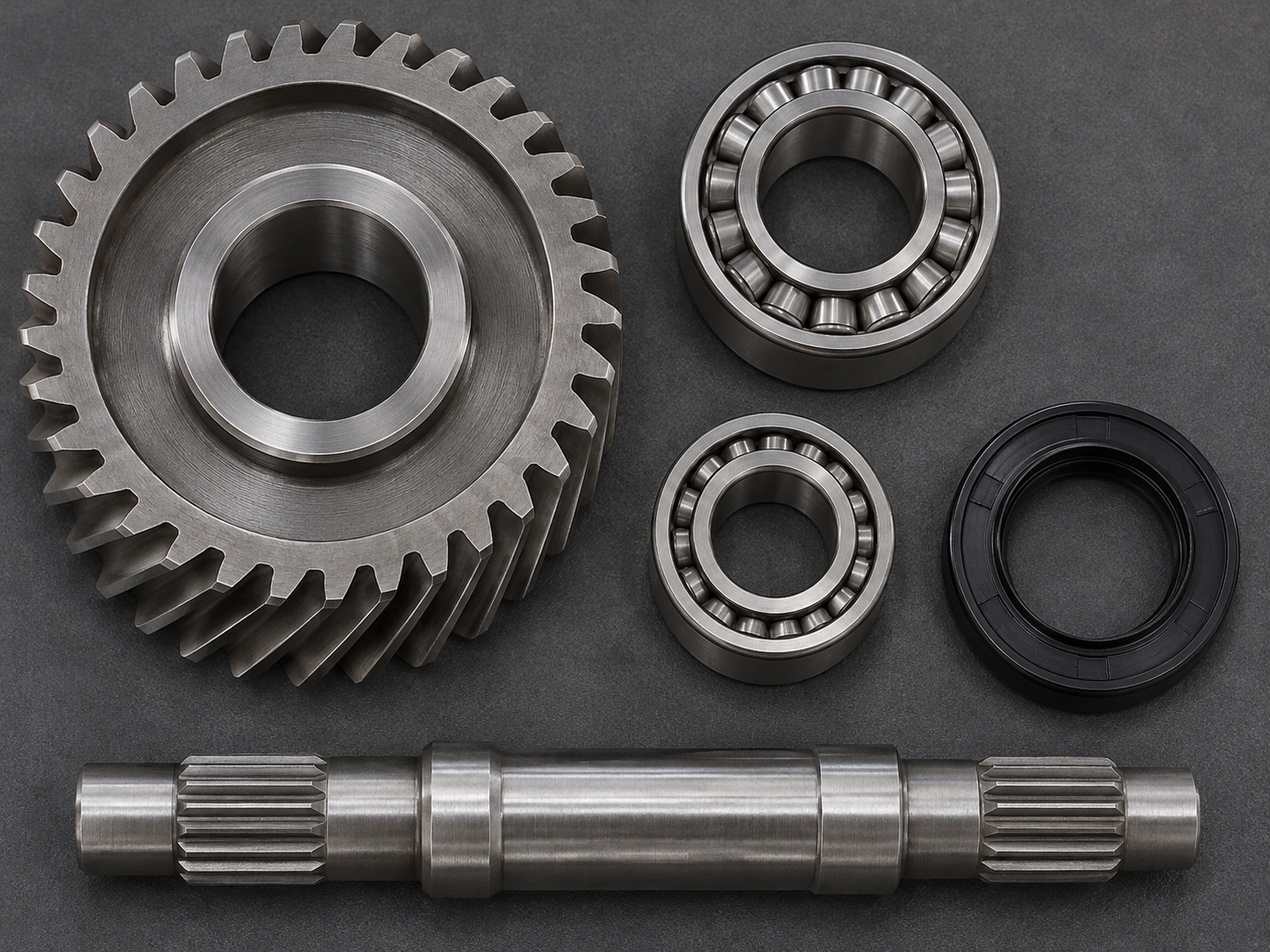
Rebuilds vary considerably in scope. Some require bearings and seals; others need new rotating components. Ask the prospective partner to explain how it will distinguish reusable parts from components that need replacement.
Our work ranges from fitting new bearings and seals to replacing all rotating elements. We also manufacture components for unsupported gearboxes. That capability matters when an otherwise useful machine depends on a drive whose original parts are no longer supported.
Avoid assuming that every rebuild needs a completely new internal assembly. Equally, ask what happens if inspection reveals more extensive work. Understanding the available repair and manufacturing capabilities helps you evaluate the proposed scope without treating the smallest intervention as automatically sufficient.
Can You Reverse Engineer an Unsupported Unit?
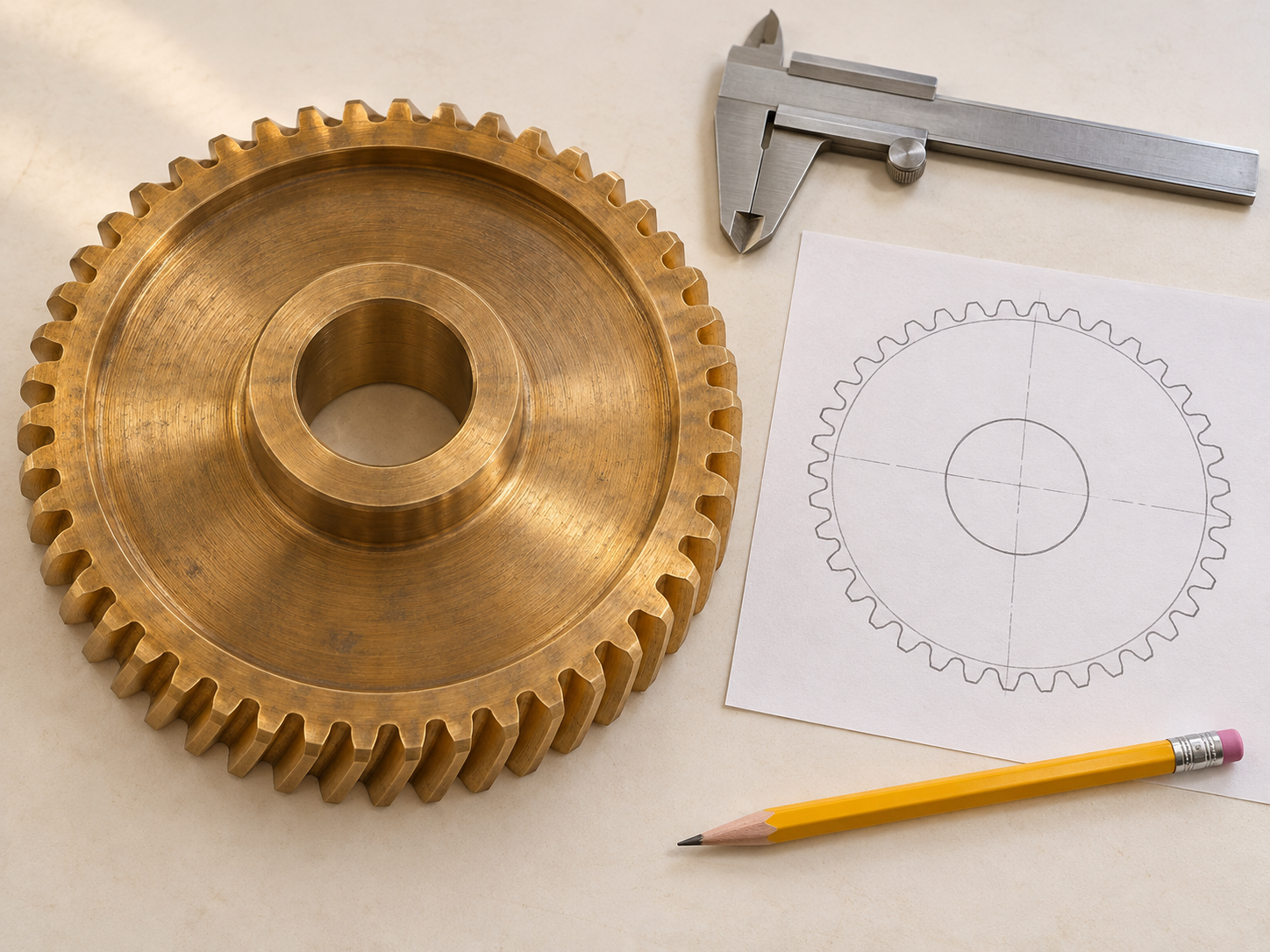
Ask what the partner can do when the project requires a replacement component or a complete unit built around existing equipment. Reverse engineering can form part of that work, but the discussion should identify what needs to remain compatible with the installation.
We reverse engineer gears, gear sets and gearboxes, and we design drop-in replacements around equipment connections. Our engineering services can support a duplicate design or an evaluated change. The appropriate route depends on the application and the findings from inspection.
Ask the team to distinguish a like-for-like replacement from a proposed redesign. Changes to geometry, materials or processing need a clear engineering purpose. Do not assume a performance improvement simply because the gearbox is being rebuilt; discuss the specific proposed change and how the team will assess it.
What Testing Will the Completed Rebuild Receive?
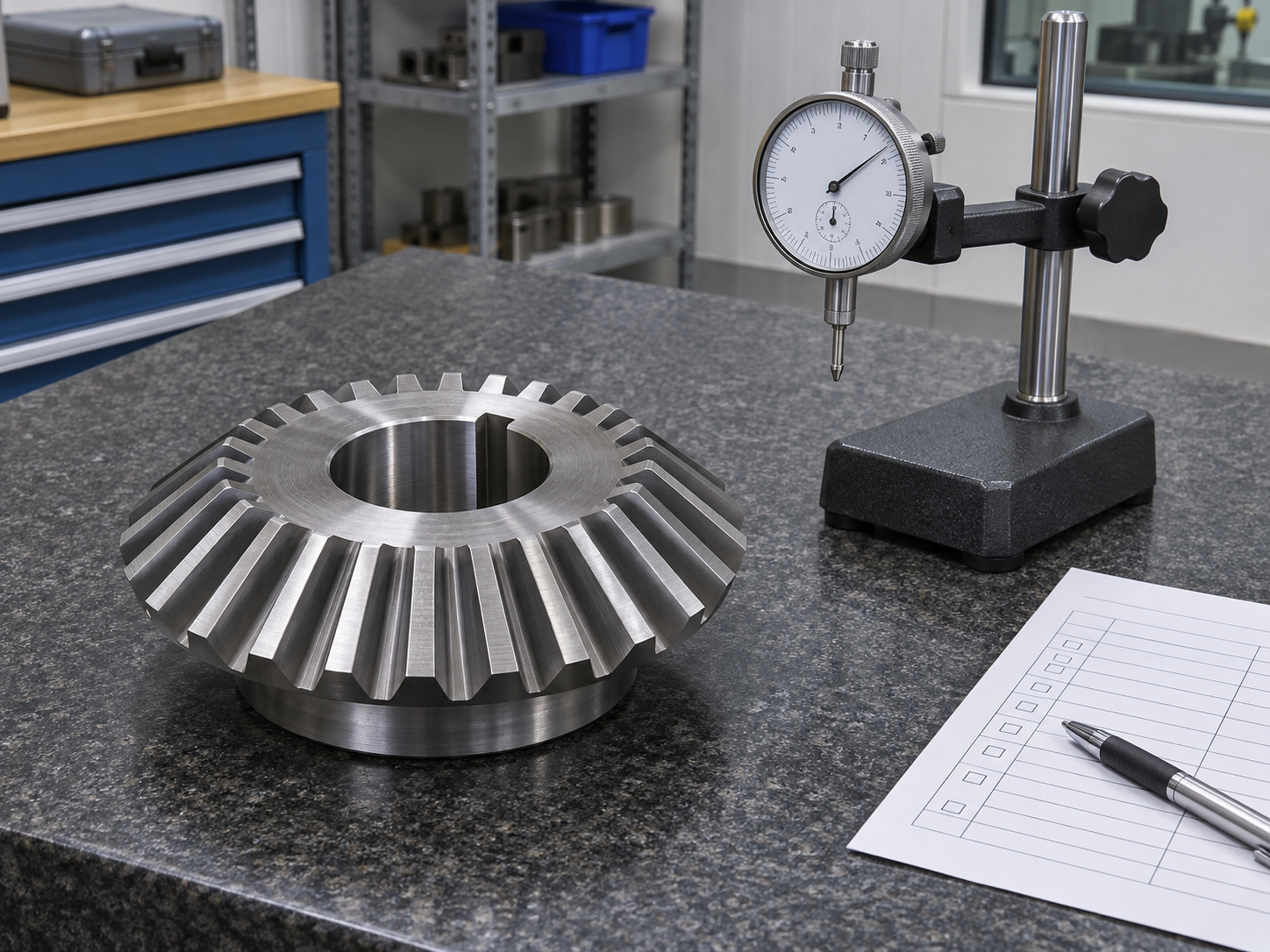
The test plan deserves attention before the rebuild is complete. Ask which checks form part of the normal process and which depend on the application. This helps prevent different expectations about what the returned unit has actually demonstrated.
Our gearbox rebuild services include no-load testing as standard and full-load testing when required. These are distinct activities. Confirm the proposed test scope for your unit rather than assuming every rebuild receives the same testing arrangement.
Discuss how the findings will relate to the agreed work. If the application calls for additional evaluation, raise that requirement during planning. A clear test discussion gives you a more useful basis for comparison than a general assurance that a gearbox will be checked before it leaves the workshop.
How Will You Address Lubrication and Future Service Needs?
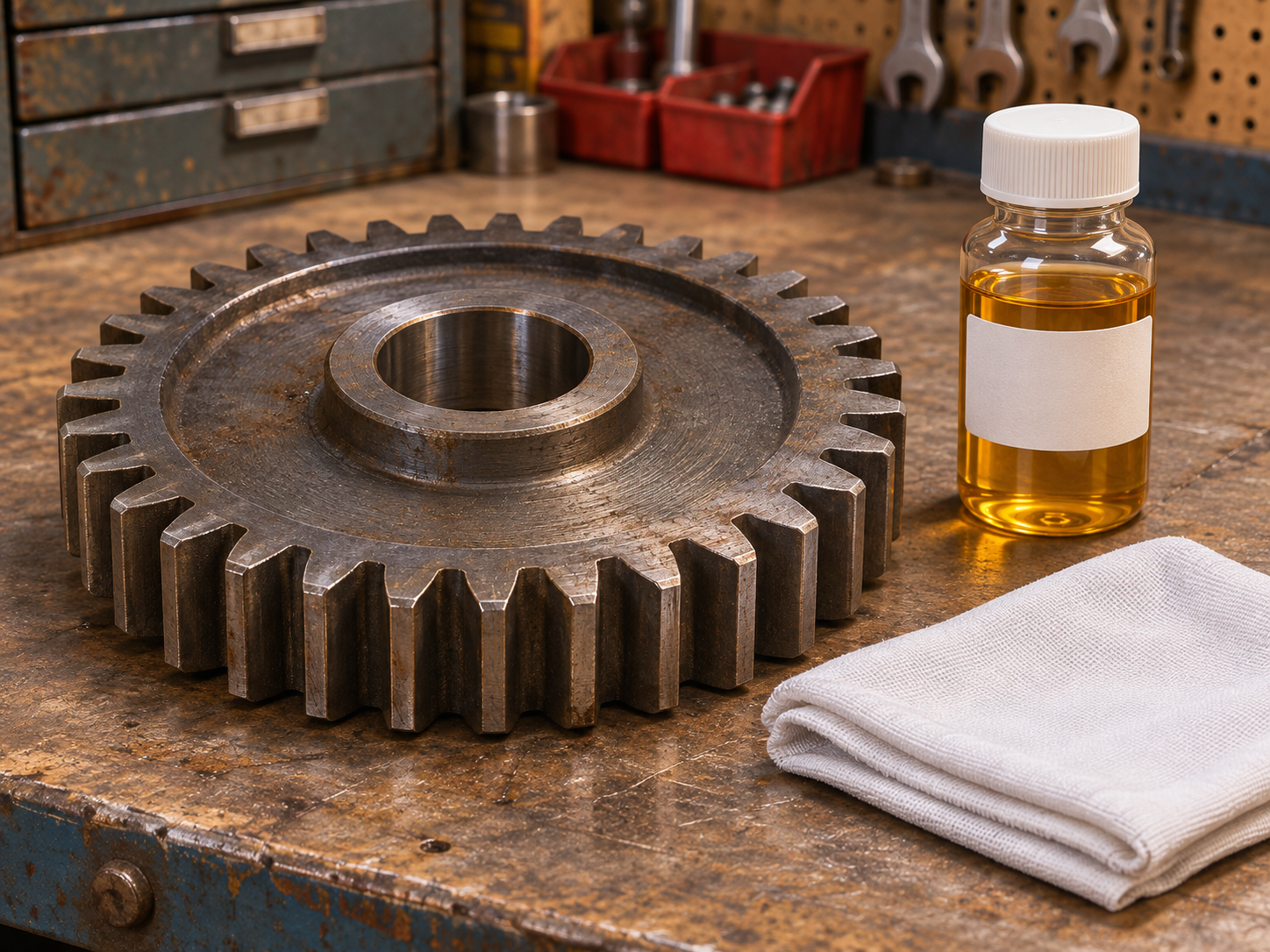
A rebuild also provides an opportunity to discuss the supporting systems. Ask whether the scope should include lubrication arrangements, condition monitoring or preparation for storage. Keep the discussion tied to the equipment and its expected use.
We can incorporate condition monitoring and lubrication systems into gearbox work where the application requires them. Our rebuild services also include preservation for long-term storage. These are capabilities to discuss, not features that automatically appear in every repair.
Before agreeing on the work, separate the required rebuild from optional changes. Ask what the team recommends, why it suits the application and what it needs from you to assess that recommendation. That keeps the proposal focused on the unit you operate and the support it needs after the workshop work ends.
Frequently Asked Questions
Can an Unsupported Gearbox Be Rebuilt?
It may be possible. Overton Chicago Gear manufactures replacement rotating components and provides reverse engineering for unsupported units. Inspection and application requirements determine the appropriate scope.
Does Every Rebuild Replace All the Gears?
No. The work can range from bearings and seals to replacing all rotating elements. The condition of the components and the agreed repair scope determine the work.
Is Full-Load Testing Standard for Every Rebuild?
OCG lists no-load testing as standard and full-load testing as required. Confirm the testing arrangement for the particular project.
Final Takeaway
Compare gearbox rebuild services through the questions that affect your equipment: how the team will inspect it, which parts it can supply, how it handles unsupported designs and what testing it proposes. Make lubrication, monitoring and storage requirements part of the discussion where they apply. A useful proposal should connect those decisions to the application and distinguish essential repairs from optional engineering changes. Keep asking for that connection when reviewing the scope. It gives your team a clearer basis for selecting a partner and helps both sides agree on the work the completed rebuild needs to address.
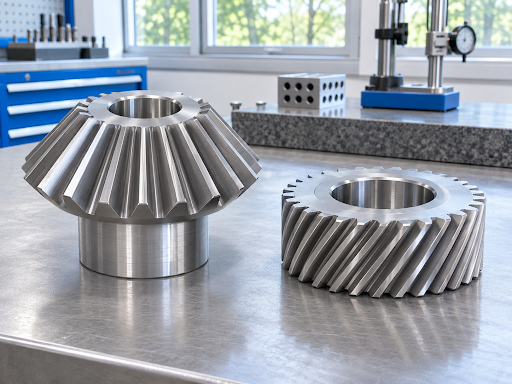
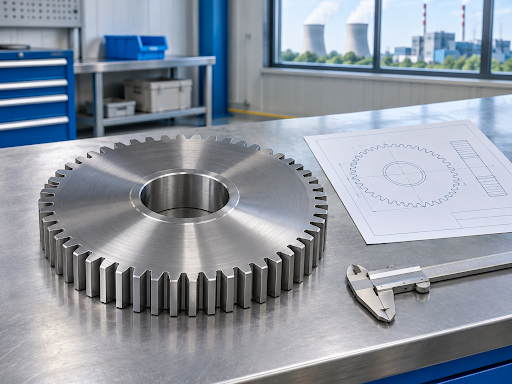
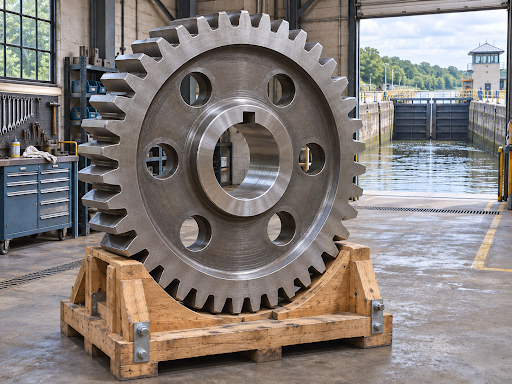
Note: We share gearing and power-transmission information for general guidance. Suitability depends on the equipment and its operating conditions. AI-generated images illustrate gear designs, not specific OCG products or projects. For current capabilities and project-specific guidance, visit Overton Chicago Gear.
Member discussion