
Gearbox Design Considerations for Marine Propulsion Systems
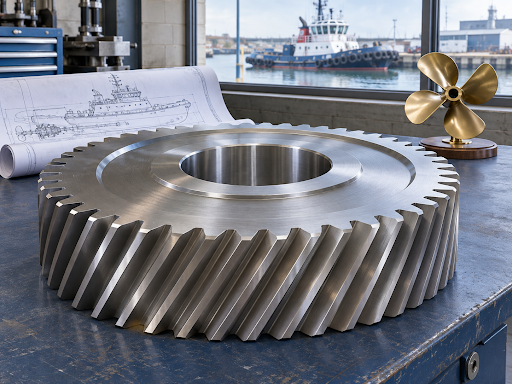
A marine propulsion gearbox has to suit the vessel around it. The engine, propeller and available installation space all influence the design, and a replacement unit must also work with existing equipment connections. Choosing industrial gearboxes for this role therefore starts with the operating requirements, not an isolated component specification. A useful engineering brief explains what the vessel does, how the drive connects and what the team needs to inspect or maintain. Use that brief to discuss the design with the gearbox designer.
Match the Gearbox to the Vessel's Operating Duty
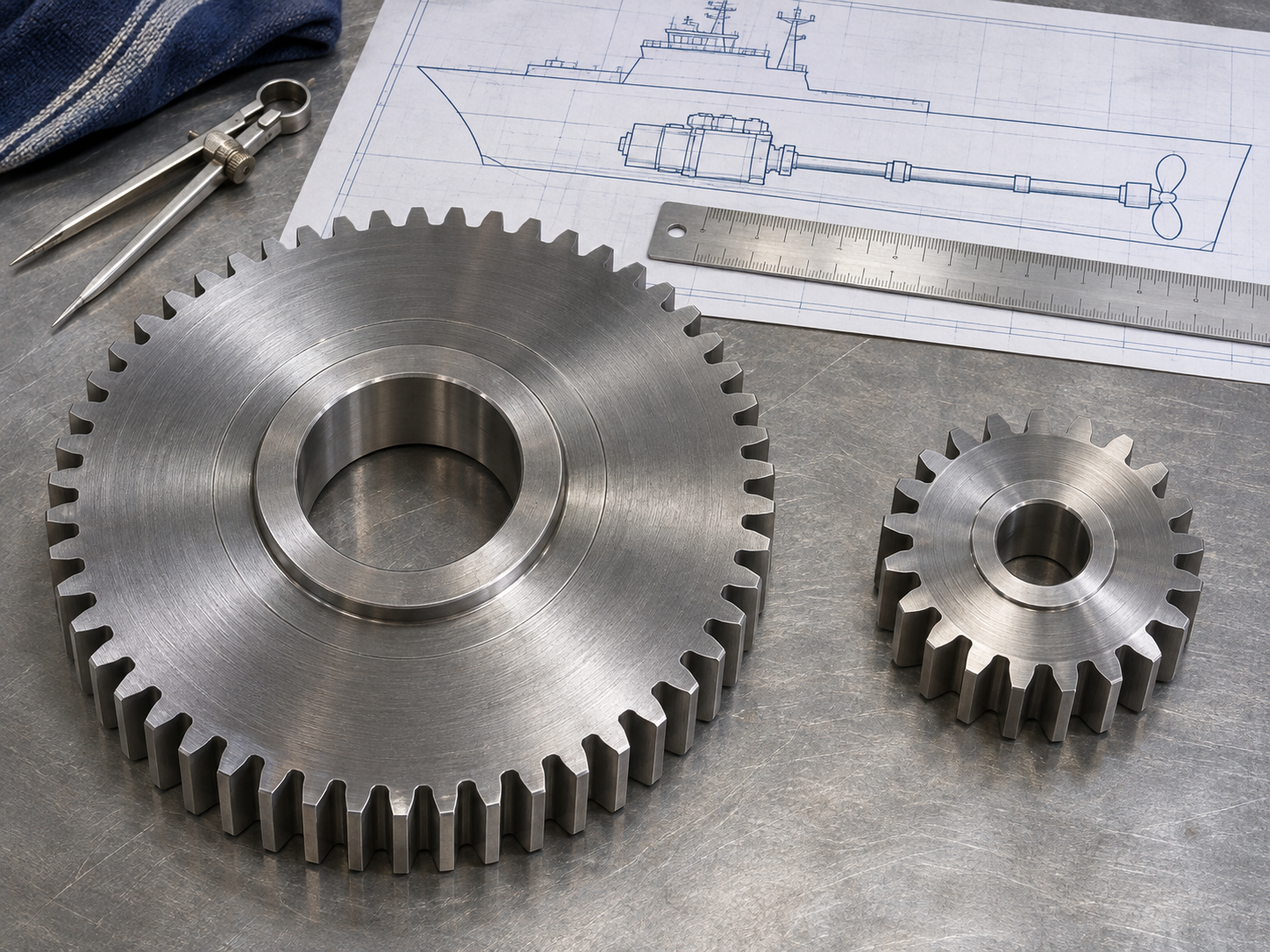
Begin with the relationship between the engine, gearbox and propeller. The reduction ratio affects the propeller's operating speed, so it belongs in the same discussion as engine characteristics and the vessel's intended work. Selecting those elements independently can leave the project with components that do not suit one another.
A vessel's service requirements provide the context for that discussion. Gather the available operating information and explain what the propulsion system needs to accomplish. The engineering team can then evaluate the requested ratio and configuration against the application instead of working from a broad description such as 'marine use'.
Keep the specification project-specific. A ratio that suits one installation is not automatically appropriate for another vessel, and a general article cannot establish the correct selection. Use the initial review to identify missing information and agree on what needs calculation or verification before the design progresses.
Plan the Shaft Layout and Equipment Connections
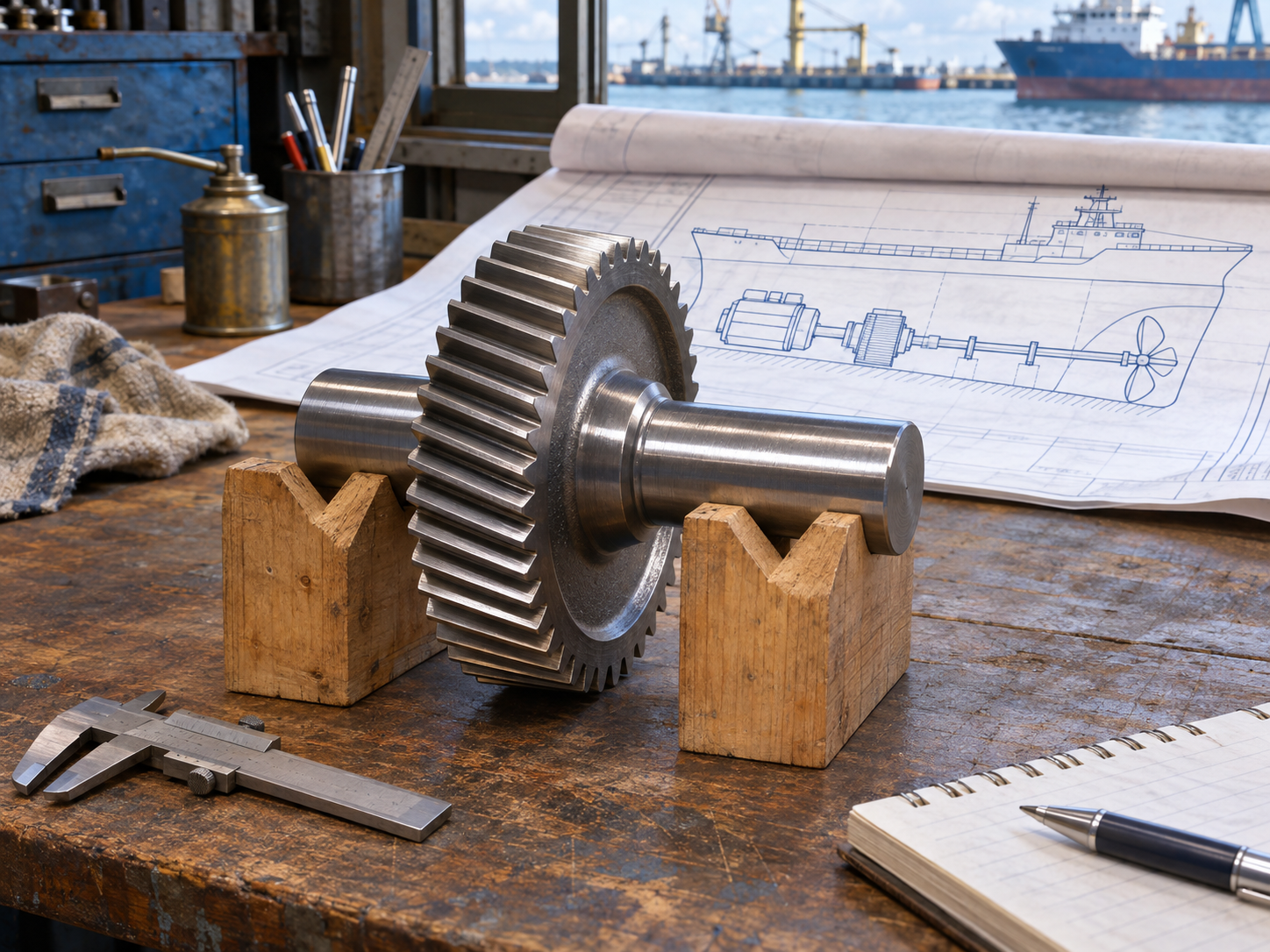
Installation geometry deserves attention early. Gearboxes can use parallel-shaft, right-angle and other arrangements, and the shaft configuration must work with the surrounding drive. Existing connections become particularly important when the project calls for a drop-in replacement rather than a completely new installation.
At Overton Chicago Gear, our made-to-order capabilities include helical, bevel-helical and planetary gearboxes with customer-specified shaft configurations. The choice should follow the application's requirements. Identify the connection points and layout constraints before treating one gearbox arrangement as the preferred answer.
For replacement work, make the existing interfaces part of the engineering brief. Our design-to-fit work can address equipment connections, while reverse engineering can help when the original unit is unsupported. Confirm what the project needs to retain and what can change, so the proposed design fits the installation as well as its operating purpose.
Include Lubrication and Temperature Control in the Design
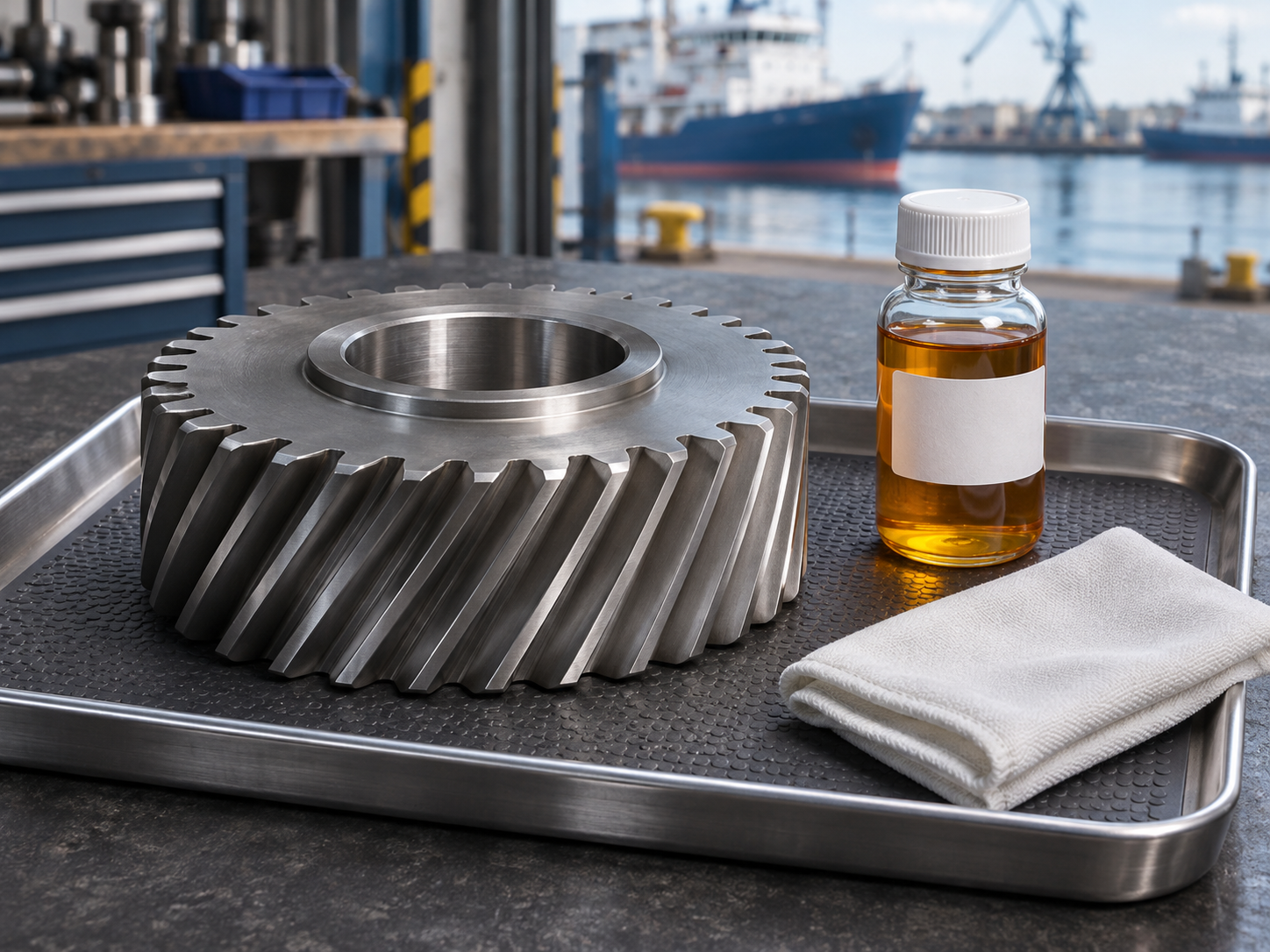
Lubrication is part of the gearbox system, not an item to leave until the housing is complete. The design may need to deliver lubricant to particular components and manage operating temperature. Those requirements should inform the arrangement of the housing and any supporting equipment.
Our gearbox work can incorporate shaft-driven or motor-driven pressurized lubrication systems, either on the housing or on a separate skid. The appropriate arrangement depends on the project. Discuss where the system will sit and which components require support, rather than assuming one lubrication layout serves every installation.
Bring monitoring requirements into the same conversation. Condition monitoring can form part of a new gearbox or an existing shell during a rebuild. Agree on what information the operating team needs and how that information will support maintenance decisions. Avoid treating a monitoring feature as a guarantee that every developing issue will identify itself.
Make Inspection and Future Service Practical
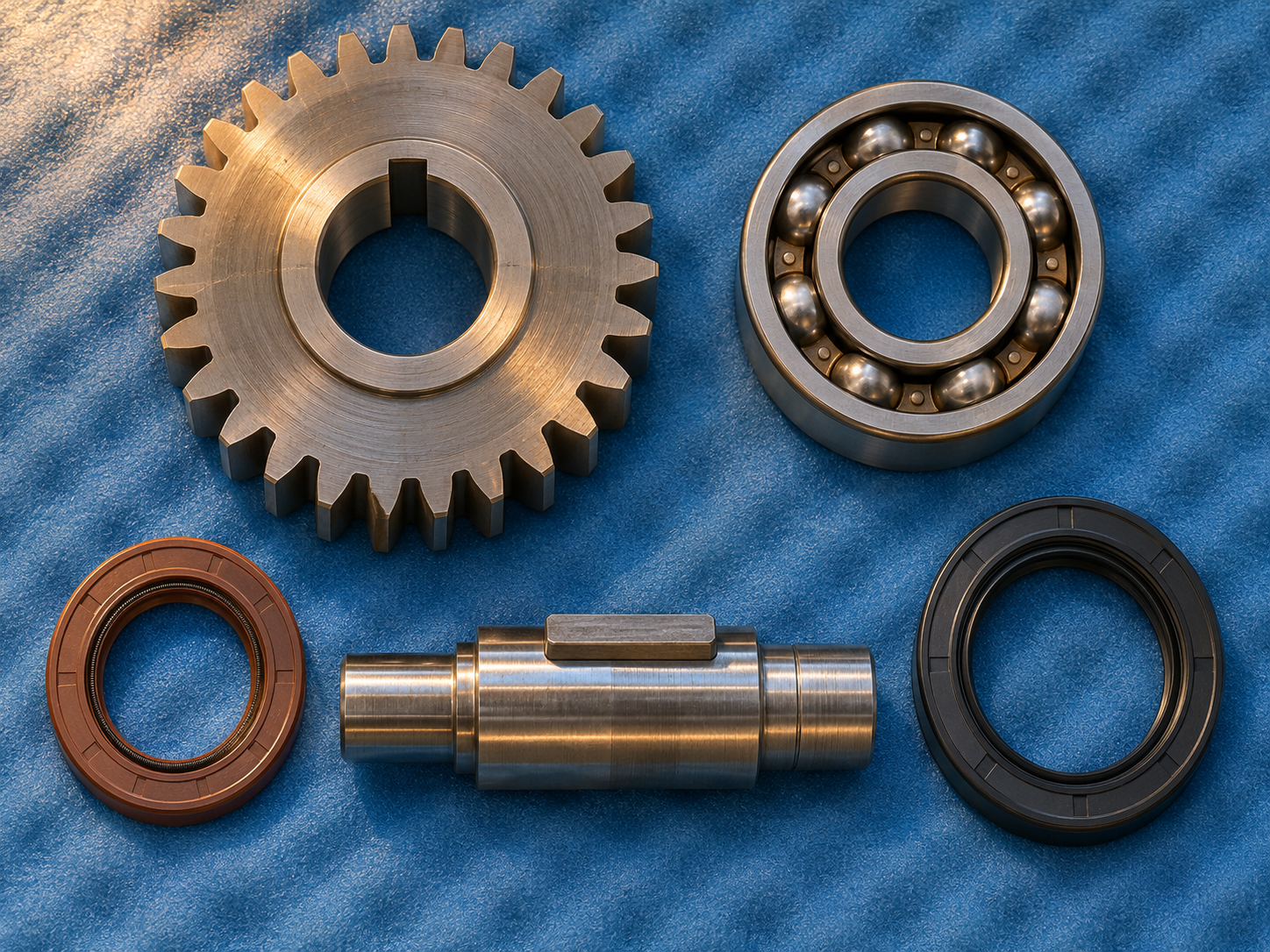
A propulsion gearbox will eventually need inspection, maintenance or replacement work. Consider that future work while defining the system. The parts the team expects to inspect, the components it may need to replace and the information it will retain all deserve a place in the project discussion.
Unsupported equipment does not always require abandoning the entire drive. Depending on the condition and requirements, rebuild work may involve bearings and seals, replacement rotating components or reverse engineering. The useful starting point is an assessment of the actual unit and its application, not a promise that every gearbox can receive the same repair.
Our service capabilities include application evaluation, inspection and rebuild work, as well as spare parts for our gearboxes. Discuss the maintenance approach alongside the initial design. That keeps the conversation focused on the vessel's longer-term needs and helps clarify when a repair, a replacement component or a new gearbox deserves further investigation.
Agree on Testing Before the Gearbox Enters Service
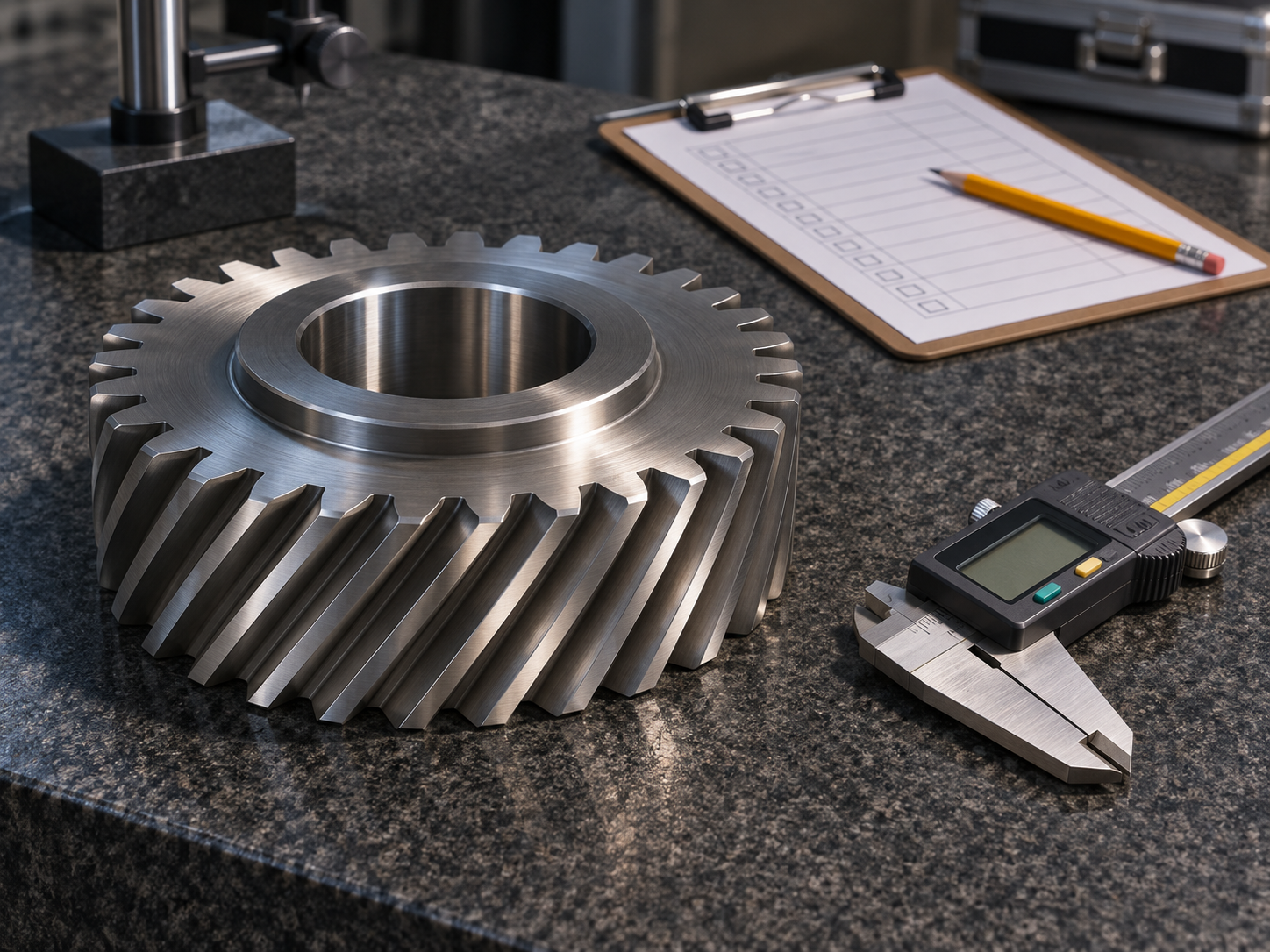
A completed gearbox needs an agreed verification plan. Define that plan with the engineering team so everyone understands which requirements the checks address. Inspection and testing should relate to the specified unit and application, rather than relying on a general statement that the gearbox has been tested.
Our rebuild and repair services include no-load testing as standard and full-load testing when required. Those are different scopes. Confirm which work applies to the project and what it can establish before using the results to support an installation decision.
Keep the test discussion connected to the original design brief: the requested configuration, equipment interfaces and operating requirements should remain clear through completion. Record unresolved questions and have the appropriate specialists address them. A well-defined handover gives the operating team a stronger basis for using and maintaining the system within its intended application.
Frequently Asked Questions
Can One Gearbox Ratio Suit Every Marine Installation?
No. Ratio selection needs to account for the engine, propeller and vessel's operating requirements. A project-specific engineering review should establish the appropriate choice.
Can a Replacement Keep Existing Equipment Connections?
A design-to-fit or drop-in replacement may retain the required connections. The engineering team needs to assess the existing installation and confirm the replacement specification.
Is a Separate Lubrication Skid Always Necessary?
No. Pressurized lubrication can be incorporated on the gearbox housing or provided on a separate skid, depending on the application and design requirements.
Is No-Load Testing the Same as Full-Load Testing?
No. The testing scope differs. Confirm the required checks with the gearbox team and avoid treating a no-load test as evidence of full-load performance.
Final Takeaway
A useful marine propulsion gearbox specification connects operating duty with the physical installation and the work needed to support it. Review the engine and propeller relationship, define shaft connections, and include lubrication, monitoring and future service in the discussion. Then agree on the inspection and testing scope before the project reaches completion. Our gearbox engineering capabilities provide several routes, including new designs, drop-in replacements and rebuild work, but the appropriate route depends on the actual application. Bring clear requirements and existing equipment information to the review. That gives the engineering team a sound starting point without assuming that a standard solution will suit every vessel.
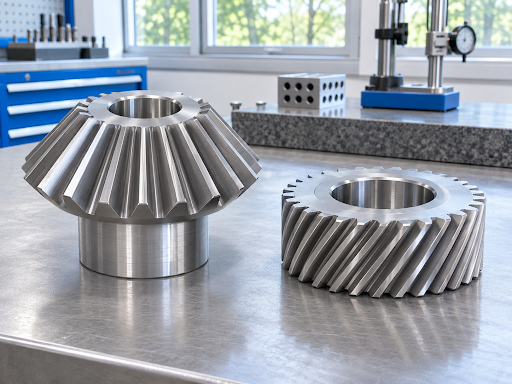
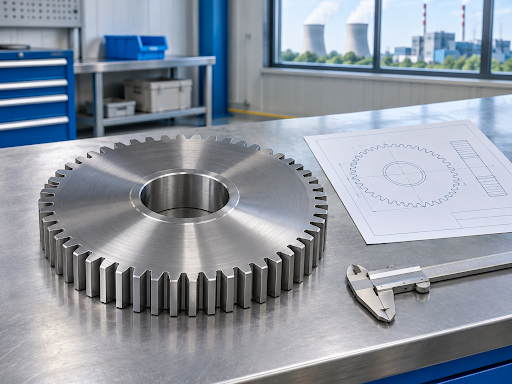
Note: We share gearing and power-transmission information for general guidance. Suitability depends on the equipment and its operating conditions. AI-generated images illustrate gear designs, not specific OCG products or projects. For current capabilities and project-specific guidance, visit Overton Chicago Gear.

Member discussion