
Common Causes of Industrial Gear Failure and How to Prevent Them
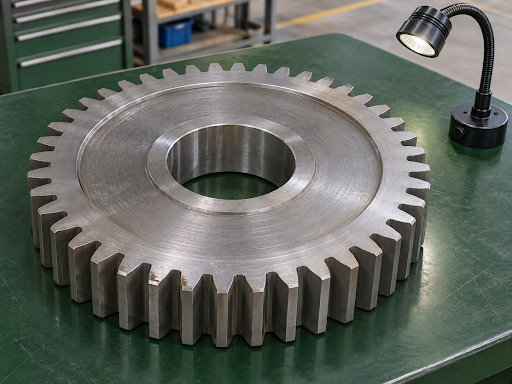
A damaged tooth is often the last visible sign of a problem that started elsewhere. Oil condition, loading, alignment and installation can all influence how a gear wears, and replacing the damaged part may leave the original cause untouched. Preventing industrial gear failure starts with looking at the operating conditions around the gear as carefully as the gear itself. A useful inspection connects the wear pattern with service history, recent changes and the condition of supporting components. That approach gives maintenance teams a better basis for deciding what needs correction.
Lubrication That Does Not Match the Duty
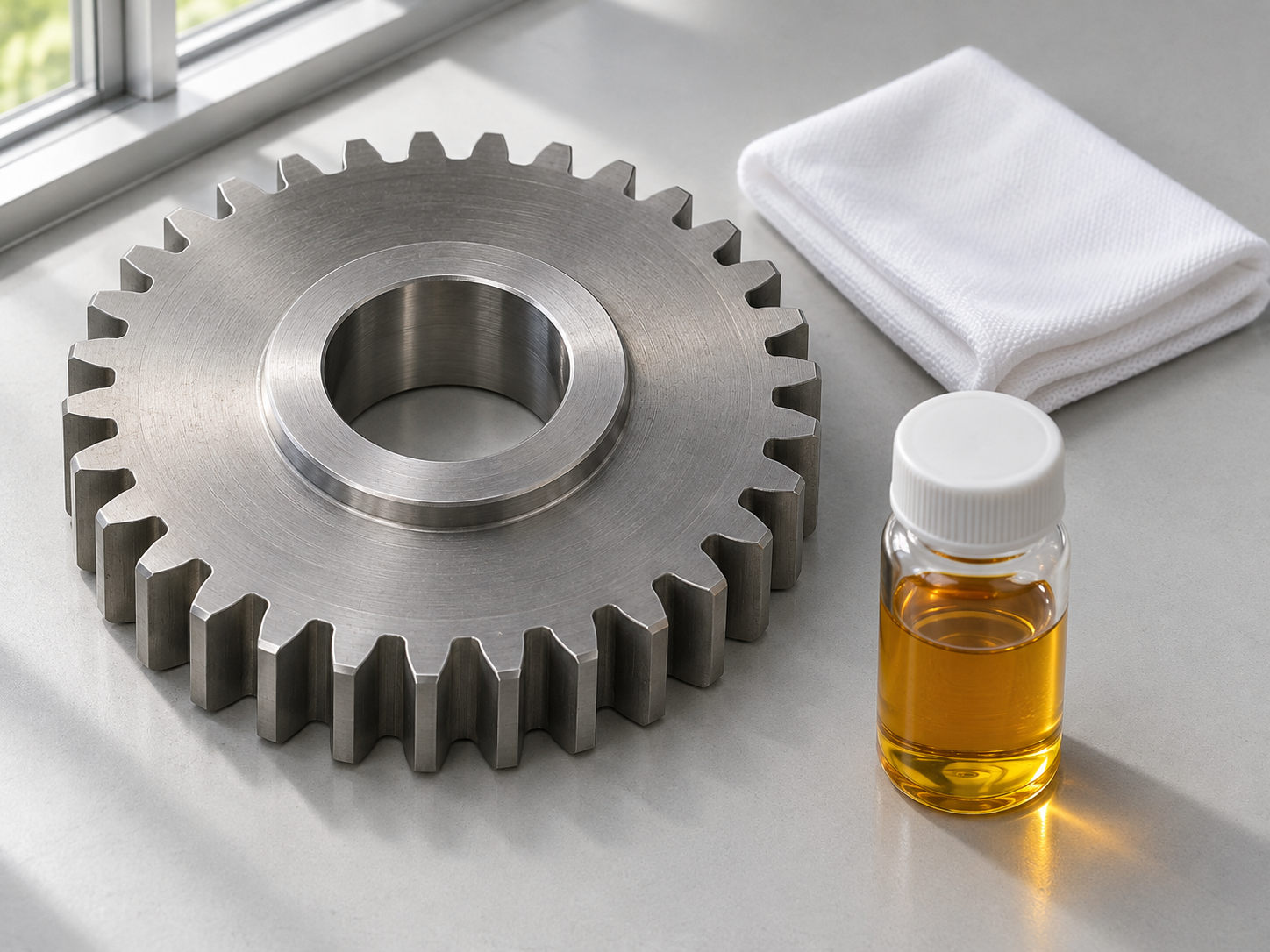
Gear teeth need a suitable lubricant film as they carry load. An incorrect lubricant, inadequate supply or oil that has deteriorated can allow damaging contact between surfaces. Scoring, heat and accelerated wear may follow. The right choice depends on the equipment and its operating conditions, so a familiar oil from another machine is not automatically a suitable substitute.
Start with the equipment manufacturer's requirements for lubricant type, viscosity and maintenance intervals. Check the delivery arrangement as well as the lubricant itself. A reservoir can contain oil while a supply problem prevents it from reaching the contact where it is needed. Leakage also deserves attention because it can gradually reduce the available quantity.
Treat repeated overheating or unusual wear as a reason to investigate. Adding lubricant without checking its condition or the source of the loss can leave the problem in place. Review the operating temperature, oil condition and service records together before deciding whether the remedy involves lubrication, loading or another part of the drive.
Contamination and Moisture
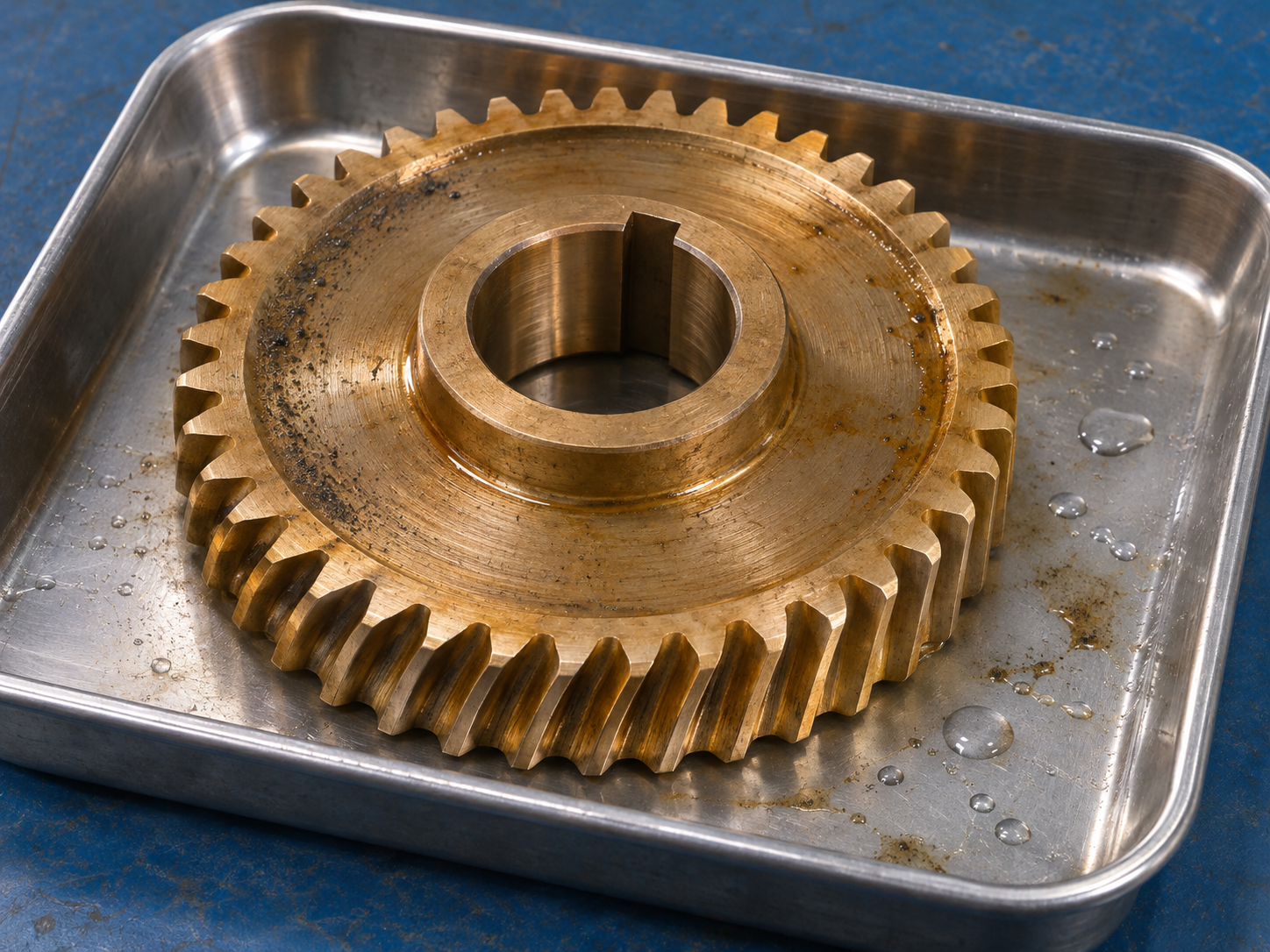
Dust, grit and wear particles can damage contacting surfaces when they enter the lubrication system. Moisture adds another concern by encouraging corrosion and affecting lubricant condition. These problems can develop gradually, making contamination control important even when a drive still appears to operate normally.
Inspect the likely entry points and the components intended to protect them. Seals and protective arrangements need attention during routine maintenance, and clean handling matters when opening or refilling a unit. A repair can introduce a new problem if debris remains inside or replacement lubricant becomes contaminated before use.
Oil examination can help identify contamination, but it should accompany a search for the entry route. Replacing dirty oil without addressing that route invites recurrence. Where internal wear generates debris, the particles may be evidence of another fault as well as a cause of further damage.
Overload and Repeated Shock
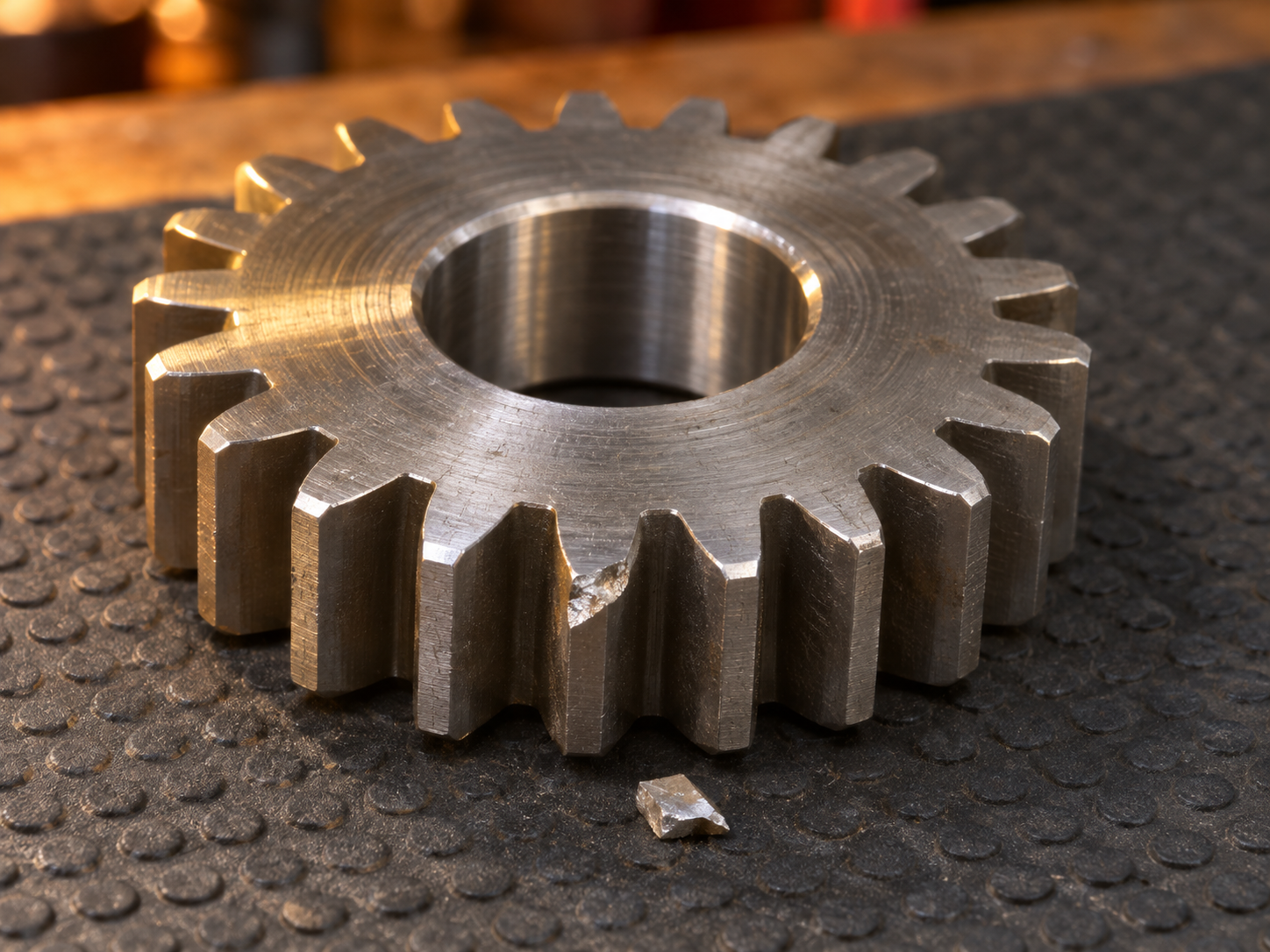
Gears work within a defined duty. Excessive load or abrupt load changes can place stresses on teeth beyond what the drive was intended to handle. Damage may appear as deformation, cracking or tooth breakage. A single visible fracture does not reveal the complete loading history that led to it.
Review how the machine actually operates, including starts, stops and changes in demand. Compare that duty with the equipment's intended service rather than relying only on a normal steady-running condition. Repeated load peaks can matter even when the average demand appears reasonable.
After a failure, examine operating records and any recent process changes before fitting a replacement. Restoring the same component to an unchanged overload condition can repeat the problem. A qualified assessment should connect the component selection, service conditions and cause of the damage before the equipment returns to duty.
Misalignment and Installation Problems
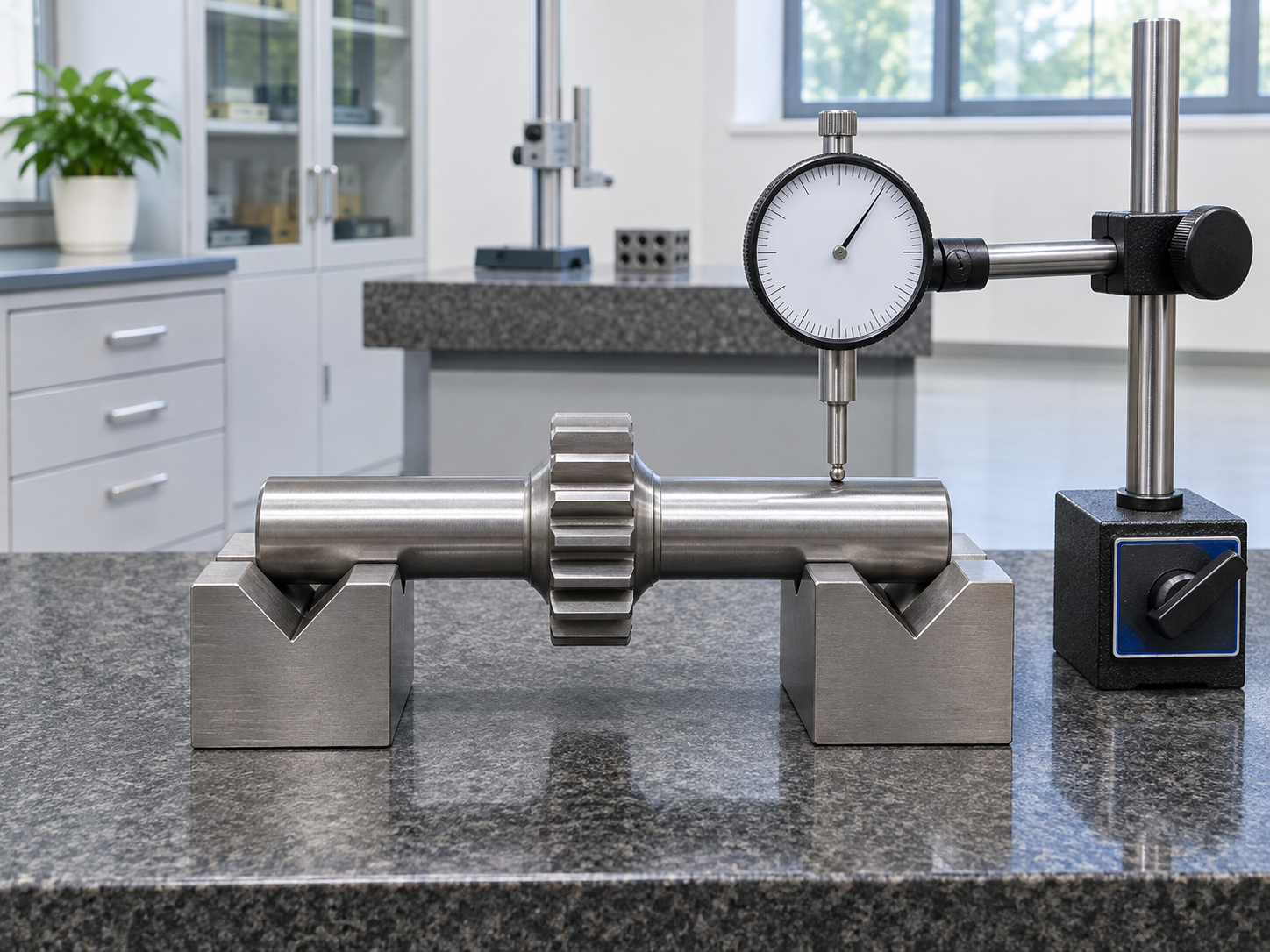
Correct tooth contact depends on the position and support of the shafts. Misalignment can concentrate load unevenly and contribute to vibration, heat and premature wear. Bearing condition, mounting and installation therefore belong in the investigation alongside the teeth themselves.
Check alignment and assembly against the equipment's specified procedures. Settings such as backlash and bearing adjustment require the correct values for that design; a universal rule cannot replace them. Installation checks should also consider the supporting structure and any conditions that change as the equipment reaches operating temperature.
An uneven contact pattern gives an inspector a useful lead, but it does not prove one cause on its own. Evaluate it with shaft, bearing and mounting observations. Correcting the support or installation problem may be necessary to keep a replacement gear from developing the same pattern.
Missed Warning Signs and Recurring Faults
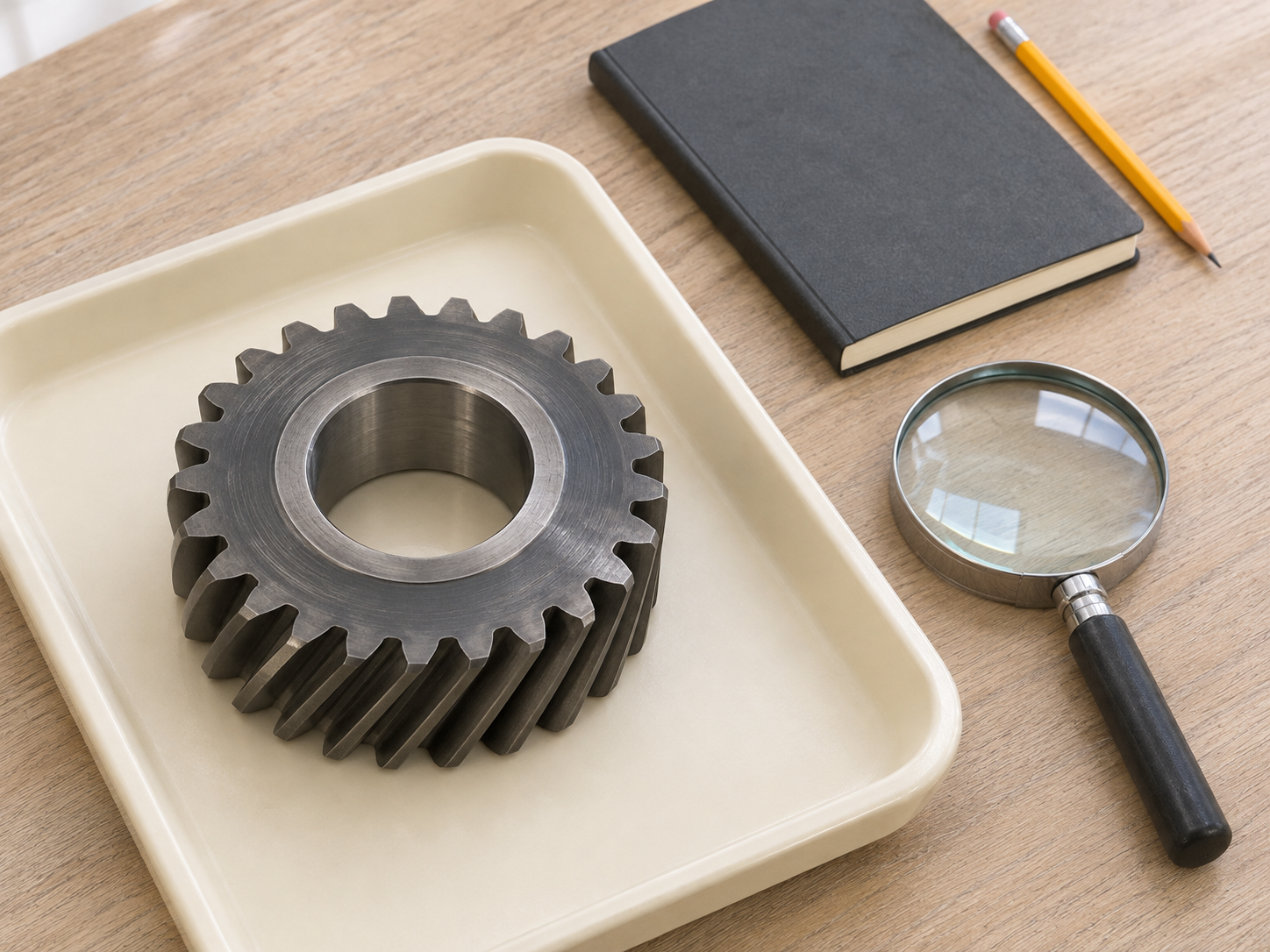
Changes in noise, vibration, temperature or oil condition can provide reasons to investigate before a breakdown. Their value depends on context. A recorded change from a machine's normal behavior is more useful than an isolated observation with no operating history.
Keep inspection findings connected to the repair record. Document the damaged areas, operating conditions and work carried out so the next inspection has something meaningful to compare. If failures recur, review what remained unchanged after each repair instead of assuming another replacement will resolve the issue.
A sound prevention plan addresses the cause supported by the evidence. That may involve contamination control, lubrication, alignment or the operating duty, and several factors can interact. Follow equipment-specific maintenance procedures and have qualified personnel assess damage and corrective work.
Frequently Asked Questions
Does a Broken Tooth Always Mean Overload?
No. Overload is one possible contributor, but fatigue, lubrication problems and other conditions can also play a part. The fracture and the surrounding operating history need assessment together.
Can New Oil Solve a Recurring Gear Problem?
It may help if lubricant condition is the cause, but it will not correct every fault. Contamination entry, misalignment or excessive loading can remain after an oil change.
Why Inspect Bearings During a Gear Failure Investigation?
Bearings support shaft position. Their condition can affect alignment and tooth contact, so inspecting only the damaged teeth can miss a related problem.
How Often Should Industrial Gears Be Checked?
Use the equipment manufacturer's maintenance requirements and the demands of the application. Duty, environment and previous findings influence the appropriate inspection plan.
Final Takeaway
Reducing industrial gear failure requires a consistent link between inspection findings and corrective action. Check the lubricant and its delivery, control contamination, review loading and confirm that installation supports the intended tooth contact. Keep records that make a recurring pattern visible. When damage returns, use that history to question the conditions around the replacement part. No single wear mark or maintenance shortcut explains every failure. A qualified, equipment-specific investigation gives the repair a clearer purpose and helps the maintenance team address what caused the damage, while the drive's documented requirements remain the basis for its ongoing care.
Note: We share gearing and power-transmission information for general guidance. Suitability depends on the equipment and its operating conditions. AI-generated images illustrate gear designs, not specific OCG products or projects. For current capabilities and project-specific guidance, visit Overton Chicago Gear.
Member discussion