
What to Know Before Buying Healthy A2 Butter?
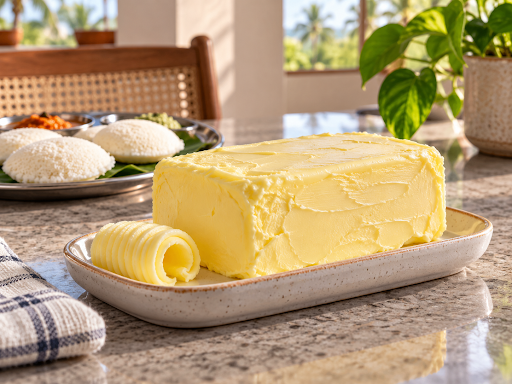
The butter you spread on toast has a different job from the fat you use for a long cooking session. Before buying A2 butter, think about how it is made and where it will fit in your meals. Its cultured dairy flavor and creamy texture may matter more to you than a broad health claim. Check the product variation and storage instructions as carefully as the name on the pack.
Understand What the A2 Label Tells You
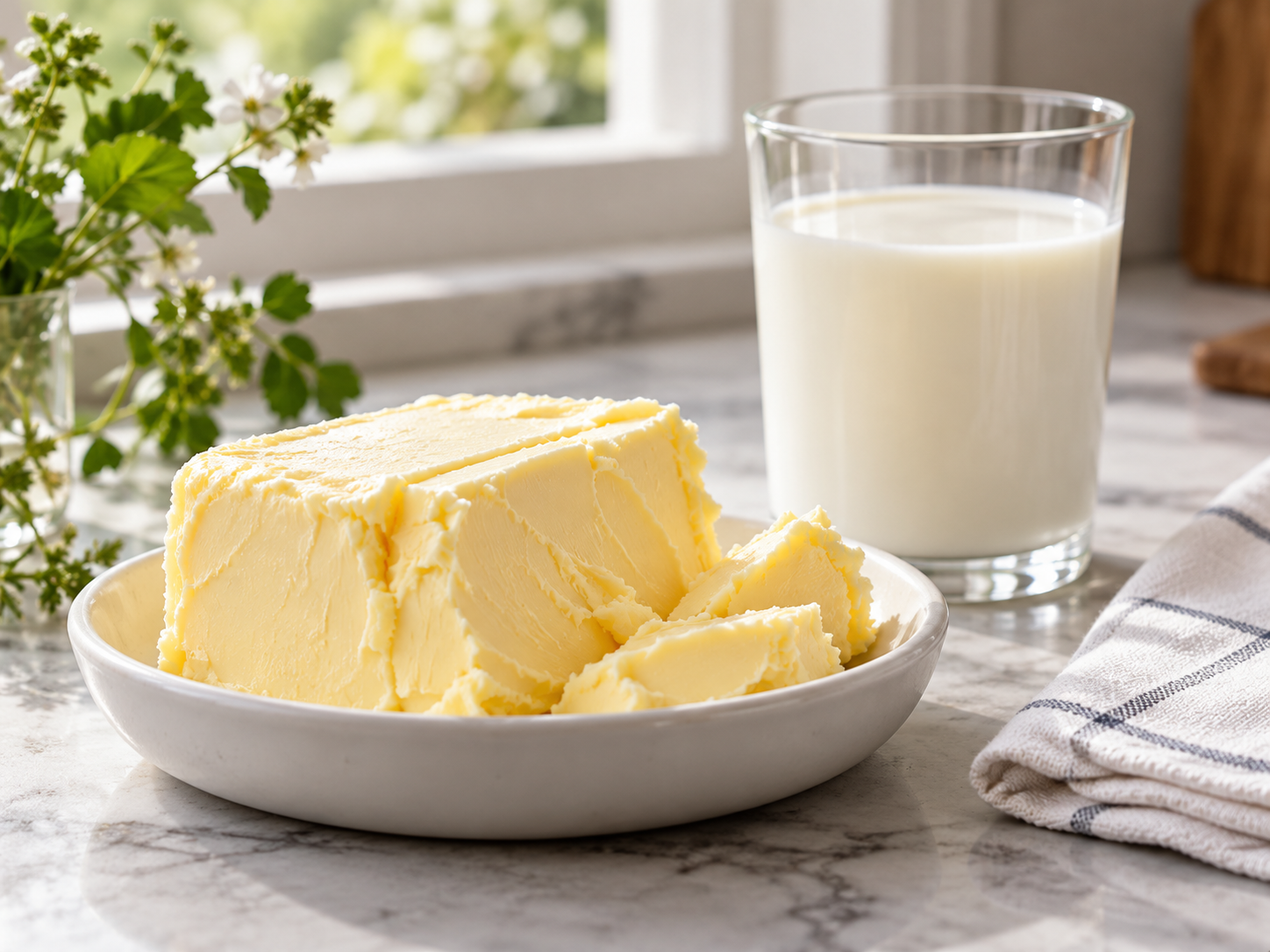
Raghas Dairy's cultured A2 butter is made from A2 desi cow milk. That describes its milk source. The preparation method and the variation you choose tell you other things about the butter, including how it may suit your cooking. The product description is useful because it names the milk used, but it cannot tell you whether the taste or selected variation meets a particular recipe. Read those details together.
The milk-source label does not establish that the butter prevents disease or changes a child's development. Choose it for qualities you want in your food, without treating it as a remedy. Read the ingredient details. If salt matters to your recipe, check the selected variation instead of assuming all A2 butter is unsalted. A2 on the label also does not mean the product is free of every dairy component. Individual dietary needs deserve more specific attention.
Look at How the Butter Is Cultured and Churned
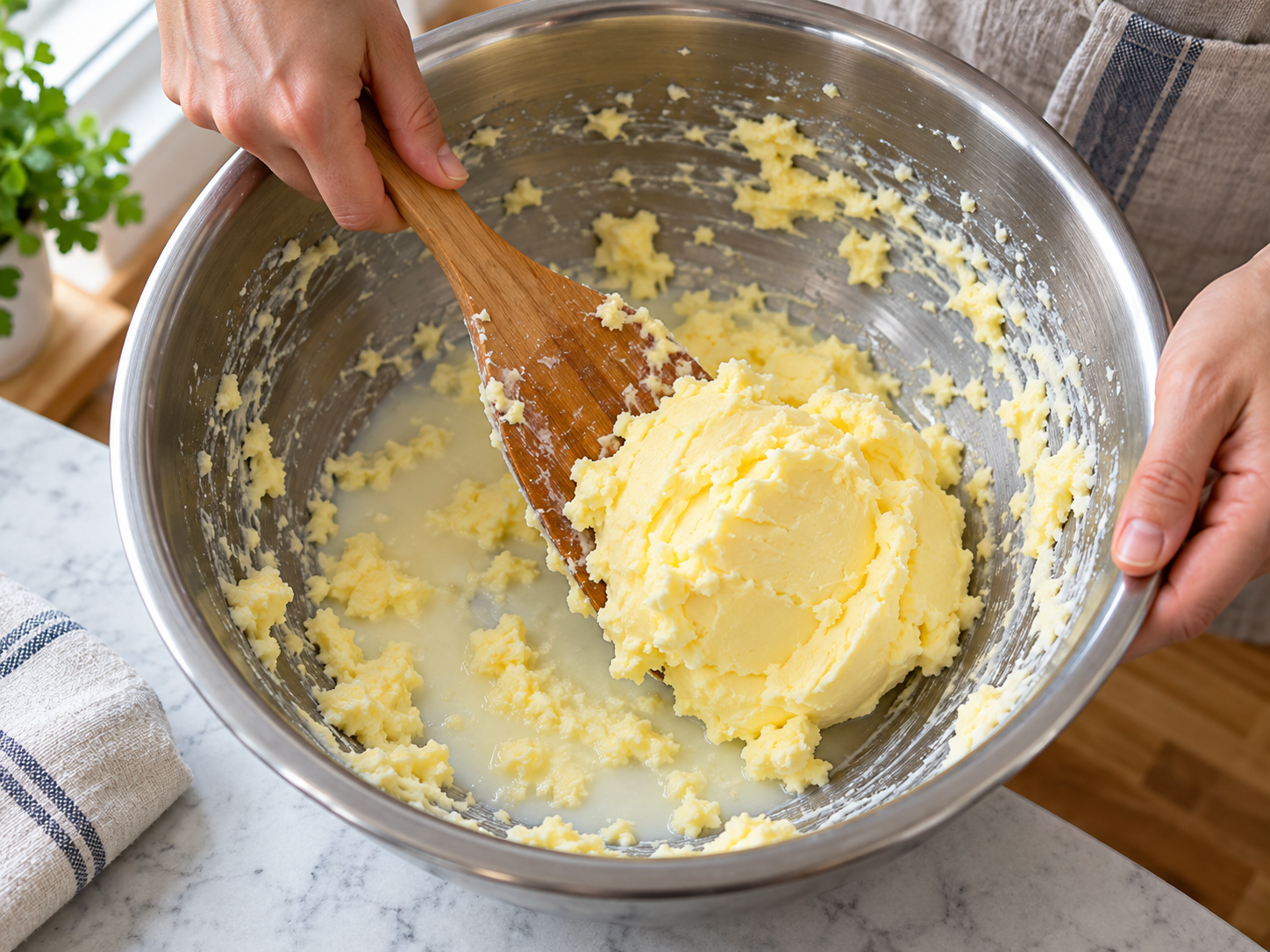
Cultured describes a preparation process. Raghas Dairy says its butter goes through milk selection, culturing, churning, and packing in small batches. The intended result has a dense, creamy texture and a clean dairy aroma.
That information can help you decide whether the taste suits what you cook. A distinct dairy flavor may work well at breakfast, while another dish may call for something less noticeable. Think about your usual meals instead of choosing on a general claim.
The word cultured does not prove a probiotic effect or a clinical benefit. The description tells you how the butter is prepared and what character to expect. Judge the flavor, texture, and process on those terms.
Consider Portions Within Your Everyday Meals
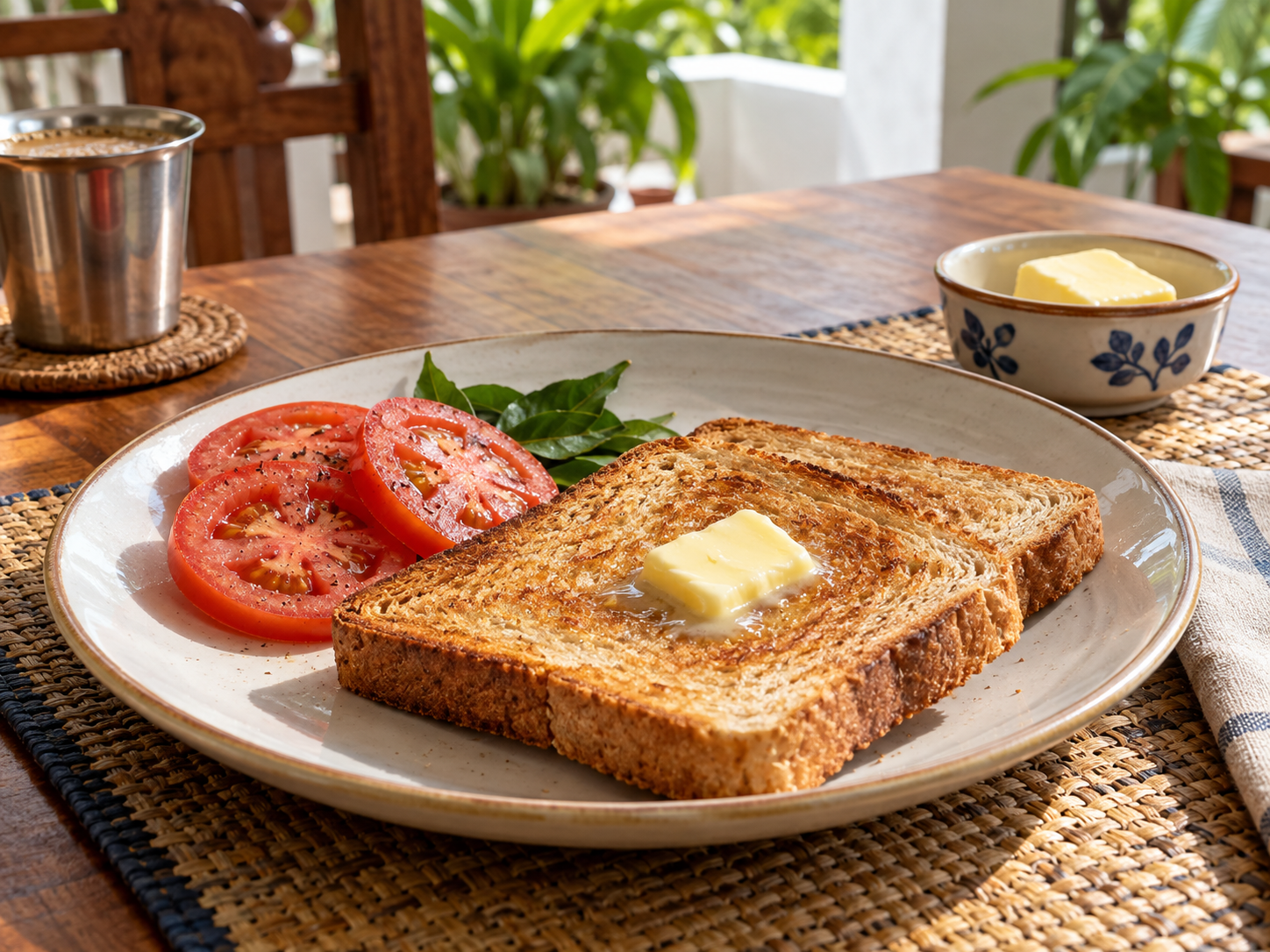
Butter can be part of a meal. The amount you use and the other food on the plate matter more than a wellness phrase on the label. A little butter for flavor serves a different purpose from adding a large quantity in hopes of an extra health benefit. That may be especially useful when a family uses several different fats in meals. Think about the butter as one ingredient within the meal, and choose an amount for the flavor it contributes.
You might spread it on toast or add a small amount to finish a warm dish. Decide whether the portion gives you the flavor and texture you want. A larger serving does not establish a further benefit.
Consider the people sharing the meal. One person's preferred ingredient may not suit another person's dietary restrictions. Do not use the A2 label alone to settle a health question, and follow individual advice already given for a condition.
Choose Butter for the Cooking You Actually Do
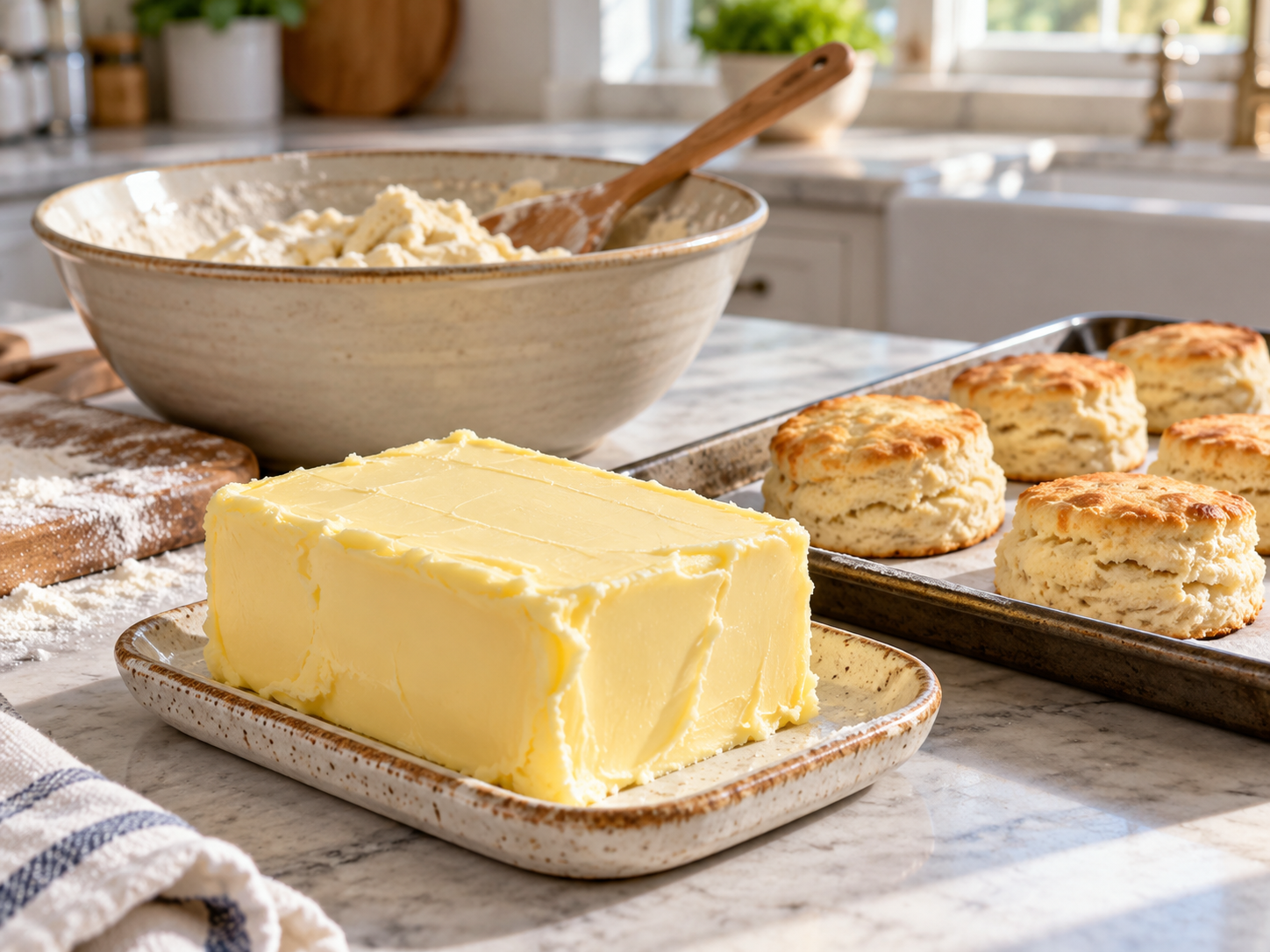
The cultured butter can go on toast, into cooking or baking, or over vegetables and millet dishes. Name the meals where you expect to use it. That is a more practical buying guide than a broad promise about health.
Butter contains water and milk solids, so it behaves differently from clarified butter or ghee. A cooking suggestion for ghee does not automatically apply to butter. Follow the recipe's needs, especially for longer or hotter cooking.
Baking also makes the product variation important. If a recipe specifies salted or unsalted butter, confirm which one you selected before mixing. A quick check avoids finding out after the dish is in the oven.
Plan for Refrigeration and Clean Handling
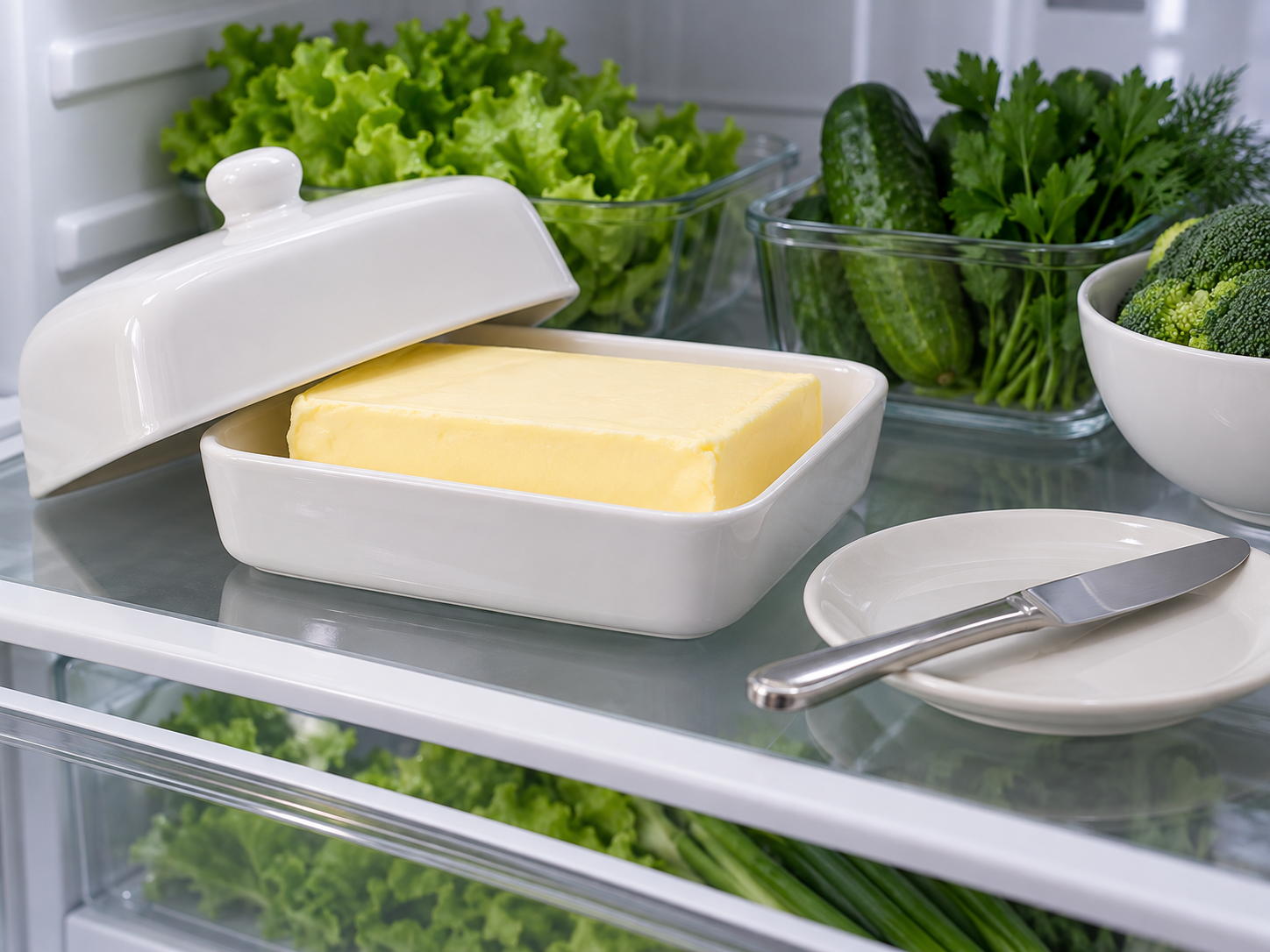
The product guidance calls for refrigerated storage. Make room for it before opening the pack. Take out what you need and use a clean knife or spoon so food residue does not go back into the remaining butter.
Follow the storage and use information on the exact pack you receive. Ghee and other butters may have different guidance; do not borrow their shelf-life assumptions. If a label detail is unclear, check before relying on a general rule.
Meet Our Cultured A2 Butter
Raghas Dairy prepares this butter from A2 desi cow milk, using culturing and small-batch churning. Its dense, creamy texture and dairy aroma suit toast, cooking, and baking. Check the selected variation for the details that matter to your kitchen and follow its refrigerated storage guidance.
Frequently Asked Questions
Is A2 Butter the Same as Ghee?
No. Butter contains water and milk solids, while ghee is clarified. They behave differently in cooking. Check the recipe before substituting one for the other.
Is the Butter Salted or Unsalted?
Check the selected variation, particularly for baking. The A2 label does not tell you its salt content.
How Should I Store Cultured A2 Butter?
Keep it refrigerated. Serve it with a clean utensil and follow the information on the pack you receive.
Does Cultured Butter Guarantee a Health Benefit?
No. The preparation method does not establish a guaranteed health outcome. Consider taste, portions, and individual dietary needs.
Conclusion
Before buying A2 butter, check the milk source, cultured process, and variation you need. Consider the meals where its flavor will be useful and whether you can store it properly. Creamy texture and dairy taste are reasonable reasons to enjoy butter; a health promise is not necessary. Handle the pack cleanly and follow its own instructions. Visit Raghas Dairy to learn more about the product.

Member discussion