
A2 Desi Ghee vs A1 Ghee: Key Differences Explained
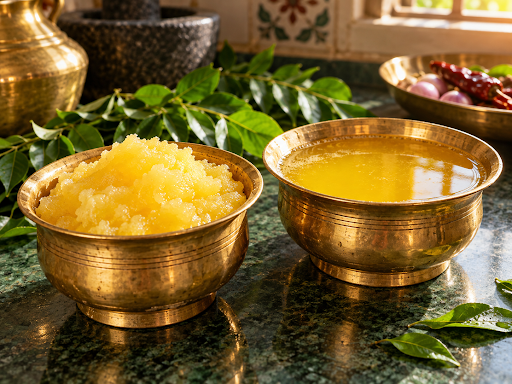
A bowl of ghee on the dining table tells you little about the milk behind it. The aroma may be familiar, yet labels such as A1 and A2 raise a different question: what exactly are you comparing? With A2 Desi ghee, the distinction begins with the source milk. Preparation then changes that milk into a concentrated cooking fat. Keeping those two stages separate helps you judge claims more carefully and choose ghee for your family's meals without expecting the label to explain everything.
The A1 and A2 Difference Begins in Milk
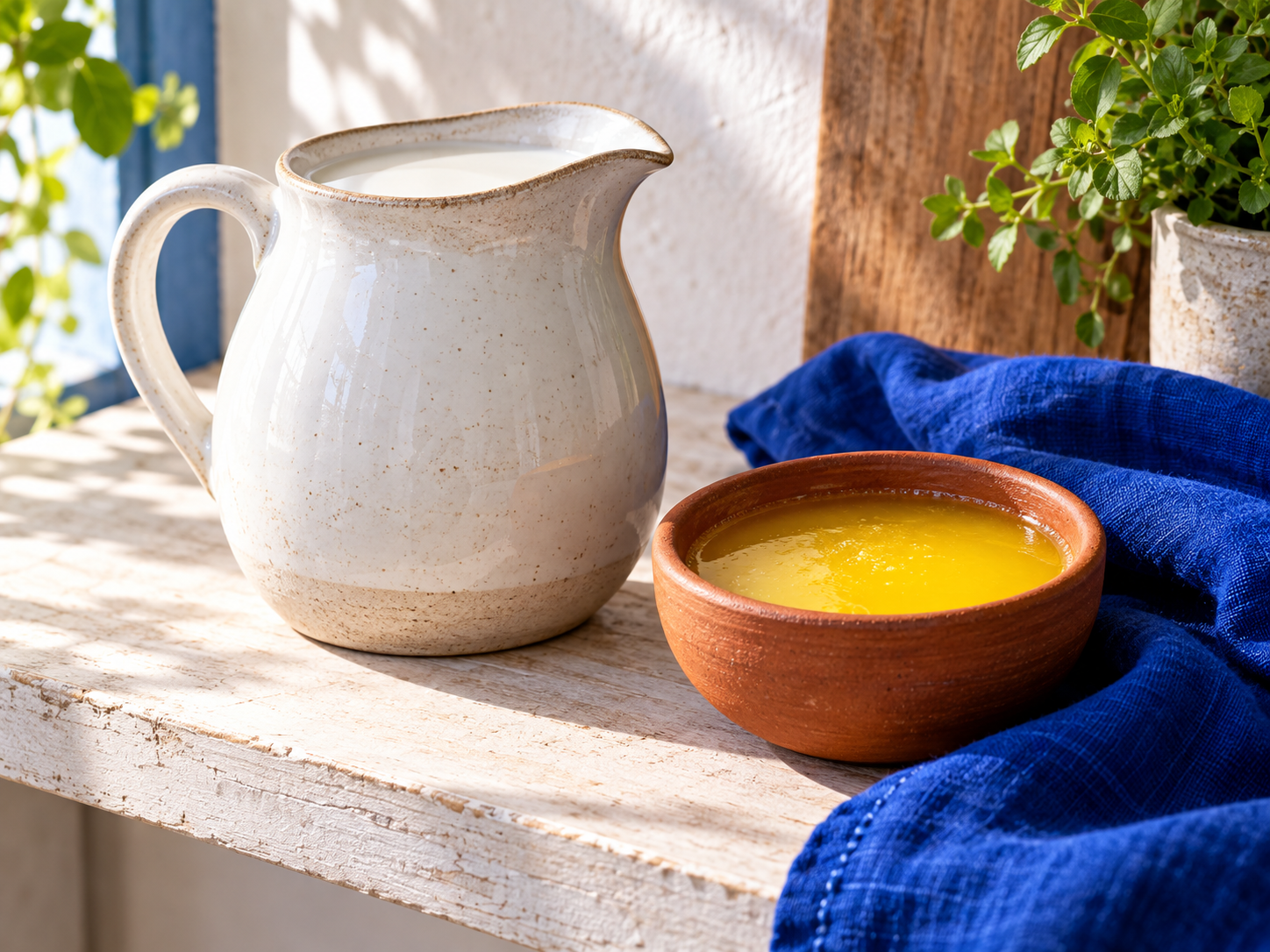
A1 and A2 describe variants of beta-casein, a protein in cow's milk. A2 Desi ghee takes its name from the milk used to prepare it. The label therefore points back to sourcing, rather than describing a different category of cooking fat that you can identify by looking at a spoonful.
Regular cow ghee does not automatically mean ghee made exclusively from A1 milk. A product may use milk from different animals or a mixed supply. Without clear sourcing information, you cannot assume that every ordinary pack has the same milk-protein background.
Ask what the maker can explain about the milk supply and its traceability. A clear account of sourcing tells you more than broad statements that one type of ghee suits everyone. The terms on the front of a pack should lead to understandable information about the product.
Clarification Changes What Remains in Ghee
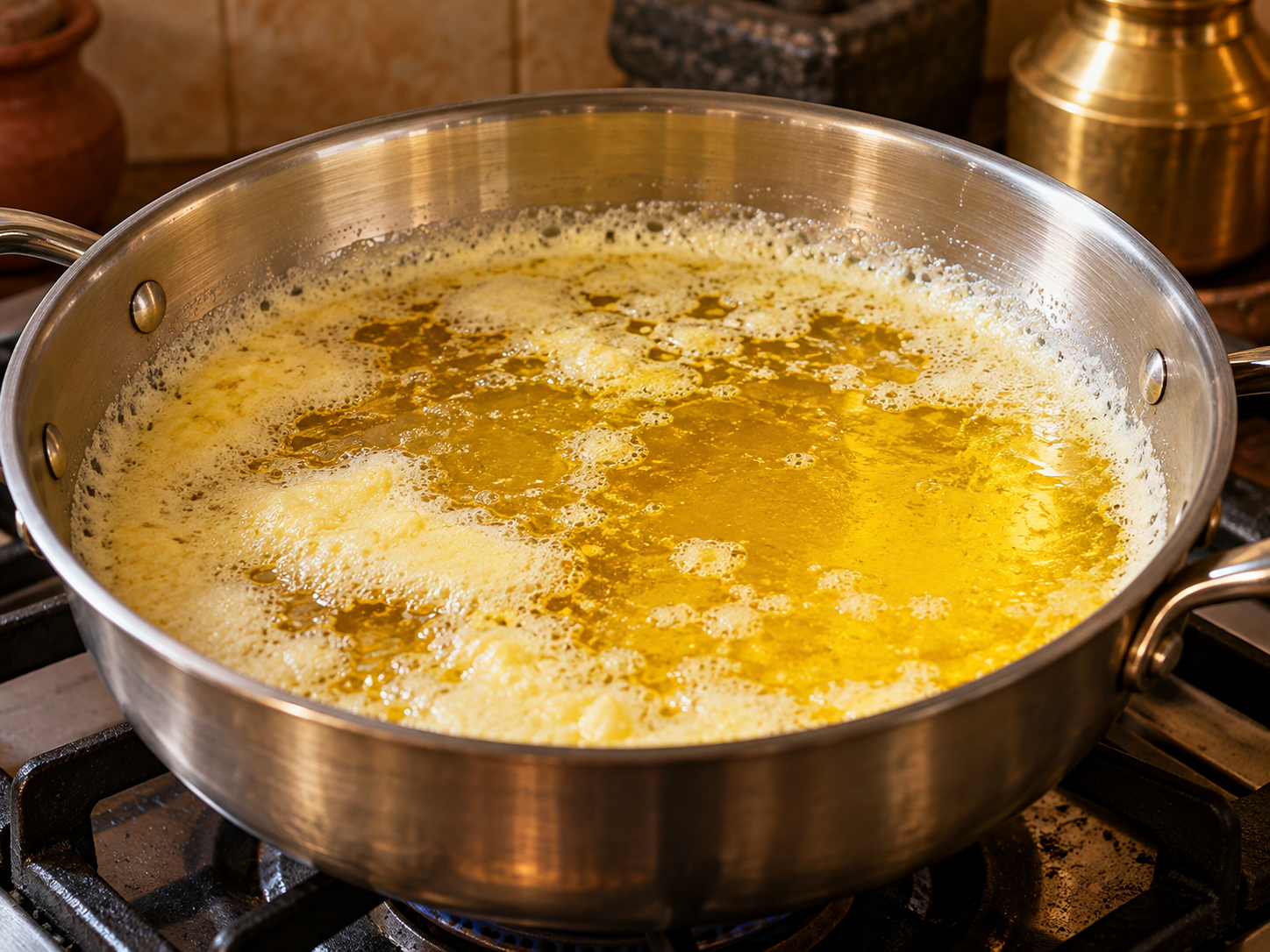
Ghee preparation involves heating butter and separating the milk solids from the clarified fat. That matters because the original A1/A2 distinction concerns milk protein. A2 Desi ghee is chiefly a milk-fat product, so findings from drinking A1 or A2 milk cannot simply be transferred to eating ghee.
Comparisons of the two often discuss digestive differences while drawing on research about milk. Those discussions do not show that a serving of A2 Desi ghee produces the same effects. Claims about easier digestion or protection from illness need evidence about the actual food and outcome being described.
For everyday buying, distinguish a sourcing statement from a medical promise. Knowing where the milk came from can still matter to you. It does not demonstrate that one ghee will treat digestive problems or provide a clinically proven advantage over another.
The Preparation Method Is a Separate Choice
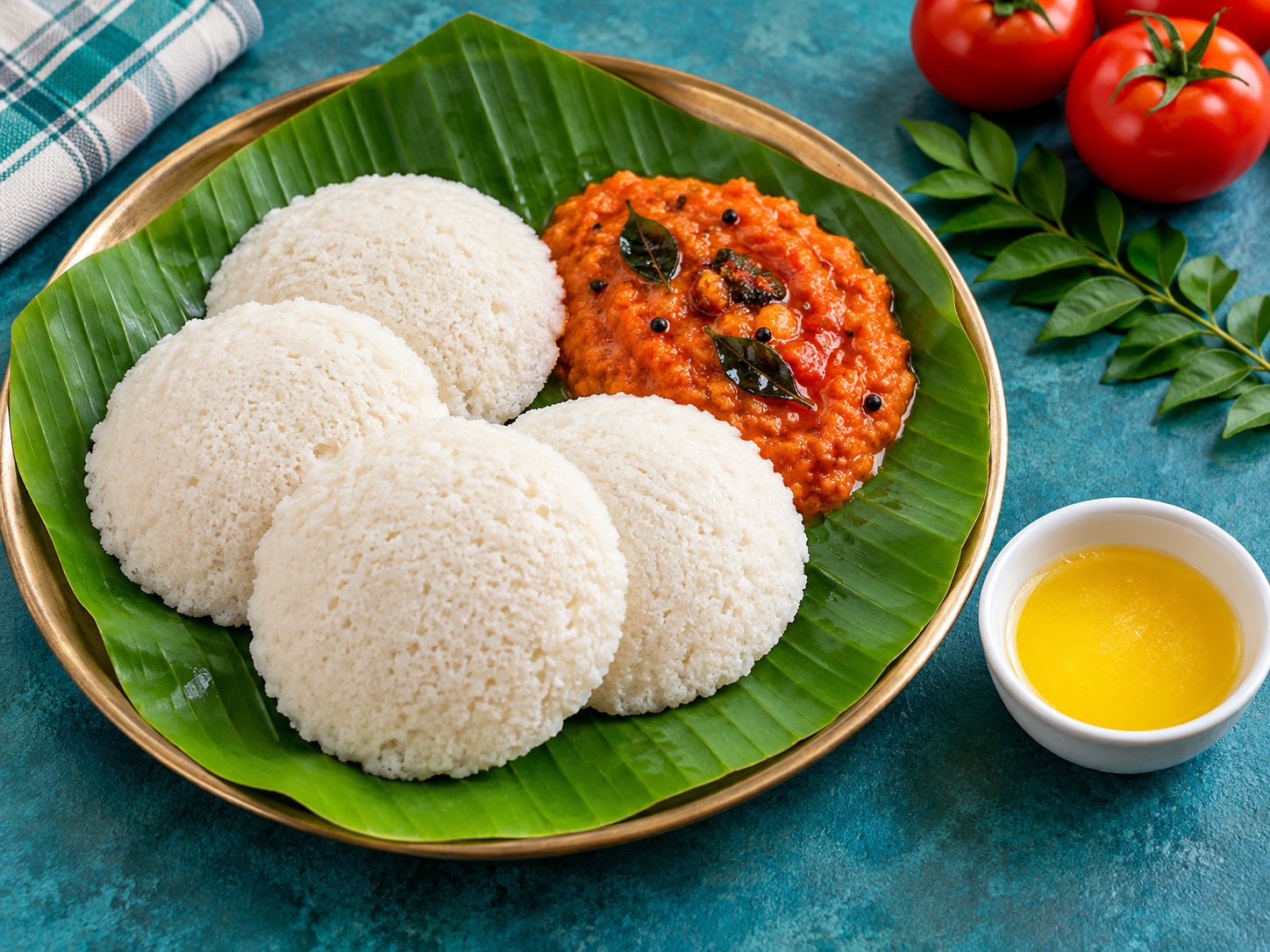
The bilona method starts with cultured milk or curd, which is churned to separate butter before clarification. Other production routes begin with separated cream. These descriptions concern how ghee is made, while A1 and A2 concern the milk's protein background.
A2 Desi ghee and bilona ghee are therefore not interchangeable terms. A maker should explain both the milk source and the preparation process if both matter to your choice. Words such as traditional mean something only when the actual stages are described clearly.
Preparation also provides context for the aroma and taste you enjoy with food. For a Tamil Nadu kitchen, that may mean the finish on hot rice, the fragrance in sweets or the familiar flavor of dosa. Pick those qualities for the eating experience, without treating them as proof of a health claim.
Taste and Texture Cannot Verify Protein Origin
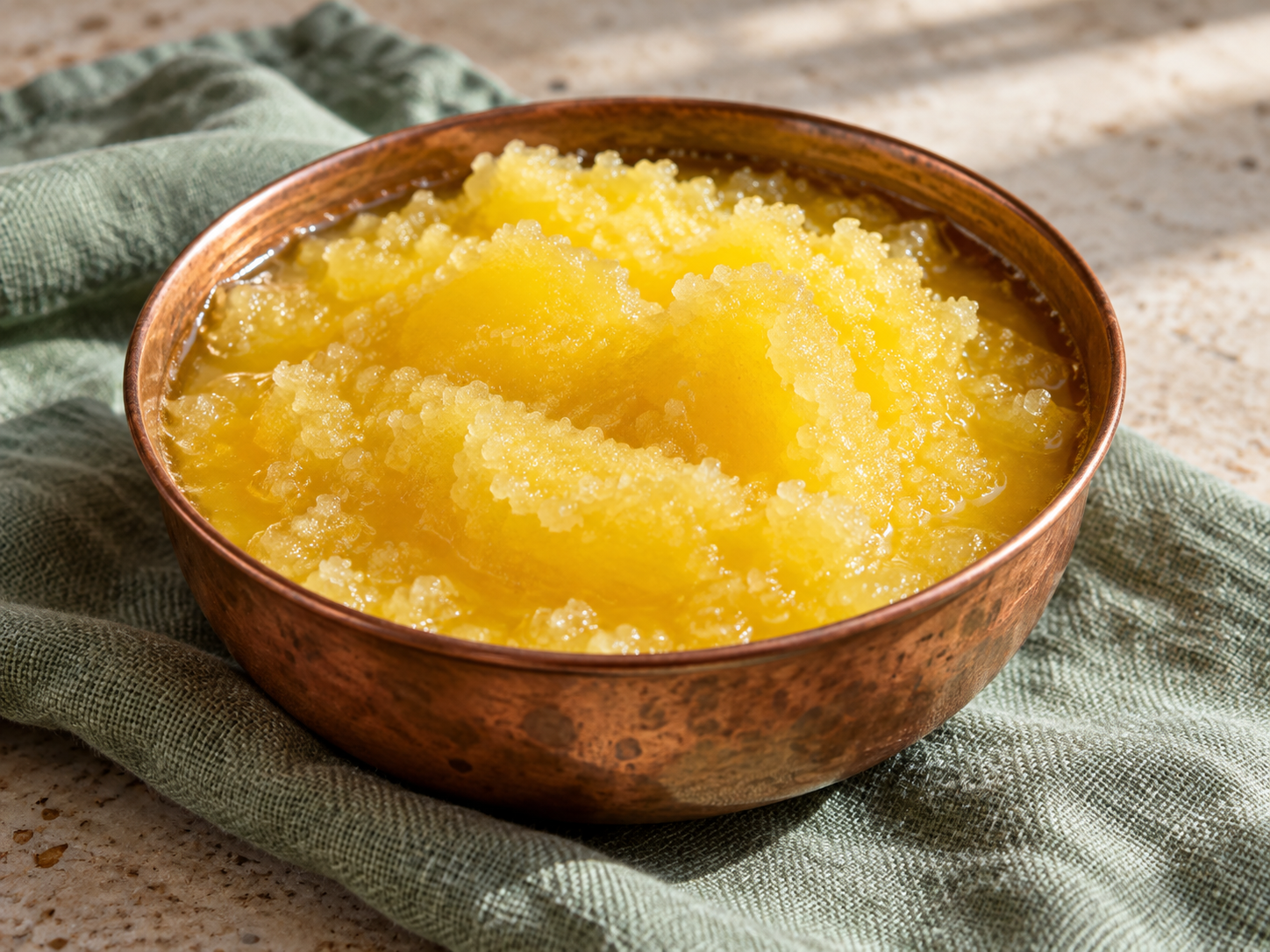
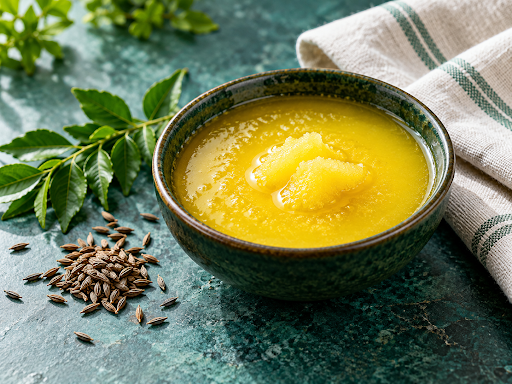
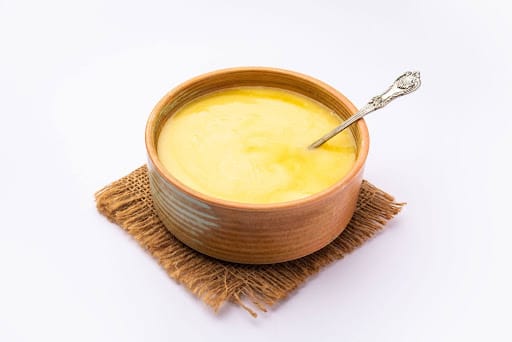
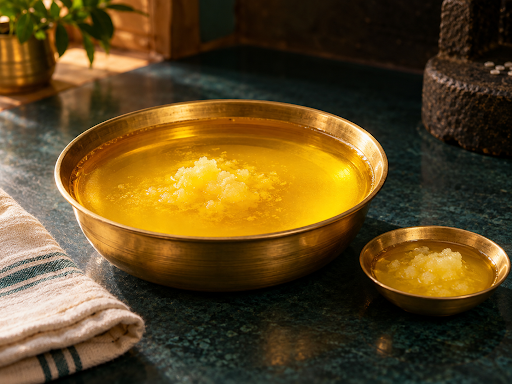
Warm aroma and a grainy texture can be appealing features of ghee. Raghas describes these qualities in its A2 Desi ghee, made with a traditional bilona process. They help explain the kind of cooking experience a family may prefer.
They do not provide a home test for A1 or A2 origin. Looking at color, smelling a bowl or checking the grains cannot tell you the milk-protein background of the animals supplying the milk. Keep sensory preferences separate from verification of a sourcing claim.
Read the product information and put direct questions about the milk and method. Clear answers give you a firmer basis for choosing than an internet kitchen test. If a claim relies entirely on appearance or fragrance, it has not explained how the milk source was established.
Choose for Your Kitchen Without Overreading the Label
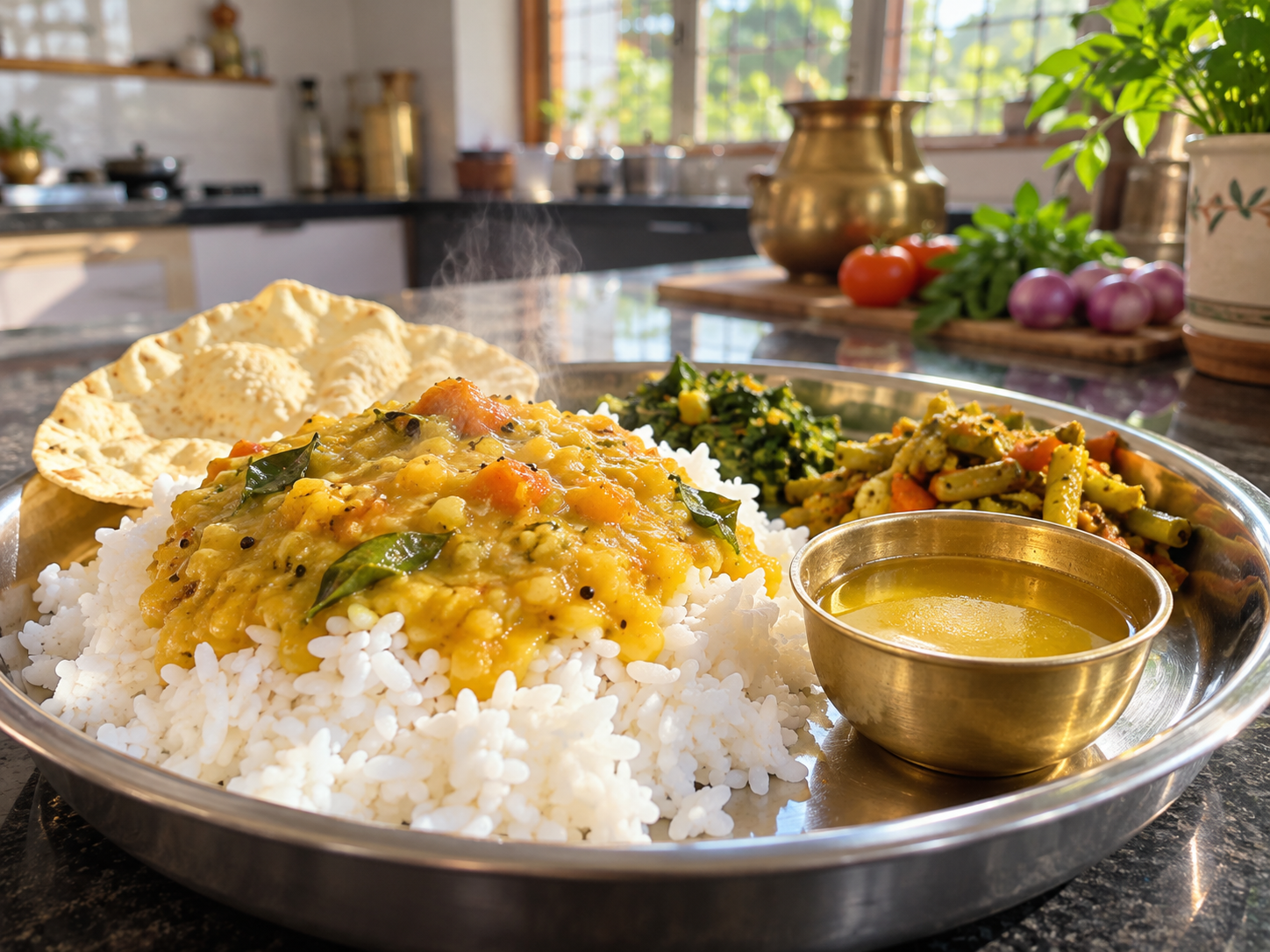
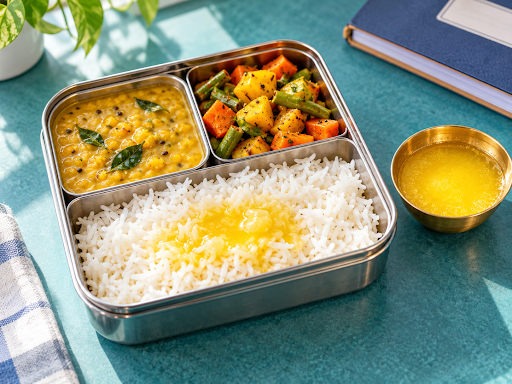
Think about how you actually use ghee. A small addition to dal, a finishing touch on rice and ghee used in sweets each put its flavor in a different setting. A2 Desi ghee can fit those familiar uses without requiring a new dietary routine.
Compare the stated ingredients, sourcing and preparation information. Check that the maker explains the product clearly and avoids promising cures. The A2 label alone does not prove organic certification, a particular preparation method or a specific health result.
Keep the overall meal in view when making a choice for the family. A sourcing preference can be meaningful, but it should not encourage larger portions or replace appropriate advice about an individual dietary need. Settle on a product you understand and a flavor you genuinely enjoy.
Customer Experiences With Raghas A2 Desi Ghee
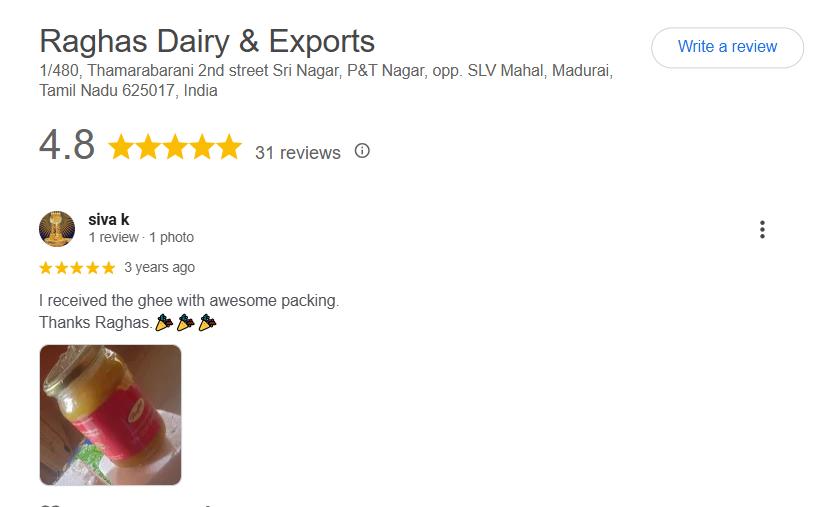
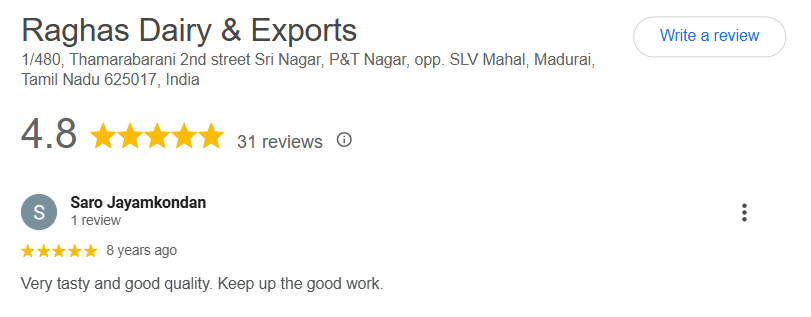
At Raghas Dairy, we welcome honest feedback about our A2 Desi ghee and its place in everyday family cooking. Customer experiences can help you understand personal preferences about aroma, taste and texture. They remain individual opinions and should not be read as evidence that a product treats a condition or offers the same experience to every household.
Frequently Asked Questions
Does Regular Cow Ghee Always Come From A1 Milk? No. Without sourcing information, you cannot assume that regular cow ghee comes exclusively from A1 milk. Its supply may involve different animals or a mixed milk source.
Does A2 Desi Ghee Automatically Mean Bilona Ghee? No. A2 describes the source milk, while bilona describes a preparation method. Check both details separately.
Can Color or Texture Prove That Ghee Has an A2 Milk Source? No. Appearance, aroma and grains do not establish the milk-protein background. Ask for clear sourcing information instead.
Do Milk Studies Prove Health Benefits From A2 Desi Ghee? No. Research involving milk does not by itself establish the effects of eating clarified milk fat. Avoid treating the two foods as interchangeable evidence.
Final Takeaway
The clearest comparison starts with the milk, then considers how the maker turns it into ghee. A2 Desi ghee describes a sourcing choice; bilona explains a preparation route. Taste and texture help you decide what you enjoy, but they cannot verify the milk's protein background or prove a medical benefit. For everyday cooking, look for understandable product information and a flavor that works with your meals. Ask questions when a label leaves important details unclear. A considered choice gives you confidence in what you bring into the kitchen without expecting a bowl of ghee to do more than the evidence supports.
Visit Raghas Dairy for more information about our products.
Member discussion