
Explore 7 Differences Between A2 Desi Ghee and Normal Ghee
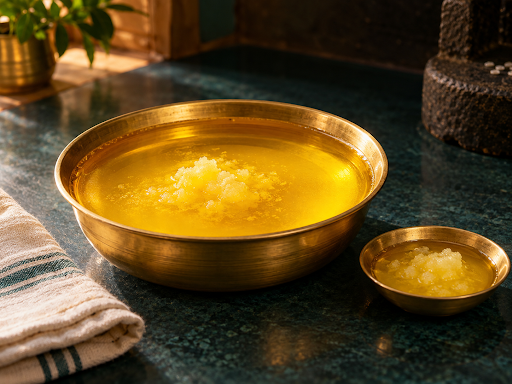
Two bowls of golden ghee can look similar while leaving you with very different questions about how they were made. What milk went into them? Did the process begin with cultured curd or separated cream? And how much can aroma or texture really tell you? At Raghas Dairy, our A2 Desi ghee comes from a traditional bilona preparation used in Tamil Nadu cooking. Comparing it with normal ghee calls for a closer look at the product itself. These seven distinctions separate the sourcing and preparation details worth knowing from claims that need stronger evidence.
The Milk Source Behind the Name
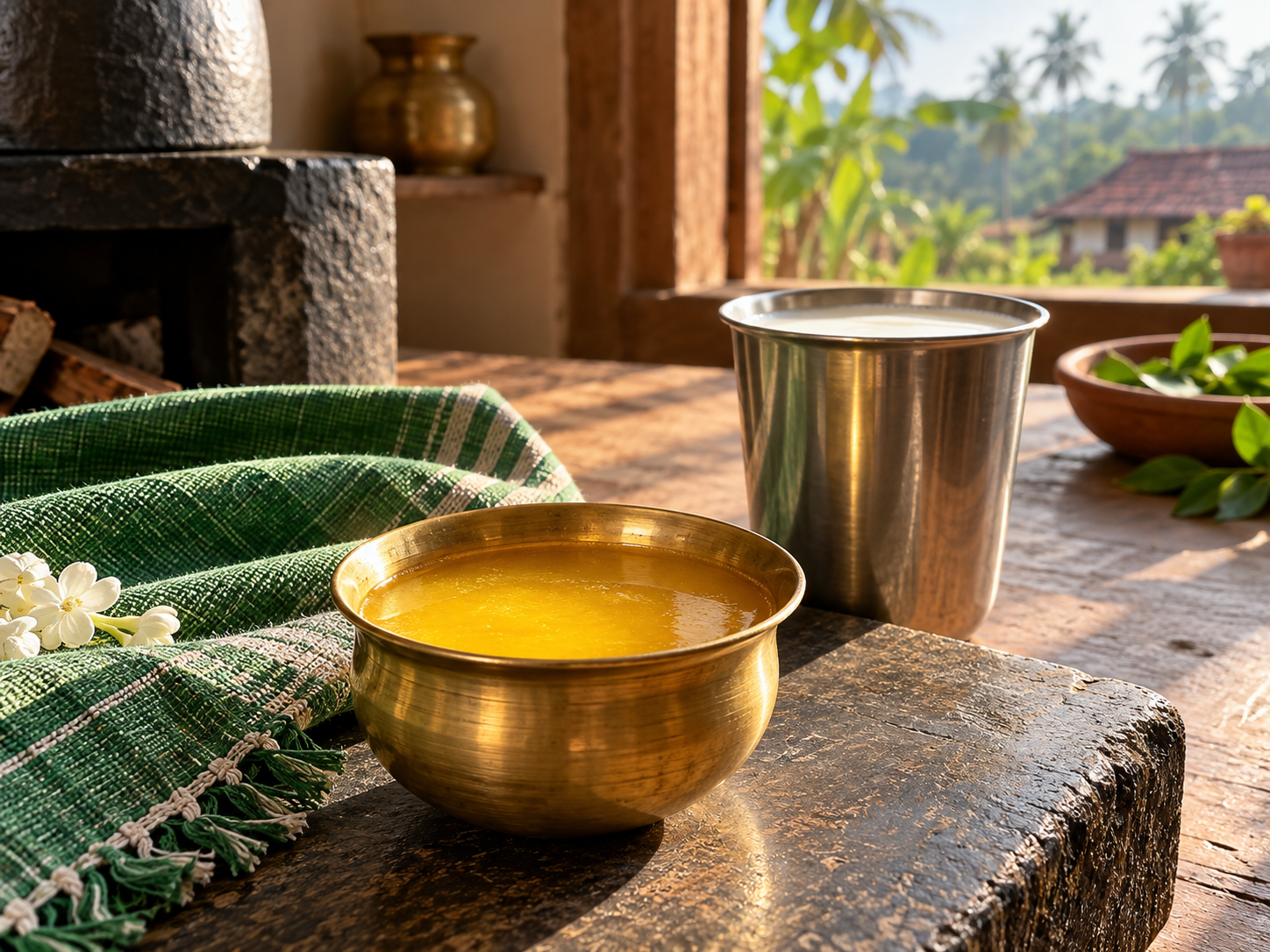
A2 Desi ghee identifies a particular milk-sourcing description, while normal ghee is a broad everyday term. The comparison begins with what the producer tells you about that milk. A generic description may leave the source less clear, but it does not establish that every ordinary ghee comes from the same animals or follows the same production system.
Our ghee uses milk from a mixed native desi herd in Tamil Nadu. That is a specific sourcing detail you can consider alongside the preparation method. Hold the distinction at that level: a statement about the milk source does not, on its own, prove a health advantage in the finished ghee.
Curd or Cream as the Starting Point
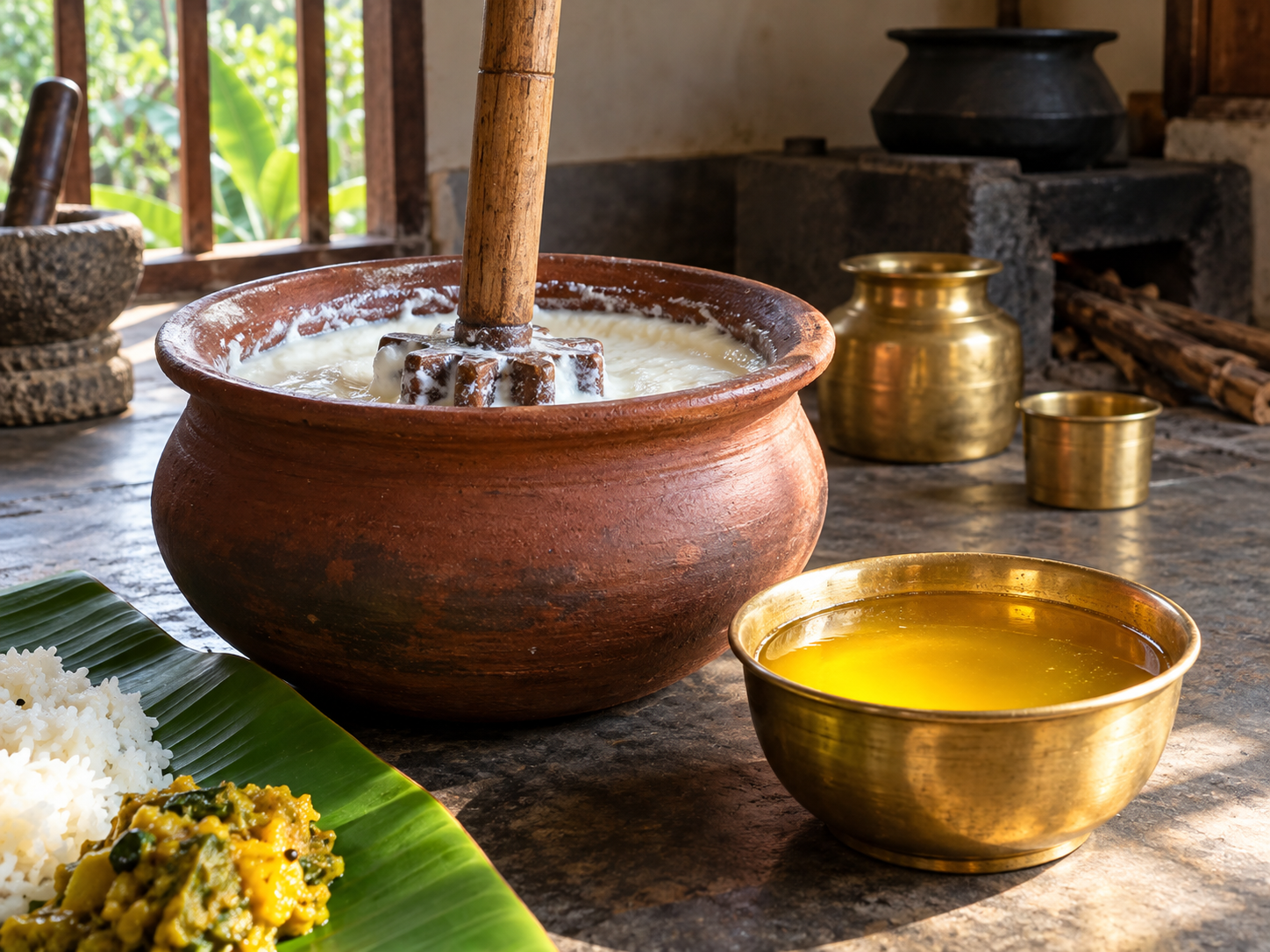
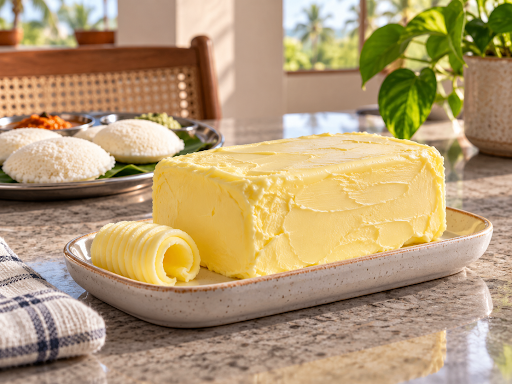
Traditional bilona preparation begins by culturing milk into curd before extracting butter. Other ghee-making routes may begin with separated cream or prepared butter. This difference describes the sequence of preparation, which tells you more than the word traditional does on its own.
At Raghas Dairy, our farm-to-jar process follows milk, culture, churn and clarify. When comparing another product, ask about its own starting material instead of assuming that normal ghee always follows one route. The meaningful comparison is between two known processes, rather than a carefully described product and an undefined category.
How the Butter Is Obtained Before Clarifying
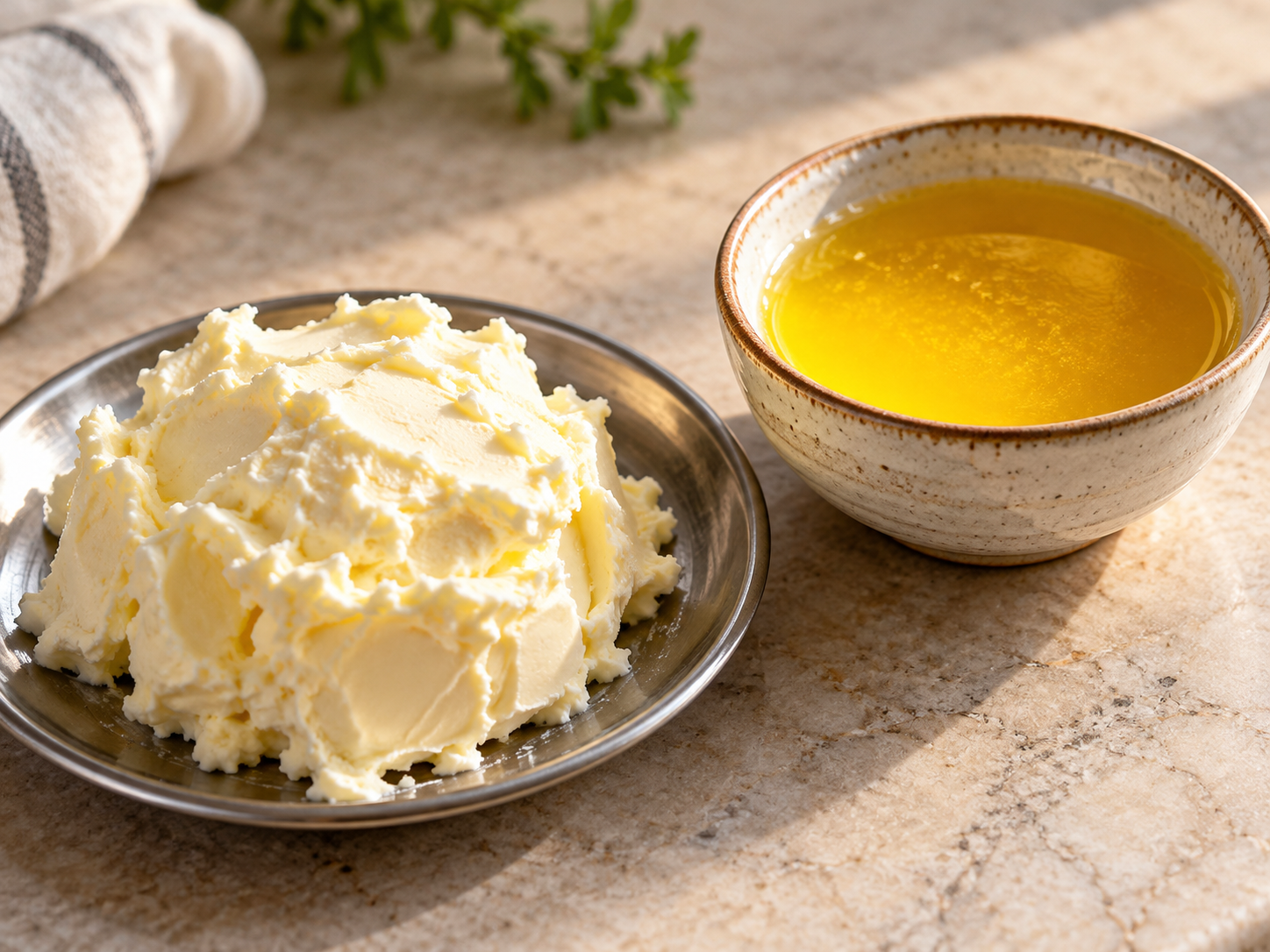
In the bilona route, churning separates butter from the cultured curd before the butter becomes ghee. This intermediate step distinguishes that preparation from routes that do not start by churning curd. It also explains why a maker may describe the butter-making stage when discussing the final product.
Ask whether a bilona claim refers to this complete sequence. The name alone should not stand in for a clear explanation of the process. Equally, do not assume that all products described as A2 Desi ghee use identical equipment or preparation conditions. Specific process information gives you a firmer basis for comparison than a broad claim of superiority.
Texture in the Finished Ghee
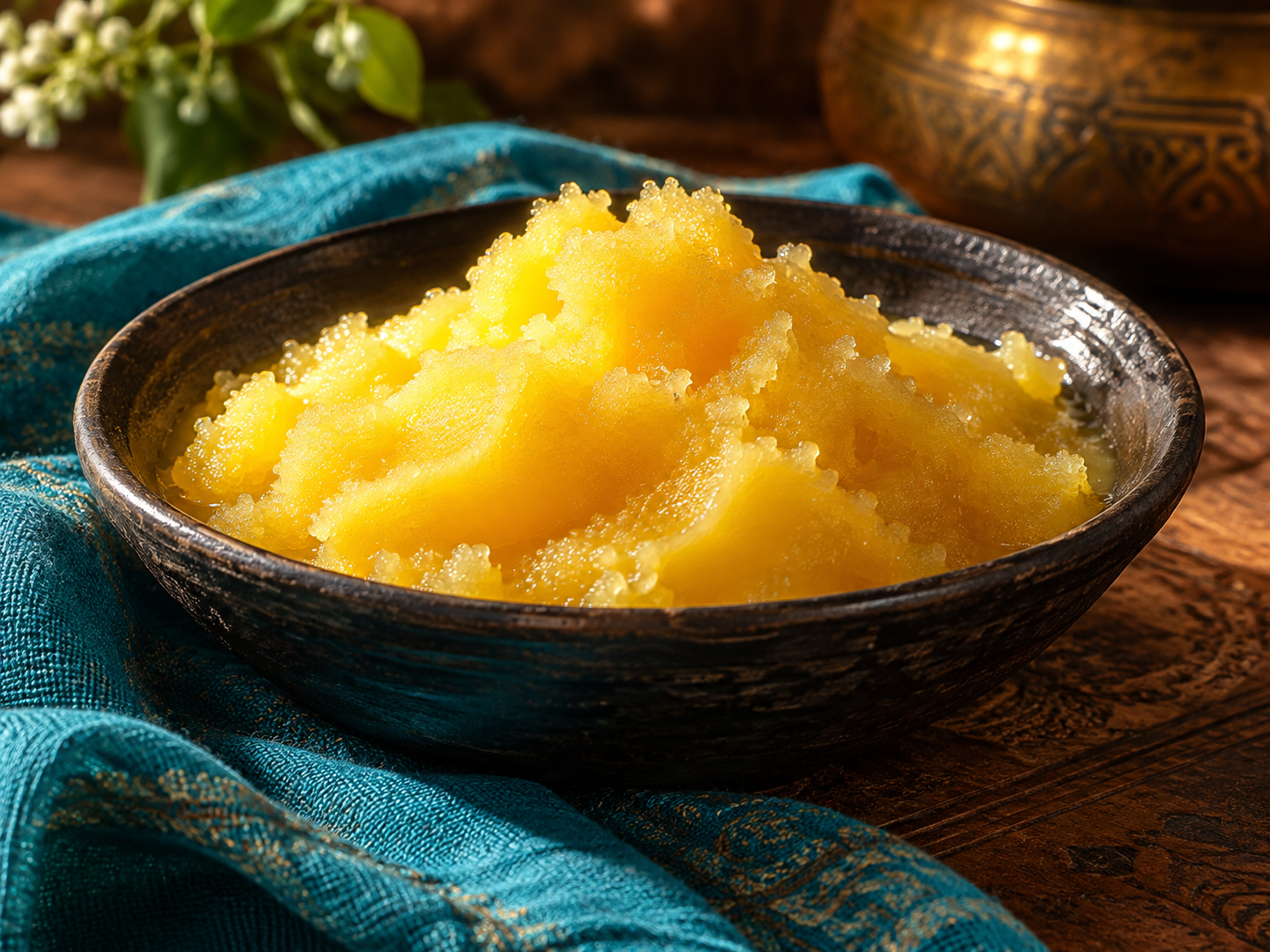
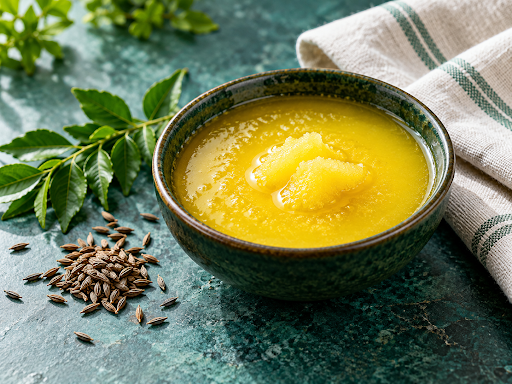
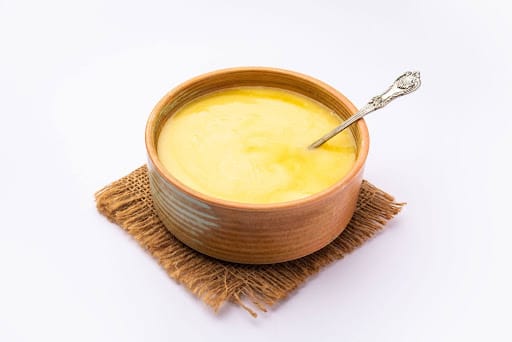
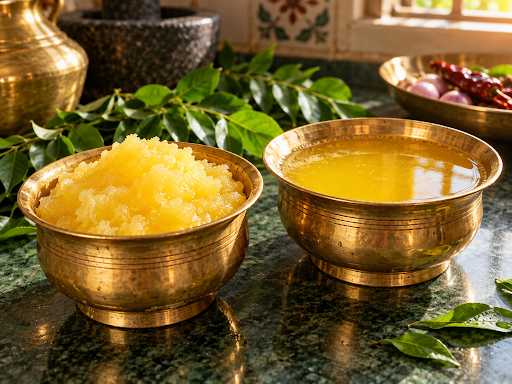
A grainy texture is a characteristic associated with our A2 Desi ghee. It forms part of the experience people recognize when they use the product in familiar meals. Texture is therefore a preference worth comparing when you are deciding which ghee you enjoy, particularly if you are looking for a traditional-style finish.
Hold texture separate from proof of purity or health benefits. A smooth-looking product should not automatically count as inferior, and a grainy one should not escape questions about its ingredients and source. Treat the appearance as one part of the product description, then read it alongside the information the maker provides.
Aroma and Taste at the Table
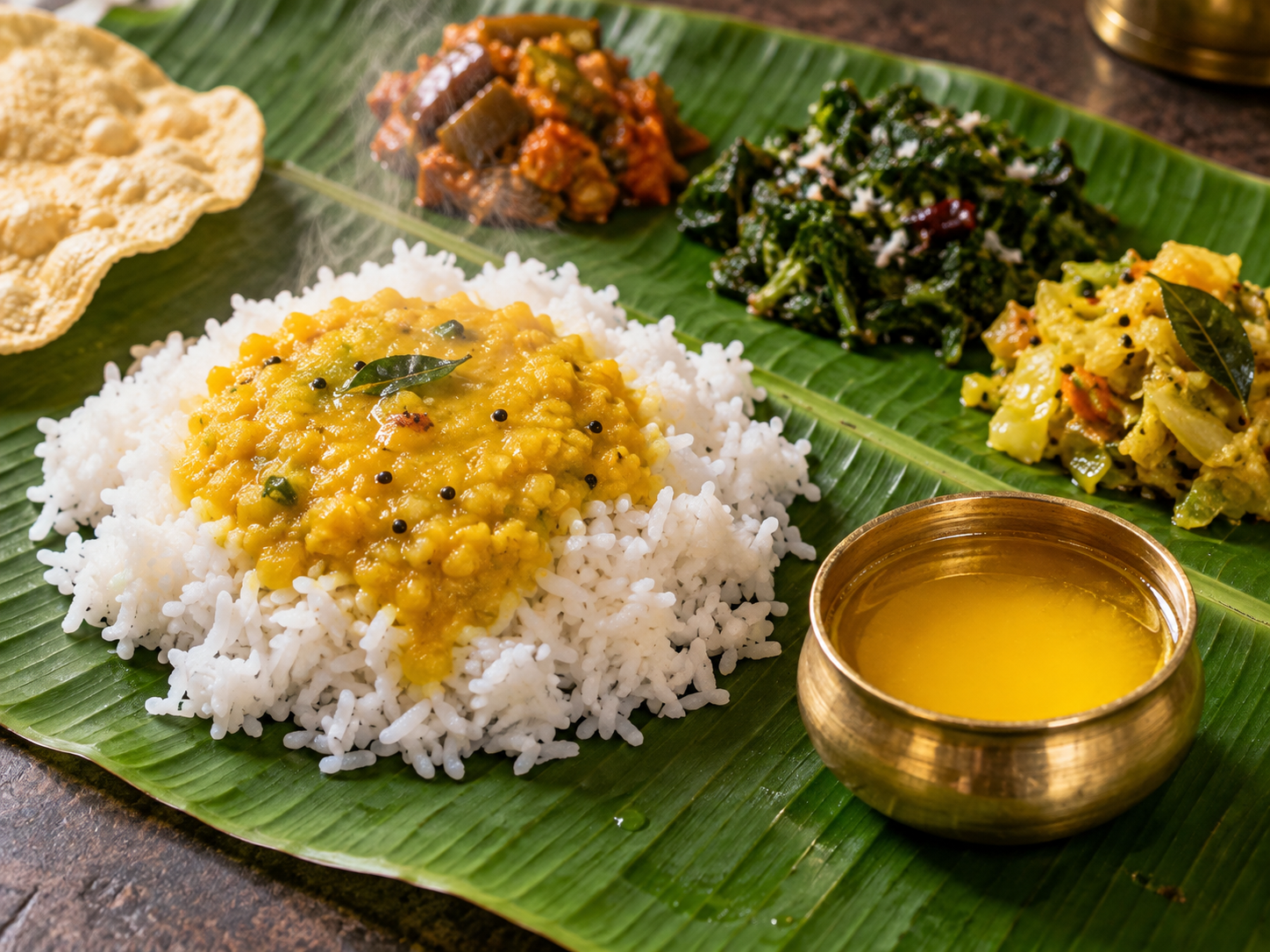
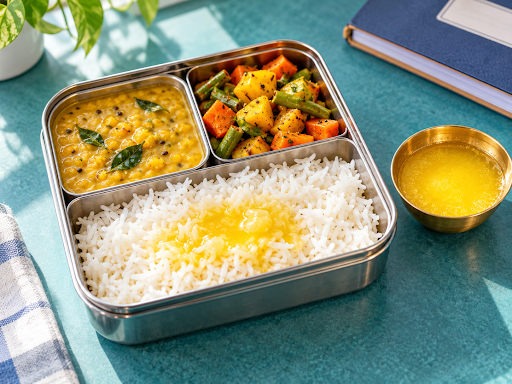
Aroma often becomes the most immediate difference when ghee meets a hot meal. Our A2 Desi ghee brings a warm aroma and rich taste to rice, dosa, sweets and everyday cooking. For a Tamil Nadu kitchen, those familiar uses are a practical way to think about the kind of finish you want from your ghee.
Taste preferences differ, so a stronger aroma does not establish that one product will suit every household. Compare what you enjoy in the foods you already prepare. Keep claims about flavor distinct from claims about immunity, memory or digestion: enjoying a meal does not demonstrate a specific medical effect.
The Ingredient and Sourcing Information Available
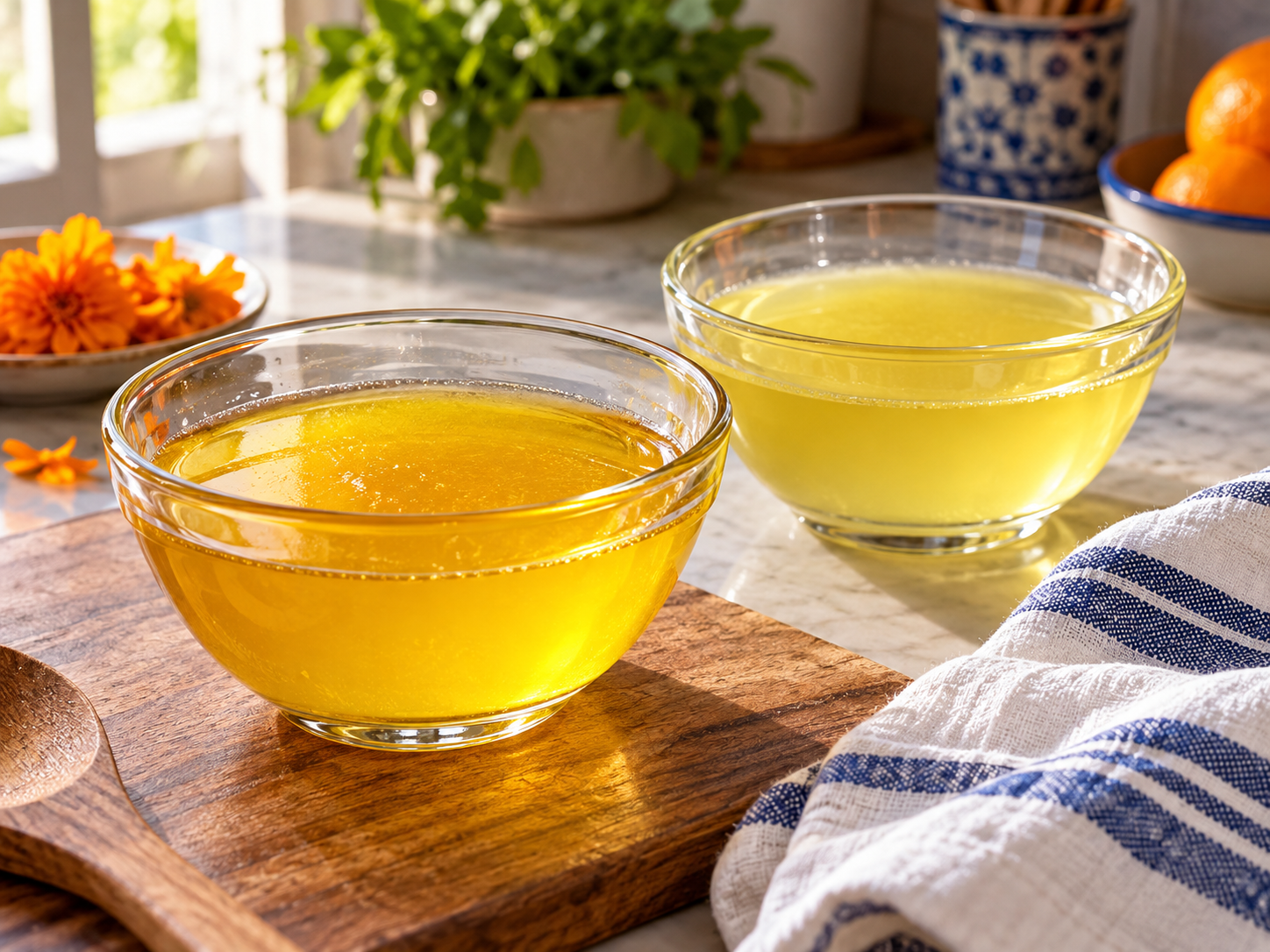
Another difference worth weighing is how clearly a product explains itself. Compare its ingredient information, milk sourcing and preparation details rather than assuming that an A2 Desi ghee label guarantees every quality claim. A maker should be able to describe the product you are considering without relying entirely on an appealing photograph or a traditional-sounding name.
Apply the same standard to normal ghee. The broad category does not prove that a product contains additives, comes from poorly treated animals or lacks care in production. Those are specific claims that require support. A fair comparison asks the same questions of both products and keeps verified information separate from general marketing language.
What the Health Claims Actually Establish
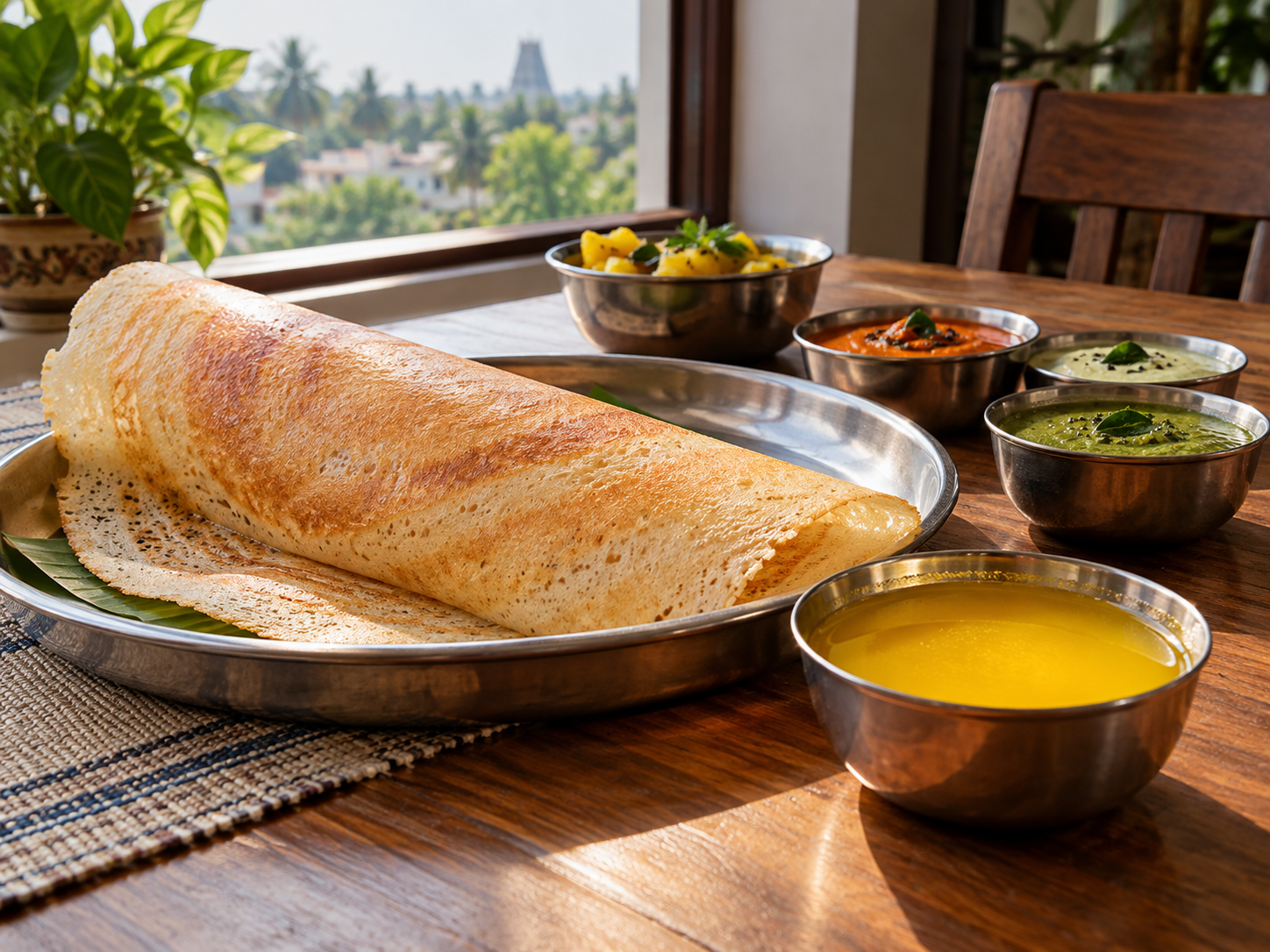
Comparisons often present A2 Desi ghee as easier to digest or better for immunity, weight management and other health goals. Those claims need reliable head-to-head evidence from the finished ghee before they can support a promise of better health. It would be misleading to turn those statements into guaranteed differences.
Hold the food choice and the health claim apart. Milk-sourcing and preparation descriptions help explain the product; they do not demonstrate that it treats a condition or produces a particular result. Choose according to supported product information and your cooking preferences, and seek individualized professional guidance for dietary restrictions or medical concerns.
What Customers Appreciate About Raghas Dairy
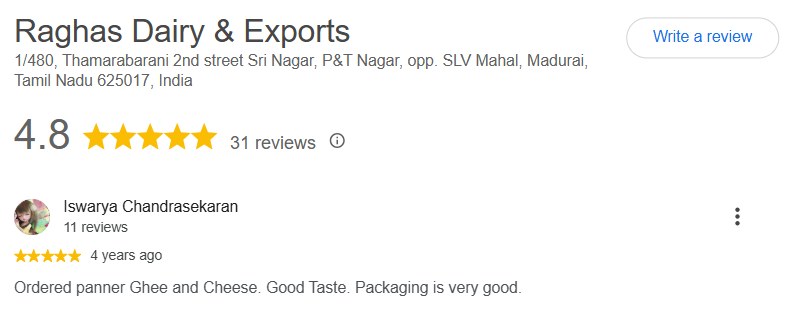
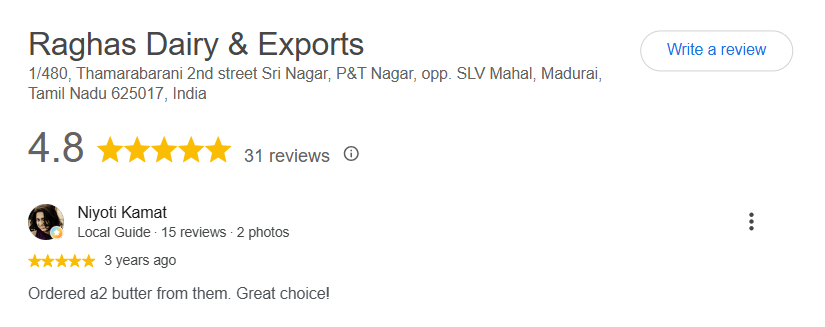
Our customers' experiences add a personal perspective to the product details. At Raghas Dairy, selected customer feedback mentions rich taste, aroma and granular texture. These comments describe food preferences and individual experiences, rather than evidence that A2 Desi ghee provides a particular health result.

Frequently Asked Questions
Does A2 Desi Ghee Always Mean Bilona Preparation? Check the producer's process description instead of assuming the label guarantees a method. Our preparation follows milk, culture, churn and clarify.
Is All Normal Ghee Made in the Same Way? No single preparation can be assumed from that broad term. Ask about the milk source and whether the process begins with curd, cream or prepared butter.
Does Grainy Texture Prove That Ghee Is Pure? Texture alone does not establish purity. Consider it alongside ingredient information, sourcing and the maker's explanation of preparation.
Do These Differences Prove Better Health Outcomes? These sourcing and preparation differences do not establish guaranteed health advantages from the finished ghee. Keep sourcing and sensory differences separate from medical claims.
Final Takeaway
Comparing A2 Desi ghee with normal ghee becomes easier when you ask specific questions. Look at the milk source, understand the preparation sequence and consider the texture and aroma you enjoy in everyday meals. Check ingredient and sourcing information without assuming that either label proves purity or a health result. At Raghas Dairy, our traditional bilona preparation and Tamil Nadu native milk sourcing give you concrete product details to consider. Use those details to make a food choice that fits your kitchen, while treating broad promises about health as questions for evidence rather than reasons to assume one product does everything better.
Visit Raghas Dairy for more information about our products.
Member discussion