
Skills Needed for Success in the Fashion Modeling Industry
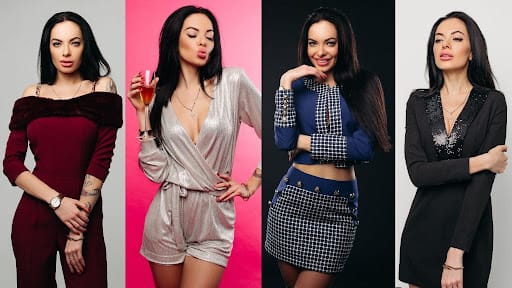
A model's work changes from one job to the next. A studio shoot asks for expression and control in front of a camera. A show asks you to walk with the clothing and stay composed while the team works quickly around you. In both settings, you need to listen and communicate with the people directing the work. Posing, runway walking, and communication are skills you can practice. Together they help you handle more of what the fashion modeling industry asks of you.
Posing: What the Camera Sees
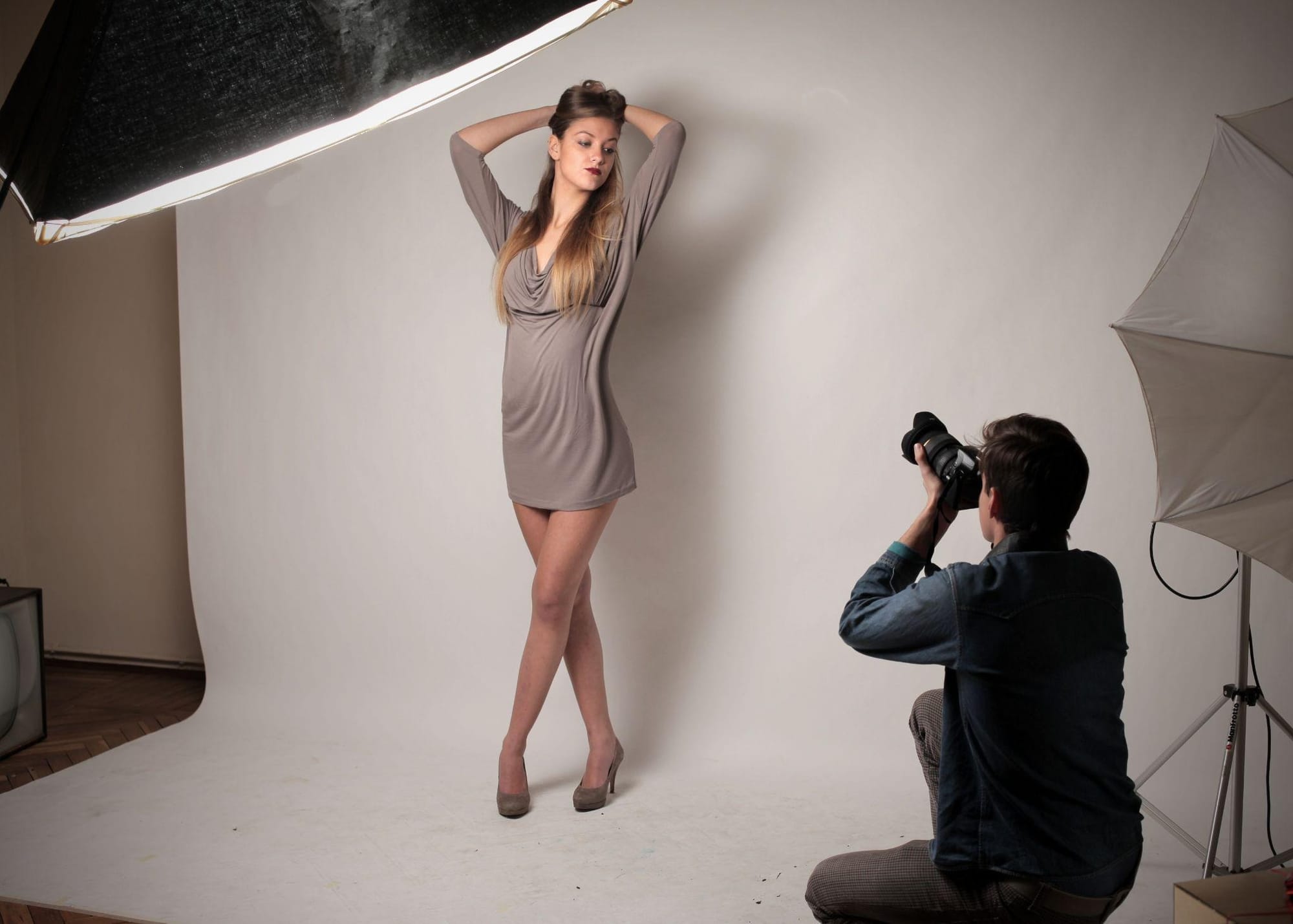
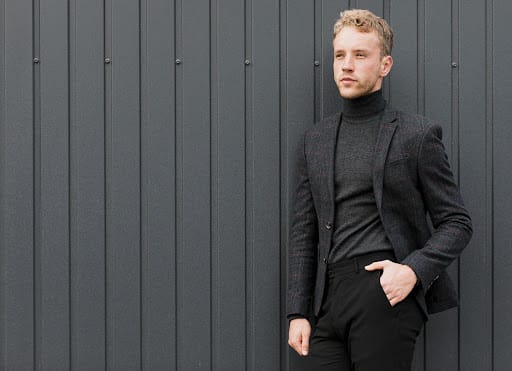
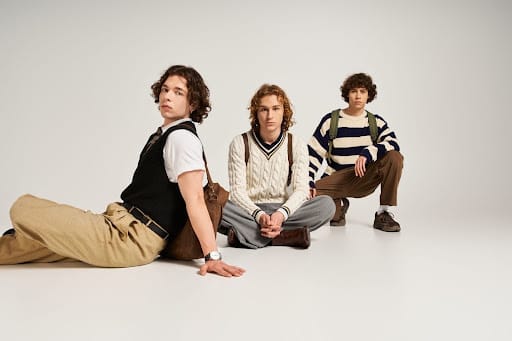
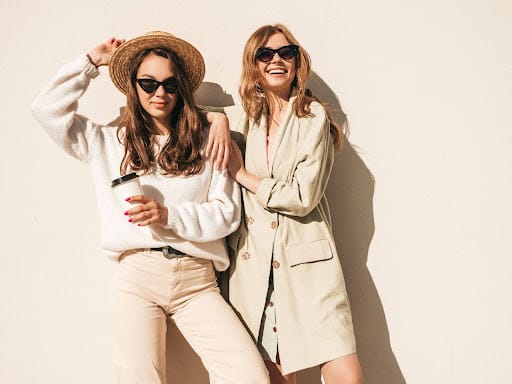
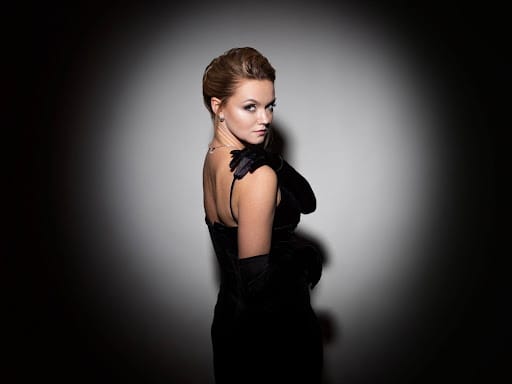
A pose tells the viewer something through your body and face. The angle of a shoulder, where you put your hands, and the direction of your gaze can change the mood of a photograph. The clothes matter too. A position that feels dramatic may hide the garment, while a smaller movement may make its shape easier to see.
Learn how different positions look through a camera. A mirror can help you notice posture, but photographs show how a pose reads in a frame. Try changing one element at a time. Compare your expressions, shift your weight, or turn slightly toward the light. You will begin to recognize which choices feel comfortable and which ones suit a particular outfit.
Practice also makes it easier to respond during a shoot. When the photographer asks for a change, you have a few familiar movements to work from. The aim is to express the intended mood without making every photograph look alike.
Runway Walking: Keeping Your Balance and Pace
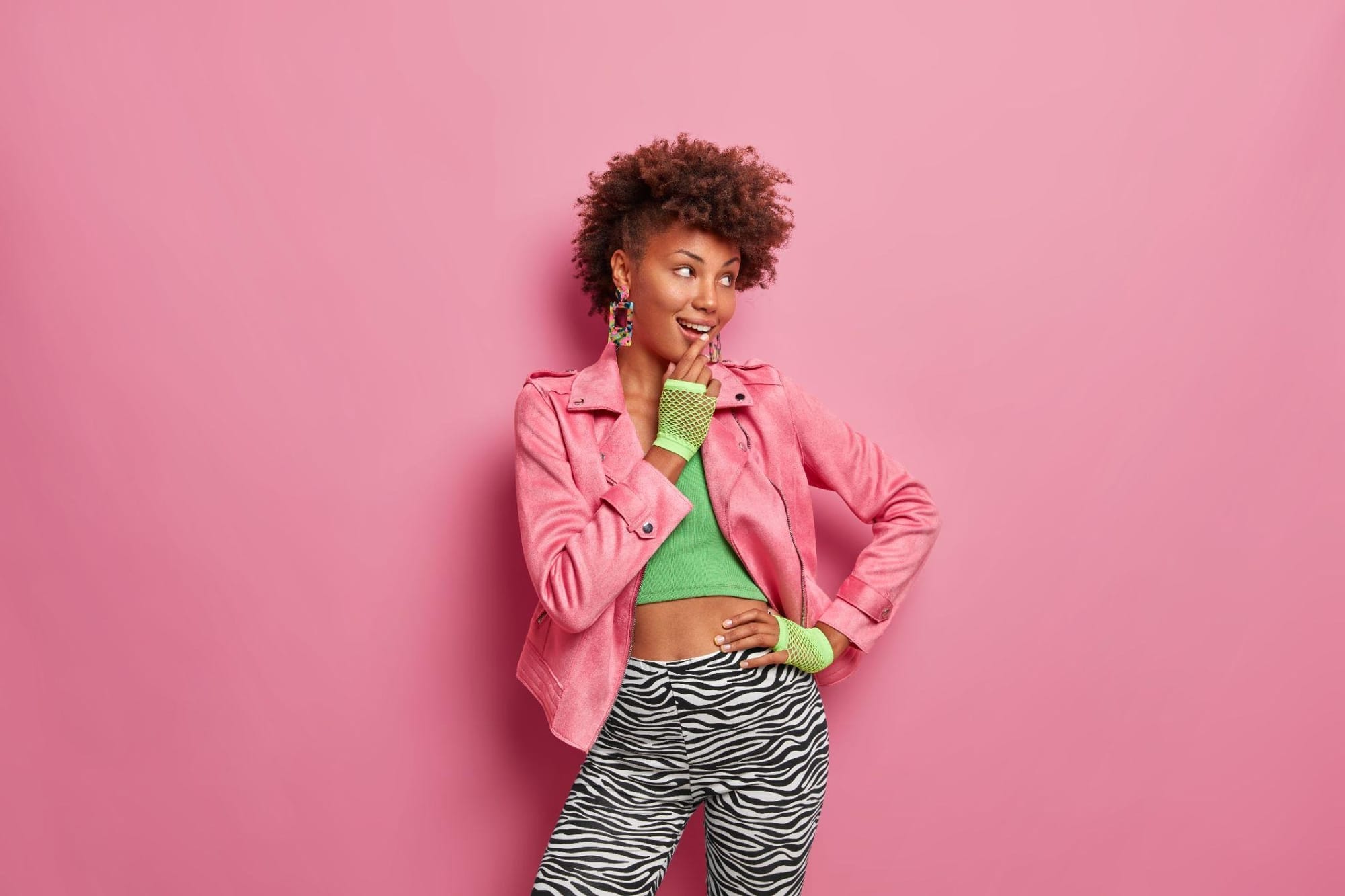
A runway walk needs control. Practice your posture and balance before trying to add a distinctive style. Keep your stride steady, let your arms move naturally, and notice whether your face looks as composed as your body feels.
The pace of a show may leave little time to think through each step. Regular practice helps you carry a designer's clothes while staying aware of the route and the people around you. Record yourself walking if you can. Seeing the result may reveal a rushed turn, an uneven stride, or a movement that distracts from the outfit.
Confidence comes partly from knowing what your body will do. A controlled walk gives the audience a clear view of the clothes and gives you room to adjust when a show moves quickly.
Communication: Working With the Team
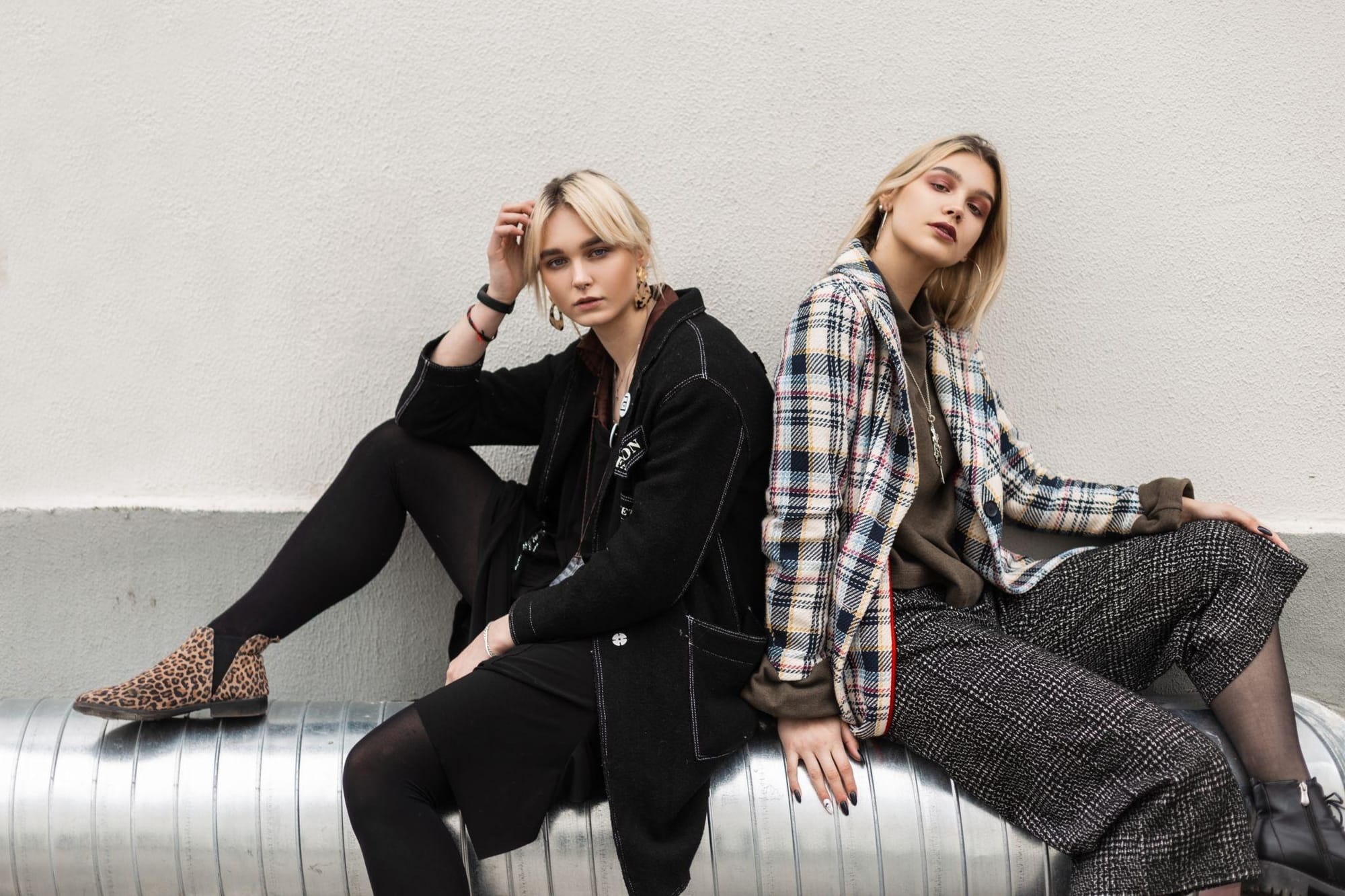
A model takes direction from photographers, designers, and show teams. Listen closely enough to understand what they need before changing a pose or walk. If an instruction is unclear, ask. It is easier to make a useful adjustment when everyone understands the goal.
Your own feedback can help a session as well. Explain a practical concern or an idea plainly, then stay open to the team's response. Different people work at different speeds and have different expectations. Being approachable and adapting to the setting helps the work move along.
These habits also affect professional relationships. People remember whether you arrived prepared, paid attention, and treated others well. Communication gives them more to work with than your photographs alone.
Putting the Skills Together
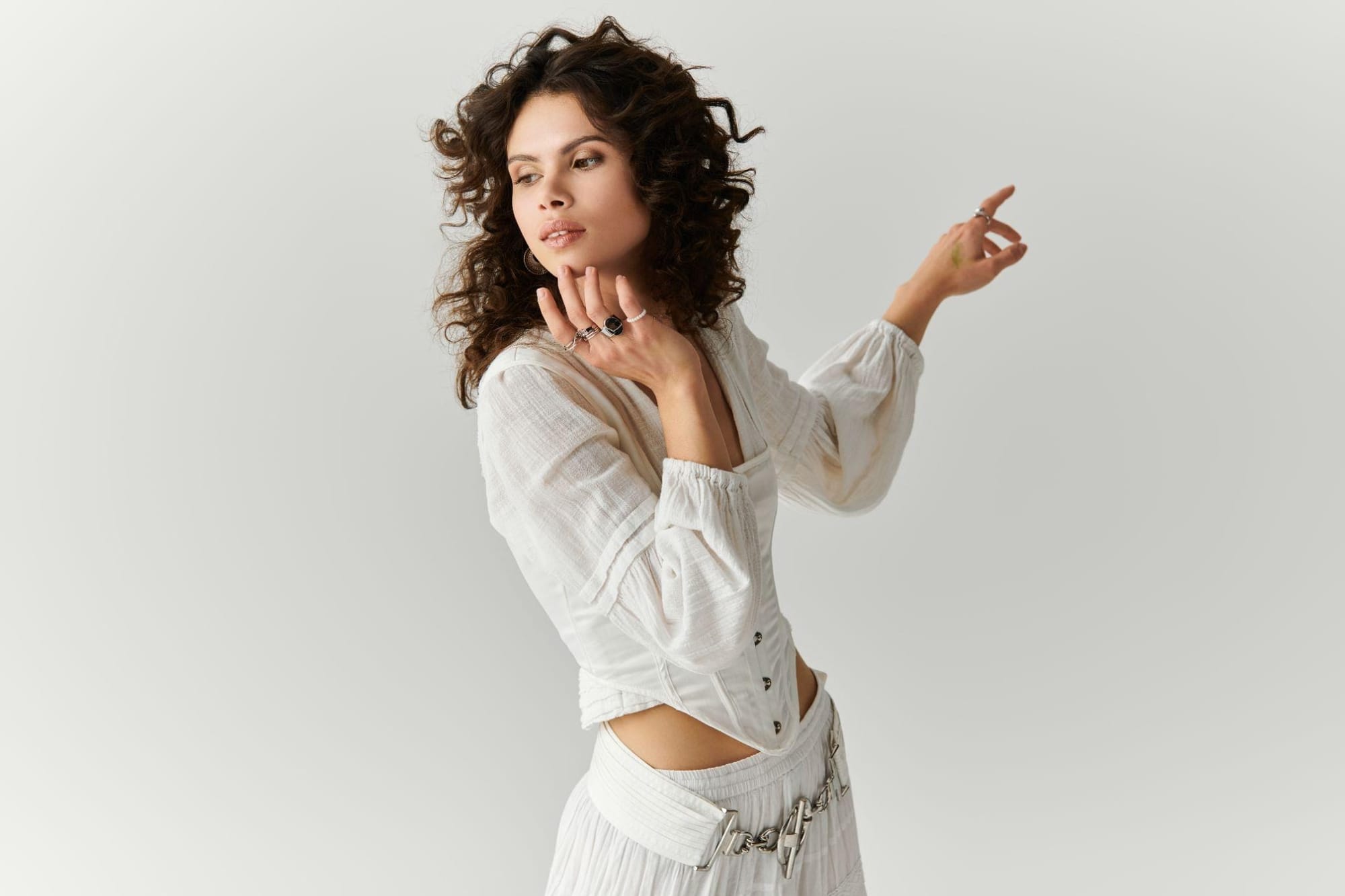
A runway walk and a still pose use body awareness in different ways. Practice with the camera can help you notice angles and expressions; walking practice can help you move with balance and purpose. Neither takes the place of listening to the people directing a particular job.
You may need to change course during a shoot or show. Understanding the request and trying the adjustment is part of the work. As you gain experience, you can learn which strengths belong in your portfolio and which skills need more practice.
Ways to Keep Improving
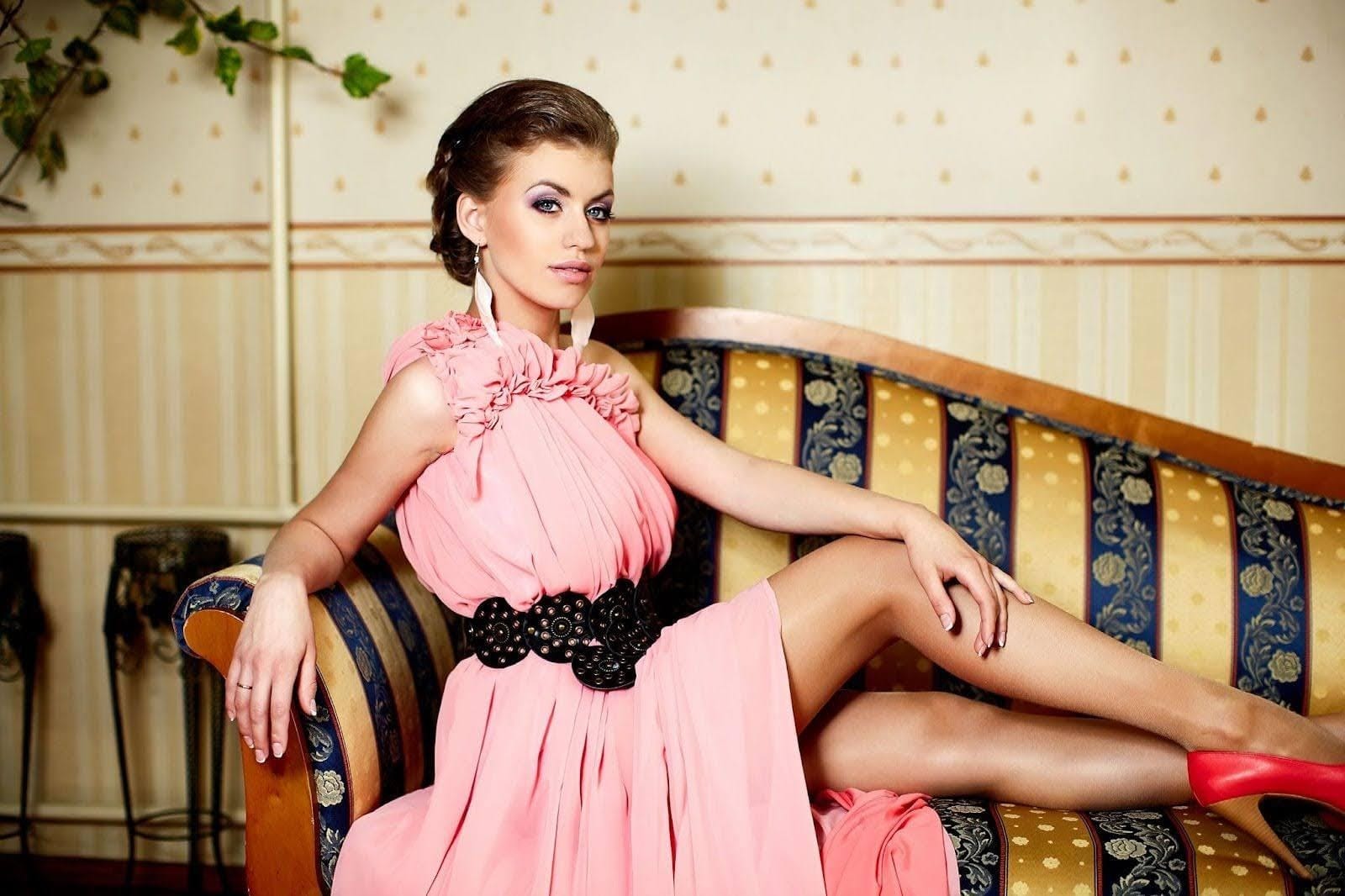
Workshops or training sessions may help with posing and walking. Consider what you want to learn before paying for one, and use the exercises afterward. Keep your portfolio current as your look and experience change. Replace weaker or repetitive images with work that shows what you can do now.
Look after your physical health and confidence as you practice. Fashion events and collaborations can introduce you to other models and professionals, but those connections grow through dependable work. Ask for specific feedback, choose something useful to practice, and check whether the next photograph or walk improves.
What Our Clients Are Saying About USA Models Photography
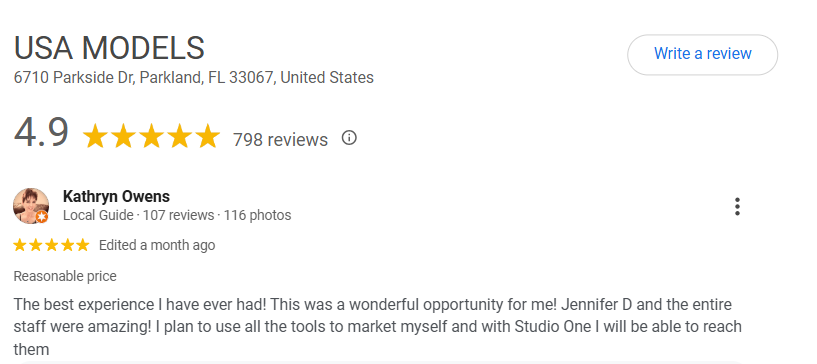
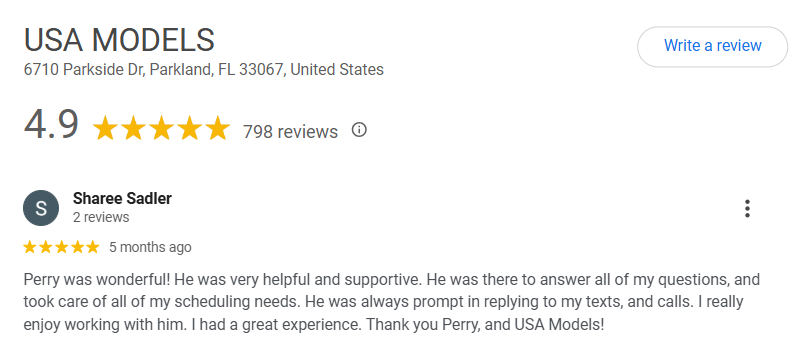
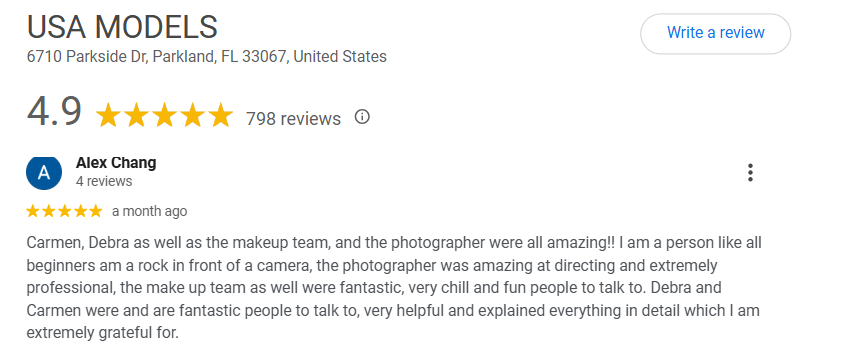
Reviews from platforms including Google My Business describe experiences with USA Models Photography. Some clients discuss gaining confidence and learning during a portfolio session. Their accounts can help you understand how they felt about working with the team. For current details about photography services, visit USA Models Photography.
Frequently Asked Questions
What Is the Average Height Requirement for Fashion Models?
The source describes a typical range of 5 feet 8 inches to 6 feet for fashion models. Requirements differ by client and modeling category, and other kinds of work may consider a wider range of appearances.
How Can I Find Modeling Agencies to Represent Me?
Research agencies online, look at the work they book, and speak with industry contacts at local events. Prepare a portfolio, then follow each agency's submission instructions.
What Should I Include in My Modeling Portfolio?
Include a clear headshot and photographs that show different looks, poses, and styles. Choose strong images that represent your current work and any relevant experience.
How Do I Handle Rejection in Modeling?
Rejection can be difficult. Look for feedback you can act on, practice what needs attention, and keep pursuing work that suits you. Support from other models can help.
What Are the Typical Earnings for Models in Different Categories?
Pay varies widely by assignment and category. The source notes that editorial work may pay less than some runway jobs; plus-size and fitness work also vary with demand. Research the specific market and booking.
Conclusion
Posing, walking, and communication each serve a different part of a model's job. Practice angles and expressions with a camera, work on a balanced runway stride, and learn to take direction clearly. Update your portfolio as those skills improve. The habits you build between jobs can help you prepare for the next one and develop your modeling careers.
Note: Our articles share photography ideas and industry information. Services, styles, and equipment mentioned here are informational and may differ from our current offerings. Visit USA Models for the latest details about our photography services and portfolio.
Member discussion