
Nutritional Advantages of A2 Desi Ghee in Ayurveda?
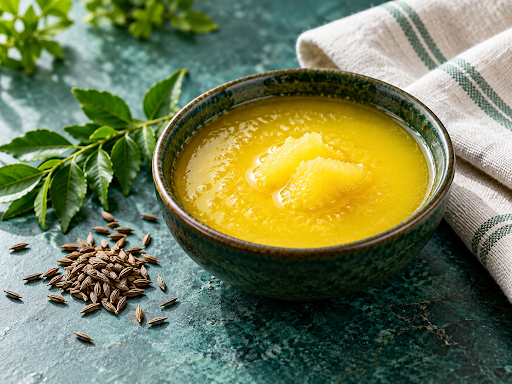
A spoonful of A2 Desi ghee can belong just as naturally beside pongal as it does in a conversation about Ayurveda. Those two settings are connected by tradition, but they do not make the same kinds of claims. Ayurveda describes ghee through its own framework, while a family's meal calls for practical choices about taste, preparation and quantity. Understanding that distinction helps us appreciate a familiar ingredient without asking it to do more than the available information supports.
Ghrita Has a Traditional Role Beyond Everyday Cooking
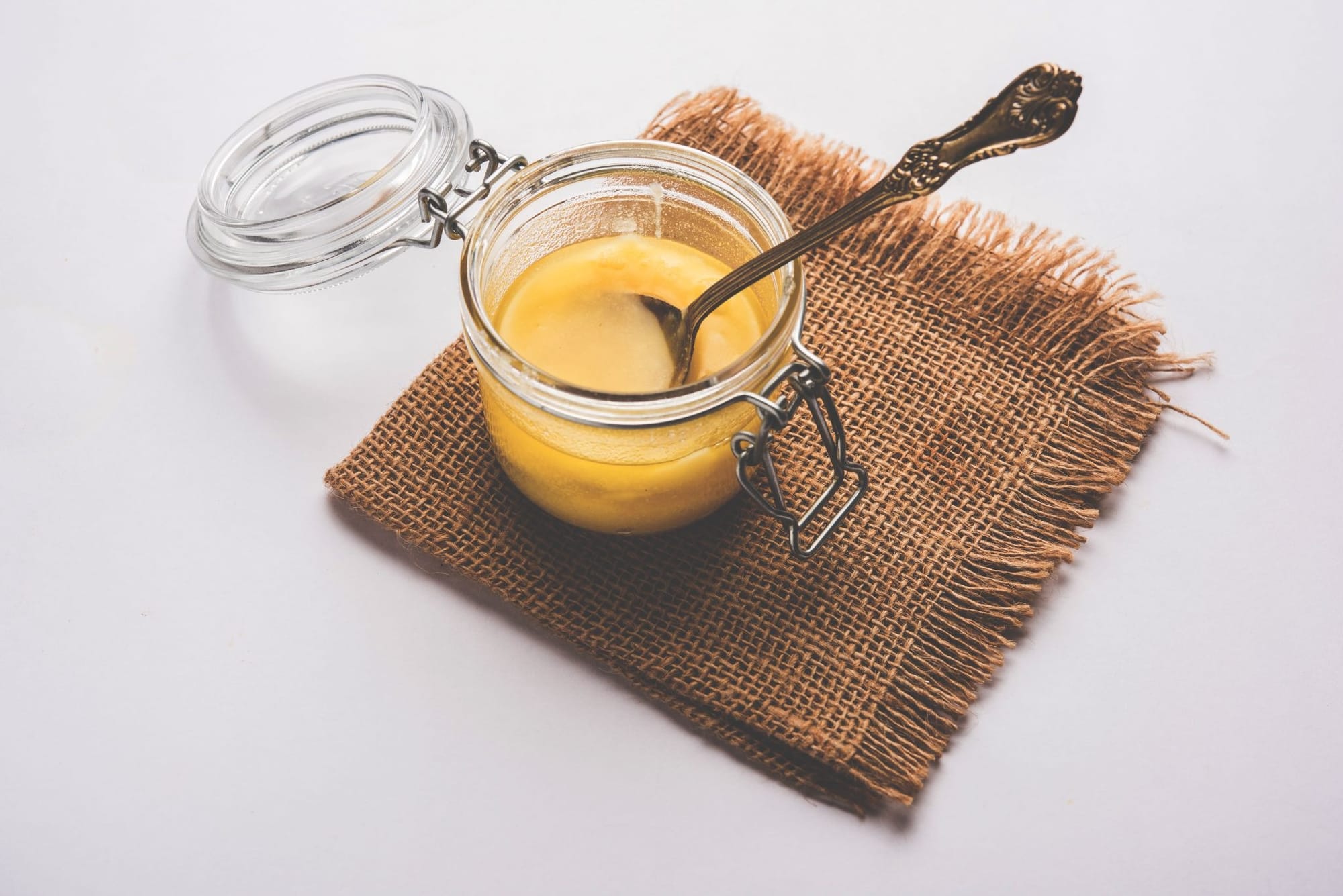
Ayurveda refers to ghee as ghrita and gives it a place in both food traditions and prepared formulations. Descriptions such as sweetness, cooling character and an unctuous quality belong to that traditional framework. They explain how the ingredient is understood within Ayurveda, rather than providing a modern nutritional measurement.
That context matters when reading broad claims about A2 Desi ghee. A traditional description of nourishment is not the same as evidence that one food prevents illness or improves a particular body function. We can value a long-standing kitchen practice without turning every explanation attached to it into a proven outcome.
For everyday use, begin with what you can actually identify: the ingredient, how it was prepared and the food you are adding it to. Keep the traditional context in view, but avoid treating an Ayurvedic term as a guarantee that the same result will follow for every person.
Its Place in a Meal Starts With Its Role as a Food Fat
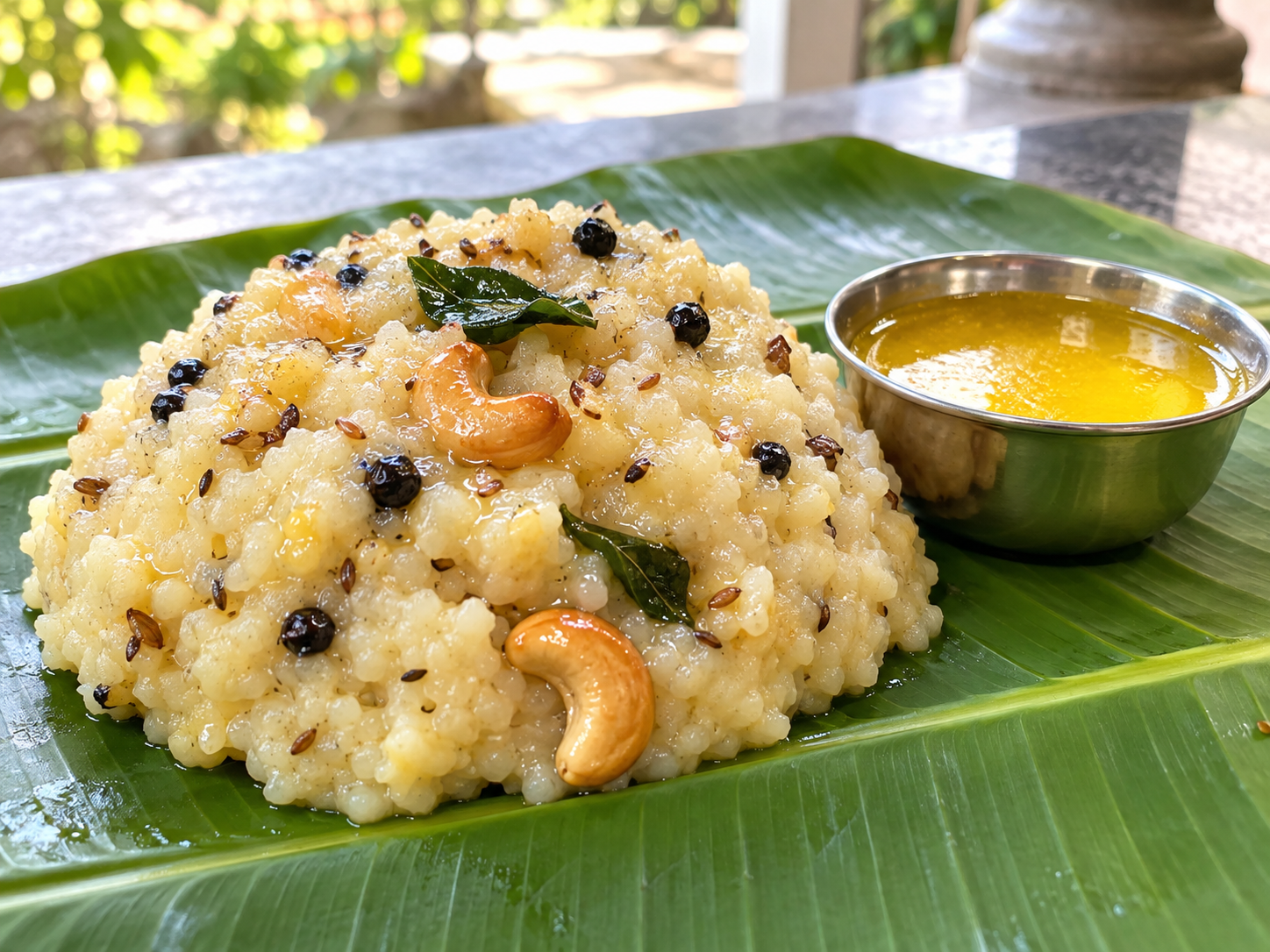
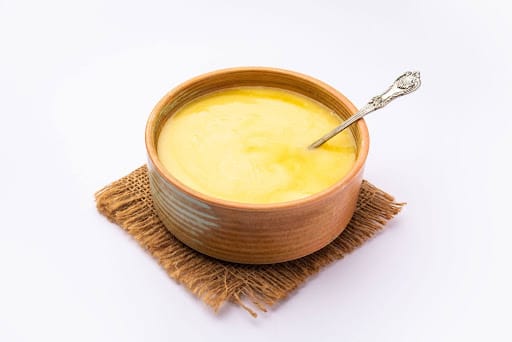
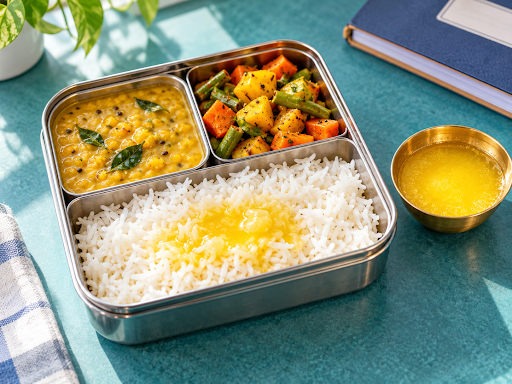
As a food fat, A2 Desi ghee adds richness and flavor to pongal or rice and dal. A spoonful belongs alongside the variety of foods a household normally relies on.
The available product information does not establish a universal serving amount or a measured nutritional advantage for every pack. It would therefore be misleading to attach a precise daily dose or guaranteed vitamin contribution to this article. Quantity should not become a contest in which using more automatically means gaining more.
A useful kitchen question is whether the amount suits the dish and the way your household eats. This keeps the conversation grounded in food rather than sweeping promises. Someone with individual dietary needs should not use a general article as a substitute for advice that takes those needs into account.
Traditional Herbal Preparations Are Not the Same as Kitchen Ghee
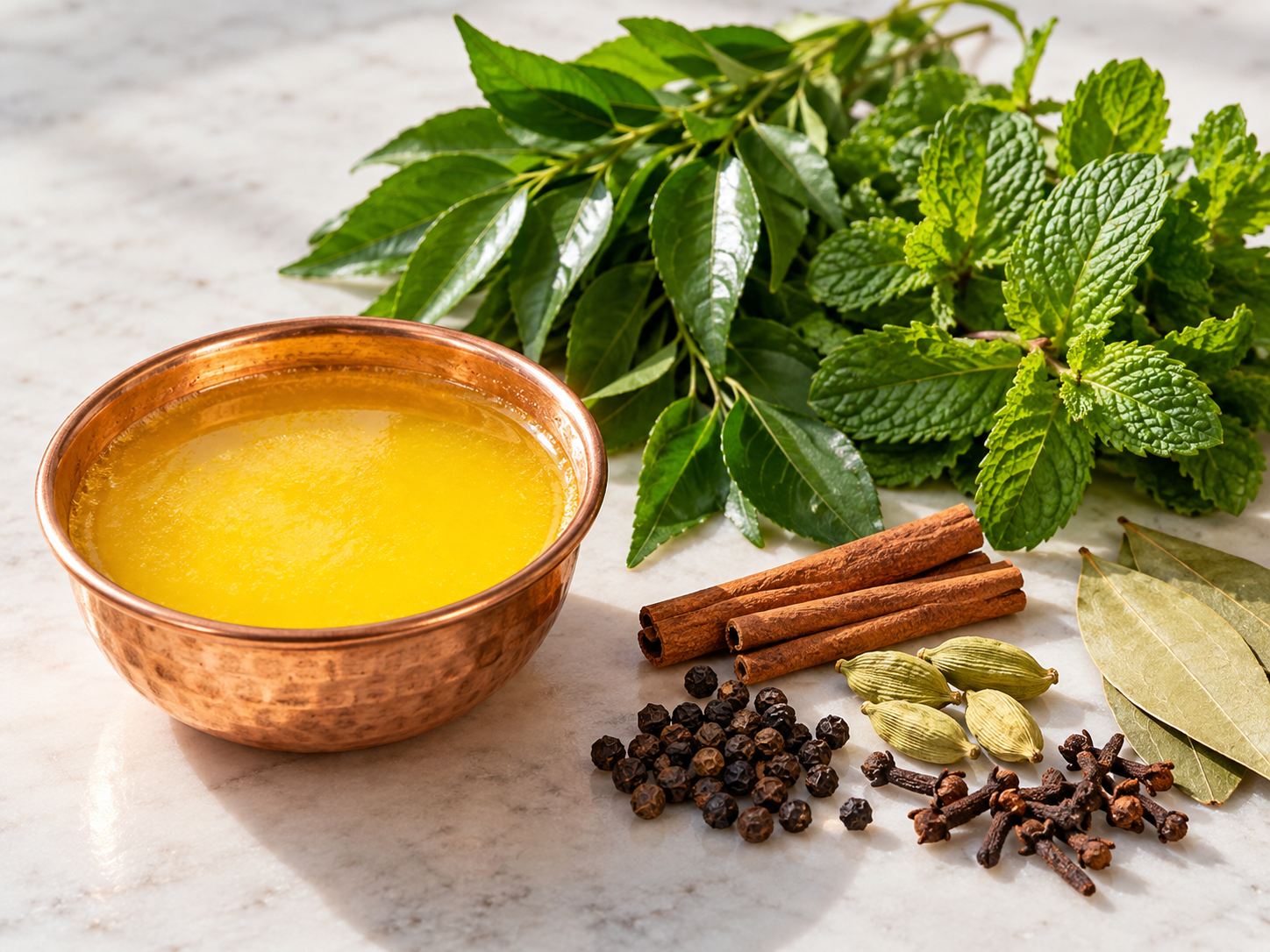
Ayurvedic practice also uses ghee as a base or carrier in certain herbal preparations. That is a different context from spooning plain A2 Desi ghee onto a meal. The herbs, preparation and intended use are part of the formulation, not qualities that automatically transfer to every bowl of cooking ghee.
Keeping those uses separate prevents a common leap: reading about a traditional preparation and assuming ordinary kitchen ghee produces the same effect. The available pages do not establish that equivalence. Nor do they justify using a food article to choose a treatment for a health condition.
We can describe this traditional role without offering home-treatment instructions. Nasal applications, eye preparations and intensive cleansing routines do not belong in everyday cooking guidance. For the family table, plain ghee remains a food ingredient, not a do-it-yourself replacement for a formulated preparation.
Familiar Tamil Dishes Offer a Practical Everyday Context
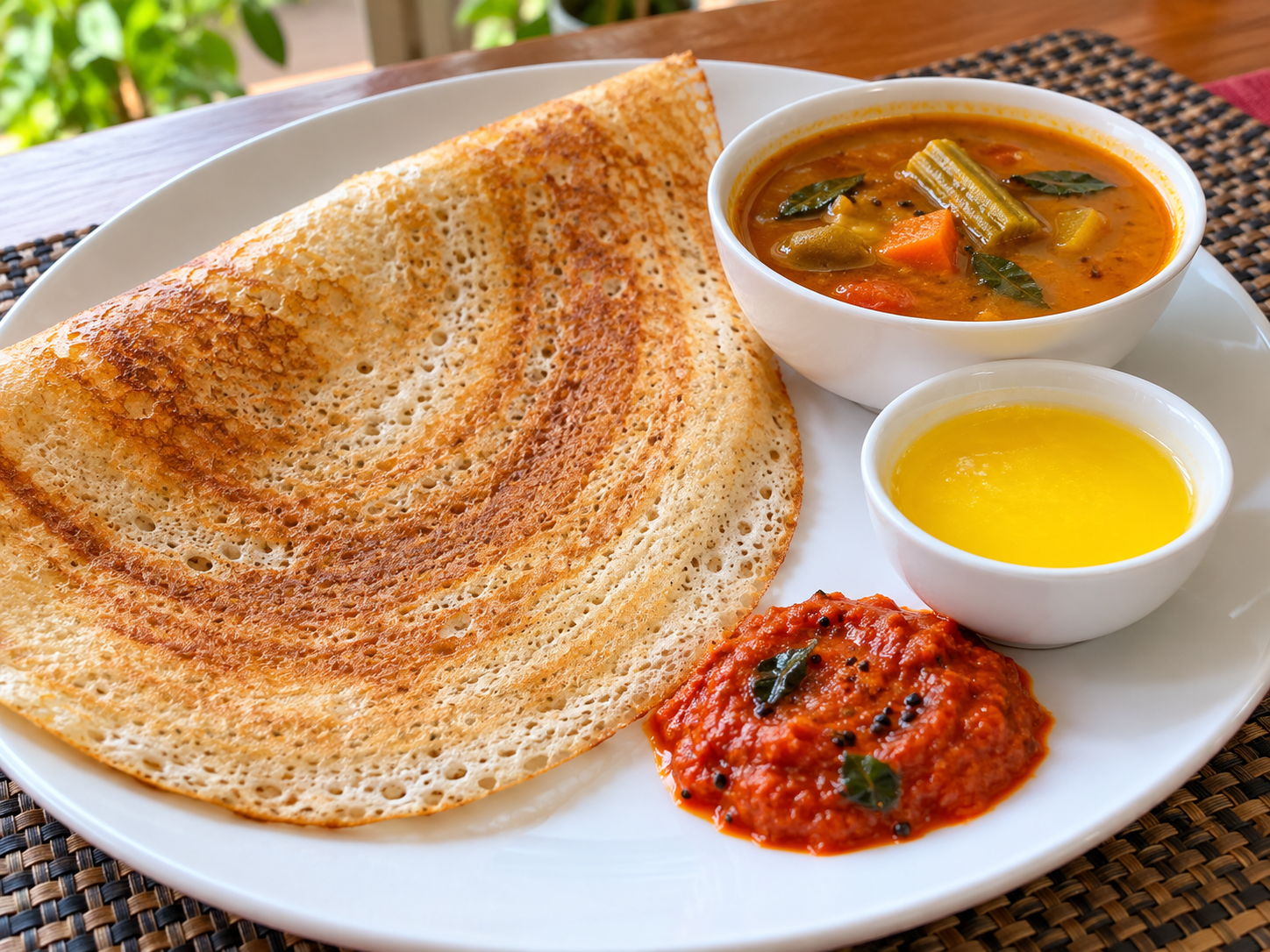
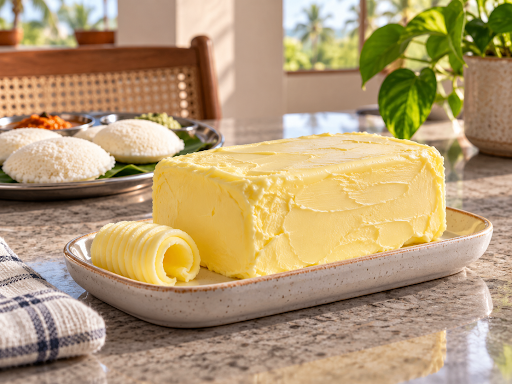
In Tamil Nadu kitchens, A2 Desi ghee has familiar companions: rice, dosa, pongal and sweets. Its warm aroma and rich finish can be appreciated without attaching a health claim to every dish. That is a more useful starting point than treating a traditional ingredient as something that must transform an entire diet.
How you use it can follow the meal. A finishing touch on rice tastes different from ghee incorporated into a sweet. Notice how it contributes to food your family already enjoys; there is no single ideal method.
This also keeps Ayurveda's cultural place from becoming a rigid kitchen rule. You do not need to turn breakfast into a treatment protocol to appreciate a traditional food. Let taste and the dish guide the culinary choice, while keeping medical expectations outside what the available information supports.
Preparation and Evidence Deserve Separate Attention
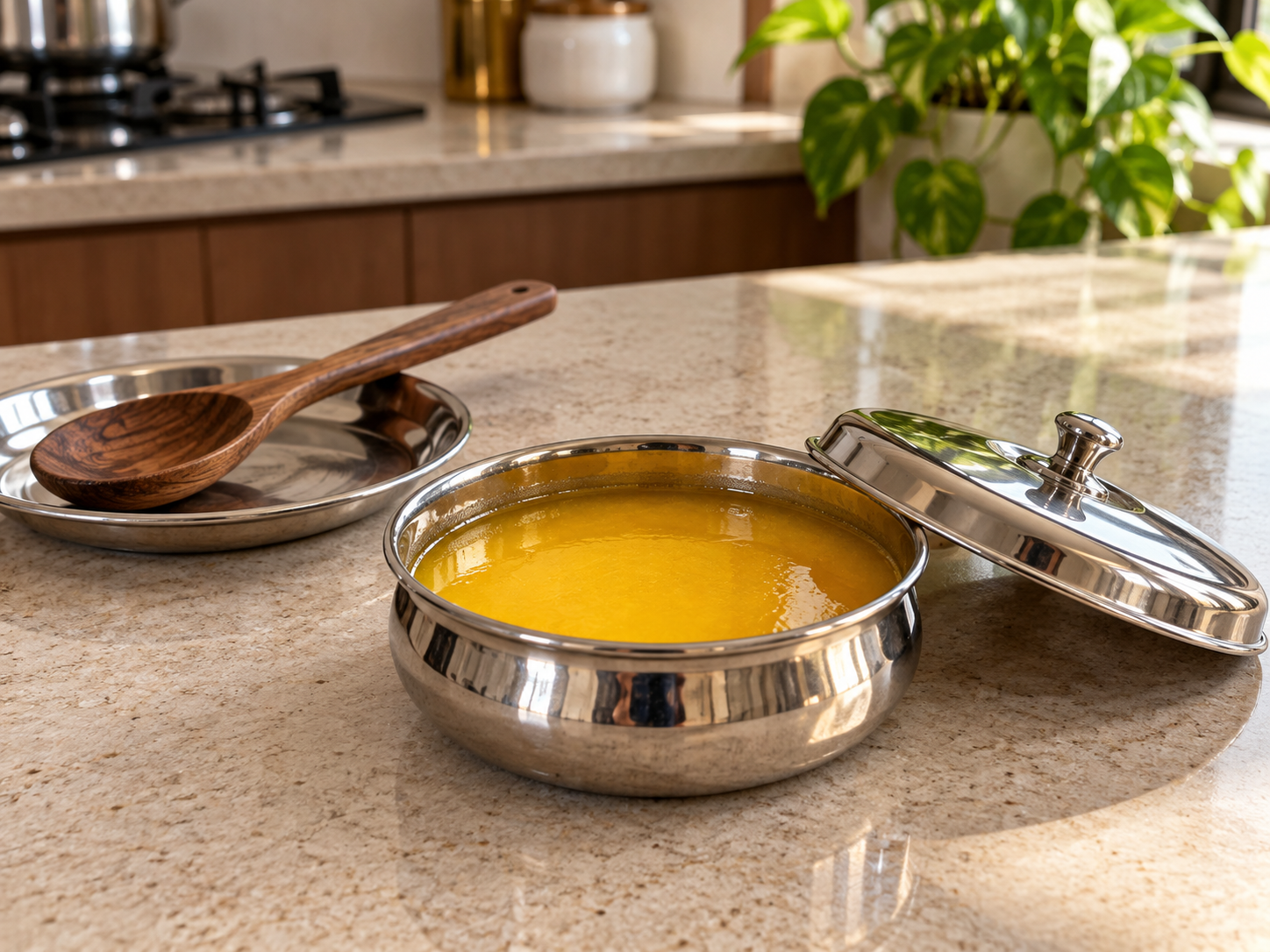
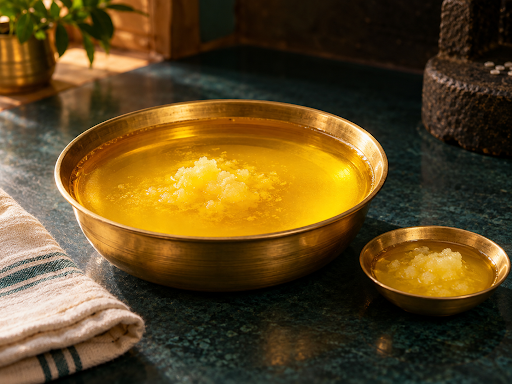
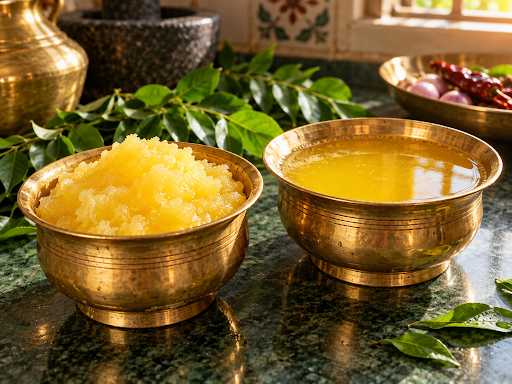
At Raghas, our traditional bilona process follows a curd-first sequence: culture the milk, churn the curd, then clarify the butter into ghee. We use milk from Tamil Nadu native desi cows. That preparation story helps explain the product's place in our kitchen tradition and the care behind its aroma and texture.
It does not, by itself, prove every health advantage sometimes associated with A2 Desi ghee. In particular, a discussion of milk proteins should not automatically become a claim about the finished clarified product. The supplied information does not establish a clinical benefit simply from the A2 label.
Good everyday care remains straightforward. Keep the product in a cool, dry place away from light, following its handling guidance. Appreciate the food's preparation and culinary character while asking a separate question of any health promise: what evidence actually supports this specific claim?
What Customers Appreciate About Raghas Dairy
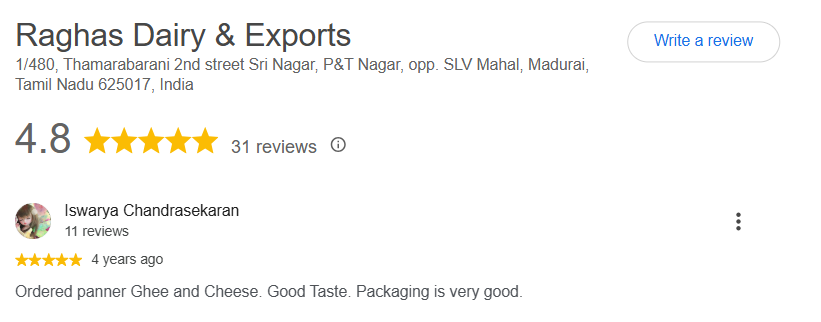
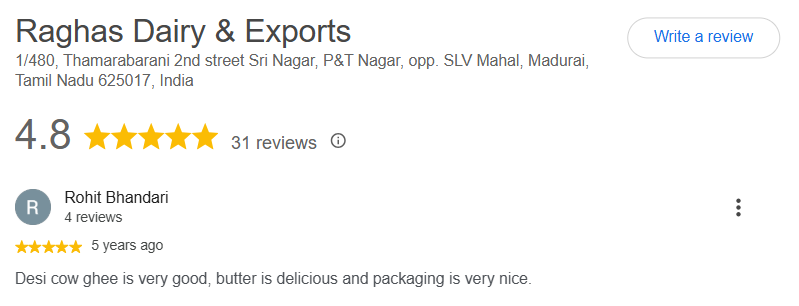
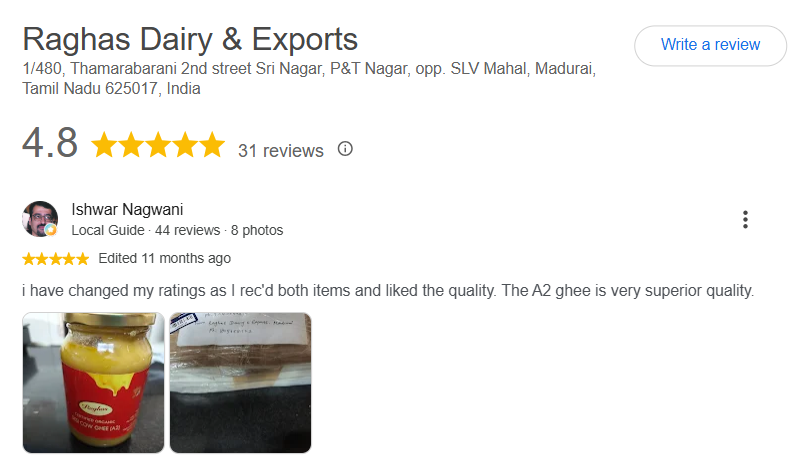
Customers quoted by Raghas Dairy describe qualities they notice at the table. Prashant G mentions rich taste, aroma and granular texture, while Manjunath K compares the aroma with homemade village ghee. These are personal impressions of the product, not evidence that A2 Desi ghee produces a medical benefit.
Frequently Asked Questions
Does Ayurveda's Use of Ghee Prove a Medical Benefit?
No. A traditional use and a clinically established outcome are different things. The supplied pages describe Ayurvedic beliefs but do not establish all the health effects associated with them.
Is Plain A2 Desi Ghee the Same as Medicated Ghrita?
No. A traditional formulated preparation involves more than plain kitchen ghee. Do not assume that their purposes or effects are interchangeable.
How Can I Use It in Everyday Food?
Rice, dosa, pongal and sweets are familiar culinary settings. Choose an amount that suits the dish rather than treating this article as a prescribed daily dose.
Final Takeaway
A2 Desi ghee deserves a clear-eyed place in the conversation about Ayurveda. We can appreciate ghrita's traditional importance, the craft of bilona preparation and the richness it brings to familiar meals without presenting those qualities as proof of a cure. Keep plain cooking ghee separate from formulated Ayurvedic preparations, and keep broad health promises separate from what the supplied information establishes. For a Tamil Nadu family kitchen, the most grounded advantages are the ones that belong to food: a recognizable preparation, a warm aroma and a familiar finish to dishes you enjoy. Tradition remains meaningful without needing an exaggerated claim beside it.
Visit Raghas Dairy to learn more about our products and join our community of happy customers.
Member discussion