
What Should Parents Know About A2 Desi Ghee as Brain Food for Kids?
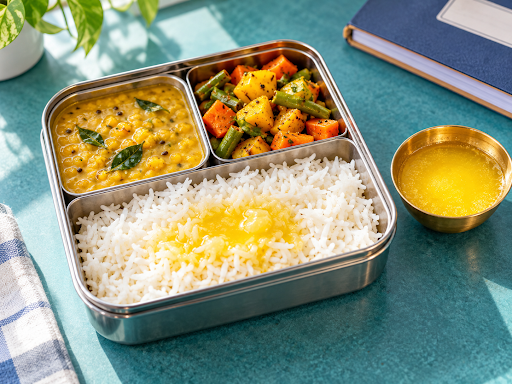
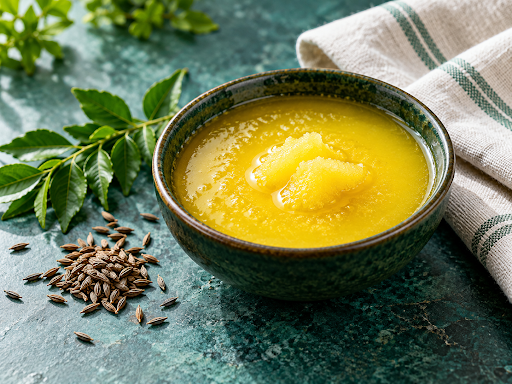
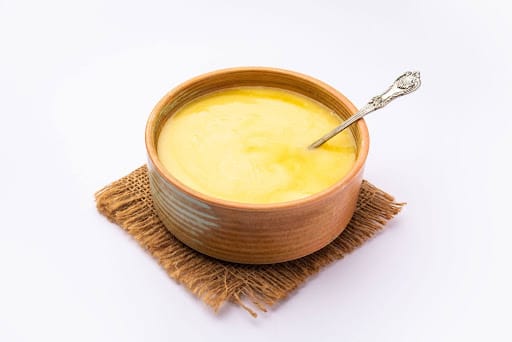
When a child eats little at lunch or struggles with homework, it is tempting to look for one food that will help. A2 Desi ghee has a familiar place in many family meals. It adds fat, energy, and flavor. It has not been shown to improve a child's intelligence, memory, or school results. Parents can use it in everyday cooking without placing that expectation on it. The more useful question is how the whole meal supports the child.
Understand What Dietary Fat Contributes
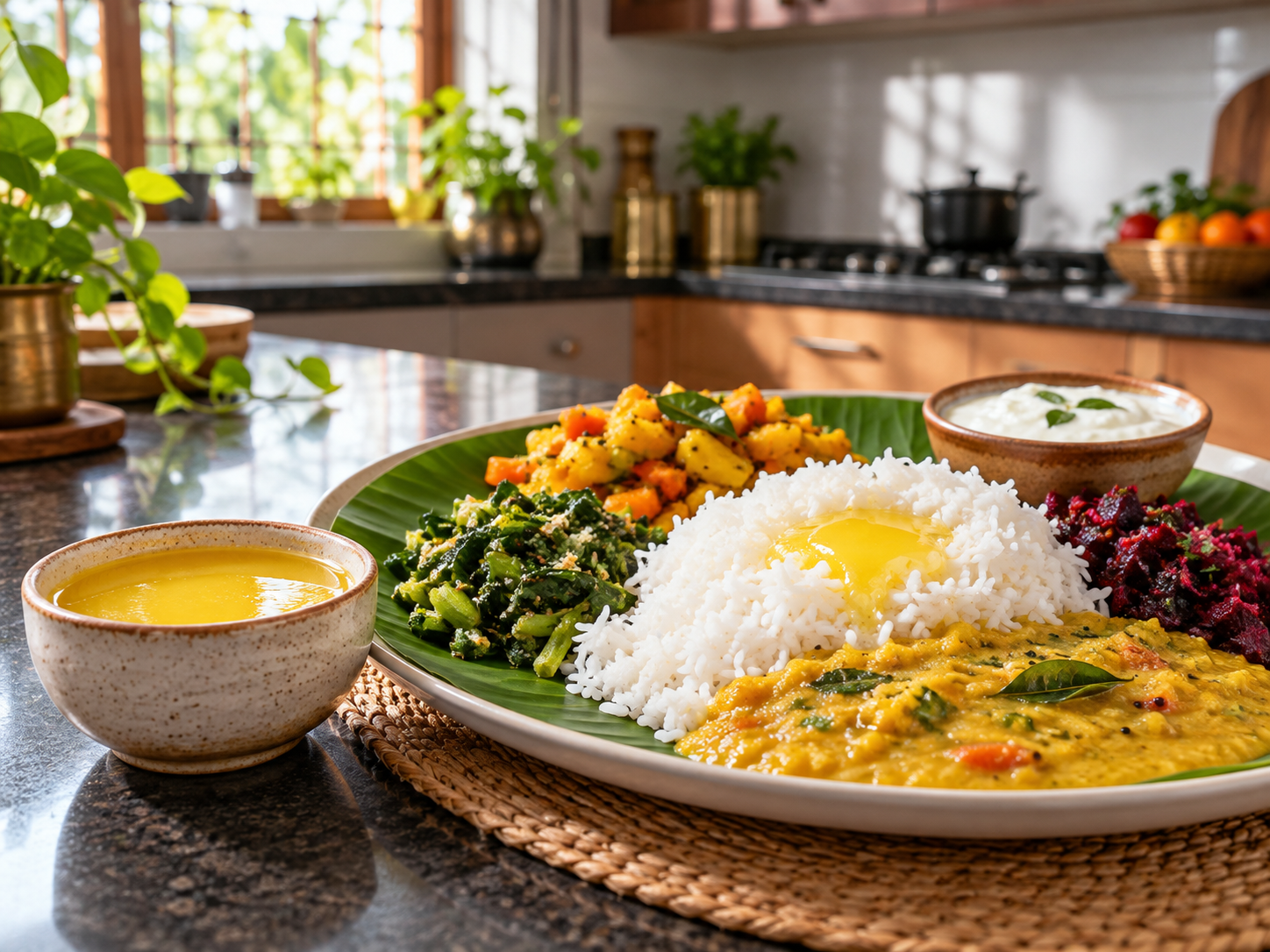
Children need dietary fat as part of overall nutrition. Ghee is a concentrated source of energy, and fat helps the body absorb fat-soluble vitamins from food. Its flavor may also make a familiar meal more appealing.
What sits beside it matters. Rice with a little ghee is different from rice served with dal and vegetables. The latter brings a wider range of nutrients. Adding one ingredient cannot make a limited meal complete. The wider pattern of eating matters more than whether one spoonful appears at a particular time of day.
The A2 label refers to the milk used to make the product. It does not establish a special effect on learning or memory in the finished ghee. Enjoy its taste and preparation for what they are, while keeping developmental claims separate.
Treat Brain-Food Promises With Care
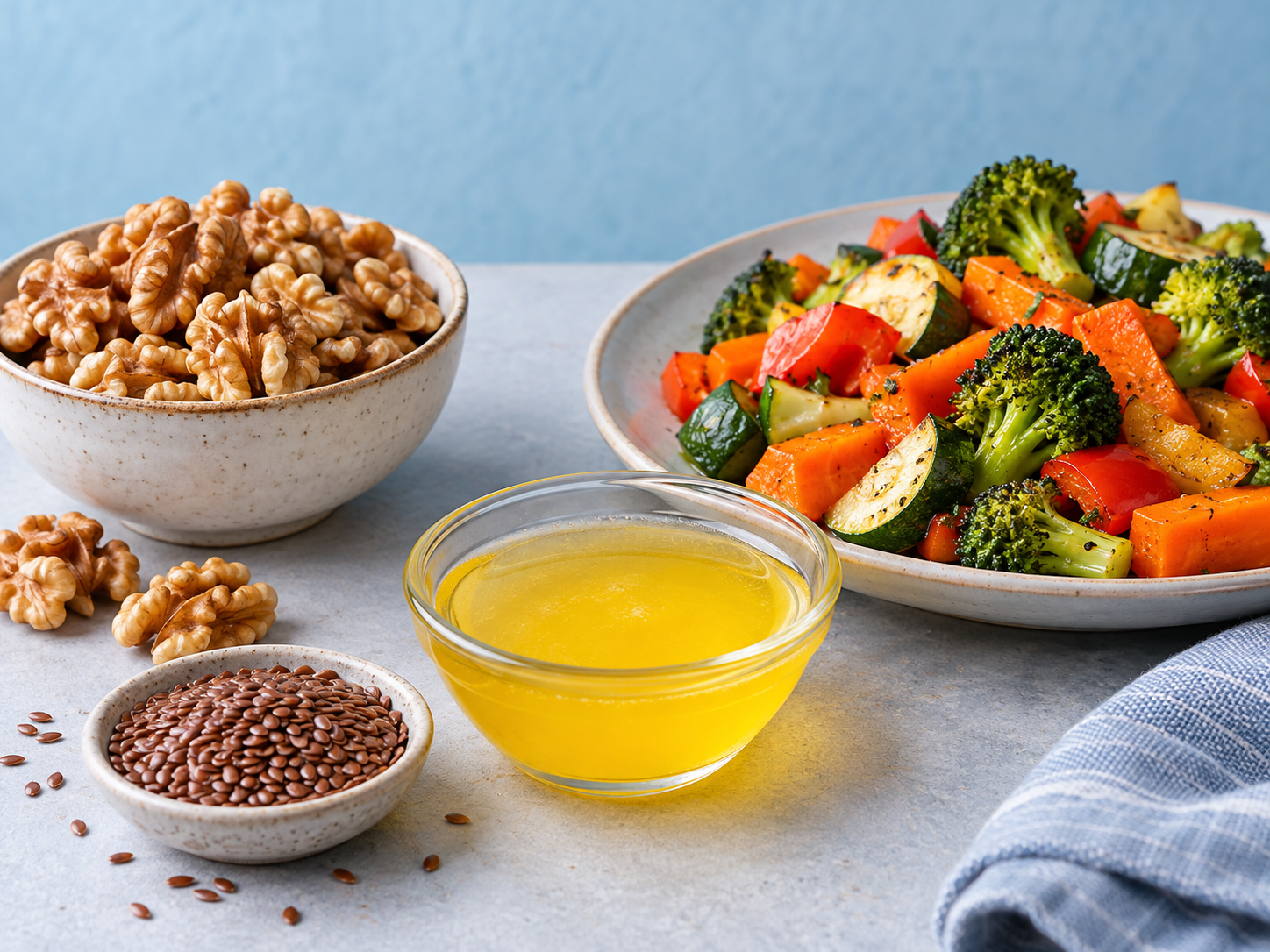
“Brain food” can mean several things. A child needs adequate nutrition to grow and learn, but that does not show that eating more A2 Desi ghee improves concentration, IQ, memory, or exam marks. Those specific benefits have not been established.
Ghee is not a dependable replacement for foods that supply DHA or other nutrients. A traditional description of a food as mentally nourishing is not evidence of a measurable effect on learning. When you read a claim, ask what outcome was actually studied. The fact that the brain needs fat does not prove that more of this particular fat will help a child think better. A food label tells you about the ingredient; it does not by itself establish a clinical outcome.
Build the Meal Around a Variety of Foods
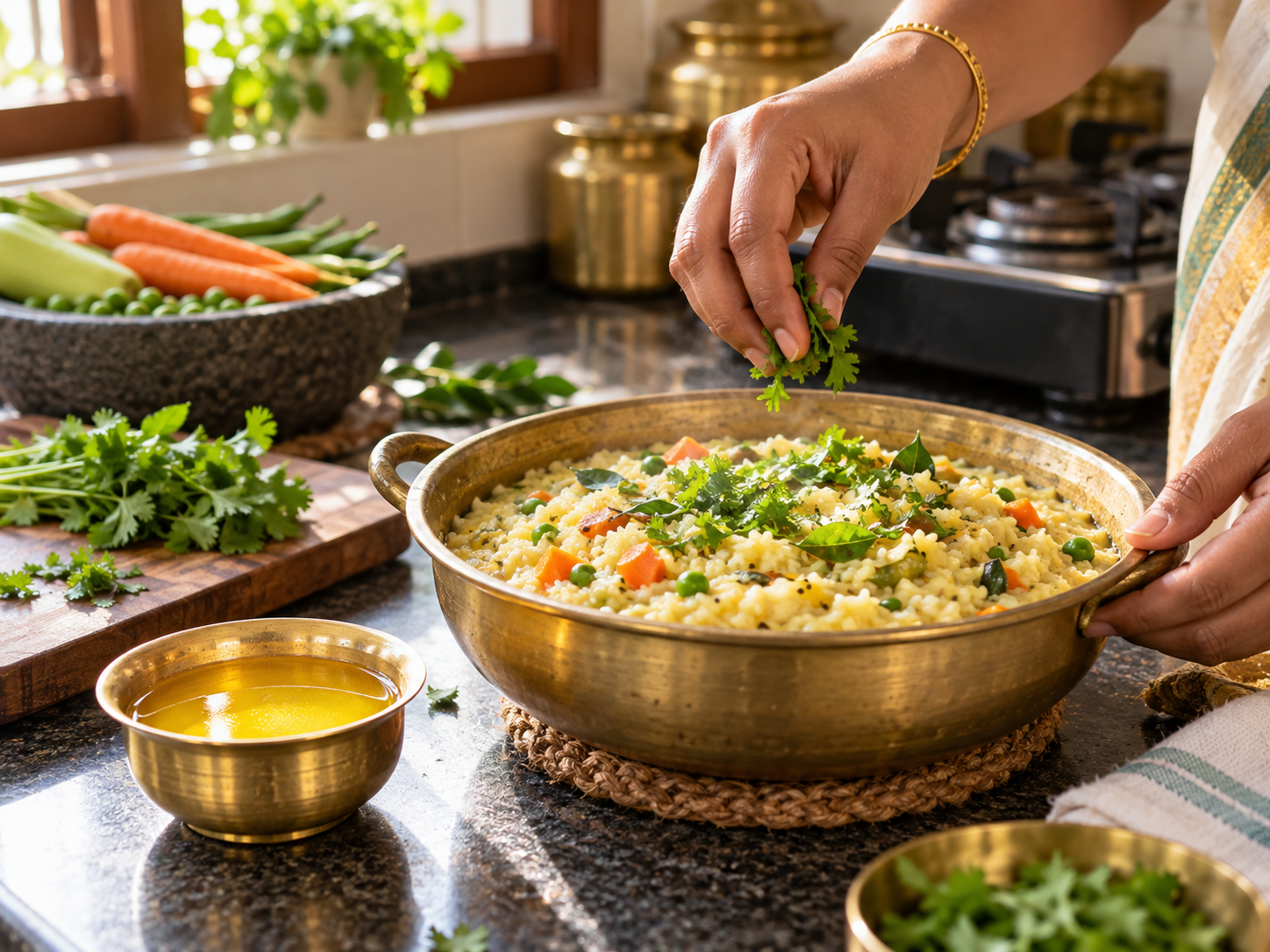
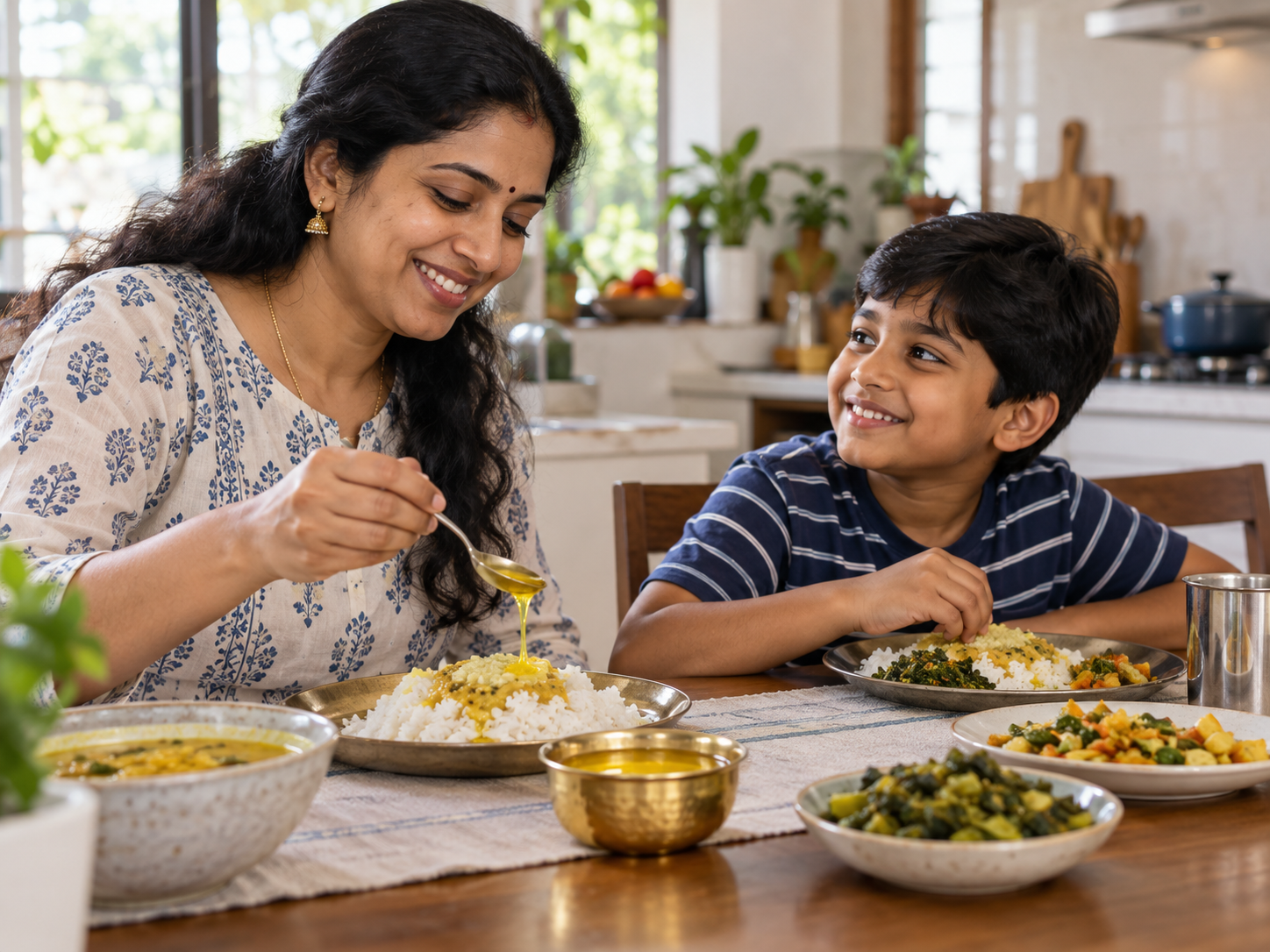
A modest amount of ghee can add richness to dal rice, khichdi, or cooked vegetables. It may soften the texture of grains, making an ordinary dish more enjoyable without preparing a separate meal.
Keep dal, vegetables, grains, and suitable protein foods on the plate. Each contributes something different. If a child prefers plain rice, build from foods they already accept rather than depending on extra fat to fill every gap.
For families in Tamil Nadu, a little ghee stirred into warm dal rice is a familiar example. The amount and serving pattern should suit the child. Aim for a meal the child can eat comfortably, with variety across the day.
Consider the Amount Across the Whole Day
There is no one serving size that suits every child's age, appetite, and health needs. Look at other fats in meals and snacks too. Several small additions can accumulate over a day. Note how often you are adding it rather than counting only the amount in one bowl.
Use enough for the purpose of the dish, perhaps to improve flavor or texture. More ghee does not mean more brain benefit, and increasing it is not a reliable response to worries about height, learning, or growth.
If a child persistently eats poorly or growth is a concern, speak with a pediatrician or qualified dietitian. Some children may need more energy, but an individual assessment can address the reason for the concern and the broader meal pattern. Ask about the child's usual meals and any symptoms, not only whether to add more fat.
Check Quality and Your Child's Individual Needs
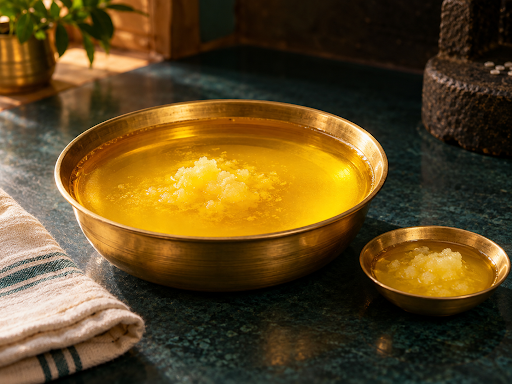
Choose a product with clear ingredient and preparation information. Aroma and grainy texture may be qualities your family likes, but neither proves a brain-health benefit. Store ghee cleanly and dry, and use a clean, dry utensil to avoid introducing moisture.
A child with a milk-protein allergy needs individual advice. Removing much of the milk solids does not guarantee that ghee is safe for that child. Ask the child's clinician about the specific condition and product before serving it.
Family tradition can coexist with realistic expectations. Questions about feeding, growth, or tolerance deserve practical product information and advice suited to the child.
Your Experience With Raghas A2 Desi Ghee
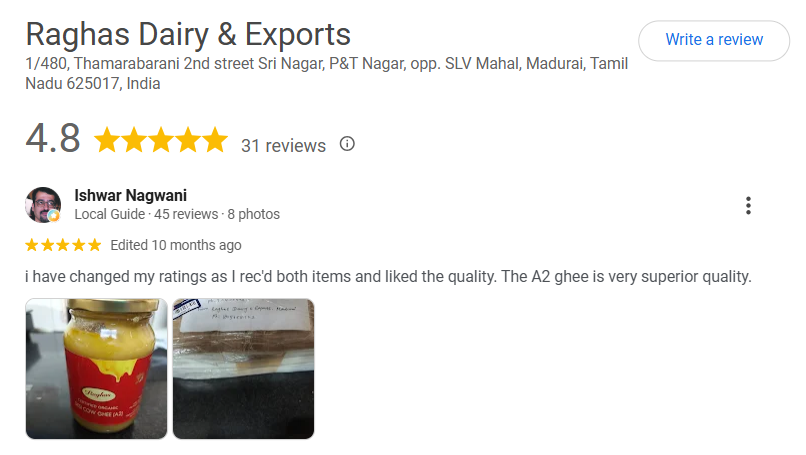
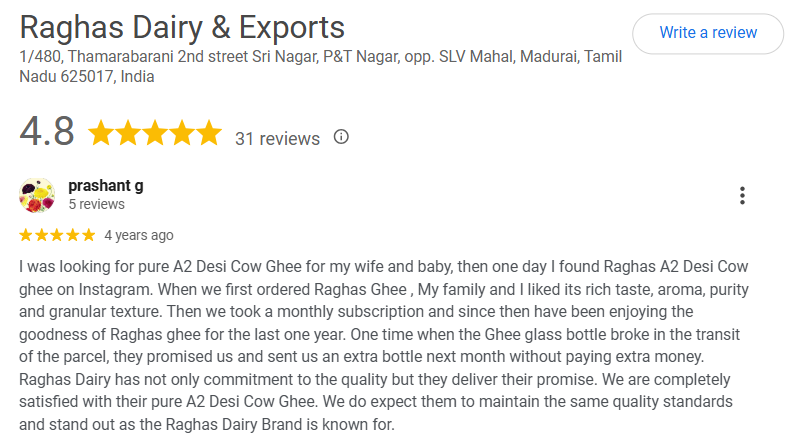
Raghas Dairy welcomes feedback on the aroma, texture, and everyday use of its A2 Desi ghee. Customer accounts can help other families understand how people use the food. They are personal experiences, not evidence that it improves memory or learning.
Frequently Asked Questions
Does A2 Desi Ghee Improve a Child's Memory?
There is no established benefit for memory, intelligence, or school performance. It may be part of a varied diet, but it is not a treatment for learning concerns.
Can A2 Desi Ghee Replace Other Sources of Nutrition?
No. It supplies fat and energy, but other foods provide the wider range of nutrients a child needs.
How Can Families Use It in Everyday Food?
Mix a modest amount into warm dal rice, khichdi, or vegetables for flavor and texture. Consider the child's overall diet and individual needs.
Is It Automatically Safe for a Child With a Milk Allergy?
No. Removing milk solids does not guarantee safety. Ask the child's clinician about the condition and the product.
Conclusion
A2 Desi ghee can be an enjoyable part of a child's food. Use it for flavor, texture, and energy while keeping meals varied. Claims about intelligence and school results have not been established. If feeding, growth, or allergy concerns persist, seek advice for the individual child rather than relying on one ingredient. Visit Raghas Dairy for product information and ways to share your experience.
Member discussion