
5 Tips for Creative Fashion Modeling in NYC
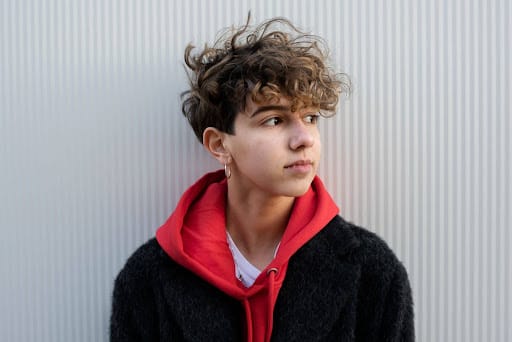
A coat can look entirely different when you change your stance or turn into the light. For a new model, that is a useful place to start: decide what the photograph should make someone notice. Creative fashion modeling does not require an elaborate set. An outfit, a workable location, and a shared idea with the photographer can give a shoot enough direction. These five tips cover the choices you can make before the session and the adjustments that help while the camera is out.
Give Each Fashion Shoot a Clear Idea
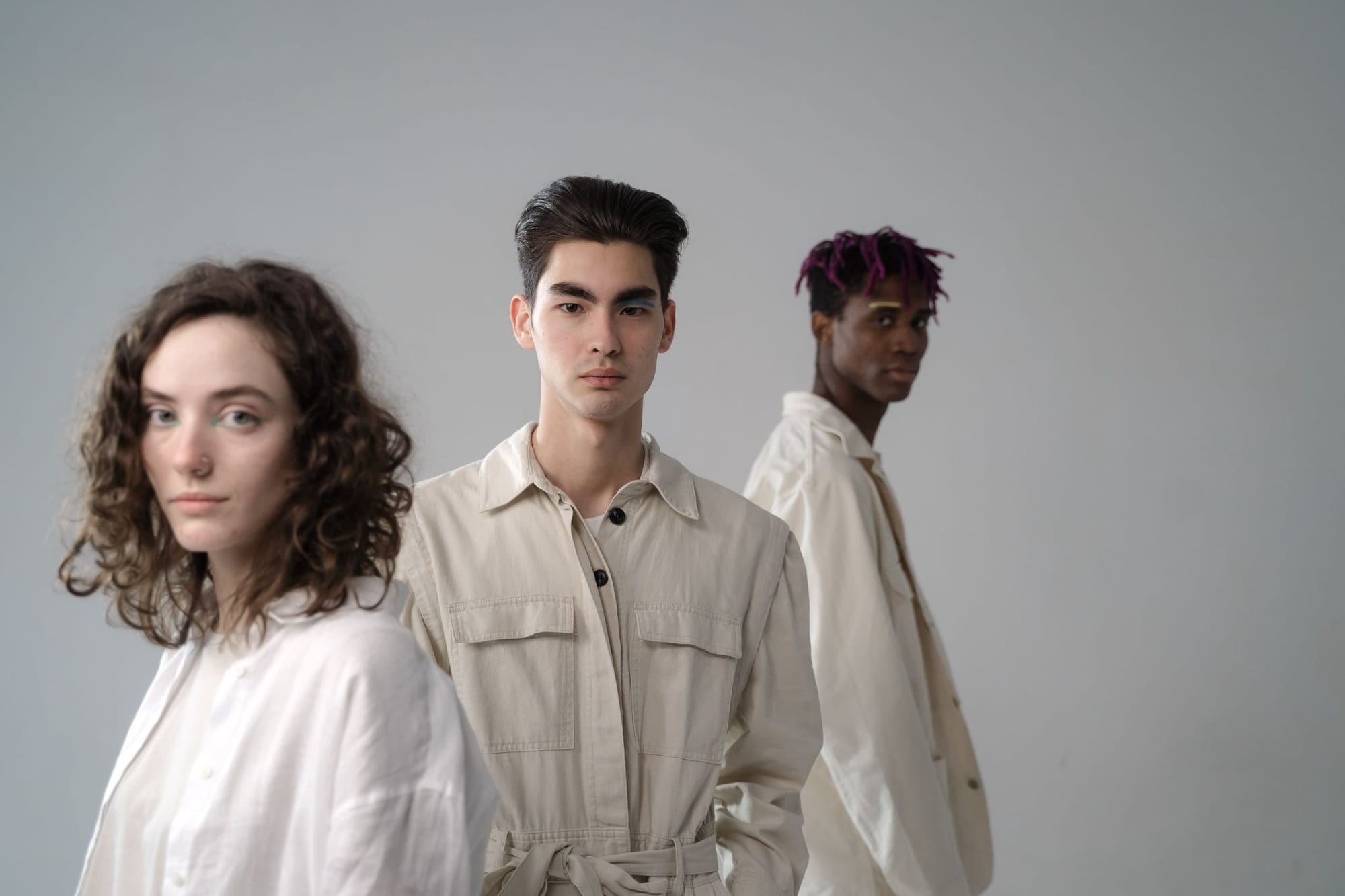
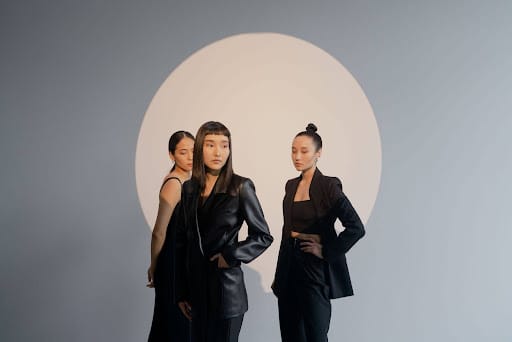
Choose a mood you can explain. A quiet portrait needs different expressions from a playful fashion story or a sharp editorial image. Let that choice guide the outfit and the pace, then discuss it with the photographer. If a stylist or makeup artist is involved, they should hear the same plan. Bring a few reference images to explain the mood, but use them as a starting point. The aim is to make choices together, not to copy someone else's frame.
Begin with one coordinated look. Try a few body angles and expressions before changing the setup. When everything changes at once, it becomes difficult to tell which choice improved the picture. A deliberate variation after the first setup gives you more to compare.
Use Your Surroundings to Support the Clothes
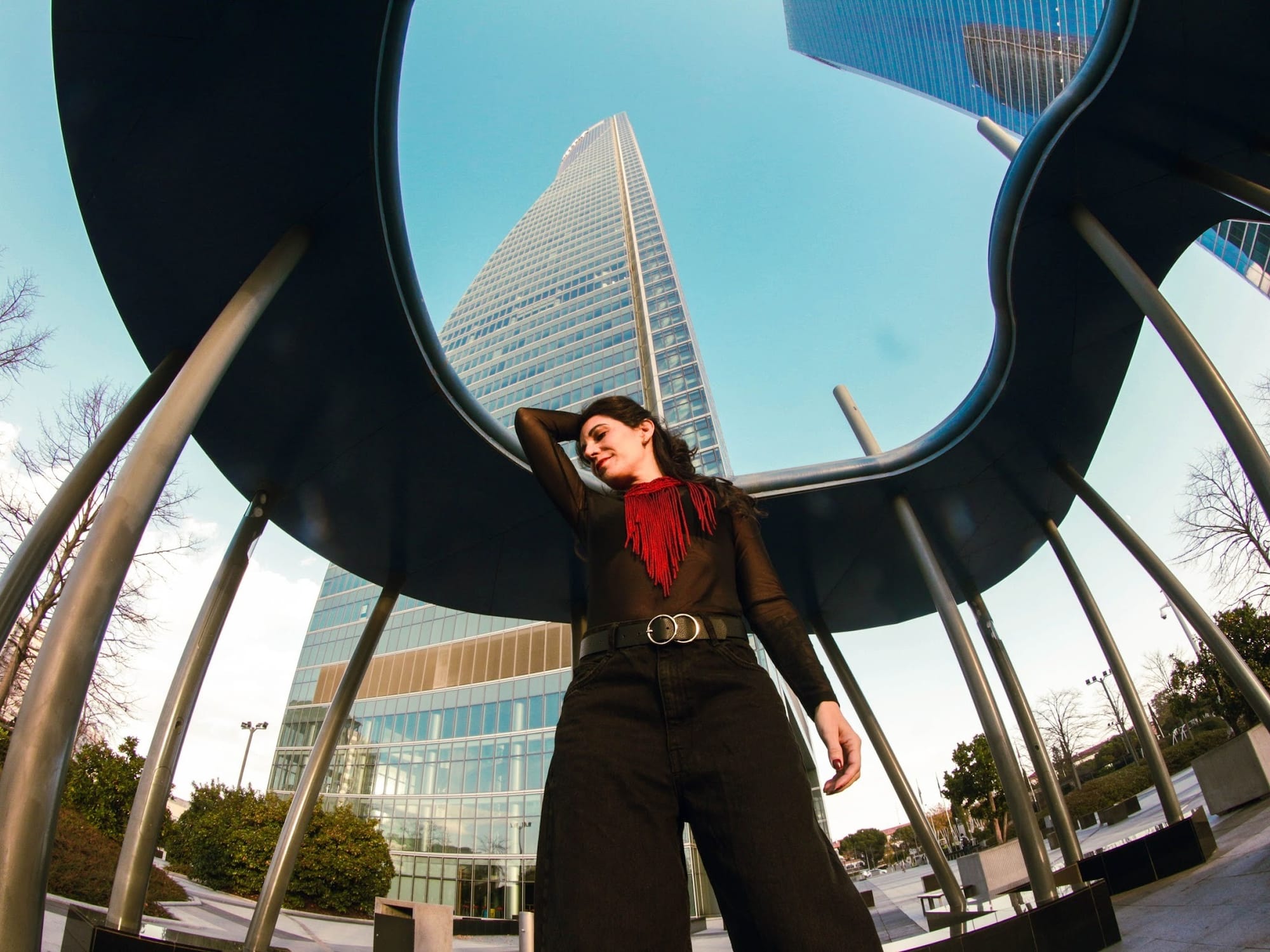
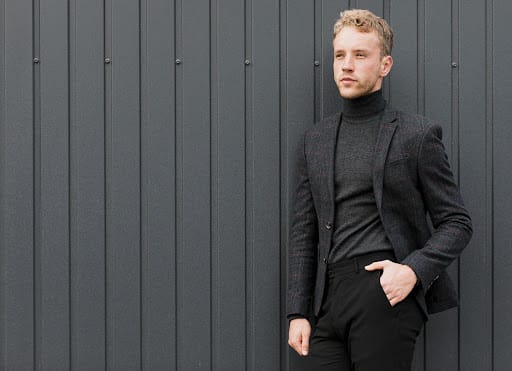
Look at the background with the outfit in mind. Patterned clothing may get lost against a busy wall; a plain surface can make its shape clearer. The lines and colors around you are part of the frame, even when you barely notice them on location.
In NYC, a recognizable landmark does not have to carry the concept. A doorway, an indoor corner with good light, or a clean wall may do more for the garment. Move a little within the setting, turn your shoulders, and check where your hands fall. Small position changes can clear distractions without moving the whole shoot. Before settling on a spot, take a test frame. It is easier to notice a distracting sign or a line crossing your head in a photograph than while concentrating on the pose.
Practice Poses That Keep the Outfit Readable
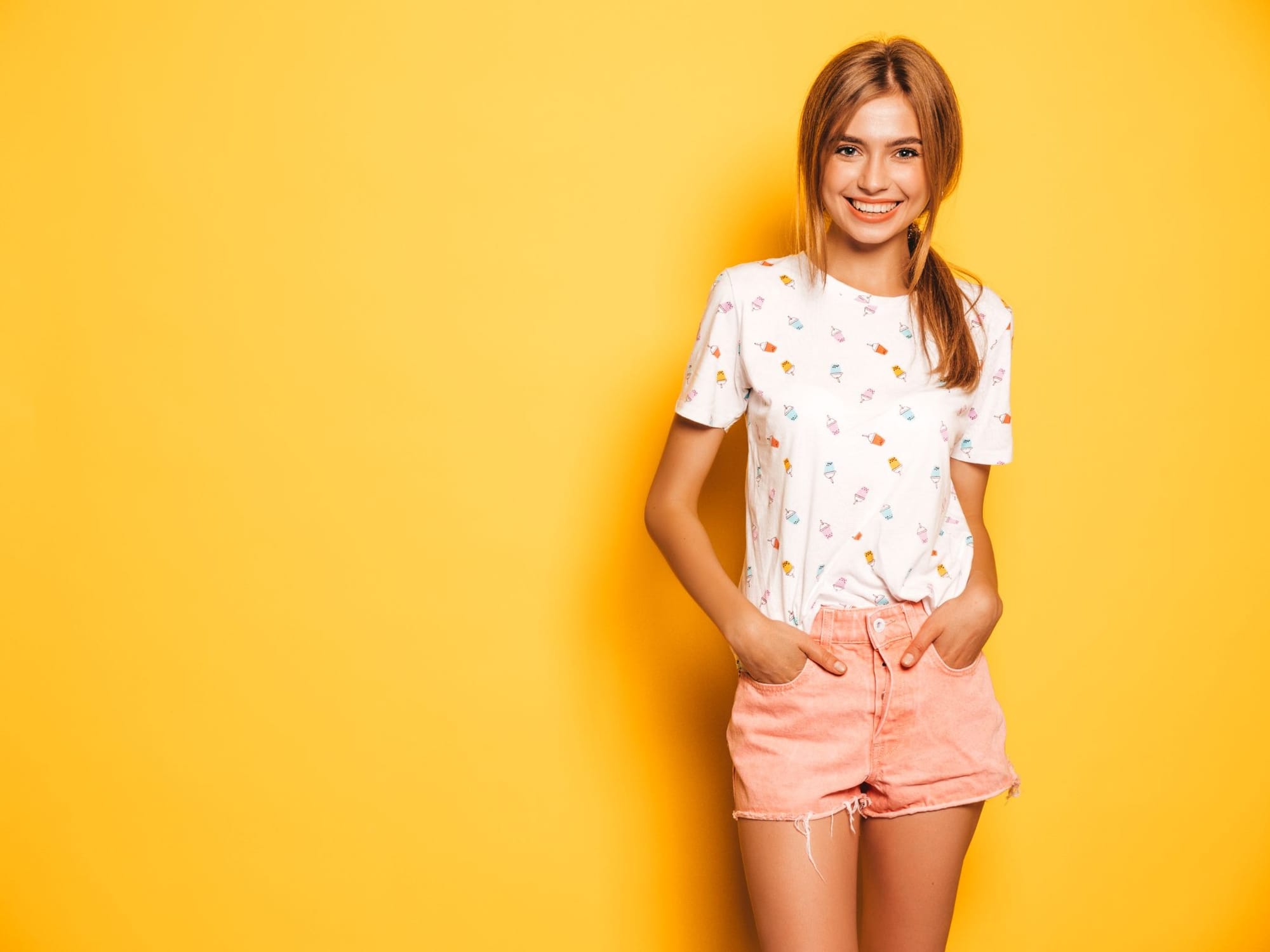
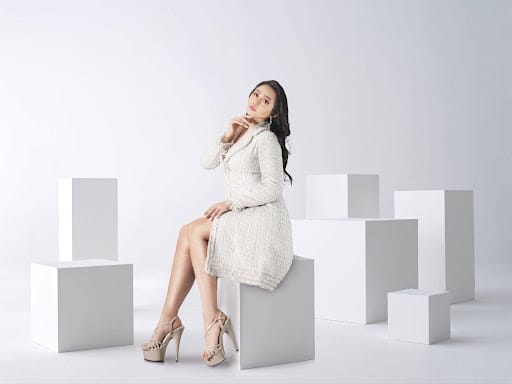
Practice in simple fitted clothes, where you can see your posture. Watch what happens to the garment when you bend an arm or shift your weight. A dramatic pose might feel strong in the mirror but hide the very piece you are there to photograph.
Make a short sequence you can repeat: settle into a pose, shift your weight, turn, then change your gaze. Move slowly enough for the photographer to catch the transitions. When you are given direction, try the smaller adjustment before returning to a familiar pose. The conversation between model and photographer often reveals which angle works.
Match Expression and Movement to the Light
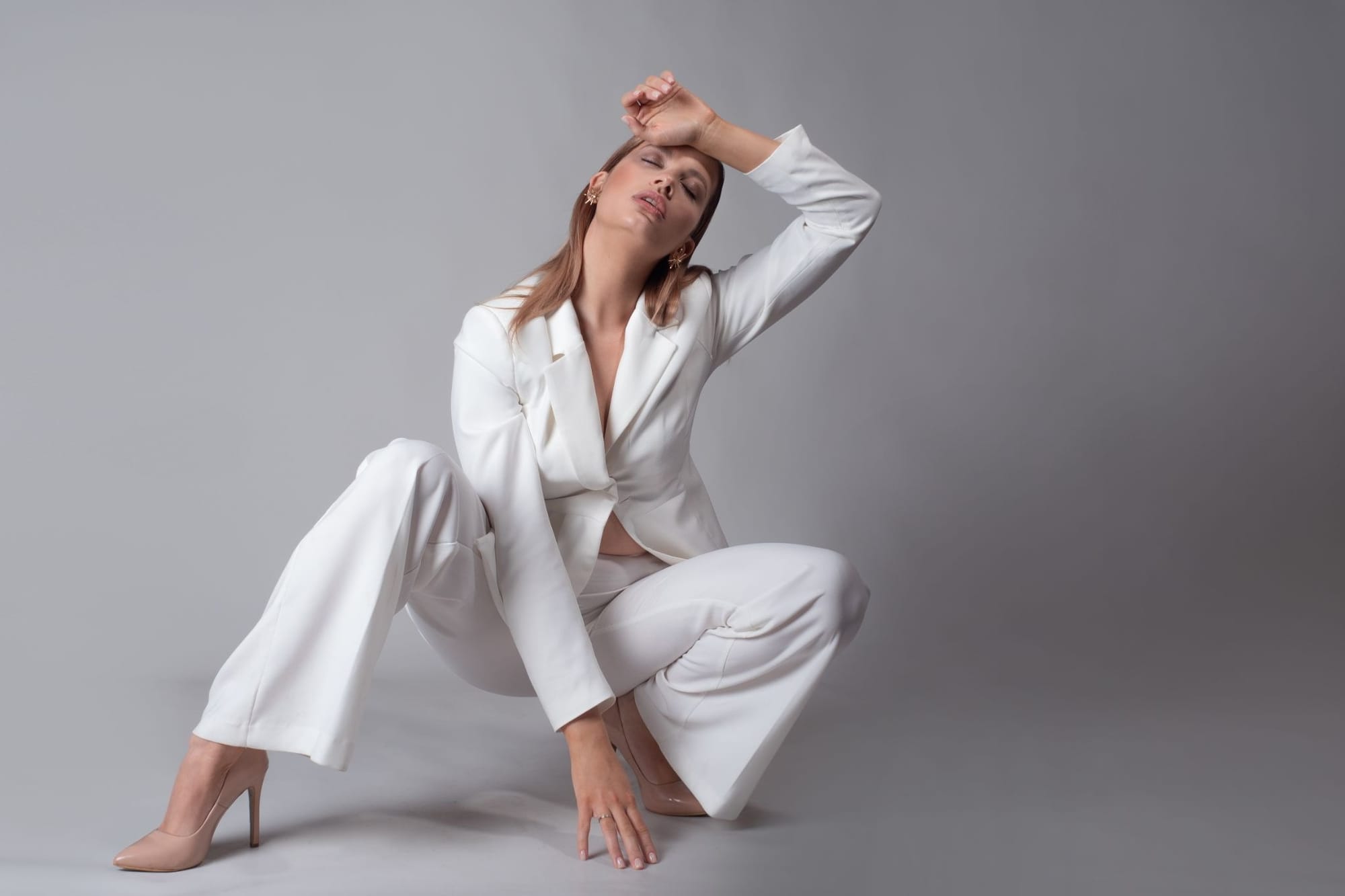
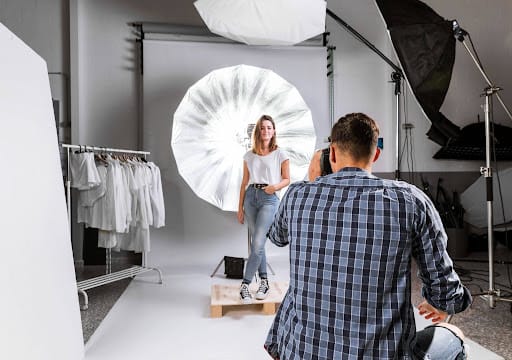
Soft natural light is an easy starting point, but its effect changes as you turn. Check whether your eyes disappear into shadow. A convincing expression can be lost when the face is hard to read.
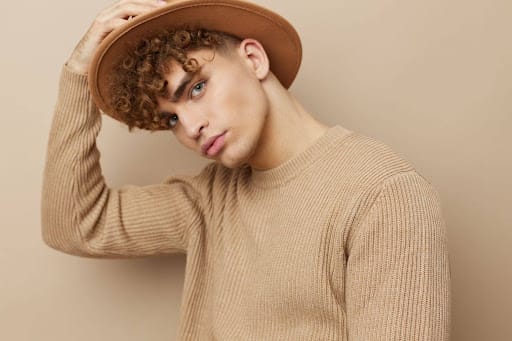
Let the styling set the scale of your movement. A slight turn or relaxed hand may suit a quiet portrait; a more energetic look may call for a broader gesture. Ask what the camera sees. During the session, review a few frames together and check the face, hands, and clothing. If they seem to pull in different directions, simplify one choice and try another frame. One change at a time makes the next attempt easier to judge.
Choose Portfolio Images With a Consistent Purpose
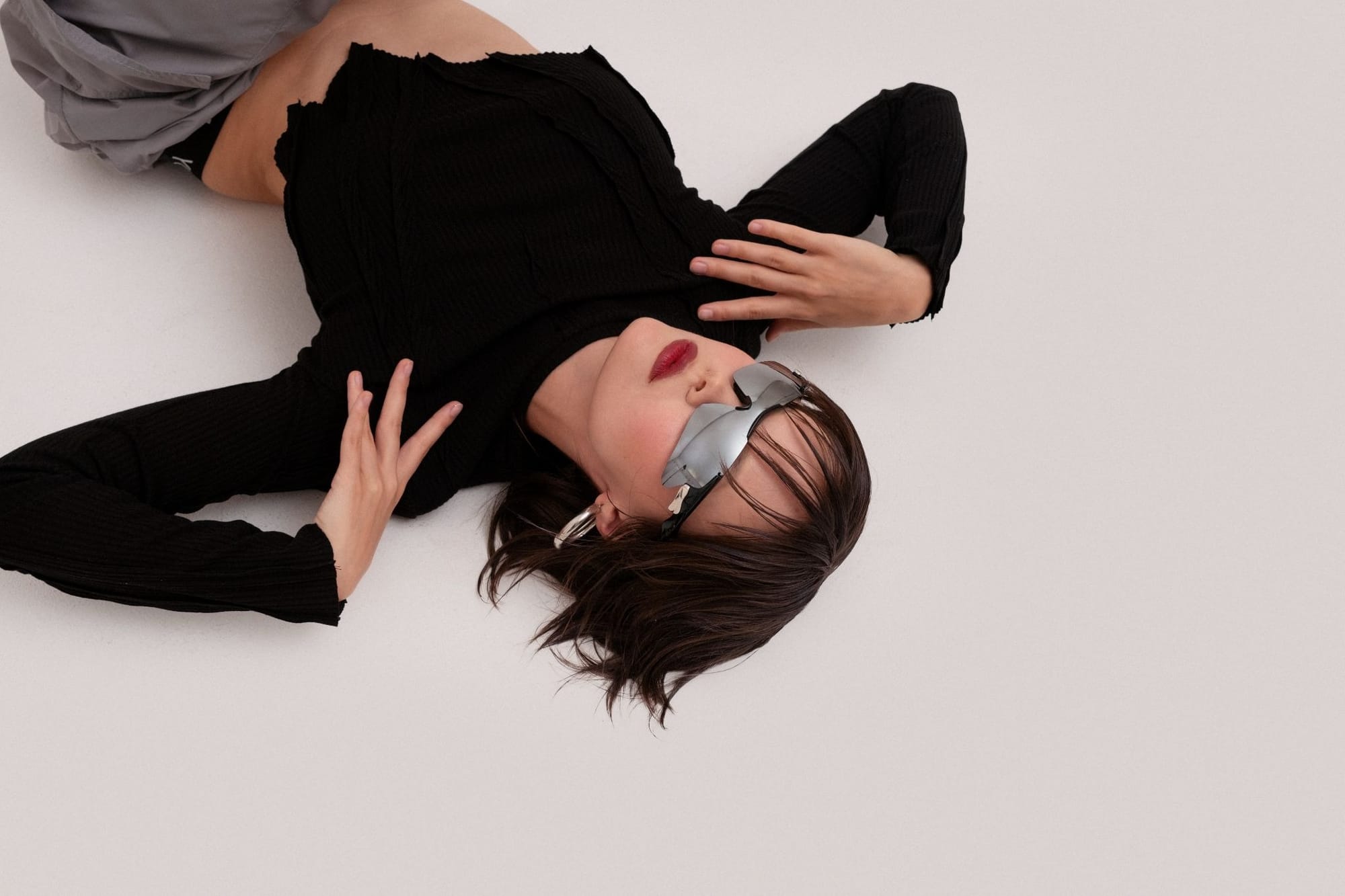
Select photos for the fashion work you hope to pursue. Even a favorite image may feel out of place beside the others. Lay the choices together and look for a clear direction with enough variety in mood, framing, and styling.
Check posture and expression as closely as the outfit. Remove near-duplicates that repeat the same information. Keep retouching restrained so the photographs still look like you. As you gain experience, revisit the selection. When an agency has submission rules, follow those rules rather than assuming the creative portfolio alone will fit every application.
What Models Share About Their Maps Studio Experience
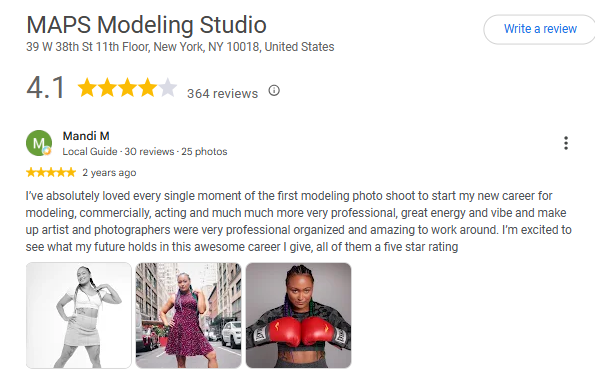
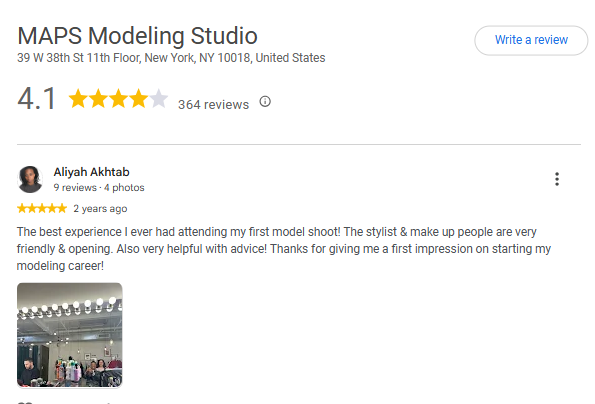
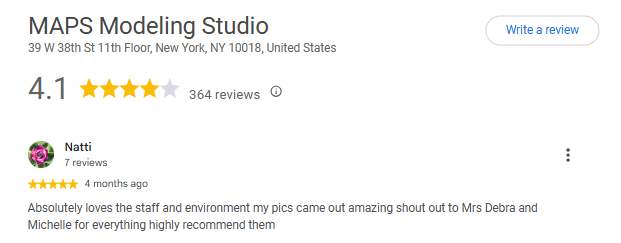
At Maps Studio, customer reviews describe individual experiences preparing for and taking part in a shoot. Read those accounts alongside your own goals. If you are planning a portfolio, ask about the studio's current photography services and whether they suit the images you need.
Frequently Asked Questions
Do I Need an Elaborate Concept for a Creative Fashion Shoot?
No. A simple mood and coordinated outfit can give you enough direction. Develop it by looking at the photographs and responding to feedback.
Can I Practice Fashion Poses Before Working With a Photographer?
Yes. Work on posture, weight shifts, and changes in expression. Review photos as well as a mirror; a pose can read differently through a camera.
Should Every Photograph in My Portfolio Look the Same?
Keep a recognizable direction, but include useful differences in framing, expression, and styling. Several near-identical frames add little.
Does a Creative Portfolio Guarantee Modeling Work?
No. A portfolio presents your look and abilities. Agencies and clients decide on their own requirements, and some applications call for different photographs.
Conclusion
Prepare a shoot around one idea and let the clothes, location, poses, and light support it. Check the frames while you work. Later, choose the photographs that each add something to your fashion modeling portfolio. Practice and collaboration will help you refine the images while keeping them recognizably yours. Visit Mapsstudio for more information about photography.
Note: Our articles share photography ideas and industry information. Services, styles, and equipment mentioned here are informational and may differ from our current offerings. Visit Maps studio for the latest details on our photography services and portfolio.
Member discussion