
7 Essential Tips for Beginners in Modeling
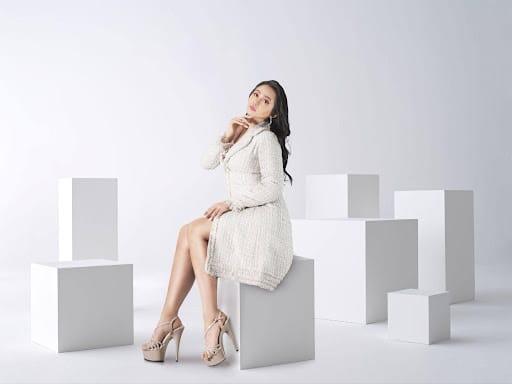
Your first steps in modeling may be ordinary: choosing a photograph, learning where to put your hands, or deciding which opportunity deserves a reply. Getting started in modeling becomes easier when you understand the work behind the pictures. Begin with clear photographs and regular practice. As you gain experience, you can learn which kind of work suits your look and interests.
Find the Type of Modeling That Interests You
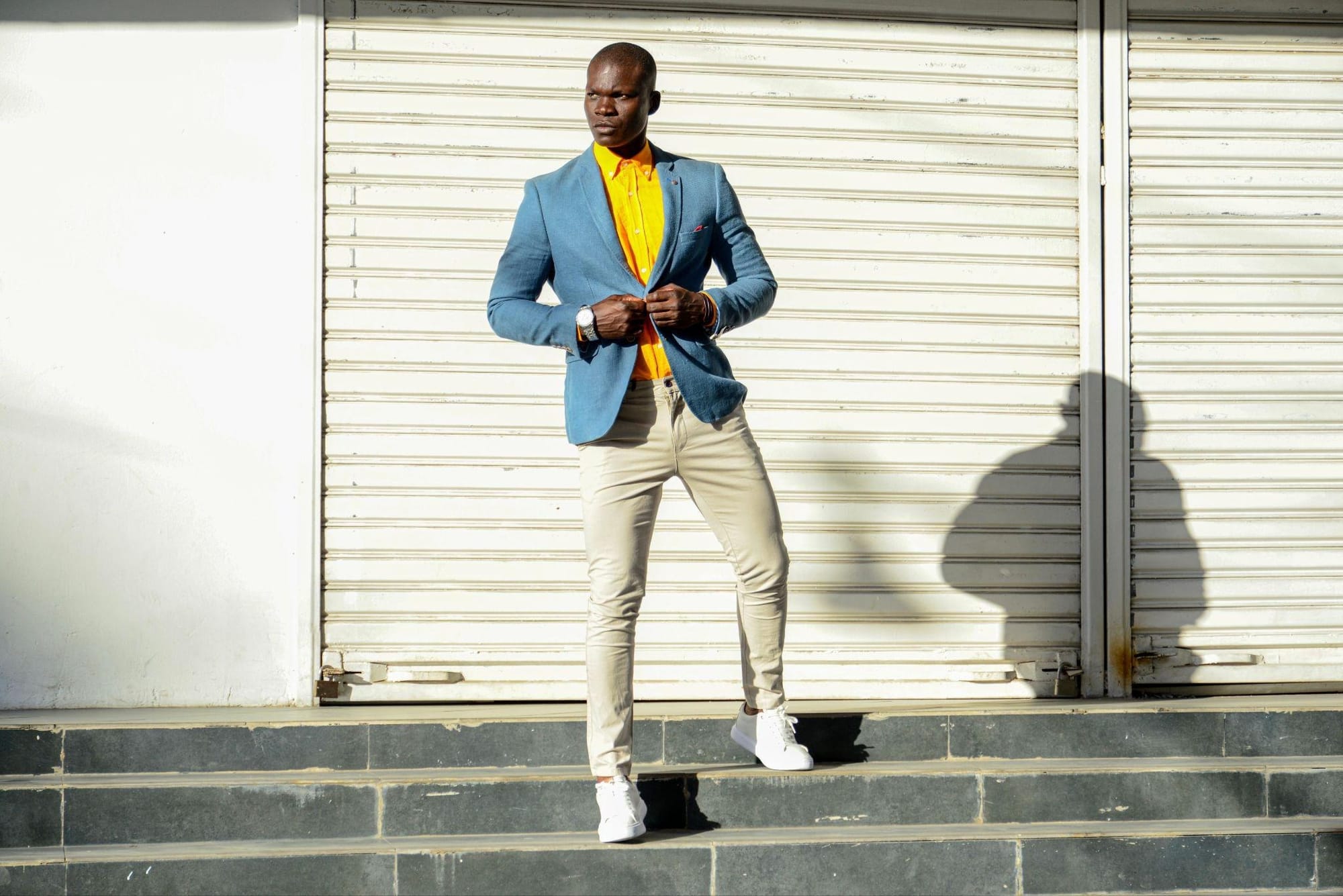
Look at the assignments you might enjoy. Fashion editorials, beauty portraits, and lifestyle campaigns present people differently. Notice the expression, movement, and styling in each. Which approach feels comfortable when you try it yourself?
You might enjoy a lively commercial expression or prefer a quieter portrait. Practice both. Early interests can guide the photographs you make, but you do not need to decide your whole career before a first shoot. You need enough direction to explain what you want to practice next.
Build a Portfolio With Clear, Varied Photographs
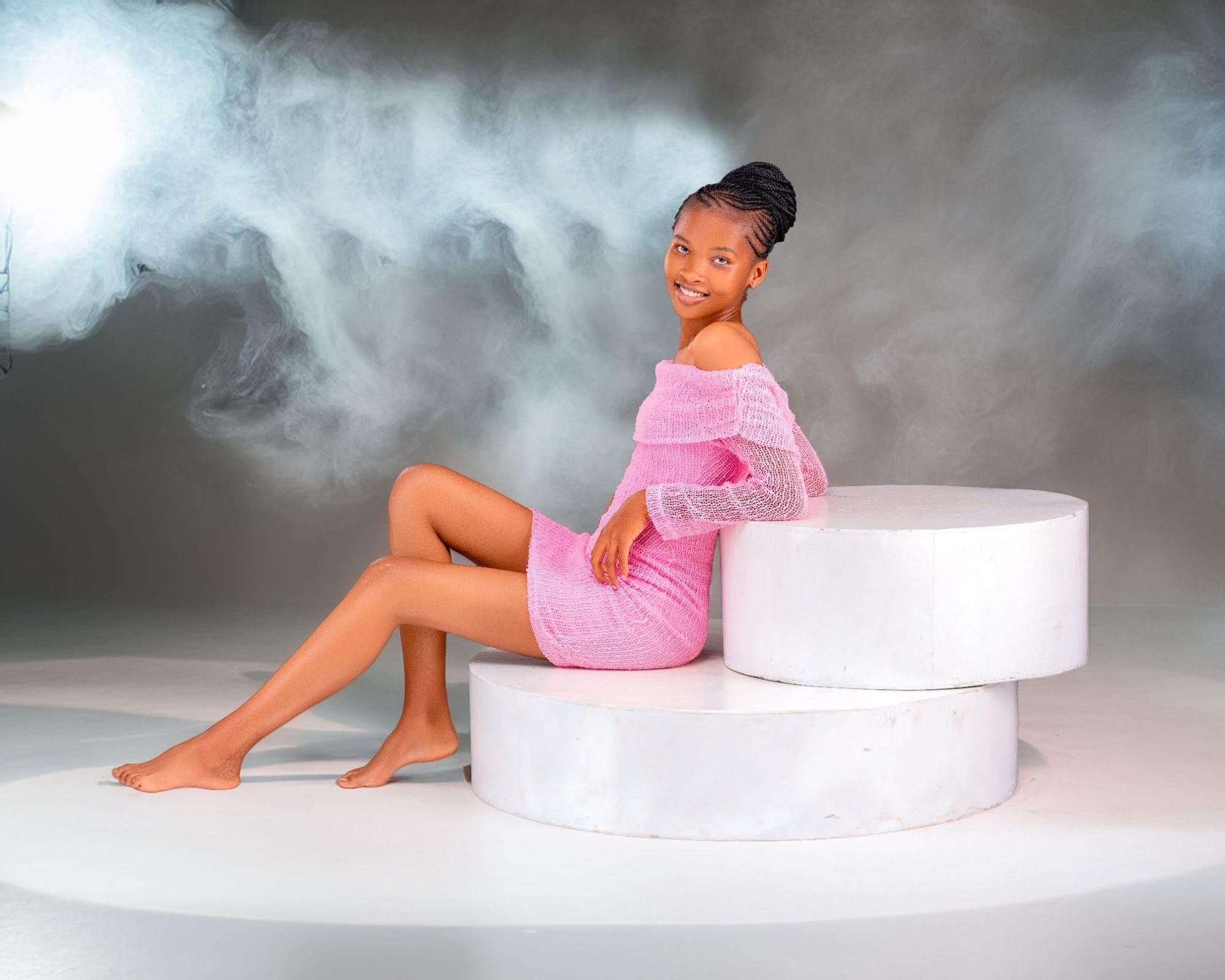
Begin with a headshot and full-body views that let someone see you clearly. Add photographs that show a purposeful change in expression or presentation. Several nearly identical poses tell a viewer less than a smaller, stronger selection.
Look at the images together. A styled photograph may show one side of your range, while a straightforward portrait introduces your features. Keep both only if each adds something. As your look and experience change, replace older work that no longer represents you. Ask a photographer which pictures support your intended direction and use that feedback when planning another session.
Practice Poses and Expressions Before a Shoot
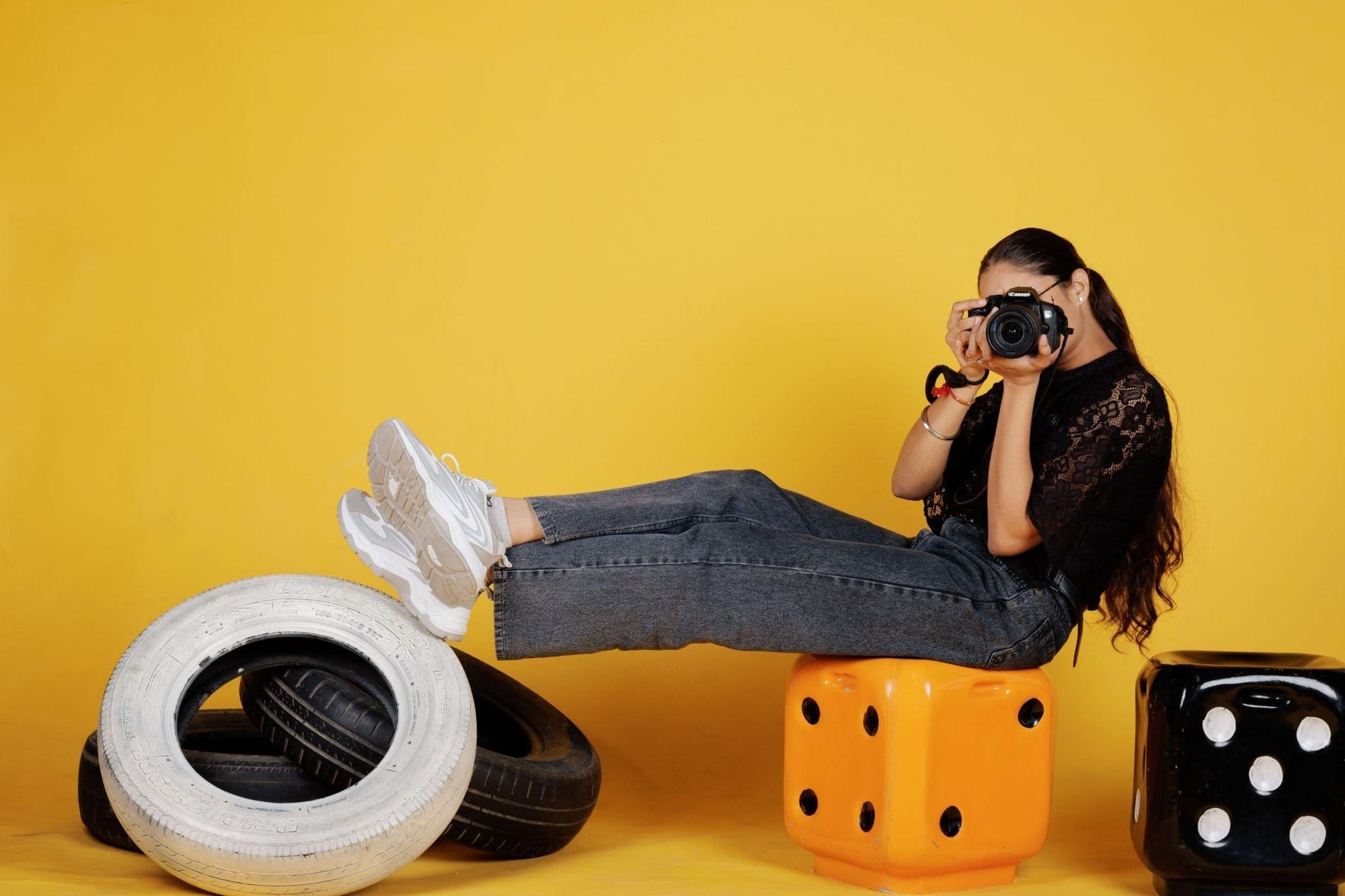
A few familiar movements can help when nerves arrive. Practice before a mirror, changing your shoulders or chin a little at a time. Notice how those changes affect the whole pose. Photographs can show you what the mirror misses.
Try a neutral expression, a gentle smile, and a more engaged look without tightening your jaw. Move between them comfortably. If runway work interests you, practice walking too. For an upcoming portrait session, spend more time on still poses and expressions. Match the practice to the work ahead.
Research Agencies and Casting Requirements Carefully
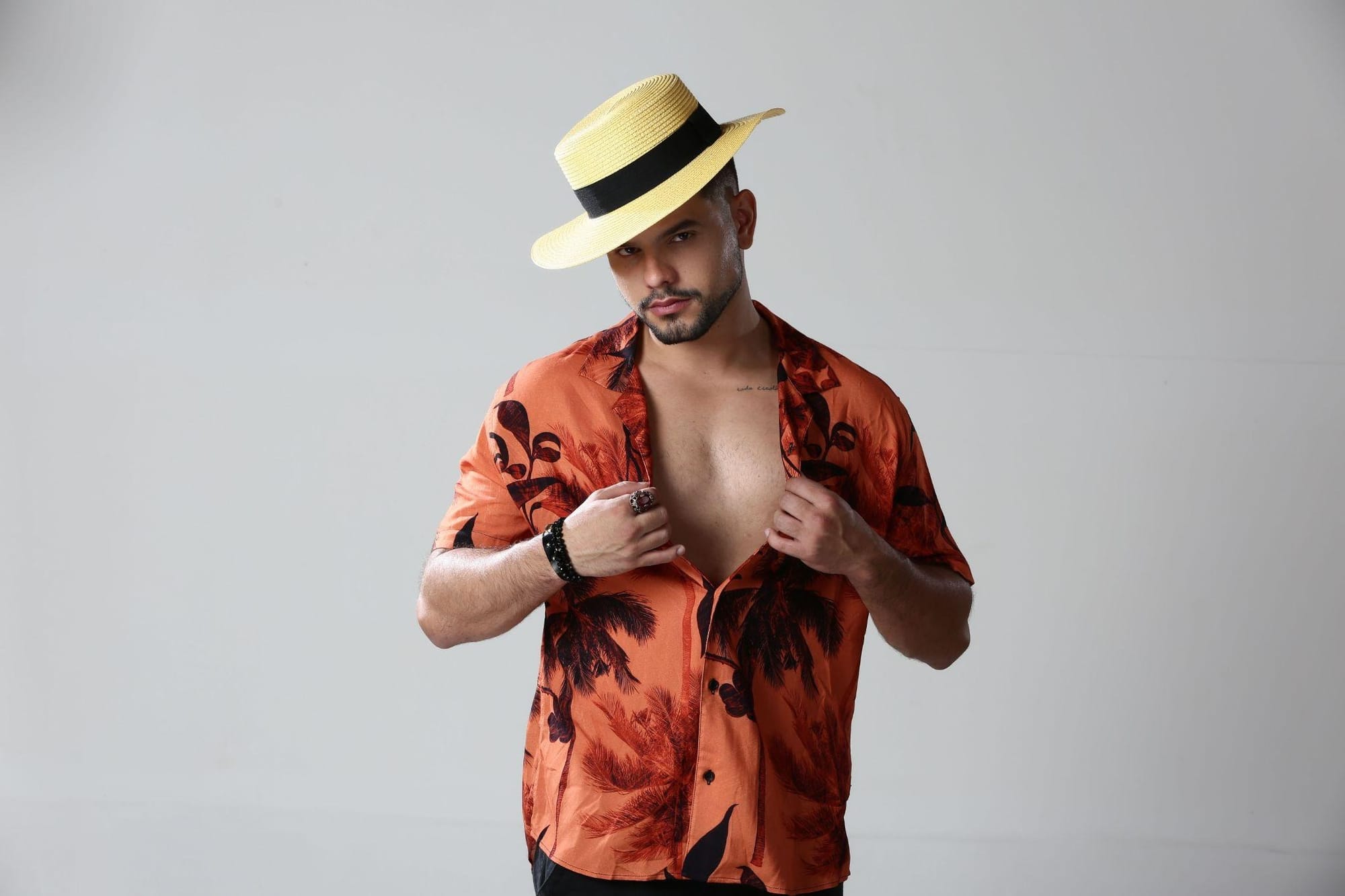
Look at an agency's models and the type of jobs it handles before applying. Read its submission instructions and any requirements for a particular casting. Another model's experience may be useful, but its measurements or clothing requests are not rules for every event.
Use current instructions from the organization you plan to contact. Be accurate in your application. Reviews and a clear description of an opportunity can help you decide whether it is worth pursuing. A photography session and agency representation have different purposes; professional photos alone do not promise bookings.
Present Your Work Consistently Online
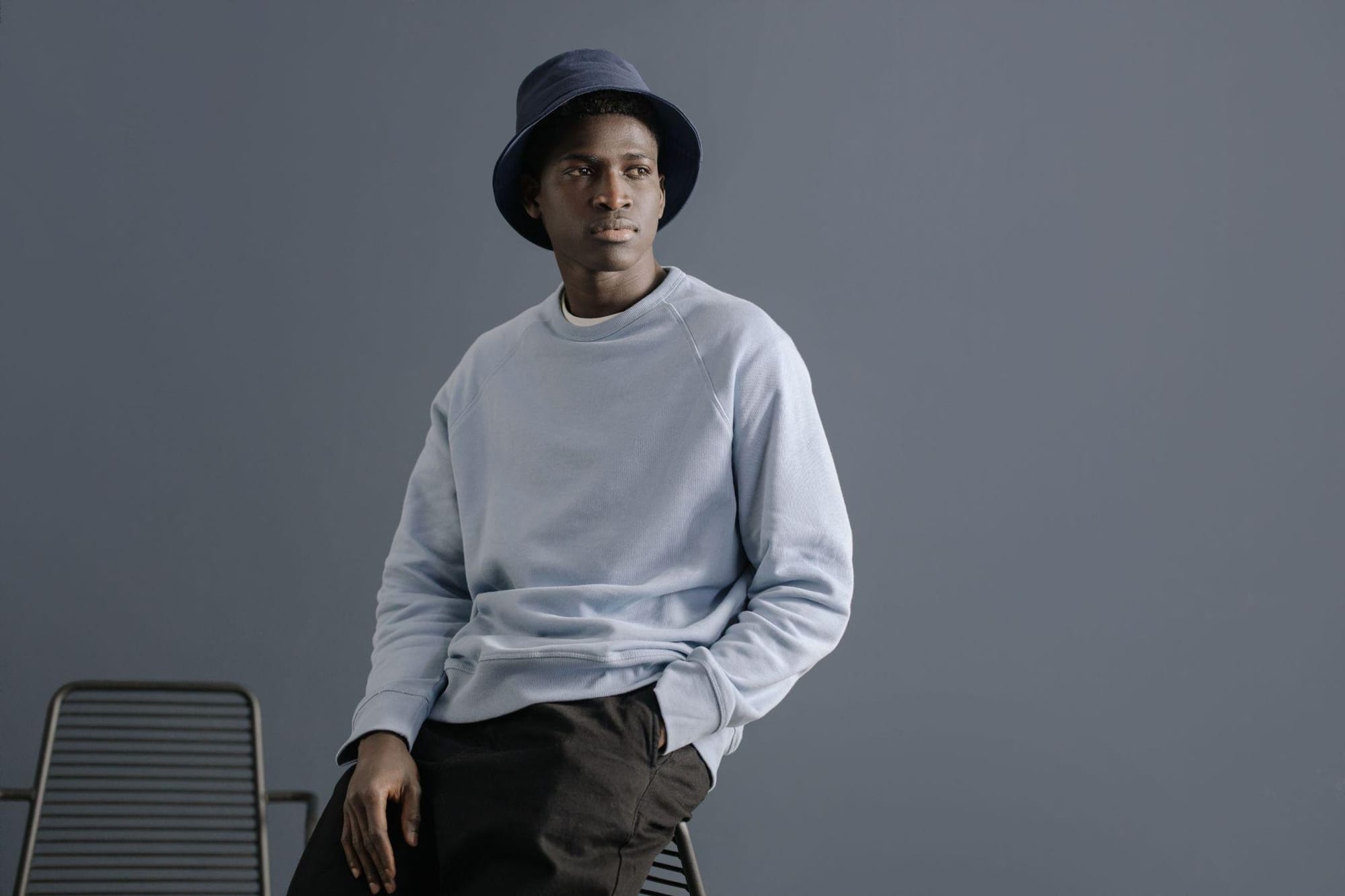
Choose online images that reflect the work you want to pursue. A coherent selection helps people understand your range without searching through unrelated posts. The pictures need not share an outfit or background; they should give a recognizable impression of you.
Remove outdated images when they no longer reflect your look or standard of work. Respond clearly when photographers or other contacts discuss a collaboration, and make sure you understand what they propose. Online attention can support an introduction, but it does not tell you whether an opportunity fits.
Arrive Prepared and Look After Yourself
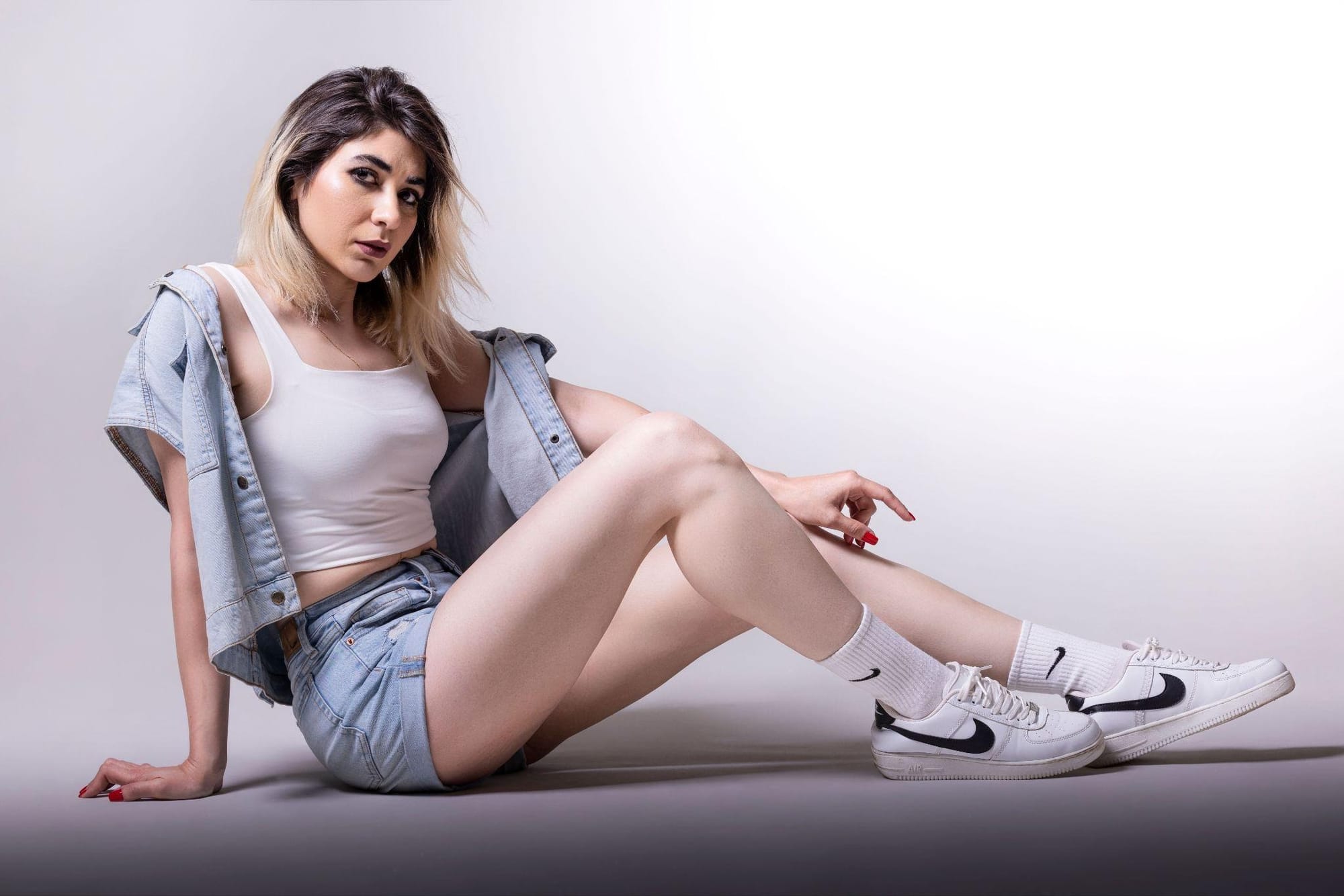
Rest, hydration, and enough time to arrive without rushing can help you concentrate on the shoot. Read the instructions ahead of time and bring the requested clothes and materials. If the brief calls for a simple presentation, keep it simple.
Be punctual and listen when someone explains a pose. Ask if a request is unclear. You can learn on the job without pretending to know everything. Taking care of yourself and respecting the team's time are habits you can build from the beginning.
Build Relationships and Learn From Feedback
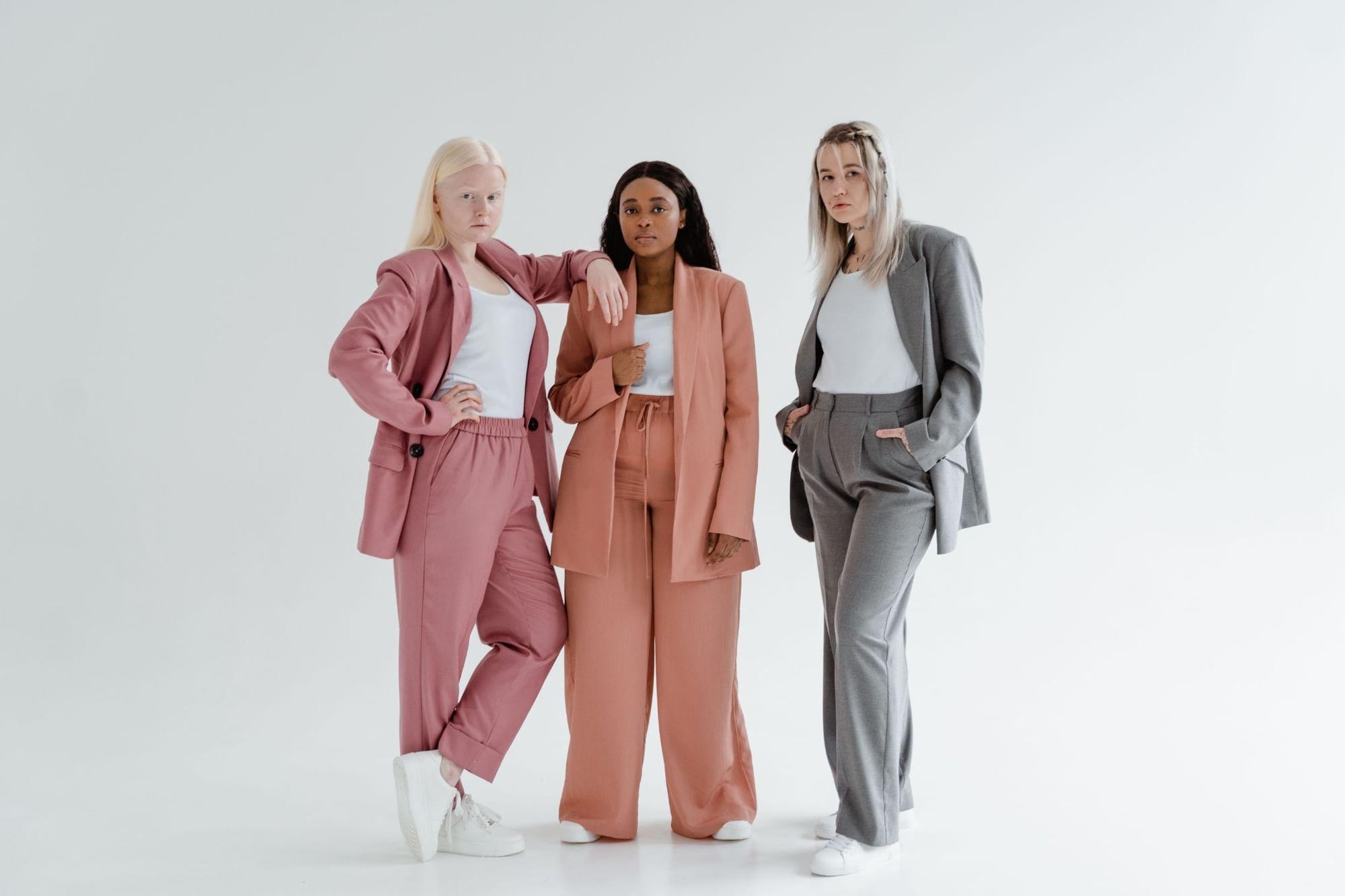
Photographers, stylists, and other models may show you different ways to approach a shoot. Take an interest in the team's work and explain your goals clearly. Dependable behavior helps professional relationships grow.
Turn useful feedback into something to practice. A comment about posture or expression can guide the next session. Ask for clarification when advice is vague. A rejected application does not explain your potential, and a positive reply does not end the need to learn. Look for progress you can see in a photograph or skill.
What Visitors Say About Their MAPS Studio Experience
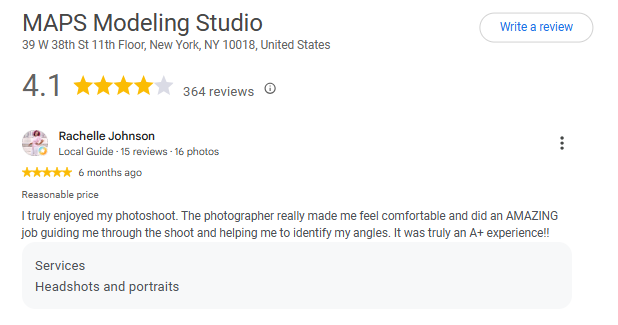
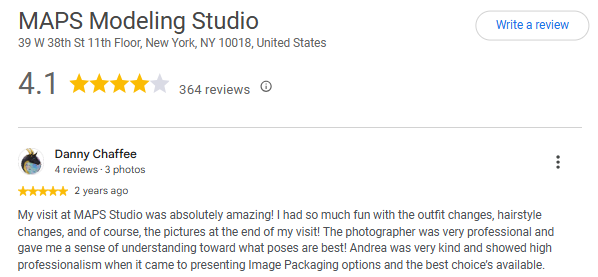
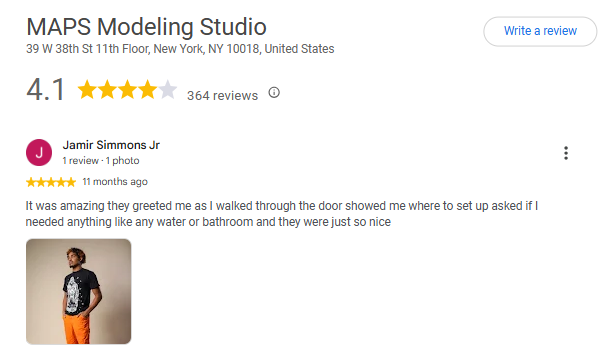
Visitors to MAPS Studio describe guidance with angles, outfit changes, and how they were welcomed during photoshoots. Their reviews describe individual sessions, not guaranteed modeling jobs or casting results. Read them in their own words when considering a session.
Frequently Asked Questions
What Photographs Should a Beginner Portfolio Include?
Start with a clear headshot and full-body photographs. Add variation in expression and style that supports the work you want to pursue.
Should I Practice Before My First Photoshoot?
Yes. Familiar poses and expression changes can help you follow direction. Focus on the kind of shoot you are preparing for.
Do All Castings Follow the Same Rules?
No. Agencies and events set their own requirements. Read the current instructions for the casting you plan to attend.
Conclusion
Choose clear photographs, practice with a purpose, and research the people you hope to work with. Give professional communication the same care as your appearance in a picture. These modeling tips can help with an early shoot or casting, while realistic expectations leave room for learning. Keep your portfolio current and use feedback to decide what to work on next. Visit Mapsstudio for more information about photography.
Note: Our articles share photography ideas and industry information. Services, styles, and equipment mentioned here are informational and may differ from our current offerings. Visit Maps studio for the latest details about our photography services and portfolio.
Member discussion