
7 Common Mistakes in Fashion Modeling Photography to Avoid
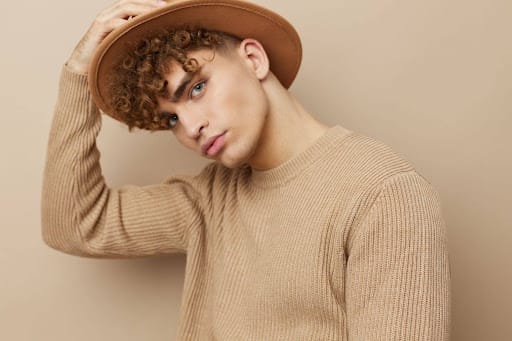
A strong fashion photograph needs the model, styling and camera work to support the same idea. A good pose can lose its impact in distracting clothes, while careful lighting cannot rescue a frame that misses the expression. Fashion modeling photography becomes easier to improve when you can name the specific mistake in front of you. These seven common problems offer a useful starting point for your next shoot, whether you are preparing a portfolio or learning to work more comfortably with a photographer.
Starting Without a Shared Creative Direction
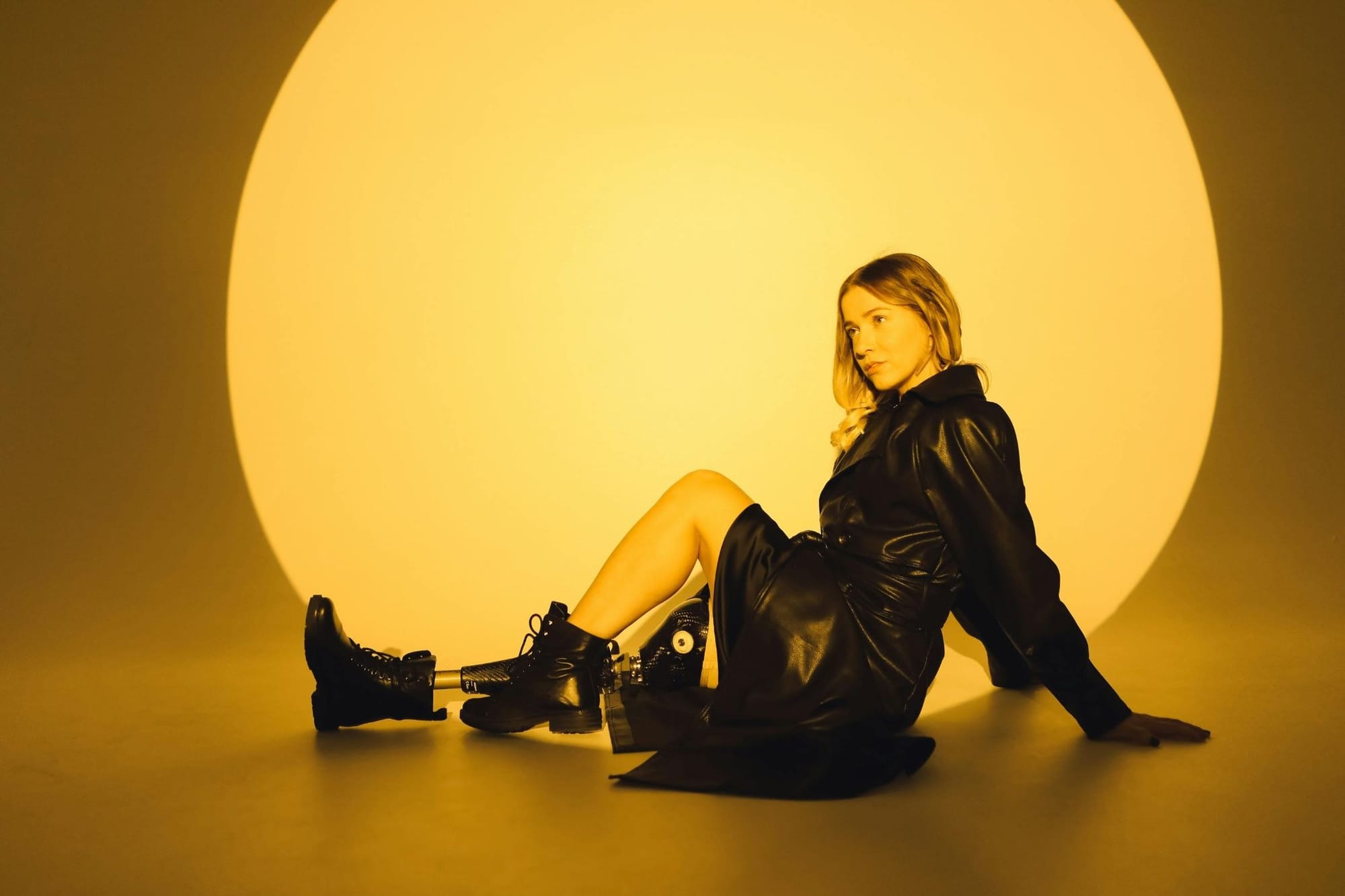
A model and photographer can arrive with different ideas about the same shoot. One may expect a straightforward portfolio portrait while the other imagines a dramatic fashion editorial. Discuss the intended look before choosing clothes or planning poses, so everyone works toward photographs that serve the same purpose.
Use a small set of visual references to explain the mood, styling and kind of expression you have in mind. Talk about what you like in each reference instead of assuming the picture explains itself. A clear discussion gives the team something specific to return to if the session starts drifting.
Keep that direction connected to the images you need. A varied portfolio can include a headshot, full-body photographs and more dynamic poses, but each frame should add something. Agreeing on the purpose early makes it easier to choose useful variation instead of trying unrelated ideas simply to fill the session.
Ignoring How the Light Falls on the Model
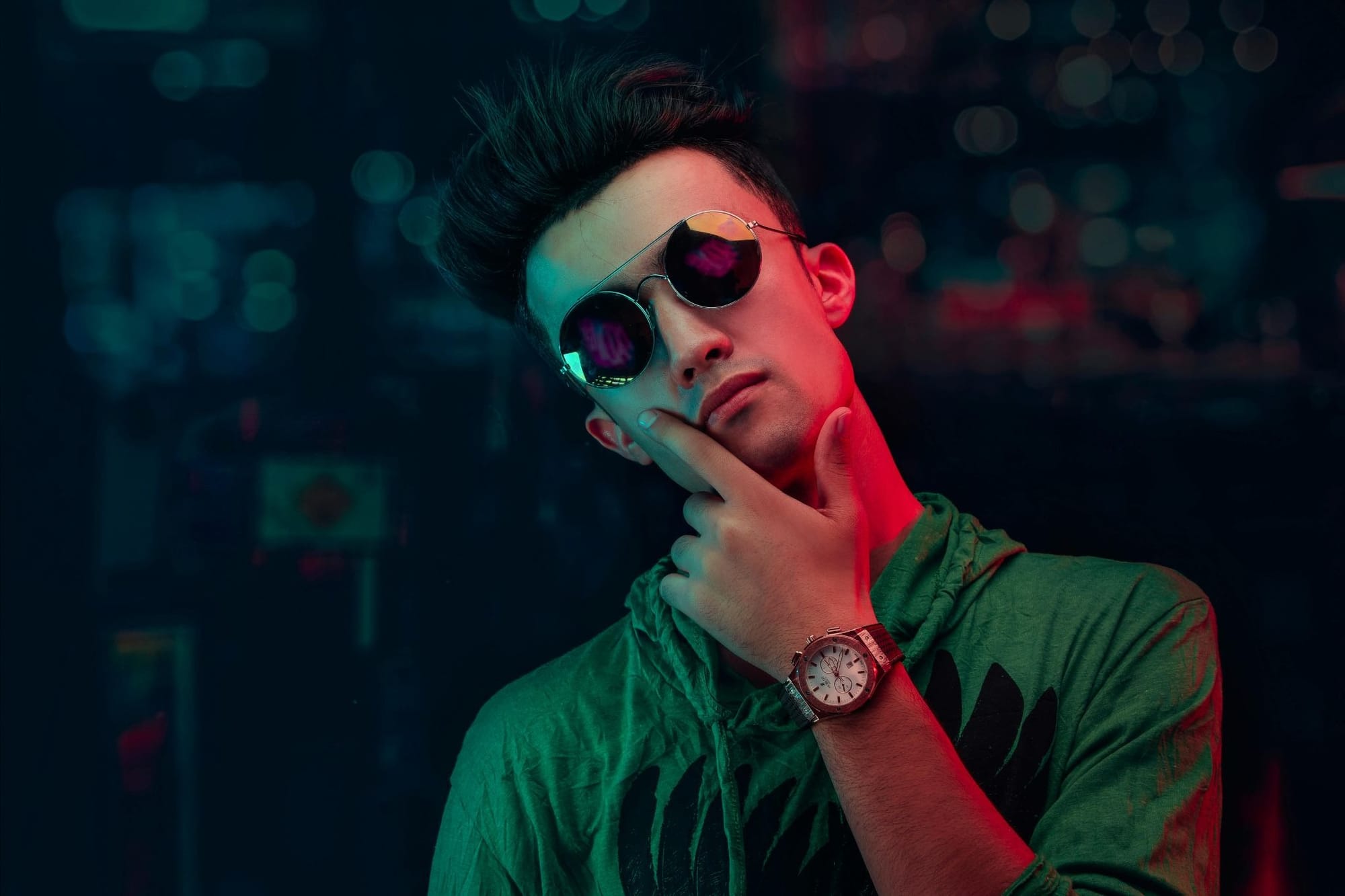
Plenty of light does not guarantee flattering light. Harsh overhead sun can create deep shadows, while a direct on-camera flash can flatten the features. Look at the direction and quality of the light on the model's face before assuming a camera setting will solve the problem.
For outdoor photographs, shade or a different time of day may offer a more suitable starting point. Reflectors, diffusers or additional lighting can help the photographer manage changing conditions. Indoors, make the lighting choice part of the intended mood rather than treating every bright area as interchangeable.
As a model, listen when the photographer asks for a small turn or a change in chin angle. Those movements alter how light reaches your face. Review a test frame together when possible, then adjust deliberately instead of repeating a pose while the same distracting shadow remains.
Holding Poses Too Rigidly
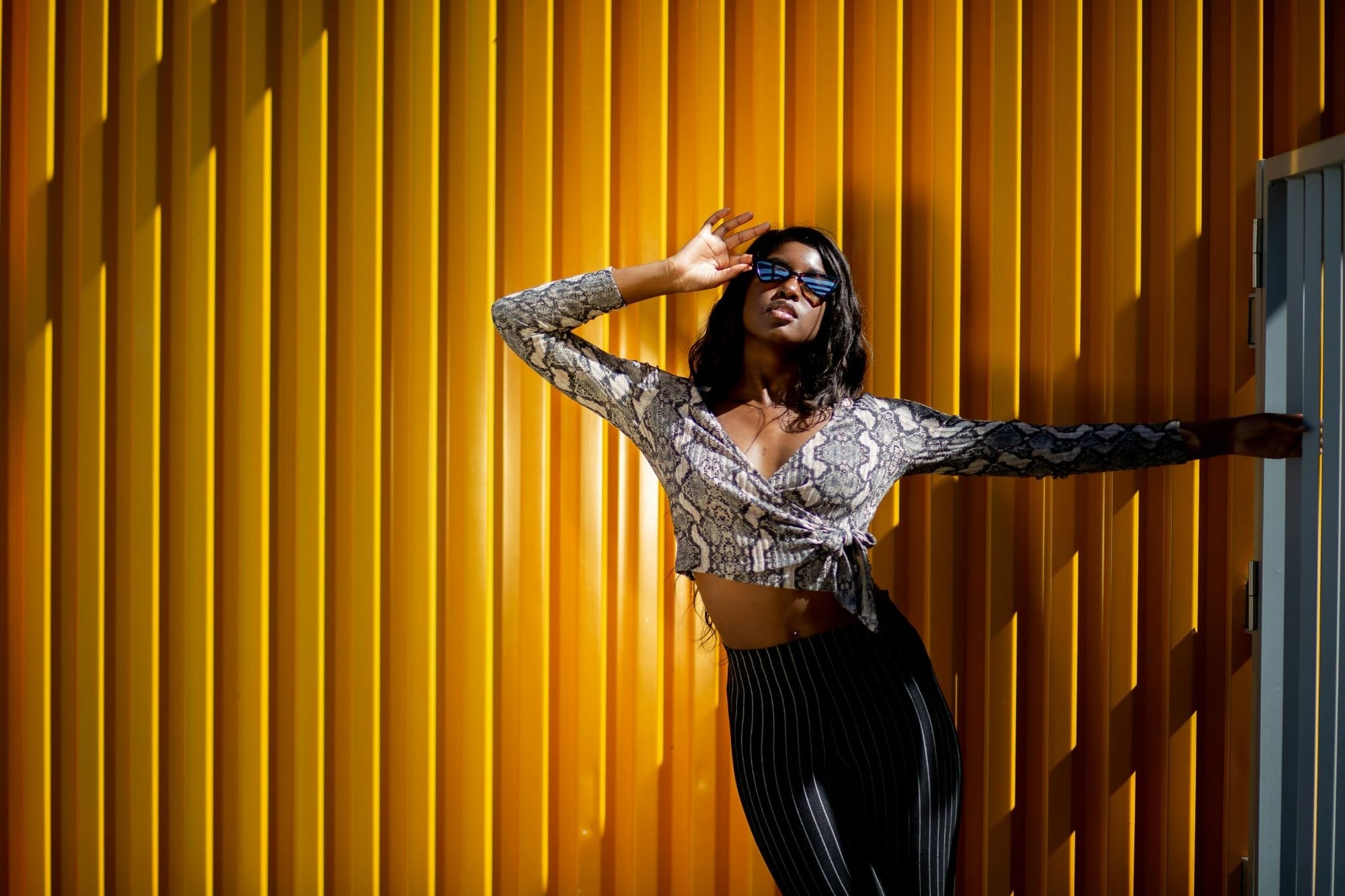
Trying to reproduce an elaborate pose exactly can make it harder to respond naturally. A model may concentrate so much on one angle that the expression no longer suits the photograph. Begin with a comfortable position, then make smaller changes that you can understand and repeat.
Clear direction helps more than several vague instructions at once. Work on the shoulder position, chin angle or expression separately, giving the photographer time to see the difference. Natural movement between frames can also reveal options that feel more convincing than holding a fixed position throughout.
Practice in front of a mirror before the shoot, but leave room to adapt. The camera angle and light may make a familiar pose look different. Treat practice as a set of options you can use with the photographer, rather than a routine you must complete regardless of what the frame needs.
Letting Wardrobe Distract From the Photograph
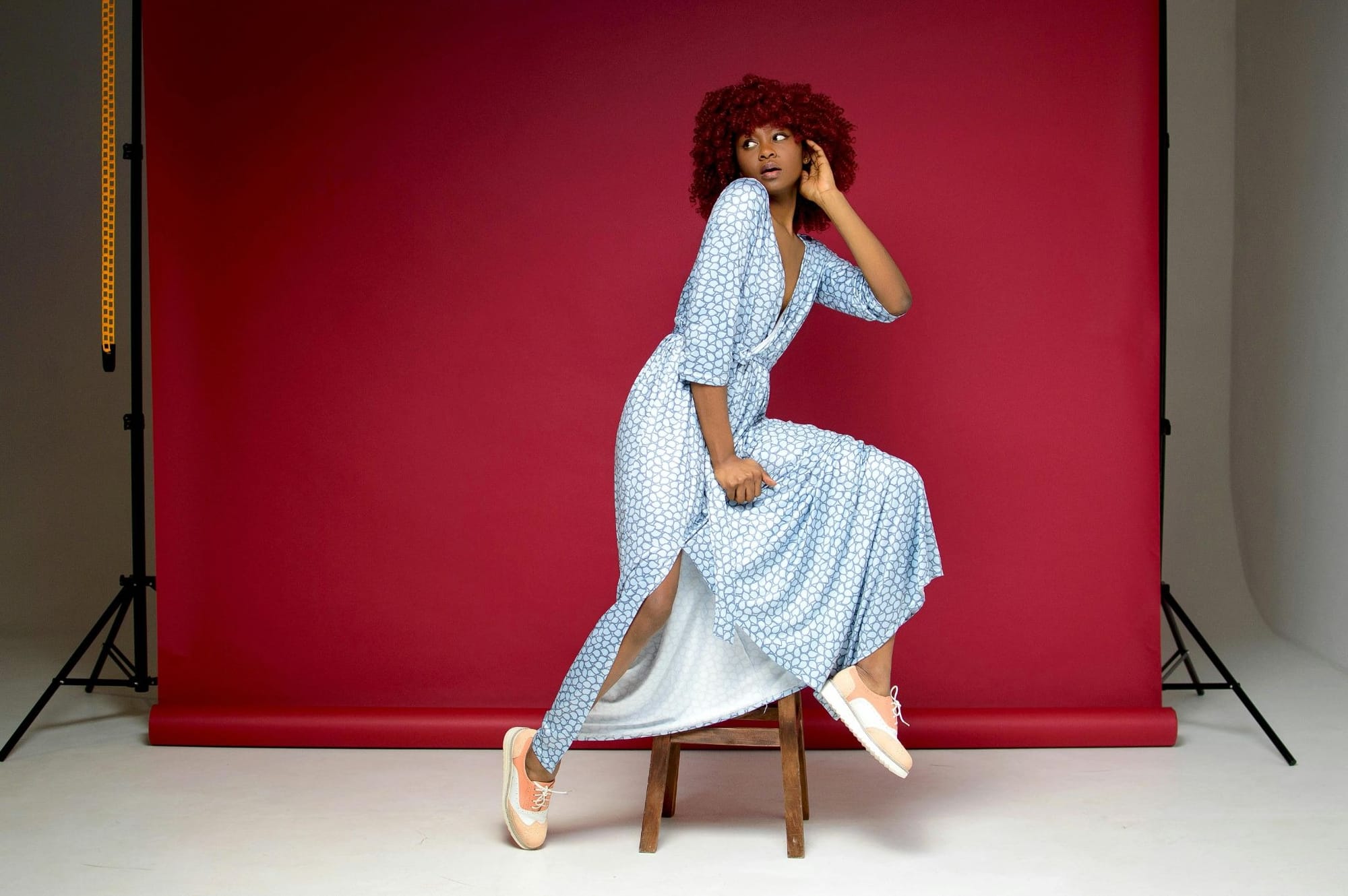
Clothes that fit poorly or compete with each other can pull attention away from the model and the intended style. Check the outfit as a complete look, including footwear and accessories. The strongest choice supports the brief and allows you to move comfortably enough to pose.
Pay attention to proportion and maintenance as well as individual pieces. Wrinkles, missing buttons or worn shoes can weaken an otherwise thoughtful outfit. If the styling uses loose shapes, consider how they work together rather than adding volume everywhere without looking at the overall silhouette.
Talk through wardrobe choices before the session to avoid misunderstandings on set. Bring the pieces the team has agreed on and check them together. A trend does not need to appear in every frame; choose the styling that communicates the idea and still feels convincing on the person wearing it.
Confusing Missed Focus With Motion Blur
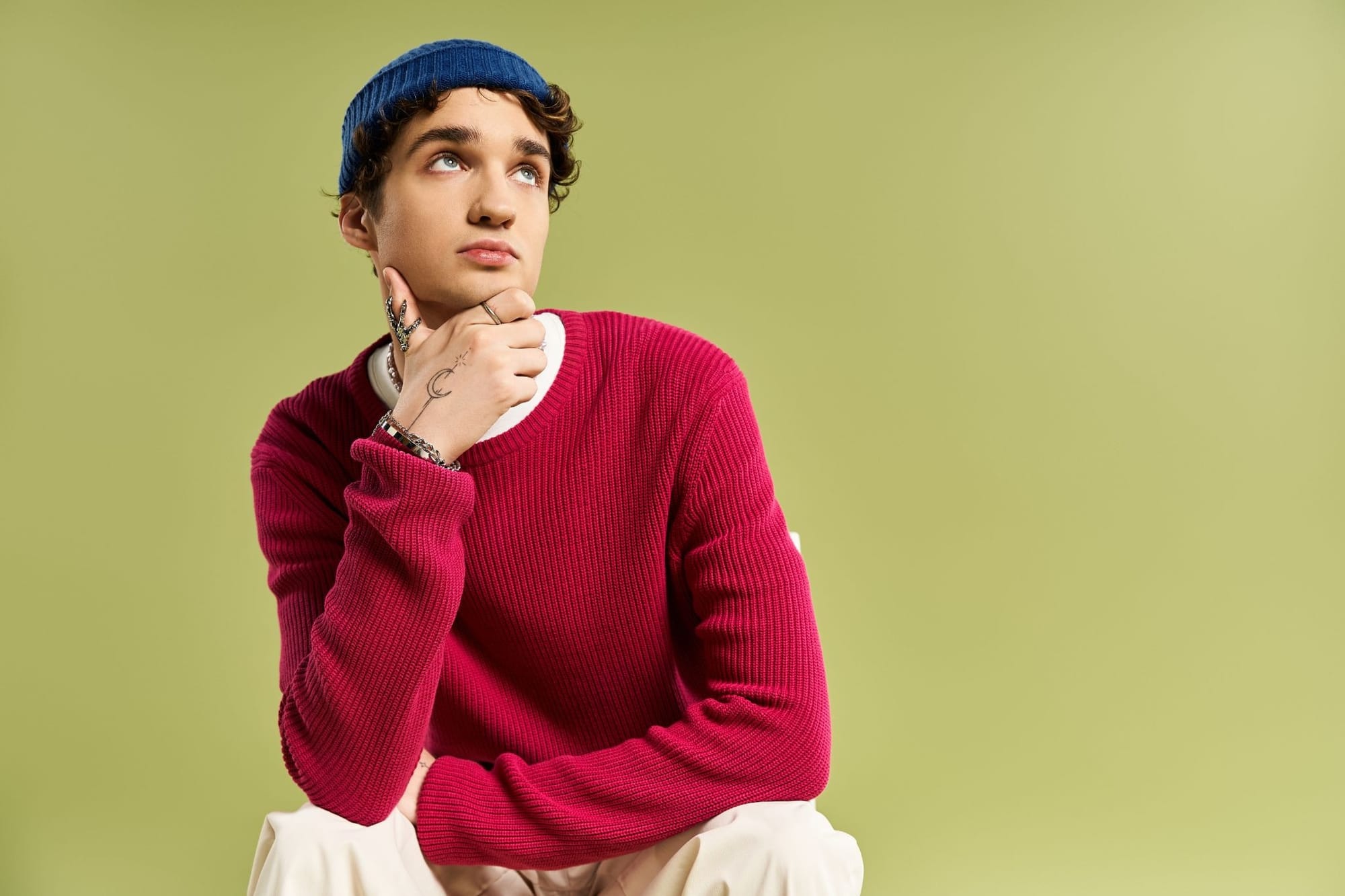
A soft photograph can have more than one cause. The camera may have focused on the wrong part of the scene, or movement may have blurred the subject during the exposure. Looking closely at a test image helps the photographer identify which problem needs attention.
A smaller, deliberately chosen focus area gives the camera a clearer target than leaving it to select from the whole scene. Shutter speed deserves separate attention when the model moves or the photographer works handheld. Increasing sharpness later cannot reliably replace a clear capture.
The model can help by understanding when the photographer needs stillness and when movement is part of the shot. Ask if you are unsure, rather than moving through several poses while a technical adjustment is underway. That short exchange keeps the expression, pose and camera settings working together.
Repeating the Same Framing and Camera Height
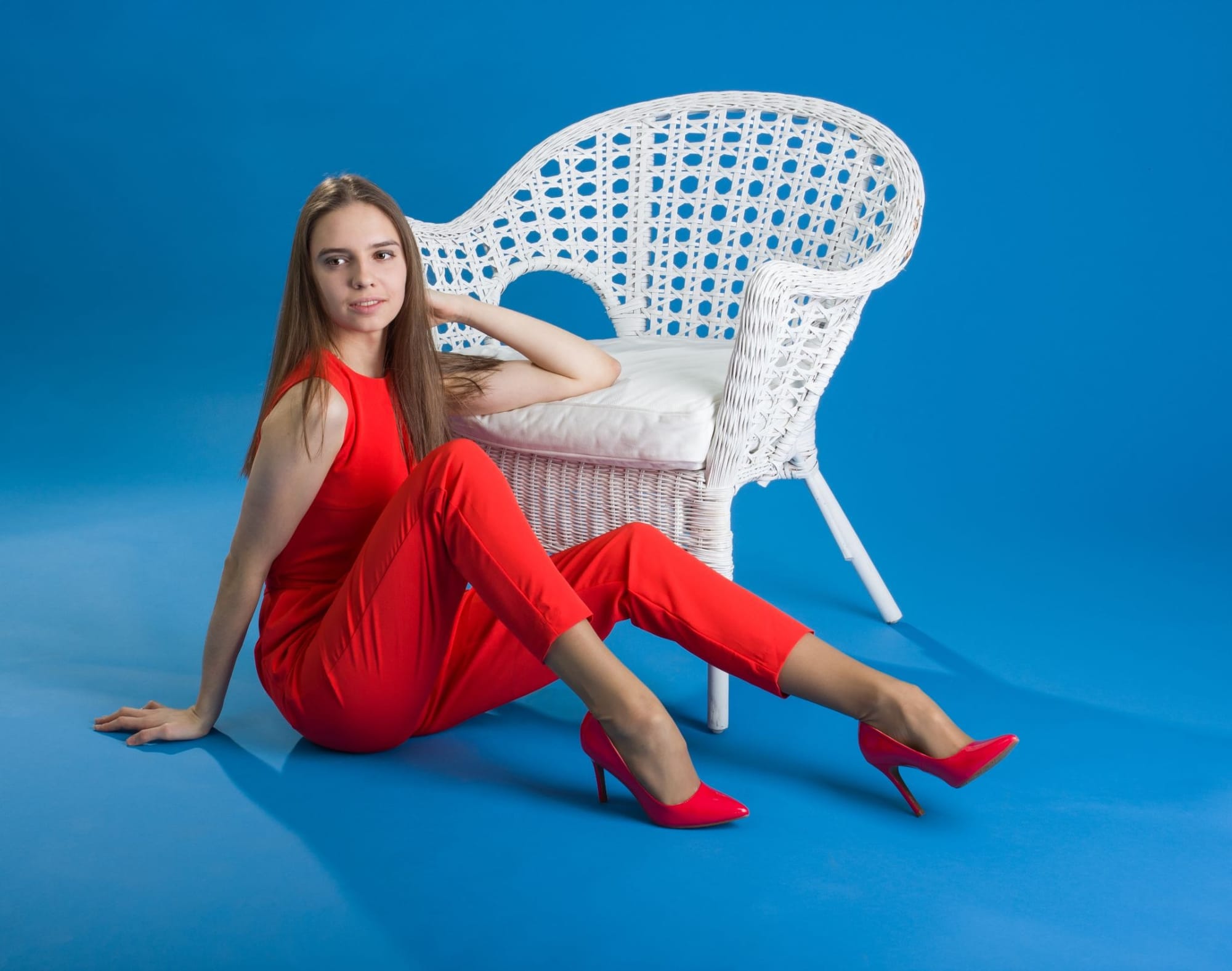
Shooting everything from the same position can leave a collection looking repetitive. A change in camera height or distance can alter the photograph substantially. Make those choices with the intended image in mind, so variation adds a useful view rather than a distracting effect.
Check what the frame includes. Background objects may compete for attention, and unnecessary space can weaken the subject's presence. Moving closer is one option, but a full-body fashion photograph still needs room to show the clothing and pose clearly. Decide what the picture needs to communicate before tightening the composition.
Review the set as it develops. A headshot and a wider portrait can complement each other when they show genuinely different information. If several frames repeat the same angle and expression, change one element deliberately and compare the result instead of collecting more of the same.
Relying on Editing Instead of an Honest Final Selection
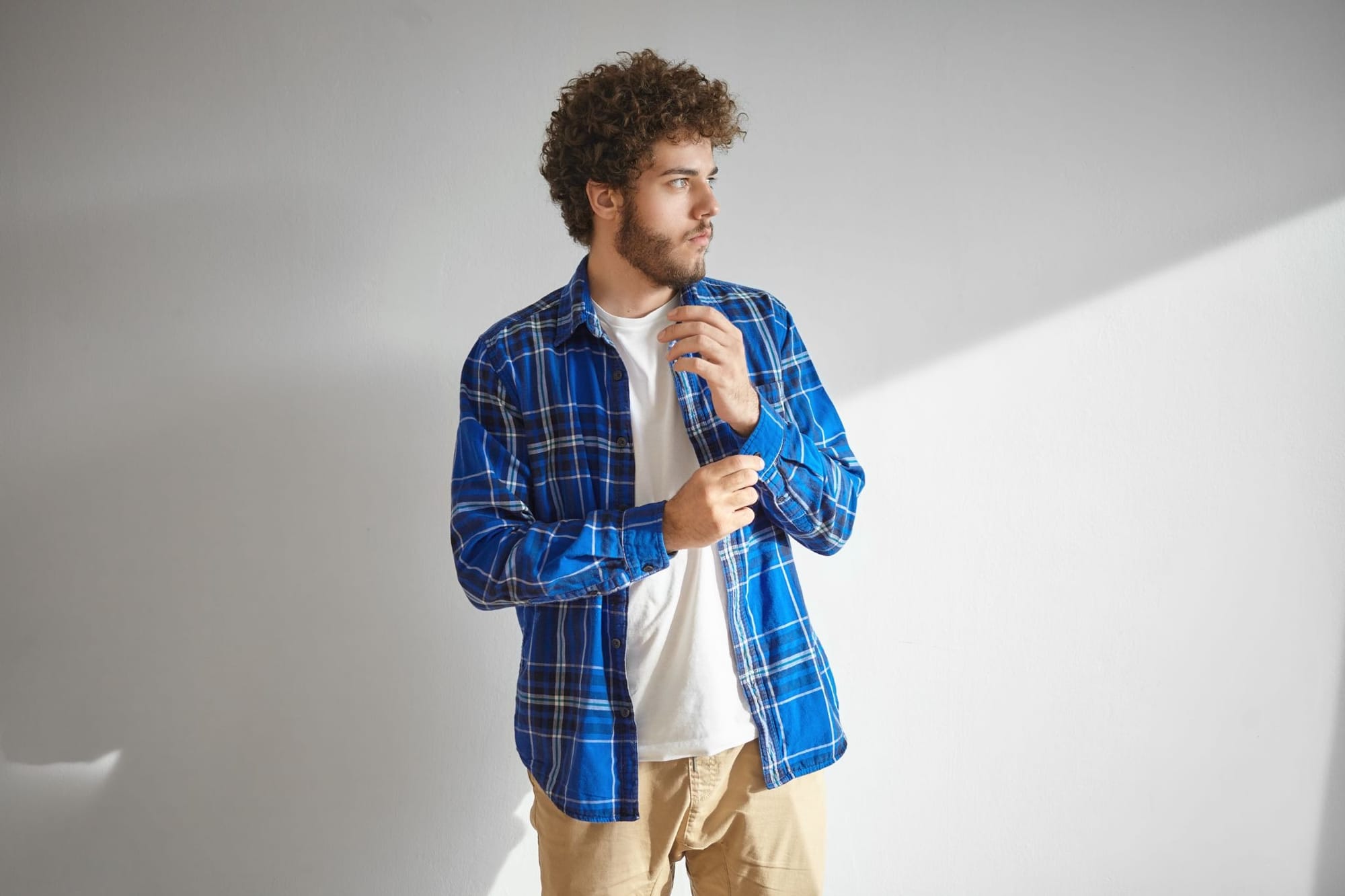
Editing cannot make every unsuitable frame useful. A photograph may look polished and still fail to show the model clearly or support the intended direction. Start the final selection by asking what each image contributes, then remove weaker repetitions.
Keep straightforward photographs distinct from highly styled portfolio work. Basic digitals serve a different purpose because they give a clearer record of natural features and proportions. Heavy alteration can undermine that purpose, even when the finished image looks impressive on its own.
Use feedback to identify what to improve at the next shoot. A specific observation about expression, focus or styling offers more direction than deciding that the whole session was good or bad. A focused selection helps you see progress and plan the next set of photographs with a clearer goal.
What Visitors Say About Their MAPS Studio Experience
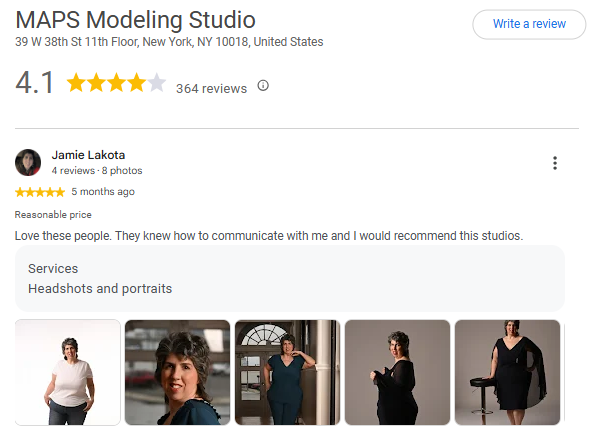
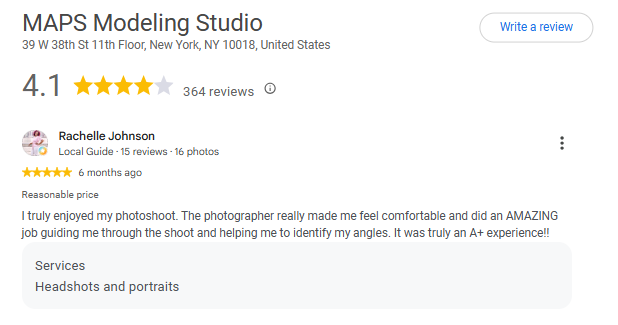
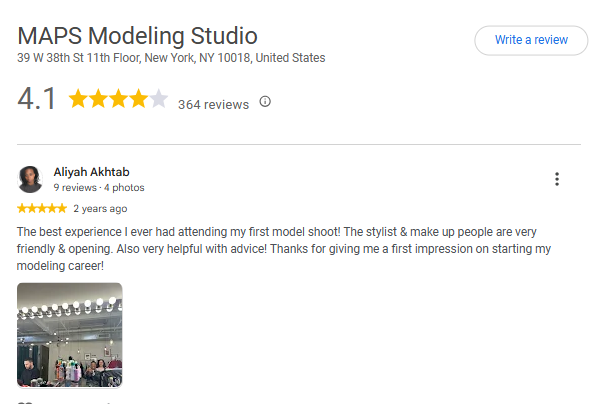
Visitors to MAPS Studio share their own experiences in the genuine review screenshots below. Their comments describe communication, guidance during a photoshoot and the welcome they received. Read them as individual accounts of photography sessions, rather than promises about modeling jobs or casting results.
Frequently Asked Questions
Should a Model Copy Every Reference Pose Exactly?
No. Use references to explain a direction and practice useful movements, then adapt with the photographer to suit the light, framing and purpose of the image.
Can Editing Fix a Blurry Fashion Photograph?
Editing is not a reliable replacement for a clear capture. The photographer needs to distinguish focus problems from movement blur and adjust the relevant setting or shooting approach.
Should Digitals Look Like a Fashion Editorial?
They serve different purposes. Keep basic digitals straightforward and recognizable, while styled portfolio photographs can show a wider range of presentation.
Final Takeaway
Better fashion modeling photography comes from noticing a specific problem and making a useful adjustment. Agree on the direction, check the light and clothing, and give posing and camera work room to develop together. Review photographs for what they communicate, not only for how polished they appear. These habits can make the next shoot more purposeful without demanding a complicated pose or a dramatic edit in every frame. Keep the strongest images, use practical feedback and bring what you learn into your preparation. A clear, varied collection grows from that attention to the work in front of you.
Visit Mapsstudio for more information about photography.
Note: We love sharing creative inspiration, photography tips, and industry insights to help you capture life’s best moments! However, the services, styles, and equipment mentioned in our articles are for informational purposes only and may not reflect our current offerings. For the latest on our photography services and portfolio, visit Maps studio. Let’s create something beautiful together!
Member discussion