
5 Pro Tips to Elevate Your Modeling Skills
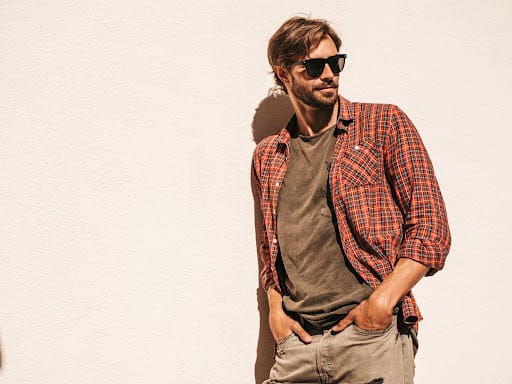
A pose can feel comfortable in the mirror and look stiff in a photograph. That gap is the thing worth working on. Stronger modeling skills develop when you study your pictures, notice what changes between frames and practice with a clear purpose. You can start with a phone, simple clothing and good light. Preparing properly for a shoot is what makes those sessions productive, whether you want more natural portraits or a wider range of fashion images. These five habits turn practice into work you can actually review.
Practice Poses Through Small, Deliberate Changes
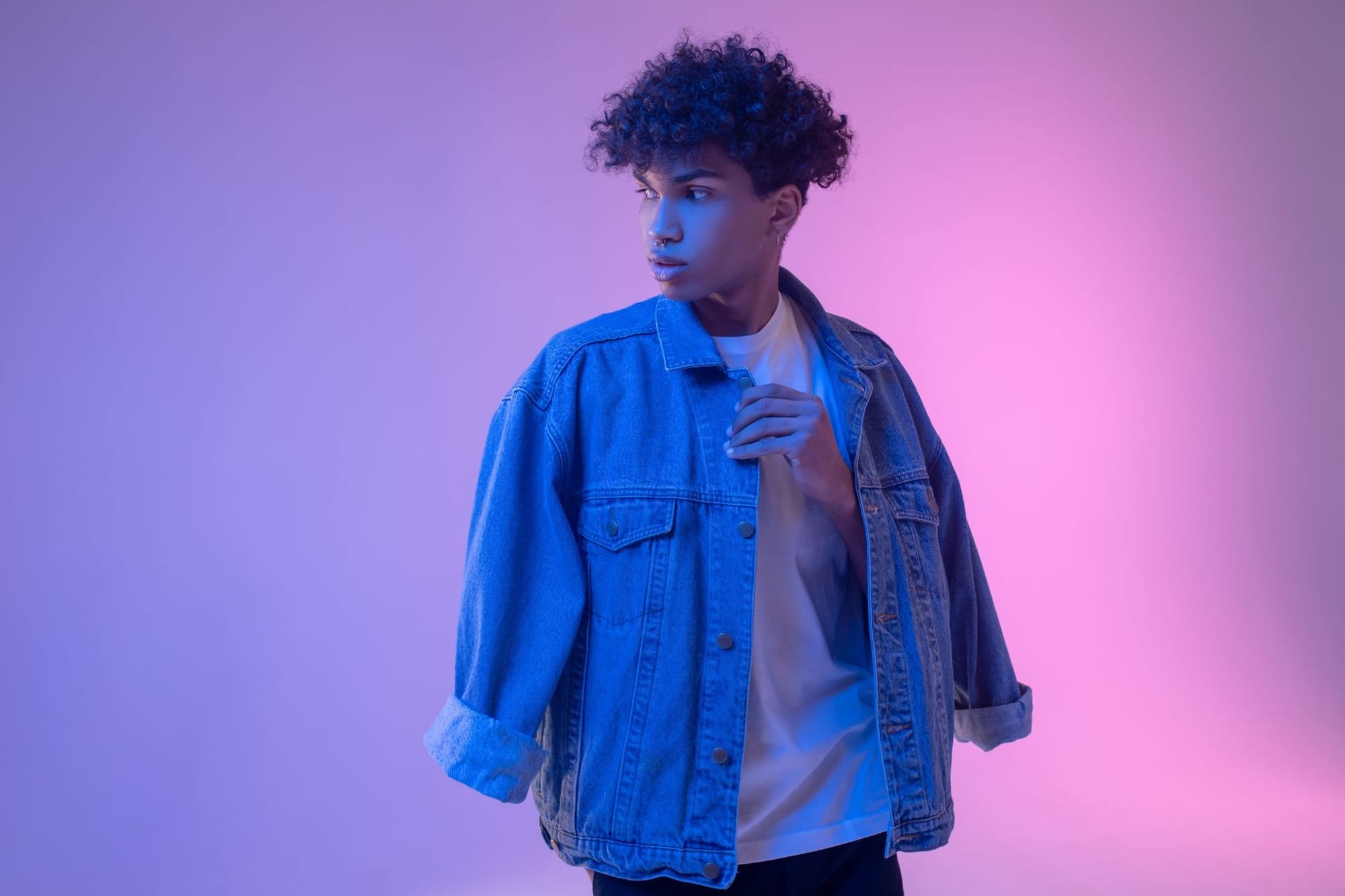
Start with a comfortable standing position and take a short series of photographs. Change your weight distribution, shoulder angle or the position of your hands between frames. Working through small adjustments makes it easier to see which movement improves the picture instead of changing everything at once.
Use a mirror to understand a position, then record yourself moving into it. A still photograph shows the result; a short video reveals the awkward transitions you might miss. Pay attention to raised shoulders, tense fingers and movements that hide the clothing or distract from your face.
Keep the successful positions as starting points for your next session. Avoid memorizing a rigid sequence that looks identical in every shoot. A relaxed walk, a seated pose or a small turn can help you respond to the setting while keeping your movements intentional.
Give Your Expressions a Clear Purpose
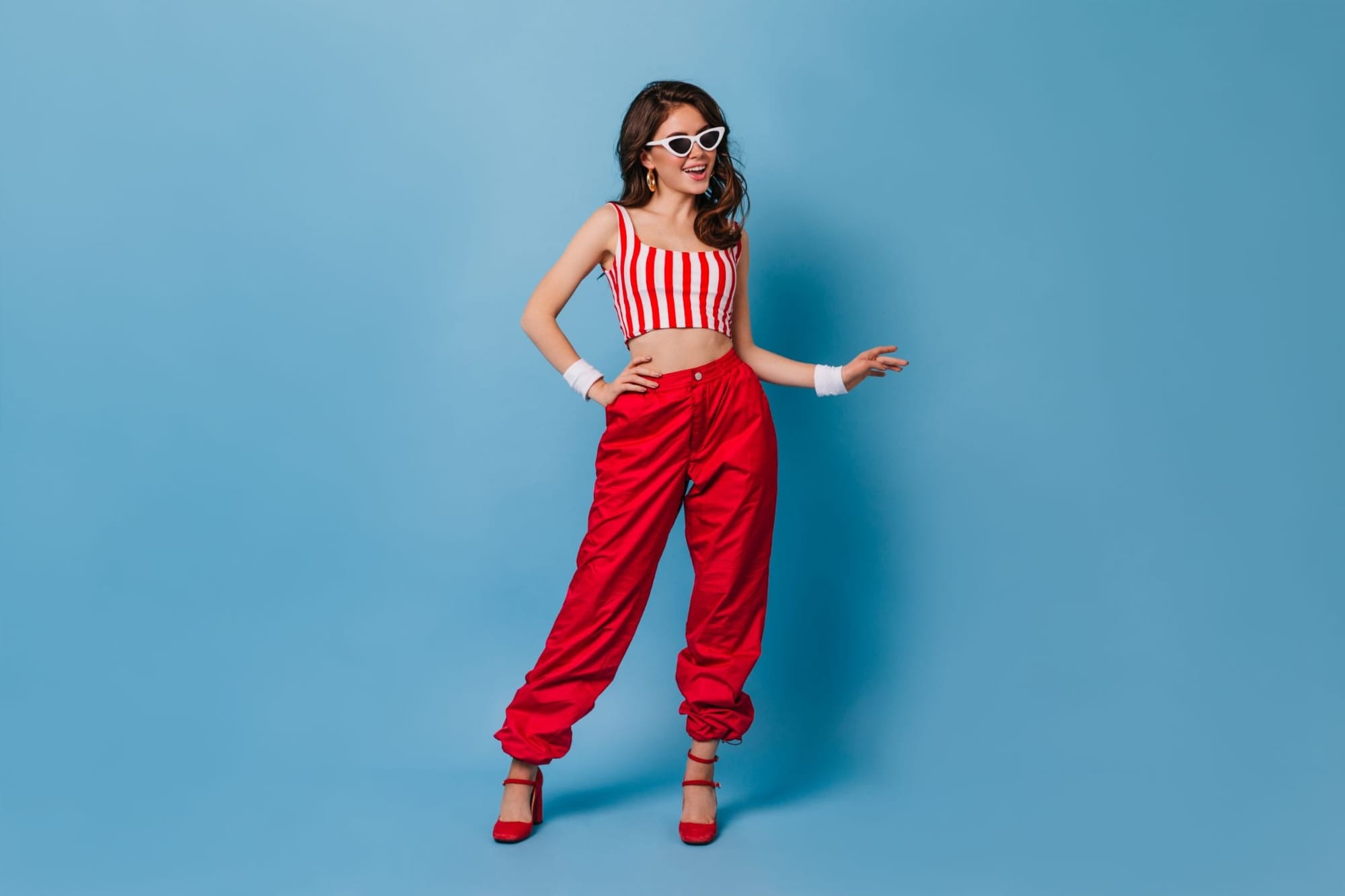
Practice expressions with a particular type of image in mind. An approachable commercial portrait and a more serious editorial photograph ask for different energy. Work through those differences deliberately instead of relying on the same smile or intense look for every frame.
Photograph close-up variations so you can compare what your eyes and mouth communicate together. Relax your face between attempts, then change one element. Notice whether the expression feels natural in the finished photograph, rather than judging it only by how dramatic it felt while posing.
Hold on to a small selection that shows genuine range. Several near-identical expressions add little to your practice record or portfolio. Choose the frames where the mood reads clearly and your face still looks like you, without heavy editing that changes your features.
Make Styling and Light Support the Model
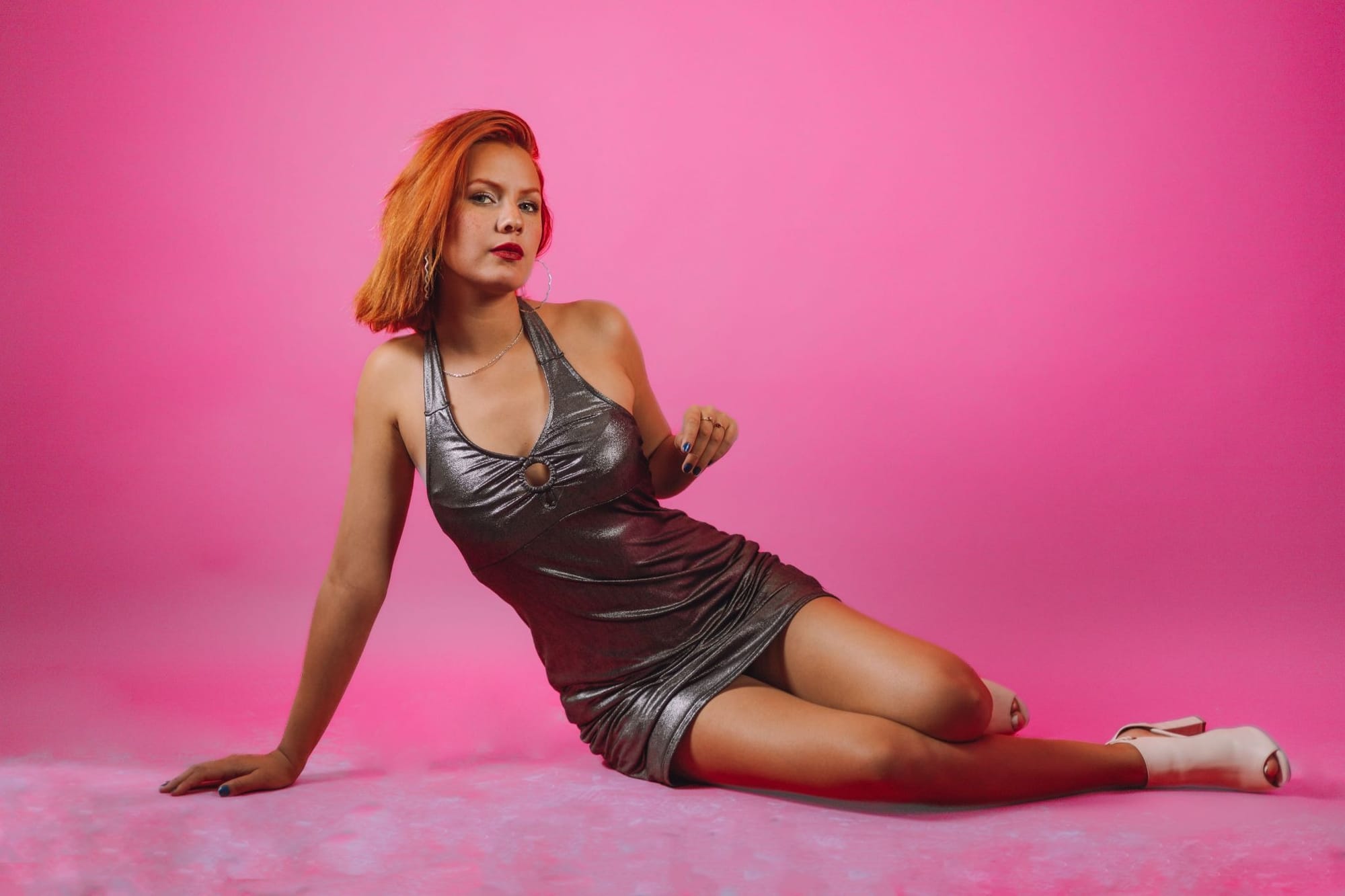
Choose simple outfits that let you study your proportions and movement. Solid colors and clean shapes hold attention on your face and the way you wear the clothing. Once those basics feel comfortable, introduce a jacket, texture or different silhouette to explore a specific concept.
Use a background that supports the image. A quiet wall or an uncluttered setting gives you fewer distractions to manage. Soft natural light can be a practical starting point, and facing the light or turning slightly sideways lets you compare how it changes the shape of your face.
Plan a coherent look before taking photographs. Match the clothing, location and intended mood so the session has a direction. You do not need a different outfit in every frame; a few thoughtful choices give you more room to concentrate on expression and body language.
Use Feedback to Guide Your Next Session
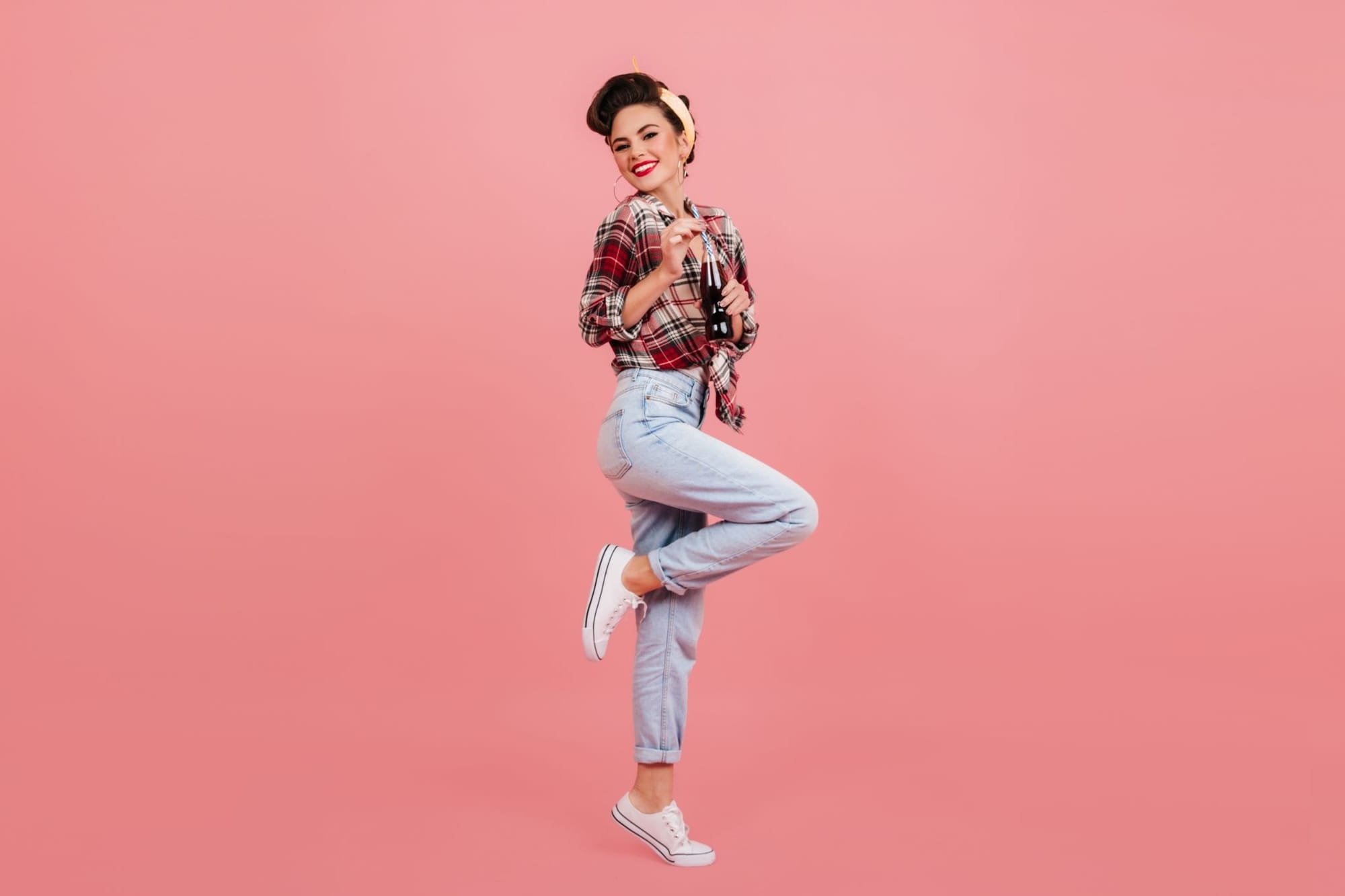
Ask an experienced photographer or another relevant creative to review a small selection of your work. A focused set makes it easier to discuss posing, expression and image choice. Look for feedback that identifies something you can change, rather than a general verdict about your potential.
Write down the observations worth acting on and pick a manageable practice goal. If your portraits repeat the same angle, work on turning toward and away from the camera. If the expression feels disconnected from the clothing, repeat that concept with a clearer mood in mind.
Return to the pictures after practicing. Compare the specific feature you meant to improve and decide whether the change reads in the image. Feedback earns its weight once you test it, and advice that does not fit the work you are aiming for is worth thinking about rather than simply accepting.
Build a Portfolio That Shows Your Current Range
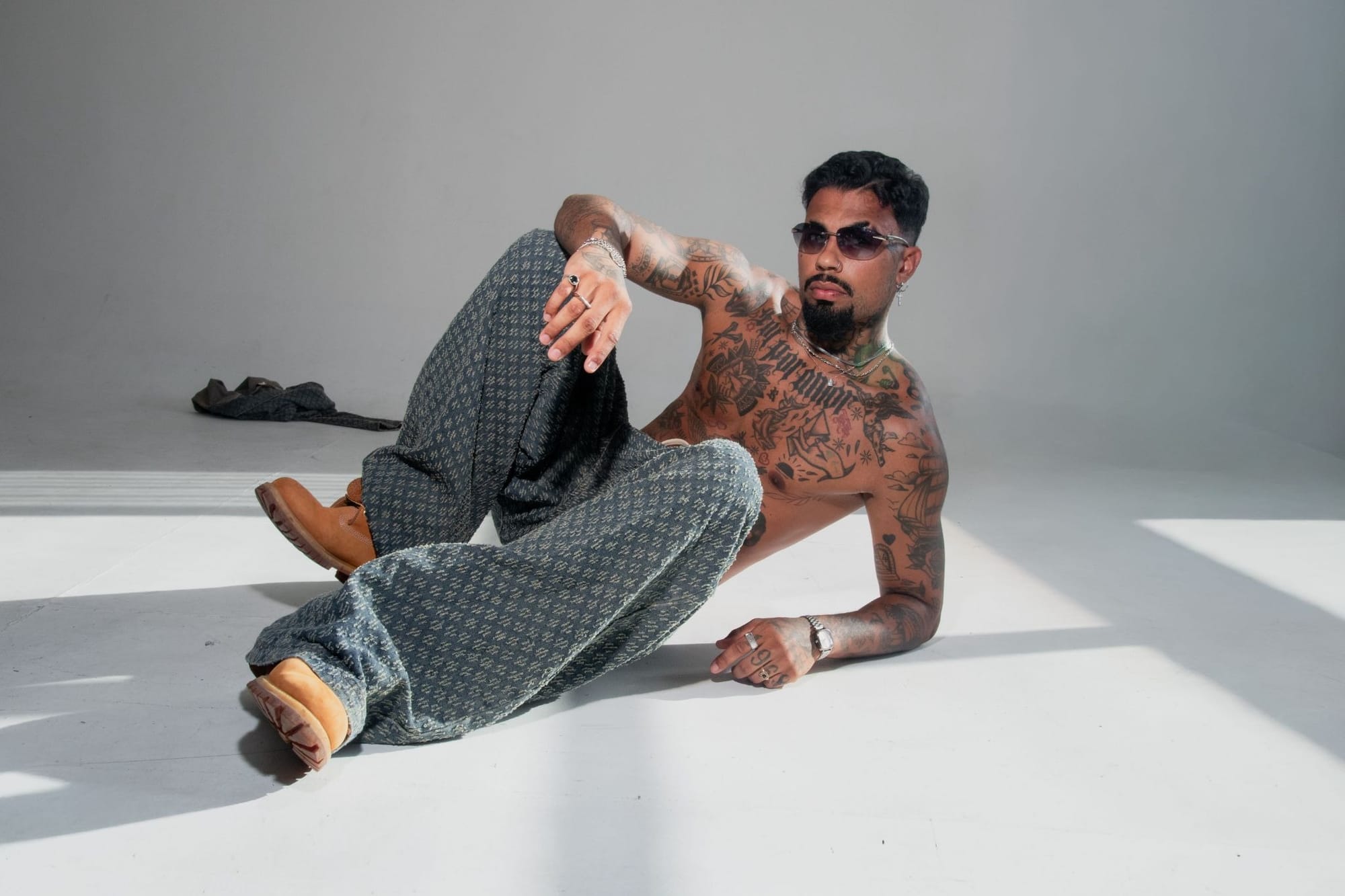
Select your strongest current photographs and remove repeated poses that add little new information. Include a working mix of close-up, mid-length and full-body views. Each image should help someone understand your appearance or show a different aspect of your modeling ability.
Match the selection to the work you want to pursue. Commercial, fashion and editorial images can demonstrate different skills, but an unfocused collection makes those strengths harder to see. Keep variety purposeful and avoid including a weaker photograph simply because its outfit or location is different.
Review the collection whenever you have genuinely stronger work. Hold retouching back so your features remain recognizable, and replace outdated images when your appearance changes. The aim is a clear presentation of what you can bring to a shoot now, rather than a record of every session you have completed.
Experiences at Maps Studio
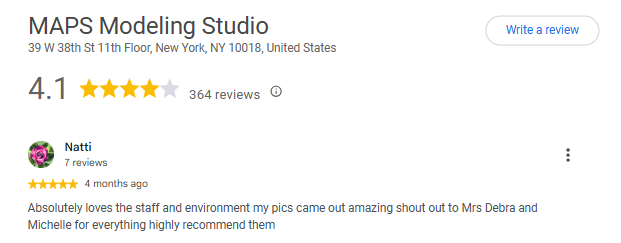
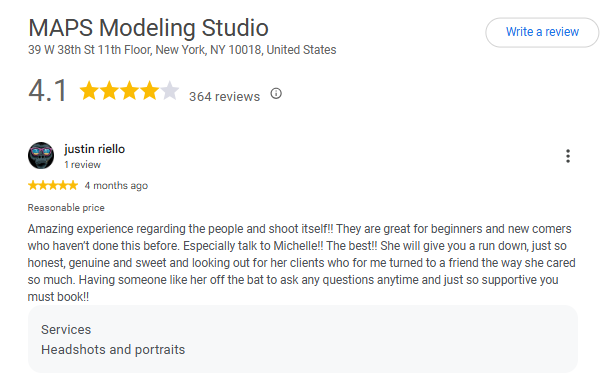
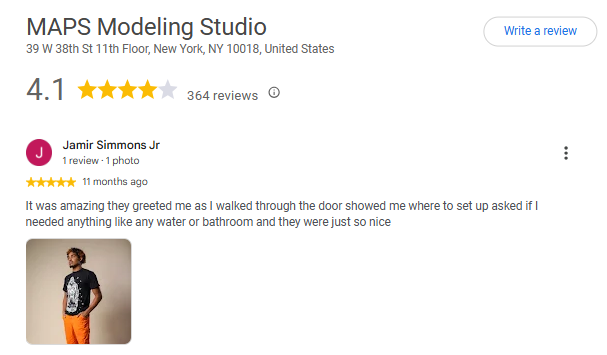
At Maps Studio, we know that feeling comfortable during a shoot matters when you are trying a new pose or expression. The customer reviews below share individual experiences of working with our team and spending time in front of the camera. Read them as personal accounts of the studio experience, rather than promises about modeling jobs or career results.
Frequently Asked Questions
Can I Practice Modeling Skills at Home? Yes. Use a mirror, phone photographs or short videos to review poses and expressions. Give each session a specific aim so you can compare the results.
How Many Images Should I Keep in My Portfolio? Choose a selective set that shows your strongest current work. The variety and purpose of the photographs matter more than reaching a fixed total.
Should Every Portfolio Photo Use a Different Style? No. Show enough range for your intended work while keeping the overall presentation coherent. Remove images that repeat the same pose or expression without adding anything.
Final Takeaway
Improving your modeling skills starts with noticing what happens in the photograph. Practice a few deliberate movements, give expressions a clear mood and use simple styling to keep attention on your work. Then review the results with someone who can offer specific feedback. Your next session should have a purpose you can explain and assess afterward. Preparing a shoot properly makes that process easier to repeat, while a selective portfolio shows the progress you have actually made. Keep the images that communicate clearly, replace weaker repetitions and let your own features remain visible throughout the collection.
Visit Mapsstudio for more information about photography.
Note: We enjoy sharing creative inspiration, photography tips, and industry insights to help you capture life's best moments. The services, styles, and equipment mentioned in our articles are for informational purposes only and may not reflect our current offerings. For the latest on our photography services and portfolio, visit Maps studio.

Member discussion