
7 Must-Know Modeling Tips for Beginners
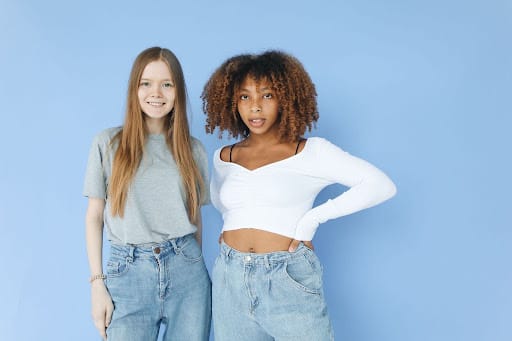
Your first modeling shoot can feel awkward even when you have rehearsed every pose. You suddenly have to think about your hands, your expression and someone else's directions at the same time. A few reliable habits make that pressure easier to manage. What follows covers the preparation you can do before a shoot and the small adjustments that help once the camera starts working. You can develop each skill gradually, without pretending to have experience you have not earned.
Choose a Modeling Direction Before You Apply
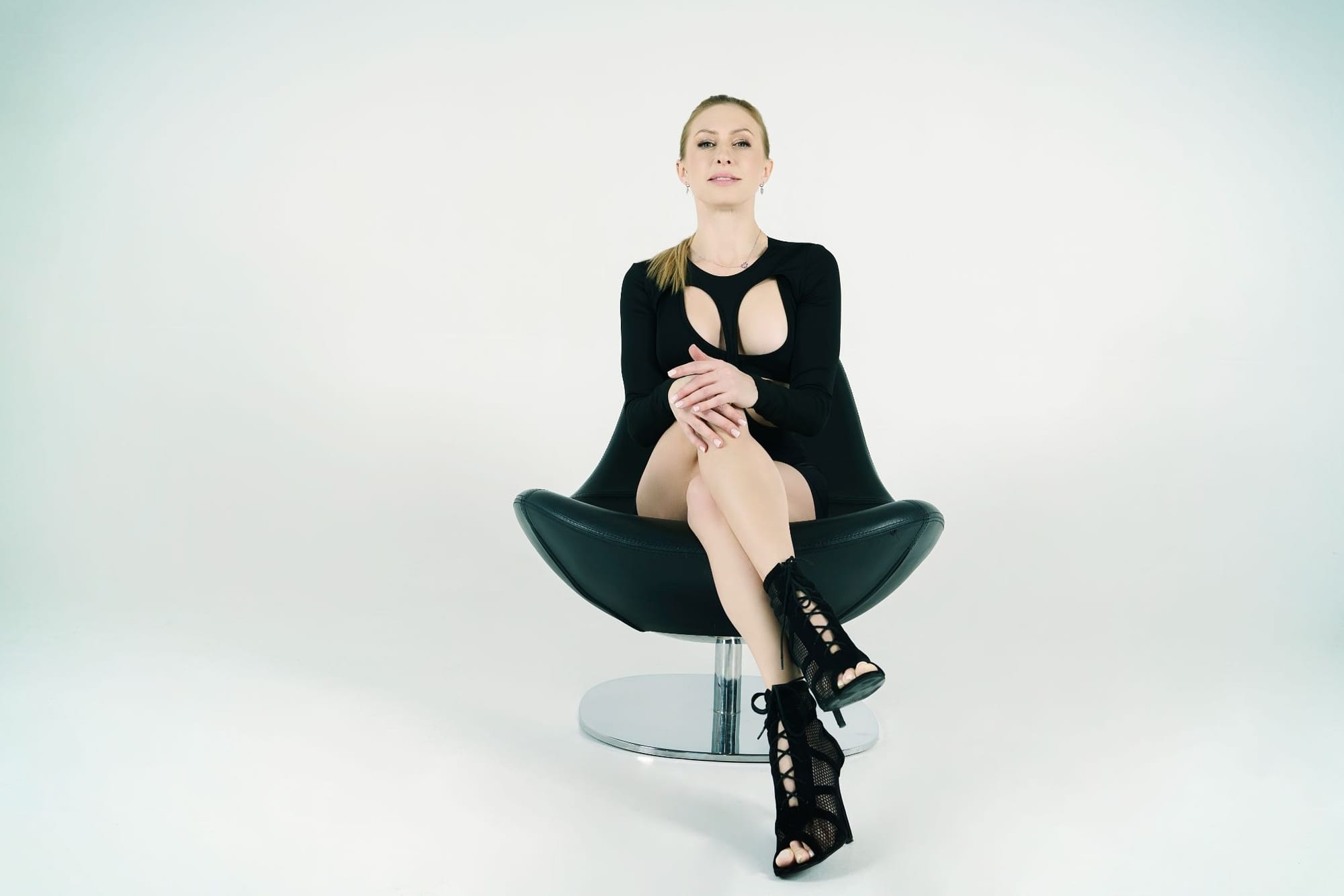
Start by looking at the work you actually want to do. Commercial photographs often call for approachable expressions and everyday movement. Editorial work can use more dramatic shapes, while runway work places greater emphasis on walking, timing and presenting clothing.
Compare those demands with your current strengths. If you enjoy natural expressions, a lifestyle shoot may feel more familiar than an angular fashion story. Treat that preference as a starting point; you can explore other categories as your confidence develops.
Read the brief before choosing photos or preparing poses. A submission works better when the casting team can see its relevance immediately. Sending the same selection everywhere makes it harder to show that you understand the particular opportunity.
Make Your Digitals Clear and Current
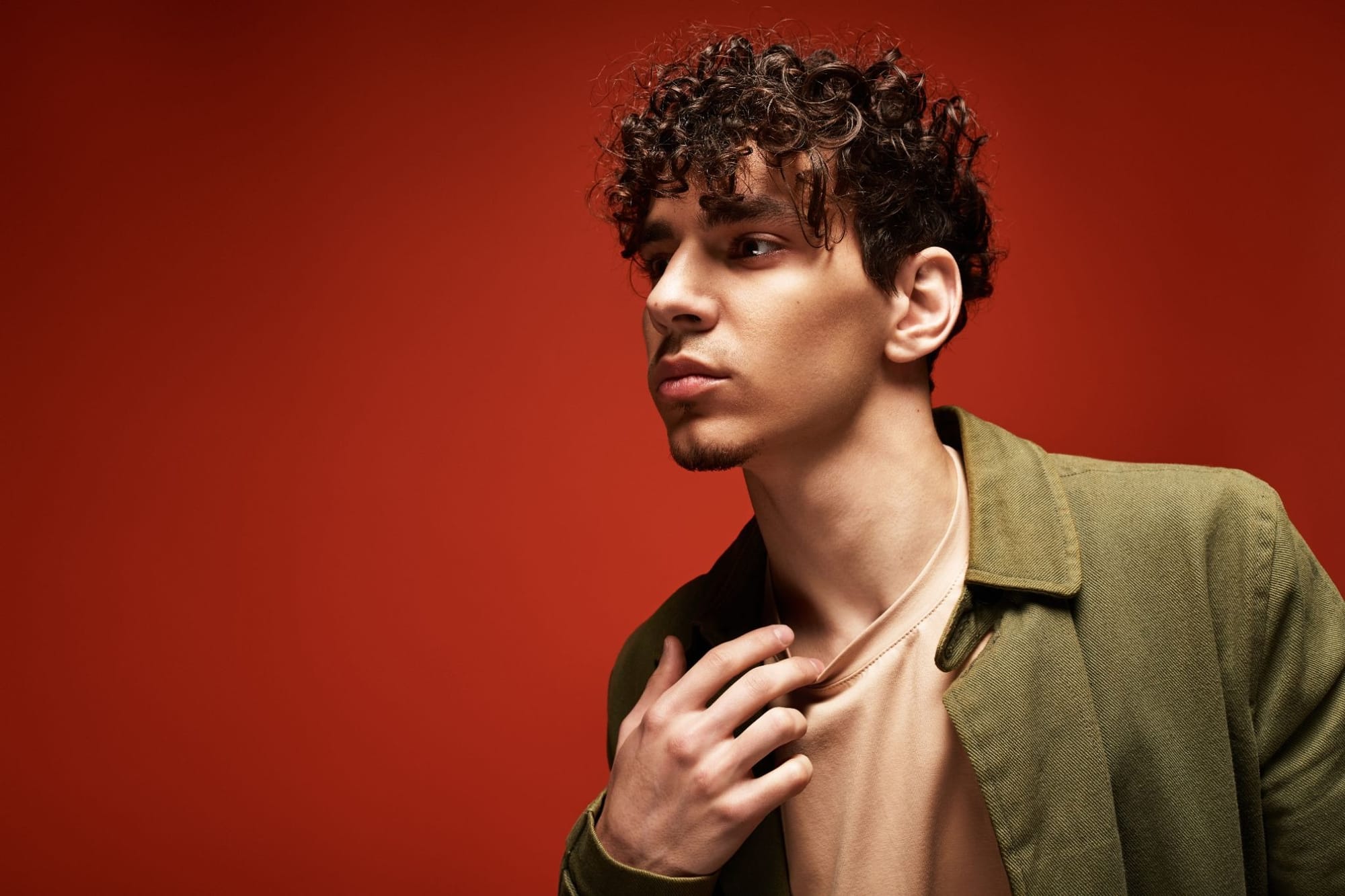
Digitals should give someone an honest view of how you look now. Prepare a clear headshot, a full-length image and a side profile. Simple clothing and an uncluttered background hold attention on your face, posture and proportions.
Use even natural light and leave heavy filters out of the photographs. A polished editorial portrait and a clean digital serve different purposes. Strong styling may suit a creative portfolio image, but it can obscure the details a casting team needs from a digital.
Check your measurements and contact details before submitting. Update photographs when your appearance changes noticeably. Accurate information makes a submission easier to assess and avoids a mismatch between the pictures someone receives and the person who arrives.
Build Poses From Posture and Balance
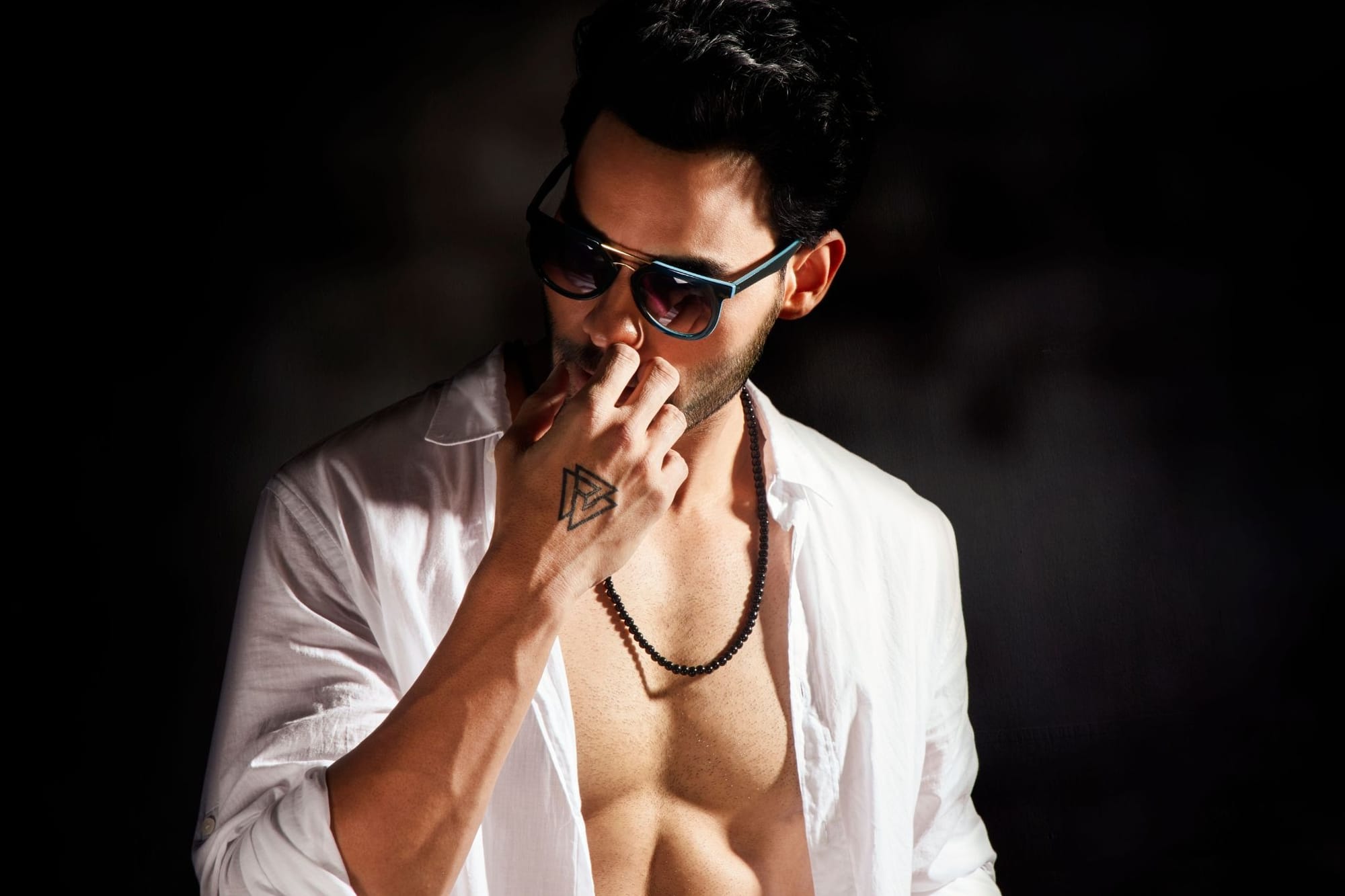
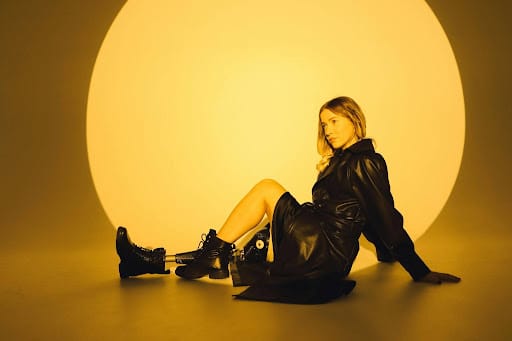
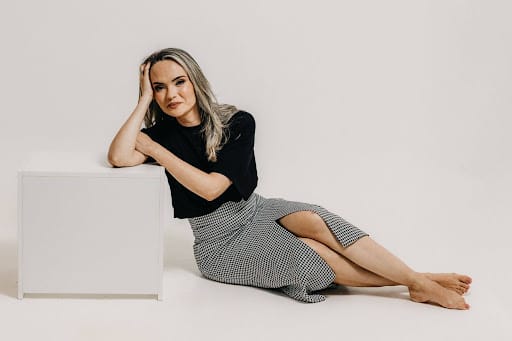
Begin with a comfortable upright posture instead of forcing a complicated shape. Relax your shoulders and notice where your weight falls. A small weight shift can change the line of your body without making the pose feel strained.
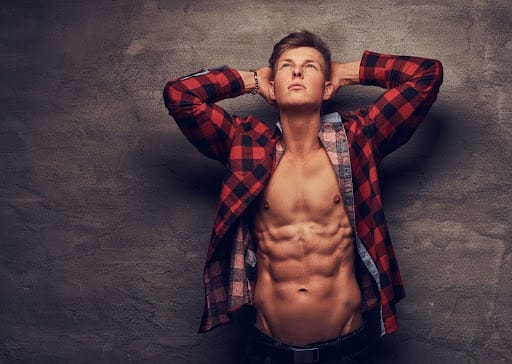
Try asymmetry deliberately. Bend one arm while leaving the other longer, or soften one knee while the other leg supports you. These adjustments create different lines and help you move beyond the stiff, evenly balanced stance beginners often repeat.
Watch your hands as carefully as your face. Tight fingers or a hard grip at the waist can distract from an otherwise relaxed image. Practise gentle placement and check the result in photographs, because a pose can feel different from how it appears.
Let Small Movements Create Variety
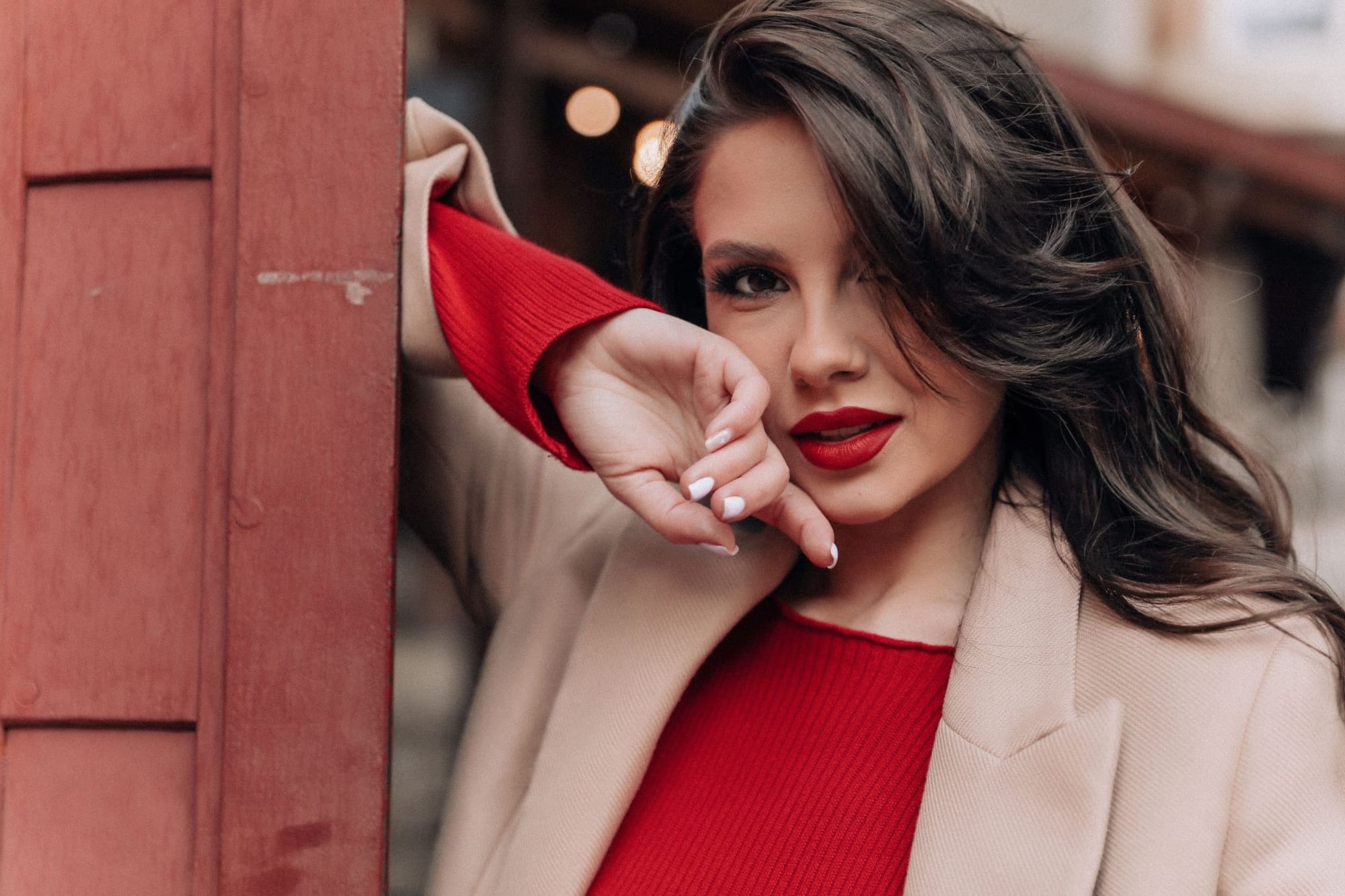
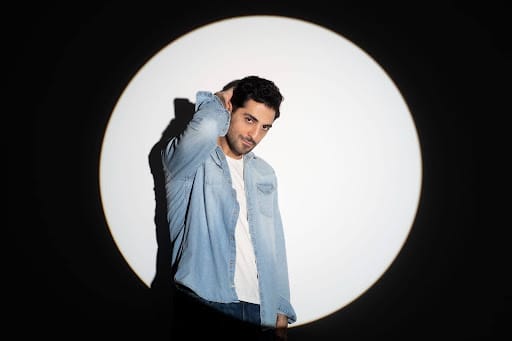
You do not need a completely new pose for every frame. Turn your shoulders a little, change your chin angle or move your gaze away from the lens. Small changes give the photographer choices while keeping the session manageable.
Match your pace to the photographer's direction. Flowing between positions can help you look less frozen, but constant hurried movement makes it difficult to hold a workable frame. Listen for requests to pause, repeat an angle or make a quieter adjustment.
Practise transitions as well as final positions. Move from standing to a slight lean, then return to a balanced stance. Familiar movement gives you something to fall back on when nerves make it difficult to remember a prepared pose.
Match Your Expression to the Photograph
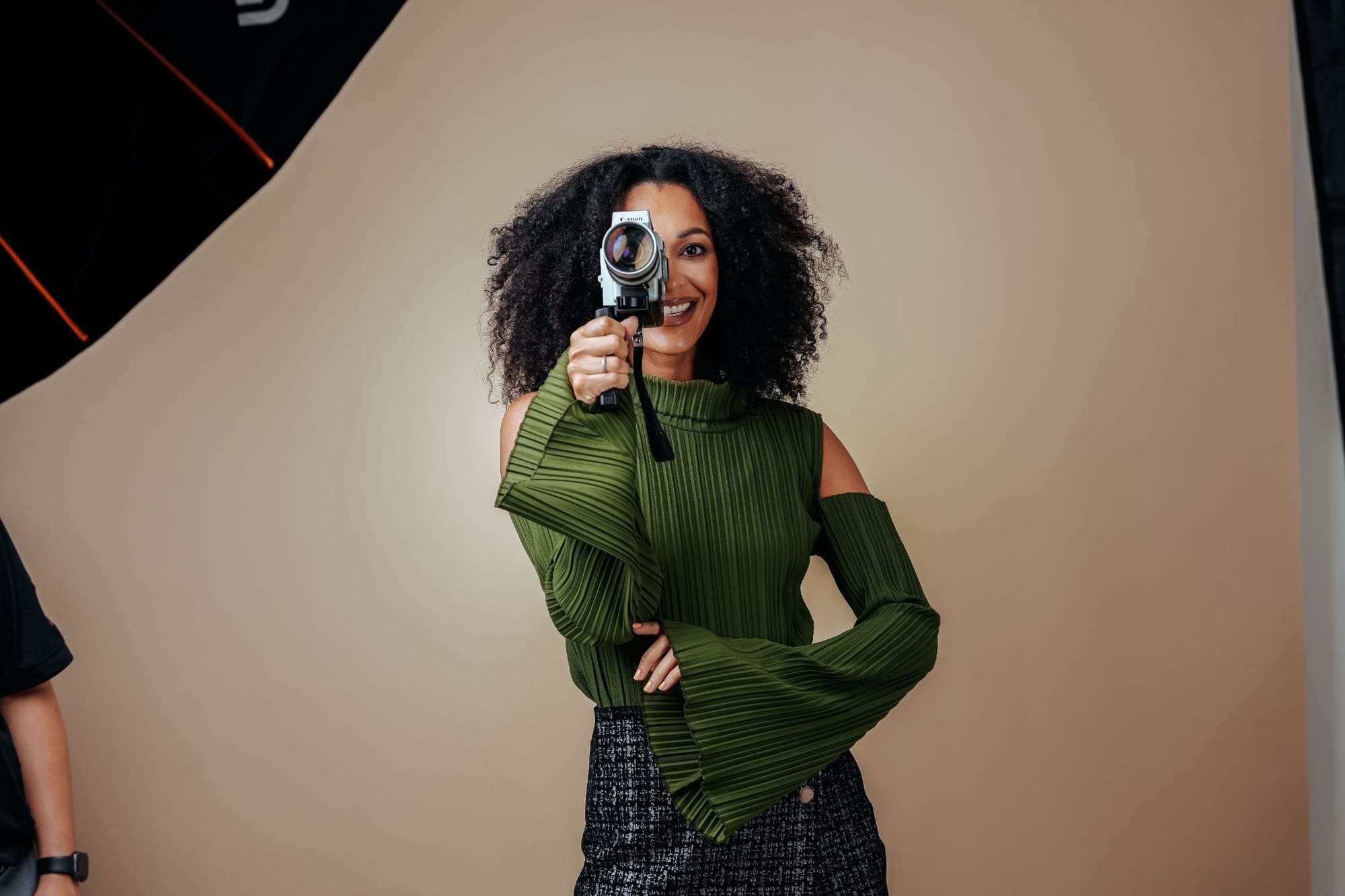
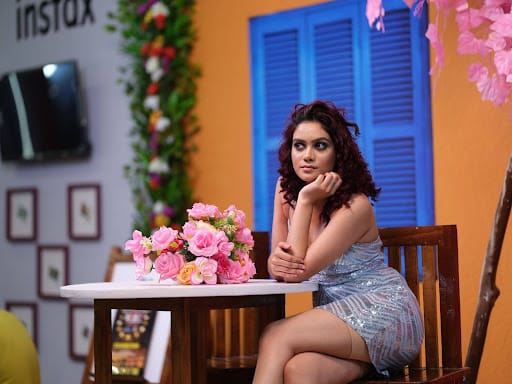
A single expression cannot carry every kind of modeling image. An approachable commercial photograph may need an easy smile, while a fashion image may call for a calmer expression. Let the brief guide the mood instead of repeating your favourite look.
Practise in a mirror, then check photographs to see what translates. Relax your mouth and experiment with subtle changes in your eyes and head angle. Avoid forcing an exaggerated expression simply because it feels more noticeable while you practise.
Stay responsive when the photographer changes direction. If an expression looks tense, soften it and try again. Learning to make a small adjustment on request does more for you than arriving with a fixed idea of exactly how every picture should look.
Choose Portfolio Images That Add Something Different
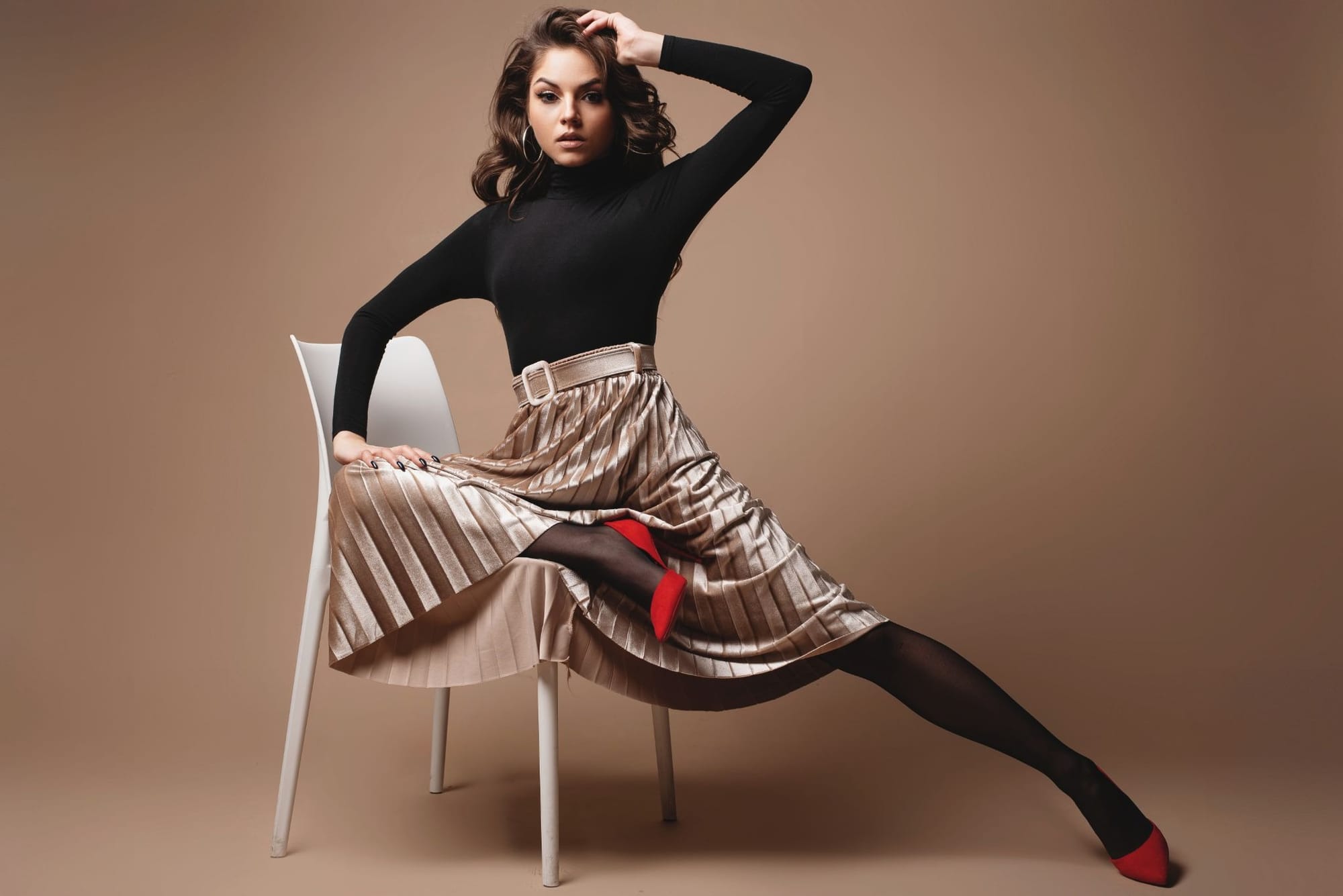
A beginner portfolio needs a clear selection rather than a long sequence of similar pictures. Keep images that show different qualities worth seeing: a readable face, full-length posture, movement or an expression that suits the work you want.
Look at the photographs together. Several strong frames from one outfit may still repeat the same information. Remove weaker duplicates so the remaining images make a focused introduction, and keep the collection consistent with your current appearance.
Add stronger work as you gain experience. A portfolio can develop through test shoots and creative collaborations, provided you check who you are working with. You do not need to make the first version look like a finished career retrospective.
Treat Castings and Shoots Professionally
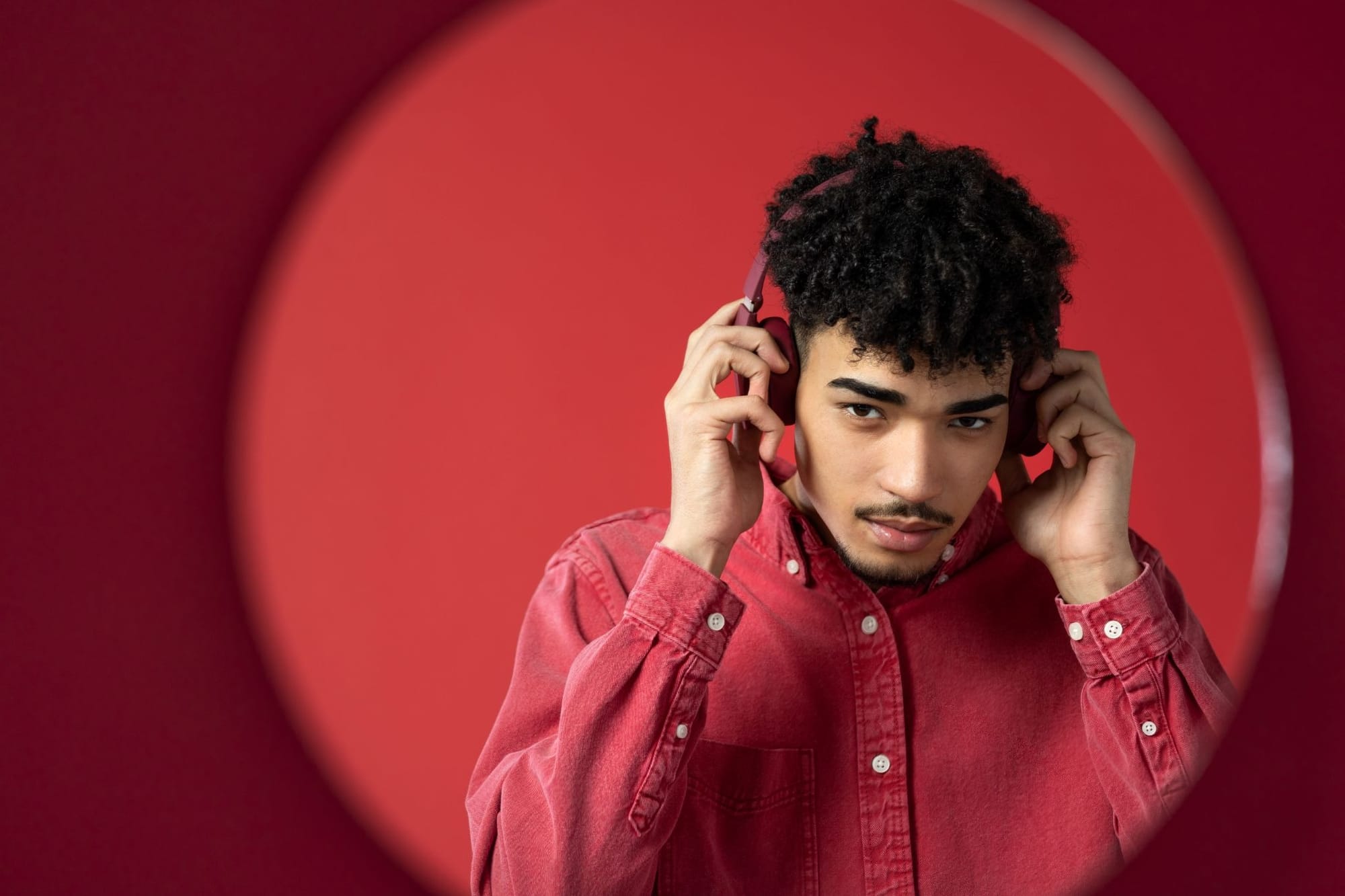
Research the organizer and use official submission channels. Check whether the requirements, location and process are clear before sharing information or attending. Promises of guaranteed success deserve scrutiny, particularly when you are still learning how the industry operates.
Follow the requested photo format and provide accurate availability. Read preparation instructions instead of assuming every casting wants the same outfit or materials. Clear communication helps a team assess your suitability and plan the next step.
Carry on improving when an application does not lead to work. A casting decision can reflect a project's specific needs. Review what you can control, such as current digitals, preparation and responsiveness, and take that into the next submission.
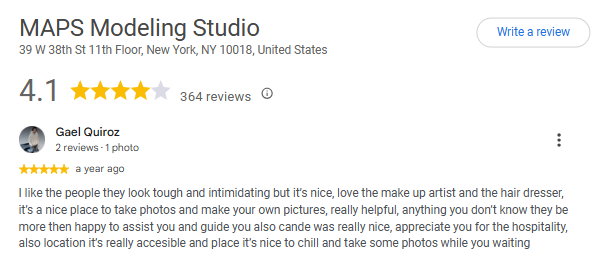
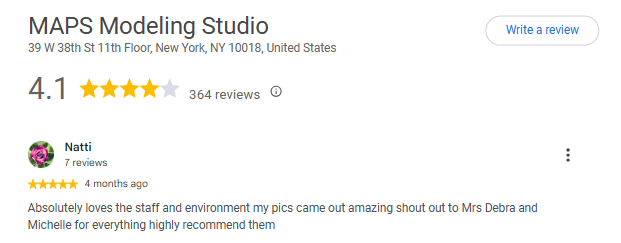
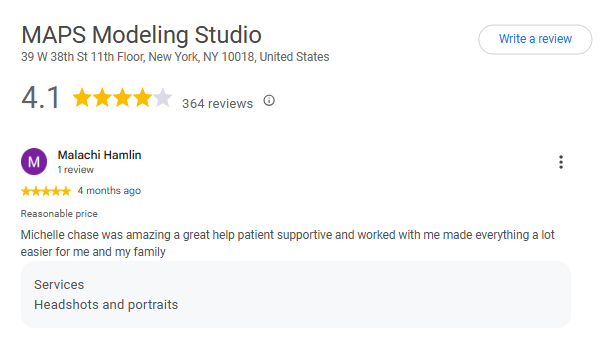
What Clients Say About Their Map Studio Experience
Preparing for a shoot also means choosing a team whose working approach feels right for you. These customer review screenshots share individual experiences with Map Studio. Read them as personal accounts of the studio experience, without treating them as promises of representation or modeling work.
Frequently Asked Questions
Do Beginners Need a Large Portfolio? No. A focused selection of clear, current images can introduce your look more effectively than many repetitive photographs. Build the collection as you gain experience.
Should I Use the Same Poses for Every Shoot? Use familiar poses as a starting point, then adapt them to the brief and the photographer's direction. Commercial and editorial work can ask for different moods and movement.
Can I Start With Simple Digitals? Yes. Natural light, simple clothing and clear headshot, profile and full-length views can help you prepare an honest initial submission. Follow each casting's requirements.
How Can I Feel Less Stiff on Camera? Practise relaxed hands, balanced posture and small transitions between poses. Familiarity helps, and listening to direction gives you something specific to work on during the shoot.
Final Takeaway
What helps most are habits you can repeat: prepare honest photographs, practise controlled movement and pay attention to the brief. Choose one skill to work on before your next shoot instead of trying to perfect everything at once. You might update your digitals, loosen your hands or practise changing expressions without losing your posture. Review the resulting photographs and use what you learn. A clear portfolio and professional communication make your preparation visible, while regular practice helps you respond more comfortably when a photographer asks for something different.
Visit Mapsstudio for more information about photography.
Note: We enjoy sharing creative inspiration, photography tips, and industry insights to help you capture life's best moments. The services, styles, and equipment mentioned in our articles are for informational purposes only and may not reflect our current offerings. For the latest on our photography services and portfolio, visit Maps studio.
Member discussion