
Start Your Modeling Journey: How to Get Started
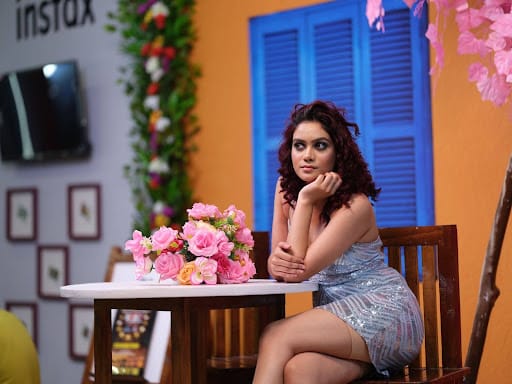
Your first step into modeling can feel less obvious than the finished photographs suggest. Before you contact an agency or plan a shoot, decide what you want your pictures to show. A clear direction, honest snapshots and thoughtful wardrobe selection give you something concrete to work with. You do not need to master every pose at once. Start with a small set of purposeful choices, then build your experience in front of the camera.
Choose the Type of Modeling You Want to Explore
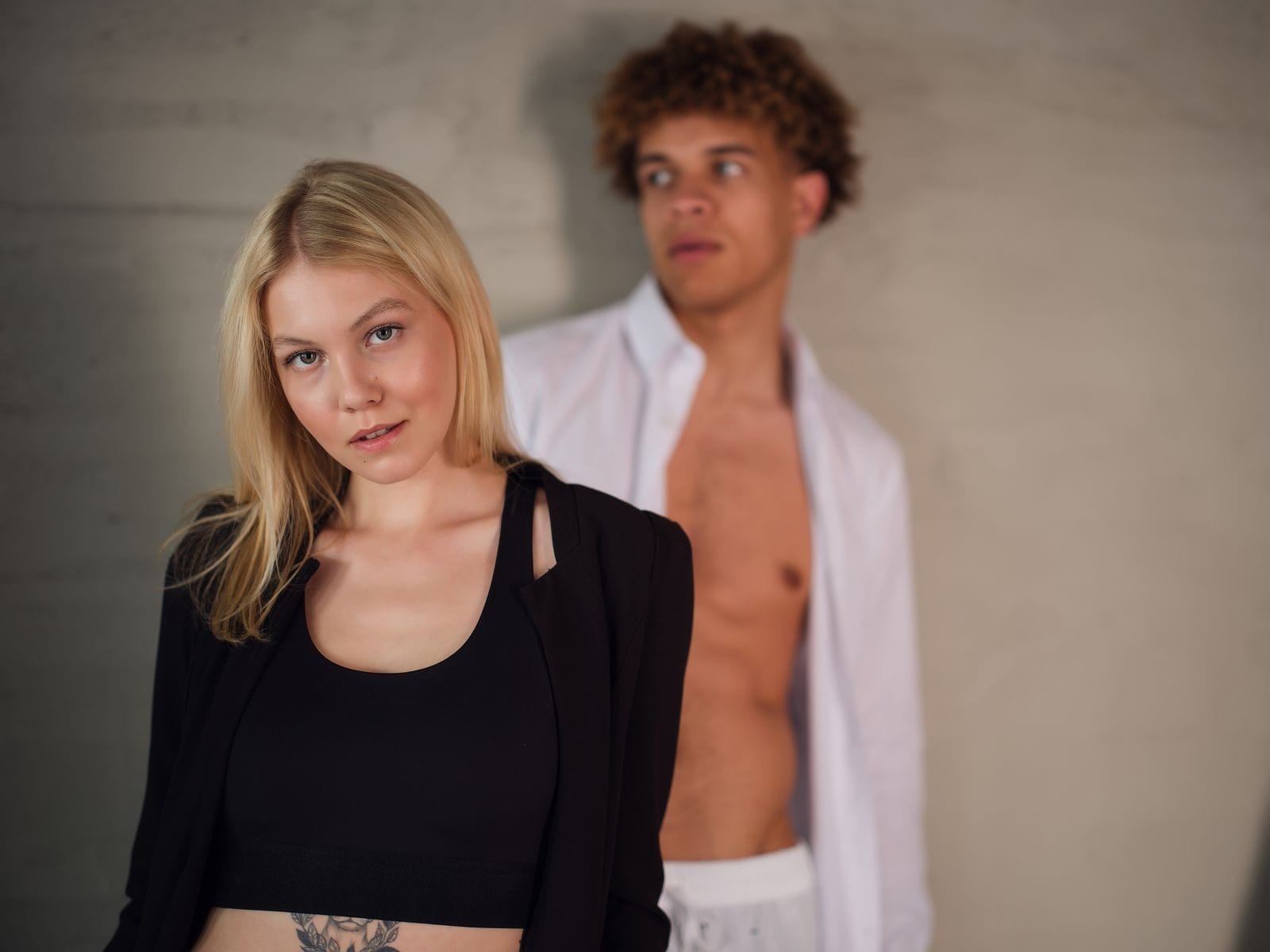
Modeling includes more than runway work. Commercial models appear in advertising, fitness models work with sports and wellness imagery, and parts models focus on features such as hands or feet. Fit models help clothing teams assess how garments sit on a person. These paths ask for different skills and different kinds of photographs.
Look at the work you genuinely want to try. Do you enjoy expressive portraits, showing movement or presenting clothing? Use that interest to choose an initial direction. A photograph can be attractive without helping someone understand the kind of assignment you want.
Keep your first goal specific enough to guide your preparation. Instead of attempting every modeling style in one shoot, decide which expressions, poses and outfits fit your chosen direction. You can broaden your portfolio as you gain experience.
Start With Clear, Natural Photographs
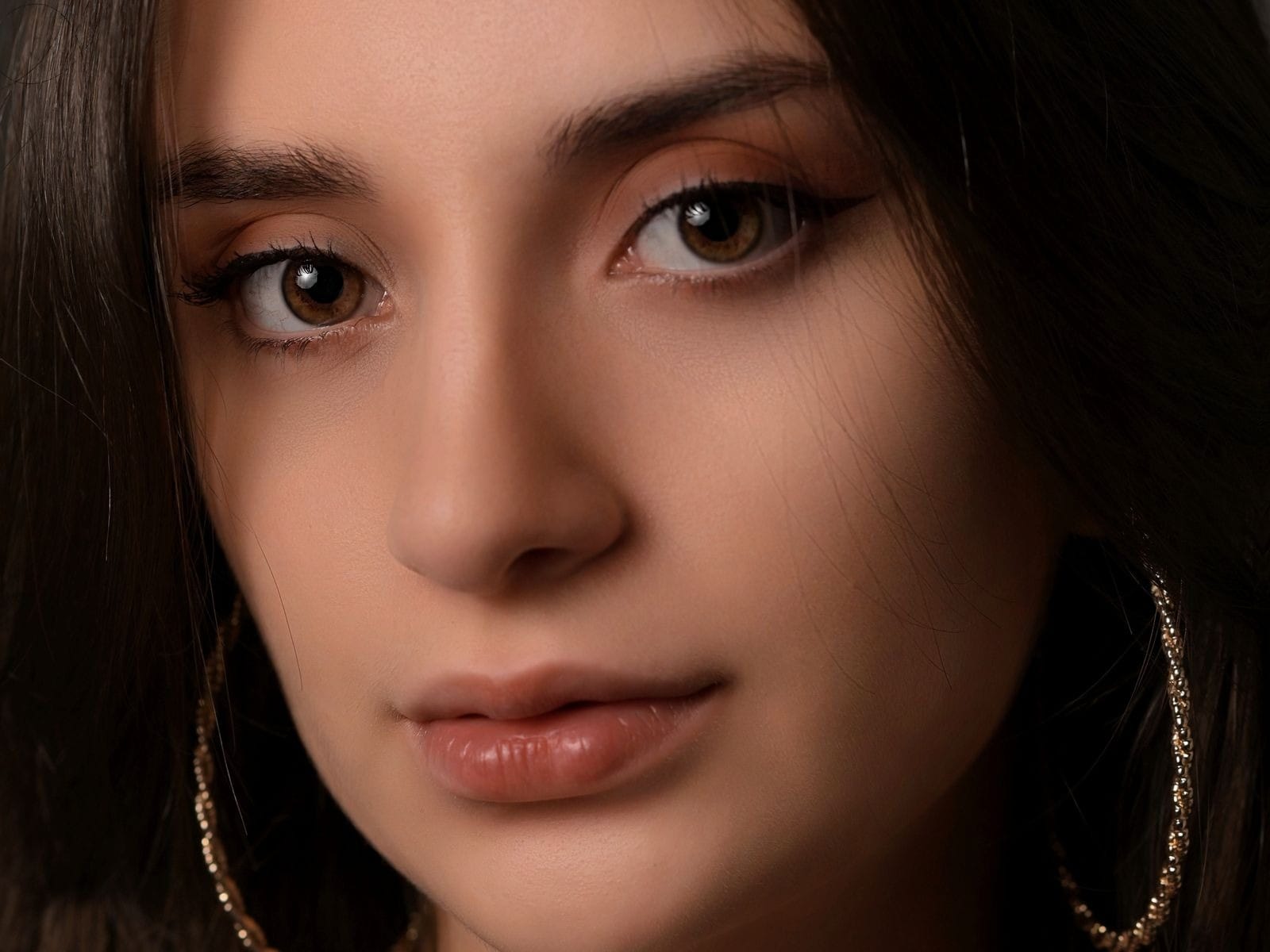
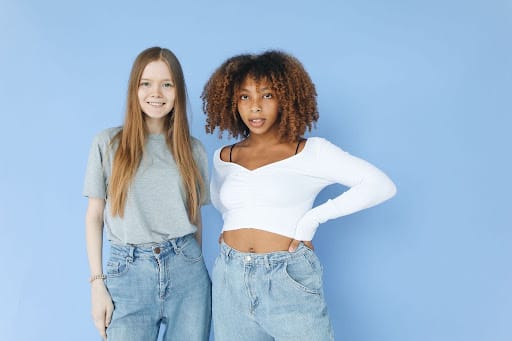
Simple snapshots give an agency a clear view of your appearance. Take color photographs against a plain background with natural hair and minimal styling. Include a straightforward face shot, a smiling expression and a full-body view. Follow the particular agency's submission requirements rather than assuming every agency wants the same selection.
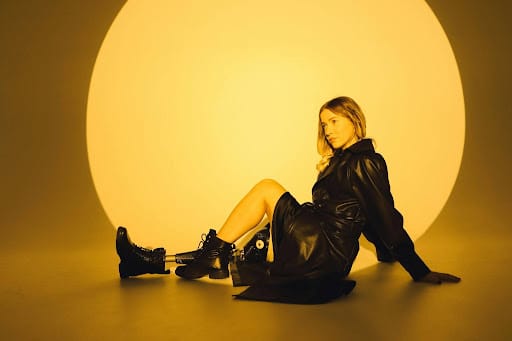
Keep clothing fitted enough to show your outline without distracting from your face. These images serve a different purpose from a styled portfolio shoot. A dramatic outfit, elaborate set or strong visual effect can make an interesting fashion photograph while hiding the details a basic submission needs.
Prepare accurate contact details and the measurements the agency requests. Keep this information with the photographs so you can submit a complete application. A clear presentation helps the reviewer understand who you are without searching through unrelated images.
Plan Clothes That Support Your Look
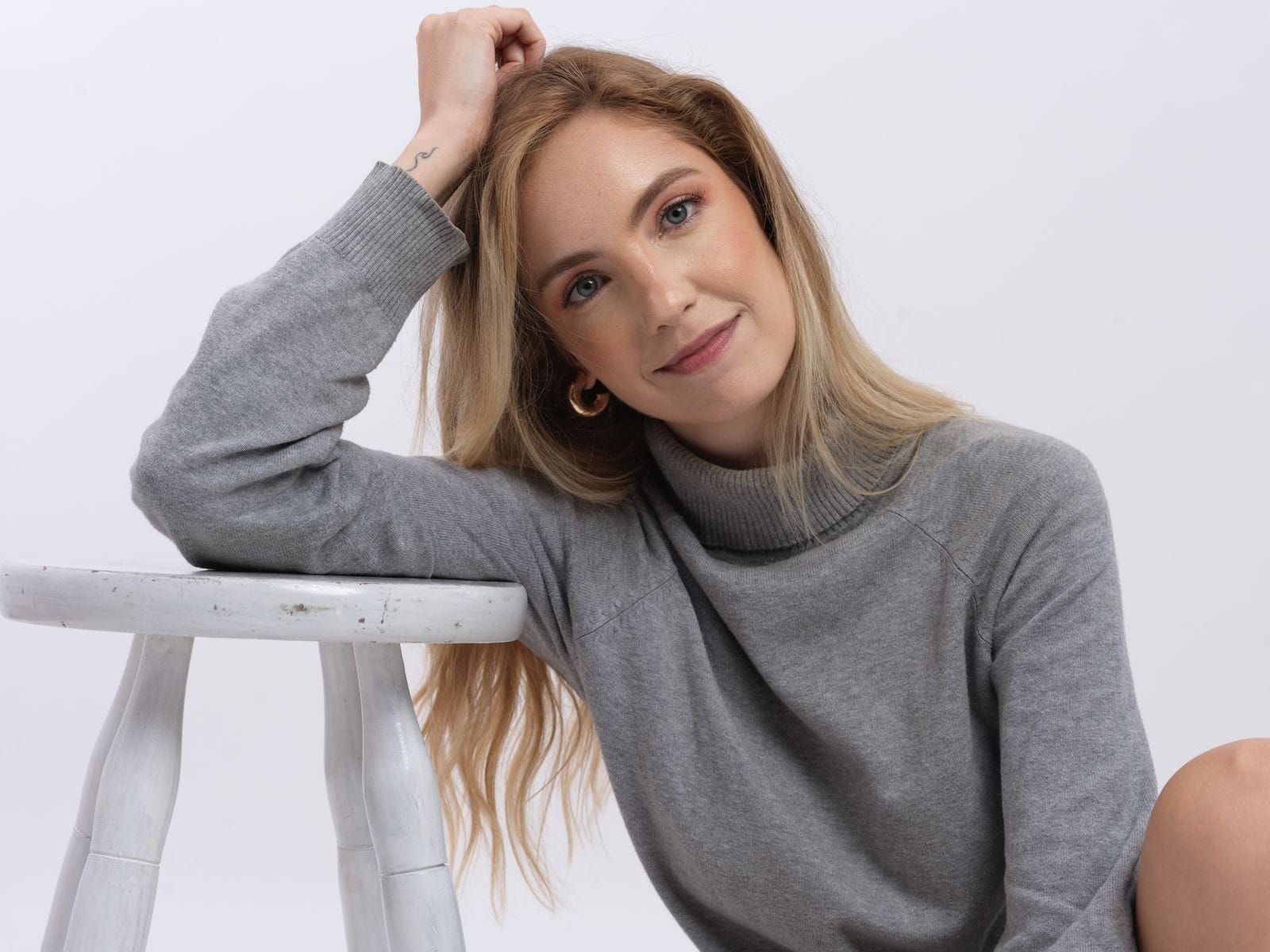
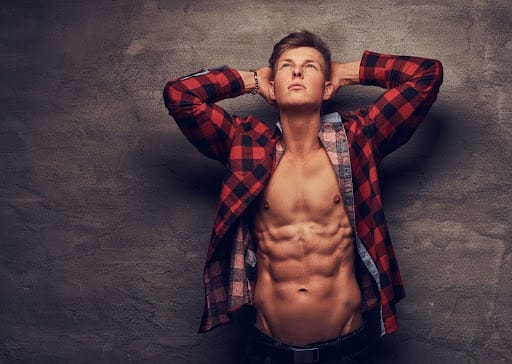
For a portfolio session, begin with the mood of each look. A relaxed outfit and a fitted blazer tell different visual stories. Solid colors and restrained patterns can keep attention on you, while fabrics such as denim or velvet introduce texture without requiring a complicated set.
Bring variety with a reason. A casual look, a more polished outfit and one expressive choice can show different sides of your presentation. Check the shoes and accessories with each outfit beforehand. An accessory should contribute to the photograph, not compete with your expression.
Discuss those choices with the photographer before the session. Clothing, lighting and background need to work together. Choose shoes you can move in comfortably, and practice sitting and standing in the outfits so the first adjustment does not happen after the camera starts.
Practice Poses and Build a Focused Portfolio
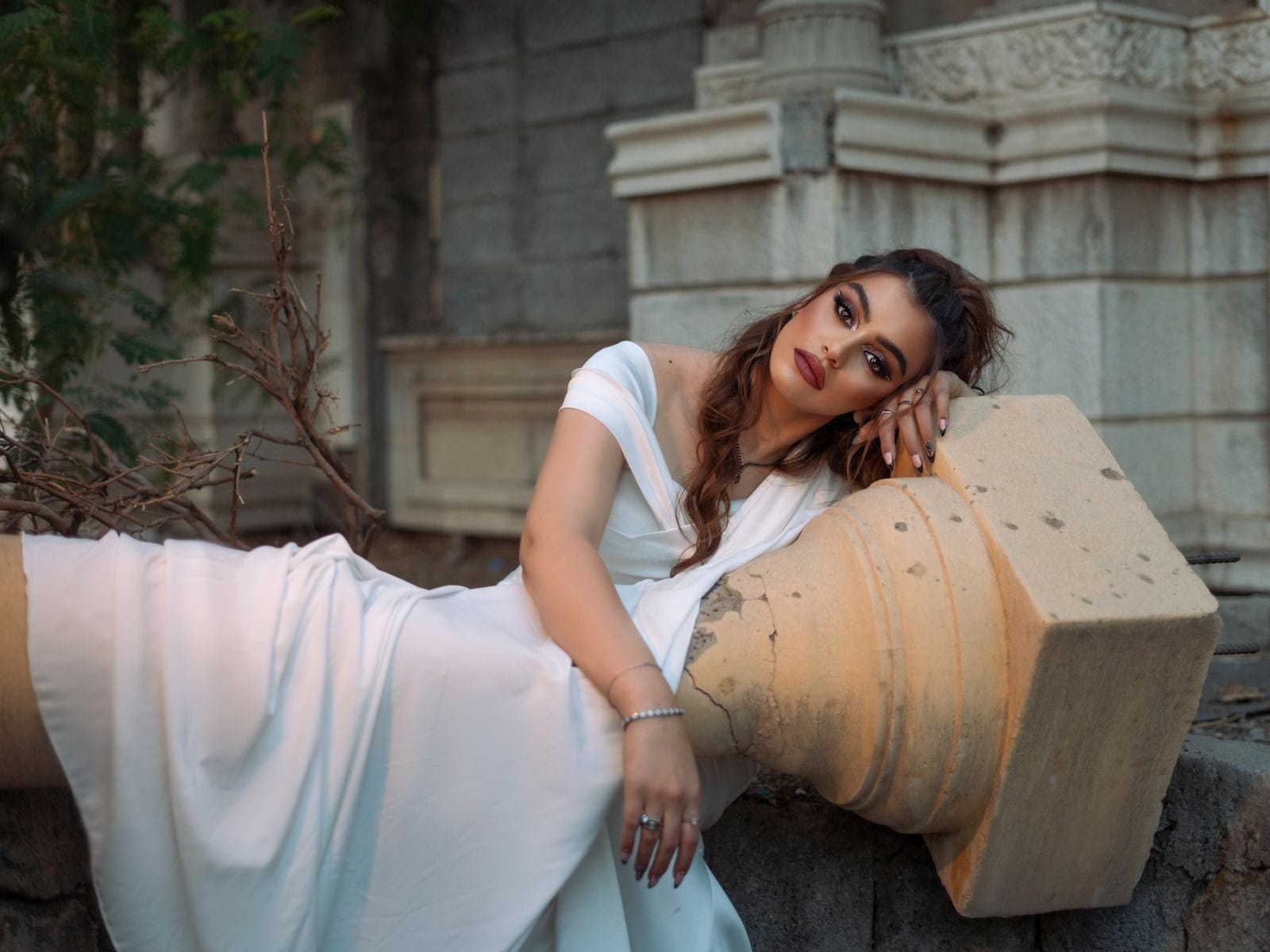
Practice in front of a mirror to understand how your posture and expressions change. Try a relaxed stance, a slight turn and a different hand position instead of rushing through a long list of poses. Notice what happens to your shoulders and face when you stop concentrating on the whole body at once.
Your portfolio should show real variety. Include clear headshots, closer portraits and full-body photographs, then add images that suit the type of modeling you want to pursue. A commercial-style image can demonstrate a different expression from a more stylized fashion portrait.
Choose photographs that contribute something distinct. Several nearly identical shots do less to explain your range than a smaller selection with different angles, expressions and outfits. Keep your contact information easy to find, and update the selection when stronger work gives you a better way to present yourself.
Approach Opportunities With Preparation
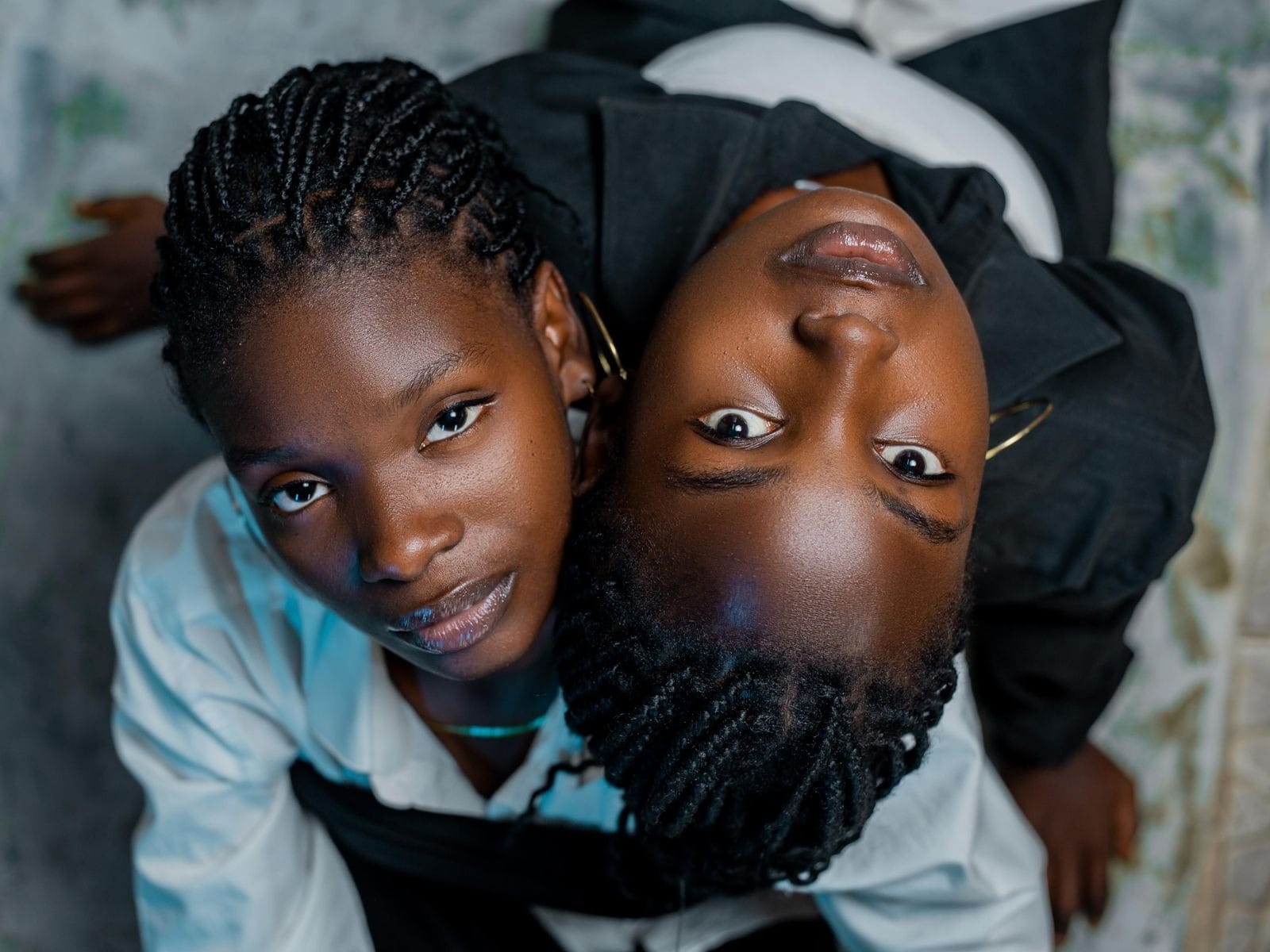
Research agencies that work in your chosen area of modeling and check how they accept submissions. Some hold open calls; others request photographs and information first. Prepare the requested materials before you reach out, and explain your interest clearly instead of sending an unfocused collection of pictures.
Photographers, stylists and makeup artists can also help you gain experience through collaboration. Discuss the idea and the look you want to create so everyone understands the shoot. Communication and the ability to respond to direction matter alongside the photographs you eventually choose.
Treat each opportunity as practice in working professionally. Arrive prepared, listen to feedback and keep your online presentation consistent with your current work. Small improvements in preparation, expression and communication give you concrete things to build on, even when an application does not lead to an immediate opportunity.
What Clients Say About Their Map Studio Experience
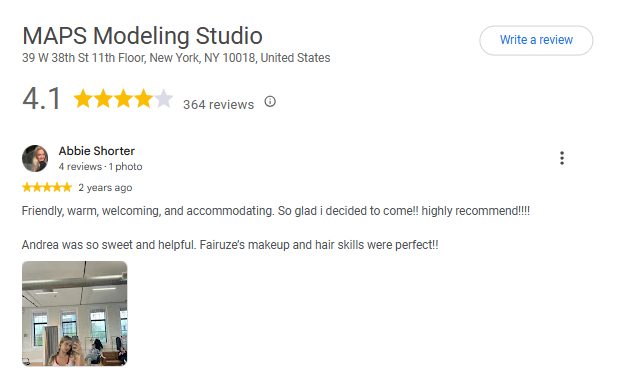
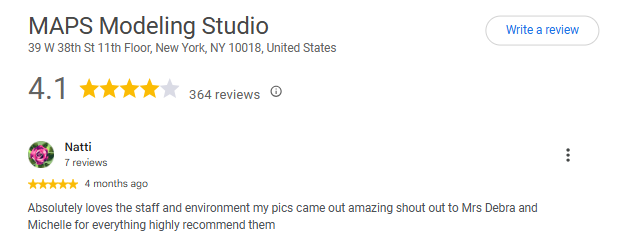
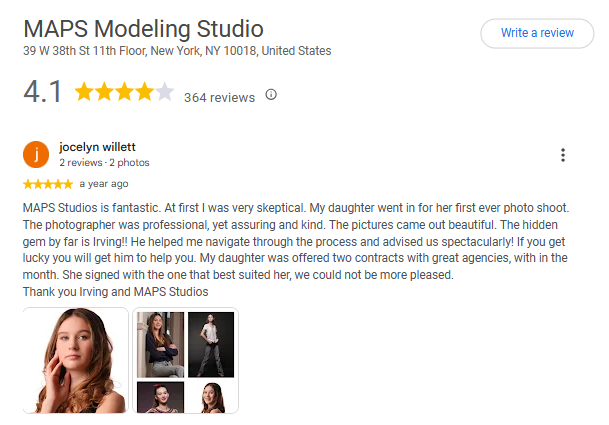
Clients describe their Map Studio visits in the review screenshots below. Abbie Shorter praises the welcoming atmosphere and the hair and makeup support, while Natti highlights the staff and photographs. Jocelyn Willett describes the photographer as reassuring during her daughter's first shoot. These are individual accounts of their experiences, not a promise of the same outcome for every visitor.
Frequently Asked Questions
Can I Start Modeling Without a Professional Portfolio? You can begin by taking the simple photographs an agency requests. A styled portfolio serves a different purpose and can develop as you gain experience and decide which work you want to pursue.
What Should I Bring to a Portfolio Shoot? Bring outfits that suit the planned looks, with shoes and restrained accessories that work with each one. Discuss the choices with your photographer so the clothing fits the background and lighting.
Do I Need to Know Many Poses Before My First Shoot? Start with a few comfortable positions and expressions. Practice helps you recognize your angles, but listening to direction and making small adjustments during the shoot matter just as much.
Final Takeaway
Getting started in modeling means giving yourself a workable first step: choose a direction, prepare clear photographs and practice showing different expressions. Thoughtful wardrobe selection helps a portfolio session feel more purposeful because each outfit has a job to do. From there, approach agencies and collaborators with a clear presentation and realistic expectations. Keep the photographs that show your current abilities, learn from each session and make the next set more intentional than the last.
Visit Mapsstudio for more information about photography.
Note: We enjoy sharing creative inspiration, photography tips, and industry insights to help you capture life's best moments. The services, styles, and equipment mentioned in our articles are for informational purposes only and may not reflect our current offerings. For the latest on our photography services and portfolio, visit Maps studio.
Member discussion