
5 Key Tips for Aspiring Models in Modeling
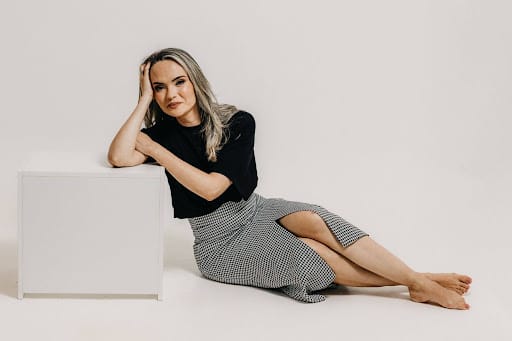
Your first steps in modeling involve more than finding a pose you like. You need photographs that show your current look, practice that makes direction easier to follow and a clear sense of the work you want to pursue. Learning to recognize modeling contract warning signs belongs in that preparation too, because a good opportunity should still make sense when you look past its promises. These five tips cover the work you can do now, including how to shape a portfolio and how to arrive prepared, without treating one shoot or casting as a guarantee of a career.
Choose the Modeling Direction You Want to Explore
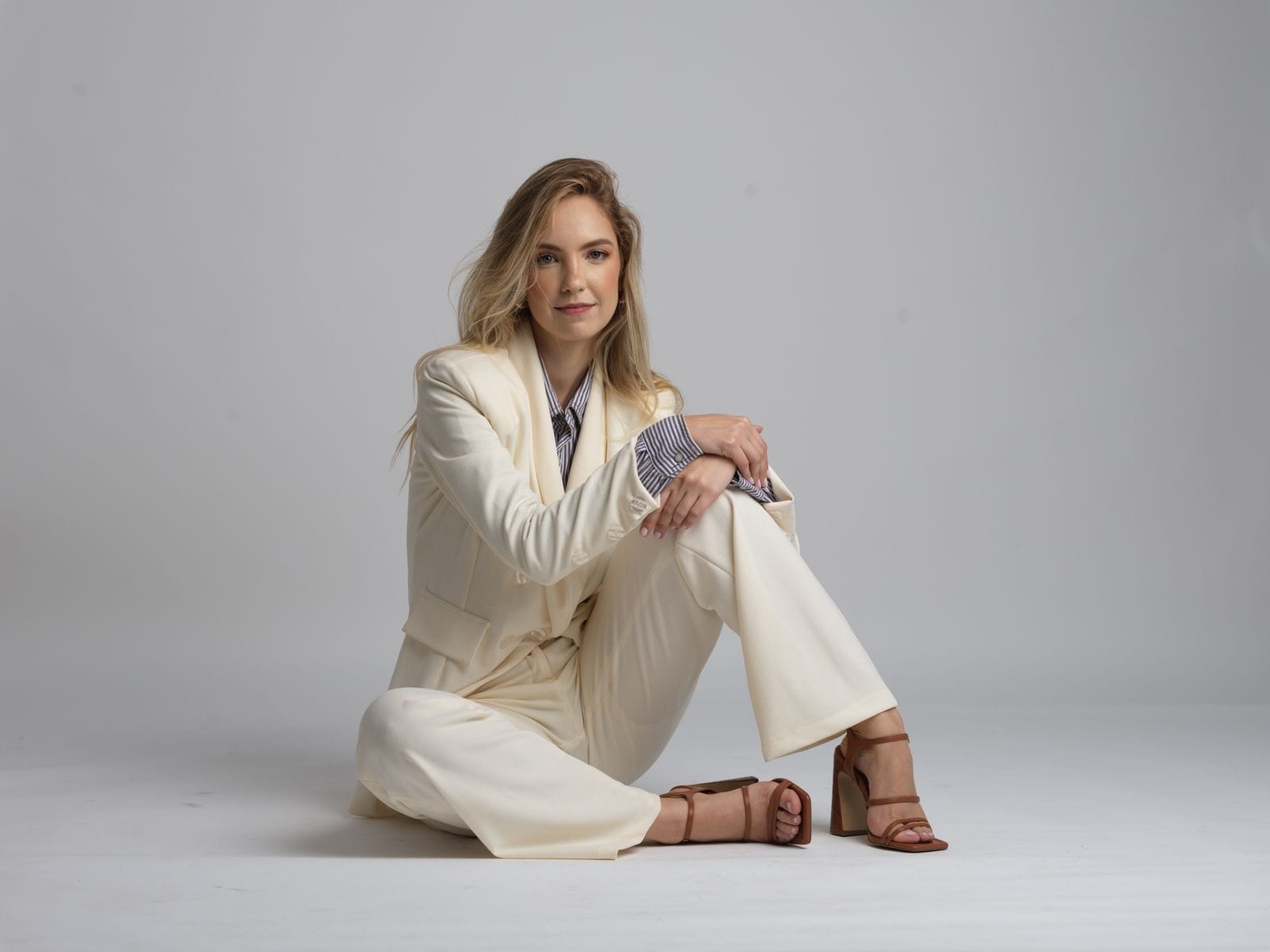
Start by looking at the differences between commercial, fashion and runway work. Each places different demands on presentation and performance. A conversational expression for a lifestyle campaign does not serve the same purpose as a runway walk or a strongly styled editorial photograph.
Look at the kinds of images and models that agencies represent in the area you want to pursue. Find the patterns in the work, then consider what your existing photographs communicate. That gives your preparation a clearer direction than trying to reproduce every style you see online.
You do not need to decide your entire future at once. Choose a direction to practice and build from there. As you learn more about the work and receive feedback worth acting on, you can adjust your selection of photographs and the skills you spend time developing.
Build a Portfolio That Shows Range Clearly
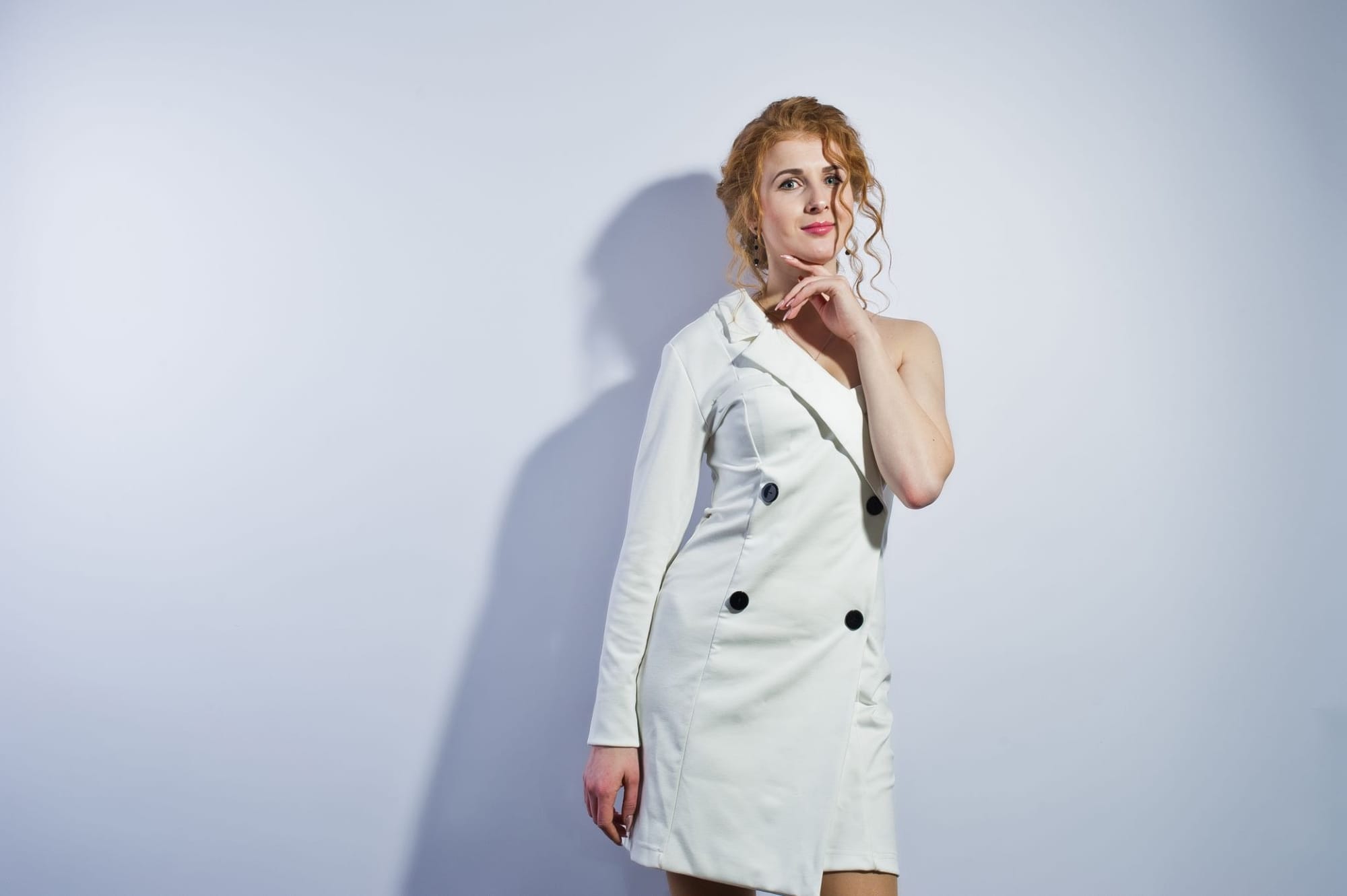
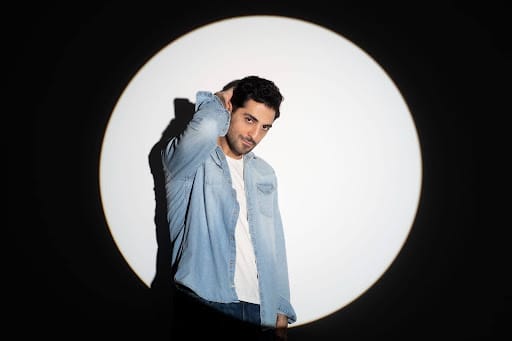
A good portfolio lets someone understand your appearance and how you work in front of a camera. Include clear headshots and full-body photographs, then choose additional images that show a different expression, pose or styling approach. Range should mean a meaningful difference rather than several nearly identical frames.
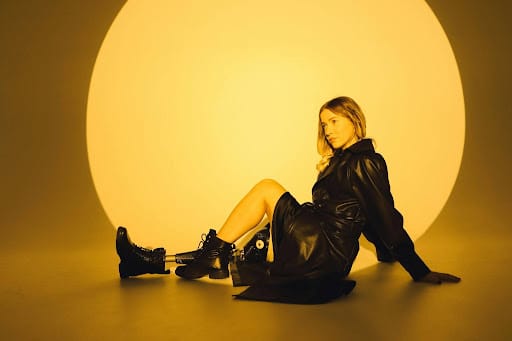
Plan your shoot around the photographs you need. Discuss the intended direction with the photographer so that clothing, expression and posing support the same purpose. Leave room for natural-looking images alongside styled photographs, particularly when your existing selection relies heavily on one look.
Review the photographs as a group before you share them. Your digital presentation should stay easy to browse, and it needs updating as your appearance and experience change. A current, considered selection does more for you than a large collection that makes the viewer search for the relevant work.
Practice Posing and Responding to Direction
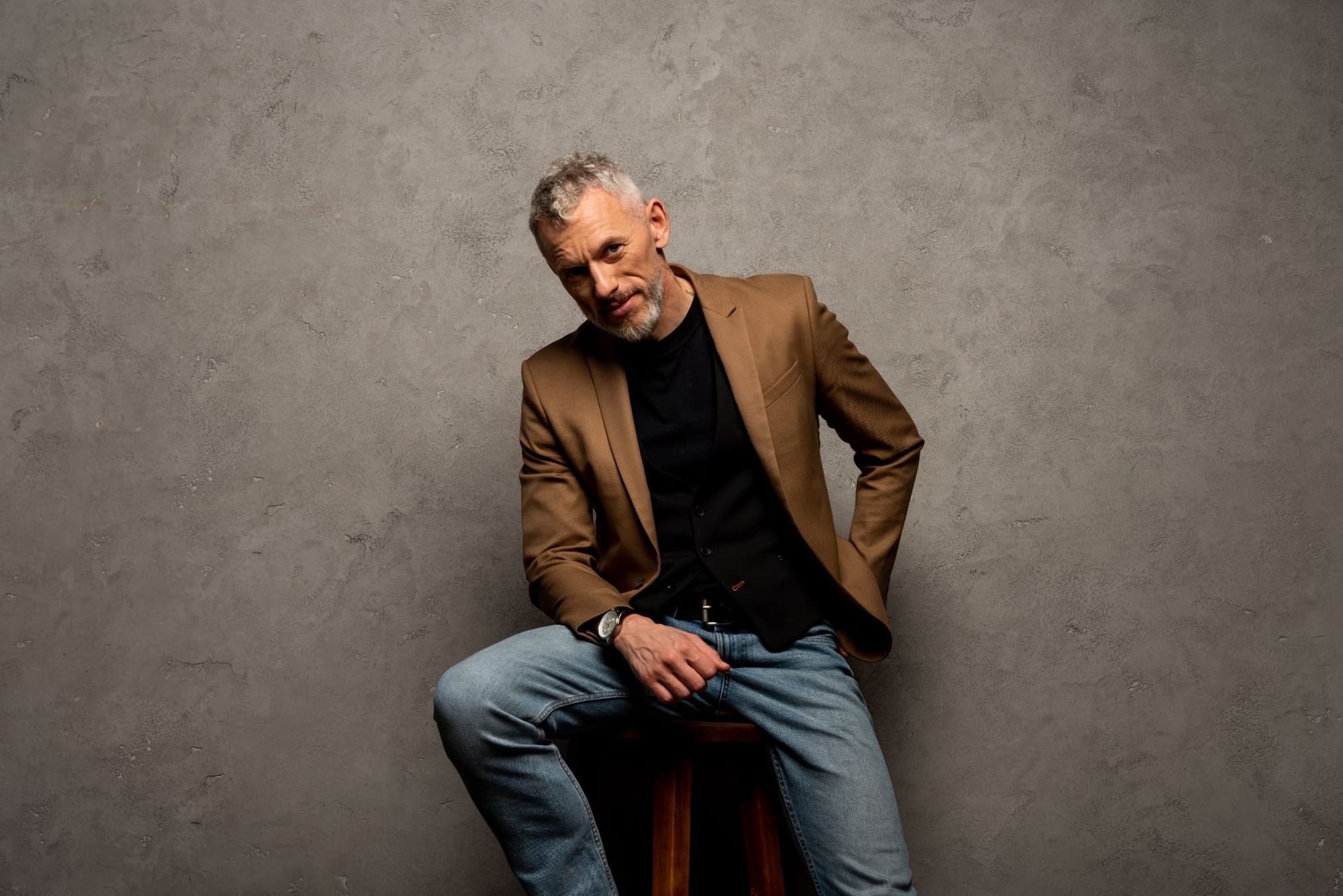
Regular practice makes a shoot less dependent on guessing what to do next. Try a small range of poses and expressions in front of a mirror, then notice how changes in the shoulders, head position and posture affect the result. Aim for control rather than a long list of elaborate poses.
Work on changes as well as individual positions. Move from a relaxed expression to a more focused one, or adjust your posture while keeping the overall intention of the photograph. That helps you respond when a photographer asks for something more specific than simply another pose.
Runway work calls for its own practice, while camera work places more emphasis on how a movement reads in a frame. Classes or coaching can offer structured feedback, but choose instruction that matches the skill you want to improve. Practice should have a clear purpose rather than becoming another promise of guaranteed work.
Research Opportunities Before Making Commitments
An exciting message deserves the same careful attention as an ordinary application. Look into the organization, check whether its work matches your interests and understand what it is actually offering. Photography services, representation and a confirmed modeling job are different things.
Read a proposed agreement before you accept it. Ask about wording you do not understand, and be cautious when enthusiasm or pressure replaces clear answers. A professional presentation should not stop you from examining the details or taking the time you need to make a decision.
Hold your expectations to the actual offer. A portfolio can help you present your work, but it does not promise representation or bookings. If you are a teenager, involve a parent or guardian in evaluating opportunities rather than handling an unfamiliar commitment alone.
Build Professional Habits You Can Repeat
Preparation shows in small actions. Arrive on time, bring the requested materials and communicate clearly before a casting or shoot. Those habits let the people working with you focus on the session instead of resolving avoidable confusion.
Develop relationships with photographers, other models and relevant industry contacts without treating every conversation as a demand for work. Share current photographs when appropriate, and keep your professional profile consistent with what you actually do. A straightforward introduction is easier to understand than an exaggerated claim.
Expect some applications and castings not to lead anywhere. Use constructive feedback to improve a specific skill or photograph, while protecting your well-being and your time. Progress is easier to sustain when practice, preparation and self-care remain part of the routine instead of depending on the outcome of a single opportunity.
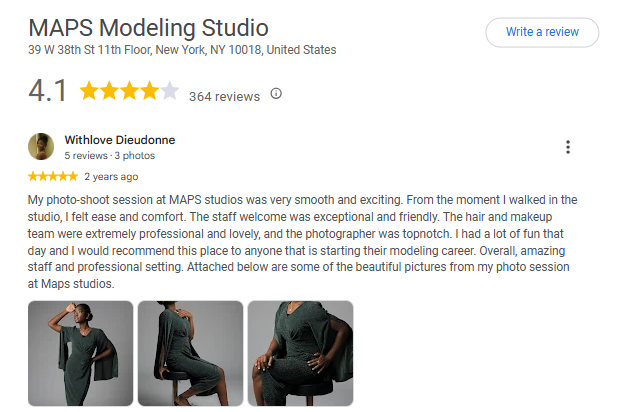
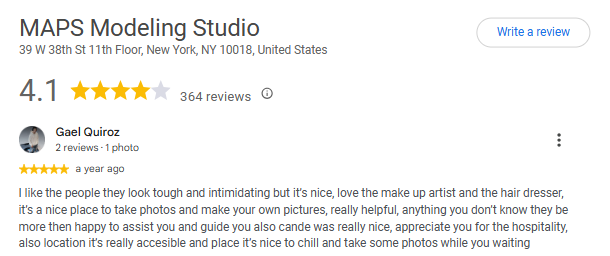
Client Experiences at Maps Studio
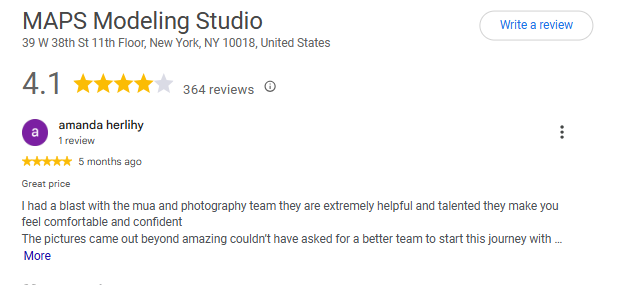
At Maps Studio, we know that preparing for a photography session can raise plenty of questions. The client feedback below gives individual perspectives on the studio experience. Read those accounts alongside your own goals and questions when you are considering a shoot; a photography experience is separate from agency representation or a promise of modeling work.
Frequently Asked Questions
What Should a Beginner's Portfolio Include? Start with clear headshots and full-body photographs, then add images that show a different expression, pose or styling direction. Keep the selection current and relevant to the work you want to pursue.
Should I Practice Before My First Shoot? Yes. Practice a manageable range of poses and expressions so you feel more comfortable responding to direction. Match any additional coaching to the specific skills you want to develop.
Does a Portfolio Guarantee Modeling Work? No. A portfolio presents your appearance and ability in photographs. Representation, casting decisions and bookings are separate matters, and a photography service should not be confused with a job offer.
Final Takeaway
A strong start in modeling comes from a series of practical choices: understand the work, prepare a clear portfolio, practice deliberately and treat people professionally. Check the opportunities you encounter with the same care you give your photographs. Recognizing modeling contract warning signs helps you pause when the details do not match the promise. You can stay ambitious without rushing into a commitment or expecting immediate results. Focus on the next improvement worth making, whether that is a stronger headshot, a better-prepared casting or a clearer question about an offer.
Visit Mapsstudio for more information about photography.
Note: We enjoy sharing creative inspiration, photography tips, and industry insights to help you capture life's best moments. The services, styles, and equipment mentioned in our articles are for informational purposes only and may not reflect our current offerings. For the latest on our photography services and portfolio, visit Maps studio.


Member discussion