
7 Tips for Beginners to Kickstart Your Modeling Career
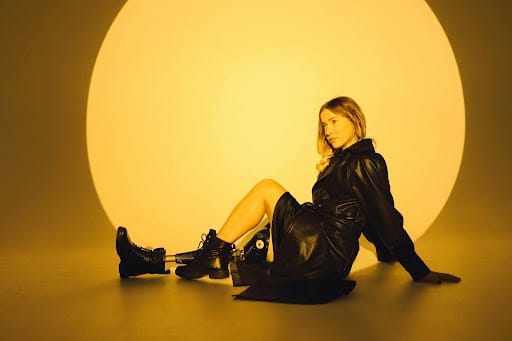
Your first modeling application starts long before you press send. The photographs you choose, the information you provide and the way you respond to direction all help someone understand your potential. You can begin with simple materials and improve them as you learn. What turns early interest into real preparation is straightforward: choose work that interests you, show your current look clearly and research each opportunity. These seven steps give you something concrete to work on without treating one photoshoot or application as a promise of a career.
Choose a Modeling Direction You Want to Explore
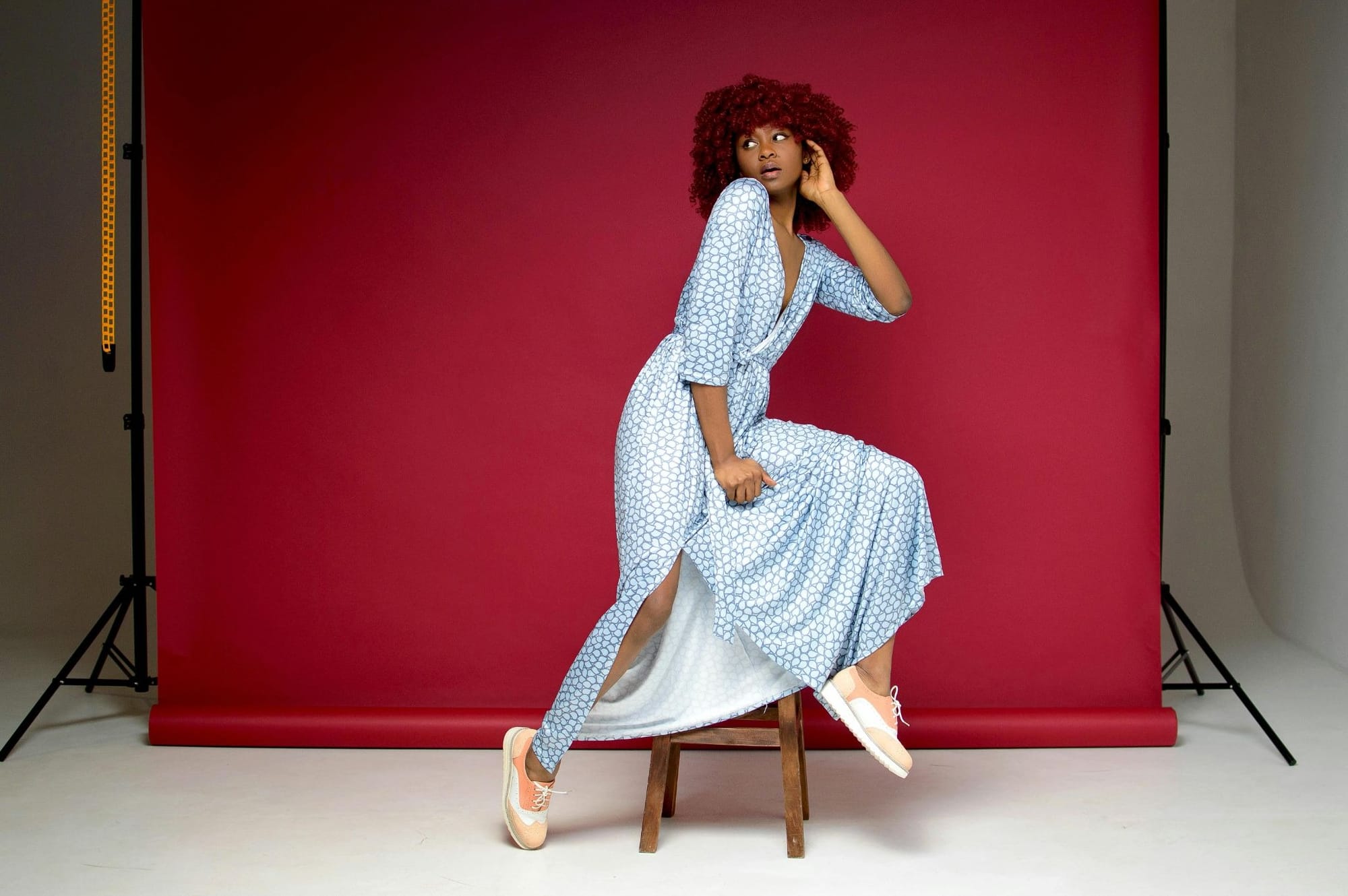
Look at the work behind the photographs you enjoy. Commercial modeling may involve familiar expressions and everyday settings, while editorial work can ask for a more stylized performance. Runway work adds walking, timing and presenting clothes to an audience. These are different tasks, even when the same person does more than one.
Pick a starting direction based on your interests and the work you can see yourself practicing. Study the photographs and casting requirements in that area so you understand what a submission needs to show. Avoid building your entire plan around an image that simply looks impressive.
You can change direction as you gain experience. An initial focus helps you choose suitable photographs and practice the skills that matter; it does not require you to decide every part of your future at once.
Prepare Clear Digitals That Show Your Current Look
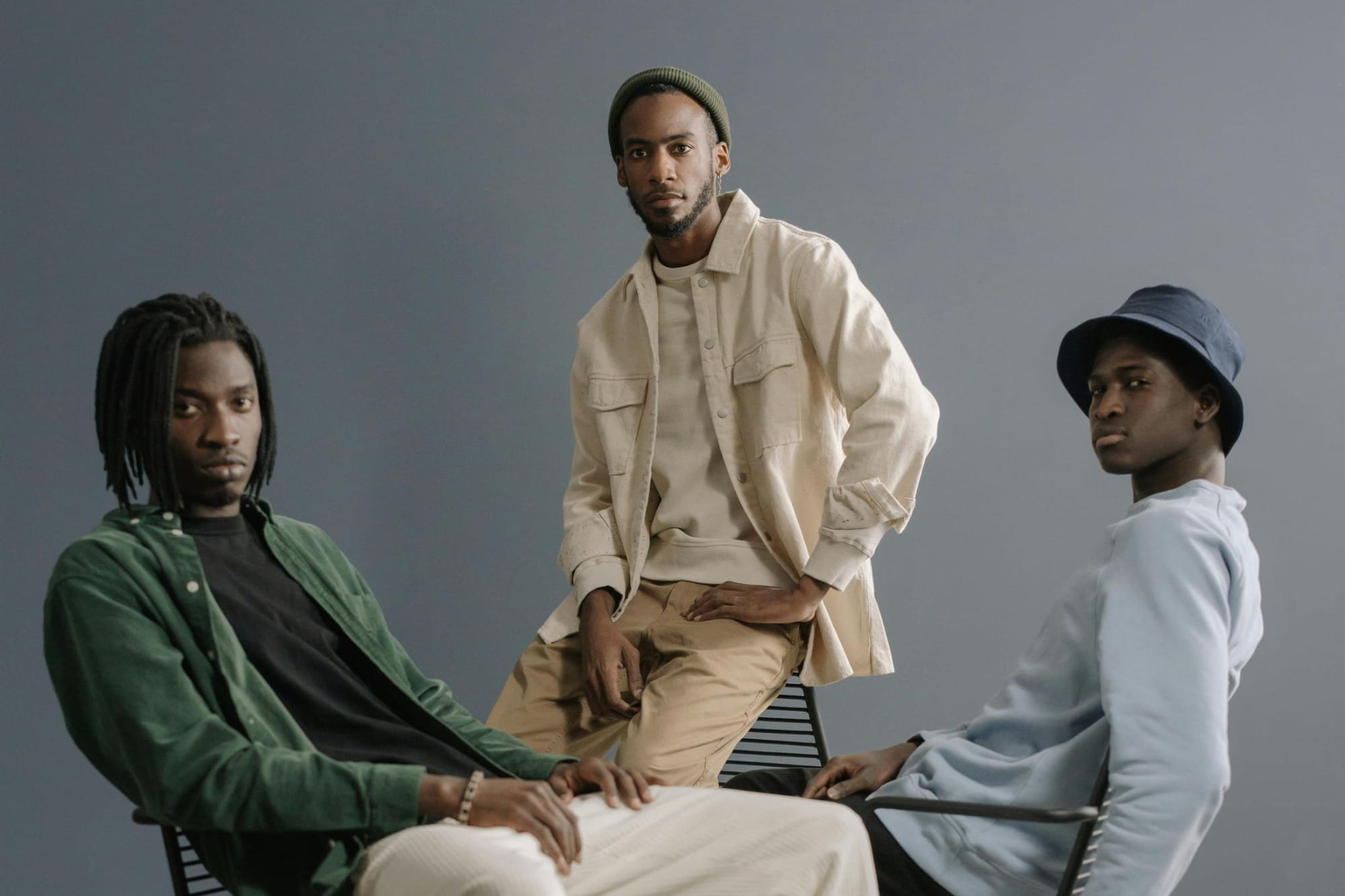
Simple digitals help a casting team see your face, proportions and posture. Prepare a clear headshot, full-body view and side profile, following the recipient's specific instructions. Natural light, a plain background and simple clothing make those details easier to assess.
Leave filters and heavy editing out of these images. A digital should be an accurate record of how you look now. Elaborate styling can have a place in creative photographs, but it serves a different purpose from a straightforward submission image.
Check the full set before sending it. Make sure your face is visible, the full-body frame includes your feet, and your appearance is consistent across the photographs. Update the set when your look changes rather than continuing to send an older version.
Build a Small Portfolio With Meaningful Variety
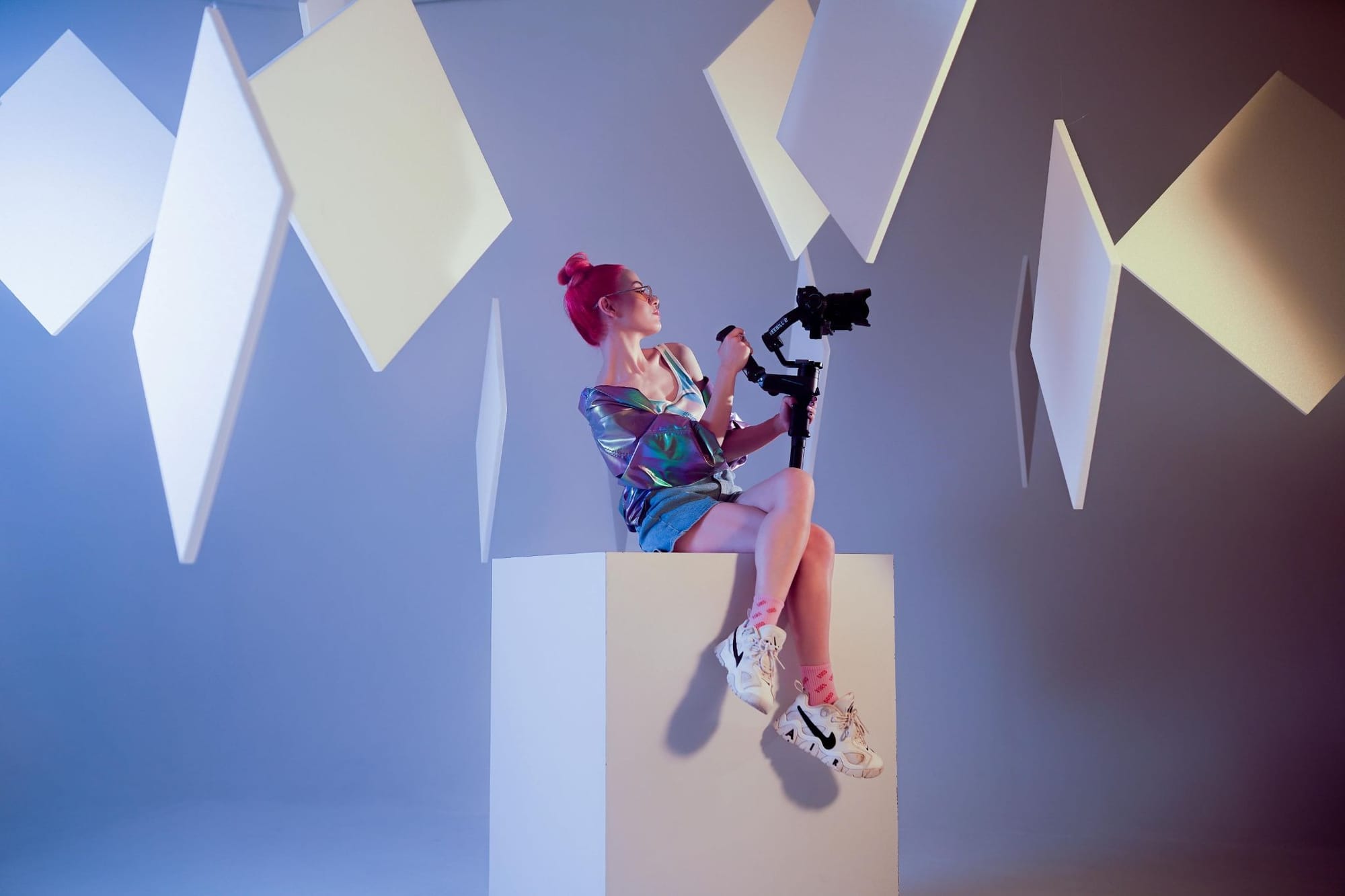
A portfolio gives you room to show how you work in photographs beyond your digitals. Include strong headshots and full-body work, then add images that bring a different expression, movement or style. Several near-identical frames tell the viewer less than a smaller, considered selection.
When planning a shoot, discuss the type of modeling you want to pursue and the gaps in your current photographs. That conversation helps connect clothing, lighting and poses to a clear purpose. Hold the attention on your performance rather than collecting unrelated dramatic effects.
Review your portfolio as a group. Remove weaker or outdated pictures even if you enjoyed making them. A good collection makes your look easy to understand and shows genuine range without asking the viewer to sort through every photograph you have.
Practice Posing, Expressions and Movement

Practice gives you a way to understand what changes a photograph. Try a relaxed stance, then adjust your shoulders, hands or weight and compare the results. Work on expressions as well as body positions so your face remains connected to the mood of the image.
Use a mirror or simple practice photographs to notice what you actually do. Keep movements small enough to repeat and adapt when someone gives direction. The aim is to respond comfortably, rather than memorizing one pose that you use for every frame.
If runway interests you, practice walking separately from still photography. Watch how models present garments and change direction. Classes can provide feedback, but pick instruction around a specific skill you want to improve and continue practicing between sessions.
Research Agencies and Casting Opportunities Carefully
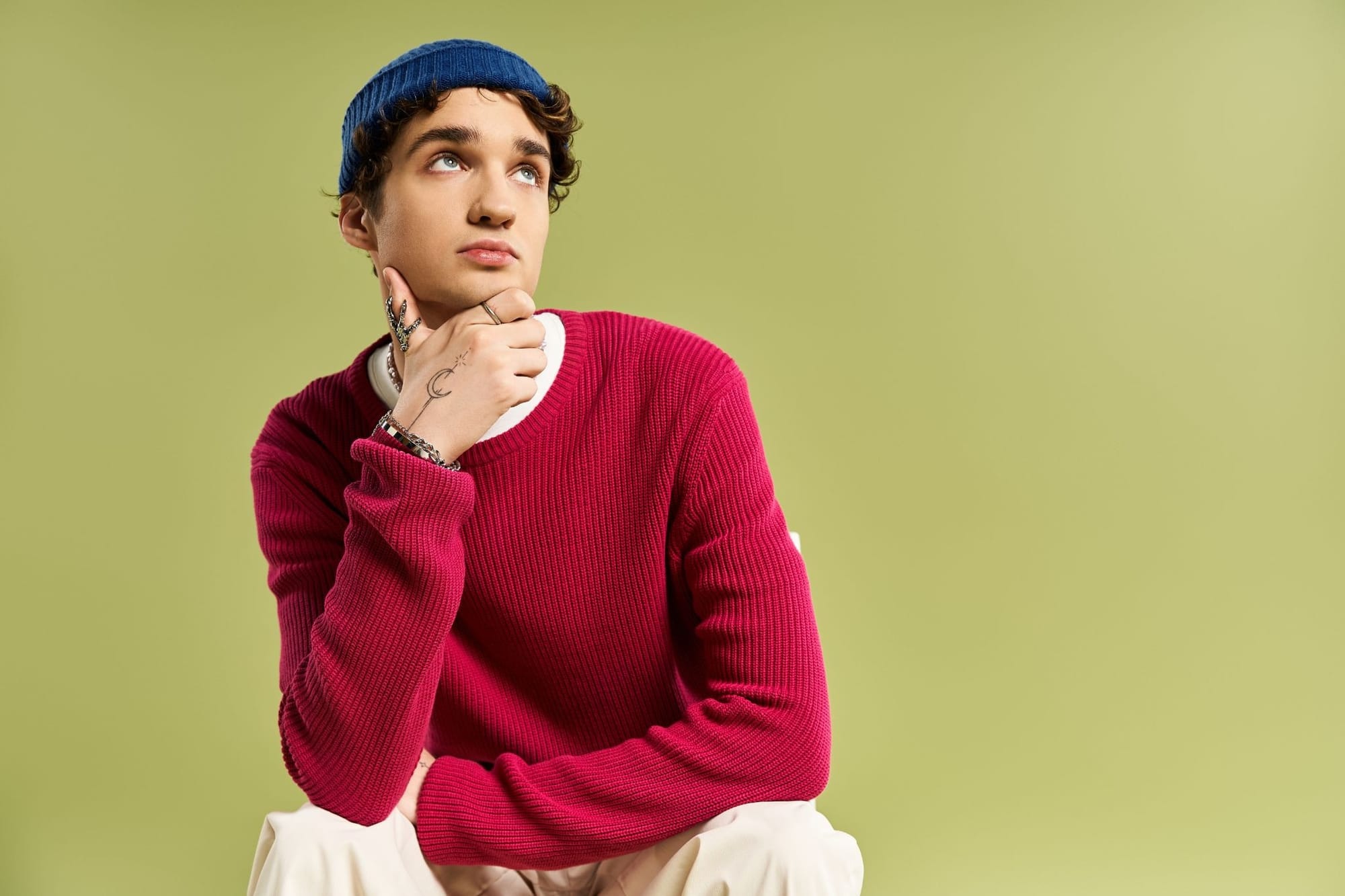
Find opportunities that match your intended work and read the application instructions in full. Check the organization through its official contact channels before sharing personal information or arranging a meeting. A polished message alone does not establish who is behind it.
Prepare current measurements and accurate contact information. Submit the photographs requested, in the format requested, rather than sending a large unrelated collection. Clear, complete applications make it easier for someone to assess you and show that you can follow a brief.
Read any proposed agreement before accepting it and get qualified advice when terms are unclear. Photography, agency representation and a confirmed job are separate arrangements. For younger applicants, a parent or guardian should take part in the process.
Build Professional Relationships Through Your Work
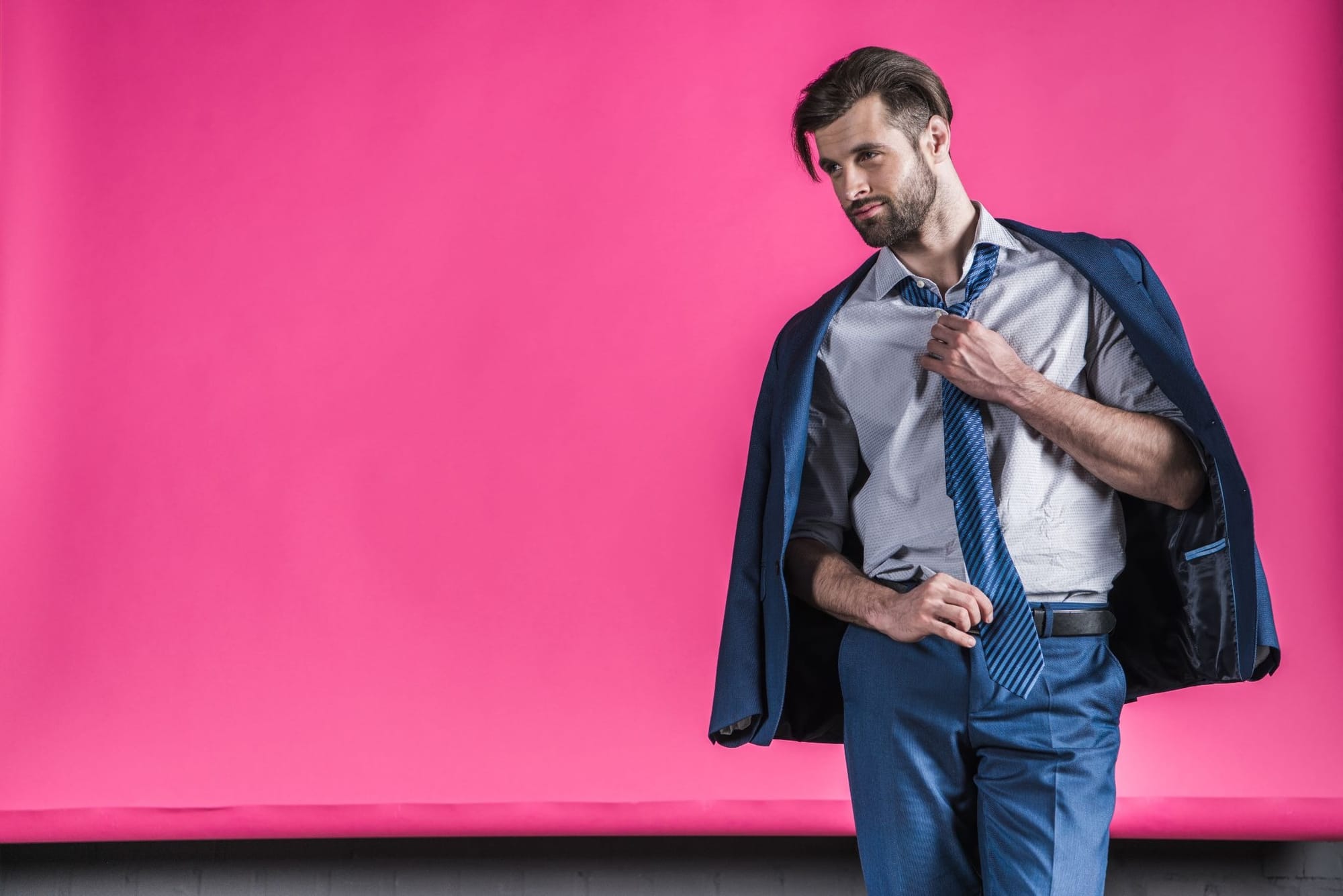
Good working relationships can begin with a thoughtful conversation or a small creative project. Attend relevant events when practical, speak to photographers and other creatives about their work, and look for opportunities to contribute rather than immediately asking someone to arrange a booking.
Your online presentation should stay current and easy to understand. Share selected work that reflects your interests and contact people with a clear, relevant message. A short introduction connected to their actual work gives the conversation more substance than sending the same request everywhere.
Follow up respectfully after meeting someone or working together. Remember what you discussed and stay professional even when no immediate opportunity follows. Contacts develop through repeated, reliable interactions, and they should never be treated as a guarantee of work.
Keep Your Preparation and Professional Habits Consistent
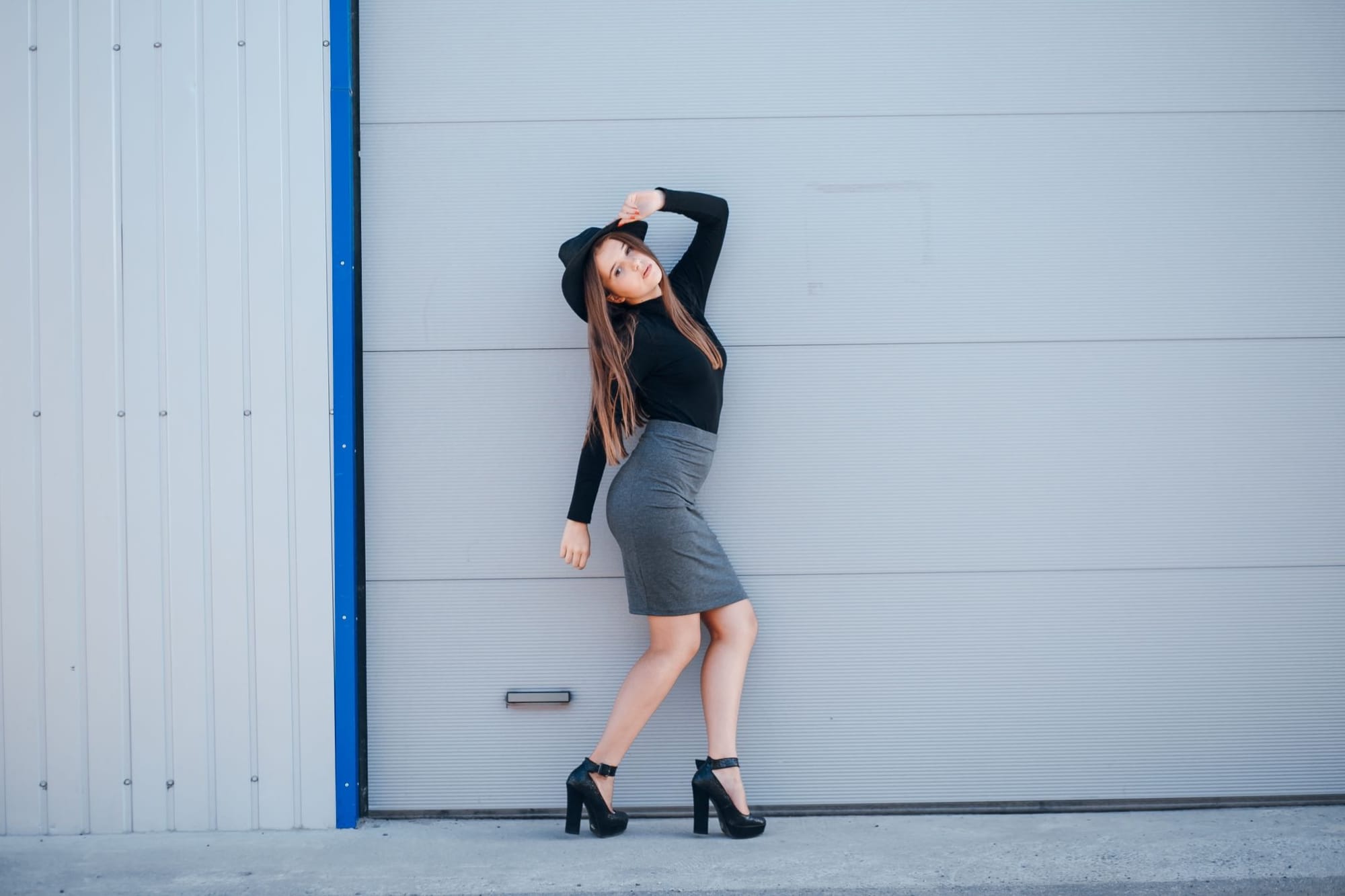
Arrive prepared, communicate clearly and respond to practical details before a shoot or casting. Confirm what you need to bring and allow enough time to arrive ready. These habits help the people working with you spend the session on the creative task.
Learn from feedback without changing everything after one response. Notice recurring points about your photographs or performance, then pick a specific improvement to practice. Update your materials as your skills and appearance develop.
Expect applications to have different outcomes. Progress can mean clearer digitals, more controlled movement or a stronger portfolio before it means a booking. A steady routine gives you real work to do between opportunities and helps you assess your own development more fairly.
Client Experiences at Maps Studio
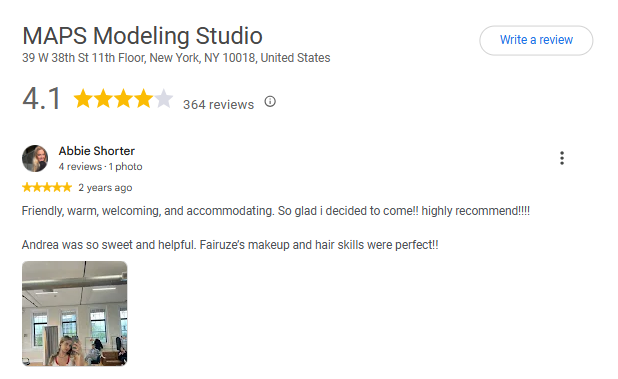
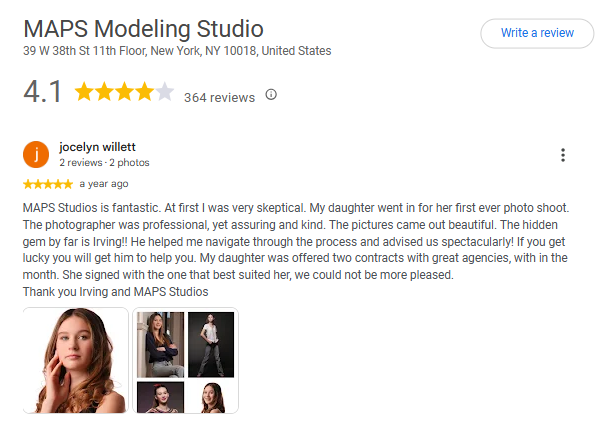
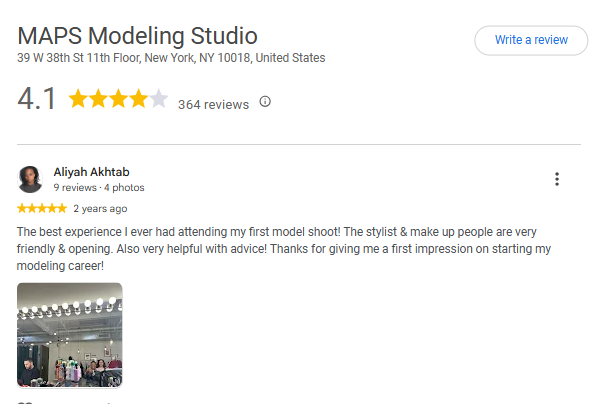
At Maps Studio, we know that preparing for a first photography session can bring plenty of questions. The client feedback below gives personal views of the studio experience. Consider those accounts alongside your own aims for a shoot, and keep photography services separate from agency representation or a promise of modeling work.
Frequently Asked Questions
Can I Start Modeling Without Experience? Yes. Begin with clear current photos, accurate information and practice. Each opportunity has its own requirements, so read them before applying.
Are Digitals the Same as Portfolio Photographs? Digitals show your current appearance simply. Portfolio photographs can show a wider range of styling, expression and performance.
Do I Need to Choose One Modeling Type Forever? No. A starting direction helps you prepare relevant materials, and you can explore other work as your experience develops.
Does a Photoshoot Guarantee Modeling Work? No. A photography session creates images. Agency representation, casting decisions and confirmed jobs involve separate decisions.
Final Takeaway
Start with the parts of modeling you can prepare and review: clear photos, suitable applications and practiced movement. Give each step a purpose, then improve it as you learn what the work asks of you. Most of what helps is everyday decisions, including which portfolio image to send and whether to check a contact before a meeting. Keep your materials current, take feedback seriously and leave room for your direction to change. You can approach the industry with ambition while judging each opportunity carefully and measuring progress through the skills and working habits you develop.
Visit Mapsstudio for more information about photography.
Note: We enjoy sharing creative inspiration, photography tips, and industry insights to help you capture life's best moments. The services, styles, and equipment mentioned in our articles are for informational purposes only and may not reflect our current offerings. For the latest on our photography services and portfolio, visit Maps studio.


Member discussion