
What makes A2 desi ghee a healthy choice for children?

A2 desi ghee earns its place in a child's diet on nutrition alone. The vitamins A, D, E, and K in it support growth and brain development. The healthy fats supply energy and help the body absorb nutrients, while butyrate looks after the gut and immunity. You can start introducing it around six months. Here's what it does and how to choose a good one.
The unique nutritional profile of A2 cow ghee
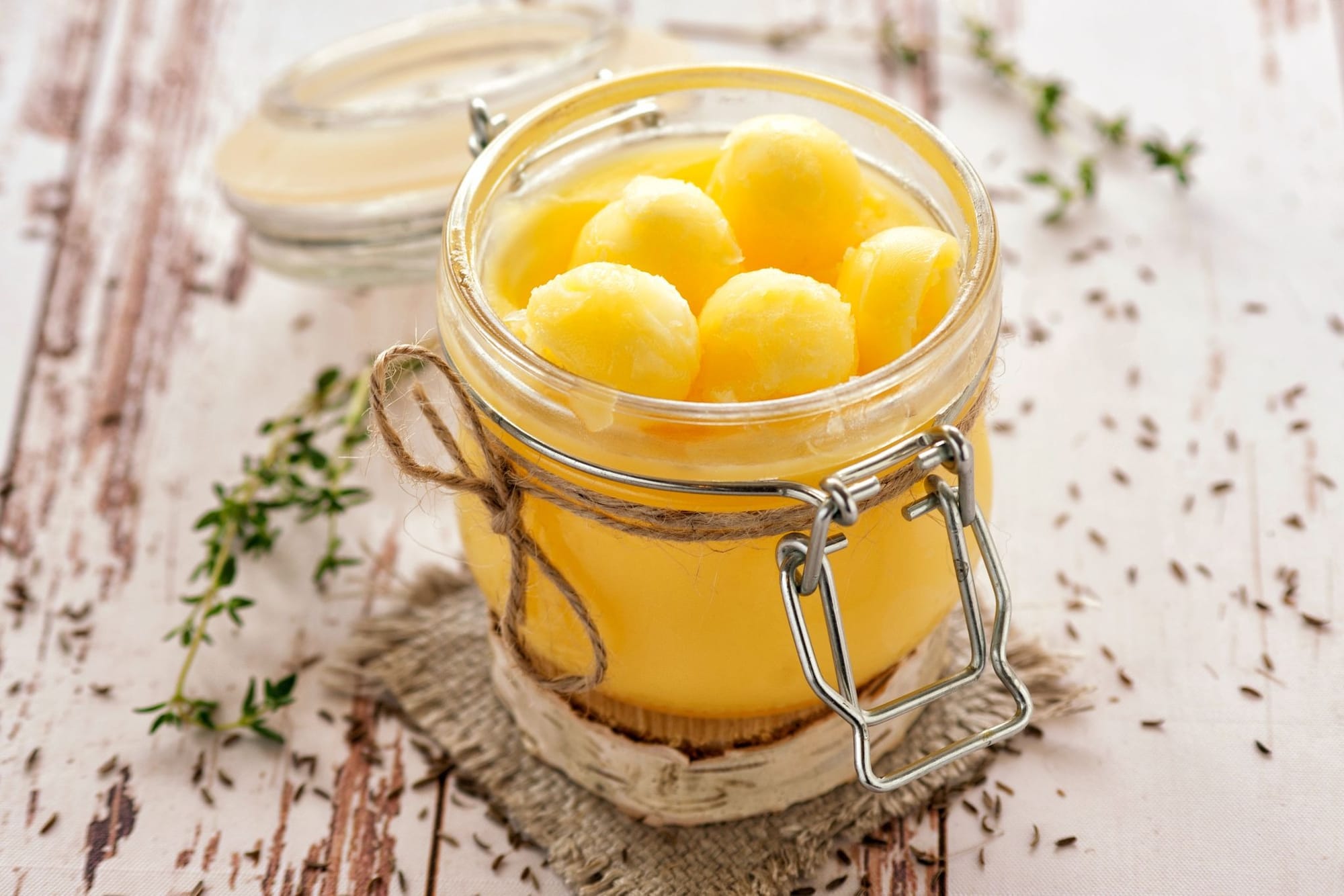
A2 cow ghee comes from the milk of indigenous Indian cows and contains only A2 beta-casein protein, which sits more gently in a small digestive system. That makes it a sensible option once children start solids at around six months.
It's rich in healthy fats, which children need for energy and growth.
The fat-soluble vitamins A, D, E, and K are in there too, supporting brain development and helping the body take in nutrients from the rest of the meal.
Butyrate handles the gut side, and that feeds into a child's immunity and general wellbeing.
A2 desi ghee is essential for healthy growth
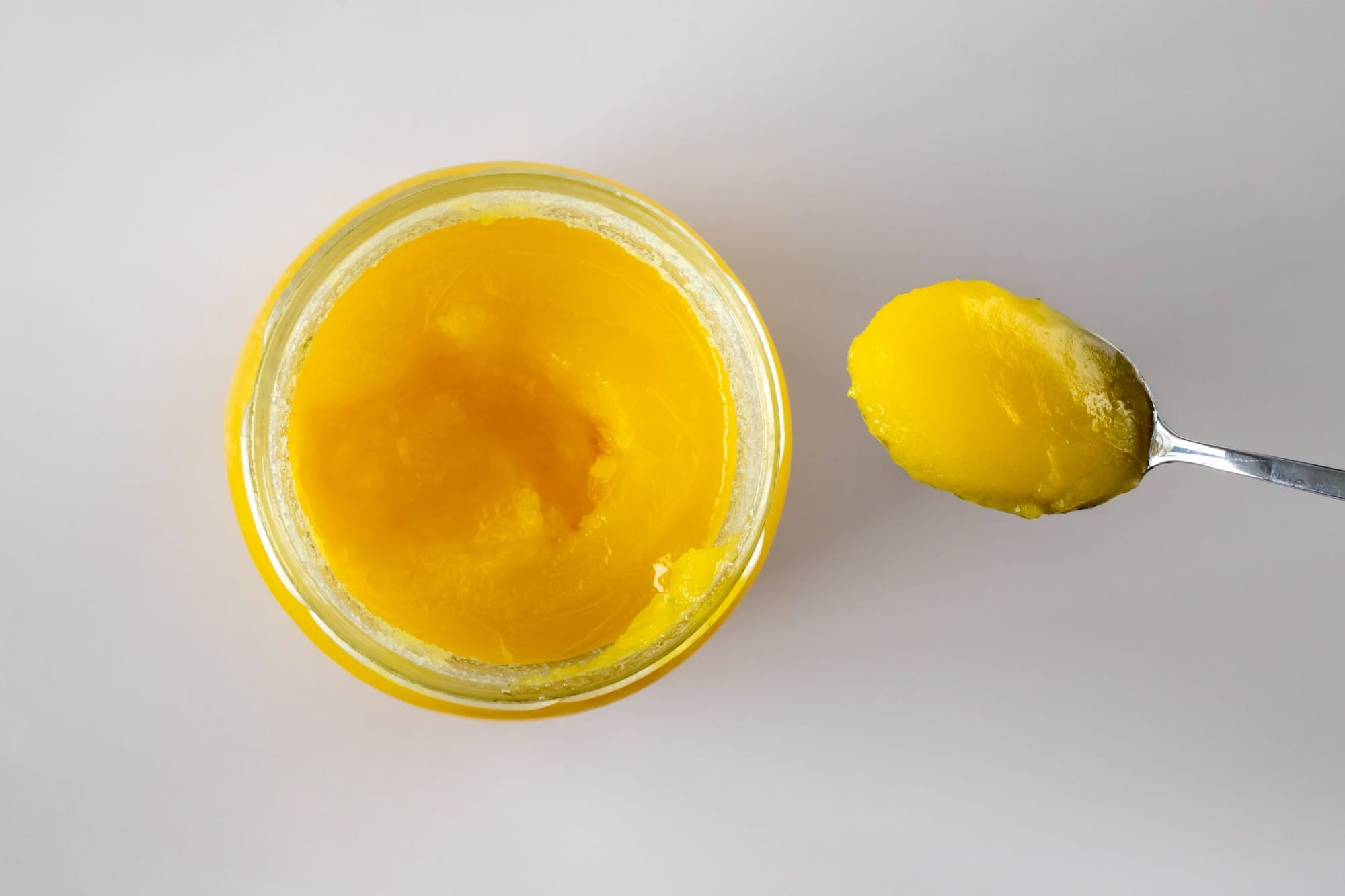
The move to solid food is when this matters most.
The fat-soluble vitamins A, D, E, and K do the developmental work.
They also lift energy levels and support healthy weight gain, which is worth having without the processed sugars most snacks bring with them.
The healthy fats feed brain development at the age it counts.
The digestive benefits mean children actually absorb the nutrients in front of them. Introduced in moderation after six months, A2 desi ghee gives them what they need for strong bones, a solid immune system, and steady growth.
How A2 desi ghee enhances children's immune health
Immunity is one of the clearest benefits here. Four ways it helps:
- Vitamins A and D, both of which matter for immune regulation.
- Butyric acid, which looks after gut health, and gut health underpins immunity more than most parents realize.
- Better nutrient absorption, so children get more out of what they eat.
- Support for healthy weight gain, which contributes to resilience overall.
Safe introduction: when and how to add ghee to your child's diet
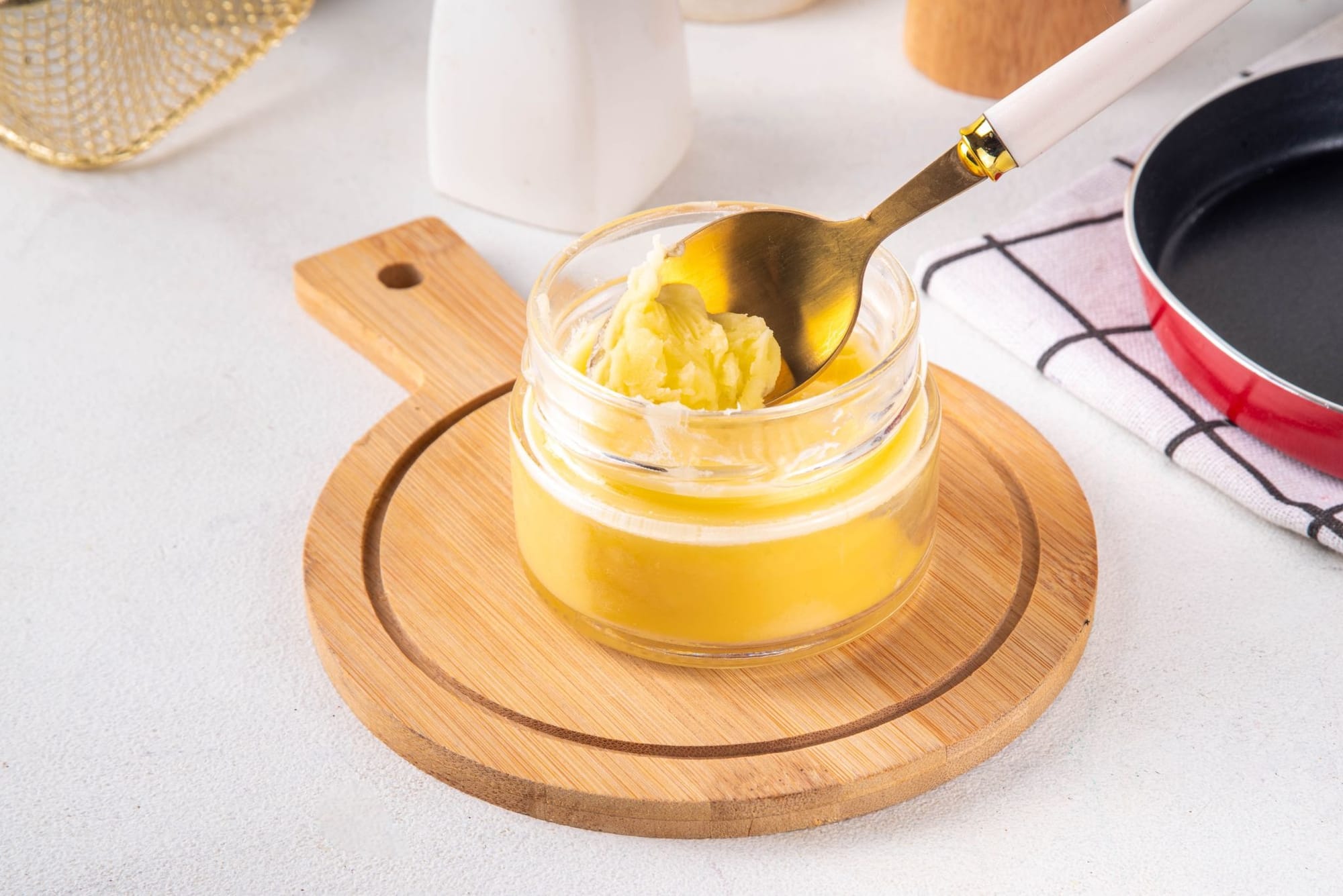
Start once your child is on solid foods, usually around six months.
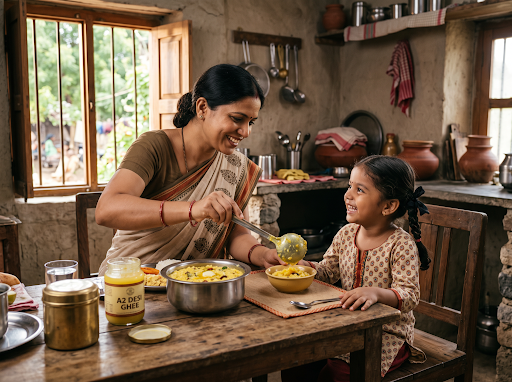
Check with your pediatrician first, then begin with a few drops mixed into something soft like khichdi or a puree.
Increase the amount gradually as they grow, watching how they respond along the way.
By eight to twelve months you can work a bit more into their meals.
Keep it moderate throughout. Starting this healthy fat early supports brain development and builds a foundation for everything that follows.
Choosing quality A2 desi ghee
The ghee you choose changes what your child actually gets from it. Four things to check:
- Source. Confirm it's made from A2 cow milk, ideally from breeds like Desi or Sahiwal.
- Preparation method. The traditional bilona method retains more nutrients than industrial processing.
- Ingredients. Look for products free of preservatives, artificial colors, and flavors.
- Organic certification. Certified organic keeps pesticides and hormones out of it.
What customers say about Raghas A2 Desi Ghee
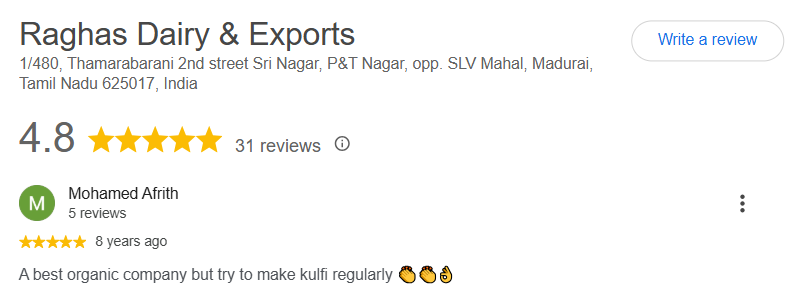
Parents choosing ghee for their children usually look hard at quality, taste, and sourcing. Raghas A2 Desi Ghee has drawn positive feedback on its aroma, rich taste, granular texture, and quality overall. Below are screenshots of customer reviews from different platforms, including Google My Business, so you can see what real buyers have said. To learn more about the product, visit Raghas Dairy.


Frequently asked questions
Can A2 ghee help with lactose intolerance in children? Yes. The clarification process removes the milk solids, which makes it much easier to digest, so it can go into their diet without the usual discomfort.
How does A2 ghee affect a child's skin health? The essential fatty acids in it support hydration and elasticity. It helps maintain the skin barrier, which means less dryness and irritation as they grow.
Is A2 ghee suitable for children with dairy allergies? It may suit some children, since it contains less A1 protein. Check with your pediatrician before introducing it either way.
Can A2 ghee improve children's concentration and learning? Yes. The healthy fats support brain development and cognitive function, which shows up in how well they focus.
What cooking methods are best for preserving A2 ghee's nutrients? Low to medium heat. High temperatures destroy the beneficial compounds, so use it for sautéing, drizzling, or adding to a dish once it's cooked.
Conclusion
Adding A2 desi ghee to your children's meals does good work for their growth and health. The nutrition is real and it digests gently, which is what makes it suitable for small children. As a wholesome staple for a family kitchen, it holds up, and every spoonful is doing something for them.
Visit Raghas Dairy to learn more.
Member discussion