
What makes runway modeling different from other modeling?
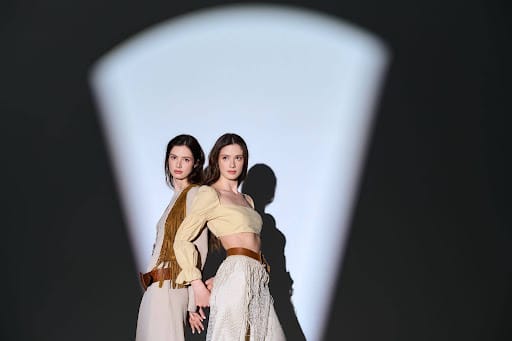
Runway modeling runs on strict physical requirements, and the height and size expectations narrow the field considerably. Every show is its own piece of theater, where you're carrying a designer's vision in how you walk and hold yourself. Adaptability matters enormously, since you're switching between styles and moods on very little notice. Careers tend to be short, which shapes what you can earn from it. Here's how the whole thing works.
Unique physical requirements for runway models
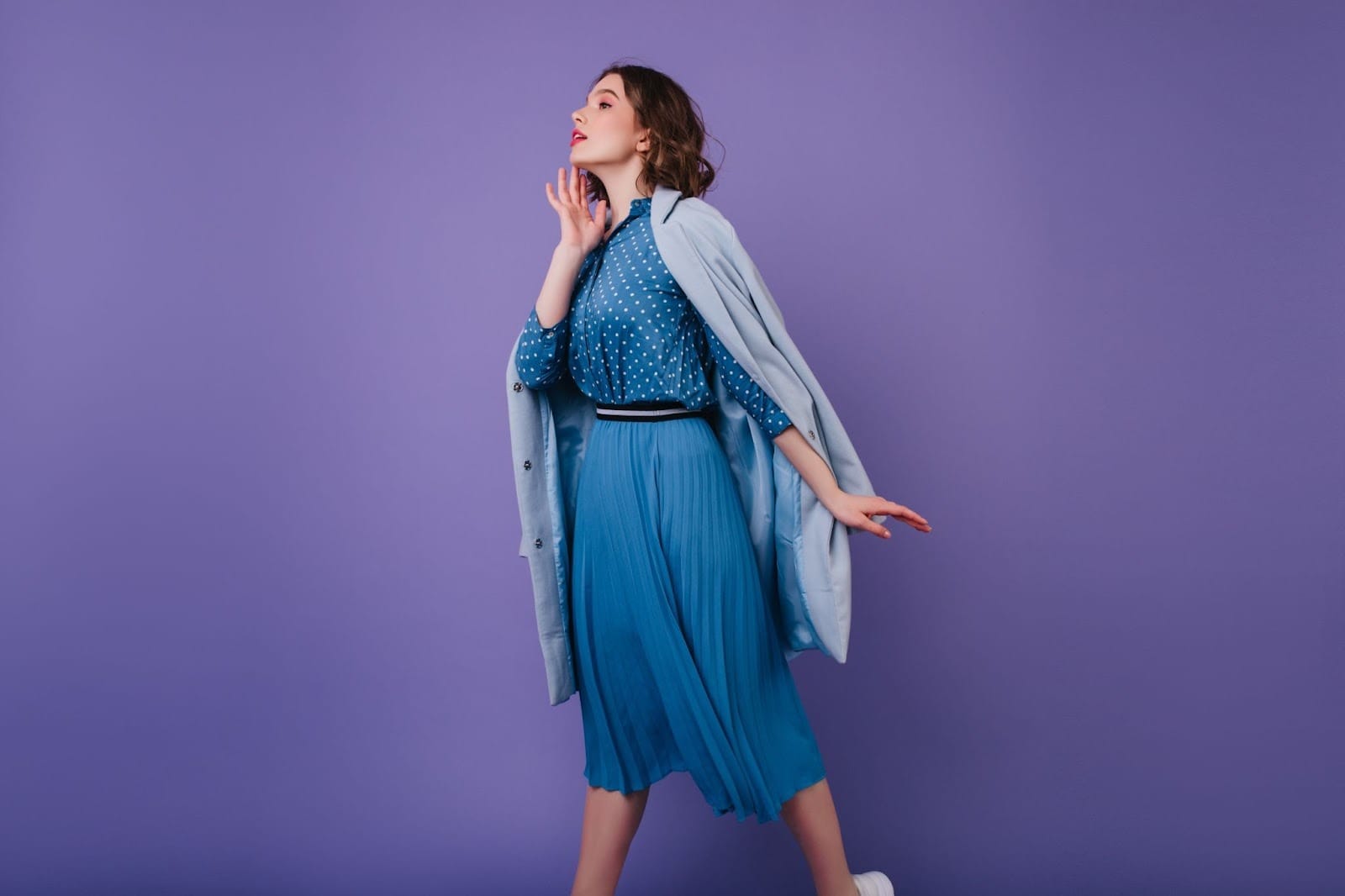
The measurements come first. Women are typically between 5'9" and 6', men between 6' and 6'3".
Size expectations are just as narrow. Women usually fall between sizes 0 and 4, and men are expected to be slim and fit.
Those standards cut the pool of eligible models down sharply. Most start around 17, and many have aged out by 25.
Inclusivity is gaining ground in the industry, though traditional requirements still rule the major fashion weeks. Anyone thinking about runway needs to understand that before anything else.
The artistic presentation of collections
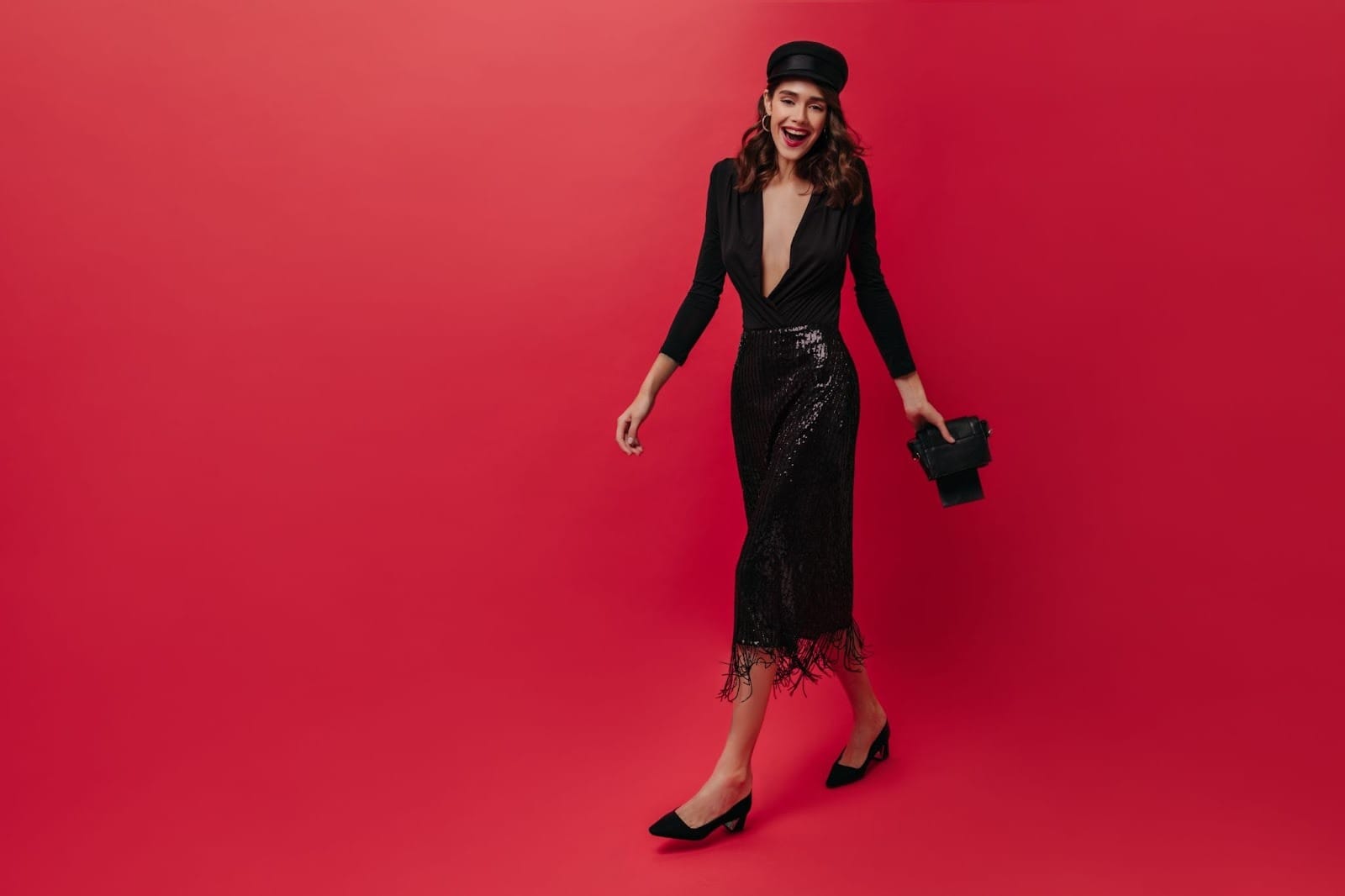
Every show is a curated performance, and the model's job is carrying the designer's vision while the garments tell their story.
Your presence turns a runway into something more than a walkway. Within minutes you're switching between looks, adjusting to what the designer wants, holding your poise the whole way through.
Because it happens live, the audience of industry professionals and fashion enthusiasts gets the collection as an experience rather than a set of images. The model becomes part of the artwork, bringing each piece to life and building a visual narrative that stays with people after the show ends.
Adaptability and skillset in runway modeling
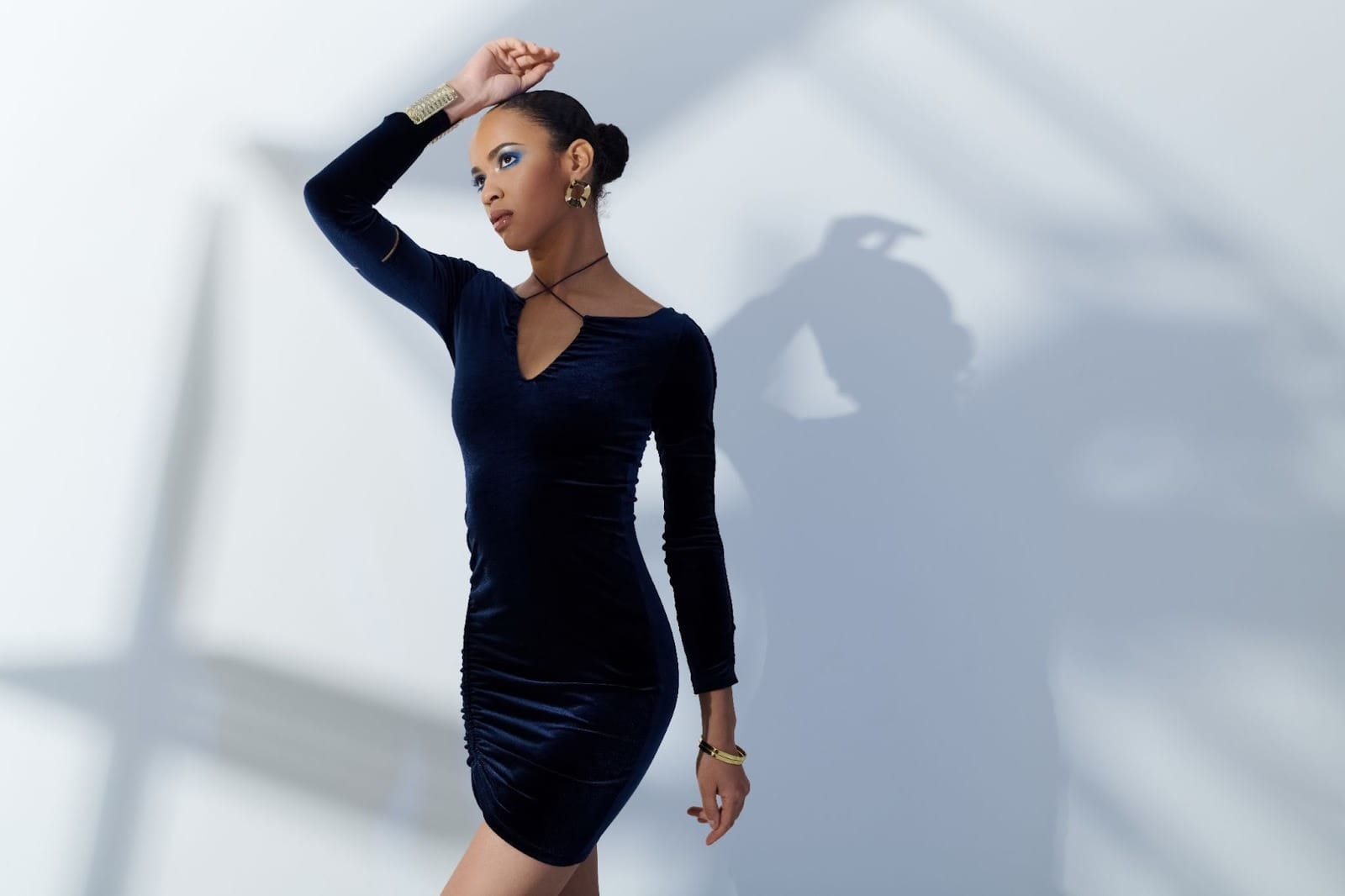
Designers and the industry keep changing what they want, which is why adaptability sits at the center of this work.
The walk is the foundation. It has to hold attention and carry the designer's vision, and you need to be able to adjust it to whatever they're after.
Runway presentation trends move fast, so staying current and refining your technique never really stops.
Every designer brings a different mood and aesthetic, which demands versatility and a strong presence from you.
Switching between looks quickly while keeping your composure under pressure is what makes the difference. Those skills are what let you carry the artistic intent of a collection and give the audience something worth watching.
Industry dynamics and career longevity
The shape of this industry has a lot to say about how long a career lasts.
The physical requirements mean most models start young, typically around 17, and many age out of runway work by their mid-20s. Inclusivity is slowly shifting those norms.
Careers can be brief, and runway work still gives you exposure and connections that open other doors, whether that's a different kind of modeling or brand collaborations.
The environments are high pressure, which tests your adaptability and professionalism and makes for some genuinely exciting work. How well you move with the industry and hold your presence decides how long you last.
Compensation and earning potential differences
Pay varies a lot between runway and commercial models, because each field asks for different things.
What the earning potential looks like:
- Influencer models. With a strong social media following, hybrid opportunities open up, and the earnings run anywhere from hundreds to hundreds of thousands a year.
Knowing where those differences sit helps you plan a career with realistic financial expectations.
Feedback from our models
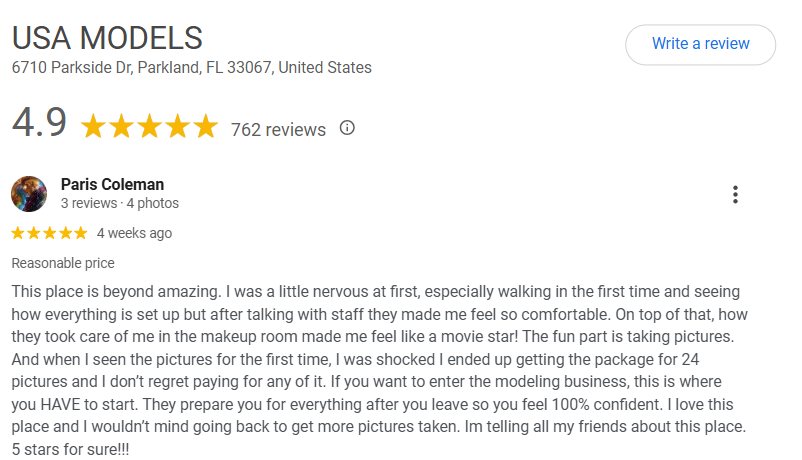
What our models experience matters to us at USA Models Photography. We've gathered reviews from platforms including GMB describing how they felt about their time with us. They touch on what makes runway modeling distinct and how our team supports models through it. Have a look at the screenshots below to see their thoughts. For more details, visit USA Models Photography.


Frequently asked questions
How do runway models get discovered and selected for shows?
Through agency representation or open casting calls. You show your look and your skills, and designers and scouts pick based on what their vision needs.
What are common misconceptions about runway modeling careers?
The biggest one is that it comes down to looks. It takes skill, dedication, and the ability to adapt to a designer's vision, and people consistently underestimate the work behind it.
How do runway models maintain their physical appearance?
A balanced diet and regular exercise. Staying hydrated and getting enough rest keeps your energy up, which is what lets you carry a designer's vision with confidence.
What type of training do aspiring runway models undergo?
Serious work on the walk, posture, and presence. Practice in front of mirrors, workshops, and time with coaches all go into refining it and learning to adapt to what designers want.
How do runway models build their portfolios?
Professional photoshoots, collaborations with photographers and stylists, and fashion show experience. Showing your look and your range is what draws agencies and clients.
Conclusion
Runway modeling is defined by its physical requirements, its artistic presentation, and the adaptability the catwalk demands. It's exciting work and hard work, asking for skill and presence as much as appearance. Understanding what makes it different prepares aspiring models for the reality and shows the craft behind every show. If this is the world that pulls at you, it's genuinely unlike anything else in modeling.
Note: We enjoy sharing creative inspiration, photography tips, and industry insights to help you capture life's best moments. The services, styles, and equipment mentioned in our articles are for informational purposes only and may not reflect our current offerings. For the latest on our photography services and portfolio, visit USA Models.



Member discussion