
What Are the Nutritional Benefits of A2 Butter?
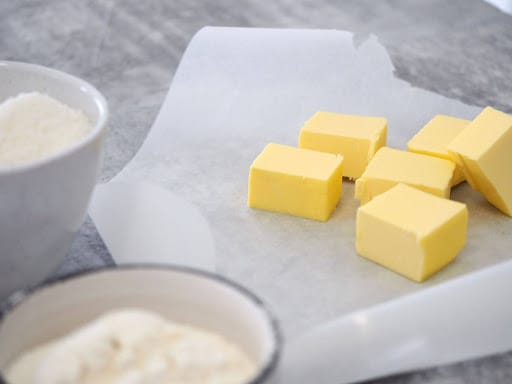
A small piece of butter can add richness to warm toast or a bowl of cooked vegetables. When the pack says A2 butter, though, it is worth understanding what that label tells you about the food. The term relates to the milk used to make it, while its nutritional role still depends largely on butter's fat content and the amount you eat. For families choosing butter for everyday meals, a good starting point is to separate the familiar qualities of butter from claims about special health benefits.
Understand What the A2 Label Means
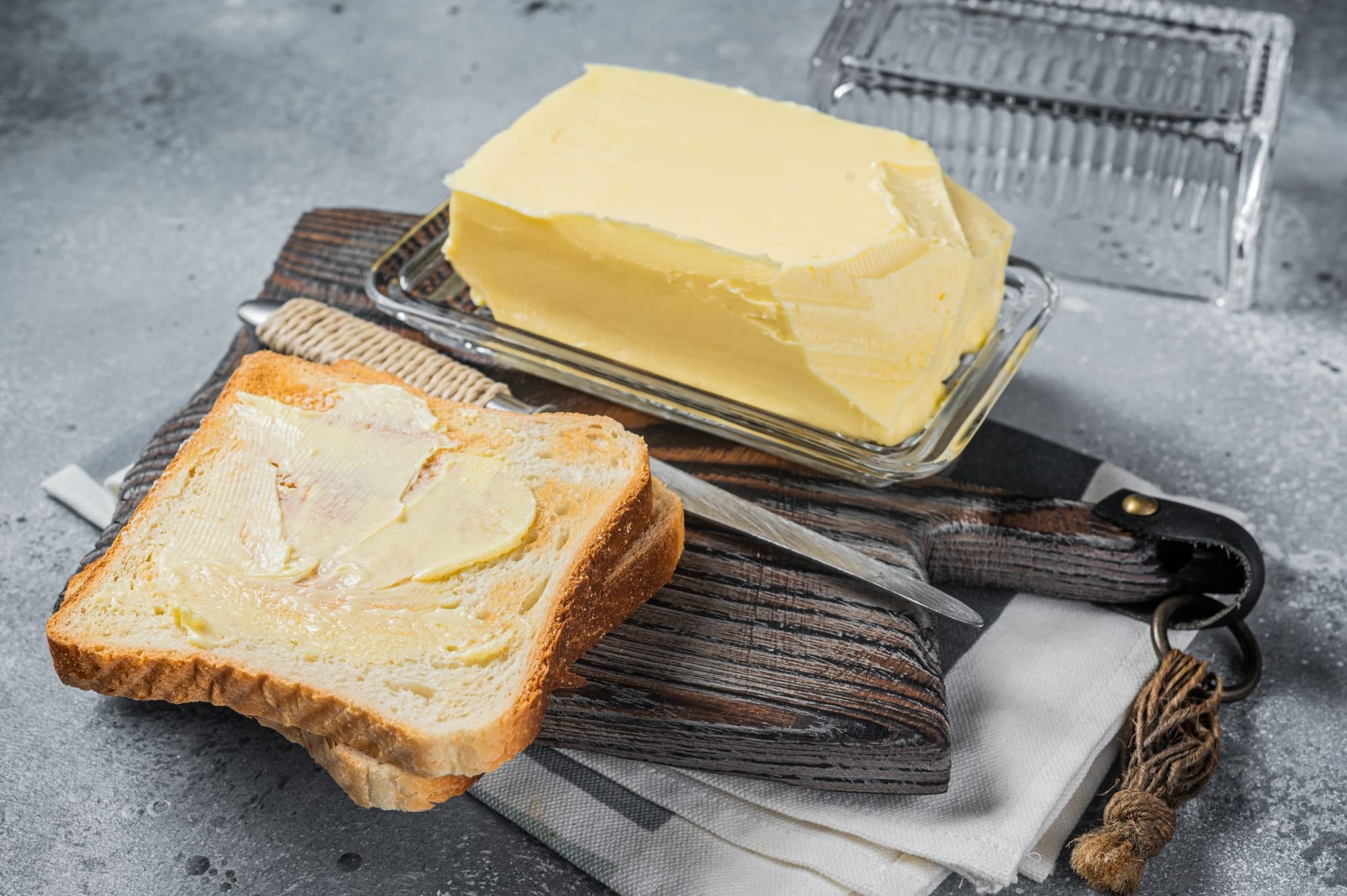
A2 refers to a form of beta-casein, a protein found in milk. Butter described as A2 is made using milk associated with that protein type. The name identifies the milk source; it does not, on its own, tell you the exact vitamin content, salt level or serving size of the finished butter. Those details need to come from the product information.
This distinction matters when reading nutritional claims. Research about drinking A2 milk cannot simply be treated as evidence that A2 butter has the same effects. Butter is a different dairy food with a different nutritional composition. Likewise, information about clarified butter does not establish the benefits of ordinary butter. Choose the product for its stated ingredients and intended use without assuming that the A2 label promises a healthier result for everyone.
Recognize Butter as a Source of Dietary Fat
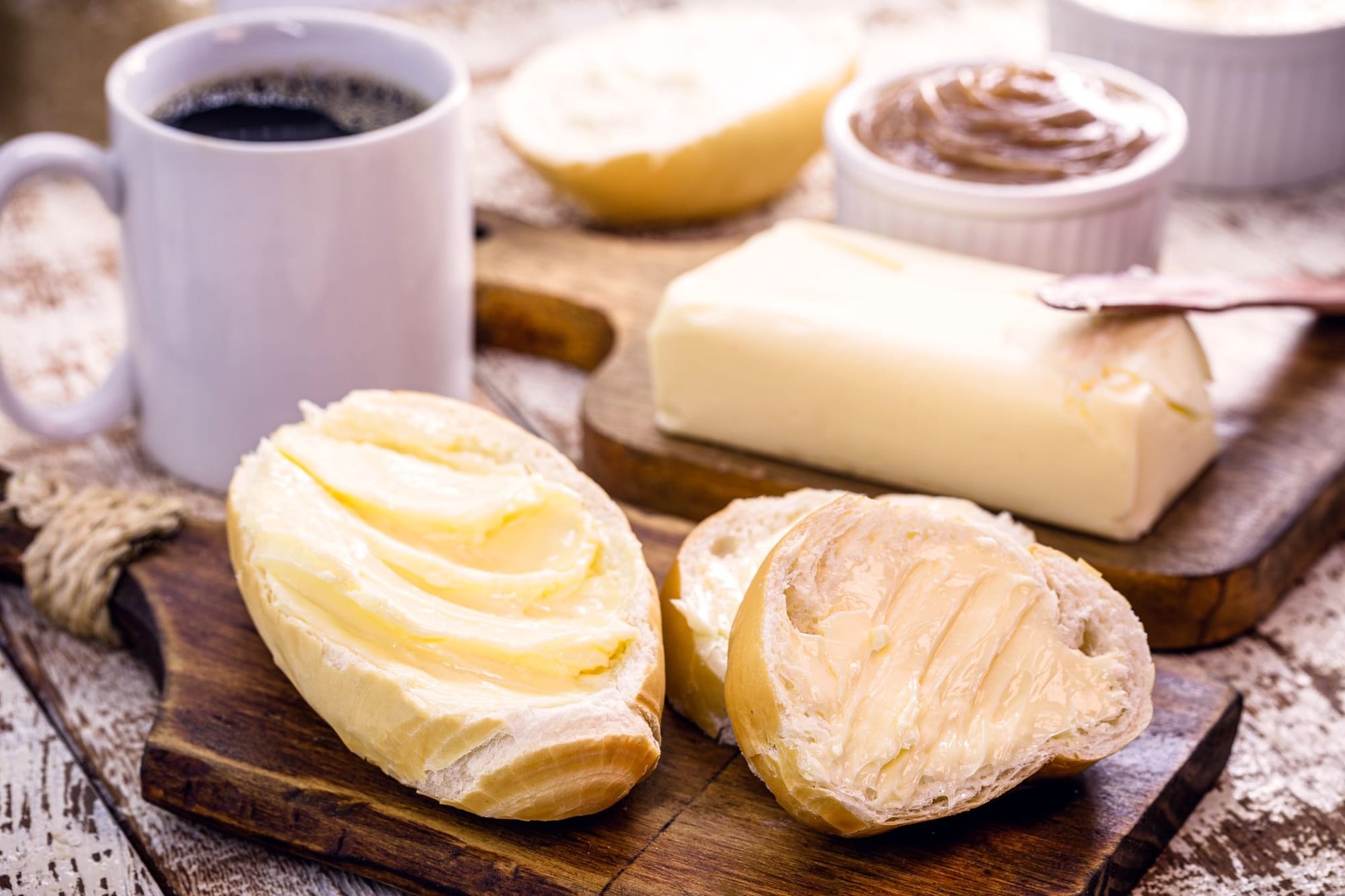
Butter contributes fat and energy to a meal. That makes the amount used important, even when it comes from a preferred milk source. A small addition can bring richness to cooked vegetables or bread, while using it generously throughout the day changes the overall contribution of fat to your meals.
Consider butter alongside the other fats you already use in cooking. Its nutritional value cannot be judged separately from the rest of the plate or your usual eating pattern. The A2 description does not remove butter's saturated fat, and it is not a reason to disregard portions. Check the serving information on the pack and use an amount that suits your dietary needs. People following an individual eating plan should use that plan to guide their choices.
Look at Vitamins Without Assuming a Fixed Amount
Butter can contribute vitamin A and other fat-soluble vitamins. The amount in a particular product can vary, so a general statement about butter is not a substitute for the nutrition information on the pack. Avoid assuming that every A2 butter provides the same quantity or that a small serving supplies all the vitamins you need.
A varied diet remains important. Butter can be one ingredient in meals that also include vegetables and other foods, but it should not be treated as a replacement for them. If you are comparing products for a specific nutrient, look for a declared amount and compare like-for-like serving sizes. A label that describes the milk source tells you something different from a nutrition panel that states the nutrient content of the finished food.
Use Flavor to Make Modest Portions Enjoyable
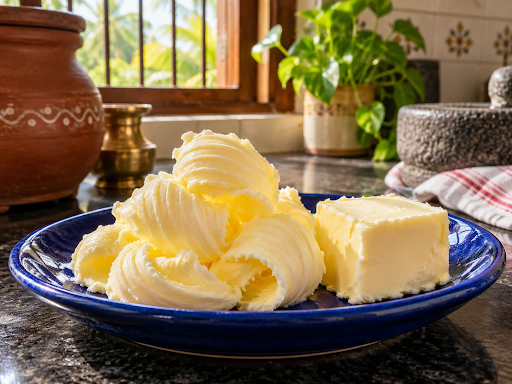
The practical appeal of butter is often its taste and texture. A little melted into warm food can make a simple meal more enjoyable without requiring a large amount. Start with the portion you intend to use, then spread or mix it through the food so that the flavor is distributed evenly.
This is a culinary use, not evidence of a special therapeutic effect. A buttered slice of toast still needs to be considered as part of the meal around it. Notice how often butter appears across breakfast, cooking and snacks, rather than assessing each small amount in isolation. If salt intake matters to your eating plan, check whether the product is salted and use its label to understand what the serving contributes.
Choose With Your Individual Dietary Needs in Mind
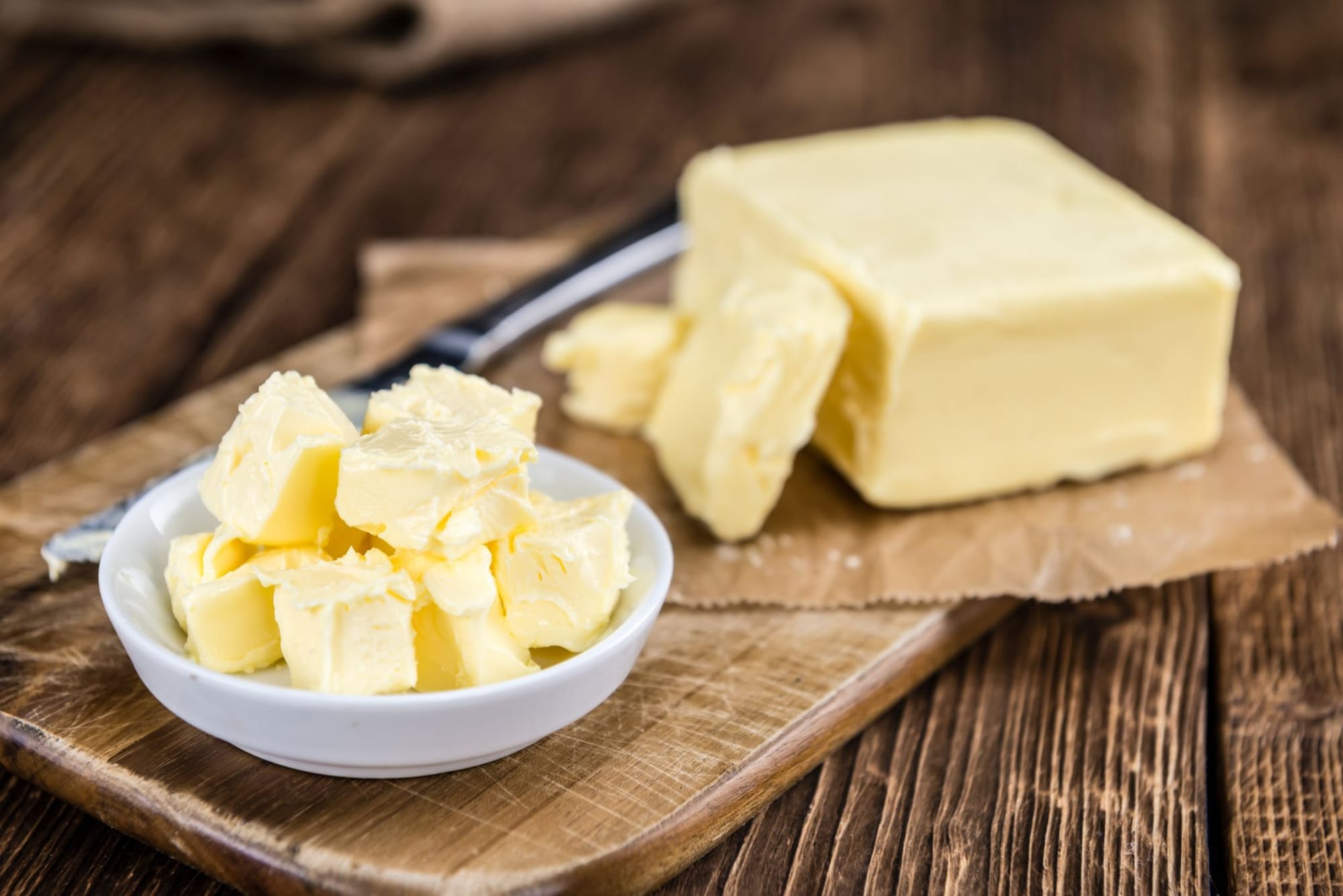
A2 and lactose-free describe different things. The A2 term concerns a milk protein, while lactose is milk sugar. Do not assume that A2 butter is lactose-free unless the product information specifically confirms it. A2 dairy is also not a general solution for a milk allergy, which requires appropriate medical guidance.
Claims that butter will cause weight loss, prevent disease or suit every sensitive stomach go beyond what the name of the product can establish. Read the ingredients and nutrition information, and discuss dairy choices with a qualified professional if you have an allergy, intolerance or a prescribed diet. For everyday selection, clear product information and a portion that fits your meals matter more than an unqualified promise of better health.
Organic Butter From Raghas Dairy
Raghas Dairy includes organic butter in its dairy range for everyday food preparation. If you are considering Raghas organic butter for your kitchen, read the current product information and check the ingredients and nutrition details relevant to your needs. Choose it as a food to enjoy in suitable portions, rather than as a treatment for a health condition.
Frequently Asked Questions
Is A2 Butter the Same as A2 Milk? No. Butter is a separate dairy food with a different nutritional composition. Findings about drinking milk should not automatically be applied to butter.
Does A2 Mean Lactose-Free? No. A2 describes a milk protein type. Check the finished product's label for any lactose-related claim instead of assuming it from the A2 name.
Does A2 Butter Contain Vitamins? Butter can contribute vitamin A and other fat-soluble vitamins, but amounts vary. Use the product's declared nutrition information to assess a particular serving.
Can I Eat More Because It Is A2 Butter? The A2 label does not remove butter's fat or energy content. Portions still matter, and any individual dietary advice should guide the amount you use.
Conclusion
A2 butter can add flavor and dietary fat to everyday meals, with vitamin content that should be checked against the product information. Its name helps describe the milk source, but it does not establish that the butter is suitable for every diet or offers unique disease-prevention benefits. Keep portions in view, consider the other fats in your meals and check salt or allergy information when relevant. For a household choosing butter, the questions that matter are straightforward: what is in the product, how much will you use and does it fit your needs? Enjoying it thoughtfully leaves room for a varied diet.
Visit Raghas Dairy to learn more about our products and join our community of happy customers.



Member discussion