
What Are the Health Benefits of Pure A2 Butter?
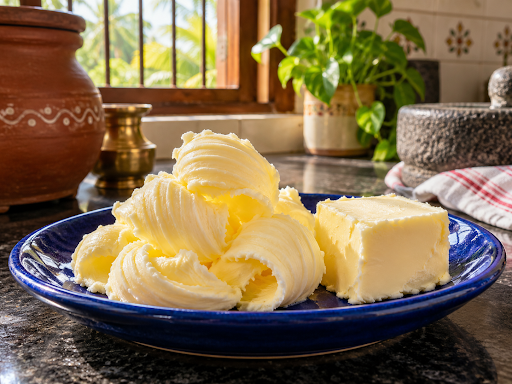
A small piece of butter melting into warm food brings a familiar richness to the table. When that butter carries an A2 label, it is natural to wonder whether it offers something different for your health. A2 butter can supply fat, energy and some nutrients, but the label alone does not prove extra health benefits. The questions worth asking are what the product contains, how much you use and how it fits into your meals. For families choosing butter for everyday cooking, those details offer a clearer guide than promises about immunity, digestion or weight loss.
Understand What the A2 Label Means
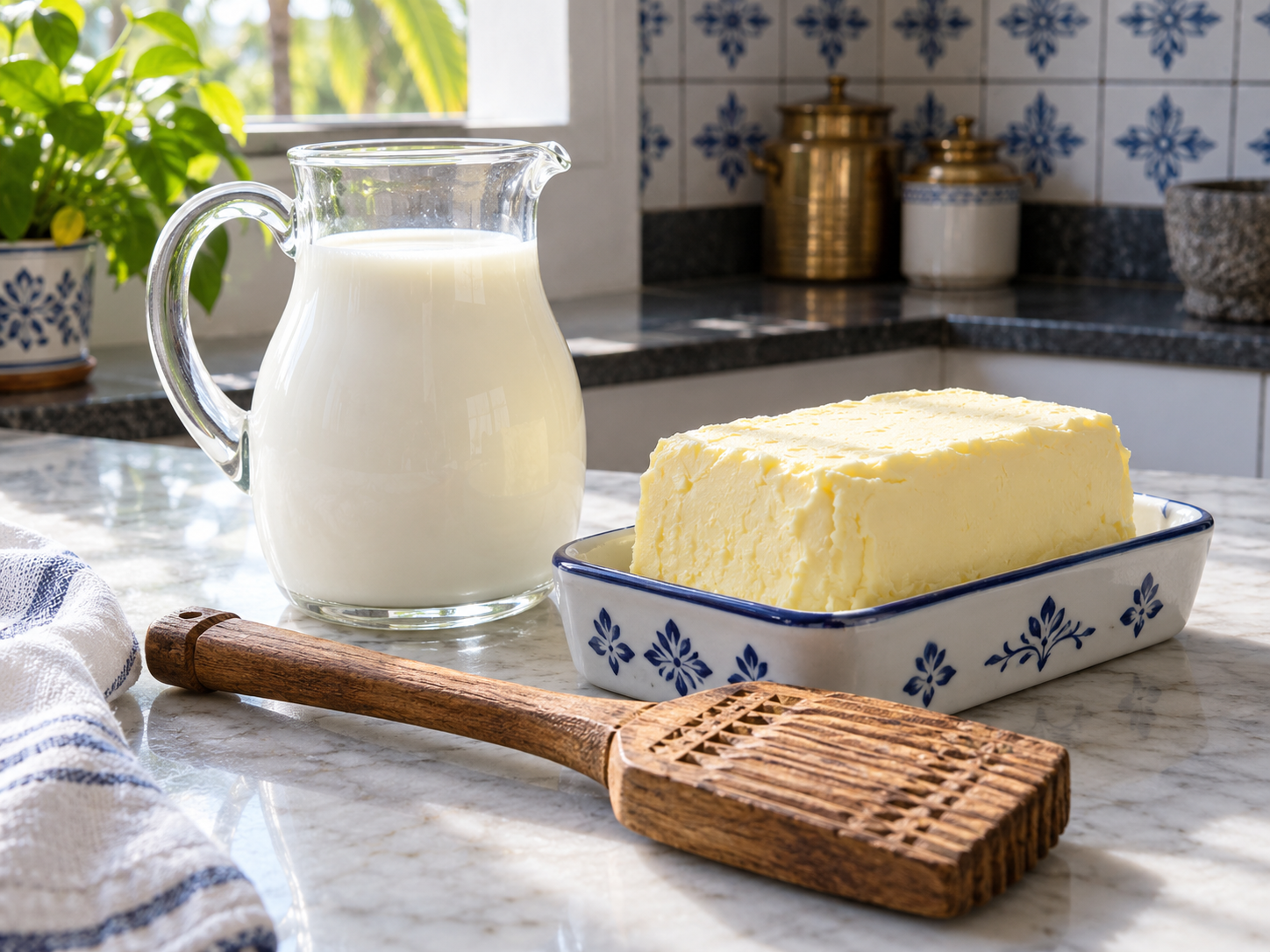
A2 describes a type of beta-casein in the milk used to make the product. Butter, however, consists mainly of milk fat. That distinction matters when reading claims about it: research or marketing about drinking A2 milk cannot automatically establish the same benefits for butter. The finished product and the amount eaten need their own consideration.
Treat A2 as information about the milk source, then look at the rest of the label. Check the ingredients, whether salt is added and any nutrition information provided. Organic and A2 describe different things; neither word by itself proves that a food treats a condition or suits every person. Clear product information helps you choose with realistic expectations while still enjoying the taste and texture you prefer.
Recognize Butter's Role as an Energy Source
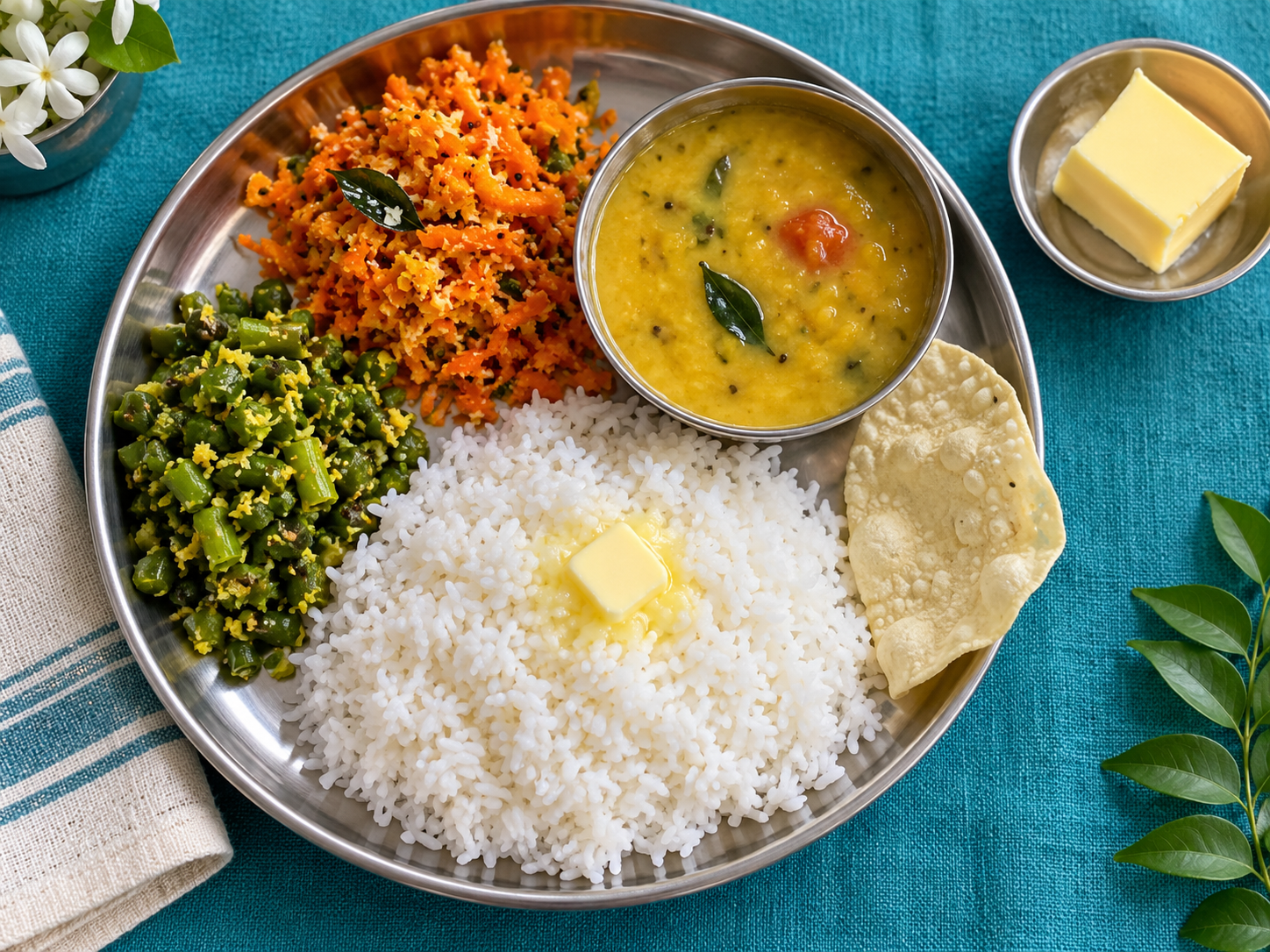
The energy in butter comes from its fat content. A small amount can add richness to rice, vegetables or another home-cooked dish, which makes it a concentrated ingredient, so the quantity matters. Adding more butter does not make a meal more balanced, and a modest serving should sit alongside the foods that provide the rest of your nutrition.
For example, a meal of rice, dal and vegetables already brings several different ingredients to the plate. Butter can be a finishing touch without becoming the main feature of the meal. Keep the portion visible when serving instead of repeatedly adding more during cooking and again at the table. This is a practical way to enjoy its flavor while remaining aware of how much fat the whole meal contains.
Put Vitamin Contributions in Perspective
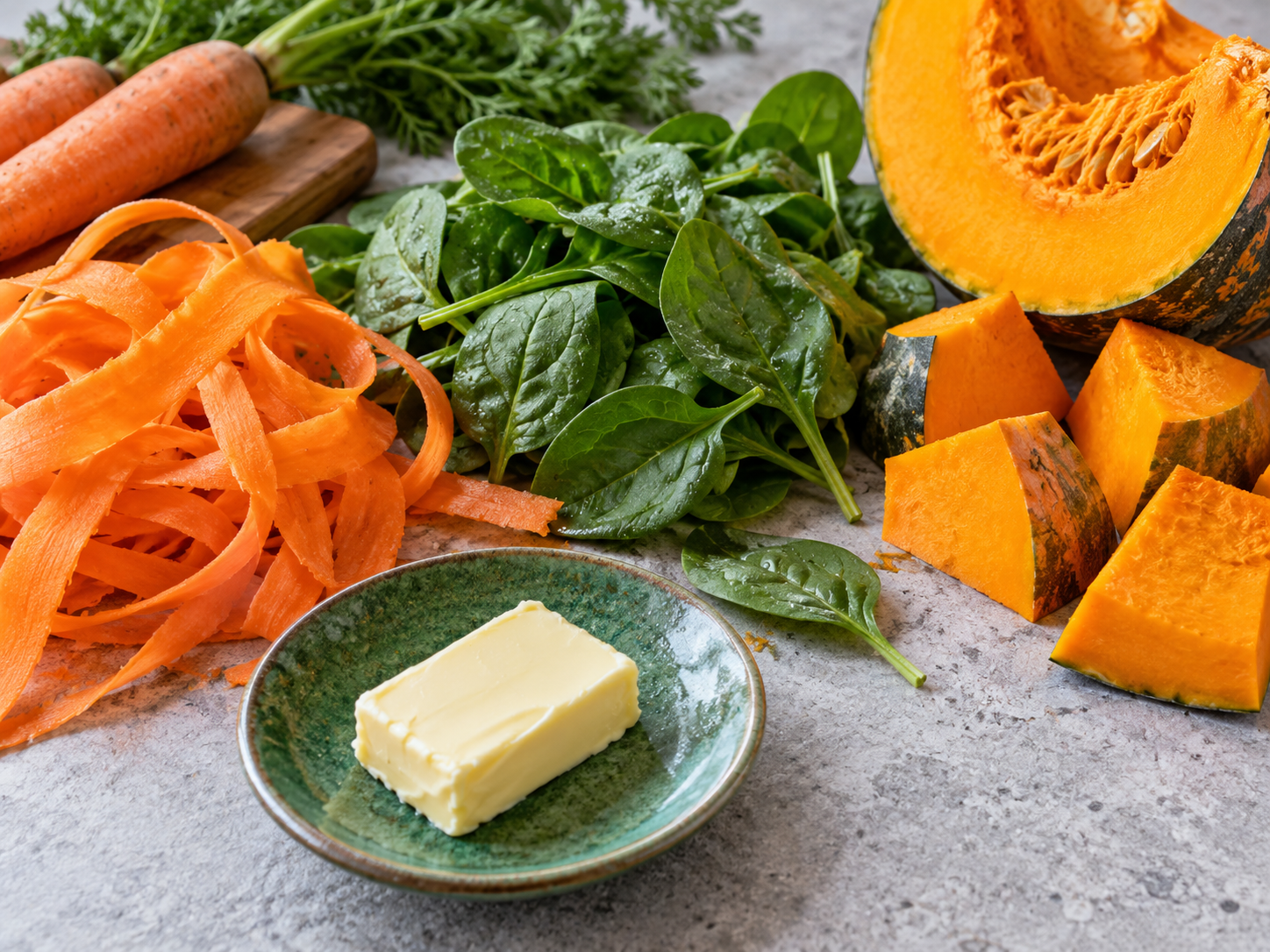
Butter can supply some vitamin A, a nutrient involved in normal vision and immune function. The amount depends on the product and portion, so do not assume that a small pat supplies all you need. Vitamin A also comes from other foods, and the body can convert carotenoids in certain vegetables and fruits into vitamin A.
A varied plate therefore remains important. Carrots, leafy greens and other suitable foods provide nutrients that butter alone cannot. Dietary fat also helps the body absorb fat-soluble vitamins, but that role is not unique to A2 butter. It is a reason to include appropriate fats within a balanced diet, not a reason to increase butter without considering the rest of what you eat. Check available nutrition information rather than relying on a broad vitamin claim.
Enjoy Flavor in Familiar Home-Cooked Food
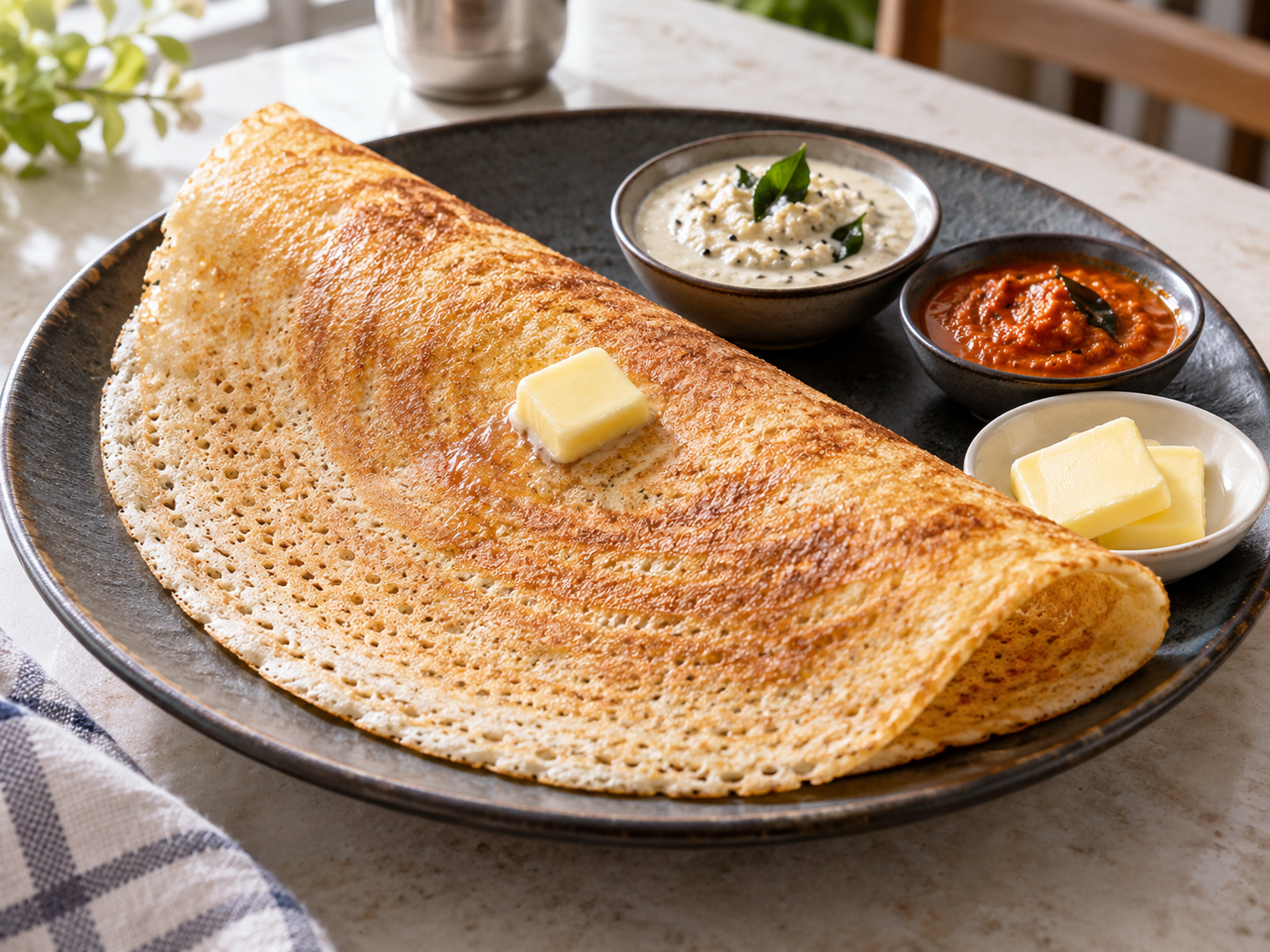
The most immediate benefit of butter is often culinary. Its creamy texture and flavor can make a simple dish enjoyable without a complicated recipe. In a Tamil Nadu kitchen, a little butter on a fresh dosa or stirred into a warm preparation can be enough to give the food the finish you want. Start with a modest amount and taste before adding more.
This is different from treating butter as medicine. A food can belong in a family kitchen because people enjoy it, without needing a claim that it boosts immunity or cures digestive problems. Choose preparations that still include variety, and keep the butter in proportion to the dish. If the butter is salted, take that into account when seasoning. Everyday cooking becomes easier to judge when flavor choices and health claims stay separate.
Balance Portions With Your Health Needs
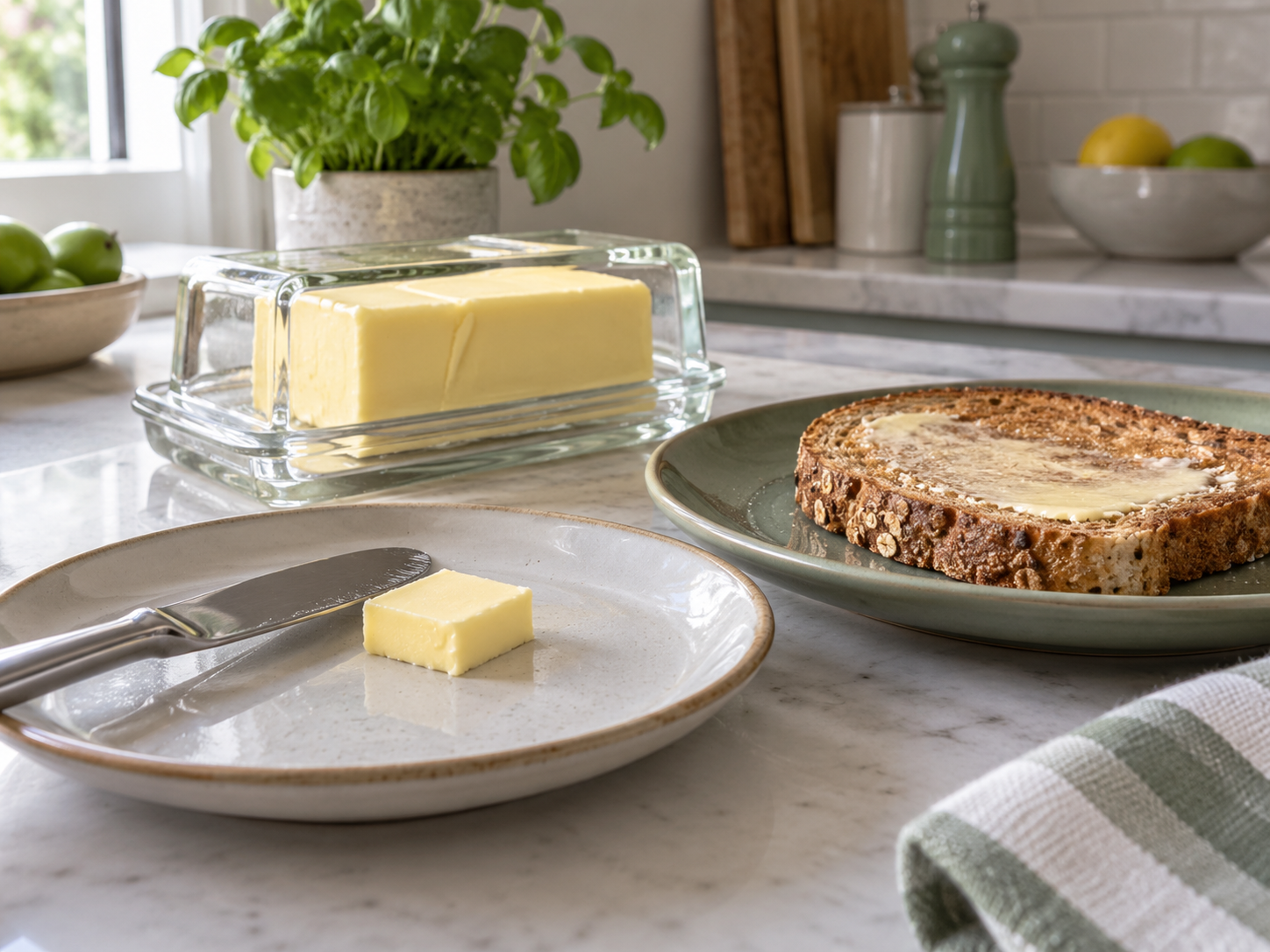
Butter is a source of saturated fat. General healthy-eating guidance favors replacing some saturated fat with unsaturated fats, so an A2 label is not a reason to use butter without limits. Consider other sources of saturated fat across the day as well as the amount on one plate. A dietitian can help with individual needs, particularly if you have been advised to change your fat intake.
Milk allergy and lactose intolerance also require different decisions. A2 does not mean dairy-free, and butter should not be assumed safe for someone with a milk-protein allergy. The A2 label is not a lactose-free claim either. If dairy causes symptoms, seek advice from a qualified health professional instead of testing a new product on the basis of promotional promises. Enjoying butter in sensible portions is one question. Whether you tolerate dairy, and whether it suits your medical situation, is a separate question that needs individual attention.
Bring Raghas Organic Butter to Your Table
At Raghas Dairy, we offer Organic Butter for familiar home-cooked meals. If you are choosing butter for your kitchen, look at the product information and use an amount that suits the dish. Enjoy its place at the table as part of a varied diet, with your own dietary needs in mind.



Frequently Asked Questions
Is A2 Butter Proven to Be Healthier Than Regular Butter? The A2 label alone does not establish superior health effects for butter. It refers to the milk's beta-casein type. Compare the finished product's ingredients and nutrition information rather than assuming that A2 milk claims apply to butter.
Can A2 Butter Replace Other Nutritious Foods? No. Butter supplies mainly fat and energy, with some nutrients. It does not replace the variety provided by vegetables, pulses, whole grains and appropriate protein foods.
Is A2 Butter Suitable for Everyone With Dairy Sensitivity? No. Milk allergy and lactose intolerance are different conditions, and an A2 label does not establish suitability for either. Ask a qualified health professional if you need to restrict dairy.
How Can I Use Butter Sensibly in Daily Meals? Use a modest amount for the flavor you want, consider the fat already present in the meal and check whether the product contains added salt. Individual portions depend on the wider diet and any clinical advice you follow.
Conclusion
Pure A2 butter can bring familiar flavor and a good cooking texture to everyday meals. Its nutritional contribution comes mainly from fat and energy, with some vitamin A, while the A2 label describes the milk source rather than a proven extra health effect. Choose with the full ingredient list and your own needs in mind. Our Raghas Organic Butter can fit into that considered approach to home cooking. Keep portions modest, include a variety of foods and avoid treating any single ingredient as a shortcut to better health. If dairy intolerance, allergy or a medical condition affects your choices, get individual guidance.
Visit Raghas Dairy to learn more about our products and join our community of happy customers.


Member discussion