
What Should You Know About A2 Desi Ghee in Indian Cooking?
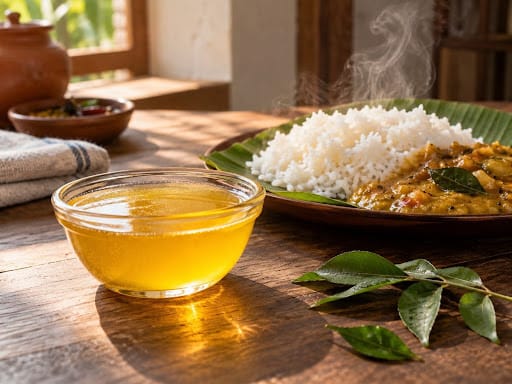
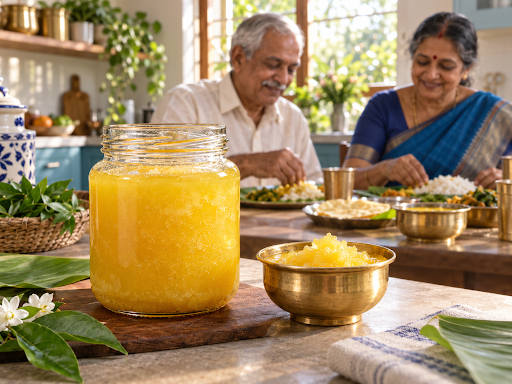
Desi ghee has a familiar place in many Indian kitchens, whether that is a spoonful over hot rice or the smell that rises when spices meet a warm pan. When you are shopping, the words A2 and desi can raise questions about what the product actually is and how to use it. A2 refers to the type of beta-casein protein in the milk used to make the dairy product; the label alone does not tell you everything about taste, preparation, or suitability. What matters in everyday cooking is more ordinary than that: reading the label, working out where ghee fits, and using it thoughtfully in familiar meals. Raghas A2 Desi Ghee is one product you can look at while you compare your options.
What the A2 Label Tells You
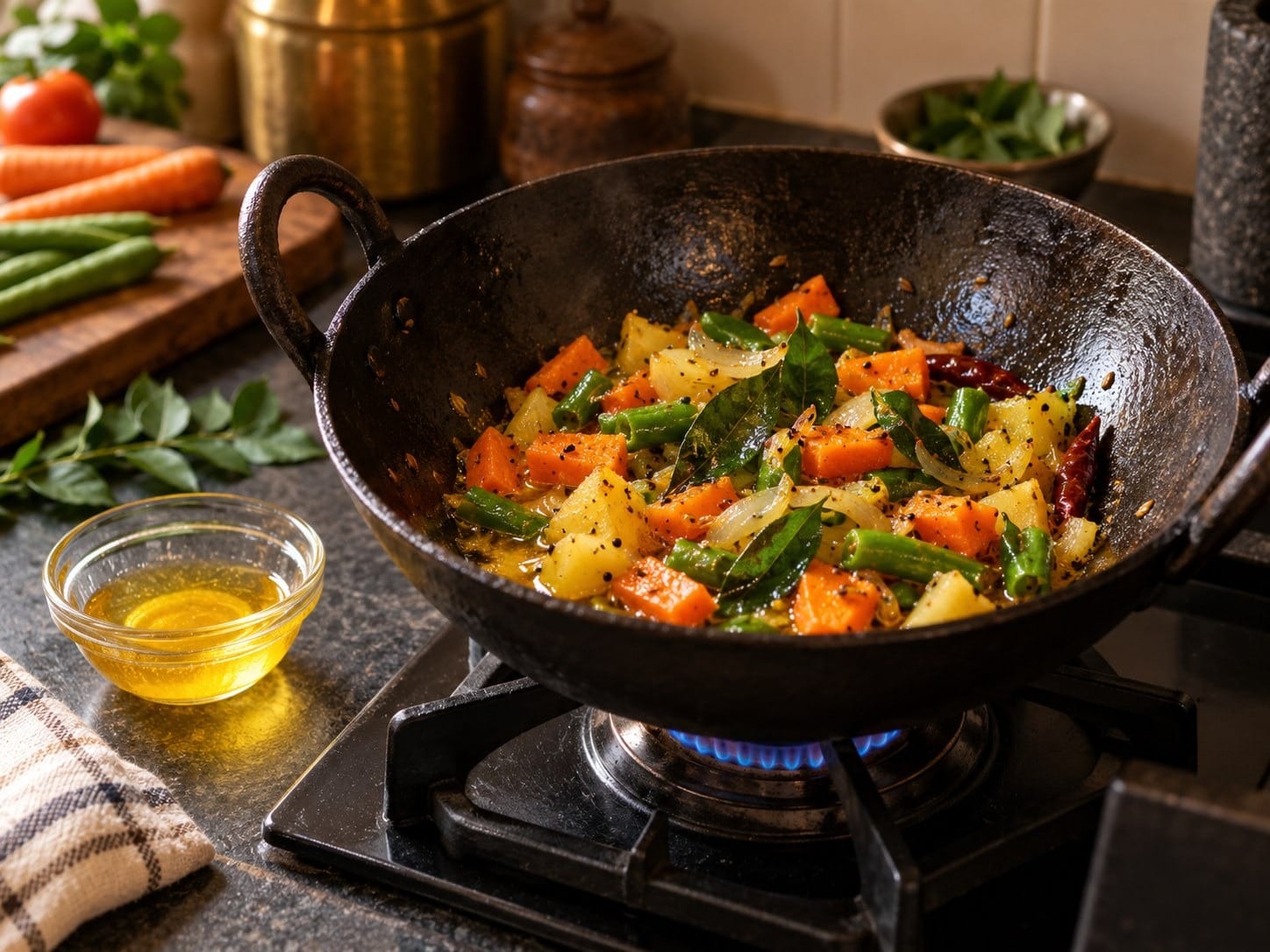
A2 describes a beta-casein protein type associated with the milk used to make the dairy product. It is a sourcing distinction, not a flavor grade or a guarantee that every jar was made in the same way. For cooking, check the ingredient statement, product description, and storage directions. If you have a milk allergy or a condition that affects what you can eat, ask a qualified clinician about your own needs rather than relying on a marketing label. The comparison that actually helps in a kitchen is still a practical one: aroma, texture, intended use, and whether the product suits the dishes you prepare.
How Ghee Fits Into Everyday Indian Cooking
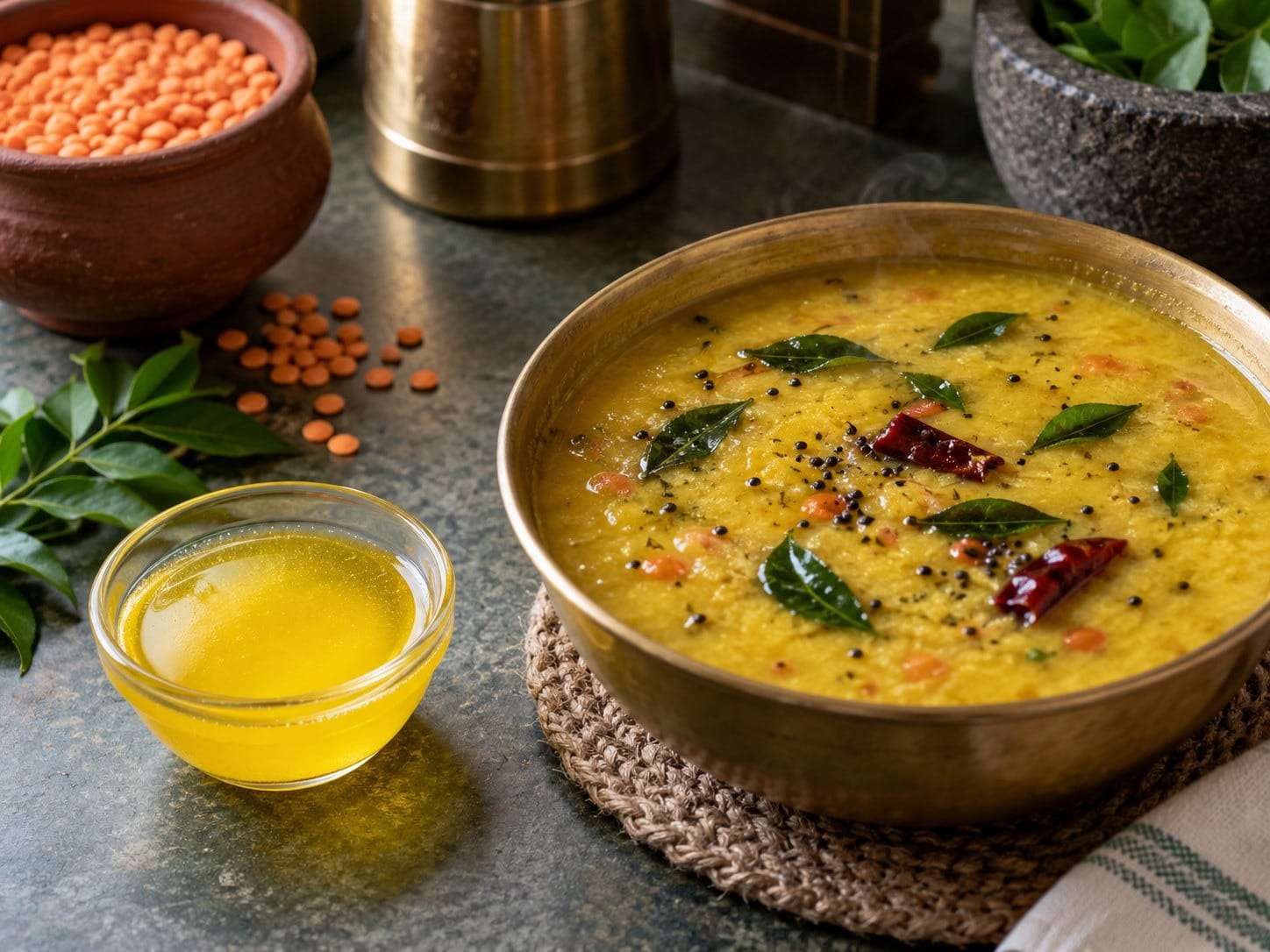
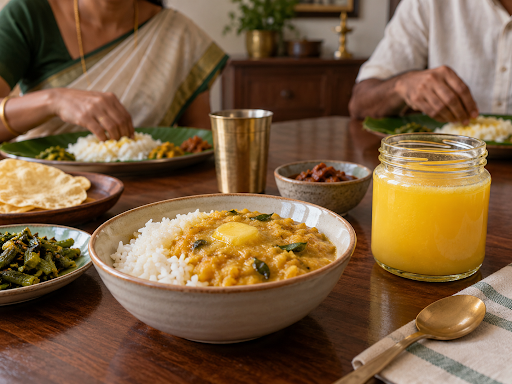
Ghee has a rich, rounded smell that can change the feel of a dish even when you use a small amount. Many cooks add it at the end of a meal, stir a little into rice, or use it to finish dal. In a Tamil Nadu kitchen, its flavor can sit alongside pepper, cumin, curry leaves, lentils, and rice without taking over the plate. Start with a modest quantity and taste as you cook; the right amount depends on the dish and your preference. Ghee is an ingredient, so treat it as part of the meal rather than as a shortcut to a health outcome.
Use Ghee for Tadka and Sauteing
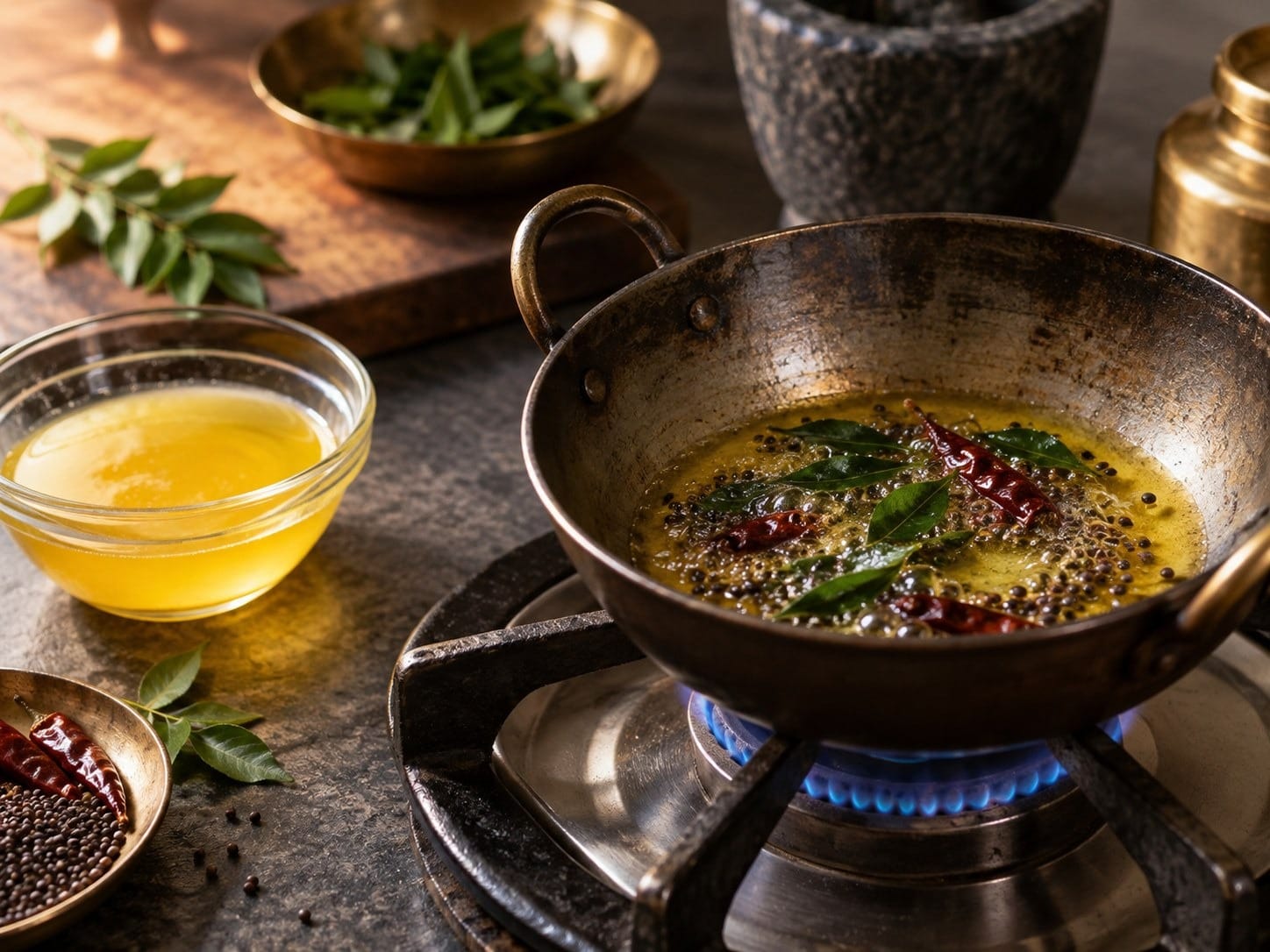
For a quick tadka, warm a small amount of ghee in a pan, then add the spices or aromatics called for by the recipe. Keep the heat controlled so the spices release their aroma without scorching. Curry leaves can splutter when they meet hot fat, so add them carefully and keep your face and hands clear of the pan. Pour the seasoning over dal, vegetables, or another prepared dish. You can also use ghee to sauté ingredients when its flavor suits the recipe. If a dish needs a neutral taste, another cooking fat may fit better.
Bring Its Aroma to Rice, Roti, and Sweets
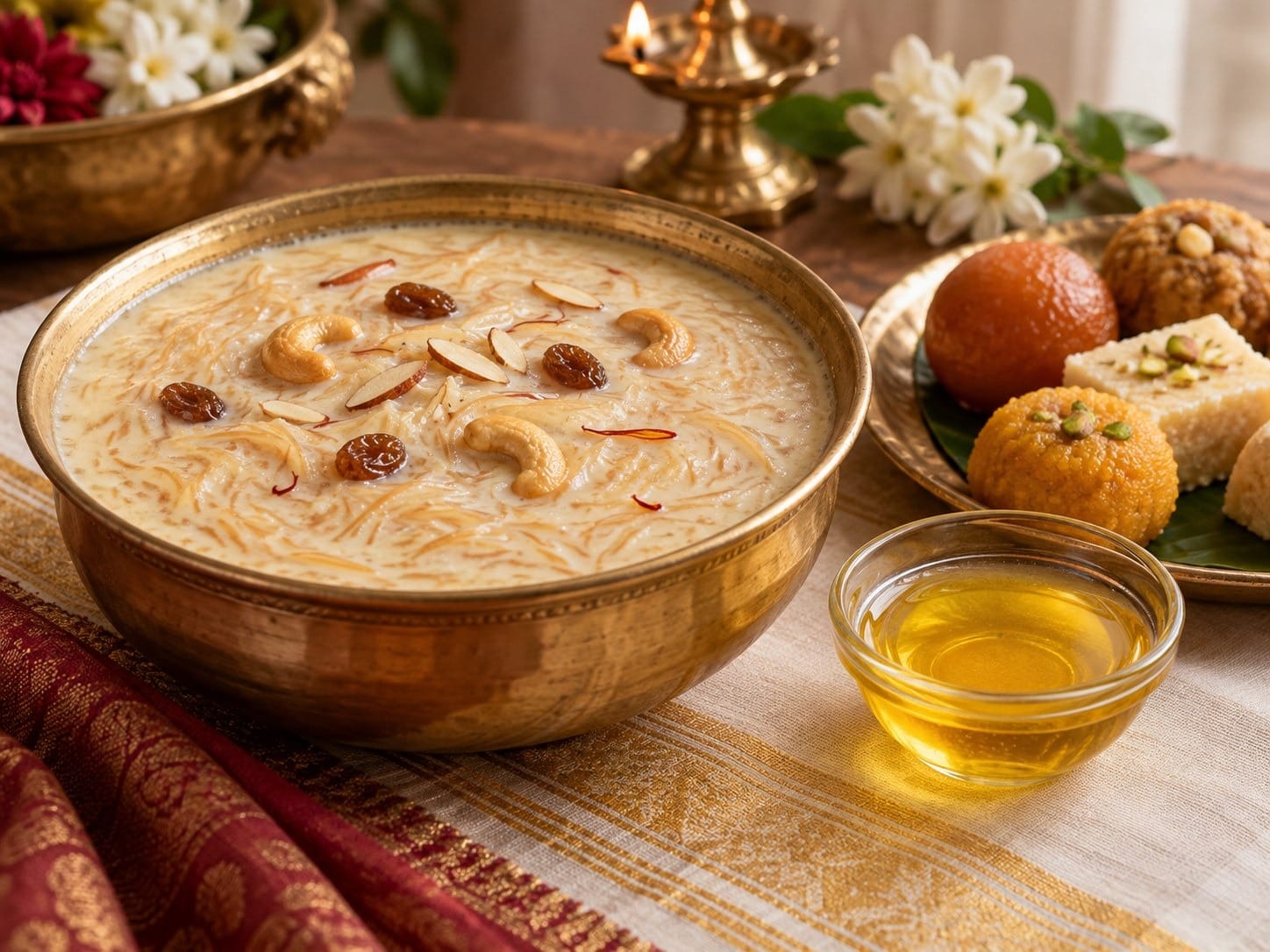
A small spoonful can finish hot rice, soften the bite of roti, or give a sweet recipe a familiar scent. In payasam and other desserts, follow the recipe's sequence so the fat blends with the ingredients instead of separating. For rice or flatbread, add ghee just before serving and adjust to taste. Because its flavor is distinct, it can be more noticeable in a simple dish than in a heavily seasoned one. Begin with less than you think you need, then add a little more only if the balance feels right.
Choose and Store Ghee With Care
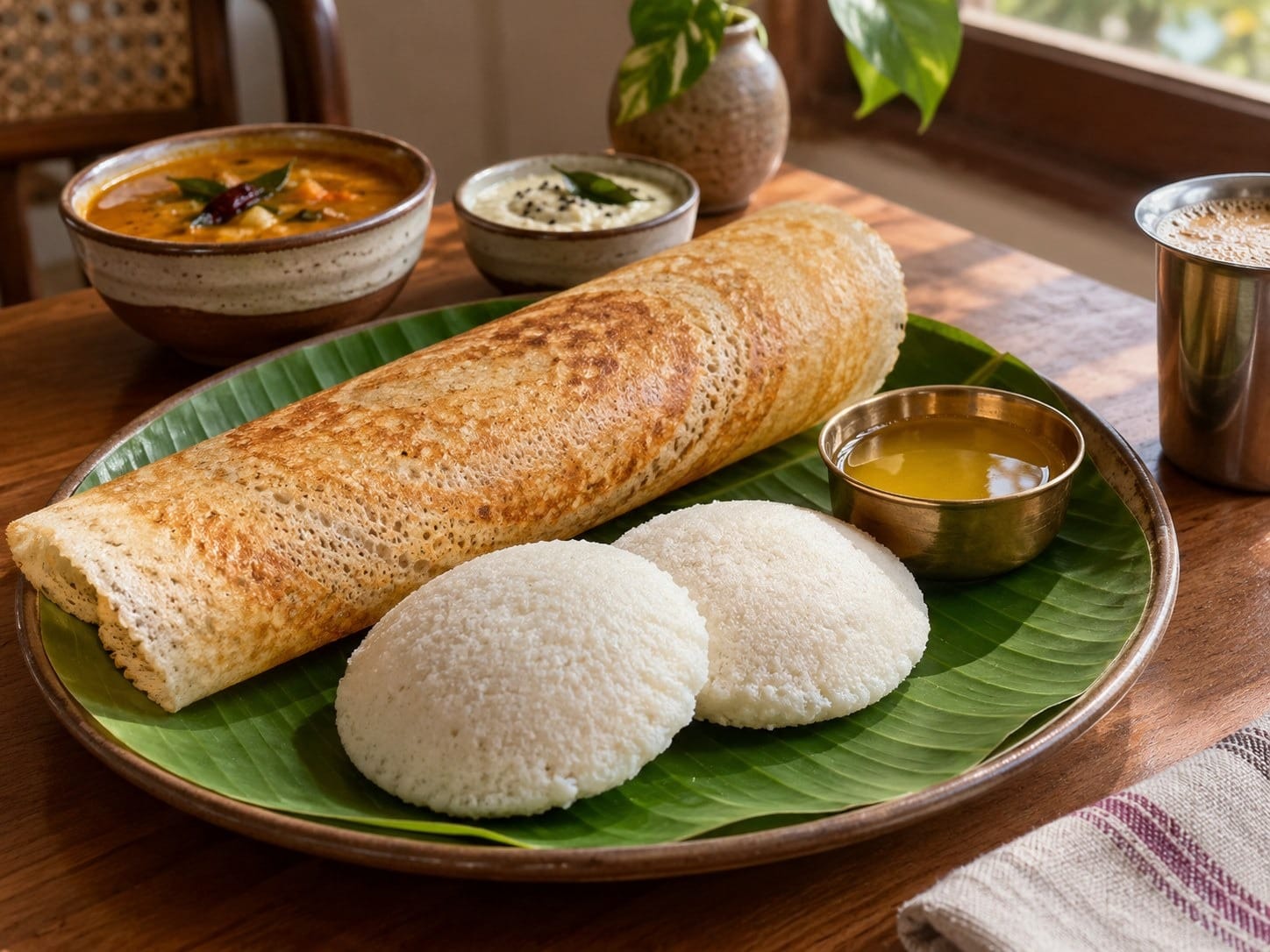
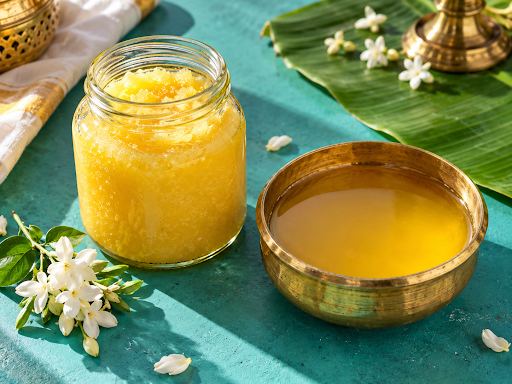
Read the product label and choose a jar that clearly identifies its contents and gives practical storage guidance. Keep the lid closed between uses and use a clean, dry spoon so food or moisture does not enter the container. Store it as directed on the label, away from heat and direct sunlight. Notice the smell and appearance when you open it; if anything seems off, do not use it. A smaller amount used with care can go a long way in everyday cooking. The best choice is the one whose flavor, sourcing information, and instructions match your household's preferences.
What Customers Say About Raghas A2 Desi Ghee
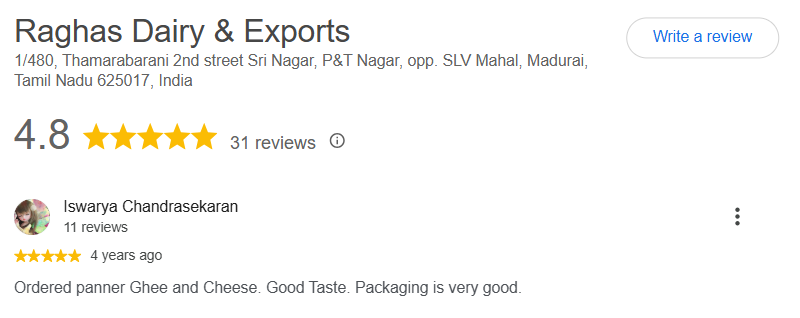
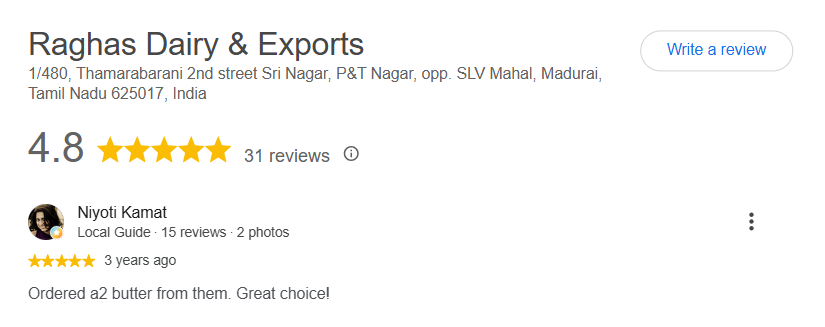
Raghas A2 Desi Ghee is part of the dairy range from Raghas Dairy. Read the product information and customer feedback on the Raghas Dairy page before deciding whether it suits your kitchen.

Frequently Asked Questions
What Does A2 Mean on a Ghee Label? A2 refers to the beta-casein protein type associated with the milk used to make the dairy product. It does not by itself describe the ghee's flavor or preparation method.
Can I Use Ghee for Tadka? Yes. Warm a small amount, add the recipe's spices carefully, and keep the heat controlled so they do not burn.
How Much Ghee Should I Add to Rice or Roti? Start with a small spoonful and adjust to taste. The amount depends on the dish and your preference.
How Should I Store Ghee? Follow the jar's storage directions, keep it closed, and use a clean, dry spoon each time.
Conclusion
A2 Desi ghee is one detail to understand when choosing ghee; everyday cooking still comes down to the product's flavor, clear labeling, and how you plan to use it. A little can finish rice, roti, dal, vegetables, or sweets, while a careful tadka lets its aroma mingle with spices. Keep portions suited to the meal, follow the storage directions, and use a clean spoon. If you are comparing jars, read the ingredient and product information rather than treating one label as a promise about health. Look at those details for yourself and decide what fits your kitchen.
Visit Raghas Dairy to learn more about our products and join our community of happy customers.

Member discussion