
7 Tips for Crafting Perfect Fashion Portfolios
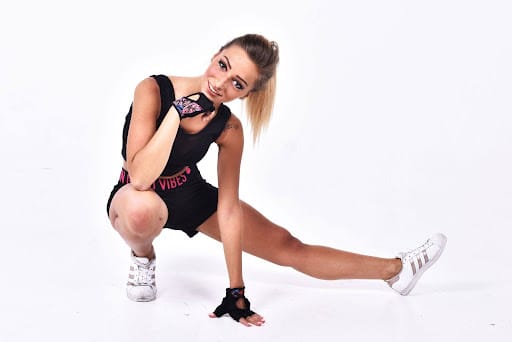
A fashion portfolio has a practical job: it lets a casting team understand your look and picture how you might fit a brief. For New York modeling opportunities, a focused collection can show your current appearance, movement, and range without burying your strongest frames in near-duplicates. Start by deciding what kind of work you want to pursue, then choose photographs that support that direction. A clear headshot, full-length frame, varied expression, and a few purposeful styling changes tell a reviewer more than a long gallery with no point of view. These seven steps can help you plan, select, and maintain a portfolio that feels like you.
Start With the Work You Want to Book
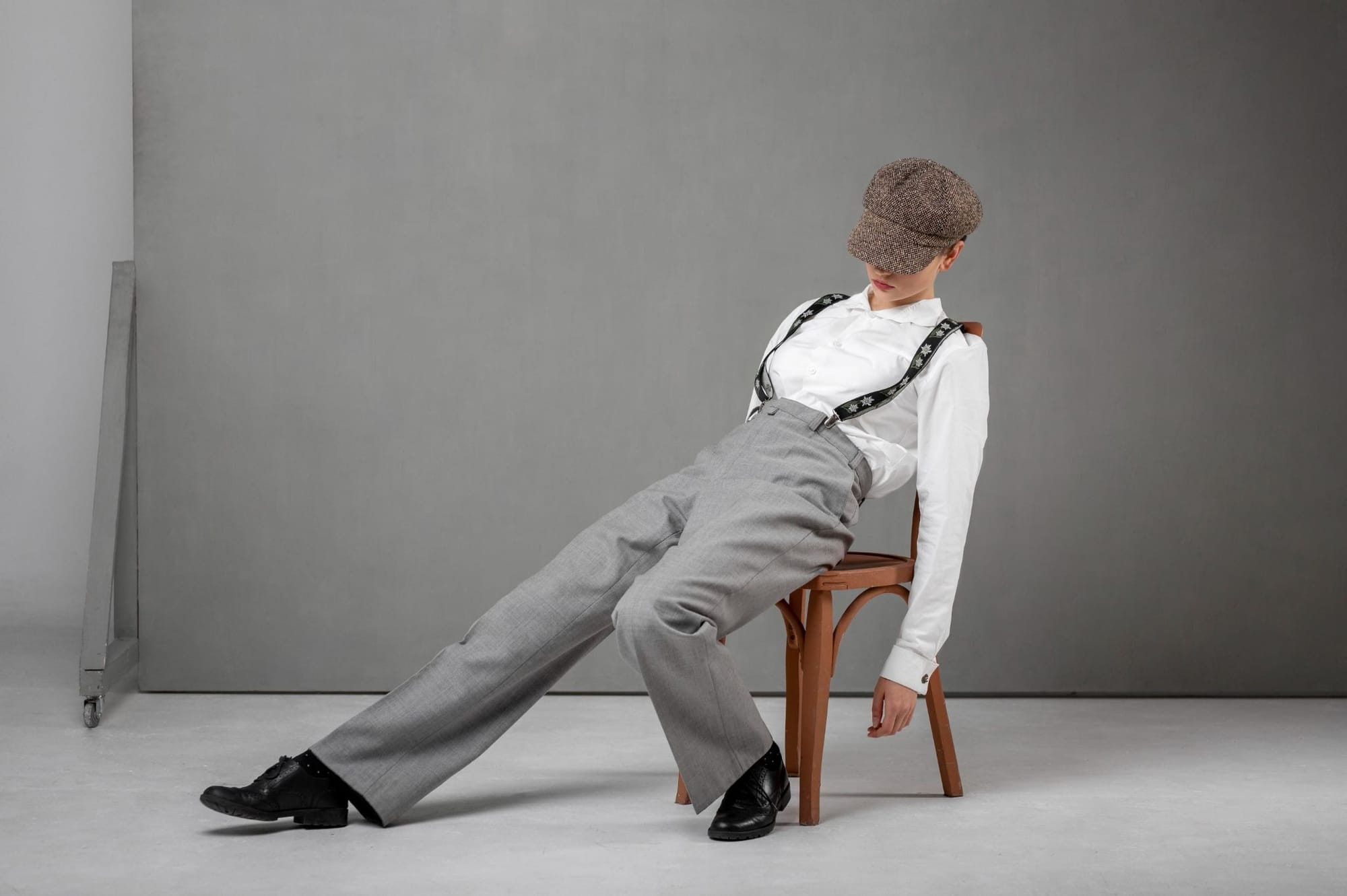
Before choosing outfits or locations, name the kinds of assignments you want your images to support. Fashion, lifestyle, beauty, and commercial briefs call for different moods and framing. A portfolio does not need to claim that you can do everything; it should make your strongest direction easy to recognize. Review current casting requirements in your market and note whether clients ask for headshots, full-length images, digitals, or a particular range of expressions. Use that list as an editing guide. When a photograph does not serve the direction you chose, leave it out, even if it is a favorite.
Build a Clean Set of Digitals
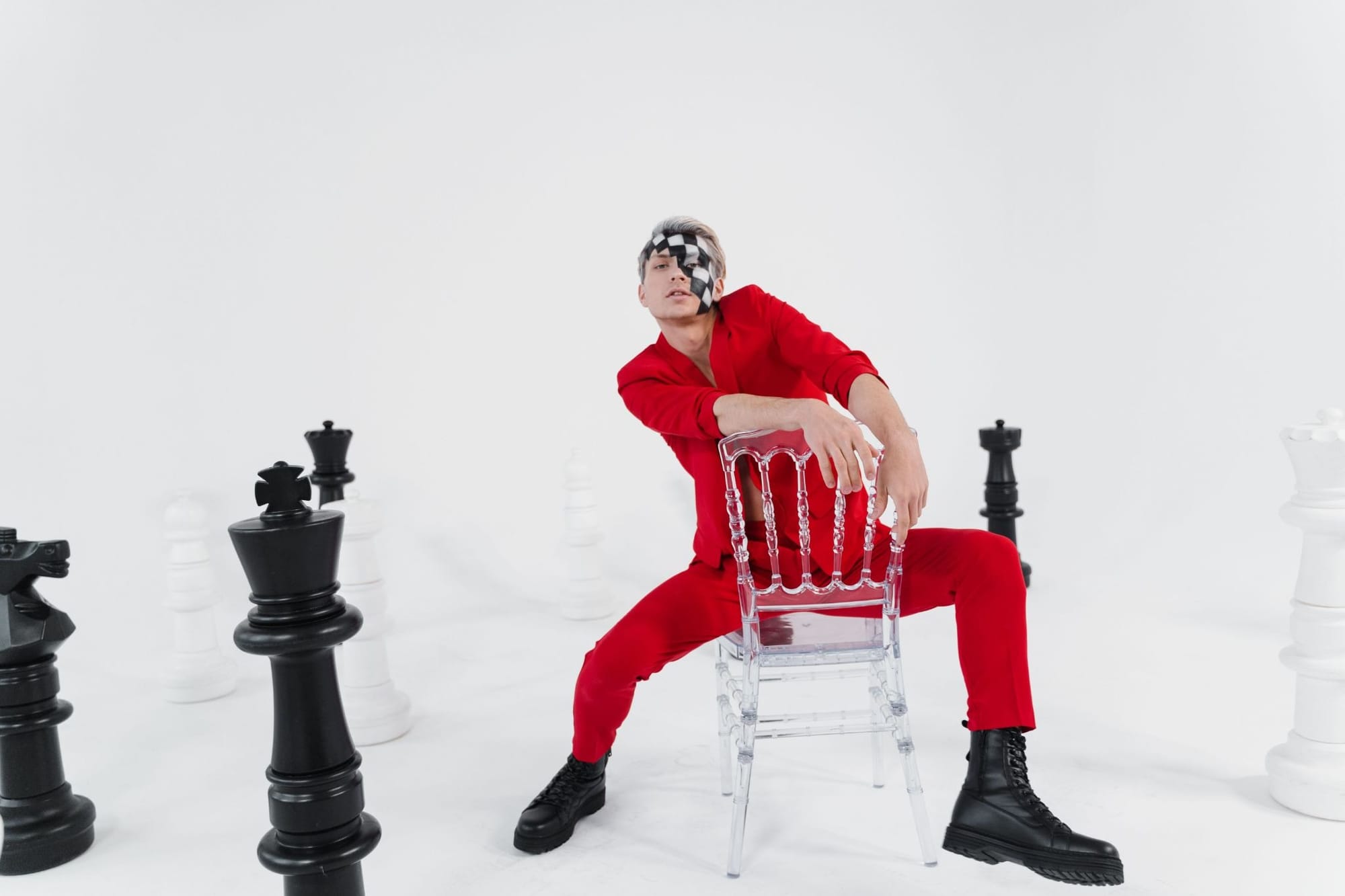
Simple digitals give a viewer a straightforward sense of your present appearance. Choose uncluttered clothing that fits well, keep the background quiet, and use even light that preserves natural detail. Include a clear face-forward view, a profile, and a full-length frame if the submission asks for them. Follow the agency or casting brief for exact requirements; a portfolio image cannot replace requested digitals. Keep editing restrained so color, skin texture, and proportions remain believable. If you update your hair or make another visible change, refresh the images that no longer represent how you look now.
Show Range Through Pose and Framing
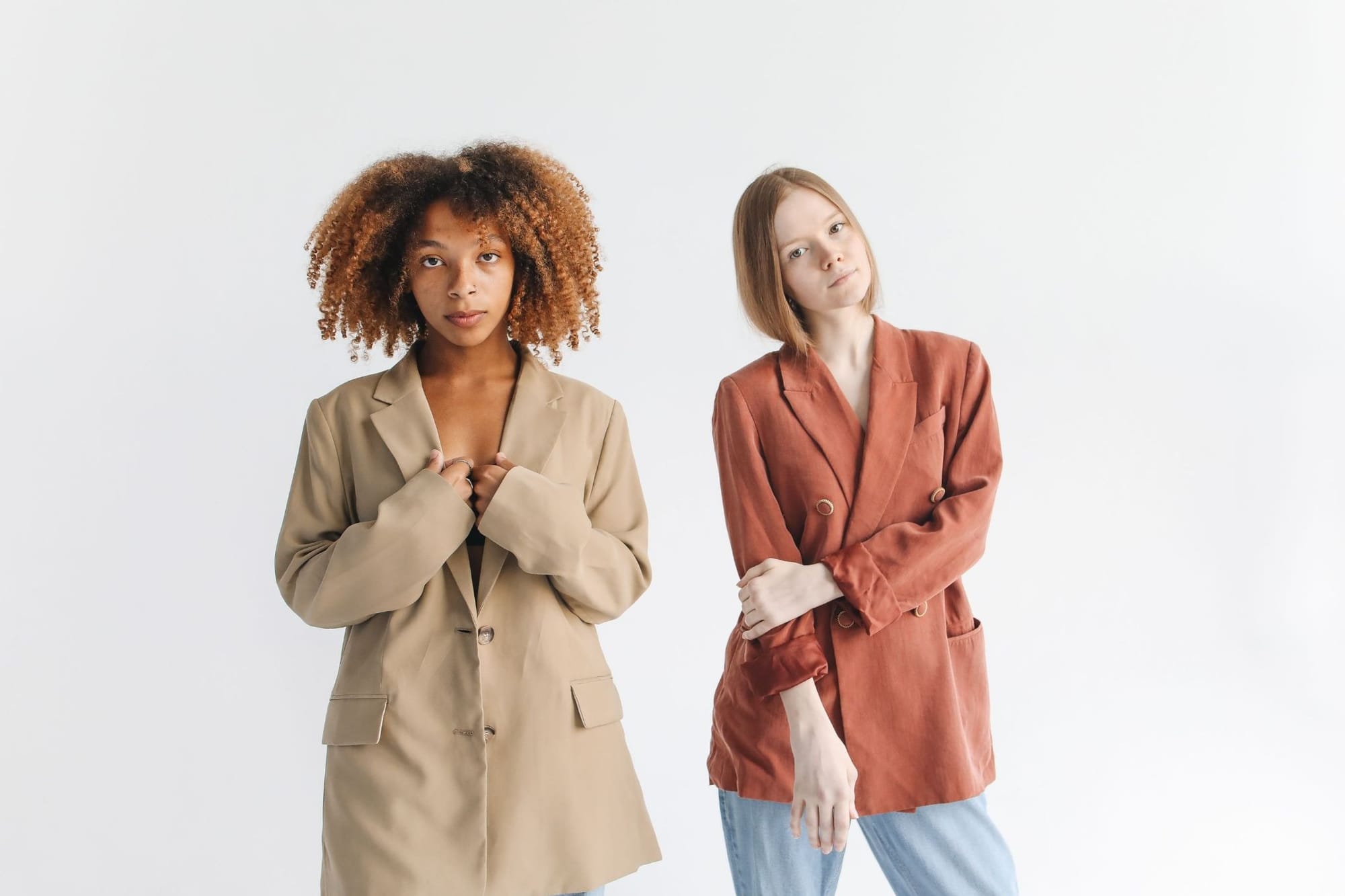
A good portfolio gives each photograph a reason to be there. Change the crop, posture, gaze, and energy from one frame to the next. A close portrait can show expression; a wider image can demonstrate posture and how clothing moves. Small shifts in shoulder angle or hand placement often create a fresh silhouette without making the pose feel forced. Ask the photographer to leave room for both direct and candid-looking expressions. During selection, compare neighboring images side by side. If they communicate the same pose and mood, keep the stronger one and use the open space for a different kind of frame.
Choose Styling That Supports the Image
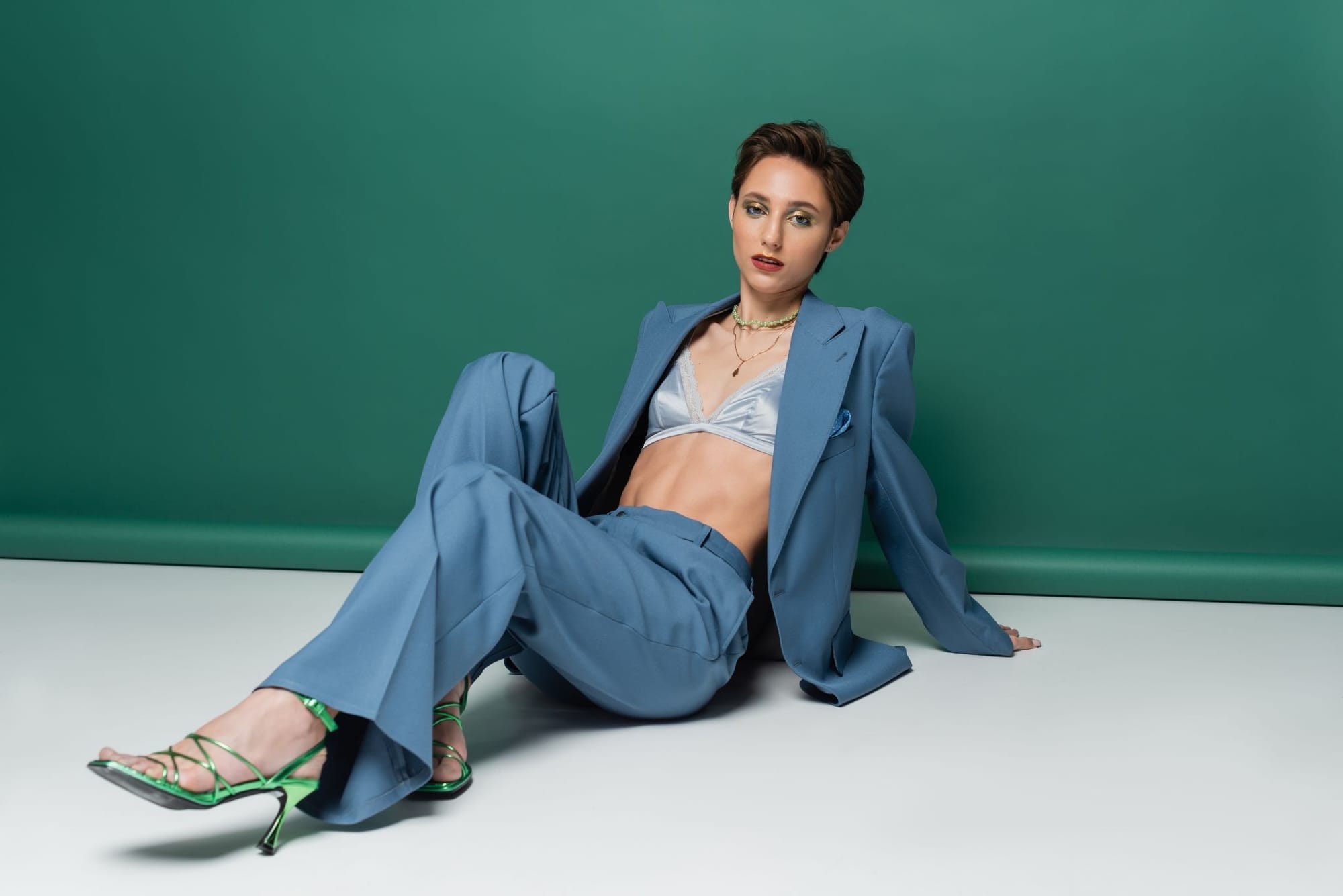
Clothing, hair, and makeup should help the viewer read the photograph quickly. For a fashion-led portfolio, include styling that suits the type of work you want, while keeping some images simple enough to show your features clearly. Check fit, wrinkles, accessories, and stray details before each frame. A strong color or texture can add character, but repeated statement pieces can make the collection feel like one outfit test. Plan changes with a purpose: perhaps one polished look, one relaxed look, and one frame that shows a different silhouette. The goal is variety that still feels coherent.
Use Light and Setting With Intention
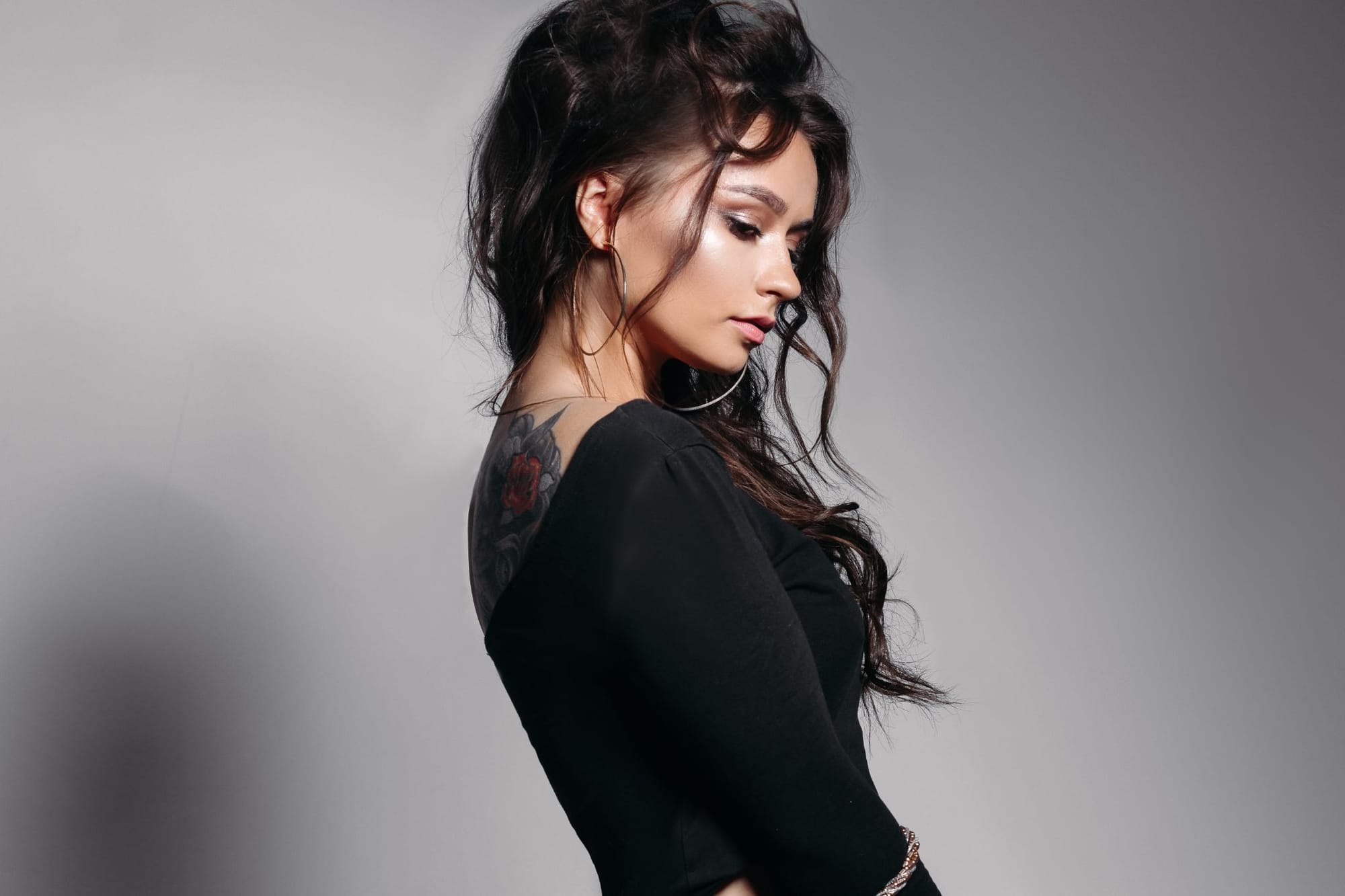
A location can add atmosphere, but it should not compete with the person in the frame. A plain studio wall gives a clean read; a textured interior or colorful backdrop can add personality when it fits the brief. Notice where the light falls on the face and whether the background introduces distracting lines or objects. If you work outdoors, check how changing daylight affects skin tone and consistency across the set. Try a few frames in one location before moving on. Deliberate choices usually create more variety you can actually use than changing settings simply to collect more backgrounds.
Keep Editing True to Your Current Look
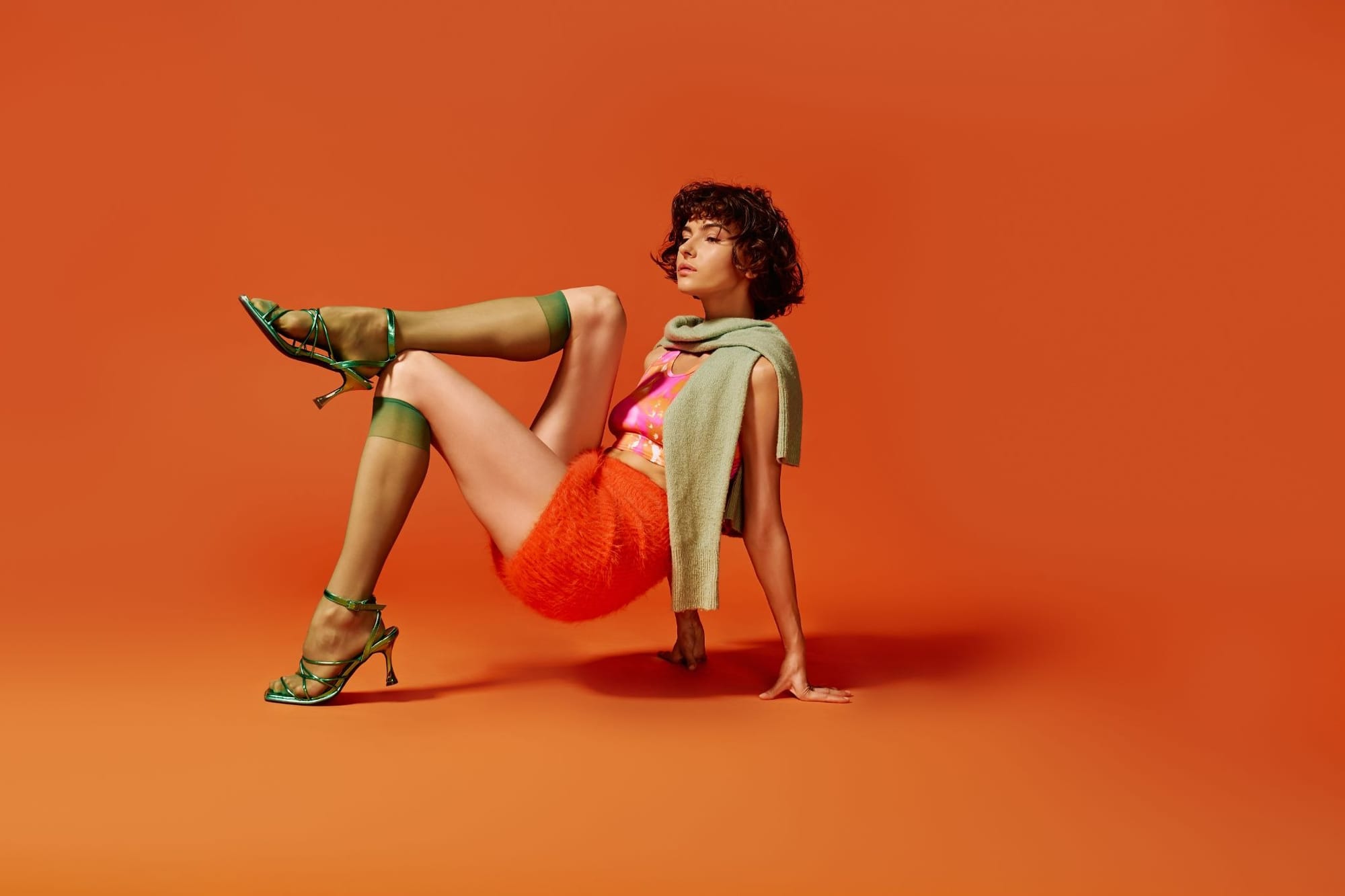
Retouching can refine a photograph, but heavy edits make it harder to use for a casting decision. Keep skin texture and facial features natural, and avoid reshaping the body or changing details that affect how a viewer recognizes you. Match color and exposure across images so the portfolio feels considered, while allowing different assignments to retain their own mood. If you are unsure whether an edit goes too far, compare it with an unretouched frame at normal viewing size. A believable image builds a clearer picture of your look than a polished frame that no longer resembles you.
Edit and Refresh the Portfolio as a Set
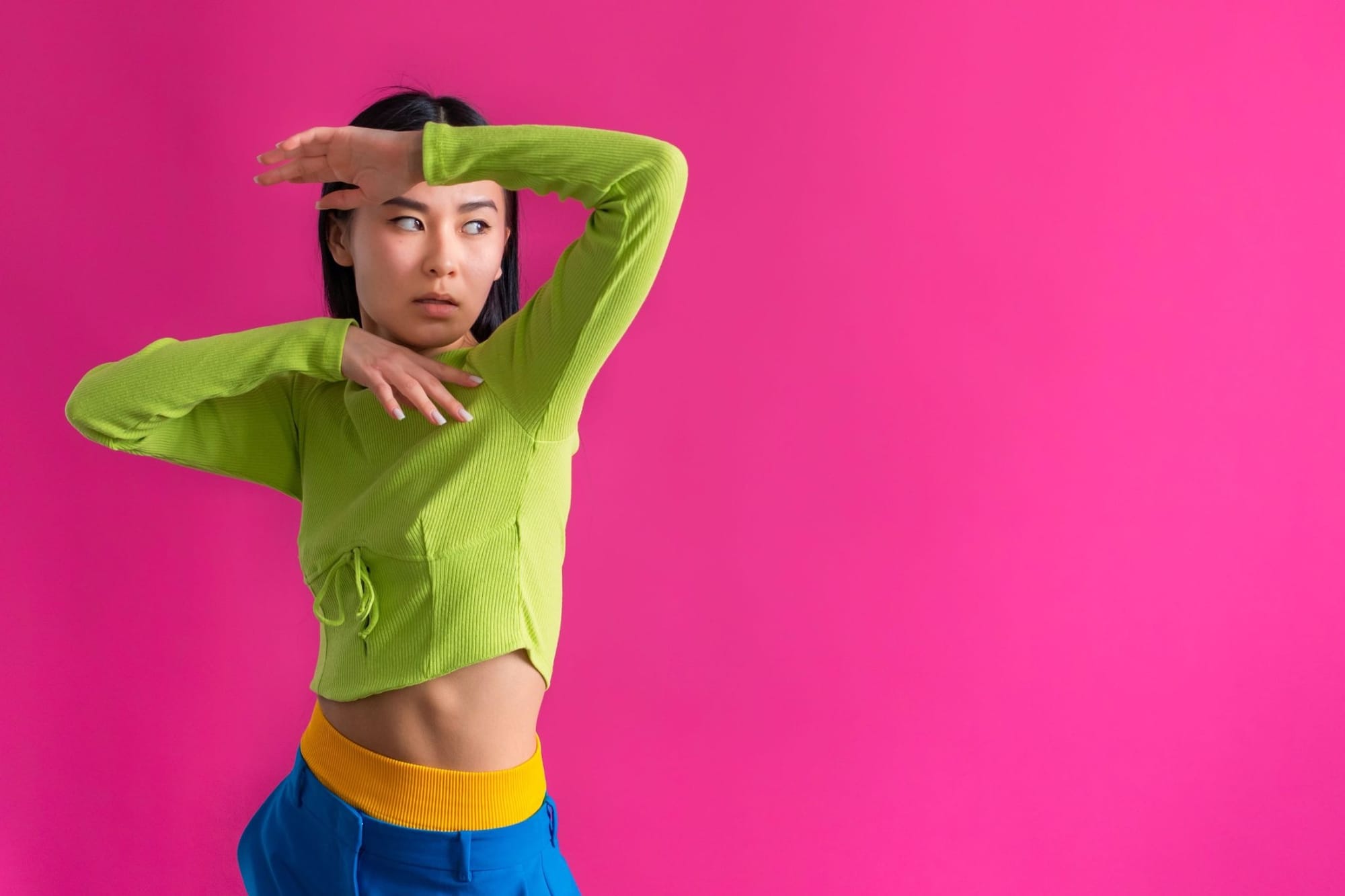
Treat the finished portfolio as a small, changing collection rather than a permanent archive. Put the strongest and most relevant photographs first, remove images that repeat one another, and check that every selected frame still represents your current look. Ask a trusted professional to review the sequence, not just individual favorites. Keep a high-quality digital copy ready for online submissions and confirm that files open clearly on a phone as well as a computer. When your goals or appearance change, update the images that matter most. A concise, current portfolio is easier to review and easier for you to stand behind.
What Clients Say About Maps Studio
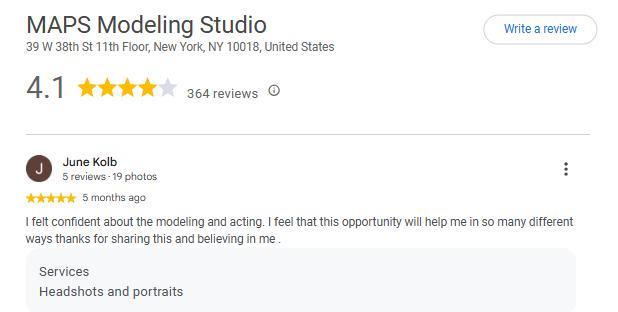
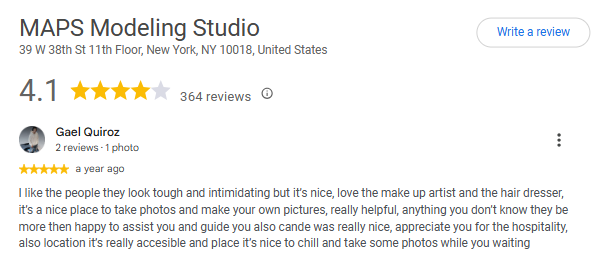
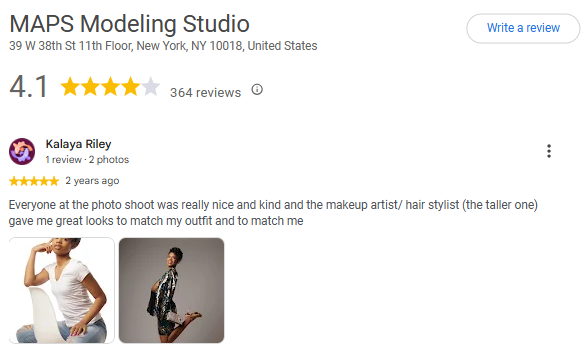
Maps studio values thoughtful preparation and clear direction throughout a photography session. The client feedback below reflects individual experiences shared on the studio's review profile.
Frequently Asked Questions
How Many Photos Should a Fashion Portfolio Include? Use enough images to show the range requested for your work, then edit out near-duplicates. A short, purposeful selection is easier to review than a long set with repeated poses.
Should I Include Digitals in My Portfolio? Keep current digitals available, especially when a casting brief requests them. Follow the exact image types and file instructions supplied by the agency or client.
How Often Should I Update My Portfolio? Review it whenever your look, goals, or strongest work changes. Replace photographs that no longer represent you and remove images that repeat a newer frame.
Do I Need a Different Portfolio for Every Modeling Job? You can keep one well-edited core portfolio and adjust the order or selection to match a specific brief. Only include images that support the opportunity you are pursuing.
Conclusion
A strong fashion portfolio gives the viewer a clear sense of your current look and the work you want to pursue. Choose photographs with distinct purposes, keep styling and retouching honest, and edit the sequence so your best frames appear early. Revisit the collection as your experience and goals change; an image that once felt necessary may no longer represent you. When a casting brief sets specific requirements, follow those instructions first and prepare the requested digitals separately. For more context on presenting yourself professionally in New York, read the guide to modeling professionalism and attitude as you plan your next portfolio update.
Visit Mapsstudio for more information about photography.
Note: We enjoy sharing creative inspiration, photography tips, and industry insights to help you capture life's best moments. The services, styles, and equipment mentioned in our articles are for informational purposes only and may not reflect our current offerings. For the latest on our photography services and portfolio, visit Maps studio.
Member discussion