
Building Your NYC Modeling Portfolio
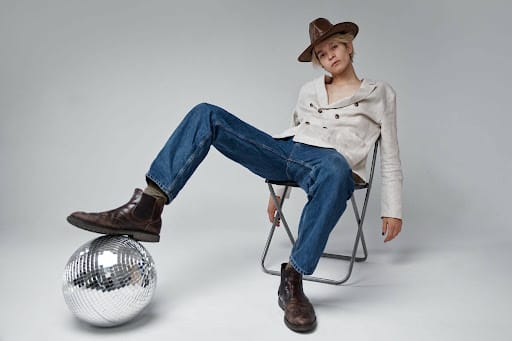
Choosing photos for an NYC modeling portfolio gets difficult when you like every image for a different reason. A dramatic portrait may show your style, while a simpler frame gives someone a clearer view of your face. The question worth asking is what the collection tells a person who has never met you. Your choice of work, expressions, and presentation all matter. These three tips will help you prepare a more focused shoot, make better selections afterward, and keep your portfolio ready for the opportunities you want.
Choose A Clear Direction For The Work You Want
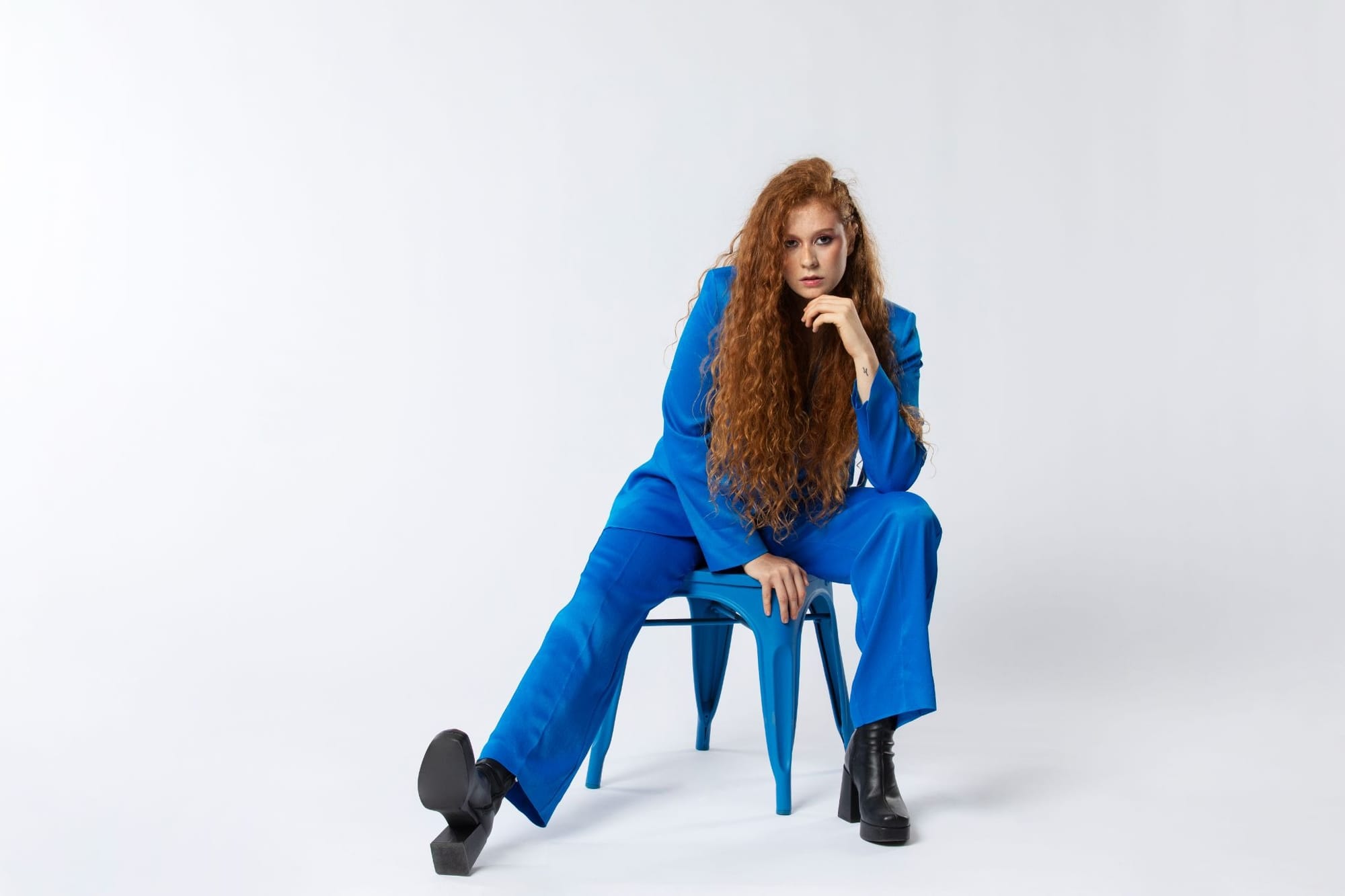
Decide who will review your portfolio before choosing outfits. Commercial, fashion, beauty, and lifestyle work call for different photographs. Study the work your intended agency or client presents, then identify what you can show convincingly. Check the application requirements too: some agencies initially request simple, current digitals, which serve a different purpose from a styled portfolio.
Turn your research into a short shoot brief with a purpose for each look. A commercial session might need a welcoming portrait and a relaxed lifestyle frame; a fashion session may emphasize posture, clothing, and movement. Compare a photographer's full portfolio with that brief. Look for consistent work across different people and expressions, rather than relying on one striking photograph.
Start with well-fitting basics and restrained styling so you can concentrate on expression and body position. Discuss elaborate looks once the essentials are covered. Before the session, practice small changes in your gaze, shoulders, and hands instead of memorizing one pose. Stay open to direction, and use your brief to check that the shoot covers the images you actually need.
Select Images That Show Range And Consistency
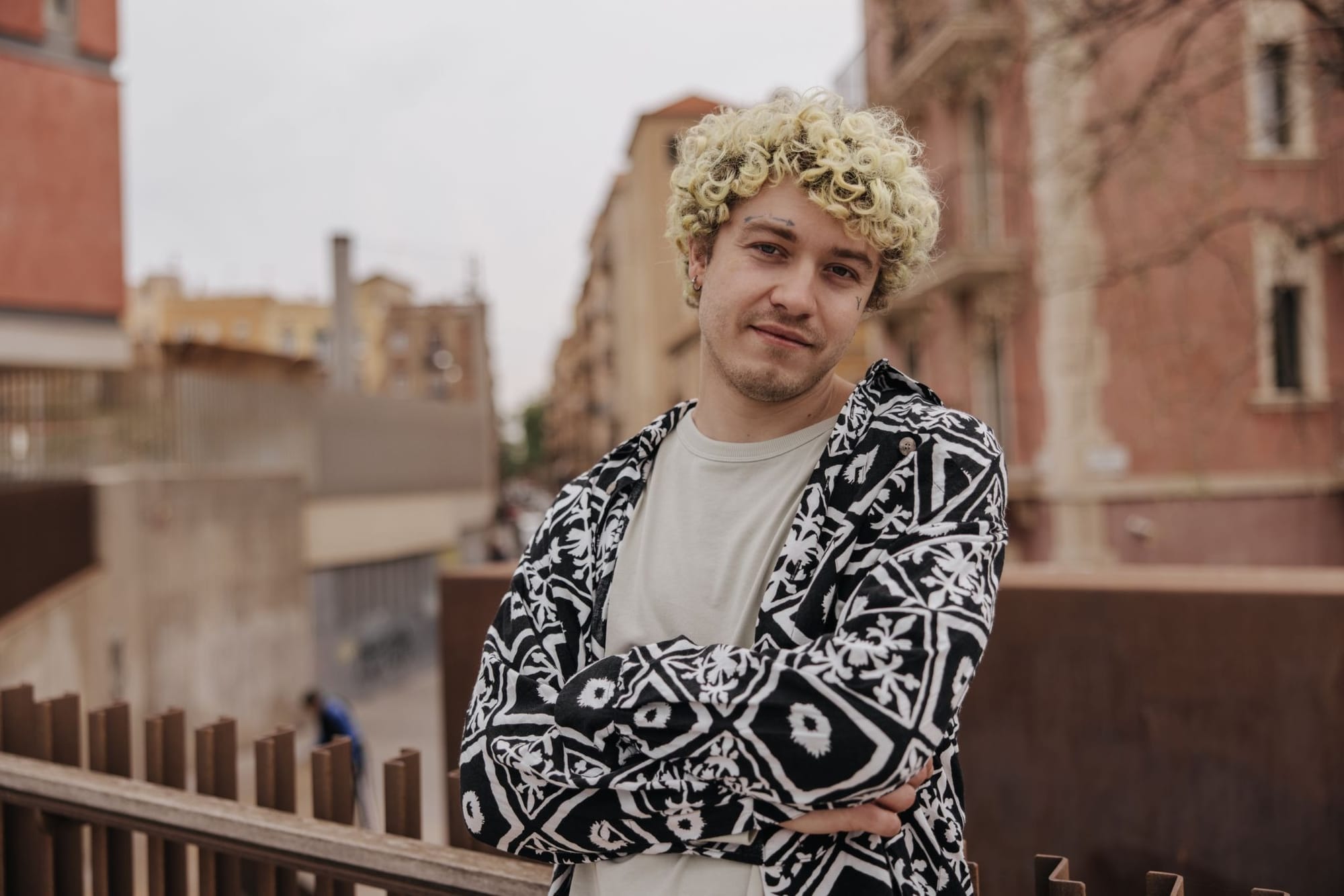
Give each photograph a clear role. A headshot introduces your face and expression, a full-length frame shows posture and how clothing sits, and a movement image reveals something a static pose may miss. Choose the types that suit your intended work. A warm smile may support a commercial direction, while a more controlled expression can suit another brief.
Review the shortlisted images together. When several repeat the same angle, styling, and expression, compare them directly and keep the strongest. Remove one and ask whether the collection loses anything a reviewer needs. An outfit change alone may add little if everything else stays the same. Ask for feedback on the complete selection, including which photographs feel repetitive, instead of collecting votes for individual favorites.
Keep image quality and your appearance consistent throughout. Check focus, lighting, and whether the background distracts from your face or clothing. Heavy filters and edits that reshape your features can misrepresent how you look now. Choose photographs that remain recognizable and help a casting professional assess your suitability. A dramatic frame should earn its place by adding something the others do not.
Keep The Portfolio Current And Easy To Review
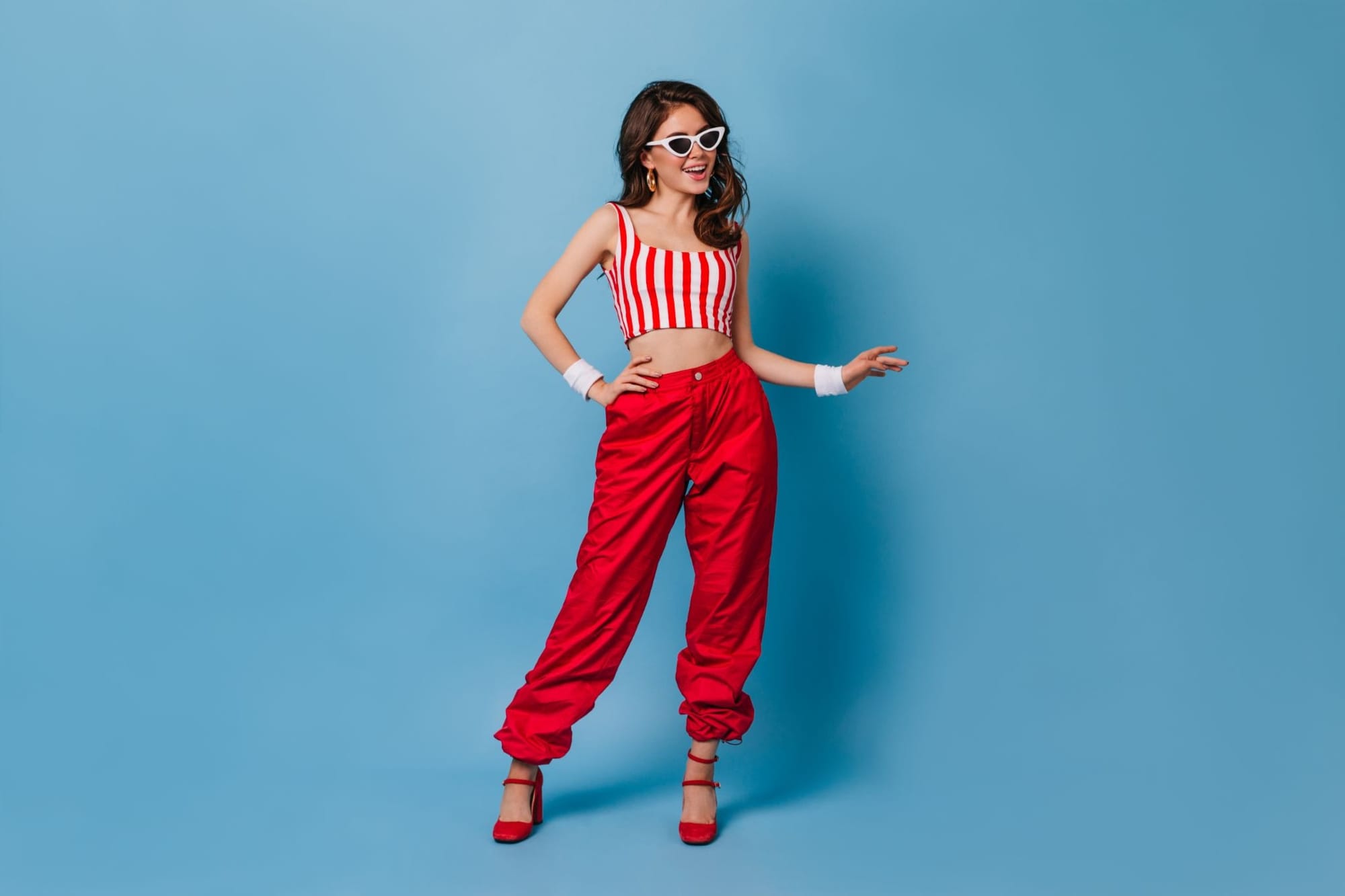
Arrange the portfolio so a new viewer can follow it without an explanation. Open with a strong image that introduces you clearly, then show different aspects of your look and finish with a memorable frame. Avoid runs of near-identical portraits. Test the actual gallery link on a phone and computer, checking image clarity, visible faces, and how easily someone can move through the selection.
Keep contact details current and follow each submission's instructions. Send a PDF, particular photographs, or separate digitals when requested instead of assuming your usual gallery covers everything. Review the portfolio when your appearance changes or stronger work becomes available. A favorite headshot may stop doing its job after a new hairstyle; keep it in your personal archive if it no longer represents you accurately.
Plan the next shoot around a specific gap. You might have plenty of close portraits but little full-length work, or notice that every expression feels similar. Write down what is missing before arranging another session. If you have agency representation, ask which images they need. Add new photographs only when they improve the collection, rather than keeping every result from each shoot.
What Clients Say About Maps Studio
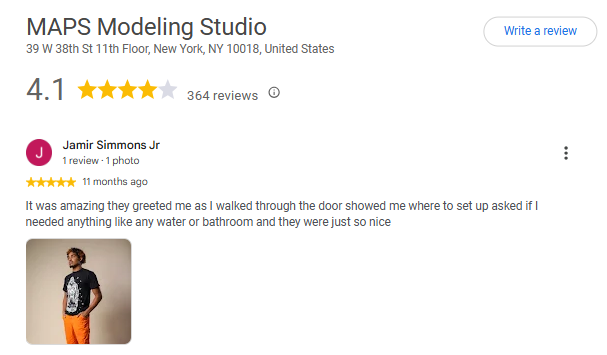
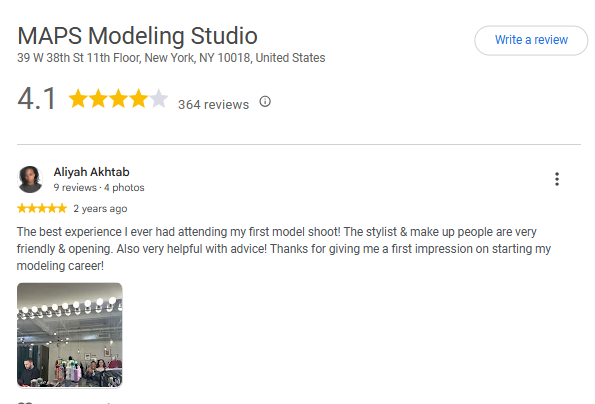
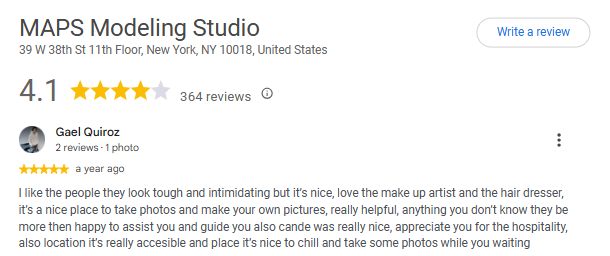
At Maps Studio, we value the feedback clients share about their time in front of the camera. The screenshots below show individual experiences with our studio. They offer a personal view of a session, rather than a promise of bookings or agency representation.
Frequently Asked Questions
How Many Photos Should A Modeling Portfolio Include? There is no universal count. Follow any number requested by the recipient, then choose a concise set that shows real variety. Compare similar frames and remove weaker repeats. Each photograph should contribute enough to justify its place, whether through expression, posture, styling, or the type of work it demonstrates.
Should I Include Both Headshots And Full-Length Photos? Usually, both help when they fit the submission requirements. A headshot gives a clear view of your face, while a full-length photograph shows posture and proportions. Check that your selection actually provides both kinds of information. Several tightly framed portraits cannot show what a full-length image does.
How Often Should I Update My Portfolio? Review it when your appearance, target work, or available photographs change. Replace images that no longer show your current look, and compare new work with the existing selection before adding it. You may only need to change a few photographs. Keep requested digitals current even when the styled portfolio needs little revision.
Conclusion
Start your next portfolio update by looking at what is missing. Choose the work you want to pursue, plan photographs that support that direction, and edit the results as a complete collection. A clear face image, genuine variation, and an accurate current appearance give the viewer something concrete to assess. Keep the digital presentation easy to review and check each recipient's submission instructions before sending it. When you look through the Maps Studio portfolio, think about how expression, styling, and framing change what a photograph communicates. Carry those observations into your own shoot brief. A focused plan and a careful final selection will help you build a portfolio you can explain, maintain, and present with confidence.
Visit Mapsstudio for more information about photography.
Note: We enjoy sharing creative inspiration, photography tips, and industry insights to help you capture life's best moments. The services, styles, and equipment mentioned in our articles are for informational purposes only and may not reflect our current offerings. For the latest on our photography services and portfolio, visit Maps studio.


Member discussion