
Step-by-Step Guide to Build Your NYC Modeling Portfolio
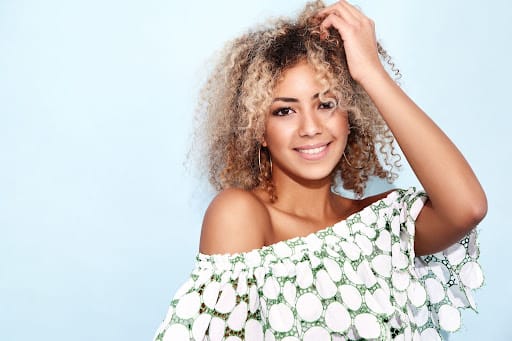
A portfolio should make it easy for someone to understand your look, not leave them sorting through every photograph you have ever liked. The strongest starting point is a clear idea of the modeling work you want to pursue. Your NYC modeling portfolio can then bring together current portraits, full-length images, and a few carefully chosen variations. You do not need to imitate another model's book. You need photographs that show your features, personality, and ability to respond to direction. Here is how to plan the process before booking a shoot and choosing the final pictures.
Decide What Your Portfolio Needs to Show
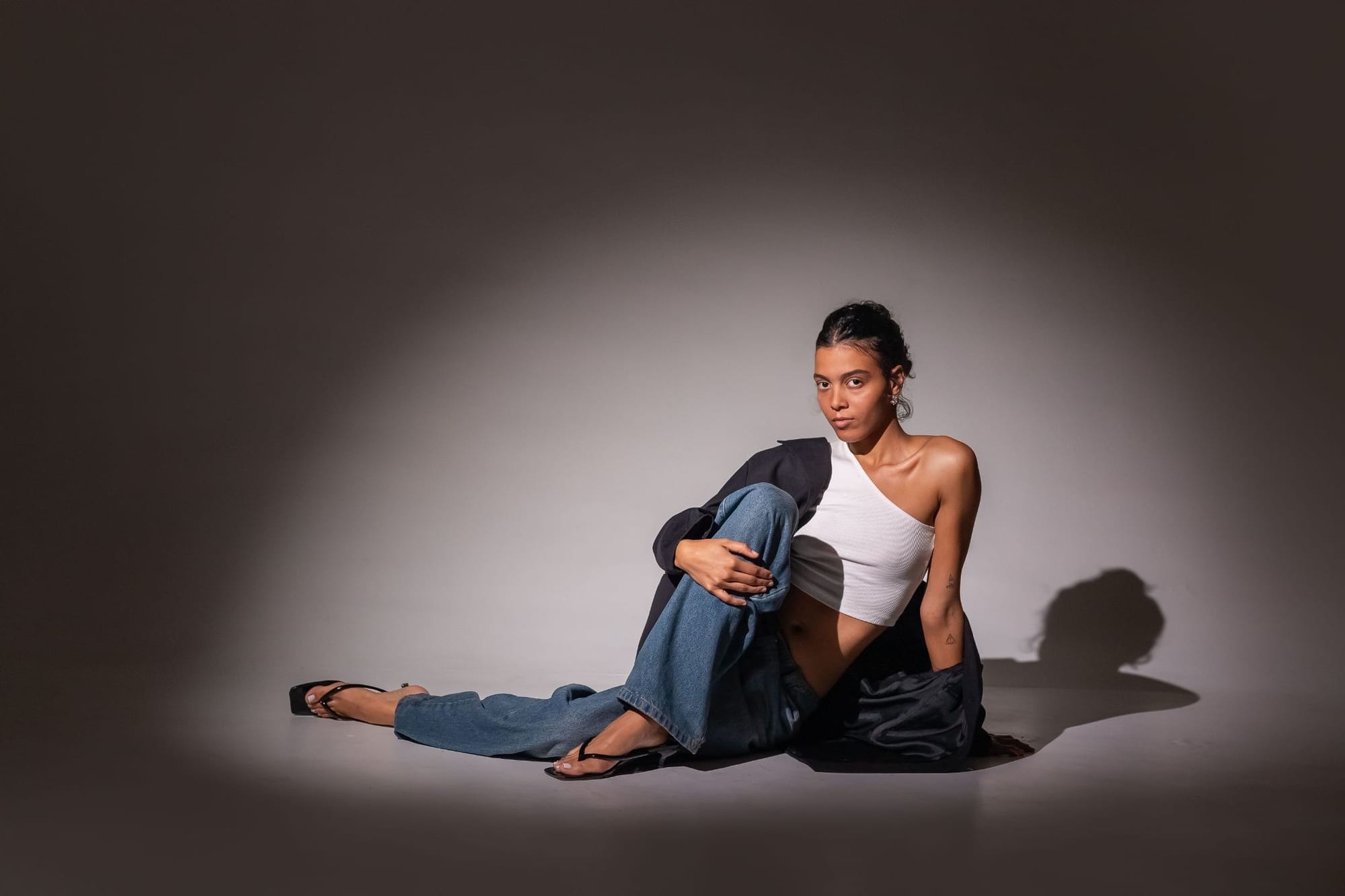
Start with the type of work that interests you. Commercial photographs often depend on approachable expressions and relatable situations, while editorial images can give more space to styling and mood. Look for a direction that suits you, then use it to guide the clothes, expressions, and settings you plan to photograph.
Read any agency or casting submission requirements before building your shot list. A request for simple digitals is different from a request for a finished portfolio. Do not assume that an elaborate photograph answers every brief. Keep the purpose of each image clear so your selection serves the application you are making.
Collect a small set of references and explain what you like about them. That might be the lighting, a relaxed expression, or the way the clothing reads. Use those details to communicate with your photographer, rather than trying to reproduce someone else's identity or assemble unrelated looks.
Build a Clear Set of Core Photographs
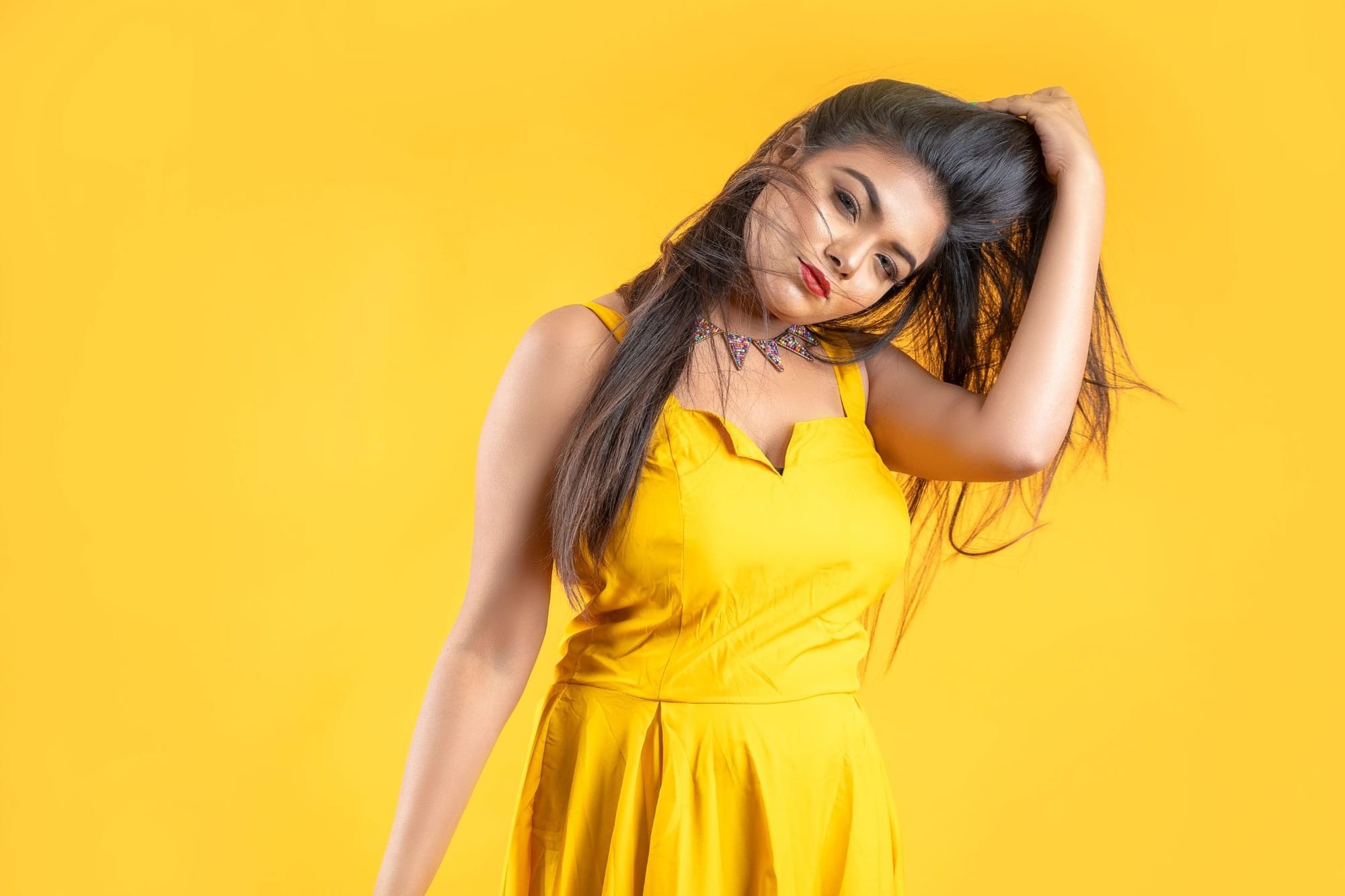
Make sure the collection includes a recognizable headshot and images that show your body proportions. A full-length photograph does a different job from a close portrait. Together, they help someone see your current appearance without guessing what heavy styling, an unusual angle, or a tightly framed image might conceal.
Vary the framing and expression with intention. A natural smile, a quieter expression, and a different outfit can show range when each photograph adds something a reviewer can use. Several nearly identical pictures usually offer less than a shorter selection in which every image has a distinct purpose.
Keep your headshot current. If your hairstyle or appearance changes, review whether the portfolio still represents you accurately. Retouching should not replace your features with a different face. The person in the photographs should be recognizable when you arrive for an appointment or a shoot.
Prepare Your Photographer and Wardrobe Together
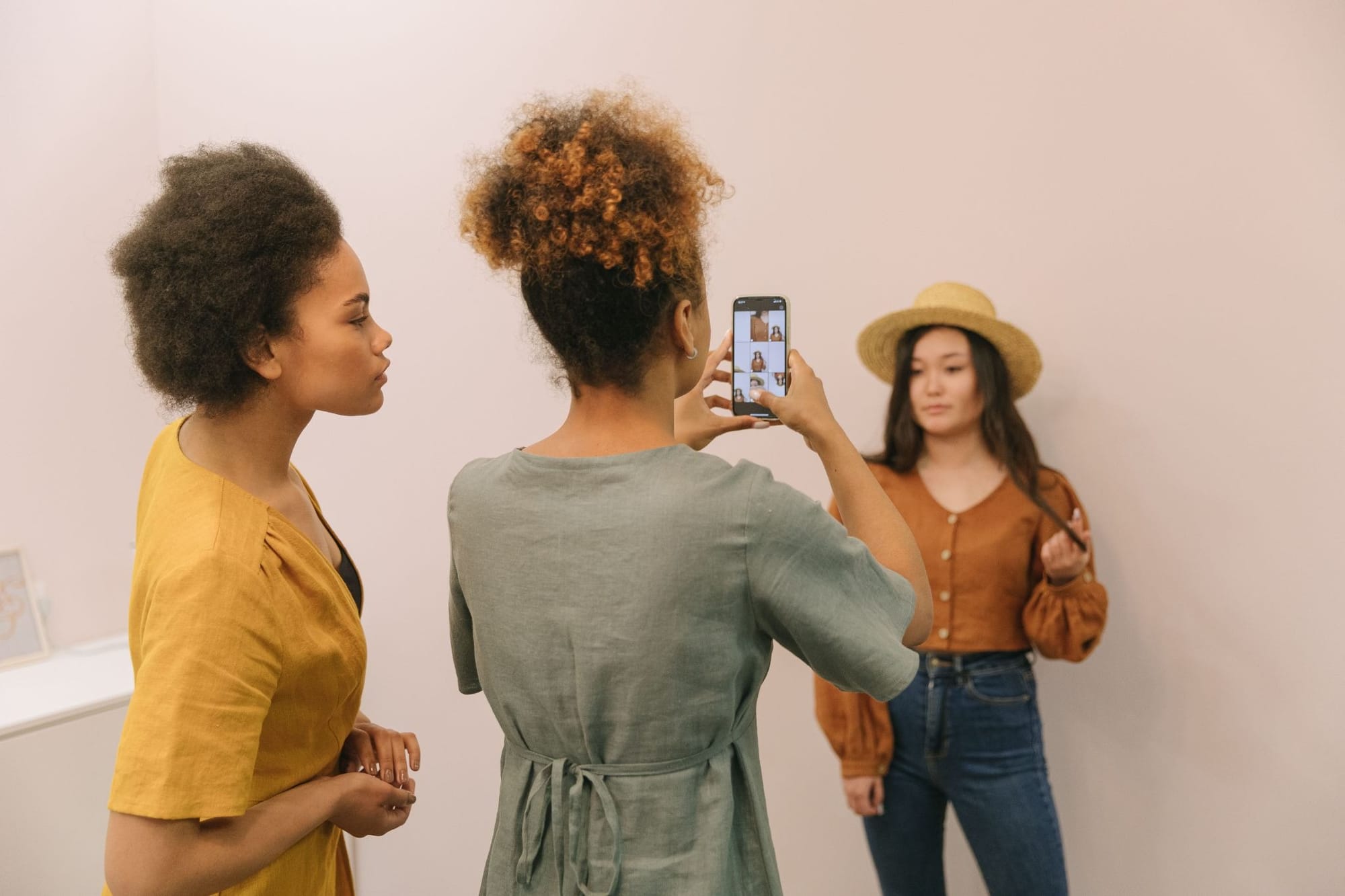
Review a photographer's portfolio for the kind of images you need. Pay attention to how they photograph faces, clothing, and different expressions. Discuss your goals before the session, including the core photographs you are missing and any submission requirements you need to meet. That conversation gives the shoot a practical direction.
Choose clothes that keep attention on you and work with the planned lighting. Simple, well-fitting pieces are a reliable starting point. Check each outfit as a complete look, including footwear, and bring the agreed options. Variety should help the photographs, not create a succession of changes with no clear purpose.
At Maps Studio, our photography, styling, and hair and makeup teams help clients prepare different looks for their session. Read your welcome information and raise questions beforehand. Knowing what to bring and what you want to show leaves more room to concentrate on the photographs once the shoot begins.
Practice Expressions and Stay Open to Direction
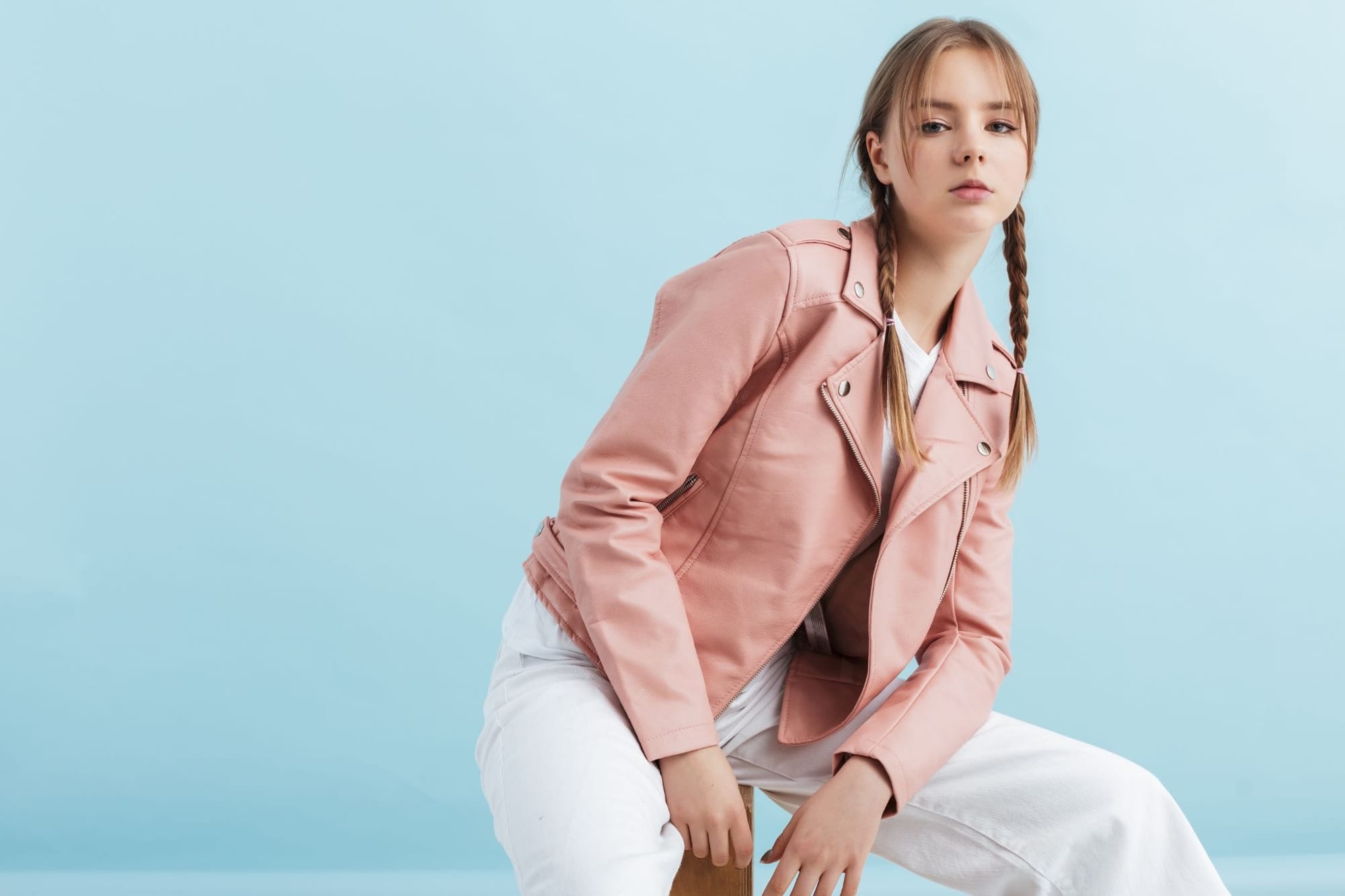
Spend a little time practicing before the shoot. Try a relaxed expression, a natural smile, and small changes in the angle of your face. Notice what happens when you lower your shoulders or turn slightly. The aim is to become comfortable making adjustments, not to memorize one pose for every frame.
During the session, listen to the photographer and give each adjustment a moment. A shift in posture can change how an outfit sits, while a different expression can change the feeling of a portrait. Review what works without judging the whole session from one photograph.
Allow your personality into the pictures. A technically tidy image can still feel distant if the expression looks forced. At our studio, we provide direction as clients explore outfits and lighting. That collaboration helps you work through different looks while keeping the person in the frame recognizably you.
Edit the Collection and Keep It Current
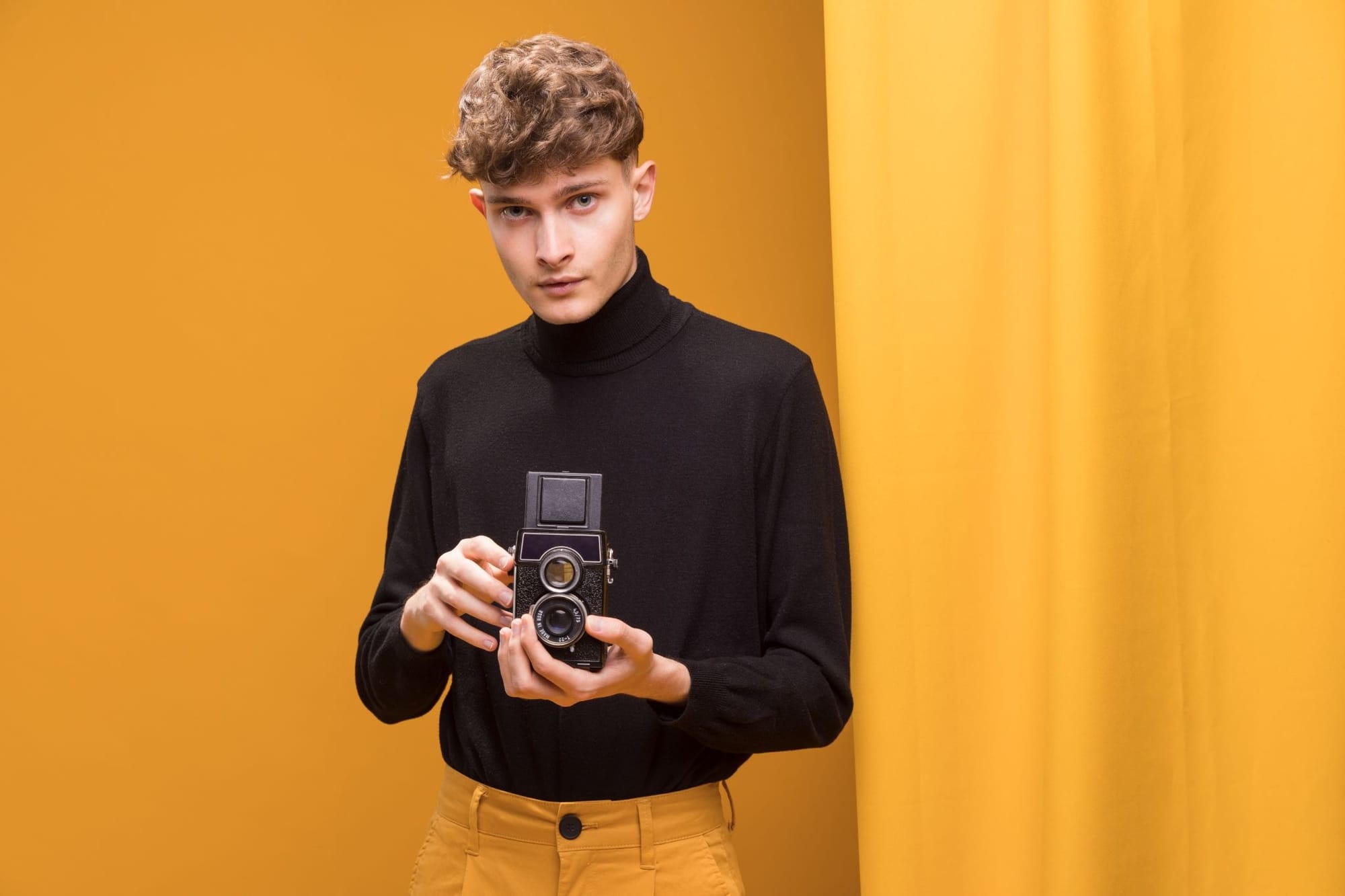
Choose the strongest photographs after you can see the session as a whole. Compare similar frames and keep the one that communicates most clearly. Do not add a weaker photograph simply to make the portfolio longer. A focused selection gives each image a reason to be there.
Check the balance between close portraits and wider photographs, simple looks and more styled work. Keep the presentation consistent enough to feel connected. Prepare the digital or printed version that the recipient requests, and make sure images remain clear and easy to view in that format.
Review the portfolio as your appearance and experience develop. Replace pictures that no longer represent you, and add stronger work when it contributes something new. Portfolio photographs help you present yourself; they do not guarantee representation or bookings. Maps Studio is a photography studio, and selection decisions remain with agencies and casting teams.
What Clients Share About Maps Studio
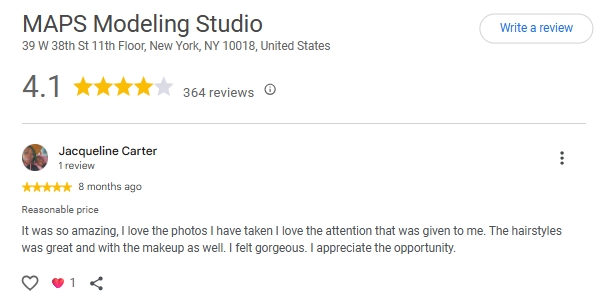
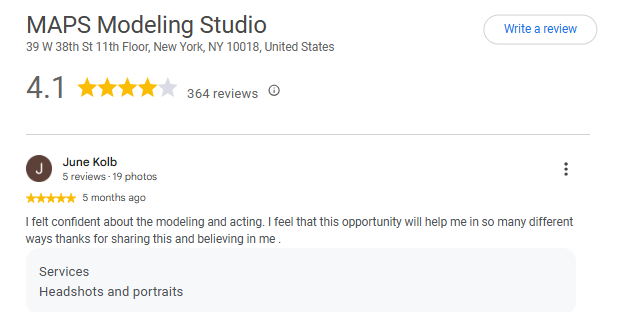
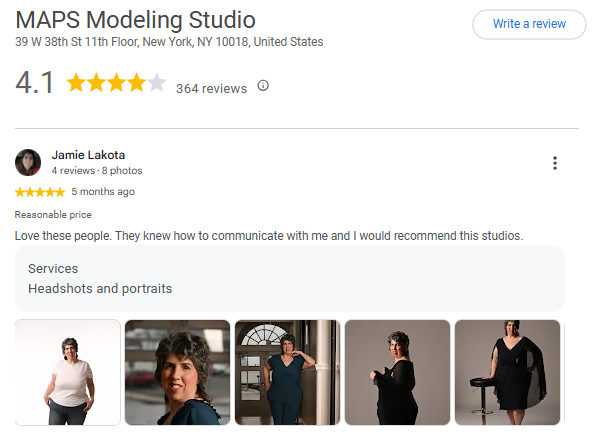
Clients come to Maps Studio with different levels of experience in front of the camera. The reviews below describe their individual visits and the support they received during the process. They offer a view of the studio experience, rather than a promise of modeling work or agency representation.
Frequently Asked Questions
Do I Need a Large Portfolio to Start? No. Start with a focused selection of strong, current photographs. Add an image when it shows something worth seeing, not simply to increase the total.
Are Digitals the Same as Portfolio Photographs? No. Digitals generally give a straightforward view of your current appearance. Styled portfolio photographs can show a wider range of expression and presentation. Follow the recipient's requirements.
When Should I Update My Portfolio? Review it when your appearance changes or you have stronger new work. Keep the photographs that still represent you and replace those that no longer do.
Conclusion
Build your portfolio around a clear purpose, then work through the photographs that purpose requires. Plan your headshot and full-length images, prepare suitable clothes, and discuss your goals with the photographer before the session. During the shoot, stay open to direction and give yourself room to try different expressions. A carefully edited NYC modeling portfolio should show your current look without burying it under repetition or excessive styling. Keep improving the selection as you develop, and let every photograph earn its place. The result should feel like a clear introduction to you, not a collection assembled to match someone else.
Visit Mapsstudio for more information about photography.
Note: We enjoy sharing creative inspiration, photography tips, and industry insights to help you capture life's best moments. The services, styles, and equipment mentioned in our articles are for informational purposes only and may not reflect our current offerings. For the latest on our photography services and portfolio, visit Maps studio.
Member discussion