
7 Modeling Portfolio Pose Ideas to Showcase Unique Style
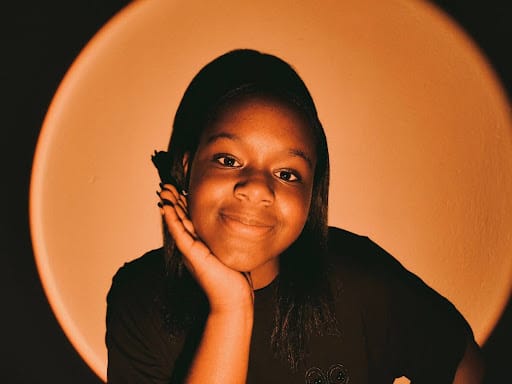
A memorable modeling portfolio gives each photograph a reason to be there. One image might show an easy smile; another might reveal how you use your hands, respond to light or settle into a chair. You do not need a complicated pose in every frame. Start with a few comfortable positions, then make small changes that suit your face, outfit and the kind of work you want to pursue. These seven ideas help you build variety while keeping your personality visible.
Settle Into a Relaxed Chair Pose
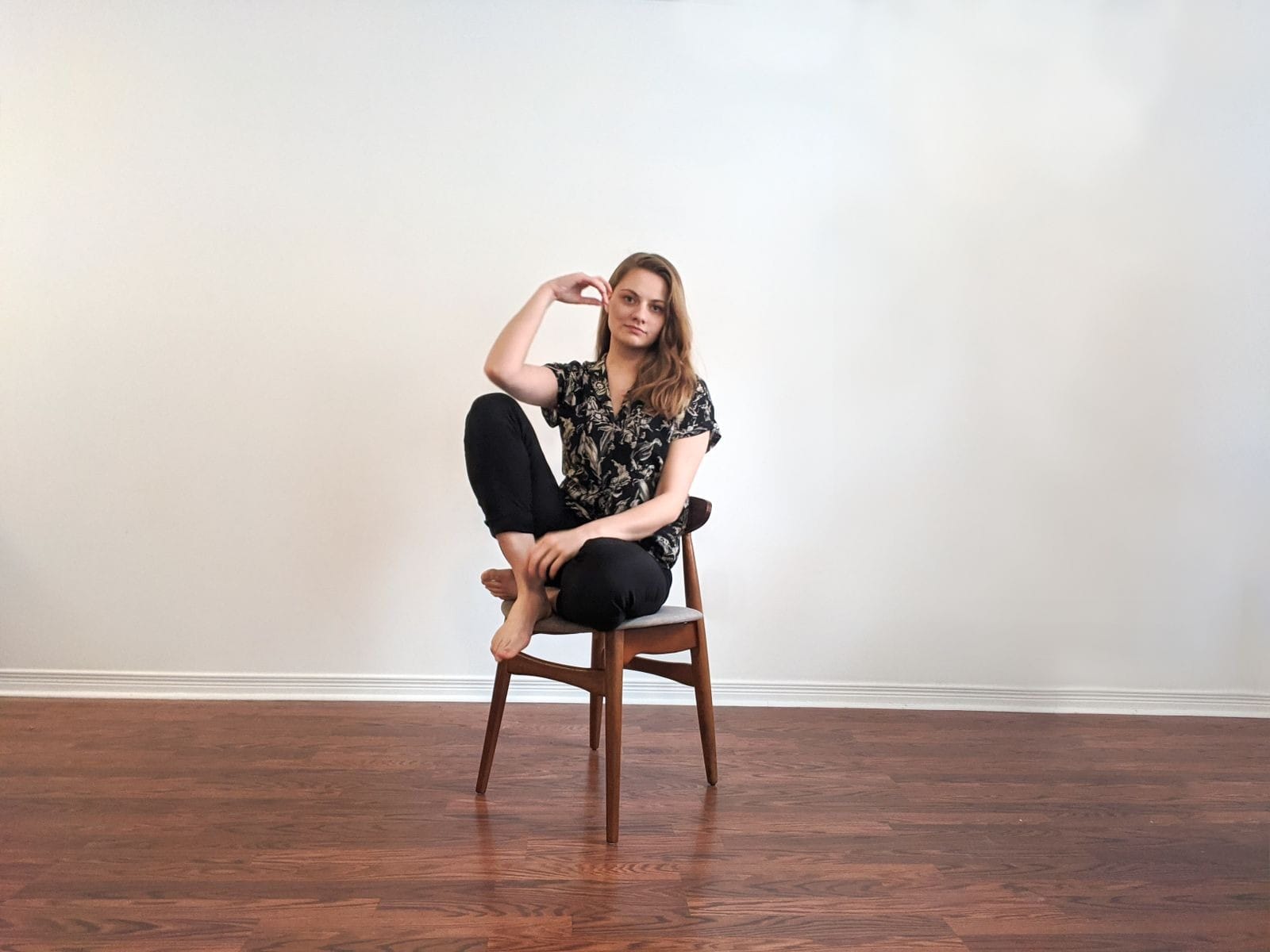
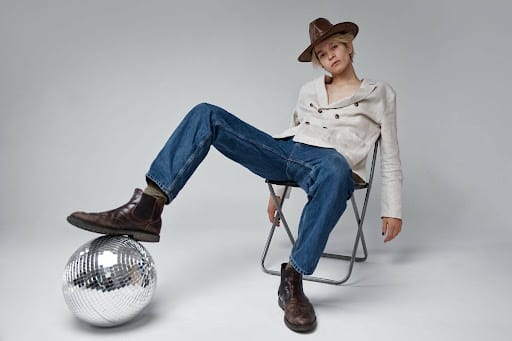
A simple chair gives you somewhere to begin when standing in front of a camera feels awkward. Sit comfortably, let your shoulders settle and decide where your hands can rest without looking forced. A hand on a knee or along the chair back gives the pose a clear shape. Keep your face engaged with the camera rather than concentrating only on your legs.
Once the position feels easy, change one detail at a time. Lean forward slightly, turn your torso or adjust your gaze. Each variation changes the mood without requiring a new setup. Choose a frame that looks intentional and comfortable, with the chair supporting the composition instead of becoming its main subject.
Frame Your Face With Relaxed Hands
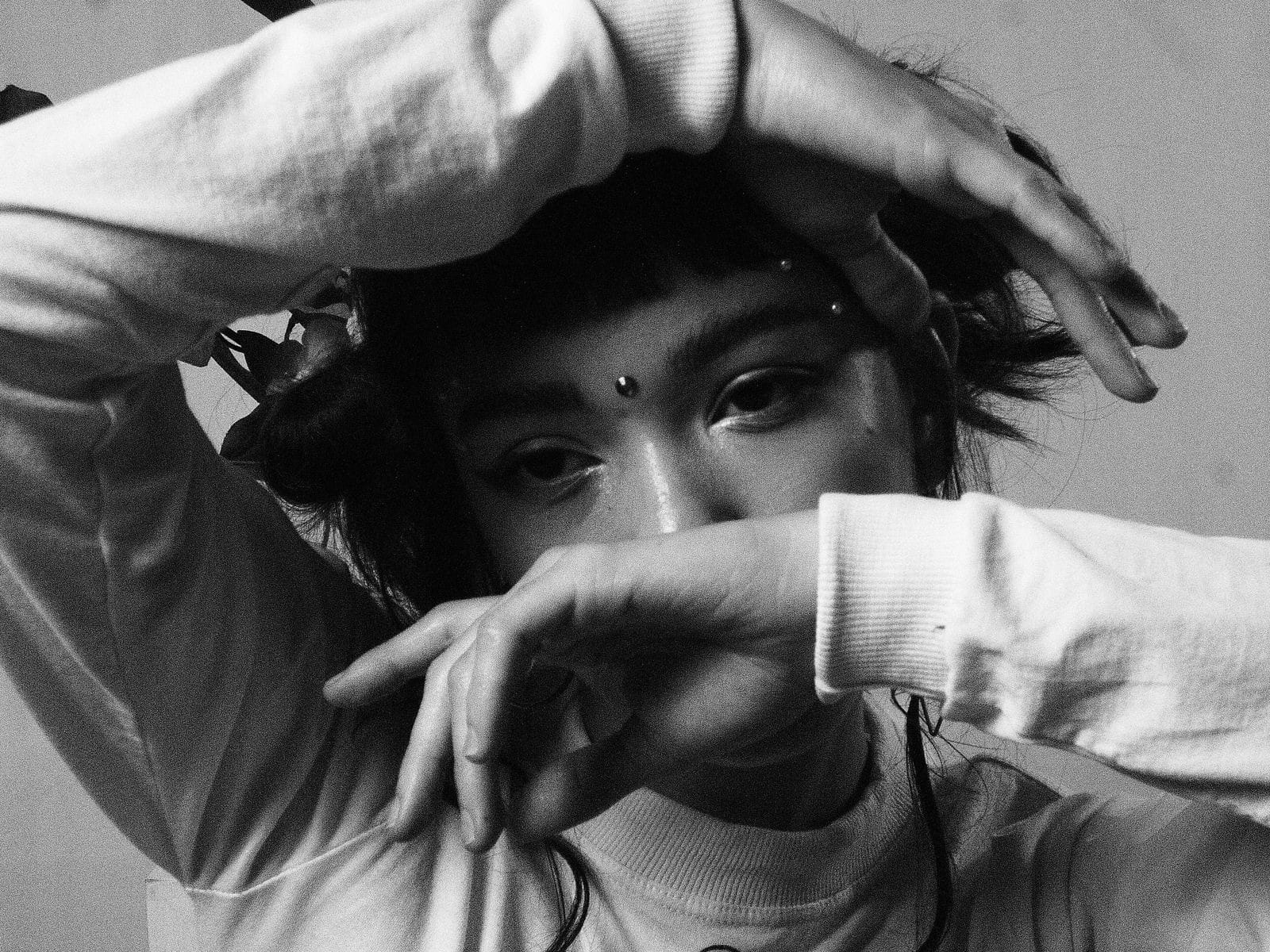
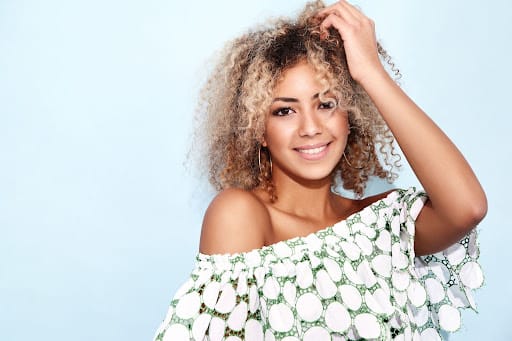
Hands can guide attention toward an expression, but tense fingers quickly distract from it. Bring one hand near your cheek or allow both hands to frame your face loosely. Leave enough space for your eyes and facial features to remain clear. Think of the gesture as part of the expression, not an extra pose pasted onto it.
Practice moving into the position instead of holding it rigidly. Touch your hair, pause near your face and let the photographer catch the natural transition. Review the result closely: if the hands attract more attention than your expression, simplify the shape. A small, relaxed gesture often gives a beauty portrait more character than an elaborate arrangement.
Create Shape With an Uneven Pose
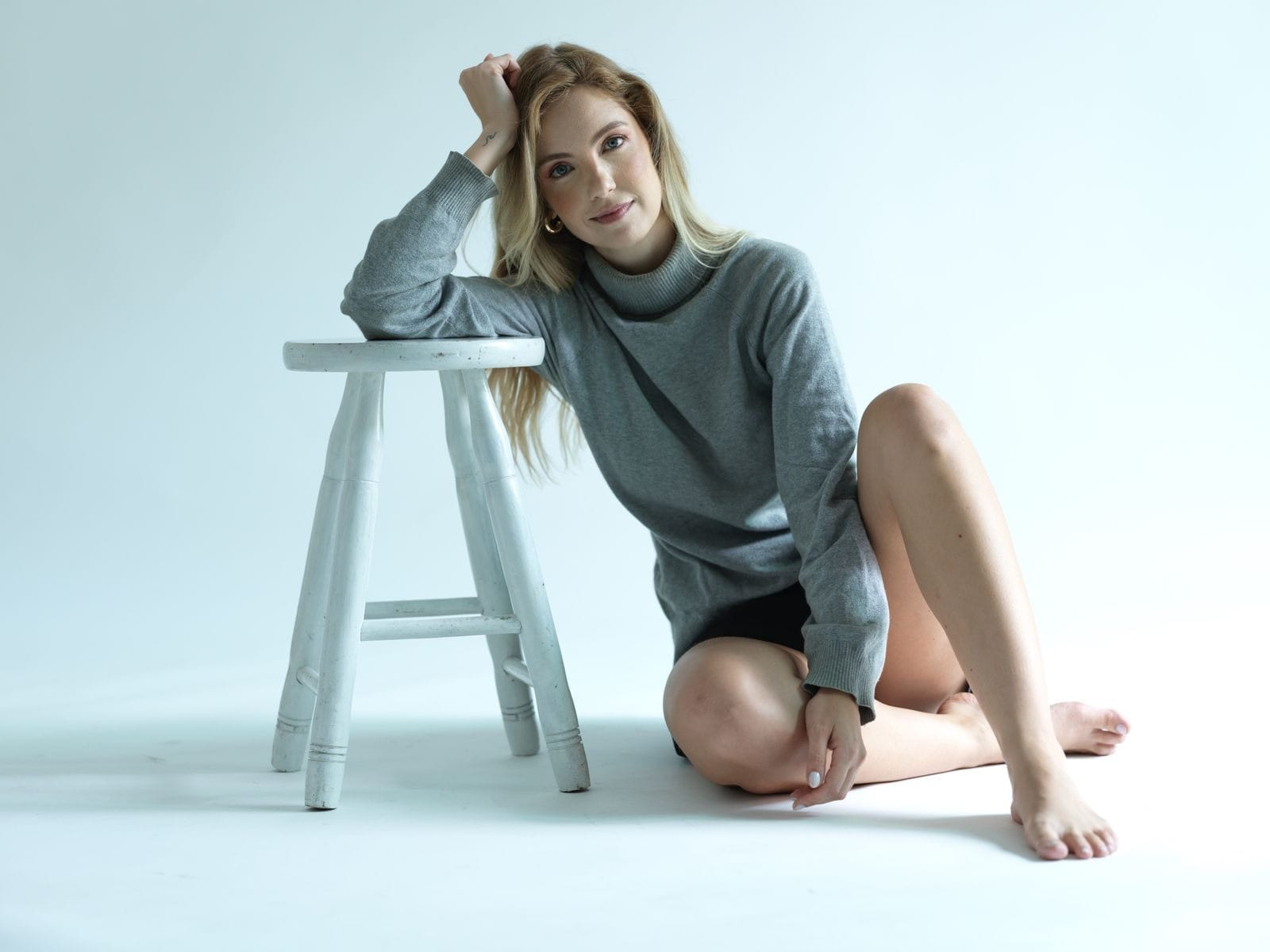
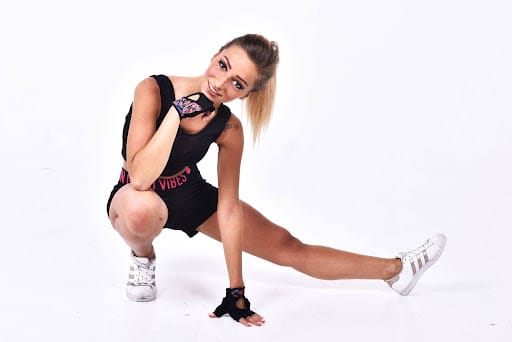
Your arms and legs do not have to mirror each other. A bent knee, a relaxed elbow or a shift through the hips can give a seated or floor pose a more interesting outline. Keep the position within your comfortable range of movement. The aim is to show control and personality, not to force your body into a shape that feels painful.
Look at the spaces between your limbs as well as the limbs themselves. A slight gap between an arm and your torso can make the pose easier to read. Keep your shoulders relaxed, then compare a few small variations. Choose the photograph where the angles feel connected to your expression and outfit, rather than adding several unrelated gestures at once.
Use a Window Lean for a Natural Gesture
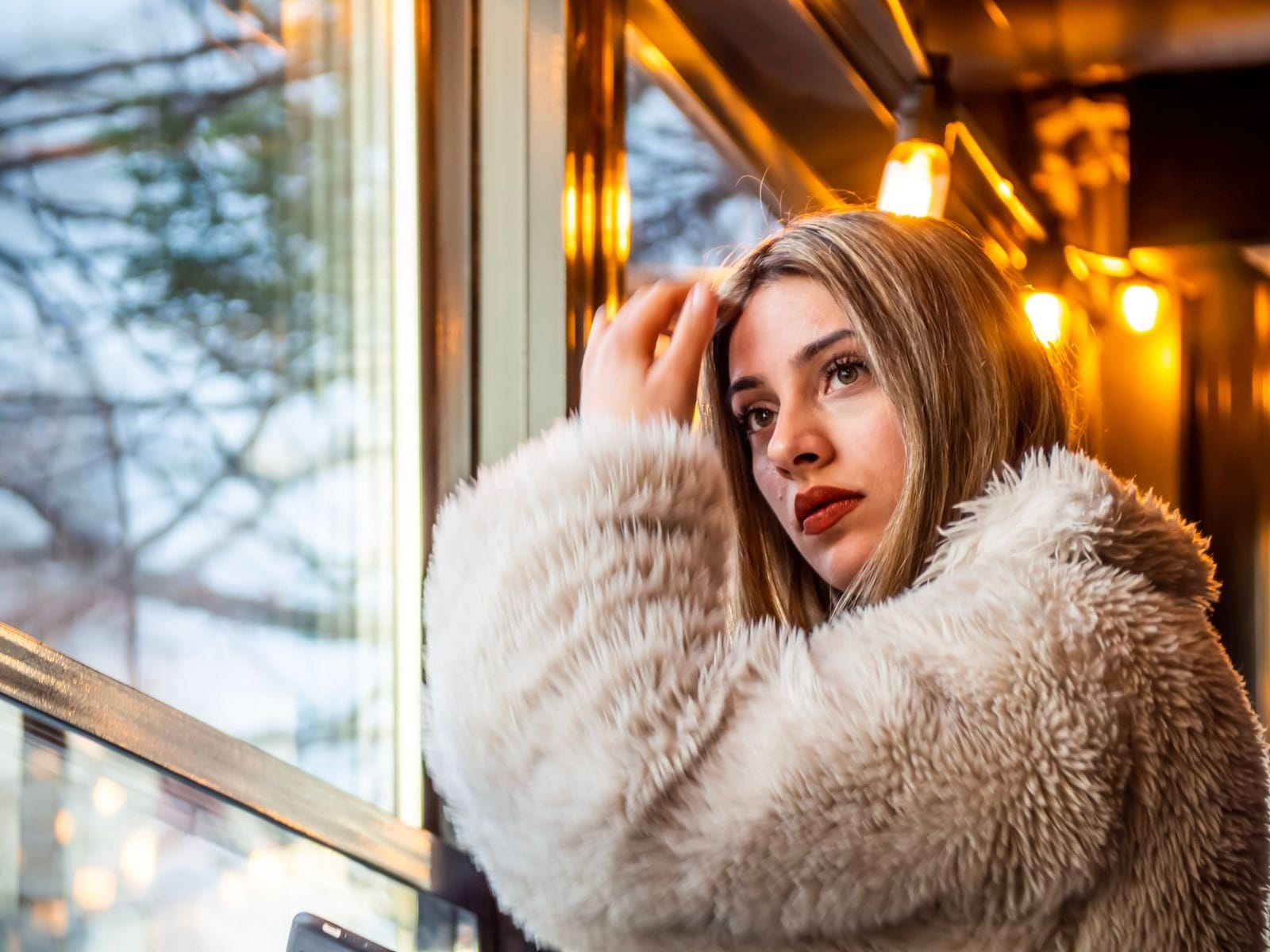
A window or wall gives a lifestyle portrait a believable setting. Lean lightly, rest an arm or bring a hand toward your hair while looking either at the camera or just beyond it. That small interaction can help you stop thinking about every part of your body and settle into a more natural expression.
Keep the surroundings simple enough to support your look. A busy view, strong reflections or several competing objects may pull attention away from your face. Try the pose with a gentle smile and then a quieter expression. The variation worth keeping comes from your response to the setting, not from collecting lots of almost identical frames.
Give a Simple Prop a Purpose
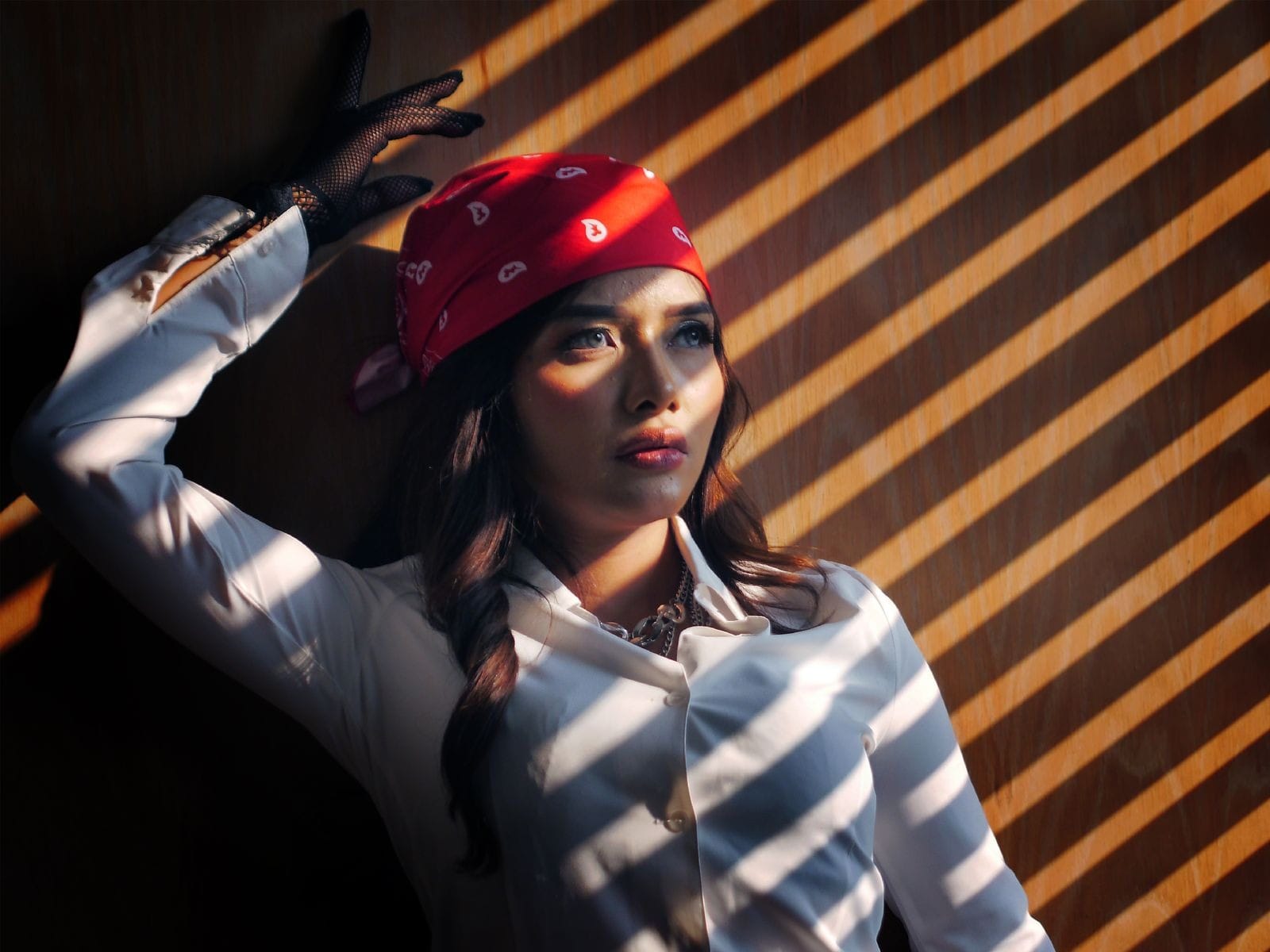
A hat, scarf or pair of sunglasses can help your hands find something natural to do. Adjust the brim, hold the accessory loosely or let it influence the angle of your head. Choose an item that belongs with the outfit and mood. A prop should make the portrait easier to understand rather than leave the viewer wondering why it is there.
Watch how much of your face it covers. A hat can create an interesting line, but it should not accidentally hide the expression you want to show. Work through a few small interactions before changing the whole pose. Keep the strongest frame and leave out variations that repeat the same idea without adding anything to the portfolio.
Work With Steps and Different Levels
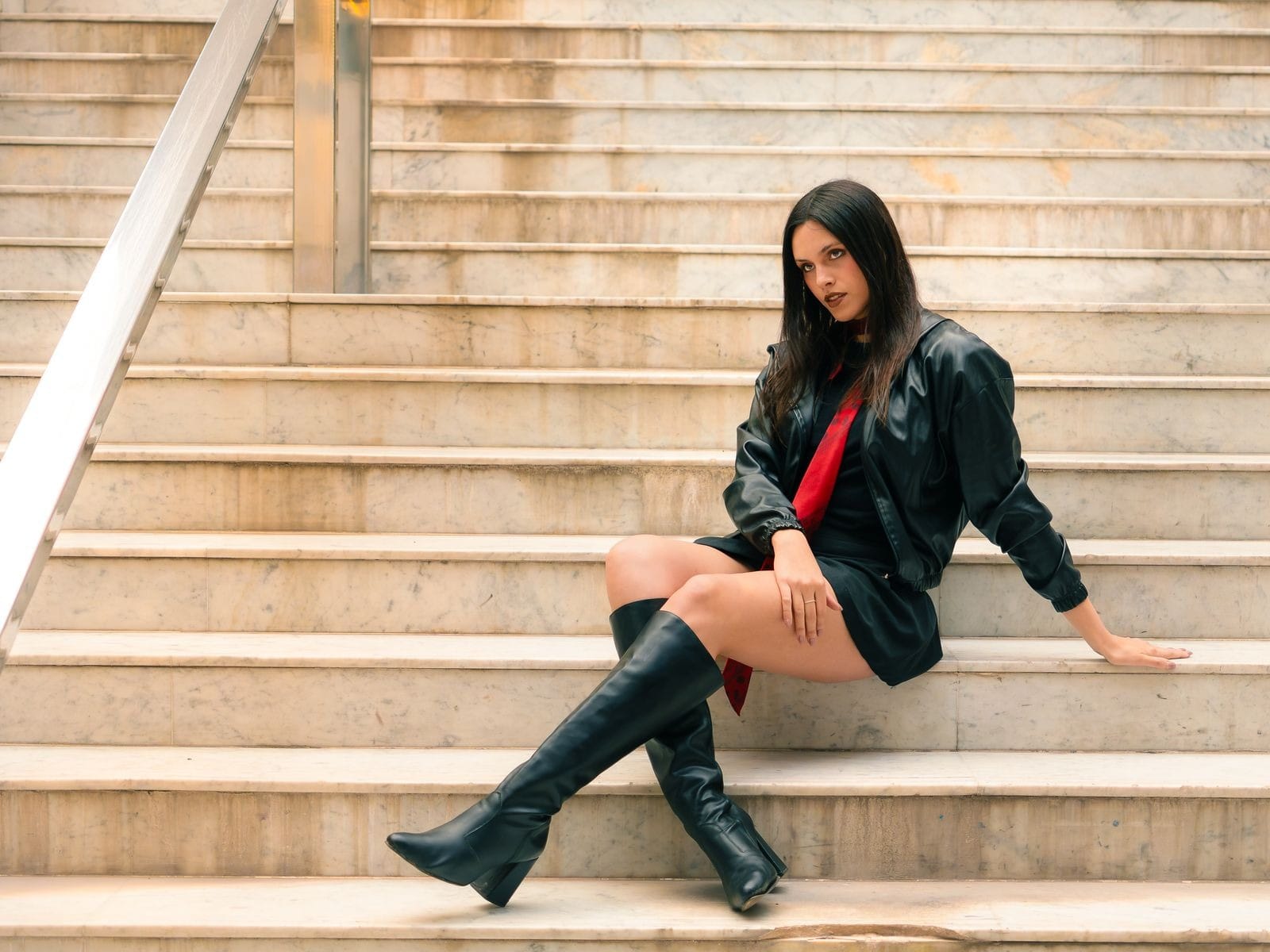
A step or low platform creates another way to sit without repeating a standard chair pose. Turn slightly, place your legs at different angles and use a hand for a comfortable point of contact. The change in levels can give an outfit room to show its shape while keeping the pose grounded in the setting.
Pay attention to posture and the direction of your gaze. A relaxed pose still needs a clear intention. Ask the photographer to compare angles so the surroundings complement your body position rather than crowd it. Use a stable, safe location and stay within your comfort level. This kind of environmental photograph can add variety alongside the cleaner studio portraits in your selection.
Turn Toward the Light for a Close Portrait
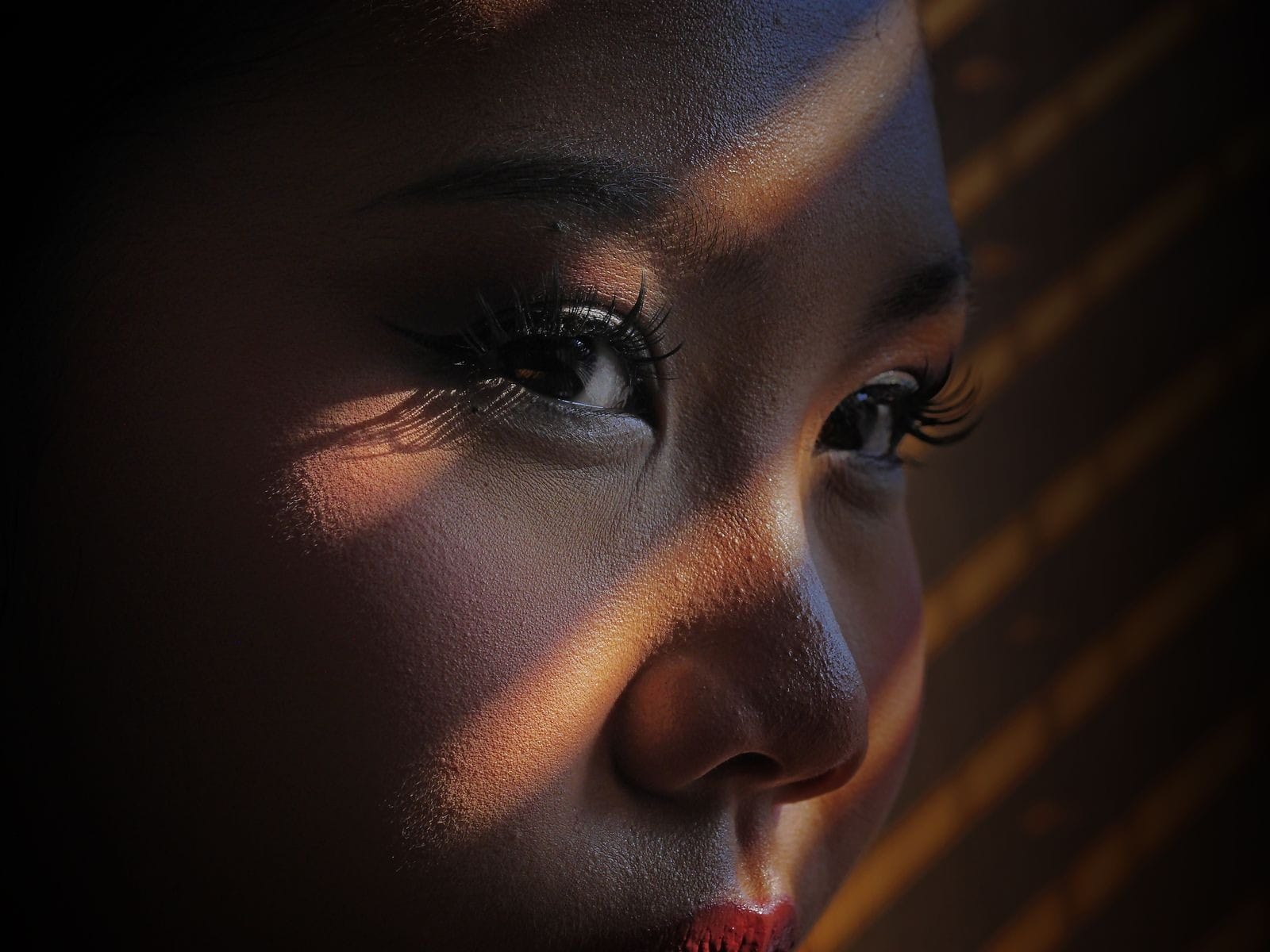
A small turn of the head can change a close portrait more than a complicated full-body pose. Face the light, then turn slightly away and watch how the shadows define your features. Keep your eyes expressive, whether you look directly into the lens or just off-camera. Let the photographer guide the light and camera position while you concentrate on the expression.
Include a clean, readable portrait as well as any more dramatic lighting experiment. A portfolio needs to show what you look like, even when you enjoy creative styling. Compare the final close-up with your seated and wider photographs. Choose a set that shows different sides of your style while still feeling like the same person throughout.
The Maps Studio Experience
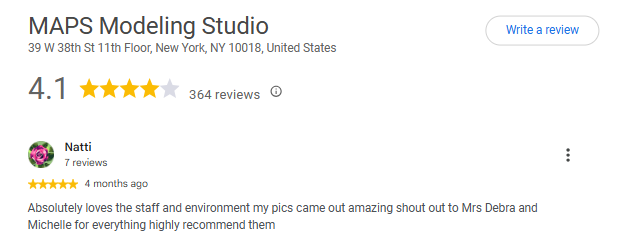
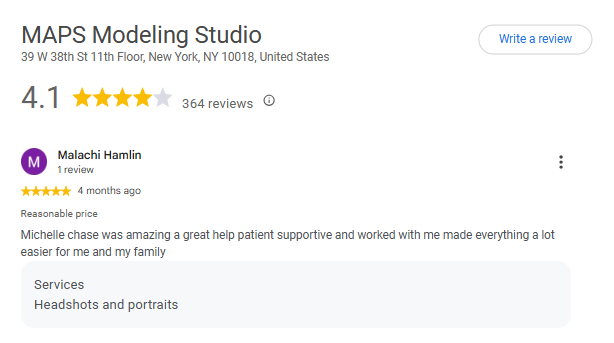
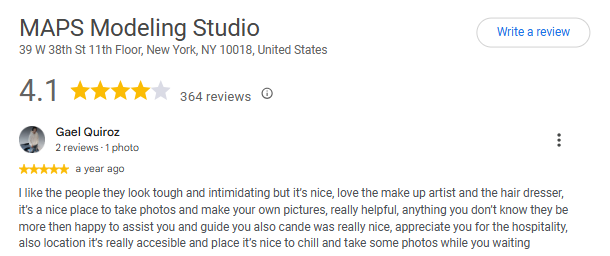
Trying unfamiliar poses can feel easier when you know what a session is like. At Maps Studio, we invite you to read the client feedback below as you prepare for your own portfolio photographs. These shared experiences offer a personal view of time spent in the studio; your session and photographs will be your own.
Frequently Asked Questions
Should Every Portfolio Photo Use a Different Pose? Aim for real variety rather than a new pose for its own sake. Keep photographs that show different expressions, framing or movement, and remove near-duplicates.
How Can I Make My Hands Look More Natural? Relax your fingers and give your hands a simple action, such as resting on a knee or adjusting an accessory. Small movements often look easier than holding a rigid shape.
Can I Practice Poses Before a Shoot? Yes. Try a few positions in a mirror and review practice photographs. Notice which angles feel comfortable, then stay open to the photographer's direction.
Should I Include a Smiling Photograph? A smiling portrait can add expression and variety. Select images that suit the type of modeling you want to pursue rather than using one mood throughout.
Conclusion
Build your modeling portfolio around photographs that show something specific about you. A relaxed seated pose, expressive hands and a clear close-up each serve a different purpose. Practice enough to feel comfortable, but leave room for small changes during the shoot. An unexpected glance or easy gesture may work better than the position you rehearsed. Review the photographs together before making your final selection, and remove images that repeat the same expression or angle. At Maps Studio, we encourage you to keep your own style at the center of that process. A thoughtful selection says more than a long collection of similar poses.
Visit Mapsstudio for more information about photography.
Note: We enjoy sharing creative inspiration, photography tips, and industry insights to help you capture life's best moments. The services, styles, and equipment mentioned in our articles are for informational purposes only and may not reflect our current offerings. For the latest on our photography services and portfolio, visit Maps studio.
Member discussion