
What Is a Model Portfolio and Why Do You Need It for Models?
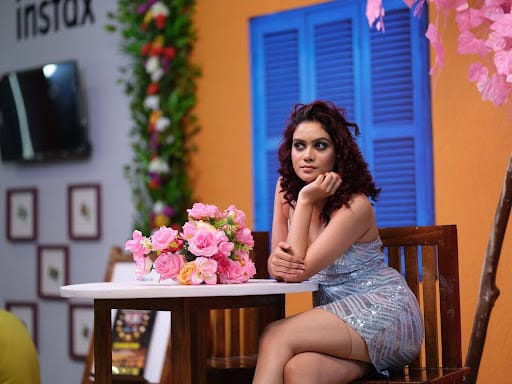
A good model portfolio helps someone understand your look before you walk into the room. It brings your strongest photographs together so a casting team can see your expressions, proportions and ability to work with different styles. For a beginner, that can feel like a lot to fit into one collection. You do not need to show every photograph you have taken. You need a purposeful selection that represents you accurately and suits the work you want to pursue. Here is how to make that selection work, stay clear and remain easy to review.
Understand What a Model Portfolio Shows
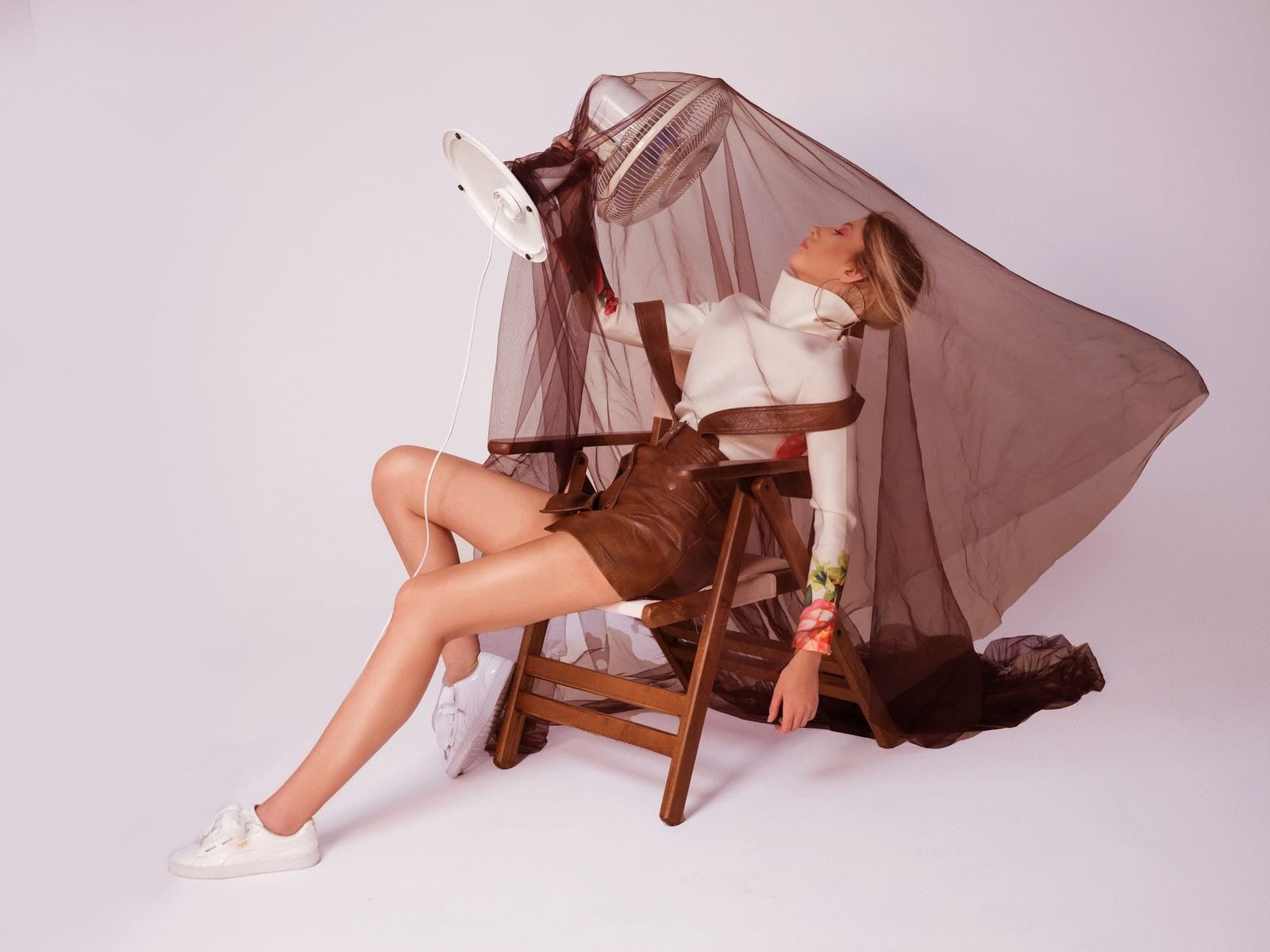
A model portfolio is a selected collection of photographs, often called a book. It shows how you photograph across the kinds of work you want to do. A digital gallery makes those images easy to share, while a printed book can serve the same purpose in a meeting. The photographs should work together: each one needs to offer something the others do not.
Think about the difference between liking a photograph and needing it in your portfolio. You may love several frames from one session, but near-identical expressions and poses tell a reviewer very little more. Start with the image that represents your look most clearly, then add photographs that broaden that first impression. A smaller, considered collection is easier to assess than a long gallery with uneven quality.
Give Clients a Clear View of Your Appearance
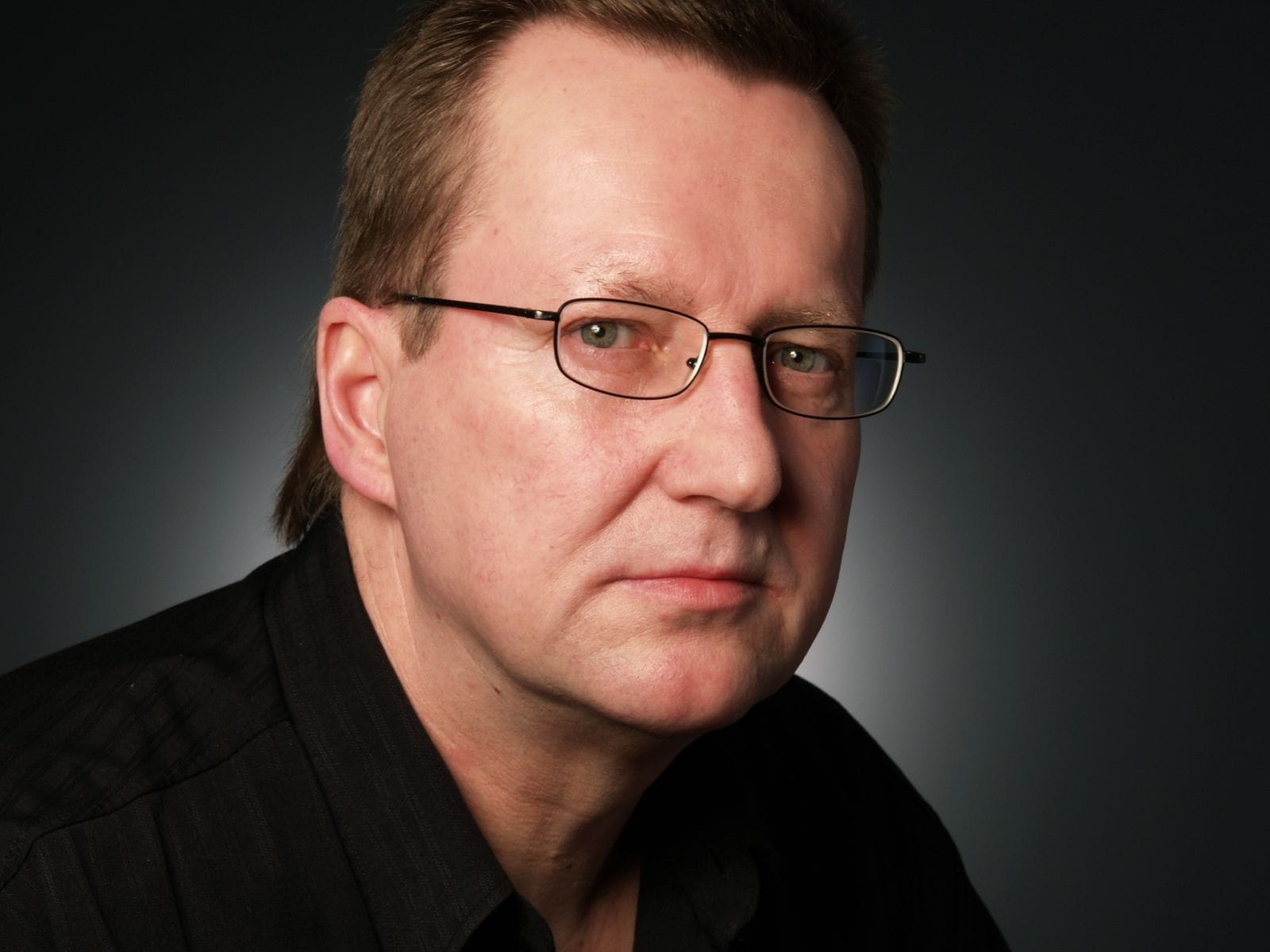
A clear headshot helps a reviewer see your face. A full-length photograph adds information about your proportions and posture. Together, they answer basic questions that a close crop or heavily styled image cannot answer alone. Keep these photographs current, and choose images where the lighting and styling allow your features to remain recognizable.
Simple digitals have a separate role from a polished portfolio. They show what you look like now, usually with straightforward clothing, minimal styling and an uncluttered background. Follow the specific submission requirements of the agency or casting team you approach. Some initial applications accept simple snapshots, so do not assume you must complete an elaborate professional book before making your first submission.
Show Range Without Losing Your Identity
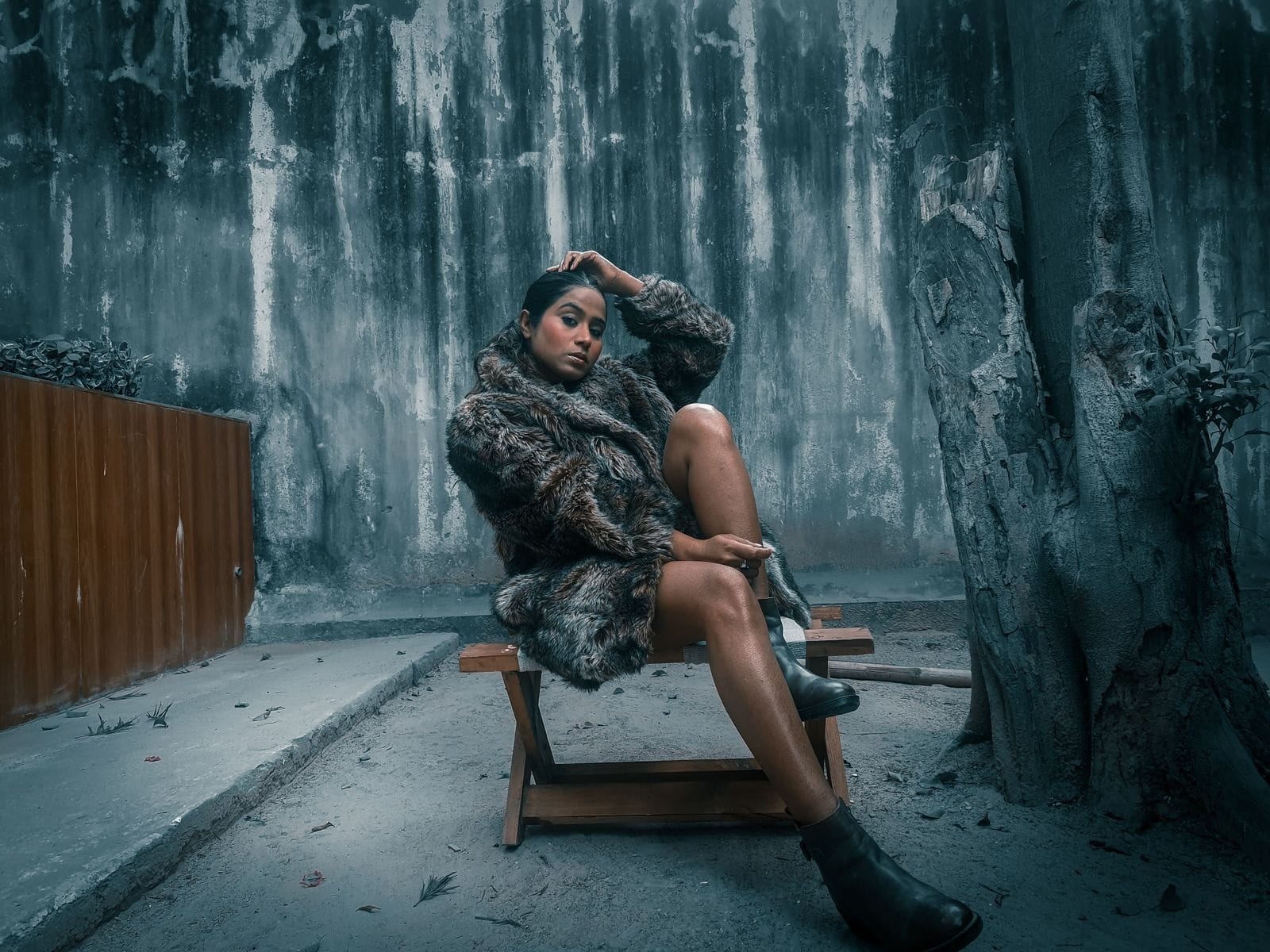
Range comes from real differences between photographs. A relaxed expression, a more composed fashion pose and a confident full-length frame can show different aspects of the same person. Changes in clothing and setting help, but they should support what you bring to the image. If the styling does all the work, the photograph may say more about the outfit than about your modeling.
Compare the collection as a whole. Can someone recognize you throughout it? Do the photographs show different expressions or ways of presenting clothing? Have you included several images that repeat the same idea? Remove weaker or redundant frames, even when you enjoyed the shoot. The aim is to give the viewer a reliable sense of your abilities, without making the collection feel like unrelated versions of you.
Plan Photographs Around the Work You Want
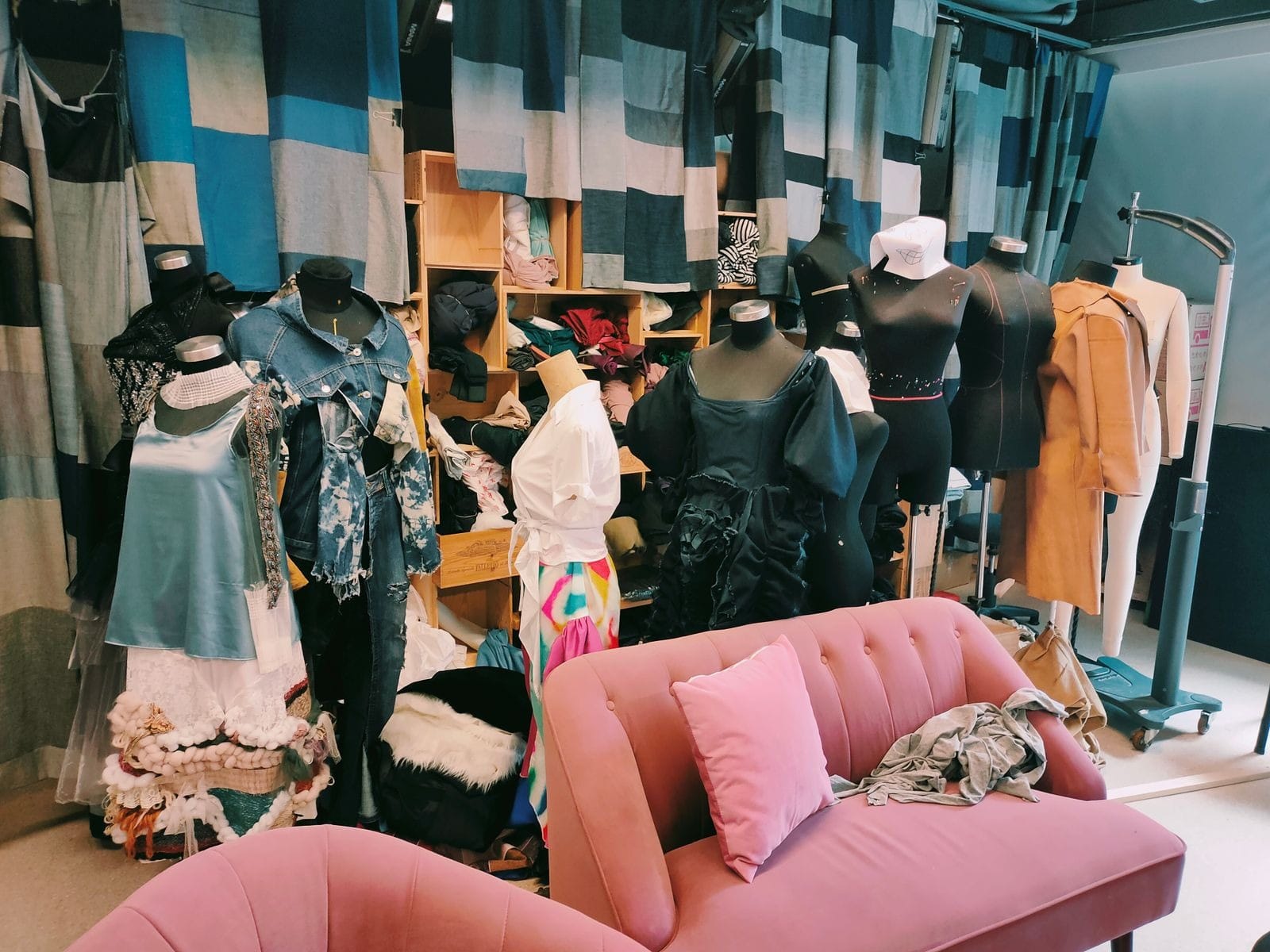
The work you hope to pursue should influence your shot selection. A commercial-looking photograph and an editorial fashion image serve different purposes. Look at the type of assignments that interest you, then discuss the corresponding mood, clothing and framing with your photographer. Planning these choices beforehand makes it easier to identify what your existing collection lacks.
Bring a manageable set of outfits that support those ideas. Consider how their shapes and colors will photograph, and avoid relying on complicated styling for every frame. A simple outfit can keep attention on your face and posture. If you already have a strong headshot, your next session might focus on full-length work or a different expression. Build around a clear need instead of adding more images simply because there is space.
Keep Your Portfolio Current and Easy to Review
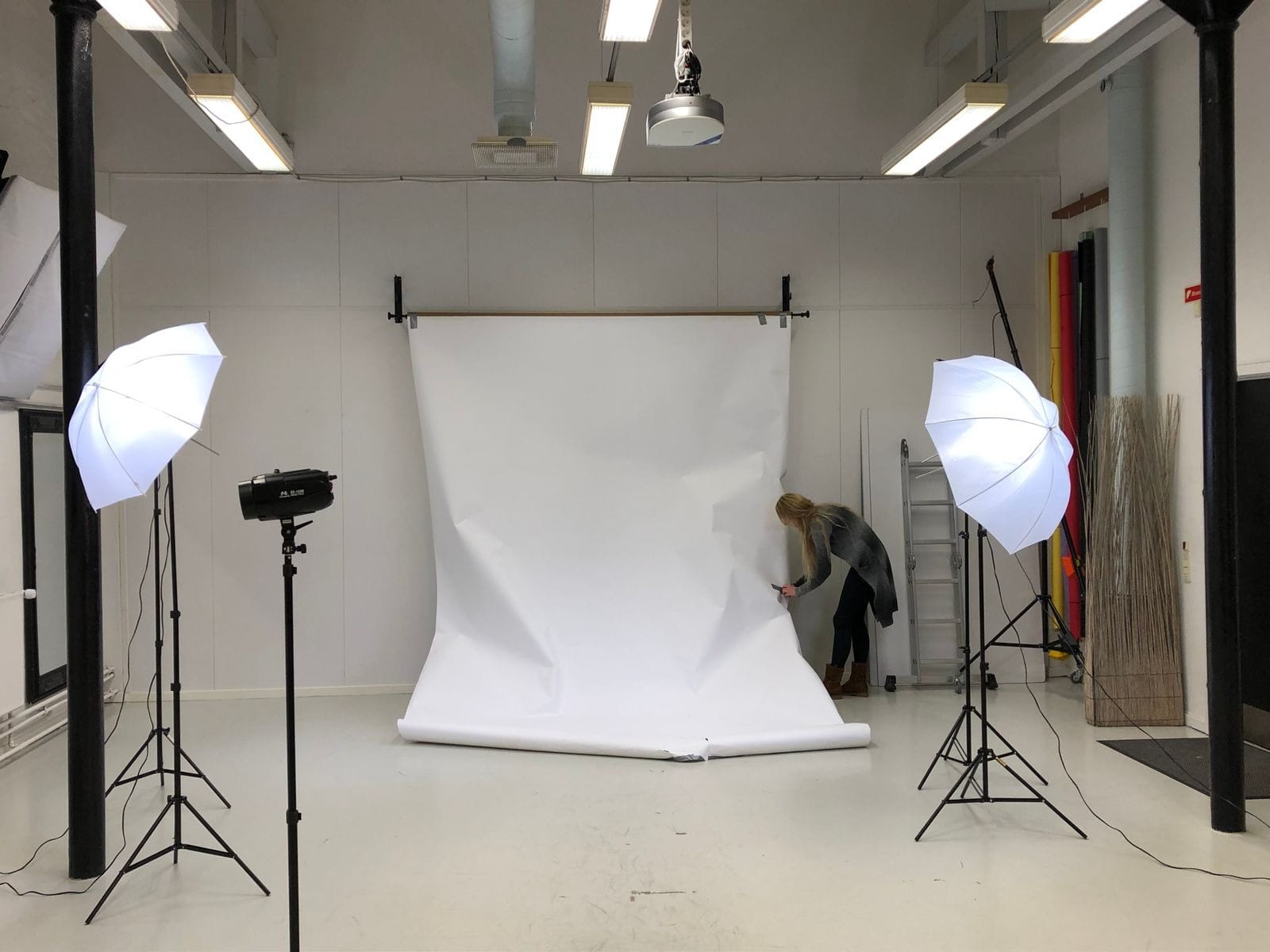
Your portfolio should reflect the person who will arrive at a casting or photoshoot. Review it when your appearance changes, and replace older images when newer work represents you better. Check that any measurements and contact details you provide are accurate. A beautiful collection loses its practical value when its information is out of date or a reviewer cannot work out how to reach you.
Before sharing a digital version, open it on both a phone and a larger screen. Check image order, loading and readability. Give your strongest photographs enough room to be seen, and avoid distracting additions around them. A portfolio supports an application; it cannot promise representation or bookings. Its job is to help someone assess you fairly and decide whether your look and demonstrated range suit the opportunity.
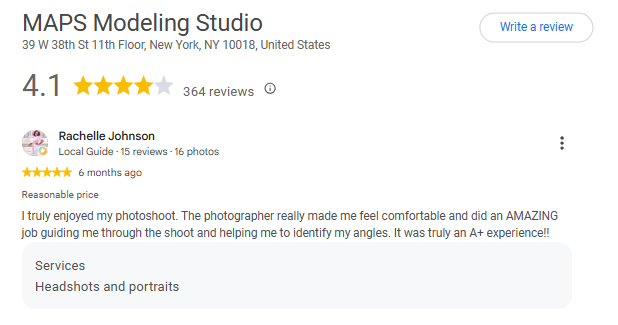
What Clients Share About Maps Studio
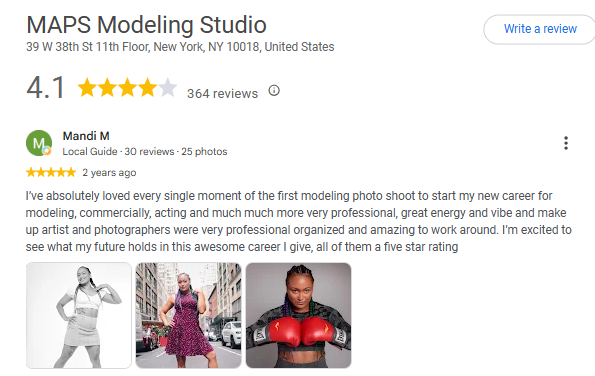
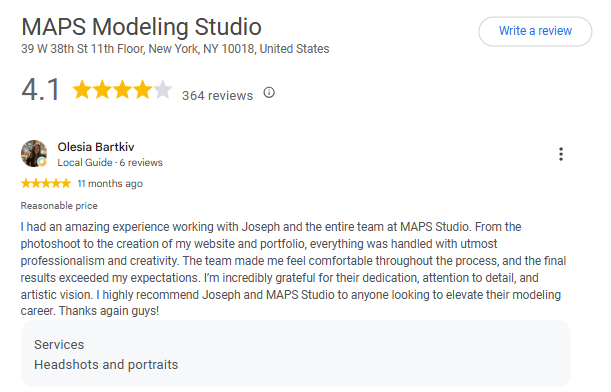
Preparing your portfolio also means choosing a team you feel comfortable working with. At Maps studio, we value the feedback clients share about their time with us. The reviews below describe individual photoshoot experiences and offer a closer look at what those clients found helpful.
Frequently Asked Questions
Do Beginners Need a Professional Portfolio to Apply? Not always. Some agencies accept simple snapshots for an initial application. Read the current submission instructions first, then build professional portfolio photographs as appropriate for your stage and goals.
How Many Photographs Should a Portfolio Include? There is no single number that suits every application. Follow any stated requirements and choose strong, varied images. Avoid filling the collection with weaker photographs or several versions of the same pose.
Are Digitals and Portfolio Photos the Same? No. Digitals give a straightforward, current view of your appearance. Portfolio photographs can use more styling and creative direction to demonstrate how you work in different photographic settings.
When Should I Update My Portfolio? Update it when your appearance changes or when stronger work improves the collection. Review your contact information and measurements at the same time so the photographs and practical details remain consistent.
Conclusion
A good portfolio gives every photograph a reason to be there. Begin with a clear view of your appearance, show range that fits your intended work, and remove images that repeat what the viewer already knows. Keep simple digitals available when an application asks for them, and check your details before sharing the collection. Thoughtful portfolio photography can help you present yourself with greater clarity, but the selection matters as much as the shoot. Build gradually, review honestly and keep the book current. The result should feel like an accurate introduction to you and the work you are ready to explore.
Visit Mapsstudio for more information about photography.
Note: We enjoy sharing creative inspiration, photography tips, and industry insights to help you capture life's best moments. The services, styles, and equipment mentioned in our articles are for informational purposes only and may not reflect our current offerings. For the latest on our photography services and portfolio, visit Maps studio.

Member discussion