
Health Benefits of A2 Desi Ghee for Children
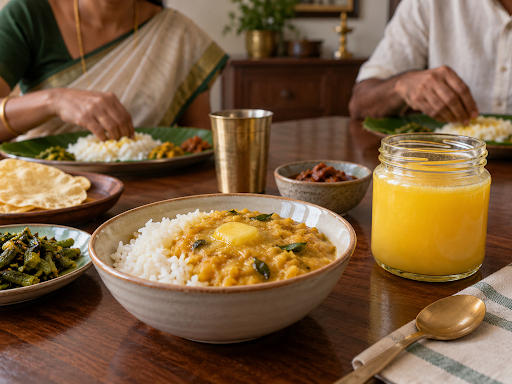
A little ghee stirred into dal or spread over a warm chapati can make a familiar meal more appealing. For parents, the question worth asking is how it fits into a child's overall diet, not whether one ingredient can transform health. Ghee provides fat and concentrated energy, but the A2 label does not establish special benefits for growth or immunity. This guide looks at ghee in children's meals with that distinction in mind. It covers everyday food choices, readiness for solids, and the situations where medical advice matters, so you can approach a traditional ingredient without expecting more than it can offer.
What A2 Means, And What It Does Not
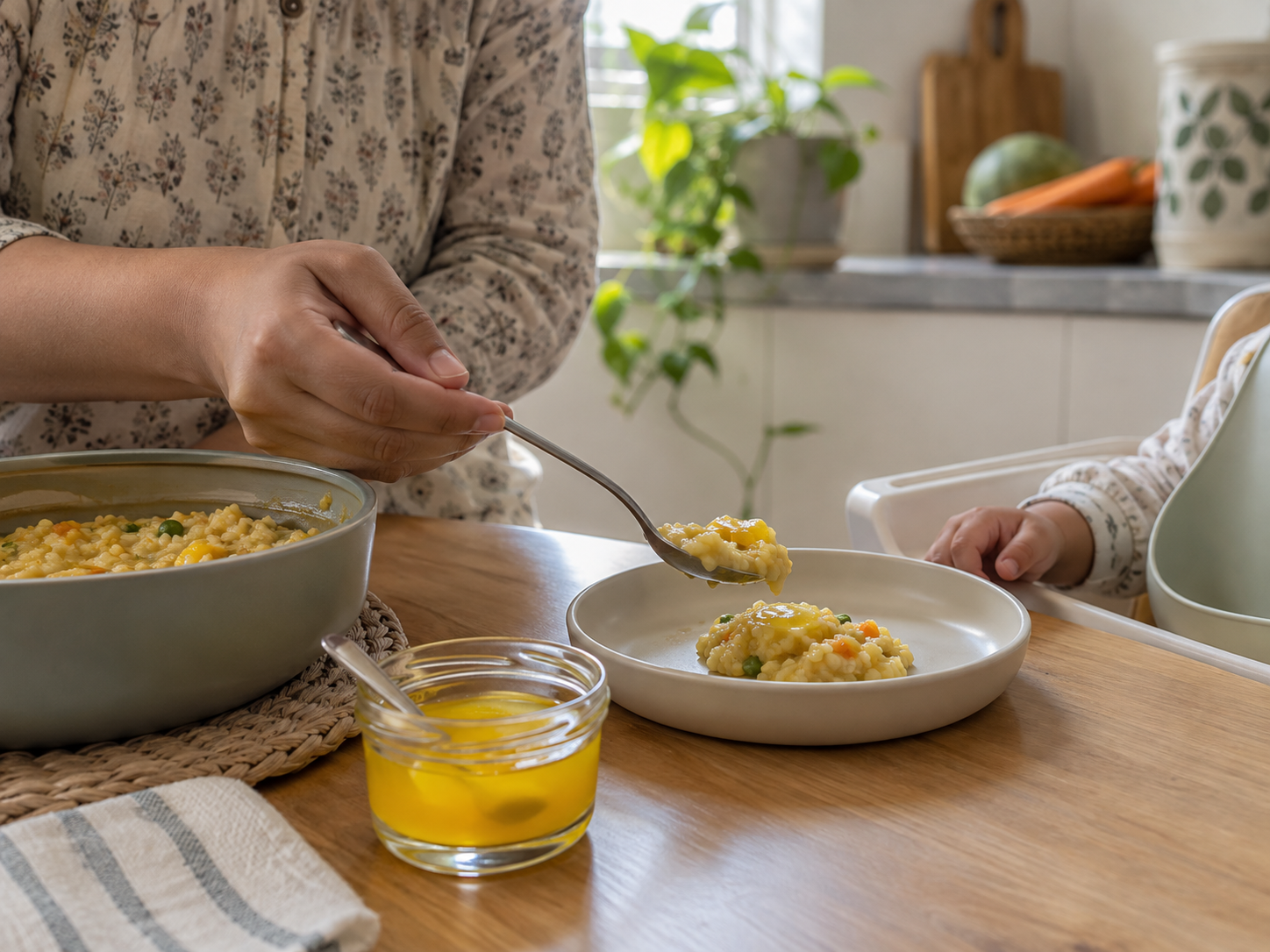
A2 describes a beta-casein protein variant in the milk used to make the ghee. It does not mean the finished food has a proven special effect on a child's height, immunity, digestion, or brain development. Ghee is mostly fat, so it can add energy and flavor to a meal, but it does not replace the variety children need from grains, vegetables, fruit, pulses, dairy or suitable alternatives, and protein foods. Parents can treat A2 as a product distinction, not a health promise. Keep the wider meal pattern in view, and do not rely on a single ingredient to correct a growth or nutrition concern.
Age And Readiness Come Before The Ingredient
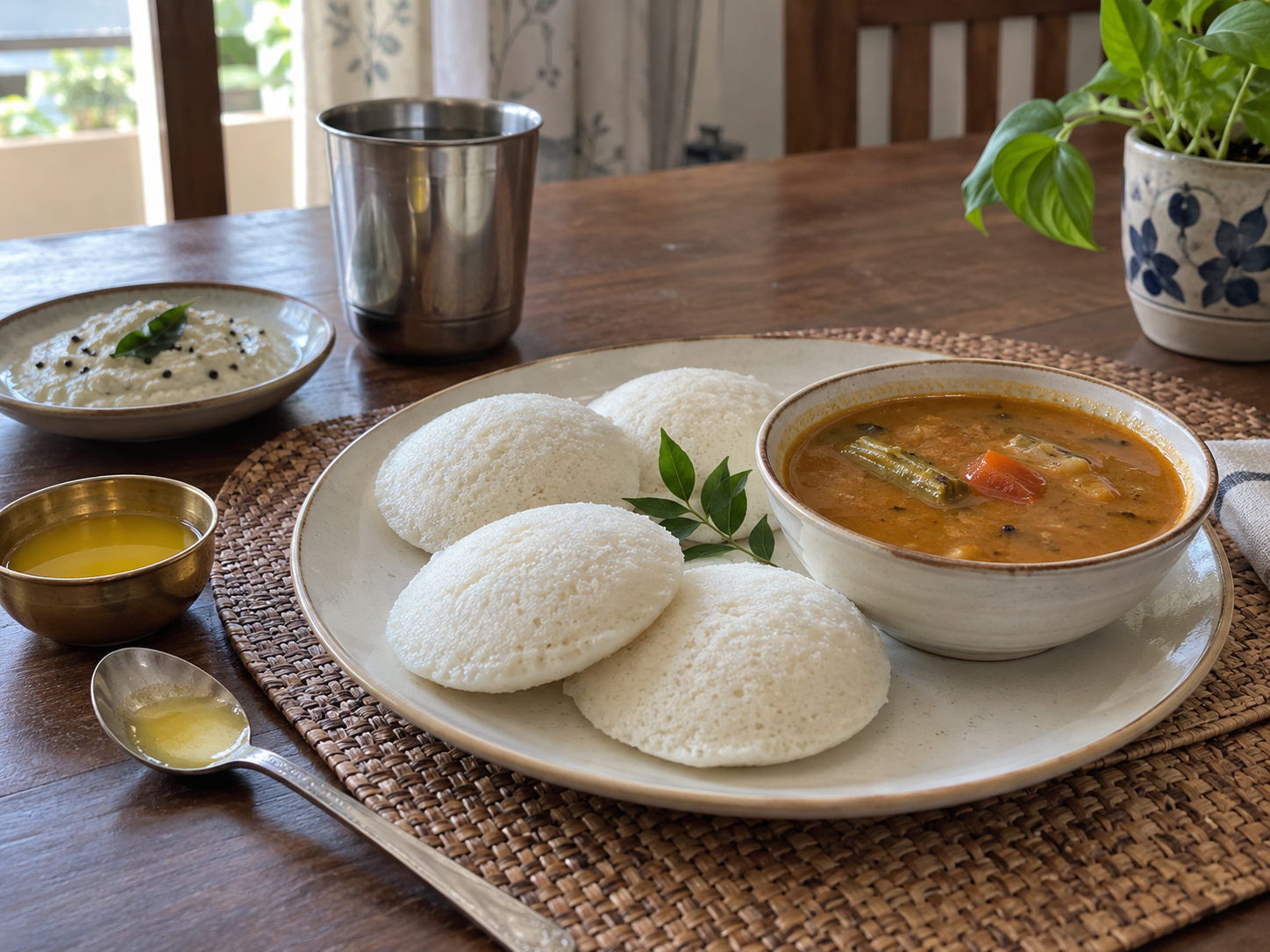
A child's stage of feeding matters more than the label on the jar. Complementary foods generally begin around six months, alongside breast milk or infant formula, when a baby shows readiness for suitable textures. Ghee is not a substitute for either milk feed, and it is not a first food every baby needs.
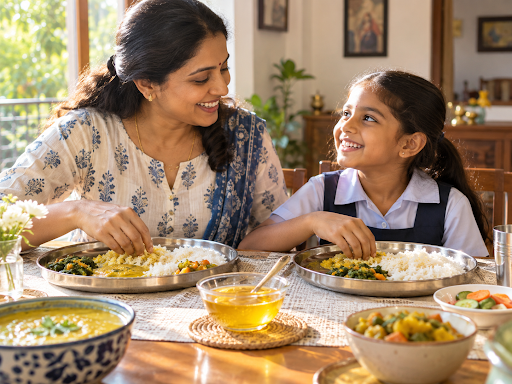
Once a child eats family foods, a little ghee can join a meal that already contains a variety of ingredients. Keep the texture suitable for the child's age and feeding skills. For a diagnosed cow's milk allergy, avoid ghee unless the child's allergy clinician specifically advises otherwise. The fact that ghee is clarified butter does not make it reliably safe for a child with that allergy.
Use A Small Amount In A Balanced Meal
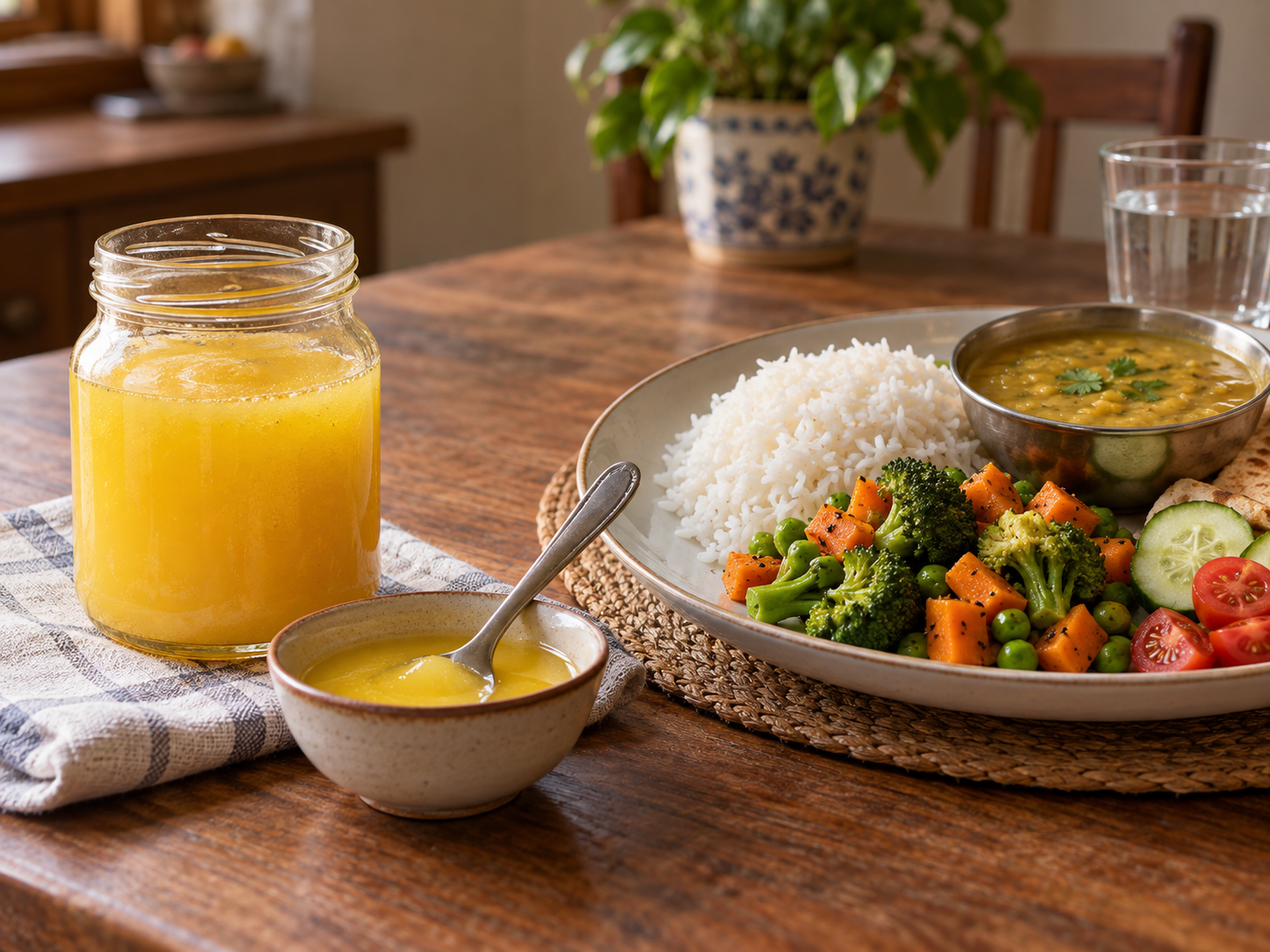
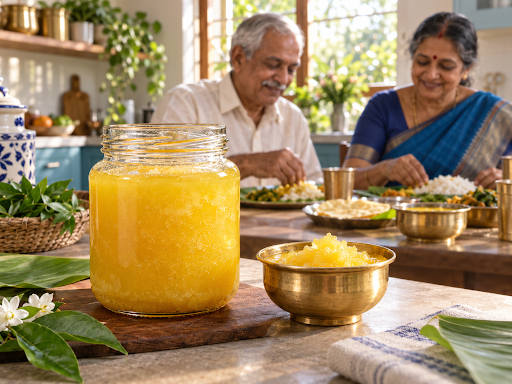
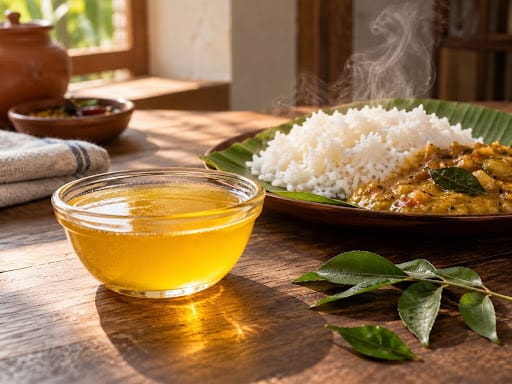
Ghee adds fat and energy to food, and its aroma can bring familiar flavor to dal, rice, khichdi, or cooked vegetables. That is its practical role at the table. A small amount can become part of a meal without taking attention away from the pulses, vegetables, grains, and other foods that provide a wider range of nutrients.
Think of ghee as an ingredient, not the main nutritional event. Stir a little into a dish rather than treating a spoonful on its own as a daily health requirement. There is no single amount that suits every child, because age, appetite, and the rest of the diet differ. Extra ghee does not make up for limited variety, and it will not deliver a benefit for height.
Choose Quality And Handle It With Care
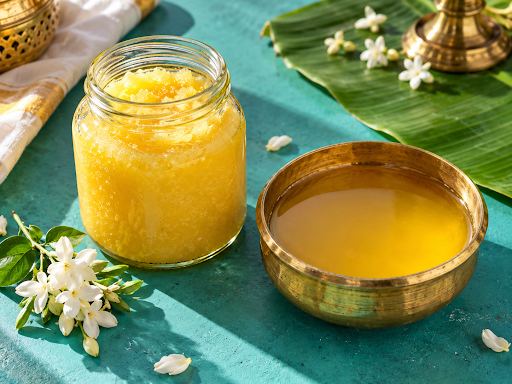
When selecting a jar, read the ingredient list, storage directions, and allergen information. Prefer a clean, sealed container with a clear product identity, and use a dry, clean spoon each time. Keep the jar stored as directed and close it after use. Do not use a product if its seal is damaged, its smell has changed, or it appears contaminated. These everyday checks matter more than a health claim on a label. If a child has a milk allergy, do not assume that a clarified dairy product is automatically safe; confirm suitability with the child's allergy specialist.
Know When To Ask A Pediatrician
A2 ghee should not be used to treat constipation, poor weight gain, illness, or any other symptom. If a child is not growing as expected, has persistent digestive trouble, or reacts after eating dairy, speak with a pediatrician rather than increasing ghee. A clinician can review growth over time, the full diet, and symptoms, then advise whether a dietitian or allergy specialist should help. For most families, the sensible question is not how much ghee will create a particular result, but whether a small amount fits the child's broader diet and health needs.
A Note On Customer Reviews
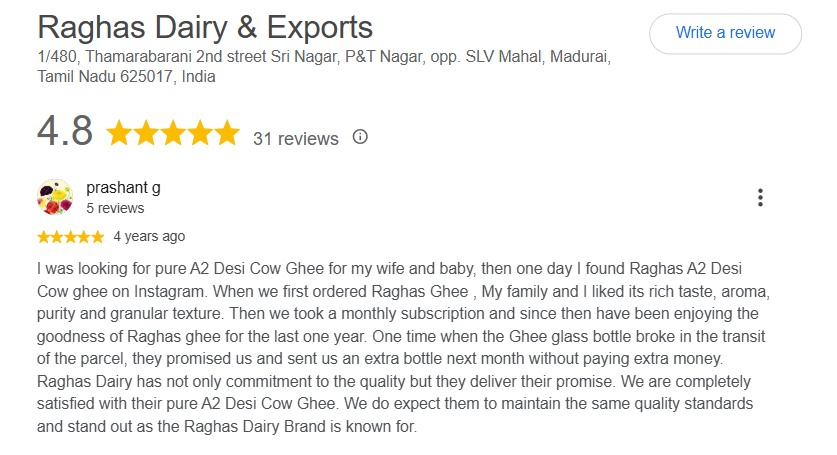
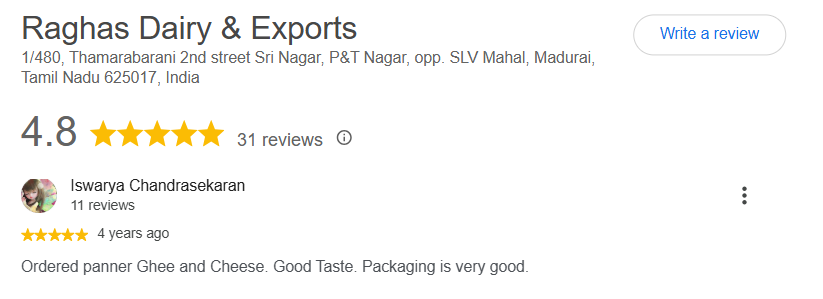
At Raghas Dairy, we welcome feedback about the taste, texture, and everyday use of our ghee. Families can have different preferences, and their experiences help us understand what matters in the kitchen. Customer feedback describes personal experience; it does not demonstrate a medical benefit for children.
Frequently Asked Questions
Is A2 Ghee Proven To Improve Children's Growth? No. There is no established evidence that A2 ghee specifically increases height or improves growth. Growth depends on many factors, and concerns should be discussed with a pediatrician.
Can Babies Have Ghee When They Start Solids? Some families use a small amount in food after complementary feeding begins, usually around six months. It is not required for every baby. Ask a clinician if the baby has an allergy risk or health concern.
Is A2 Ghee Safe For A Child With A Milk Allergy? Avoid ghee if your child has a diagnosed milk allergy unless their allergy clinician specifically advises otherwise. Do not assume that clarification or an A2 label removes the risk.
How Much Ghee Should I Add To A Child's Meal? There is no single amount for every child. Use modest portions as part of varied meals, and seek individualized guidance for a child with medical or nutrition needs.
Conclusion
Ghee can bring flavor and energy to a child's meal, but it works as one ingredient among many. A varied diet, age-appropriate textures, and attention to appetite matter more than any single food label. A2 desi ghee has no proven special ability to increase height, prevent illness, or replace medical care. The Raghas guide to ghee for babies offers a brand perspective on using it in family meals, rather than clinical evidence for those claims. Keep portions modest, avoid it with a milk allergy unless the allergy clinician advises otherwise, and ask a pediatrician about persistent feeding or growth concerns.
Visit Raghas Dairy to learn more about our products and join our community of happy customers.
Member discussion