
Benefits of A2 Desi Ghee for Kids' Height Growth

When a child looks shorter than classmates, it is natural for parents to wonder whether something is missing from the daily menu. Could a familiar ingredient such as A2 desi ghee help? Ghee can contribute energy to food, but no single ingredient determines a child's height. Family traits, nutrition, and health all play a part. A sensible approach starts with understanding the child's growth pattern and the whole diet, then giving ghee a reasonable place within it. Here is what parents can reasonably expect.
Look at Growth Beyond the Lunch Plate
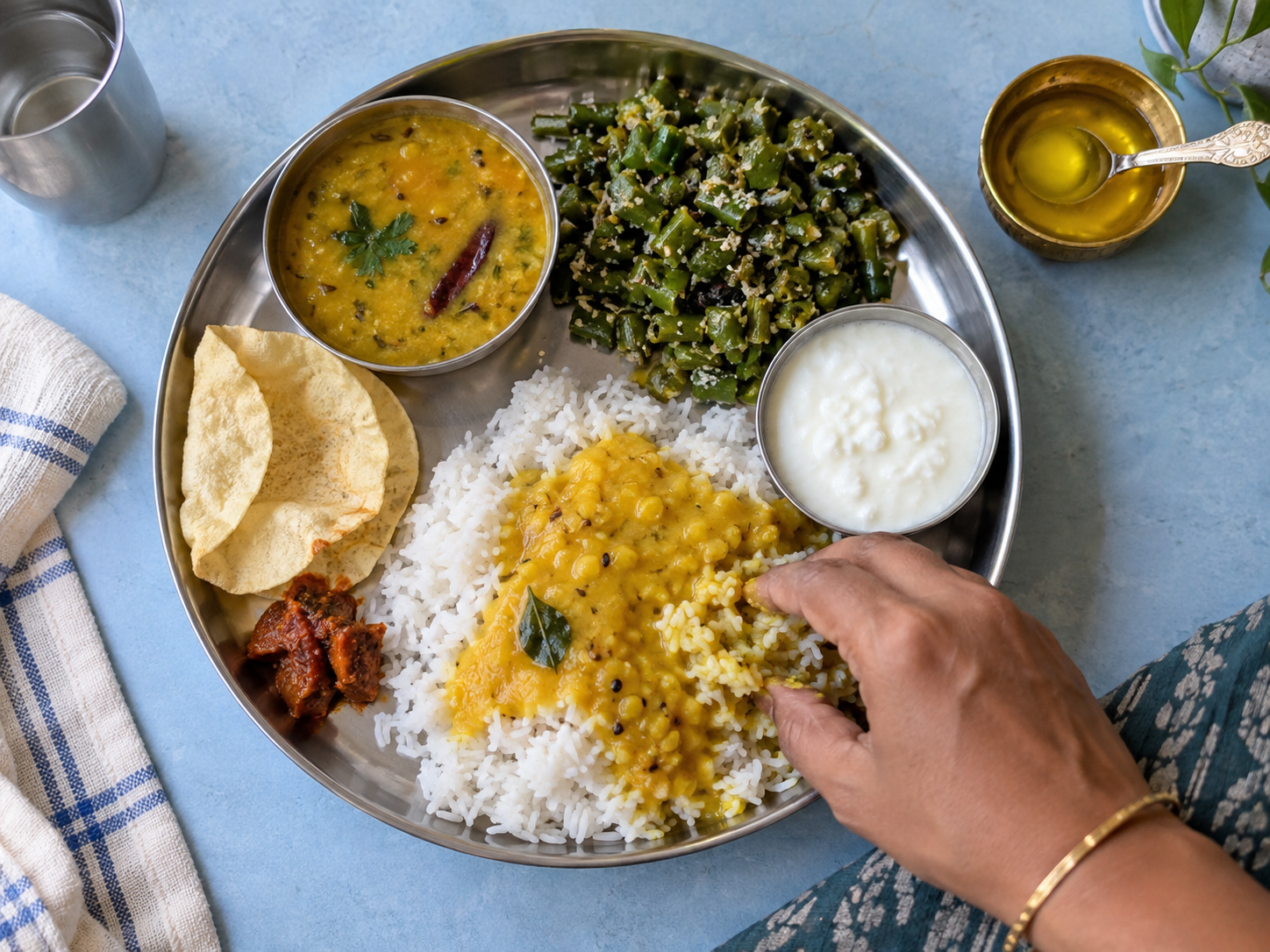
Children do not all reach the same height at the same age. Genetics strongly influences height, and children inherit many gene variants that contribute to it. Nutrition and health also affect how growth unfolds. Comparing two classmates cannot explain all of those differences.
A shorter child may come from a shorter family or follow a later growth pattern. That is different from assuming the child lacks a particular food. Adding ghee does not change inherited height potential, and a promise of extra inches would go beyond the evidence available.
Keep the question focused on healthy growth over time. The relevant issue is whether your child is following an appropriate pattern, not whether one meal includes a special ingredient. That perspective helps parents respond to concerns without turning ordinary family food into a height treatment.
Understand the Energy Ghee Adds
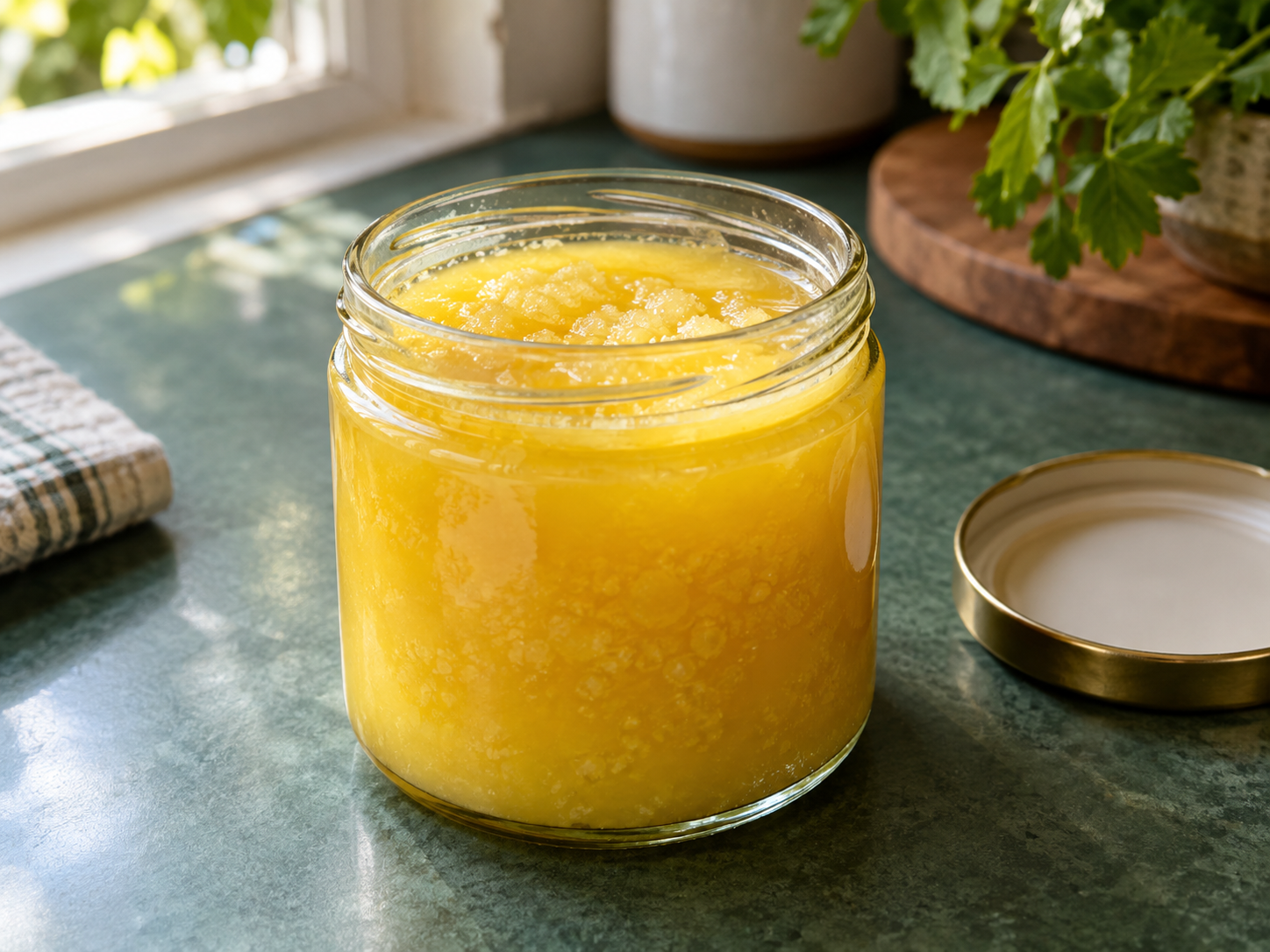
Ghee belongs to the added fats used in cooking and at the table. Fat provides concentrated energy and helps the body absorb fat-soluble vitamins. These are nutritional roles of dietary fat in general, rather than evidence that A2 ghee has a unique effect on height.
Indian dietary guidance includes small amounts of oil or ghee among foods that can increase the energy density of a child's meals. The same guidance emphasizes a varied diet. Adding ghee to a cereal-and-pulse dish changes its energy content; it does not replace the protein and other nutrients supplied by the rest of the meal.
More ghee is not automatically better. It also contributes saturated fat, so consider it within the child's overall intake rather than increasing it in pursuit of faster growth. Individual needs differ, particularly where a child has feeding difficulties or a diagnosed nutritional concern.
Separate the A2 Label from Height Claims
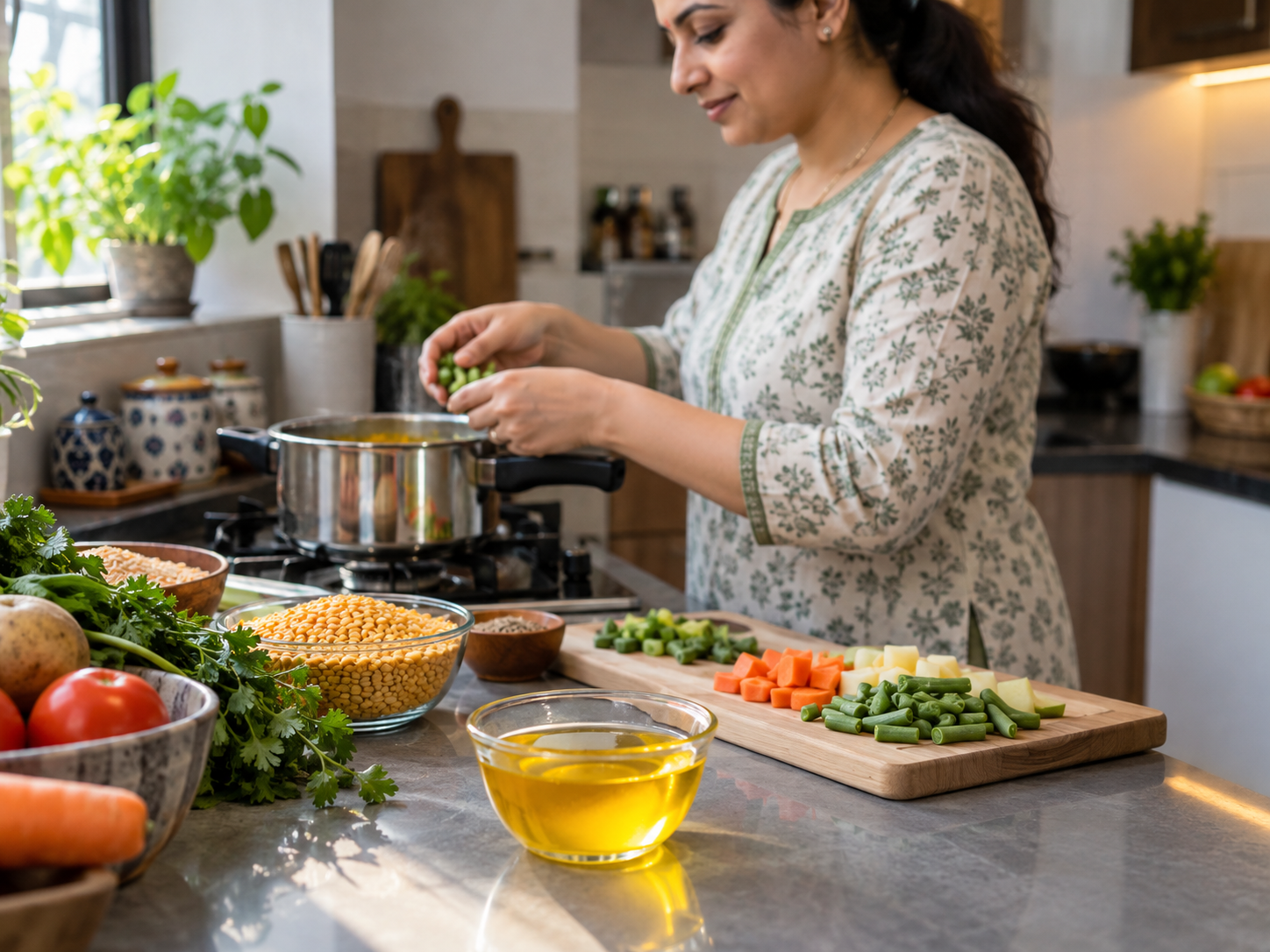
A2 refers to a form of beta-casein in milk. Research discussing A1 and A2 beta-casein examines milk and its components. That research does not show that A2-labeled ghee makes children taller, and a result involving milk cannot simply become a claim about every food made from it.
The distinction matters when a product description moves from a traditional ingredient to a specific health promise. A source-milk label tells you something different from a study measuring children's height after a defined dietary intervention. Those are not interchangeable types of evidence.
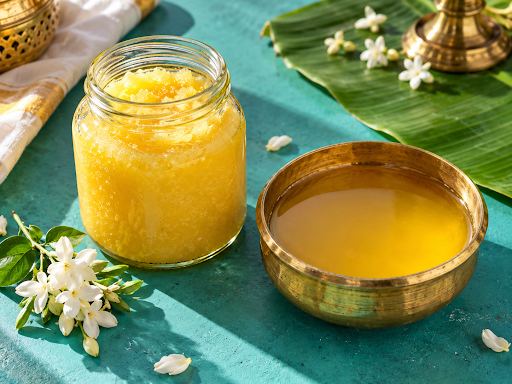
Choose ghee for its role in your cooking and the product information you can check. Raghas Dairy describes a bilona process that moves from milk through culture and churning to clarification. That preparation explains the food; it does not demonstrate a special height-growth benefit.
Keep Variety on the Plate
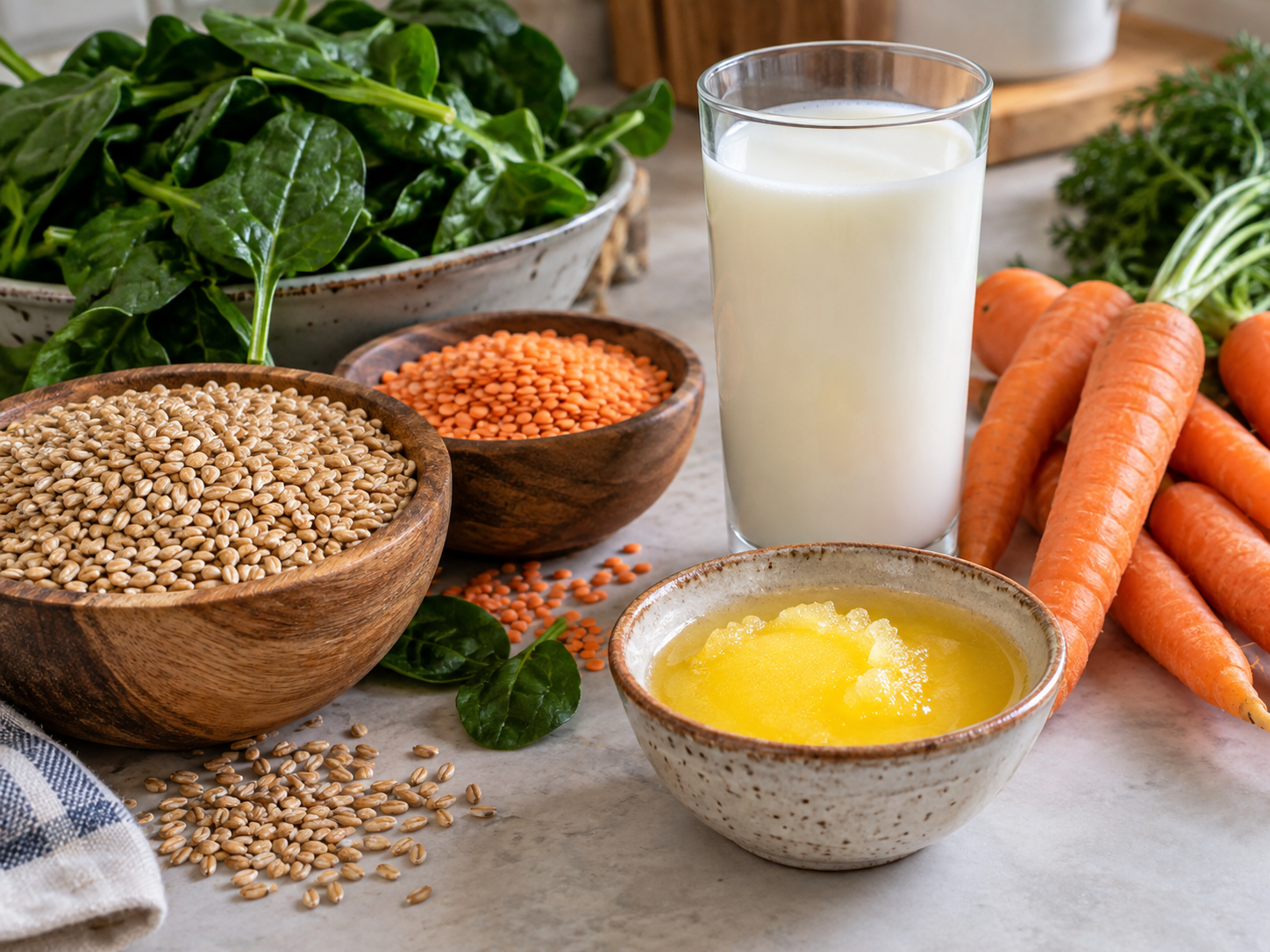
Children need a range of nutrients, so build meals around several food groups. Whole grains, pulses, vegetables, and fruit contribute different things. Appropriate protein foods also belong in that pattern. Ghee can accompany a meal, but it should not crowd out the foods that give the meal variety.
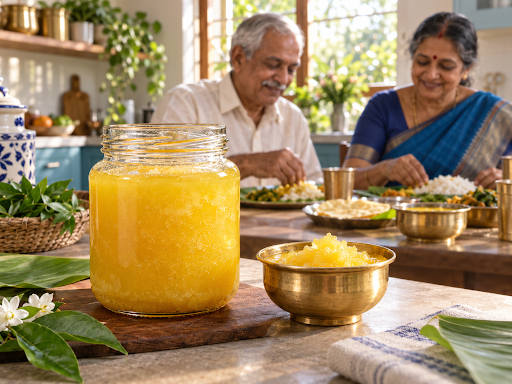
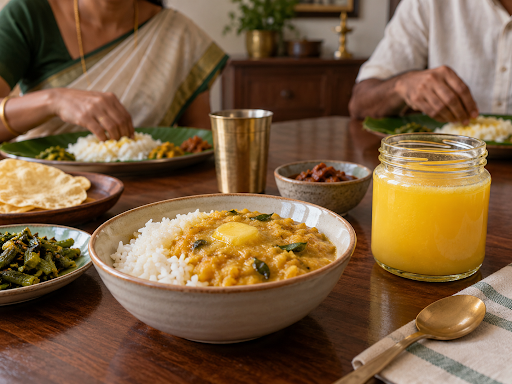
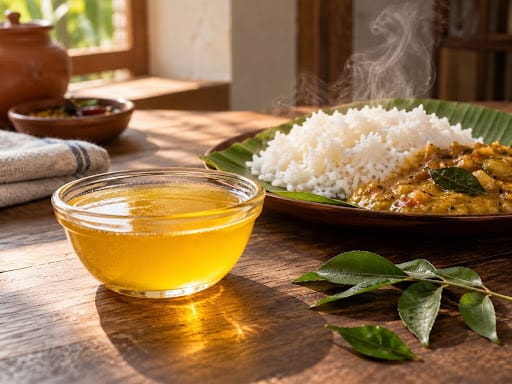
For a familiar home-cooked option, think of rice or another grain with dal and vegetables, with a modest amount of ghee if it suits the meal. This follows the broader emphasis on dietary diversity. The ingredients work as parts of a menu rather than as competing candidates for one growth-boosting food.
Consider fat quality as well as quantity. Healthy-diet guidance favors unsaturated fats over saturated fats and encourages varied, minimally processed foods. Keeping that balance allows families to enjoy traditional cooking without making ghee the main nutritional feature of every plate.
Use the Growth Record When You Need Answers

A pediatrician can assess height measurements over time alongside the child's health and family growth pattern. That is more informative than a single comparison with another child. A child who is shorter but growing steadily presents a different question from one whose growth is slowing.
Seek medical advice if you notice a concerning change in growth, especially alongside poor appetite, low energy, or other health concerns. Nutritional problems can affect growth, but they are not the only possible explanation. Increasing a cooking fat cannot identify the cause.
Bring the growth records you have and describe the child's usual meals. That gives the clinician relevant information for deciding whether further assessment is needed. Continue to treat ghee as food while getting the growth question answered on its own terms.
What Families Share About Raghas Dairy
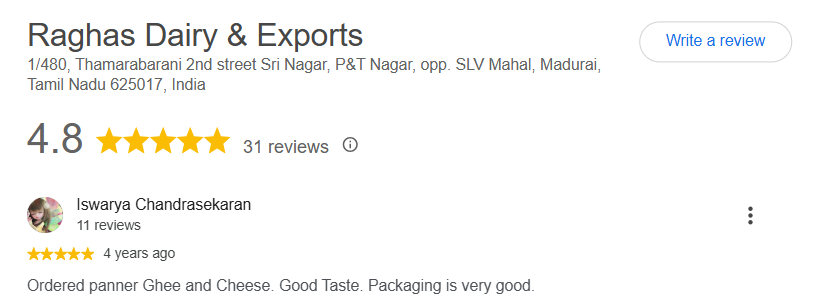
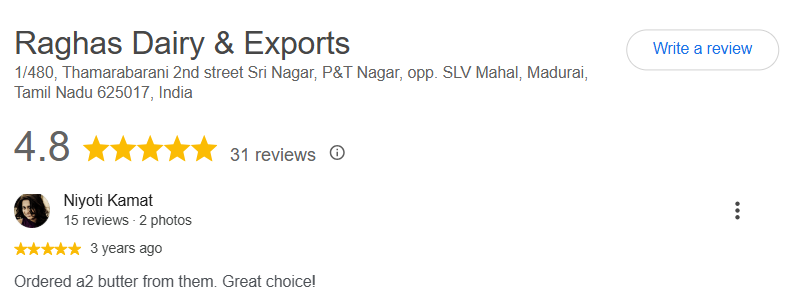
At Raghas Dairy, we value customers' experiences of using our ghee at home. The feedback shared on our website includes comments about its aroma, taste, and texture. Those everyday experiences help other families learn about the product, while children's growth questions belong with a qualified health professional.

Frequently Asked Questions
Does A2 Ghee Make a Child Taller? The available evidence does not establish that benefit. Height reflects genetics, nutrition, and health, and no height result should be promised for ghee.
Can Ghee Replace Protein Foods? No. Keep appropriate protein foods in a varied diet. Ghee contributes fat and energy; it does not take over the role of pulses, milk, or other protein foods.
Should I Give More Ghee If My Child Seems Short? Do not increase it simply to pursue height gain. Ask a pediatrician to assess the growth pattern and advise on any nutritional needs.
Conclusion
A2 desi ghee can have a place in familiar family meals without carrying a promise to make children taller. Use it as an added fat, keep the rest of the diet varied, and judge growth through an ongoing record rather than a comparison with classmates. The A2 label and traditional preparation do not establish a special height benefit. If growth worries persist, a pediatrician can help you understand the pattern and whether it needs further attention. At Raghas Dairy, we encourage families to enjoy our ghee for its place in everyday cooking while keeping health expectations grounded in evidence.
Visit Raghas Dairy to learn more about our products and join our community of happy customers.
Member discussion