
3 Expert Strategies for NYC Modeling Portfolio Building
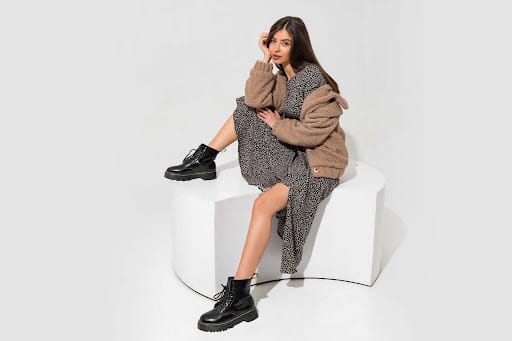
A portfolio gives someone who has never met you a quick sense of how you photograph. Your strongest pictures should make that introduction easy. A good NYC modeling portfolio shows your current appearance, the work you want to pursue and enough variety to hold attention. You do not need every photograph from a session. You need a selection that feels deliberate. These three strategies cover the decisions before the shoot, the work in front of the camera and the final edit that brings your photographs together.
Plan Your Portfolio Around the Work You Want
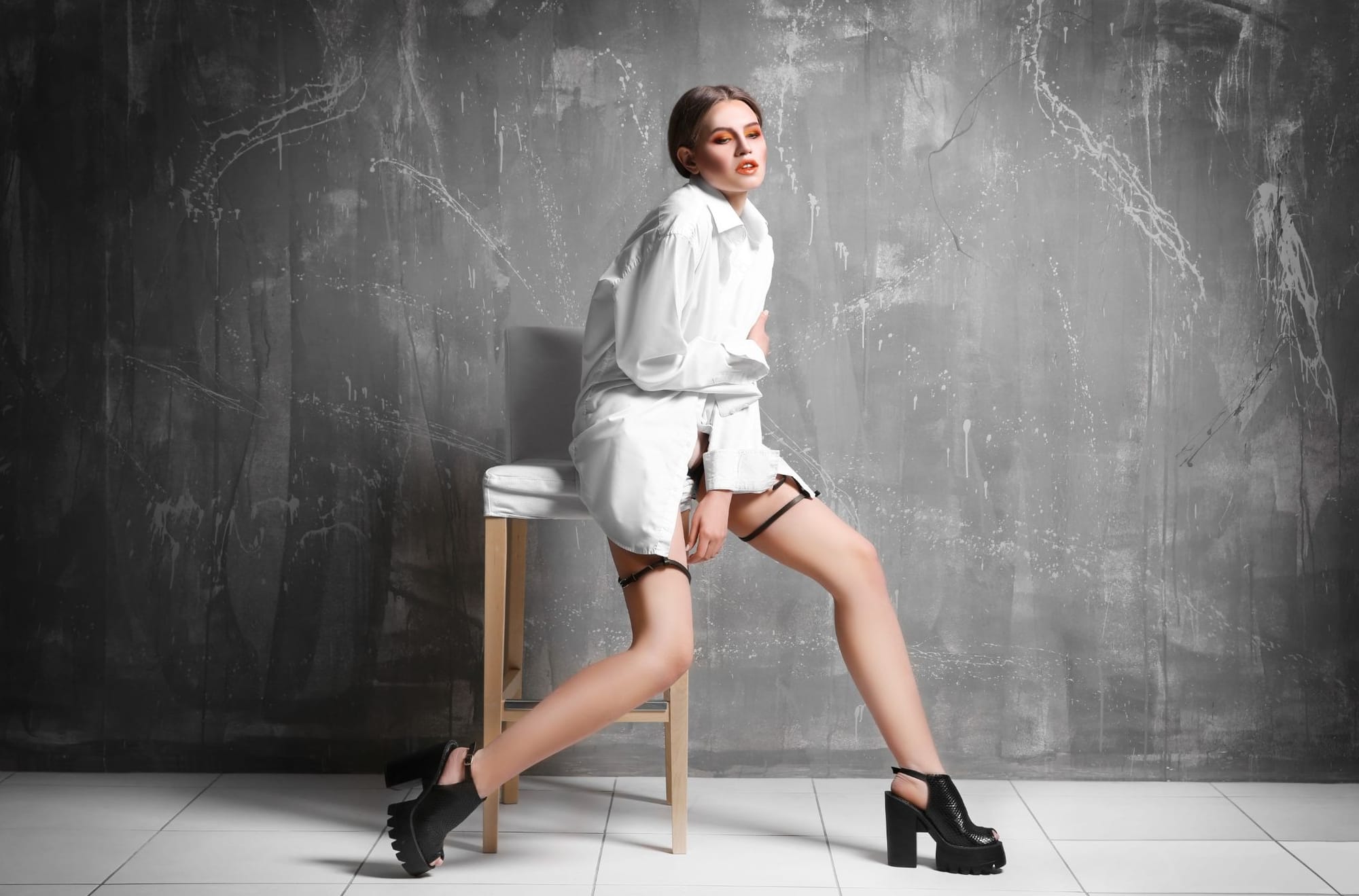
Start with the kind of modeling you want to pursue. A fashion-focused selection and a commercial lifestyle selection may need different styling, expressions and settings. Look at the requirements of the agencies or opportunities that interest you before planning a shoot. Those requirements give your photographs a purpose and help you avoid spending a session on looks that do not support your next step.
Include clear views of your face and overall appearance. A strong headshot helps a viewer recognize you, while a full-length photograph adds information that a close-up cannot. Give each image a job. If several photographs communicate the same look, a different framing or expression may contribute more than another version of your favorite pose.
Keep digitals and styled portfolio photographs distinct. Digitals generally use simple clothing, straightforward lighting and minimal styling to show how you look now. Portfolio images can explore character and a more developed visual idea. An agency may ask for one or both, so follow its submission instructions. A polished editorial photograph should not be used as a substitute when a plain, current digital is requested.
Prepare Distinct Looks and Work With Direction
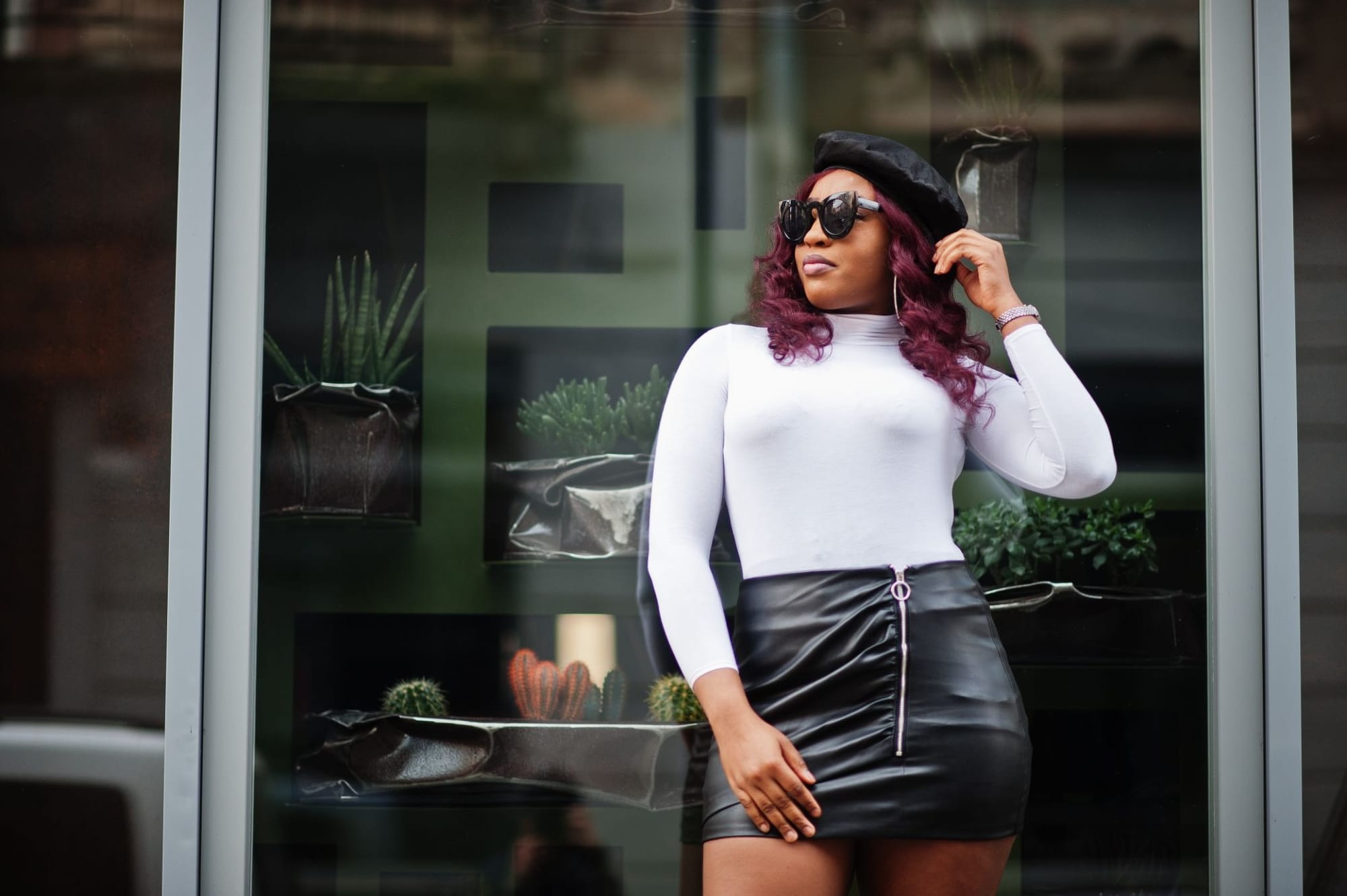
Choose a photographer whose existing work suits your intended portfolio. Review complete selections when possible, paying attention to the expressions, lighting and consistency across different people. A dramatic photograph may be appealing, but the question worth asking is whether that approach fits the work you want to show. Discuss the purpose of the session before deciding on clothes or a setting.
Plan outfits that create meaningful differences without competing with your face. Practice simple changes in posture and expression so that you arrive with a starting point. A relaxed expression, a direct gaze and a more animated moment can give a photographer different material to work with. Small changes often read more clearly on camera than an elaborate pose held too tightly.
Leave room for direction during the session. The photographer sees the framing and light from a position you cannot see yourself. Listen, adjust and notice which movements feel natural. You are building a range of workable photographs, so a productive shoot involves trying alternatives as well as developing the strongest look. Preparation makes that collaboration easier without requiring every frame to be planned in advance.
Edit a Clear Selection and Keep It Current
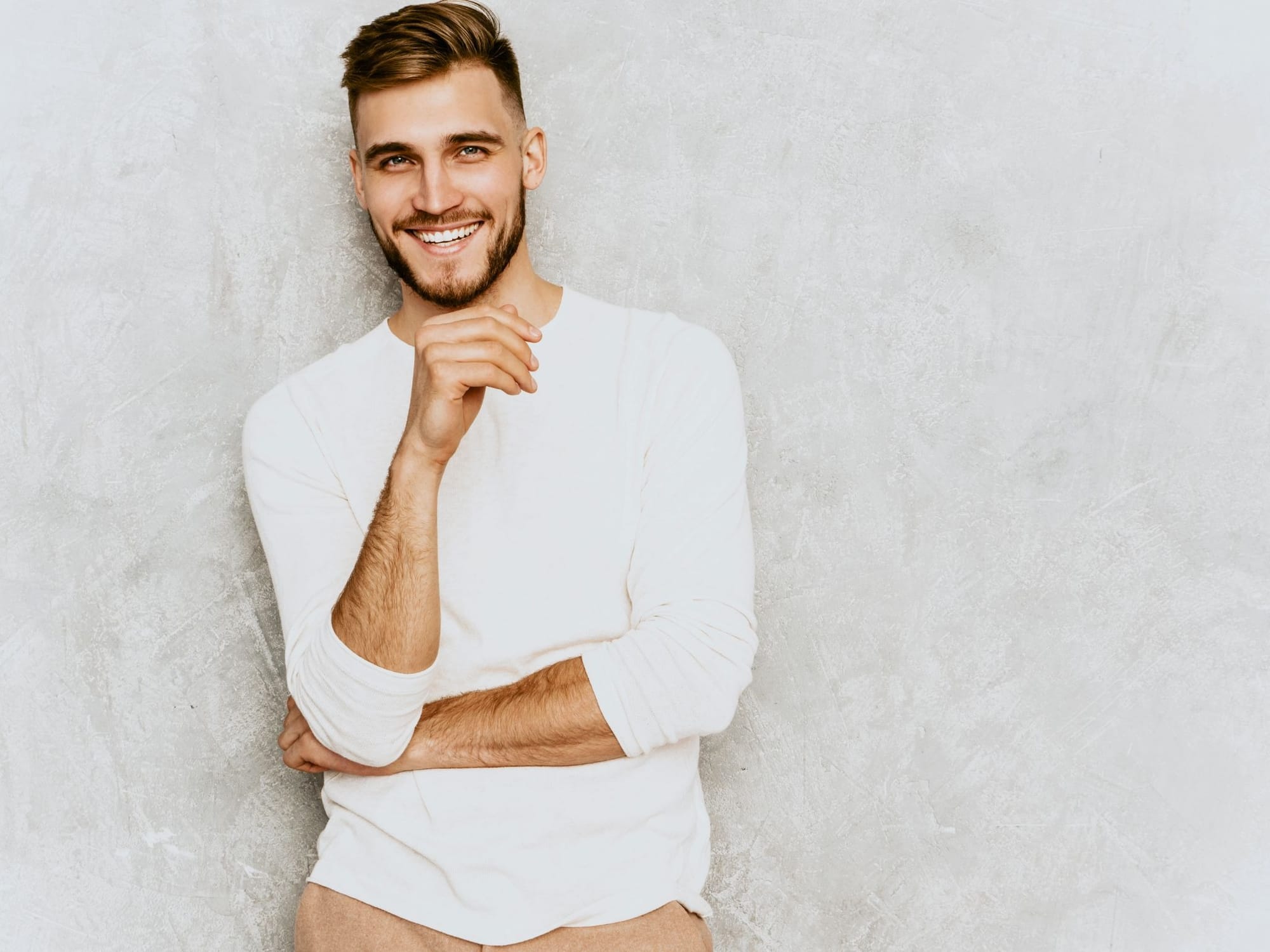
Review the photographs together before deciding what belongs in the portfolio. Open with an image that presents you clearly and confidently, then choose pictures that add something different. A change of outfit alone does not necessarily earn an image its place. Compare expression, framing and mood, and remove weaker photographs that repeat an idea already shown well.
Keep retouching restrained enough that someone meeting you would recognize the person in the pictures. Your portfolio and current digitals should make sense beside each other. Update the selection when your appearance changes substantially or when new work represents you better. A smaller group of strong, relevant photographs is easier to assess than a long gallery with an uneven standard.
Presentation matters after the editing is finished. Make a digital portfolio easy to open and move through, and keep your contact information accurate. Where measurements or other details are requested, provide current information in the requested format. Check the final selection on the device you expect a viewer to use. The photographs should be easy to see without making someone search through unrelated material.
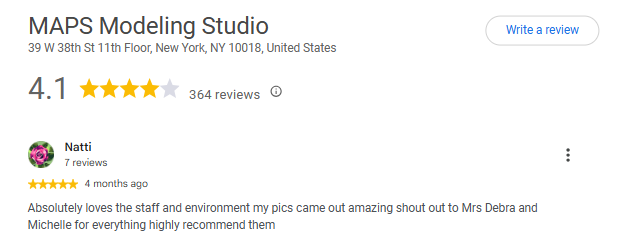
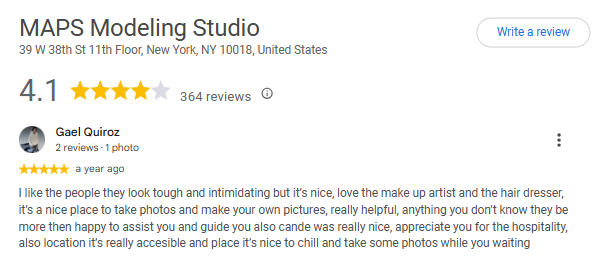
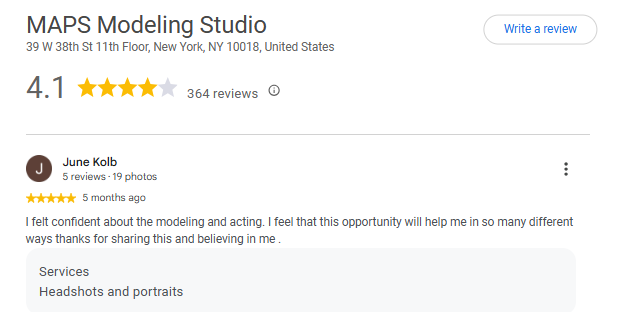
What Clients Say About Maps Studio
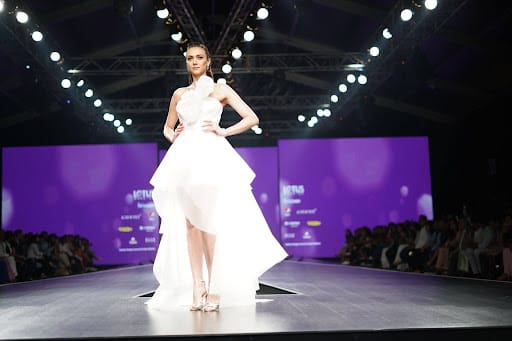
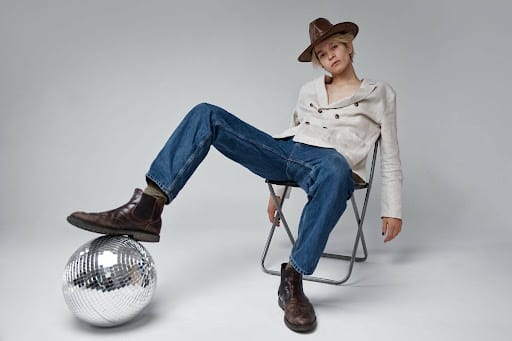
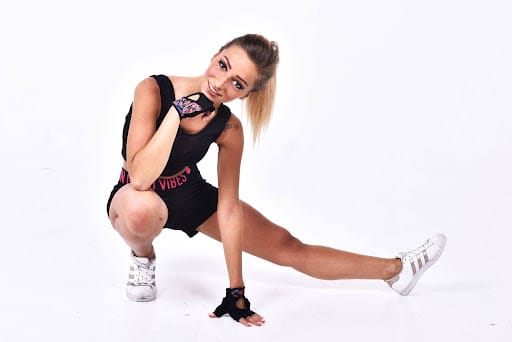
Our clients' feedback offers a closer look at the Maps Studio experience, from the atmosphere during a visit to the photographs they take away. We have included three reviews below so you can read those experiences in our clients' own words as you plan your portfolio session.
Frequently Asked Questions
How Many Photographs Should a Modeling Portfolio Include? Follow the recipient's requirements first. Choose enough strong photographs to show relevant variety, and leave out weaker or repetitive images. There is no single count that works for every submission.
Are Digitals the Same as Portfolio Photographs? No. Digitals usually show your current appearance with simple styling and lighting. Portfolio photographs can show a wider range of expressions, clothing and creative direction. Keep both current when they are requested.
Should Every Photograph Have a Different Outfit? An outfit change can help, but expression and framing also create variety. Select photographs for what they communicate, rather than treating each outfit as a required portfolio entry.
When Should I Update My Portfolio? Review it when your appearance changes or you have stronger new work. Replace photographs that no longer represent you accurately, and check your contact details before each submission.
Conclusion
Building an effective NYC modeling portfolio takes a series of thoughtful choices. Decide what kind of work you want to show, prepare for the session and stay open to direction. Then give the final edit as much attention as the shoot itself. Keep images that add real variety, remove repetition and make sure the person in the photographs still looks like you today. Current digitals and clear presentation help complete that picture. Your portfolio can develop as your experience grows, so treat each new session as an opportunity to improve specific gaps in the selection you already have.
Visit Mapsstudio for more information about photography.
Note: We enjoy sharing creative inspiration, photography tips, and industry insights to help you capture life's best moments. The services, styles, and equipment mentioned in our articles are for informational purposes only and may not reflect our current offerings. For the latest on our photography services and portfolio, visit Maps studio.

Member discussion