
How Is Natural A2 Butter Different from Regular Butter?
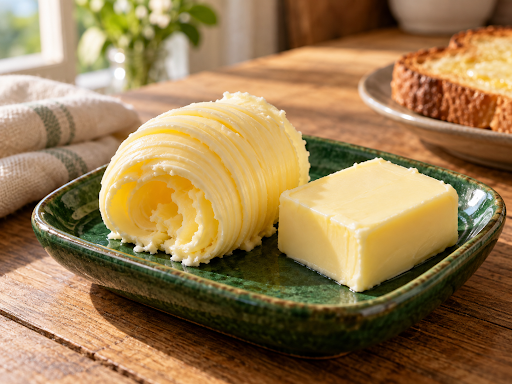
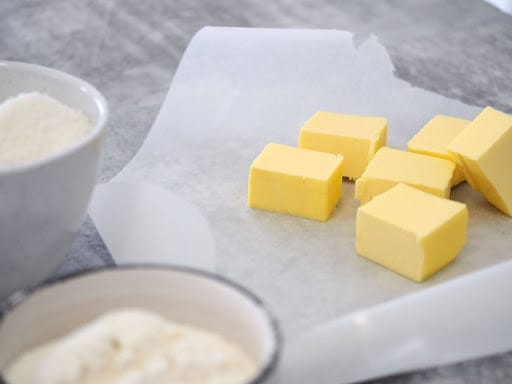
Two pats of butter can look almost identical on a plate, even when their labels tell different stories. One may say A2, another cultured, and another simply salted butter. Those descriptions answer different questions. If you are comparing natural A2 butter with regular butter, begin with the milk source and then look at how the butter is made. Our organic butter guide is a starting point for that conversation, but a fair comparison also needs clear limits: an A2 label alone does not establish better nutrition, easier digestion or a particular taste.
The Milk Source Explains the A2 Label
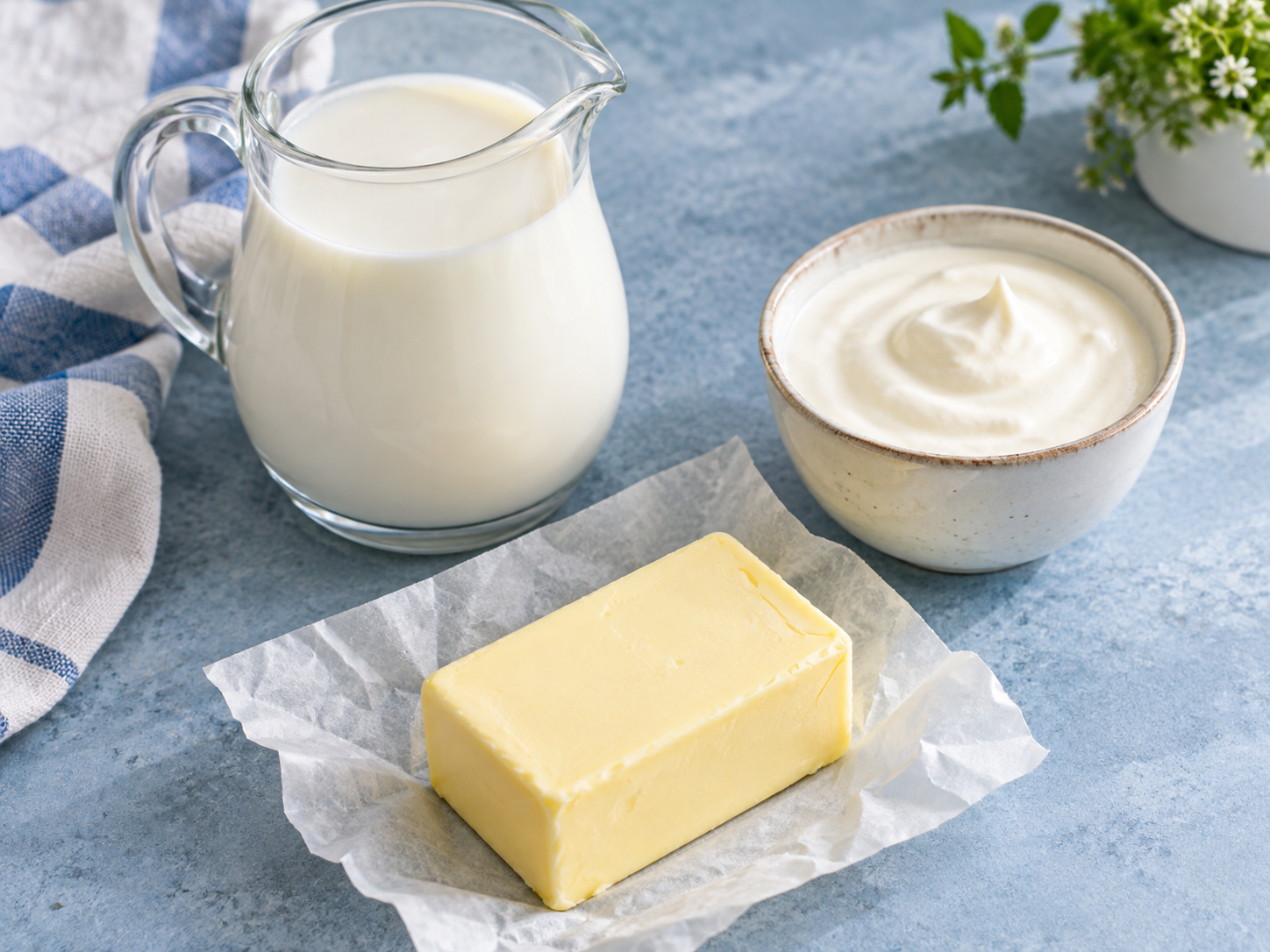
A1 and A2 describe variants of beta-casein, a protein in cow's milk. When a producer calls butter A2, the claim concerns the milk used to make it. It does not describe a special type of butterfat or a visible characteristic you can identify on the kitchen counter.
Regular butter is not one uniform product. Without information from its producer, the absence of an A2 label does not tell you the exact protein profile of the original milk. Ask what the sourcing claim means and how the dairy supports it. That is more informative than judging butter by its colour or appearance.
Churning and Culturing Shape the Finished Butter
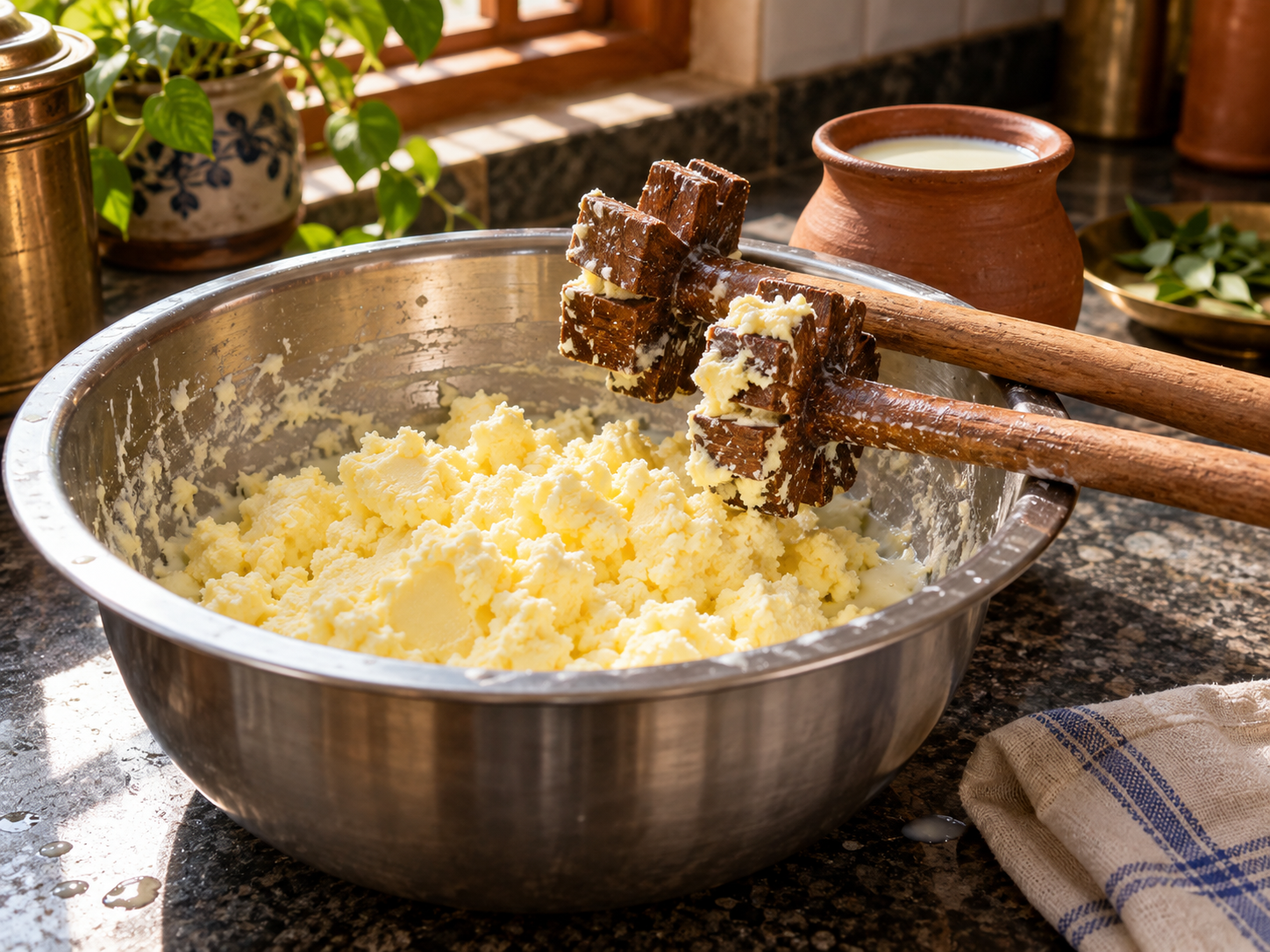
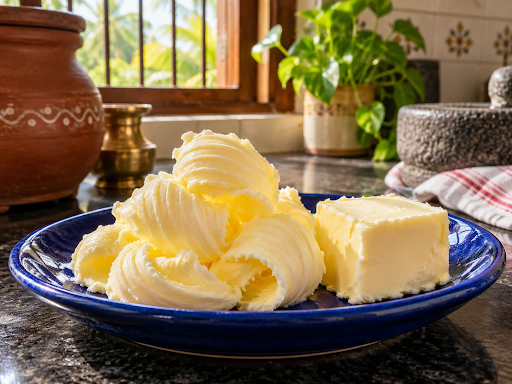
Butter forms when churning brings cream's fat together and separates it from much of the liquid. Cultured butter uses fermented cream or cultures introduced during production. Sweet cream butter follows a different preparation route. These distinctions concern the process, not simply whether the milk carries an A2 claim.
Culturing can create a tangier flavour, while sweet cream butter has another taste profile. Both A2 and non-A2 butter can vary in preparation. If you enjoy a particular butter, ask whether its appeal comes from culturing, salt or texture before attributing the whole difference to the milk protein.
Taste and Ingredients Matter More Than a Broad Label
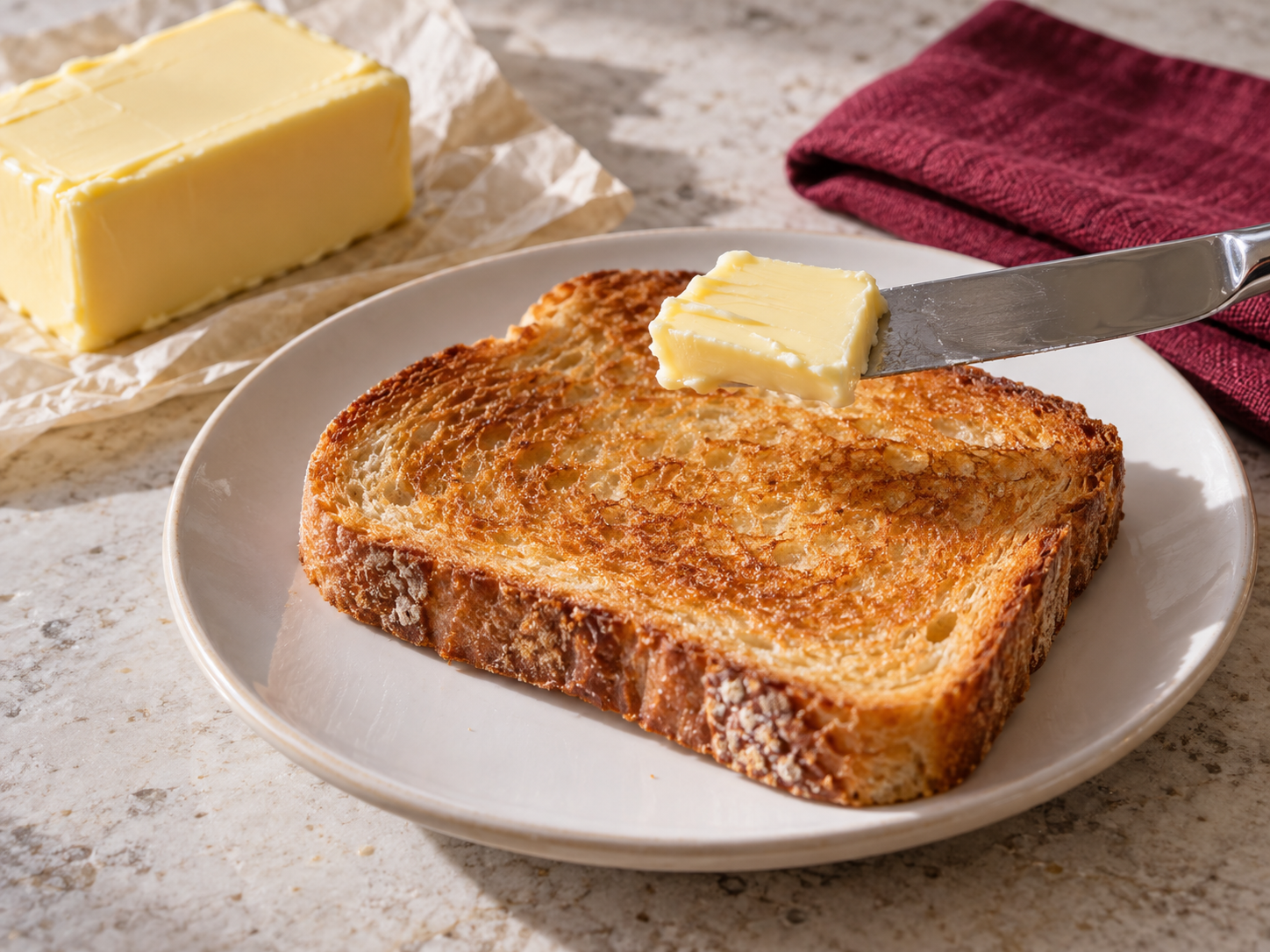
Salted and unsalted butter serve different preferences. Unsalted butter leaves you more control over the salt in a recipe, while salted butter brings seasoning of its own. Read the ingredient list when comparing two products so you know whether you are comparing like with like.
A word such as natural should not replace the details on the pack. Likewise, A2, organic and cultured describe different aspects of a product. One description does not automatically establish the others. Choose the flavour and formulation you enjoy, while checking the specific claims you care about.
Everyday Use Does Not Require Health Promises
A little butter can add flavour to warm toast, vegetables or a freshly cooked dosa. It also has familiar roles in baking and finishing a dish. For a household comparing varieties, these ordinary uses offer a practical way to think about taste without turning a cooking ingredient into a treatment.
Butter remains a concentrated source of fat, including saturated fat. It is not a substitute for the protein and calcium supplied by foods such as milk or yogurt. An A2 label does not remove those nutritional limits. Keep the amount you use in the context of your overall meals.
Research on A2 milk should not become a blanket health promise for A2 butter. If you manage a medical condition or have been advised to limit saturated fat, follow your clinician's guidance rather than assuming a change in butter type removes the need.
Check Suitability and Storage Before You Choose
An A2 claim does not mean lactose-free, and it does not make butter safe for a person with a milk allergy. Lactose intolerance and milk allergy are different conditions. If either affects your household, check the product and seek appropriate dietary advice rather than testing an assumption from the front label.
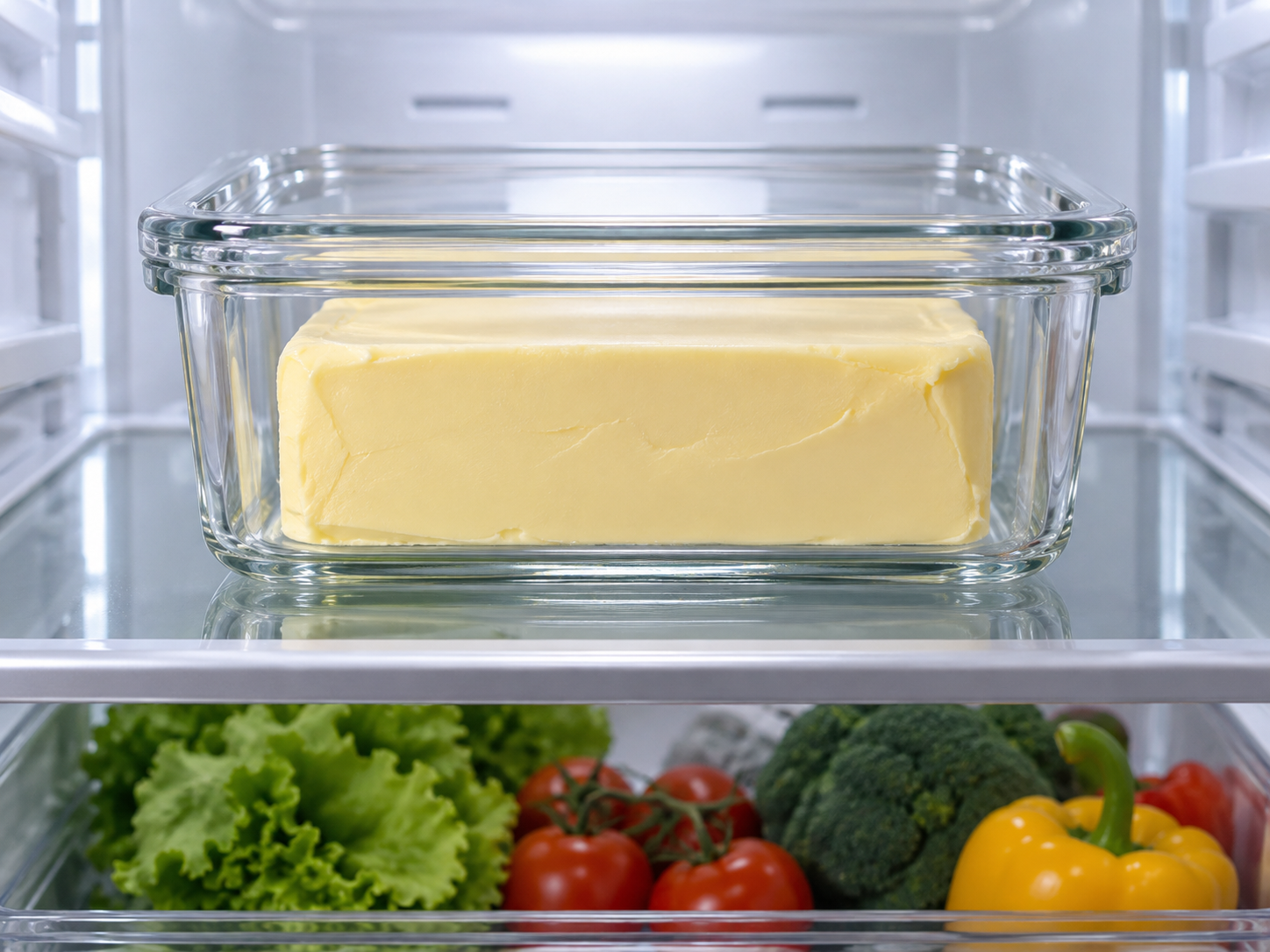
Choose food intended for human consumption and pay attention to pasteurisation and handling information. Raw dairy can carry harmful bacteria; a traditional or natural description does not remove that risk. Follow the product's refrigeration and use instructions, keep it covered and use clean utensils.
When comparing butter, collect the information that answers your actual question: milk sourcing, preparation, ingredients and storage guidance. A clear explanation of those points helps you choose better than a long list of general benefits.
Raghas Organic Butter in Your Kitchen
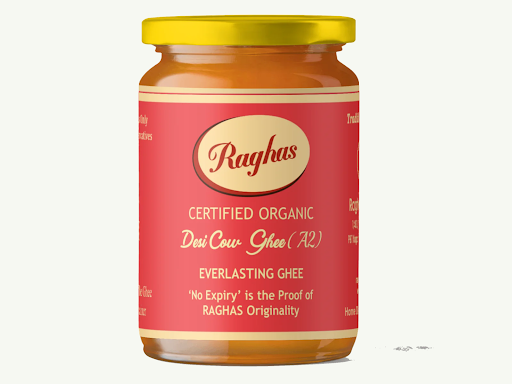
Our Raghas Organic Butter belongs in the everyday food conversation: what you like to cook, the flavour you enjoy and the product details you want to understand. We encourage you to check the current butter information and ask about ingredients, preparation and storage when choosing it for your kitchen.
Frequently Asked Questions
Is A2 Butter Automatically Better for Digestion? No universal claim is justified. A2 refers to the source milk's protein variant. Individual tolerance varies, and evidence about milk should not become a guaranteed butter benefit.
Does A2 Mean Organic? No. A2 concerns milk protein sourcing, while organic concerns production standards. Check each claim separately.
Can a Person With Milk Allergy Eat A2 Butter? Do not treat A2 butter as an allergy-safe substitute. Milk allergy requires appropriate medical and dietary guidance.
Is Cultured Butter the Same as A2 Butter? No. Cultured describes a preparation process. A2 describes a claim about the source milk. A product may carry both descriptions, but they are not interchangeable.
Final Takeaway
The clearest difference starts with the milk source, but a good butter choice does not stop at the A2 label. Preparation, salt, flavour and handling all matter in the kitchen. Compare those details directly, and keep nutrition claims separate from taste preferences. Our organic butter guide can help you begin the discussion with Raghas, while the current product information should answer the practical questions. Choose butter you enjoy in sensible amounts, follow its storage guidance and avoid assuming that one label makes it suitable for every household or medical need.
Visit Raghas Dairy to learn more about our products and join our community of happy customers.
Member discussion