
3 Mistakes to Avoid When Building Your Male Model Portfolio
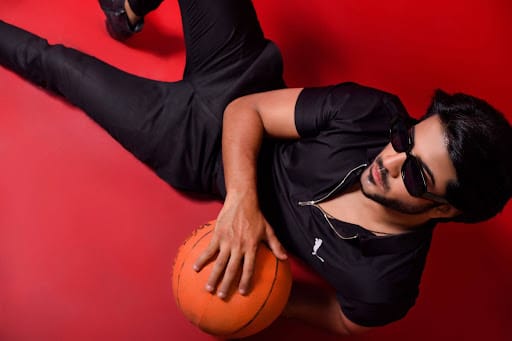
A male model portfolio should help someone understand your look without making them work through a pile of similar photographs. A striking portrait matters, but so does the selection around it. Start with a simple question: what does each image tell a potential client that the previous one did not? Before you add more pictures, review the range, preparation and accuracy of the work you already have. These three mistakes can weaken an otherwise promising portfolio, and each gives you a clear place to improve.
Filling Your Portfolio With Too Many Similar Looks
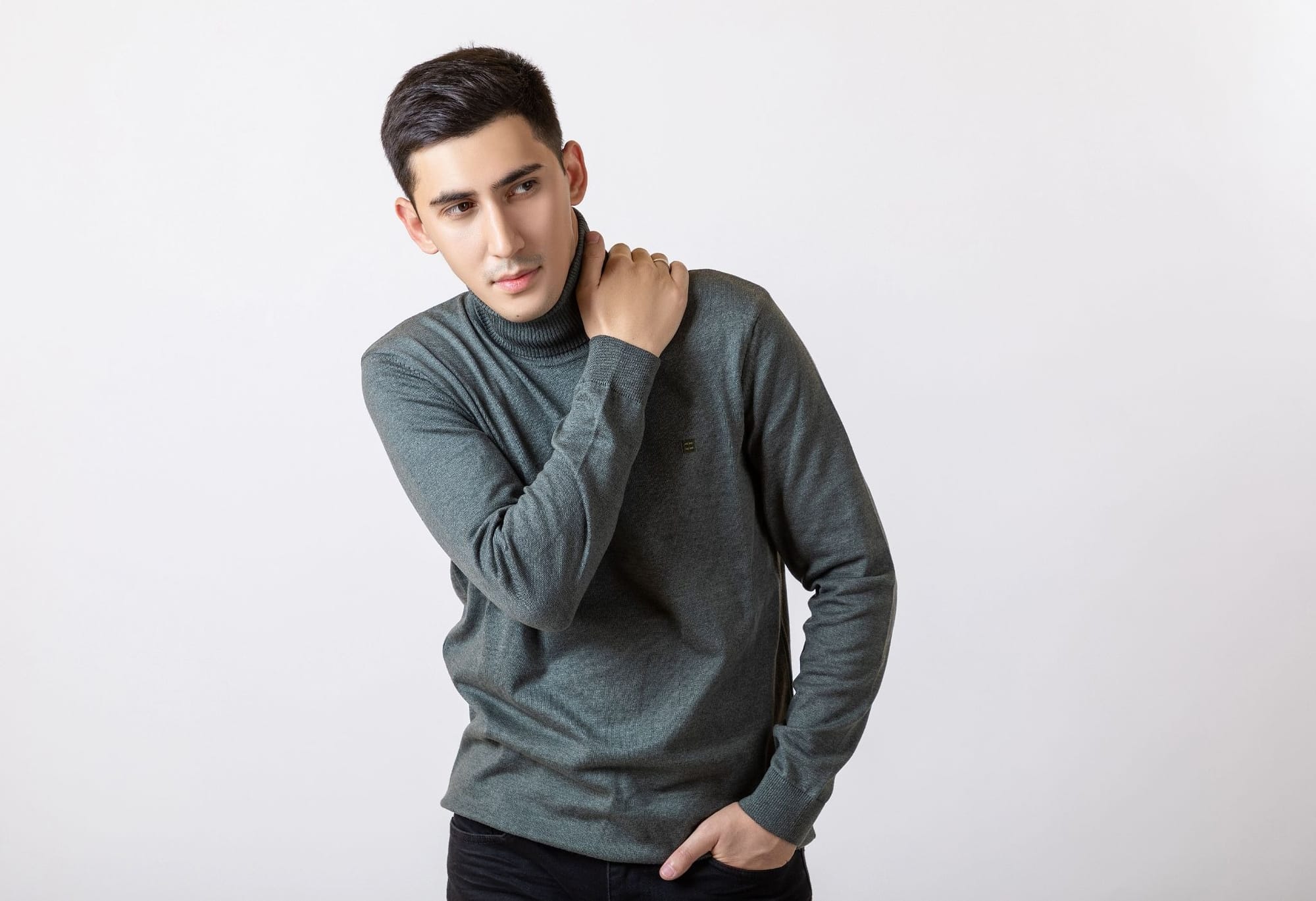
A good photograph does not automatically earn a place in your portfolio. Several frames from the same setup can repeat the same expression, pose and styling. Select a smaller group that gives each image a purpose. Your headshot, fuller-length photographs and different clothing choices should add information rather than compete for attention.
For a male portfolio, look beyond changing a jacket or shifting your gaze. Consider whether the selection shows a relaxed commercial expression as well as a more deliberate fashion pose. The mix should reflect the work you want to pursue. You do not need to force every modeling category into one book, especially when a particular style does not suit your direction.
Compare your strongest photographs side by side. When two images communicate almost the same thing, keep the one that represents you more clearly. This editing step often improves the presentation more than adding another shoot. A concise portfolio gives a reviewer a reason to keep looking; repetition asks them to do the editing for you.
Arriving at a Shoot Without Preparing Your Presentation

Preparation affects what you can bring home from a shoot. Practice expressions and posing before the session so you can respond to direction instead of spending the whole time searching for a comfortable stance. Learning how you look on camera takes repetition. Treat that practice as part of building the portfolio, not something you can skip once a photographer is involved.
Professional photography can help with light, posing and a more consistent result. Discuss the kinds of images you need, especially when your existing selection has a clear gap. A session focused on a strong commercial look has a different purpose from one devoted to dramatic fashion imagery. Knowing the purpose makes your choices less random.
Carry the same preparation into meetings and castings. Understand the assignment, arrive on time and keep your portfolio ready to show. A strong set of photographs cannot explain your availability or goals for you. Clear communication and a professional approach help the work make sense when someone meets the person behind it.
Showing an Outdated Look Across Your Portfolio
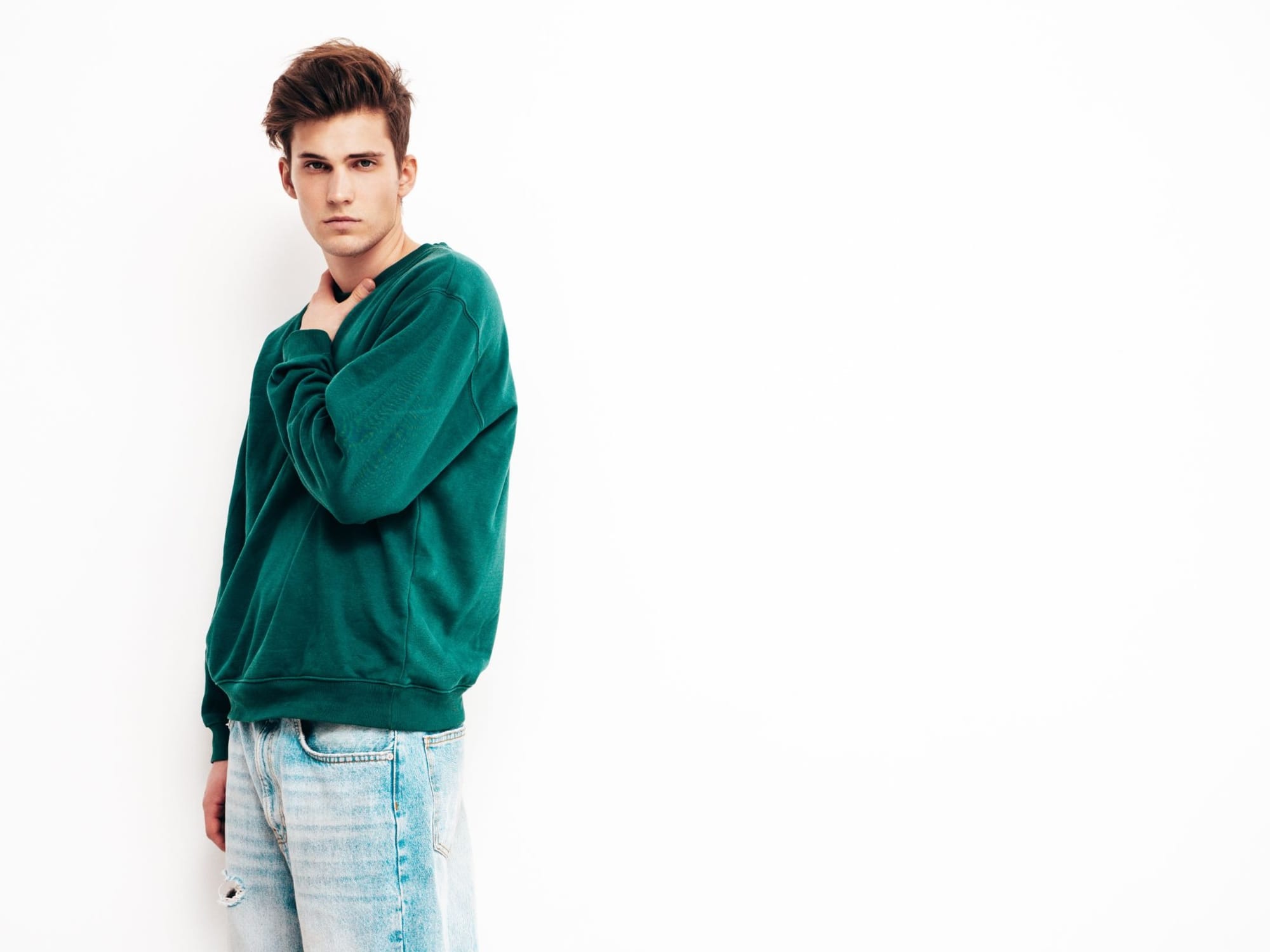
Your portfolio needs to represent the person a client would meet today. An older photograph can remain technically strong while becoming a poor introduction to your current appearance. Review the selection after a noticeable hairstyle change or a new stage in your work. Keep photographs because they still do a job, not simply because they once received a good response.
Check the digital presentation as carefully as the physical selection. An online portfolio should be straightforward to open and browse on a phone as well as a larger screen. If someone encounters different versions of your work in different places, make sure those versions still tell a consistent story about your look and direction.
An update does not require replacing everything. Remove the images that no longer fit, add stronger recent work and check the order again. Stay in contact with anyone representing you so they know about meaningful changes. Regular small edits are easier to manage than discovering, just before a meeting, that your portfolio belongs to an earlier version of you.
What Clients Share About Maps Studio
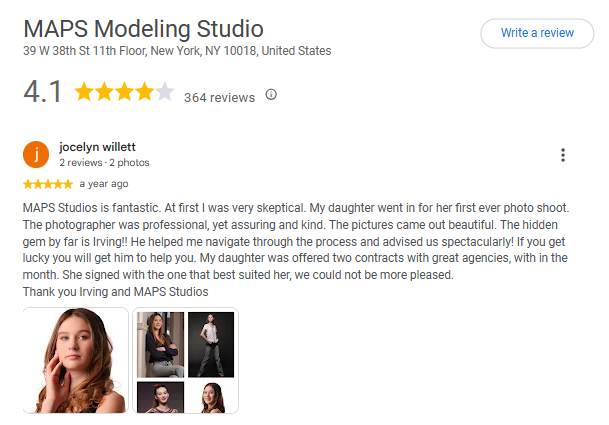
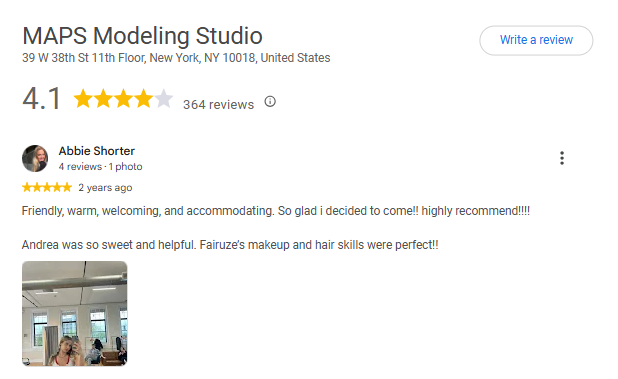
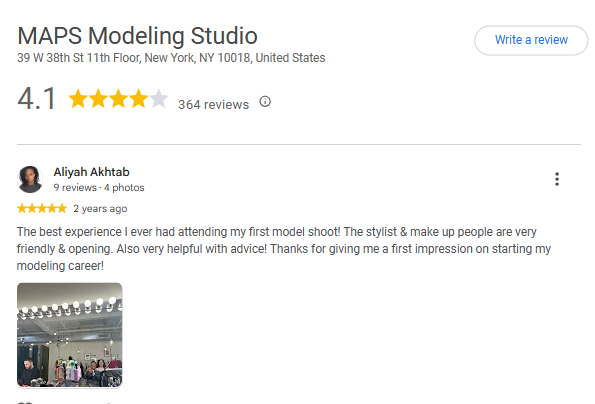
At Maps Studio, we know that preparing for a first photoshoot can bring plenty of questions. The client feedback below offers personal accounts of the studio experience, from feeling comfortable in front of the camera to receiving direction during a session. These are individual experiences, not promises of modeling work.
Frequently Asked Questions
How Many Photographs Should a Male Model Portfolio Include? Choose a focused selection of strong images rather than filling a target number with weaker work. Follow any submission requirements from the agency or client you are approaching.
Should Every Photograph Show a Different Outfit? An outfit change can help, but it should contribute something a reviewer can act on. Look at expression, pose and the kind of work each photograph represents as well.
When Should I Update My Portfolio? Review it when your appearance changes or stronger work becomes available. Keep the selection current before you use it for a casting or introduction.
Does a Professional Portfolio Guarantee Modeling Work? No. A portfolio helps present your look and range. It does not remove the need for preparation, communication and realistic expectations.
Final Takeaway
A good portfolio makes a clear introduction. Start by removing repetitive photographs, then check whether your next shoot has a specific purpose and whether your current images still represent you accurately. Keep the process manageable: review the selection, prepare the missing looks and update the digital version alongside the rest. Before your next meeting, open the portfolio on your phone and check that every photograph still earns its place. Your portfolio should show considered choices and steady improvement, without relying on a large image count or an outdated photograph to make an impression.
Visit Mapsstudio for more information about photography.
Note: We enjoy sharing creative inspiration, photography tips, and industry insights to help you capture life's best moments. The services, styles, and equipment mentioned in our articles are for informational purposes only and may not reflect our current offerings. For the latest on our photography services and portfolio, visit Maps studio.


Member discussion