
Essential Tips and Tricks for Building Your Modeling Portfolio

A good portfolio matters more than almost anything else when you're starting out. Pick 10 to 20 of your strongest images - quality over volume - and make sure they show your style. Working with good photographers, stylists, and makeup artists lifts the whole thing and shows your range. Keep it updated so it stays current. Get these right and you've given yourself a real shot. Here's each part.
Understanding the Importance of a Modeling Portfolio
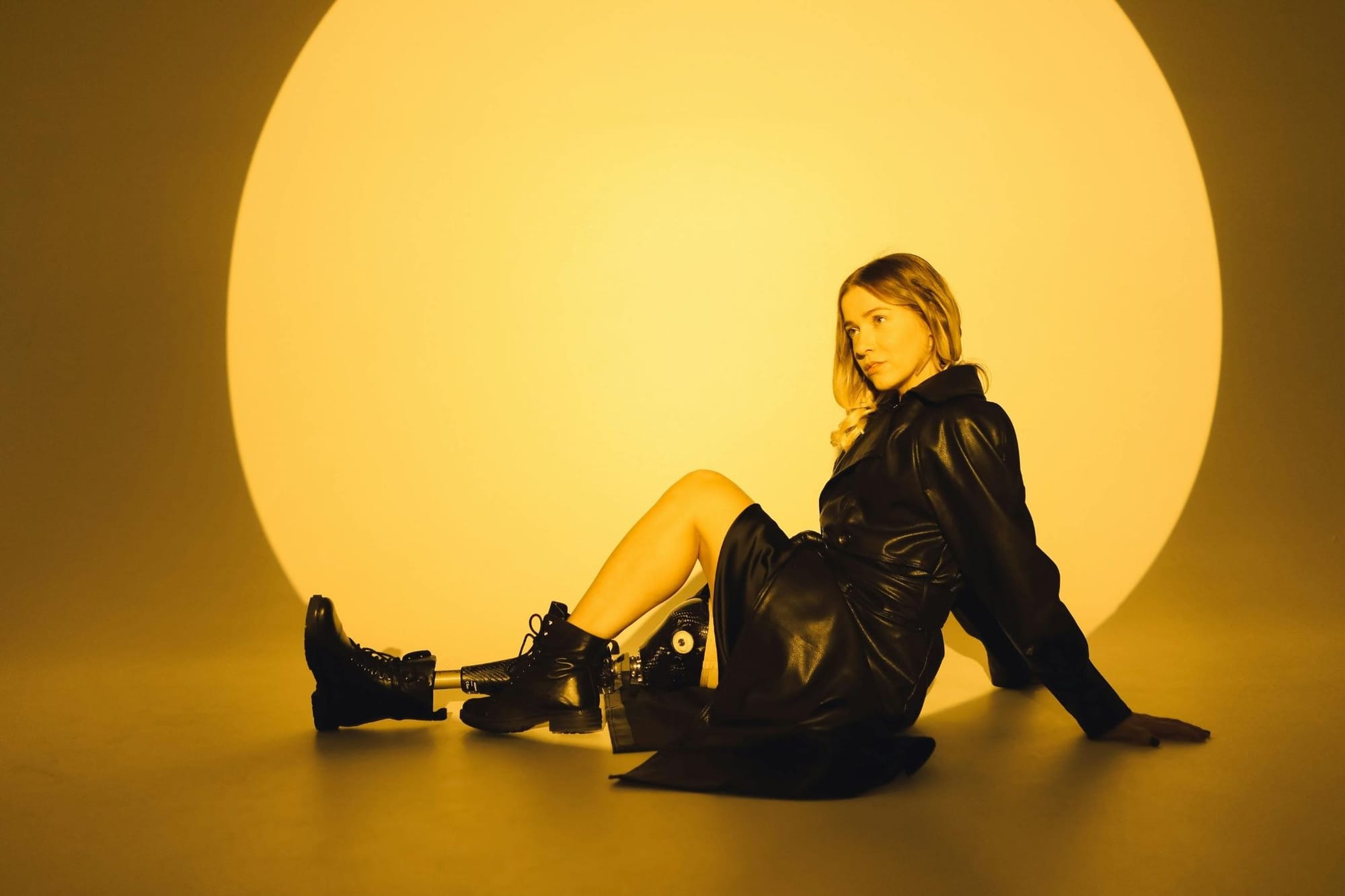
A portfolio is more than a stack of photos. It's how you show your style and what you can do.
For an aspiring model, it's the thing that puts your range in front of clients and agencies. It's your way into the industry, and it should reflect what's distinctive about you and the kind of work you want.
Tailor it to a niche - high fashion, commercial, whatever fits you - so your strengths come through. Curating your best work defines your personal brand and pulls in the right opportunities.
A well-built portfolio is one of the biggest factors in whether you get anywhere in this field.
Selecting the Right Photos for Your Portfolio
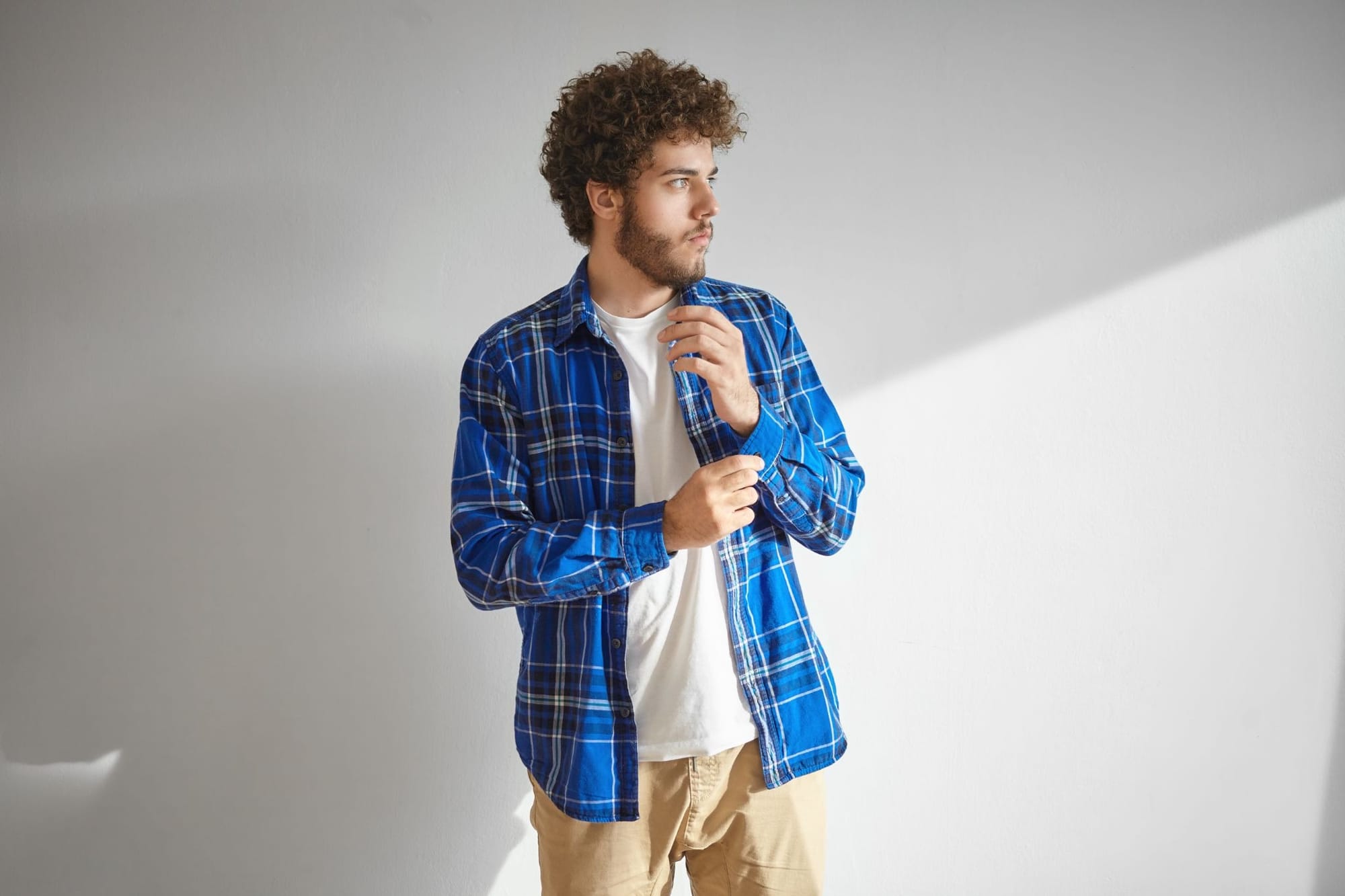
The photos you choose change how clients and agencies see you.
Keep it to 10 to 20 of your strongest images. Quality beats quantity every time. Include a range headshots, mid-shots, full-body shots so your versatility is obvious.
Every image needs to be high-quality and professional. Anything pixelated works against you. A well-designed template helps the whole thing read better.
And lead with your notable projects and achievements. That's what leaves an impression, and it's what makes the portfolio actually reflect what you can do.
Collaborating With Professionals for Enhanced Results
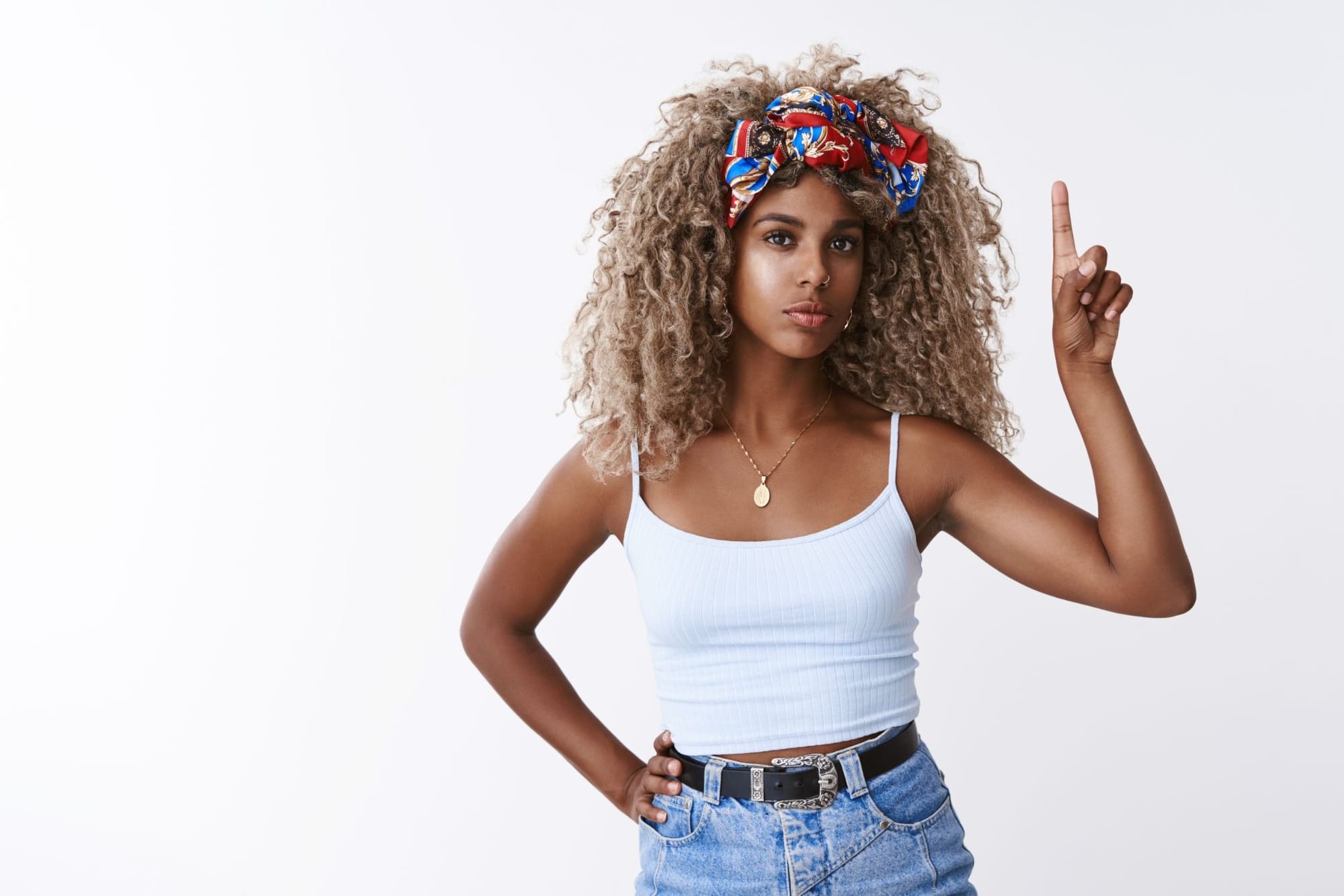
You've got your own style and vision, but working with photographers, stylists, and makeup artists takes a portfolio up a level.
Teaming up with them improves how the images look and produces standout shots that show your range. They'll find angles and styles you wouldn't get to on your own.
Building relationships in the industry opens doors to new projects, and gives you a network to grow with. Working closely with creative people also shows you can collaborate, which matters a lot here.
Together you get results that actually look like your best self, and that's what draws clients in.
Regularly Updating and Presenting Your Portfolio

Keeping your portfolio current is how you stay relevant. Refresh it a few times a year with new looks and trends that match how your style is developing.
A polished, professional presentation makes an impression. Stick to the best 10 to 20 high-quality images that show your range and your strengths.
A cohesive layout keeps people looking, and an easy-to-find contact section invites clients and agencies to reach out. Include links to your social media too they boost your visibility and show you can create content.
Showcasing Your Unique Style and Versatility

A well-presented portfolio needs to actually show your style and range.
Include a diverse set of looks that prove you can adapt. Work with skilled photographers to capture different styles and angles so the portfolio reflects a few artistic directions.
Keep clothing simple and natural so your features stay the focus. And each image should feel like your personal brand while showing you can fit different niches, high fashion or commercial.
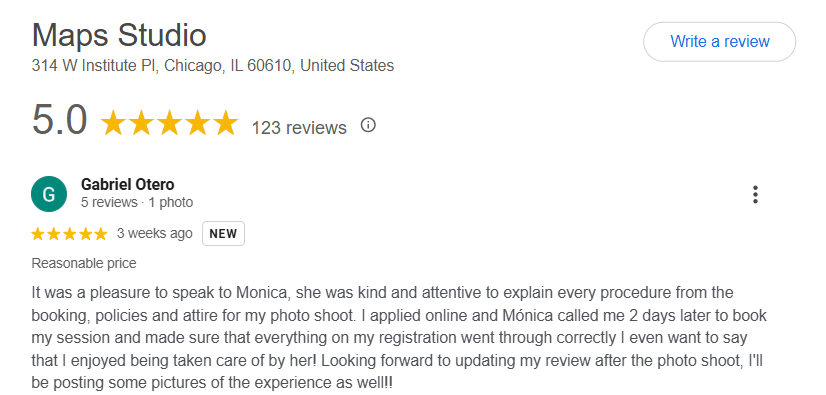
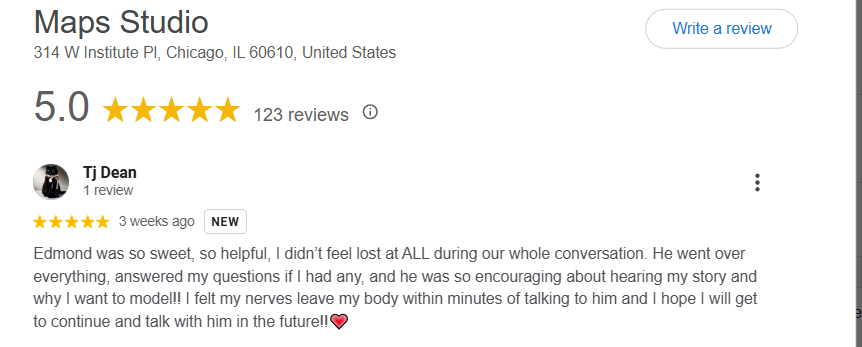
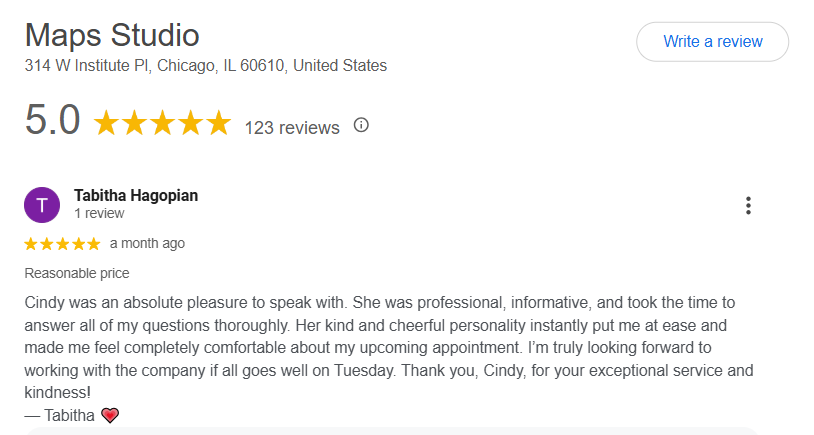
Client feedback for Maps Studio
It's worth hearing from people who've worked with Maps Studio. Below you'll find review screenshots from platforms like Google My Business, giving you a sense of what clients thought. For more, visit Maps Studio.
Frequently asked questions
What types of photos are best for a beginner's portfolio? A mix - headshots, full-body shots, and a range of styles. Variety shows your versatility and lets clients see what you bring.
Should I include personal interests in my portfolio? Yes. It adds depth and personality, and it gives clients a way to connect with you. Show what makes you you alongside the modeling work.
How can I effectively network with industry professionals? Go to events, engage on social media, and collaborate on projects. Come to conversations with genuine interest - that's what builds the relationships that lead somewhere.
What common mistakes should I avoid when building my portfolio? Too many images, letting quality slip, and failing to show range. Cut outdated content and keep everything professional.
Conclusion
A standout portfolio comes down to showing your individuality and your skills. Pick the right photos, work with good people, and keep it fresh, and it'll genuinely reflect your style and range. Remember it's the main tool for pulling in clients and opportunities in a crowded field. Get it right and it keeps working for your career.
Visit Mapsstudio for more information about photography.
Note: We enjoy sharing photography tips and industry insight to help you capture life's best moments. That said, the services, styles, and equipment mentioned here are for general information and may not match what we currently offer. For our latest services and portfolio, visit Maps Studio. Let's create something you'll want to keep.



Member discussion