
Master Portfolio Building With This Step-By-Step Guide
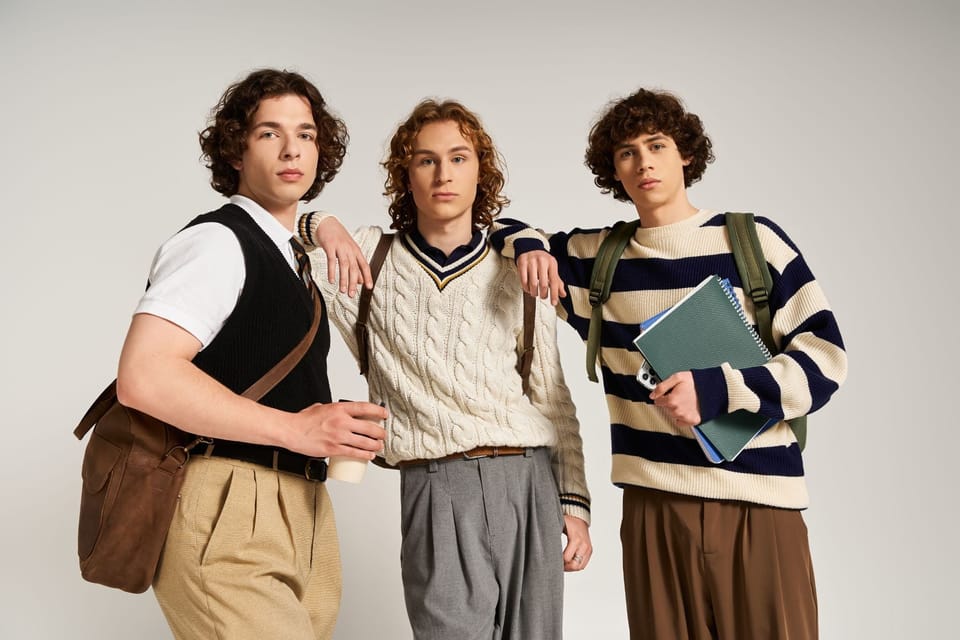
Building a good portfolio starts with knowing what it's for and what belongs in it. A strong one shows your versatility and your look, which is what pulls in clients and agencies. Choosing the right photographer matters the experienced ones understand what you're going for. From there it's about preparing properly for shoots and presenting the work well, online and off. Here's each step.
Understanding the Purpose of a Modeling Portfolio
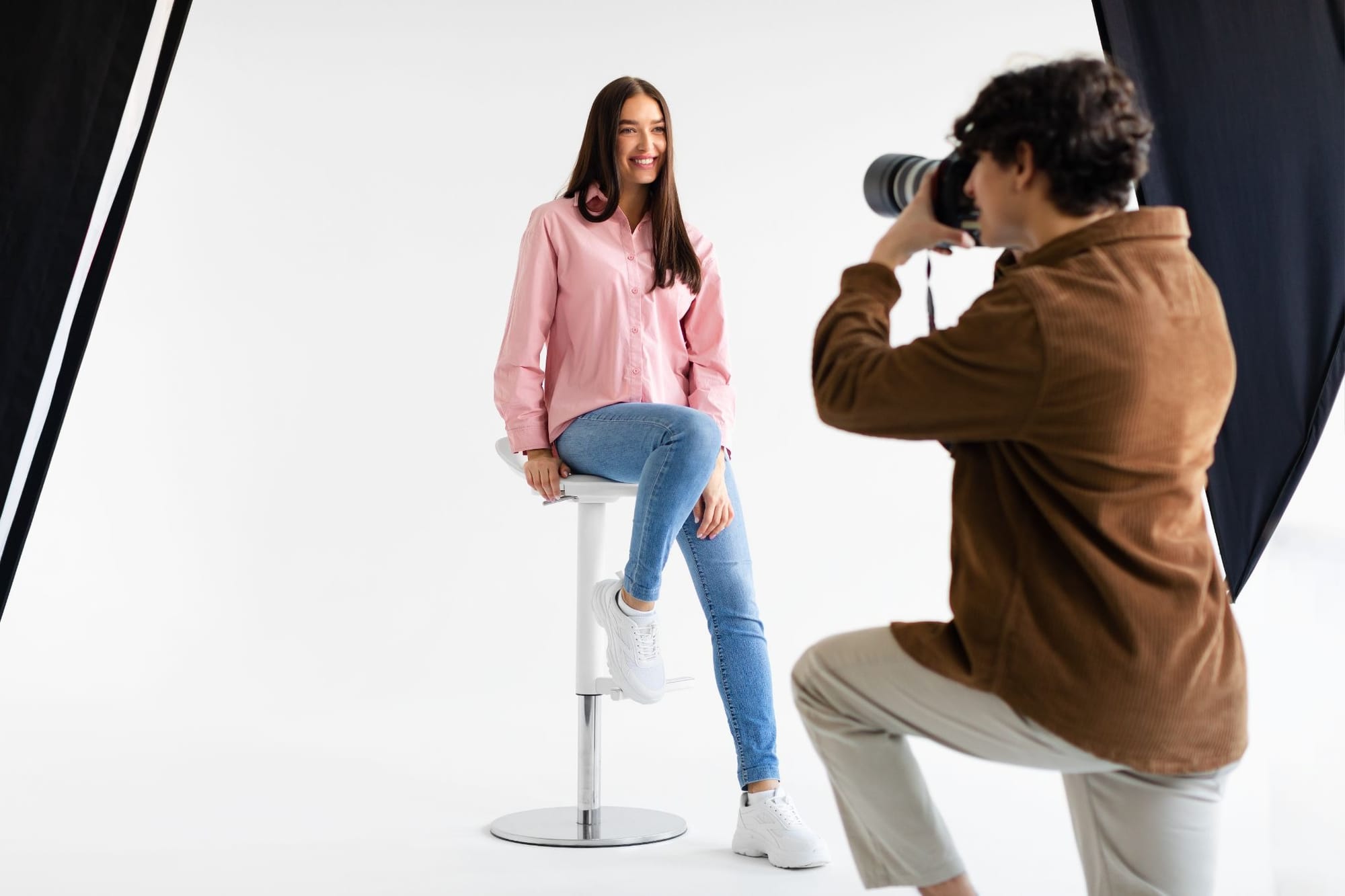
Your portfolio is your visual resume. It shows your look, body type, versatility, and what you can actually do.
It's the tool models and agents use to land representation and put work in front of clients. Whether it's digital or printed, it's aimed at modeling agencies and industry people, which makes it central to building a career.
Key Elements to Include in Your Portfolio
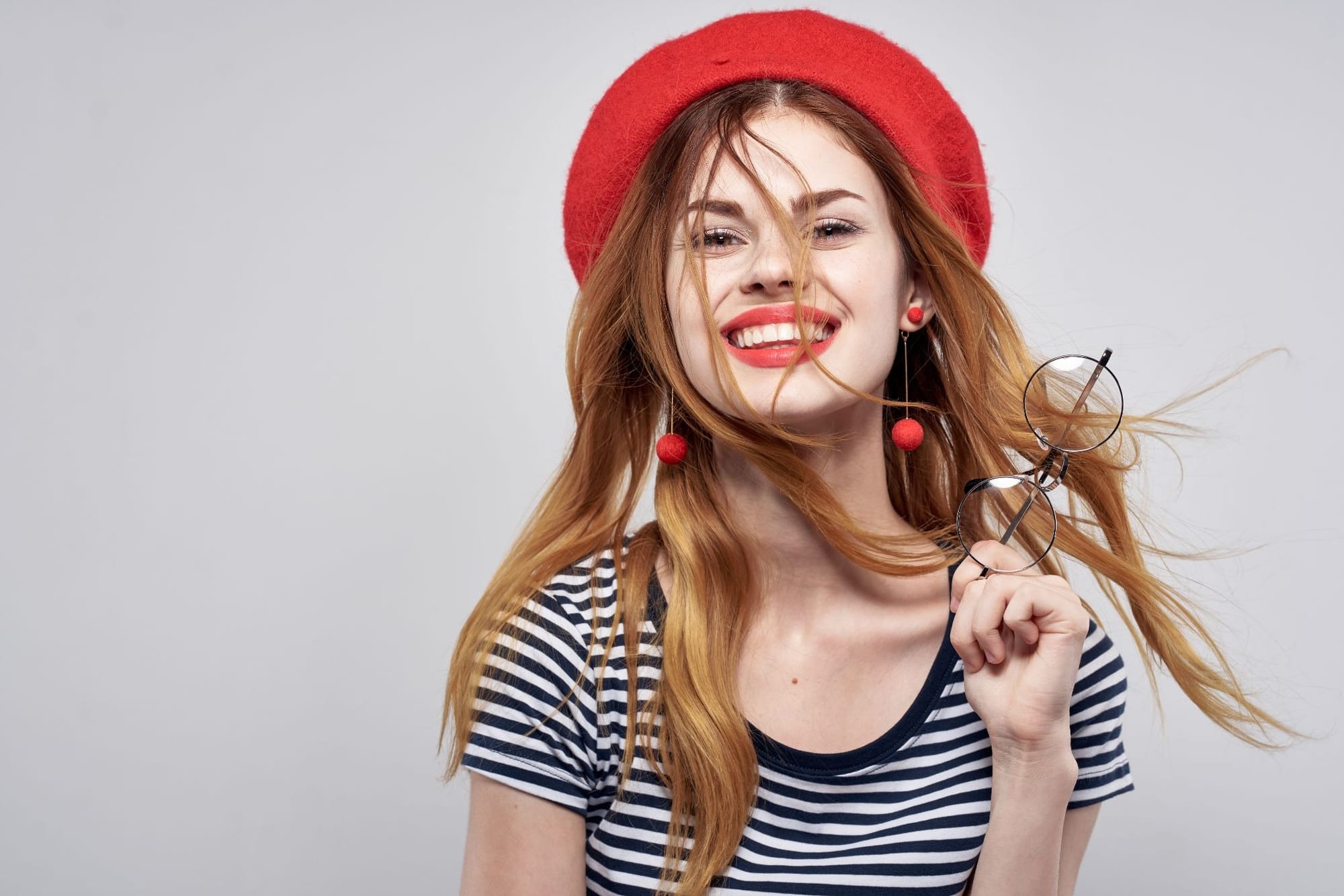
A standout portfolio comes down to including the right elements.
Start with a range of quality photos. Beauty shots show your makeup and hairstyle versatility. Emotional shots demonstrate your range of expressions. Full-length shots show your physique in different outfits. And a natural headshot captures how you actually look, without heavy makeup.
Put your contact information somewhere clear so clients can reach you easily.
And label and curate everything so it reads as one coherent story rather than a random collection, with your style and experience coming through.
Steps to choose the right photographer
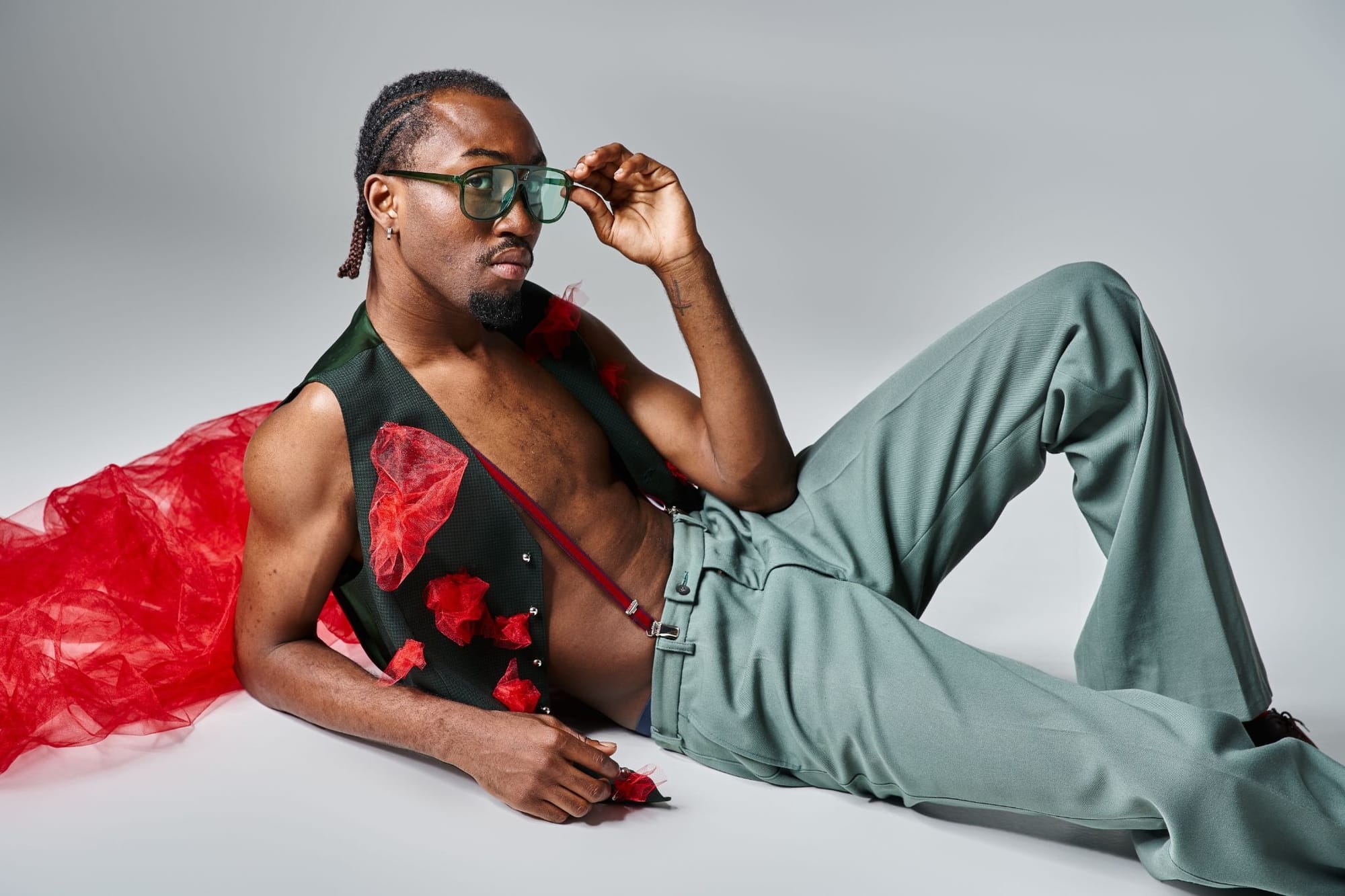
Choosing a photographer comes down to experience and a style that matches your vision.
Start by reviewing their portfolios to see whether their previous work fits your aesthetic. Agree clearly on rates, deliverables, and the shoot concept upfront, so nothing gets muddled later.
Don't rely on amateur photographers for the important shots - quality matters too much here. Working with a mix of photographers is worth considering too, since it brings variety and different styles into your portfolio.
What you want is someone who understands the industry and can actually capture what makes you distinctive, so your portfolio holds up in front of clients and agencies.
Preparing for a Successful Photoshoot
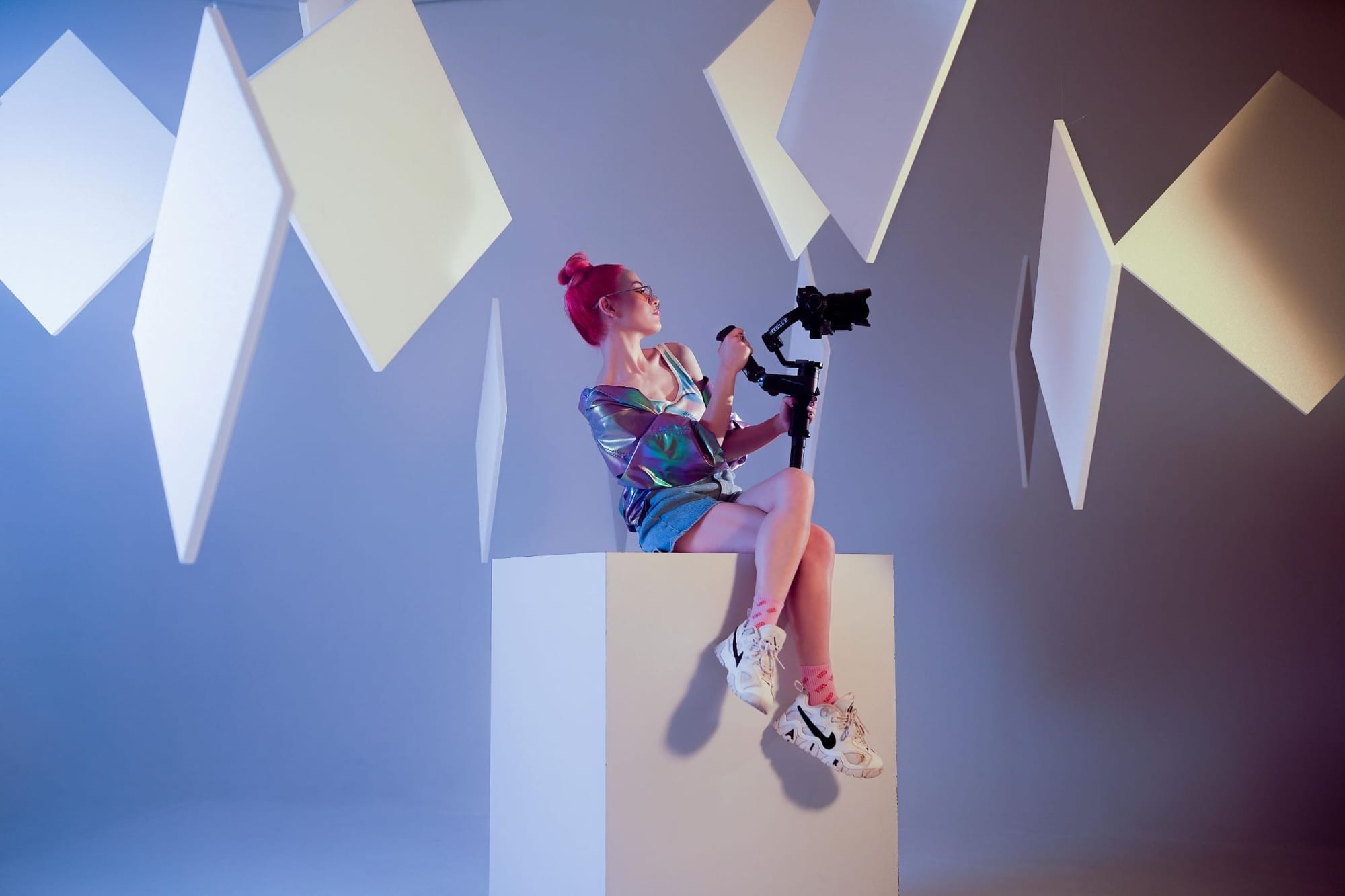
Preparation starts with defining your modeling type and getting your vision aligned with the photographer's.
Think about your strengths and what interests you, and focus on a niche - fashion, commercial, whatever fits. Put the time into finding a photographer who can capture your style.
Together you'll build a shot list, plan outfits, and sort out professional hair and makeup.
On the day, arrive early, stay hydrated, and talk openly with the team. Show your versatility and you'll come out with a portfolio that gets an employer's attention.
Effective Presentation and Online Promotion Strategies
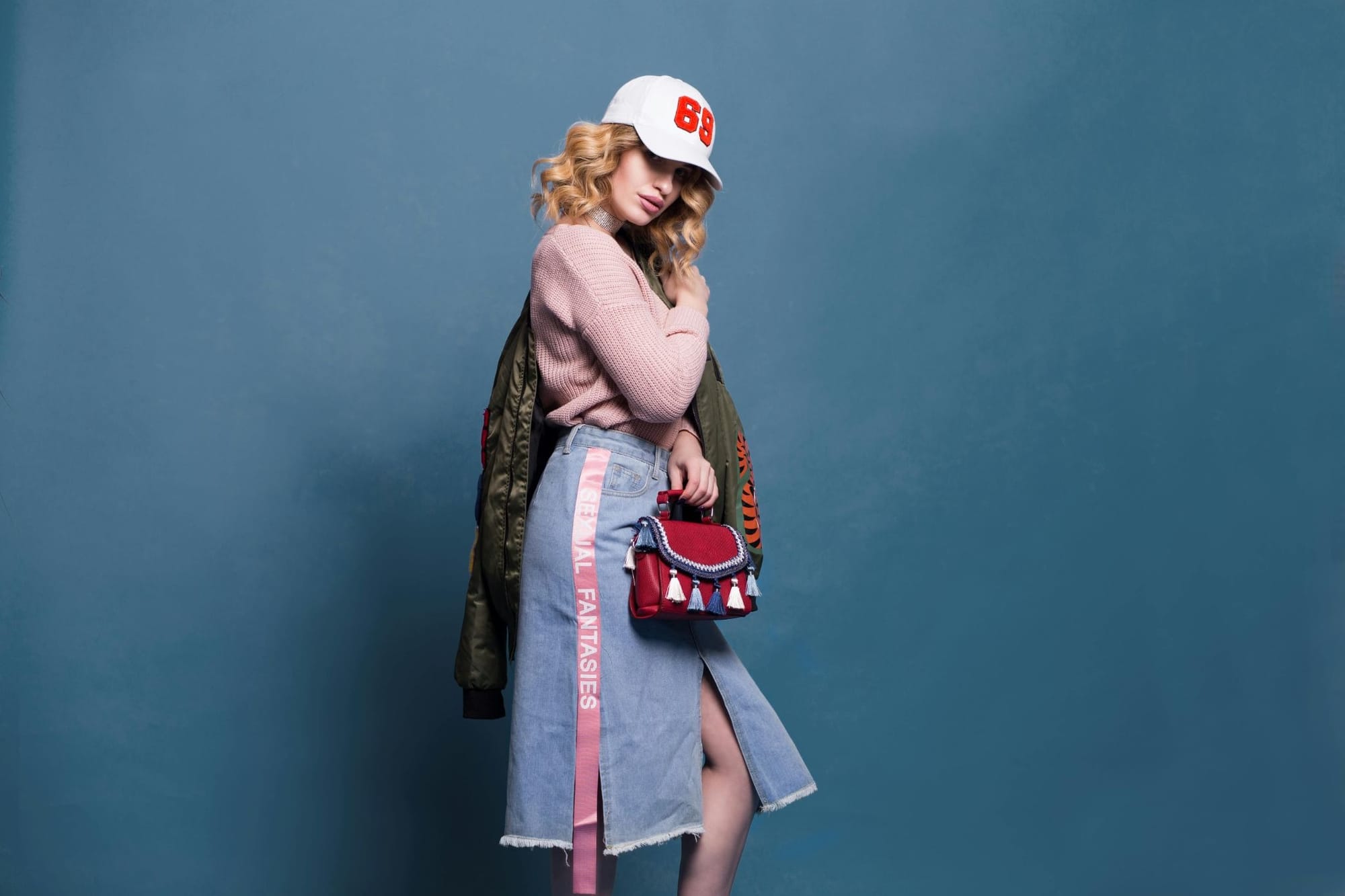
So how do you present your portfolio online to attract the right work?
Start with a clean, professional layout built around your best 10-15 images, with versatility and quality front and center. Beauty shots and emotional expressions show your range.
Set up a dedicated website where you can feature your photos alongside videos and achievements it gives the whole thing more depth. Connect your social media accounts too, to widen your visibility.
Platforms like Supermodel Management are also worth using, since they connect you with clients looking for talent.
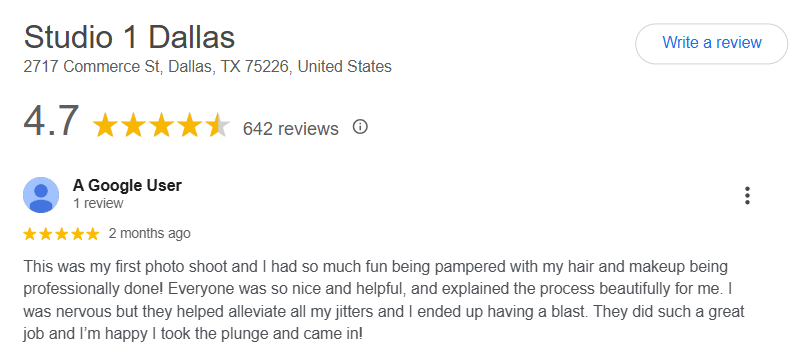
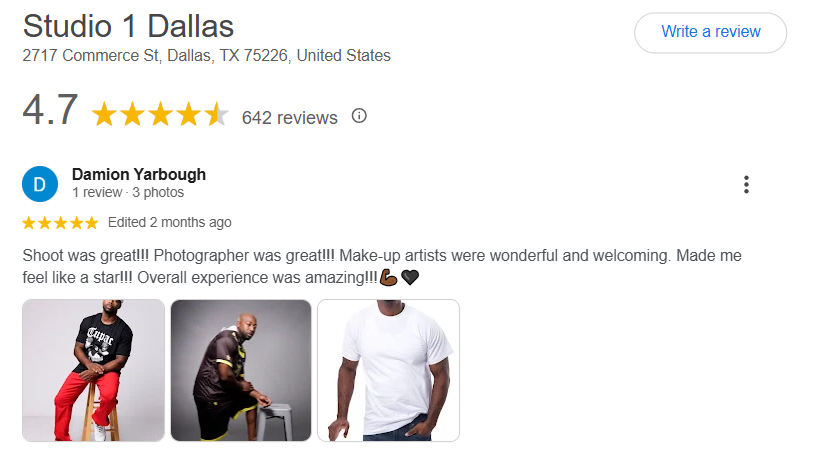
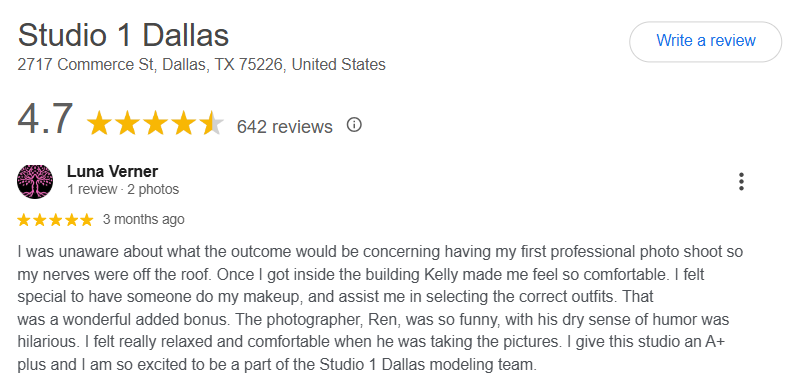
What our clients are saying about Studio1 Photography
At Studio1 Photography, we pay attention to what our clients tell us. Below you'll find review screenshots from platforms including Google My Business. They reflect what people have experienced with us and the quality we work to deliver. We appreciate the trust and invite you to see whether we're a fit. For more, visit our website at Studio1 Photography.
Frequently asked questions
How often should I update my modeling portfolio? Regularly, ideally once a year, so it keeps up with current trends and styles. That keeps your presentation fresh and shows clients your best.
Can I include personal projects in my portfolio? Yes. They show your creativity and range, and help clients see what you can do. Just make sure they fit your overall brand and goals.
What size should my printed portfolio be? Something impactful but manageable. 9x12 inches is a common choice - your images stand out and it's still easy to carry.
How do I handle negative feedback on my portfolio? Stay open-minded and look at the critiques honestly. Use them to make the work stronger. It's all part of growing.
Is it necessary to have a digital portfolio as well? Yes. It widens your reach and puts your work in front of clients and agencies anywhere. A well-curated online presence improves your odds of landing opportunities.
Conclusion
A standout portfolio is what carries you in a competitive industry. Understand what it's for, choose your elements carefully, work with the right photographer, and present it well do those and your talent actually comes through. Take the steps and you end up with a visual resume that opens real doors. Every good model starts with a strong portfolio.
Visit Studio 1 Photography for more information.
Note: We enjoy sharing photography tips and industry insight to help you capture life's best moments. That said, the services, styles, and equipment mentioned here are for general information and may not match what we currently offer. For our latest services and portfolio, visit Studio-1.us. Let's create something you'll want to keep.



Member discussion