
Crafting the Perfect Modeling Portfolio: A Beginner’s Guide

Building a good modeling portfolio starts with knowing what it's for: showing your strengths and building your personal brand. Work out your niche, and include the essentials - headshots, full-body images, a strong resume. Design it so it actually lands, and put some thought into how you present and promote it. Here's how each piece comes together.
Understanding the Purpose of a Modeling Portfolio
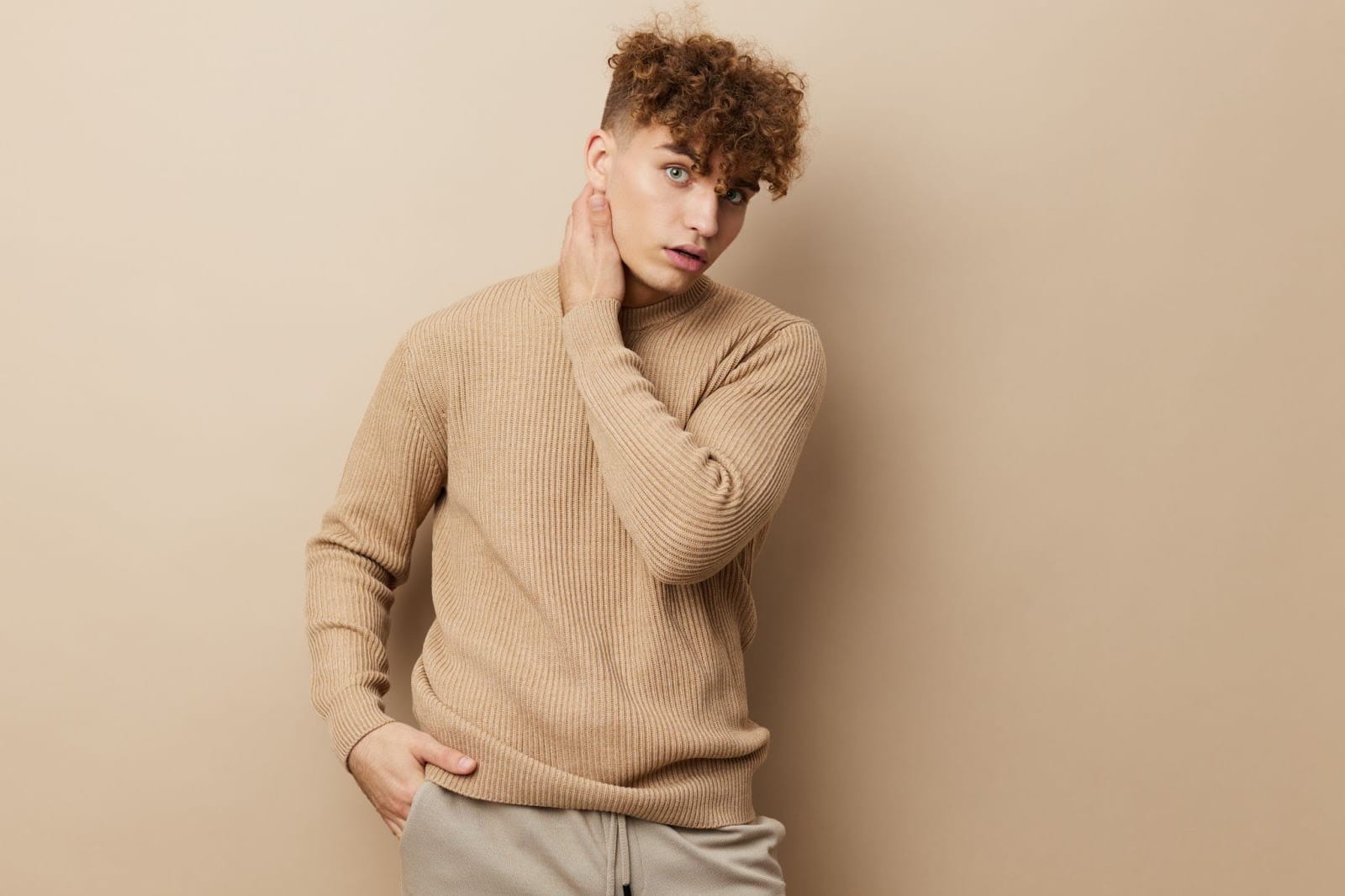
Your portfolio is what gets you in the door. It's your visual resume, showing your strengths and your personal brand.
It needs to attract agents and clients, and it should track how you've grown. Update it regularly so it reflects your latest work rather than where you were a year ago.
Presentation matters, print or digital. A well-curated portfolio shows your range and sets you apart in a crowded market.
At the end of the day, it's what lands you jobs and builds your credibility. Worth putting real time into.
Identifying Your Unique Modeling Niche
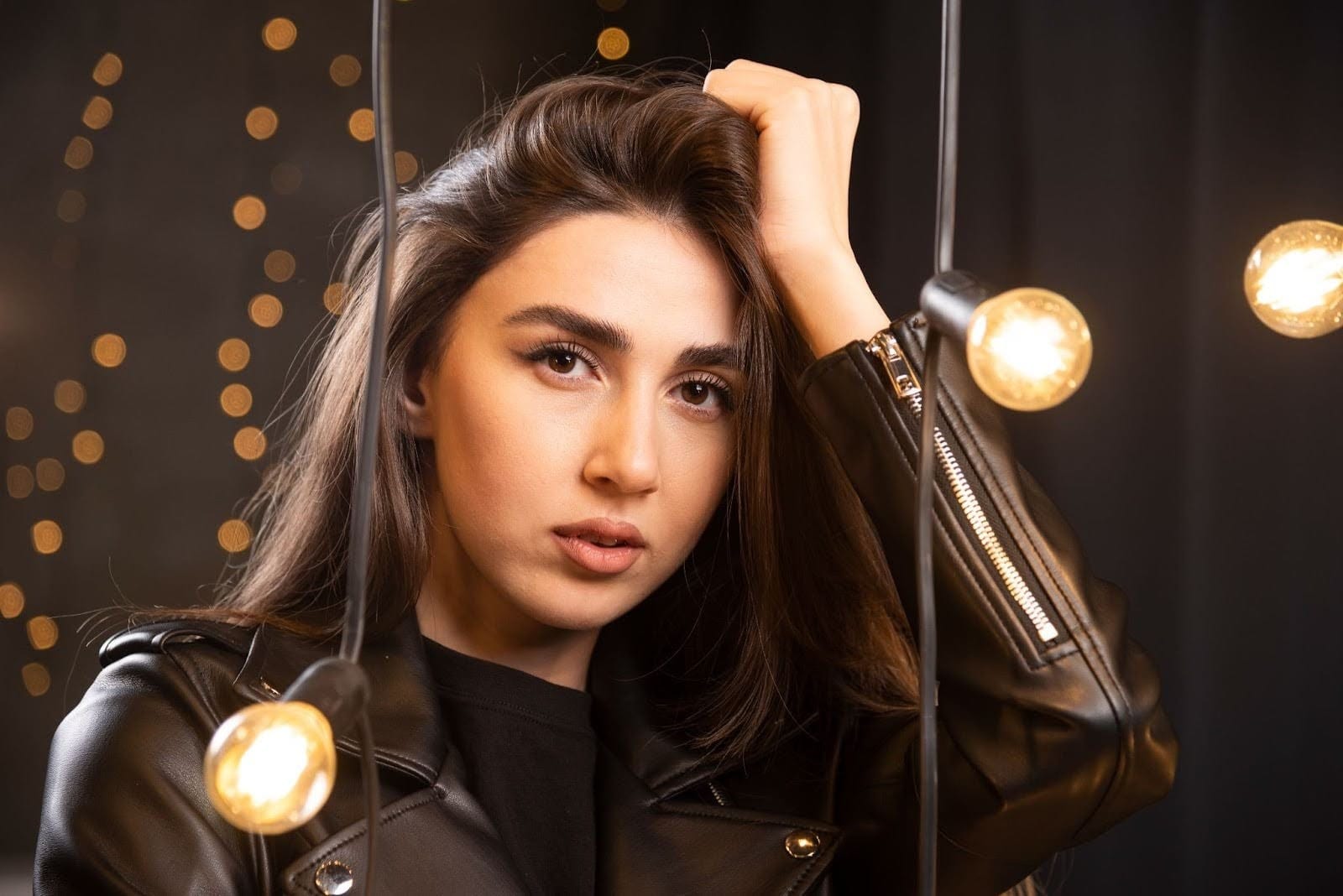
So how do you find your niche in an industry this varied? It starts with an honest look at yourself. Take stock of your physical features and think about which modeling categories they suit. A few steps to work through:
- Assess your height, body type, and facial characteristics.
- Research different modeling styles and figure out where you fit.
- Try different looks in photoshoots to see what feels right.
- Get feedback from industry professionals to sharpen your focus.
Key Elements to Include in Your Portfolio
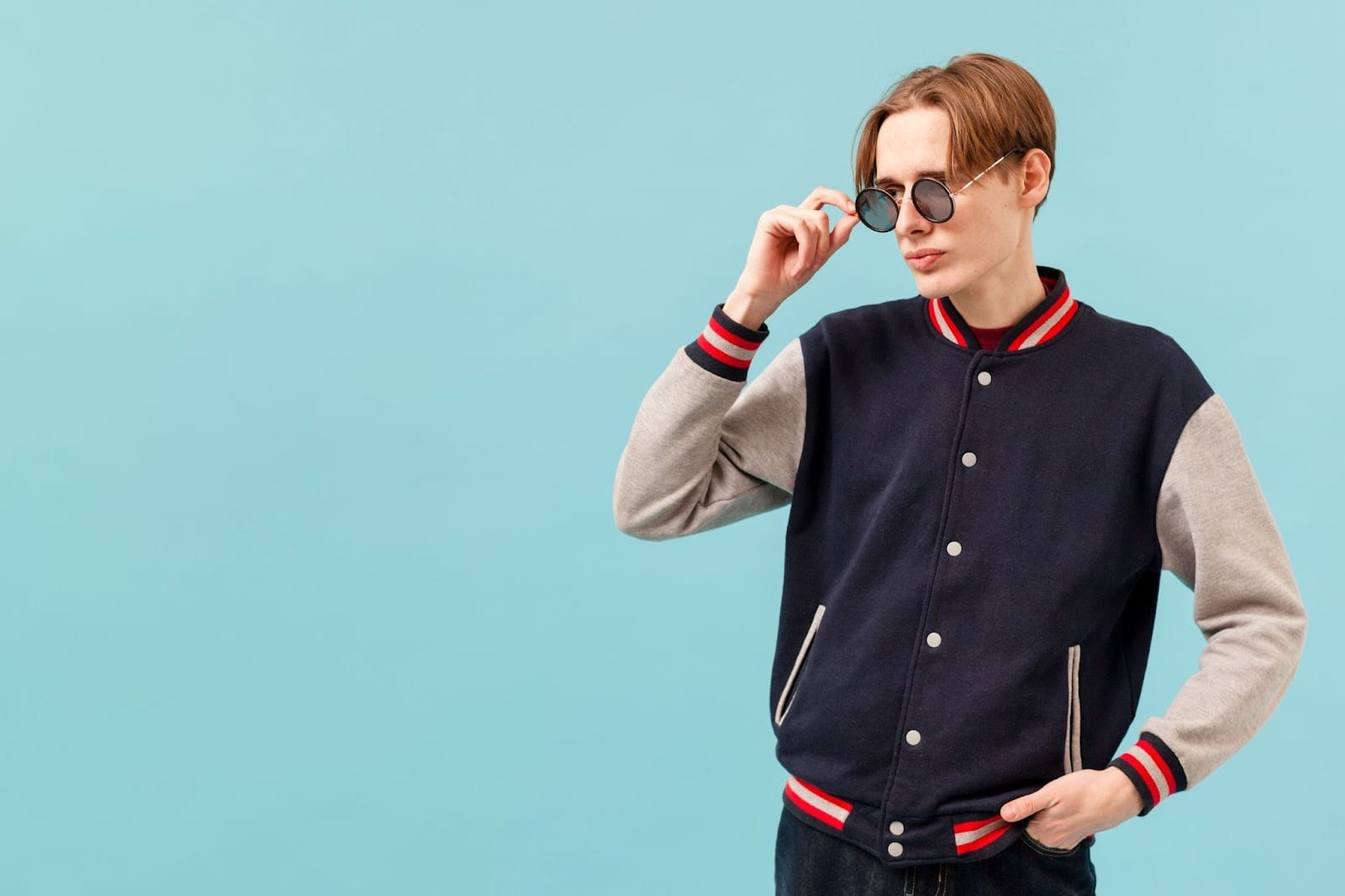
A standout portfolio needs a few things that genuinely show your range.
Open with a clear, natural headshot to catch attention. Follow it with full-body shots in fitted clothing so your proportions read accurately.
Aim for 8-12 high-quality images that show your emotional range and how you adapt to different styles. Add lifestyle and commercial shots too, to demonstrate your versatility across markets.
And round it out with a one-page resume listing your measurements and experience, kept up to date.
Designing Your Portfolio for Maximum Impact
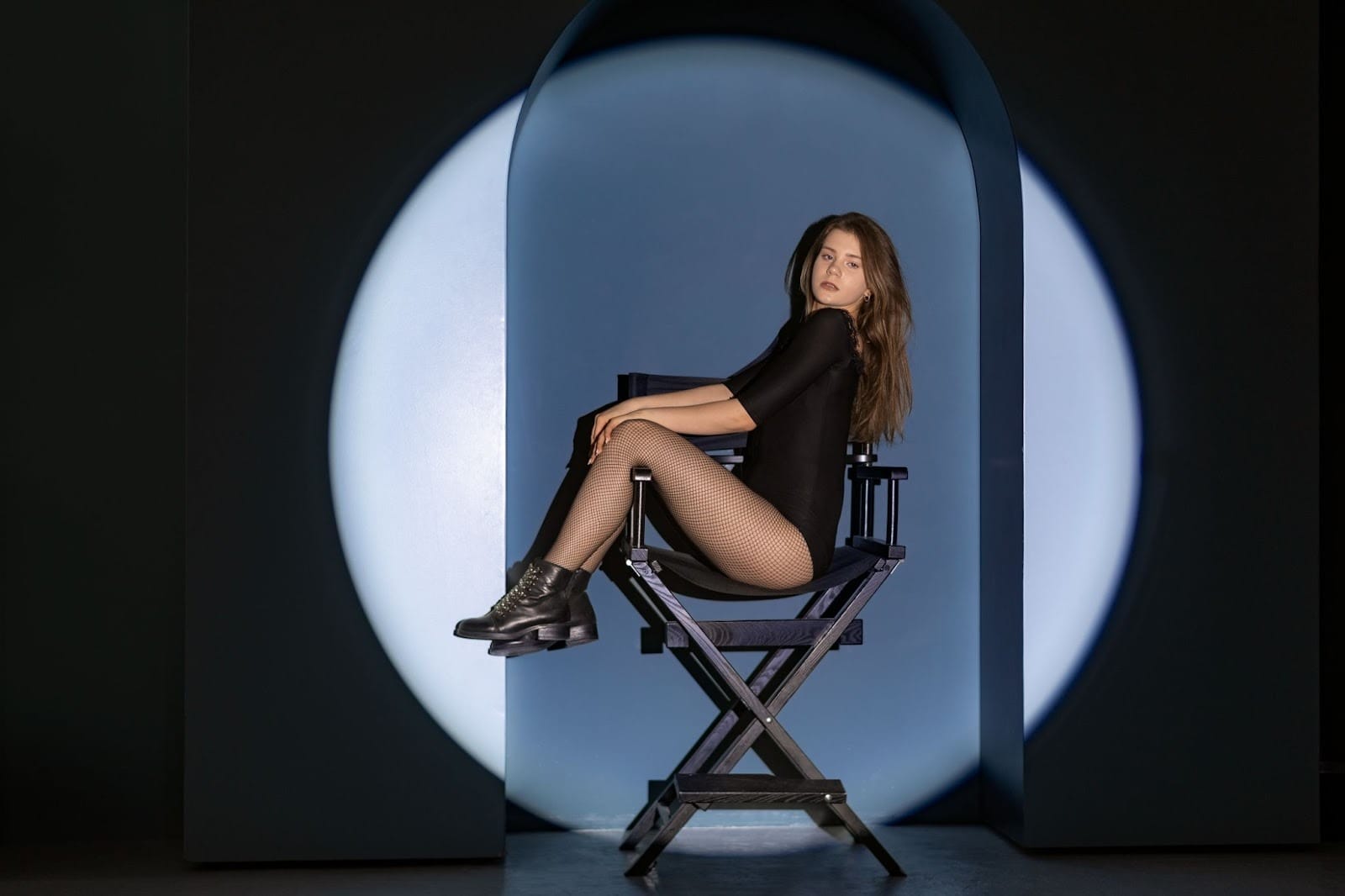
The design should put the focus on your best work, with nothing in the way. A clean, uncluttered layout keeps the eye on your images. Some principles worth following:
- Use a neutral color palette so nothing overwhelms the viewer.
- Use a grid layout for balance and a smooth flow between images.
- Keep spacing consistent for a professional look.
- Show only 10-20 strong images that reflect your style and range.
Tips for Presenting and Promoting Your Portfolio
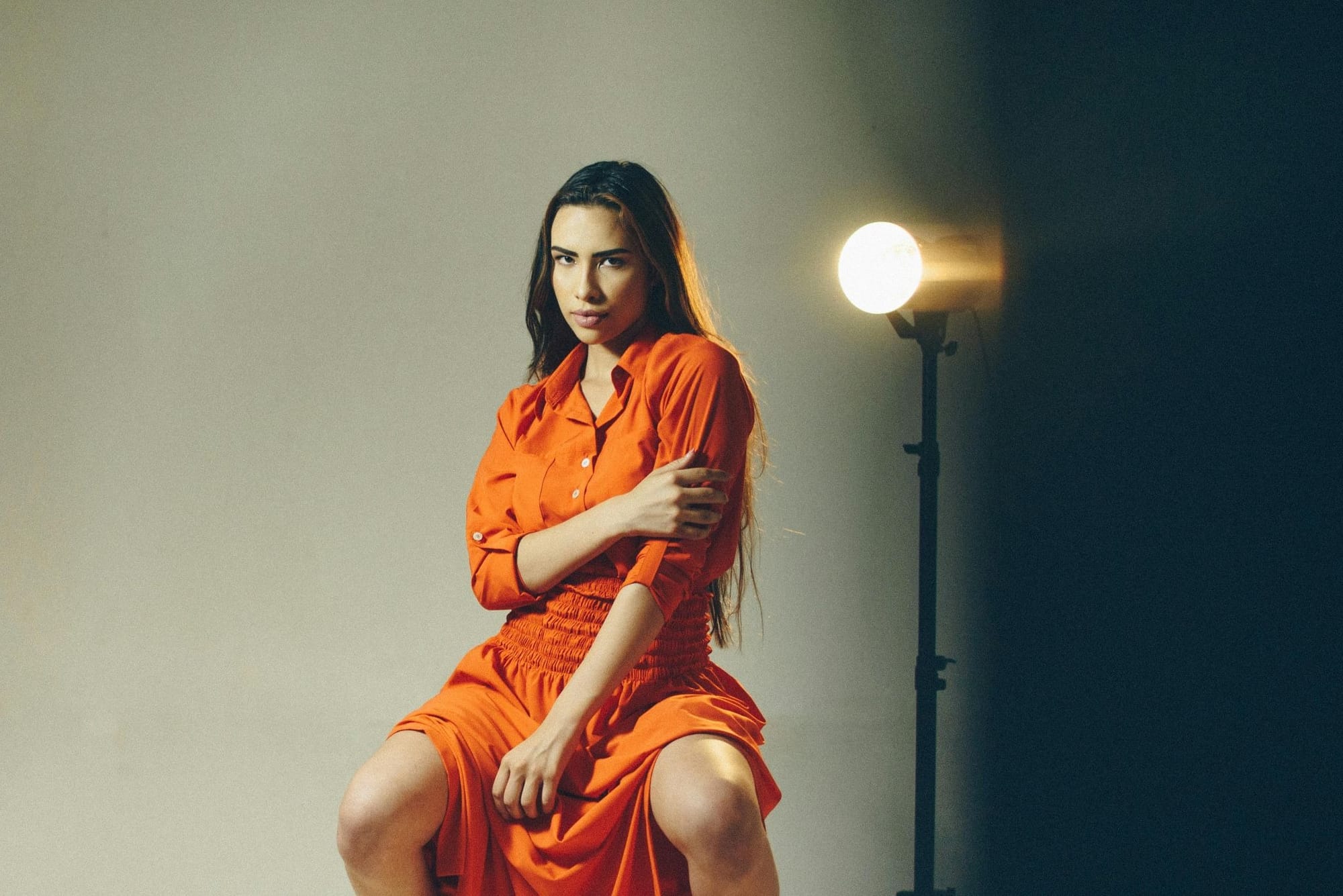
In a competitive field, how you present and promote your portfolio is what makes you stand out.
Start by making sure it's visually appealing and cohesive, with beauty and body shots that show your features.
An engaging "About" section builds your personal brand, and easy-to-find contact information invites clients to reach out.
Use social media to boost your visibility, linking dedicated modeling accounts to your portfolio.
Fashion shows and industry events are good for networking, so get to them and connect with people in the business.
When you reach out to clients, include a brief introduction and a link to your portfolio so you make an impression. Keep promoting and keep networking - that's what carries you.
What Our Clients Are Saying About Maps Studio
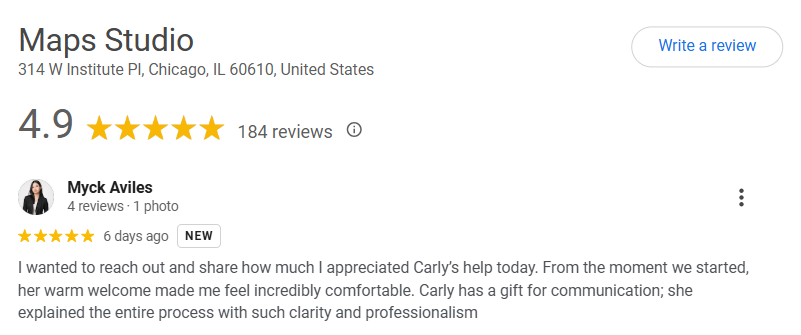
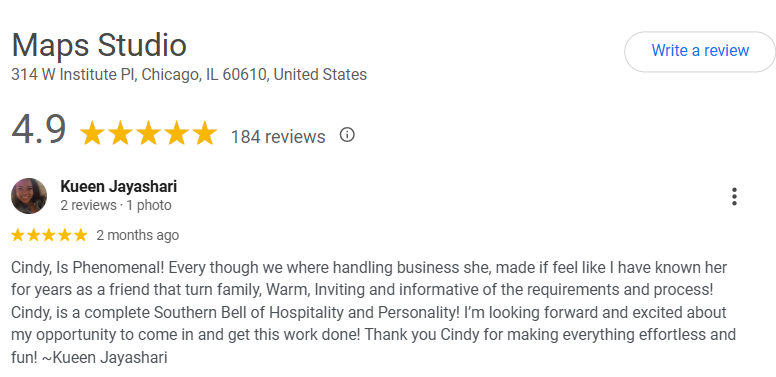
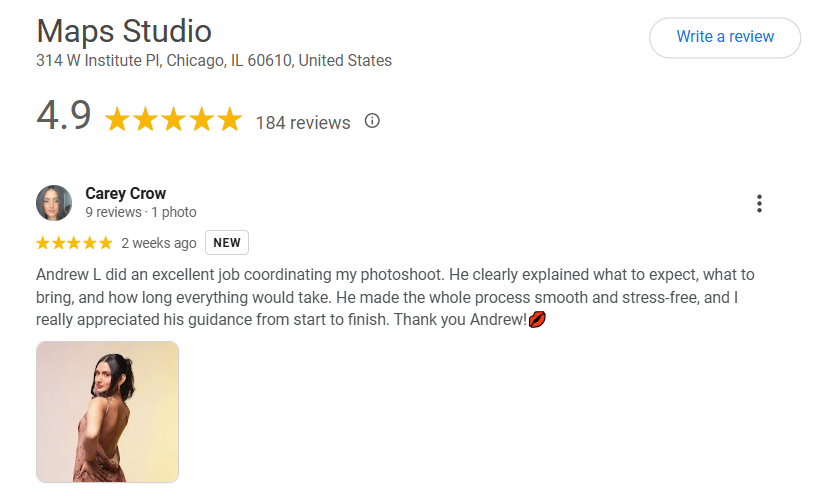
At Maps Studio, we pay attention to what our clients tell us. Their reviews speak to how happy our models are with the experience and with their portfolios, and plenty mention the friendly staff and comfortable setting. Take a look at the review screenshots from platforms like Google My Business to see why so many beginners trust us to get their careers started. For more, visit Maps Studio.
Frequently asked questions
How often should I update my modeling portfolio? Every few months. That keeps your work current, shows how you've grown, and means clients and agencies always see your best.
Can I include amateur photos in my portfolio? Yes, especially if they show versatility and your own style. Just make sure they hold up next to your professional shots and don't drag the quality down.
What should I wear for my portfolio photoshoot? Fitted clothing that shows your body shape, and comfortable enough to move in. Neutral colors work well, and bring a few outfits to show your range.
How do I find a photographer within my budget? Research local photographers online, check their portfolios, and ask for quotes. Other models are a good source of affordable recommendations too.
Is it necessary to have a website for my portfolio? Pretty much, yes. It presents your work professionally, boosts your visibility, and makes it easier for clients and agencies to find and reach you.
Conclusion
Building a standout modeling portfolio comes down to knowing your niche and choosing your best images carefully, so the result actually looks like you. Thoughtful design and good presentation are what catch the eye of agents and clients while reflecting your brand. Put the work in and you're on your way.
Visit Mapsstudio for more information about photography.
Note: We enjoy sharing photography tips and industry insight to help you capture life's best moments. That said, the services, styles, and equipment mentioned here are for general information and may not match what we currently offer. For our latest services and portfolio, visit Maps Studio. Let's create something you'll want to keep.

Member discussion