
How Do Plus Size Models Impact Fashion Trends?
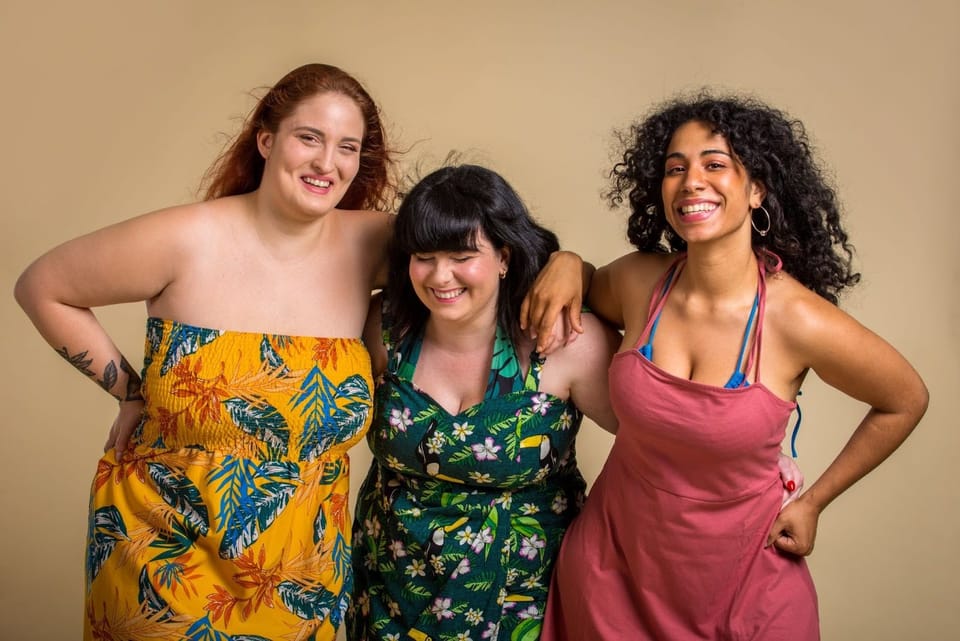
Plus-size models are changing fashion by pushing back on outdated beauty standards and making room for more people. As diverse body types get embraced, brands are widening what they offer to match who's actually buying. It's driving healthier ideas about body image and encouraging self-acceptance. Social media carries these voices further, building communities that celebrate difference. Watching it happen, it's hard not to wonder where fashion and representation head next.
The Rise of Plus Size Modeling in the Fashion Industry
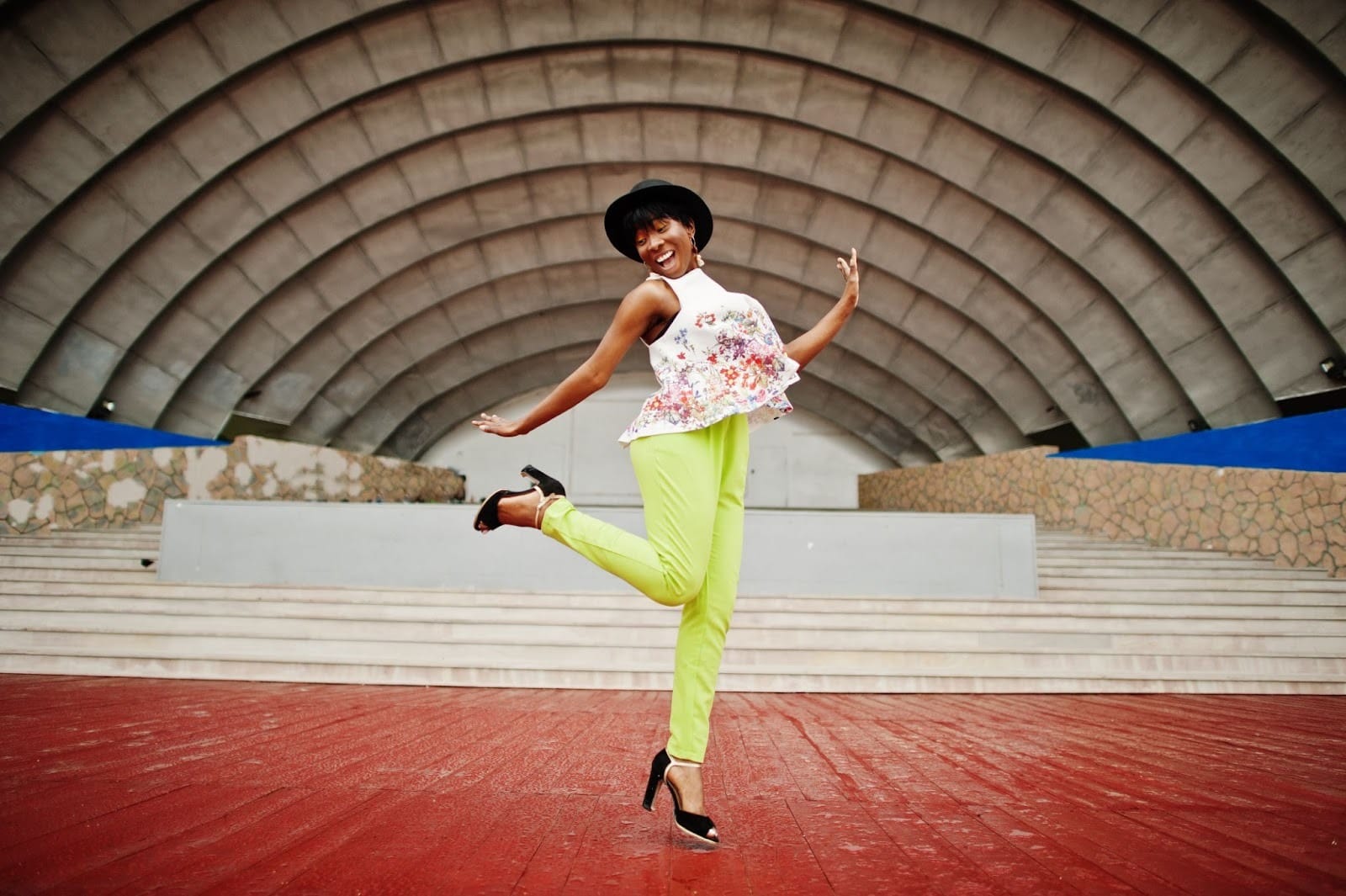
Plus-size modeling is genuinely reshaping how we think about beauty and body image.
Brands like ASOS and The Iconic have expanded their plus-size ranges, which puts diverse body types front and center and sets healthier standards. Plus-size models are increasingly recognized for pushing back on unrealistic beauty norms, and their presence on social media does a lot for acceptance and body positivity.
With curve agencies gaining ground, aspiring models have more opportunities than they've ever had. That matters, because it lets people feel good about their bodies in a culture that's finally making room for every shape and size.
Challenging Traditional Beauty Standards Through Representation
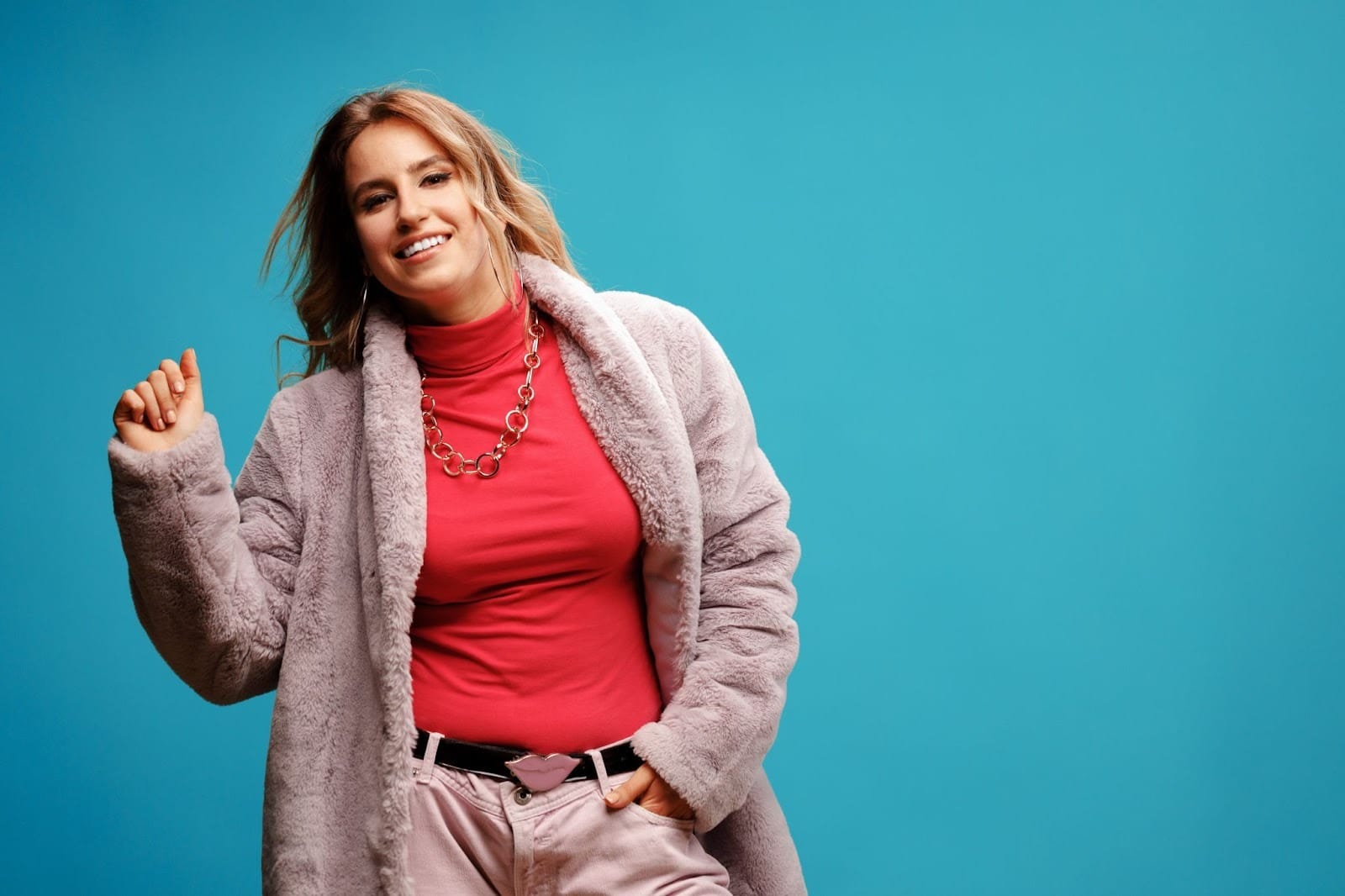
Fashion held onto narrow definitions of beauty for a long time, but plus-size models are changing that through sheer representation.
Embracing diverse body types redefines what beauty actually means and moves the industry toward including more people. With 68% of American women wearing size 14 or above, the traditional model clearly doesn't reflect the reality of most of them.
The movement promotes healthier body image and encourages women to celebrate their curves, which builds real confidence. Bit by bit, it's reshaping how society sees beauty.
Influence of Social Media on Body Positivity and Fashion Choices
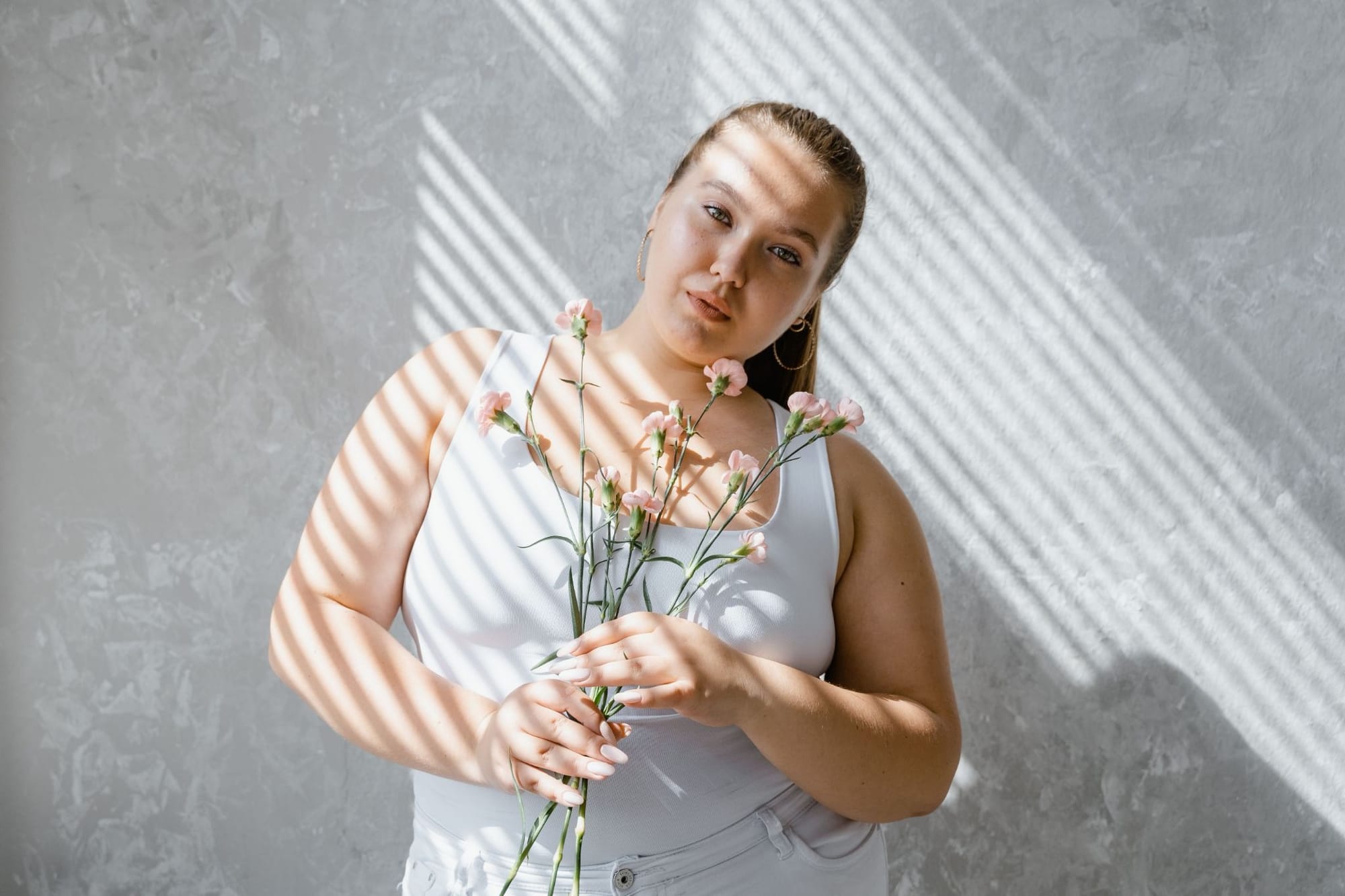
Social media has turned into a powerful platform for body positivity, and it's changing how we shop.
It connects us with a wider range of voices plus-size models who celebrate their own bodies. Their honesty encourages us to embrace our own features and pushes back against the unrealistic standards traditional media keeps serving up. As we share and engage with that content, a community forms around representation for every shape and size.
Brands are noticing. The demand for inclusivity and diverse marketing is real, and it's changing perceptions while pushing the whole industry to widen its scope.
Expanding Market Opportunities and Consumer Demand
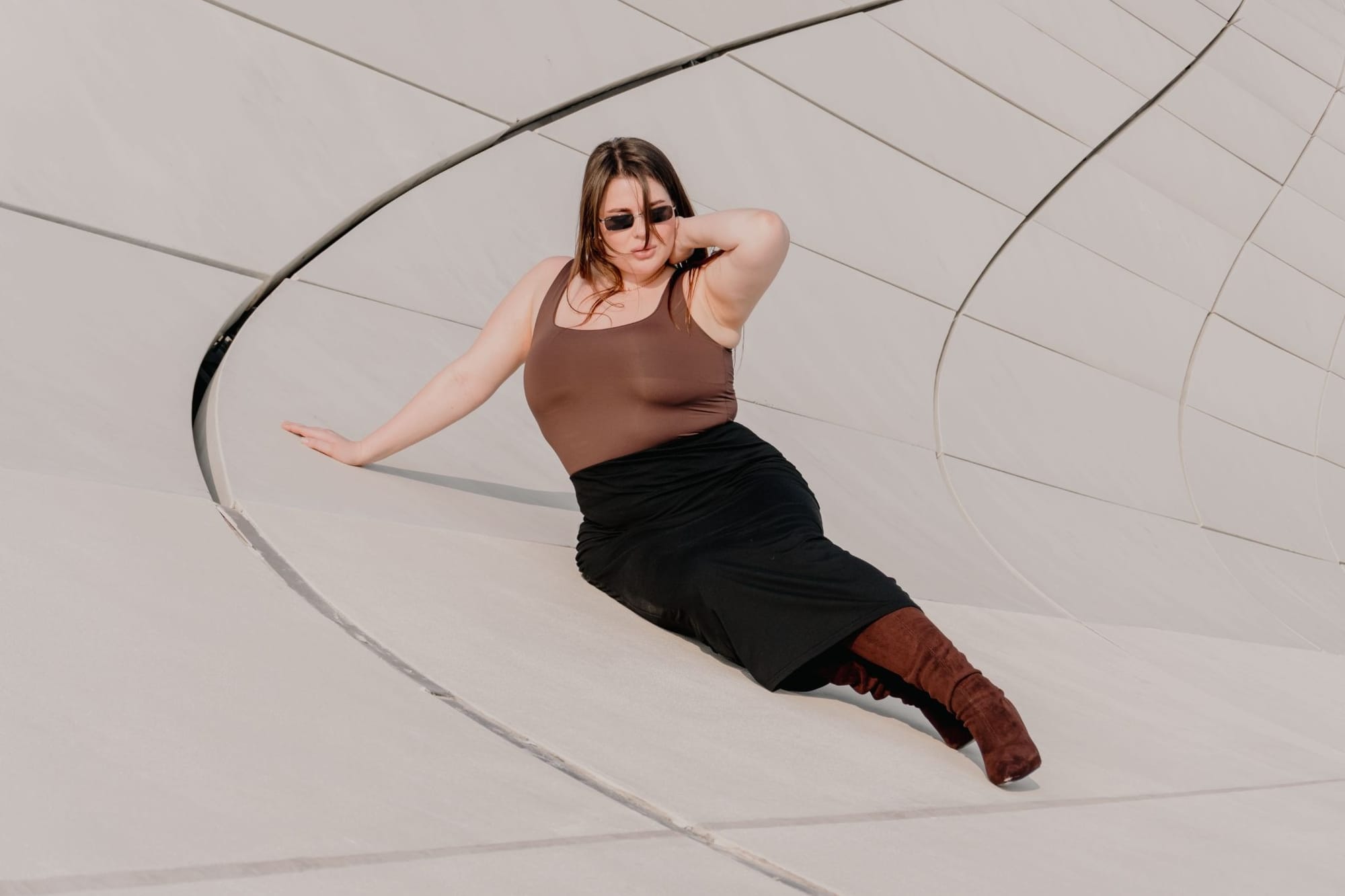
Body positivity is shifting the market too. Plus-size clothing sales were projected to reach $24 billion by 2023, which reflects a real acknowledgment of diverse body types. You can see it in the rise of curve agencies and in major modeling firms setting up separate plus-size divisions.
As consumers get behind the idea of "fit not thin," fashion is changing how it represents bodies, and the industry is becoming one that actually speaks to everyone.
Future Trends: Inclusivity and Diversity in Fashion Campaigns
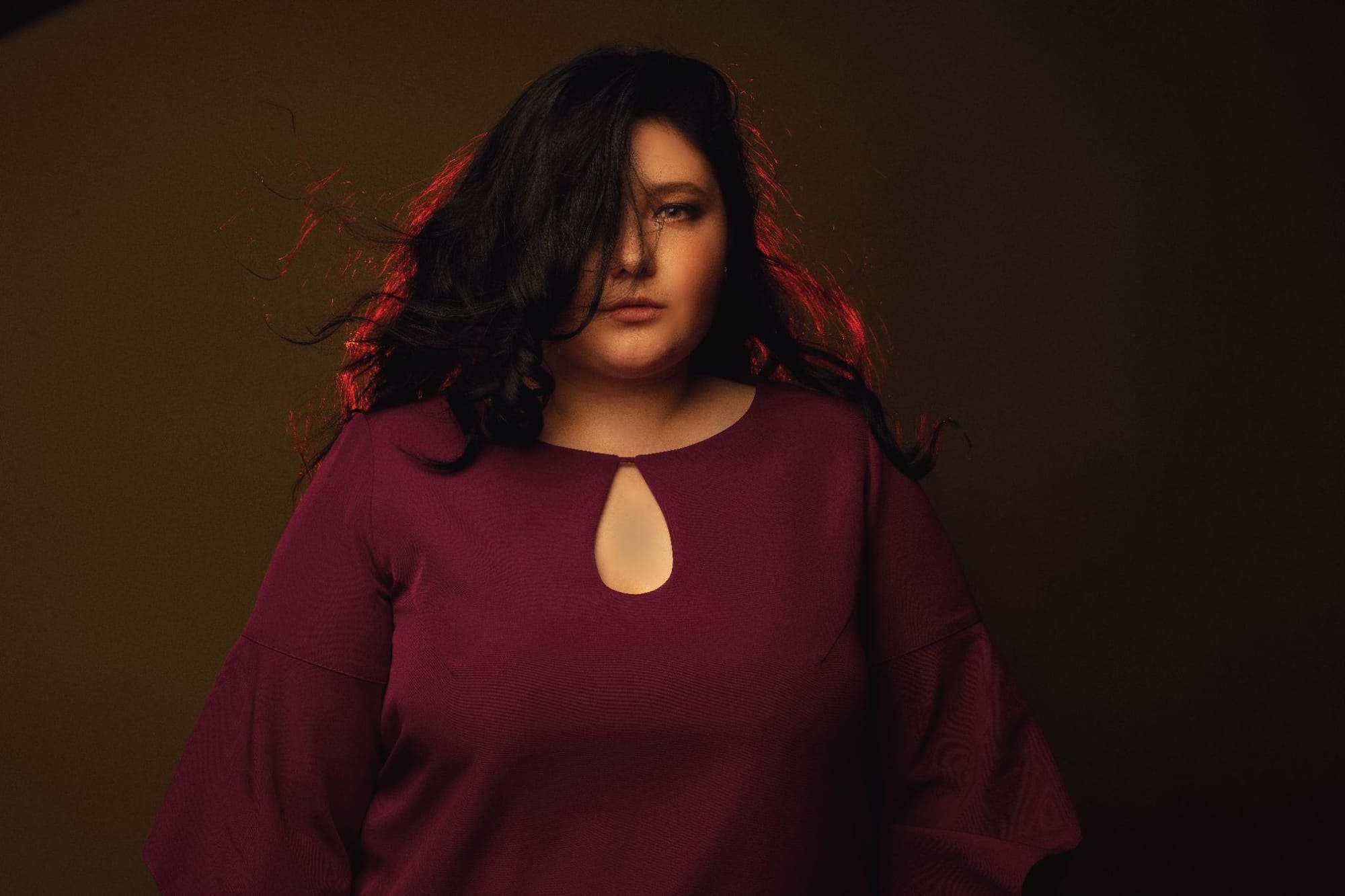
Fashion is moving toward campaigns that reflect the real range of body types, and that's a promising direction.
Growing recognition of plus-size models is reshaping how brands operate, making fashion feel more relatable. Designers are finally acknowledging that the average American woman wears sizes 16 to 18, and that's pushing brands to expand what they carry.
There's more representation on runways and in campaigns now, but there's still work left to do. Keep championing diverse body types and the outdated standards keep getting challenged.
Client Reviews of Studio1 Photography
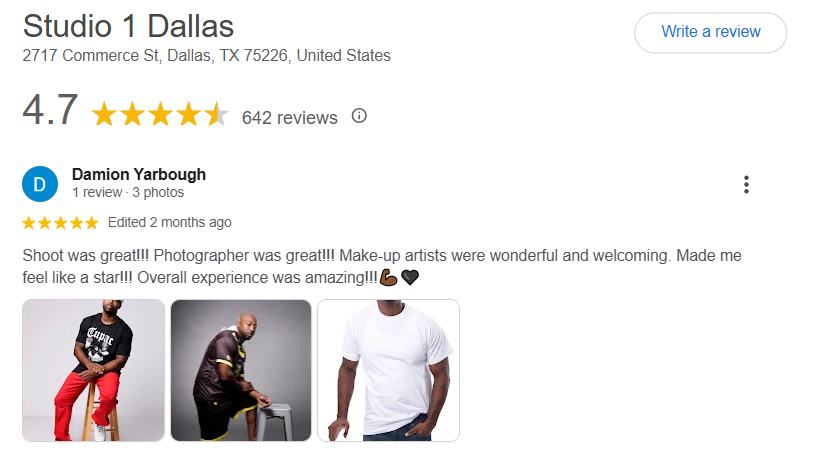
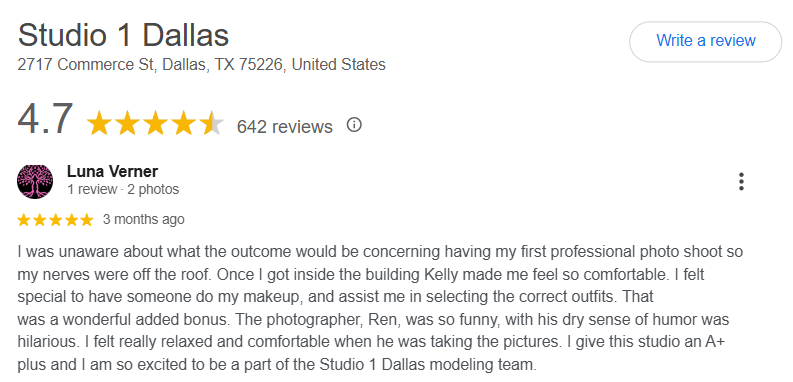
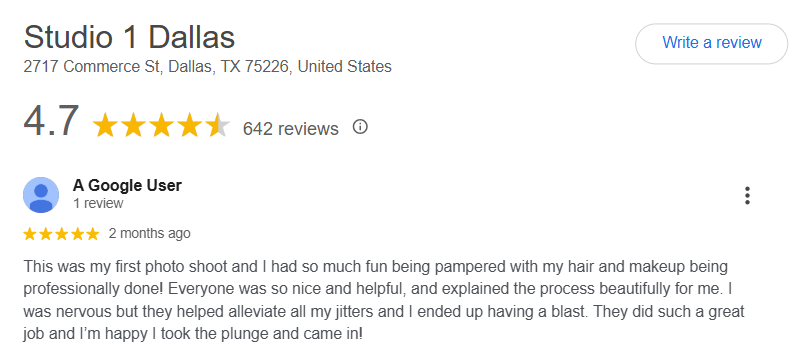
Worth hearing from people who've worked with Studio1 Photography. Plenty of clients have left reviews on platforms like GMB about their experiences with our team. They give a good sense of how we support models of every size in showing their own style. Take a look at the review screenshots. For more, visit our website: Studio1 Photography.
Frequently asked questions
How do plus size models influence consumer buying behavior? By showing diverse body types, they make people feel represented. That challenges stereotypes, builds confidence, and drives demand for inclusive fashion.
What are the challenges faced by plus size models in casting calls? Plenty limited sample sizes, stereotypes about what they can do. Even so, plus-size models keep breaking through and pushing for more inclusivity in the industry.
Are there specific fashion shows dedicated to plus size models? Yes. Events like New York Fashion Week have embraced the movement, showing designs that work for all body types.
How do plus size models affect brand loyalty among consumers? They build loyalty by making people feel represented. When a brand embraces diverse bodies, it resonates, and that turns into lasting trust.
What role do plus size influencers play in fashion marketing? A big one. They reach diverse audiences, promote body positivity, and challenge conventional beauty standards. Sharing real experiences builds confidence and drives engagement with inclusive brands.
Conclusion
Plus-size models aren't just tweaking fashion they're genuinely changing it. By pushing back on outdated standards and getting brands to embrace diversity, they're moving the industry toward something more inclusive. With their reach growing through social media and consumer demand, we're heading toward a fashion world where every body gets celebrated.
Visit Studio 1 Photography for more information.
Note: We enjoy sharing photography tips and industry insight to help you capture life's best moments. That said, the services, styles, and equipment mentioned here are for general information and may not match what we currently offer. For our latest services and portfolio, visit Studio-1.us. Let's create something you'll want to keep.
Member discussion