
7 Must-Have Techniques for Success in Fashion Modeling

A strong photograph is usually the result of several small decisions made before the camera clicks. Knowing the brief, preparing your clothes and listening to direction all affect what you bring to a shoot. If you are exploring New York modeling, those habits give you real work to do between opportunities. The seven techniques below cover research, portfolio selection, posing, movement, wardrobe, scheduling and professional relationships. You can practice them gradually, review what changes and bring a more prepared version of yourself to the next session.
Research Your Market and Build a Focused Portfolio
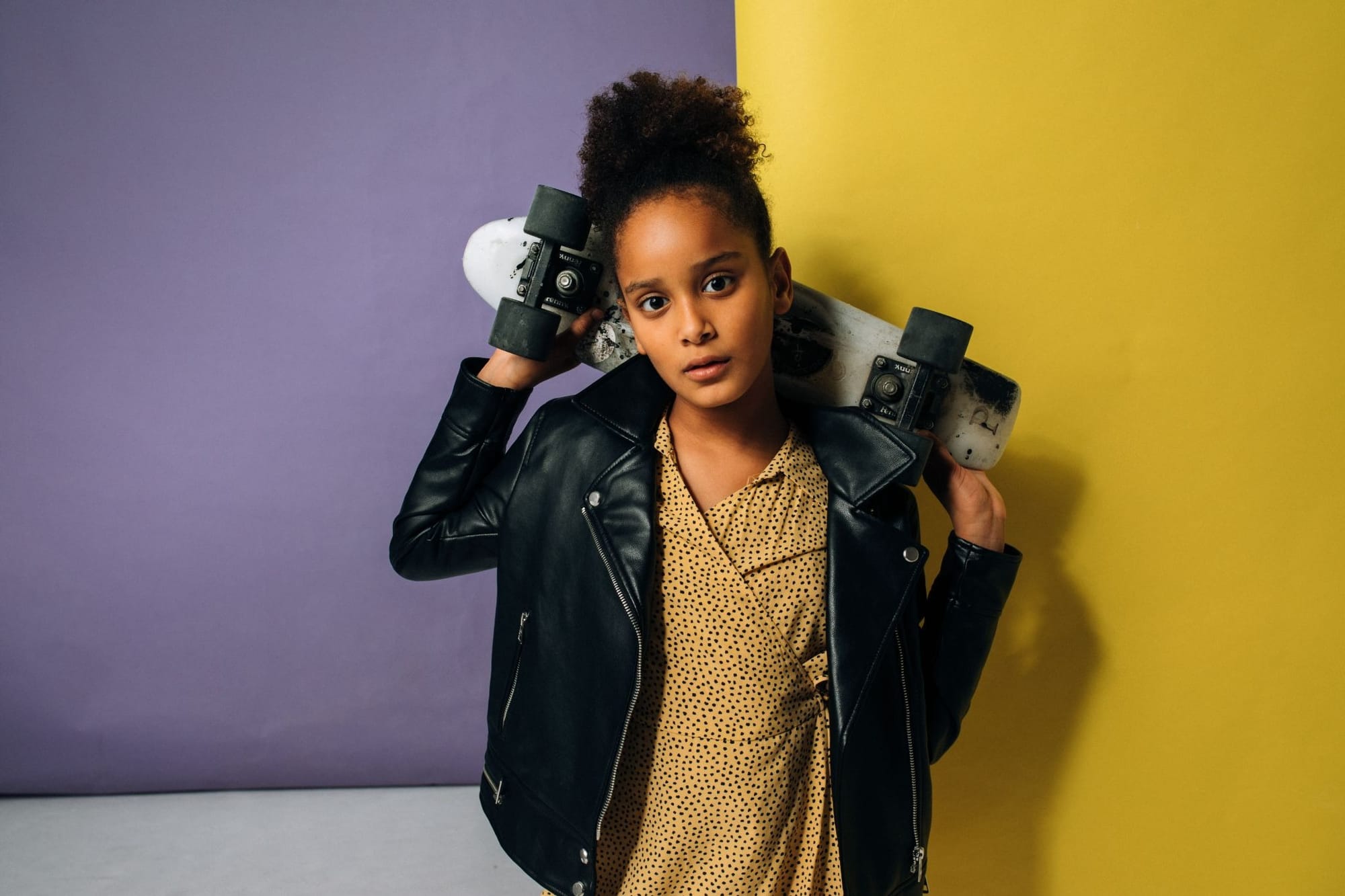
Start by learning what the work actually asks of a model. A fashion editorial, a commercial photograph and a runway presentation need different kinds of preparation. Look closely at the expressions, movement and clothing in the area that interests you. Research gives your practice a direction and helps you ask better questions when a brief arrives.
Portfolio selection is the second technique. Choose photographs that show your face and how you carry clothes, then consider whether the set supports the kind of work you want to pursue. A collection loses its point when every image repeats the same angle or styling. Keep the selection clear enough that someone viewing it can understand what you offer.
Review the pictures as a group, not only as individual favorites. A dramatic image may be worth keeping, but it should sit comfortably beside simpler photographs. As your experience develops, replace work that no longer represents your presentation. Neither a portfolio nor a studio session guarantees representation or paid assignments.
Practice Posing and Rehearse Movement
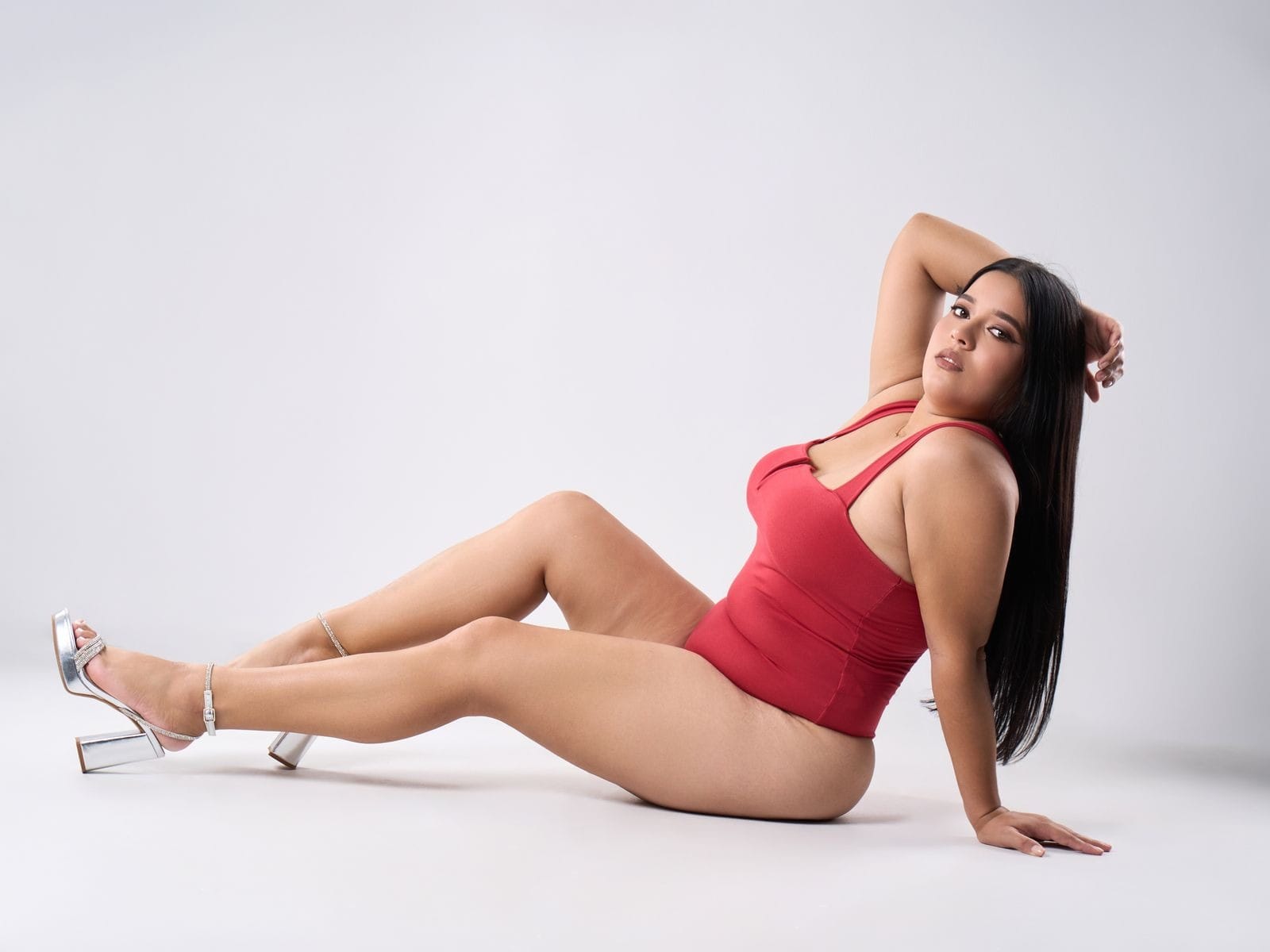
Posing becomes easier to evaluate when you make small changes. Try a different angle of the shoulders, relax your hands or shift your weight, then compare the result. Watch what those adjustments do to the clothing as well as your face. The aim is to learn which movements you can repeat when a photographer asks for them.
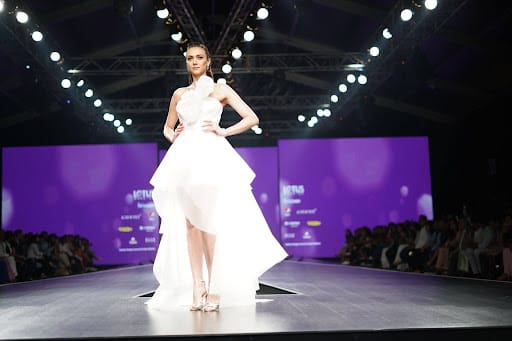
Rehearsing movement is a separate skill. A runway presentation involves pace, spacing and the timing of turns, while a photograph may capture one moment within an action. Practice moving into a position instead of holding a stiff shape and waiting. Where a show has choreography, learn that specific sequence and attend the rehearsal prepared to follow it.
Comfort with movement also helps you respond to direction. Listen to the requested change, try it and give the team a chance to assess the result. A small correction is part of making the image or presentation work. You do not need to replace the entire pose every time someone asks you to adjust one detail.
Prepare Wardrobe Around the Brief
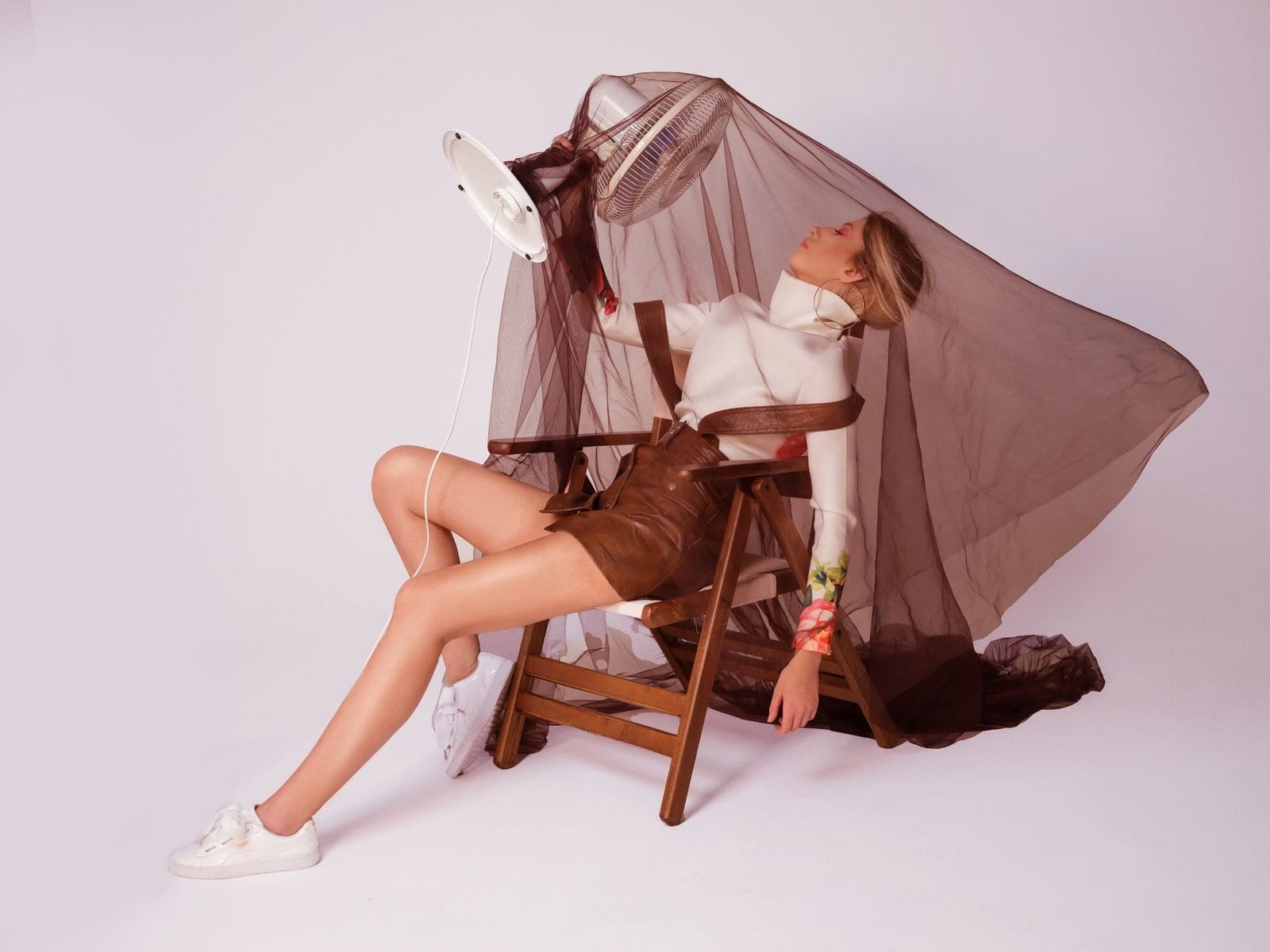
Wardrobe preparation starts with the agreed direction. Check the requested outfits, shoes and accessories before the session, and make sure the pieces work together. A missing item or an outfit you have never tried on can take attention away from the photographs once the team is ready.
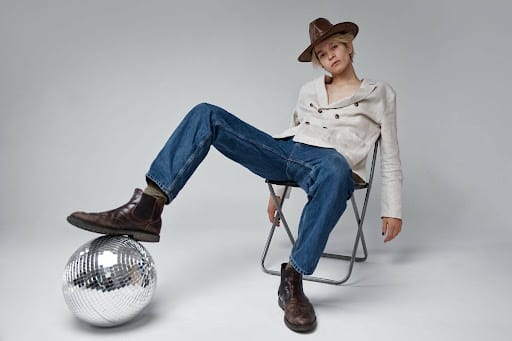
Styling also needs to support movement. Sit, stand and turn in the clothes so you know how they behave. If the brief calls for vintage style, concentrate on shapes and details that suit the look rather than assembling a costume with too many competing elements. The outfit should still let you move naturally and keep your expression connected to the scene.
Discuss uncertainties early. Ask which pieces are essential and what alternatives would help, then organize them so they are easy to find. A short clothing check before you leave does more for you than arriving with a large selection that has little connection to the plan. Keep the final choices consistent with the team's brief.
Manage Your Time Like Part of the Assignment
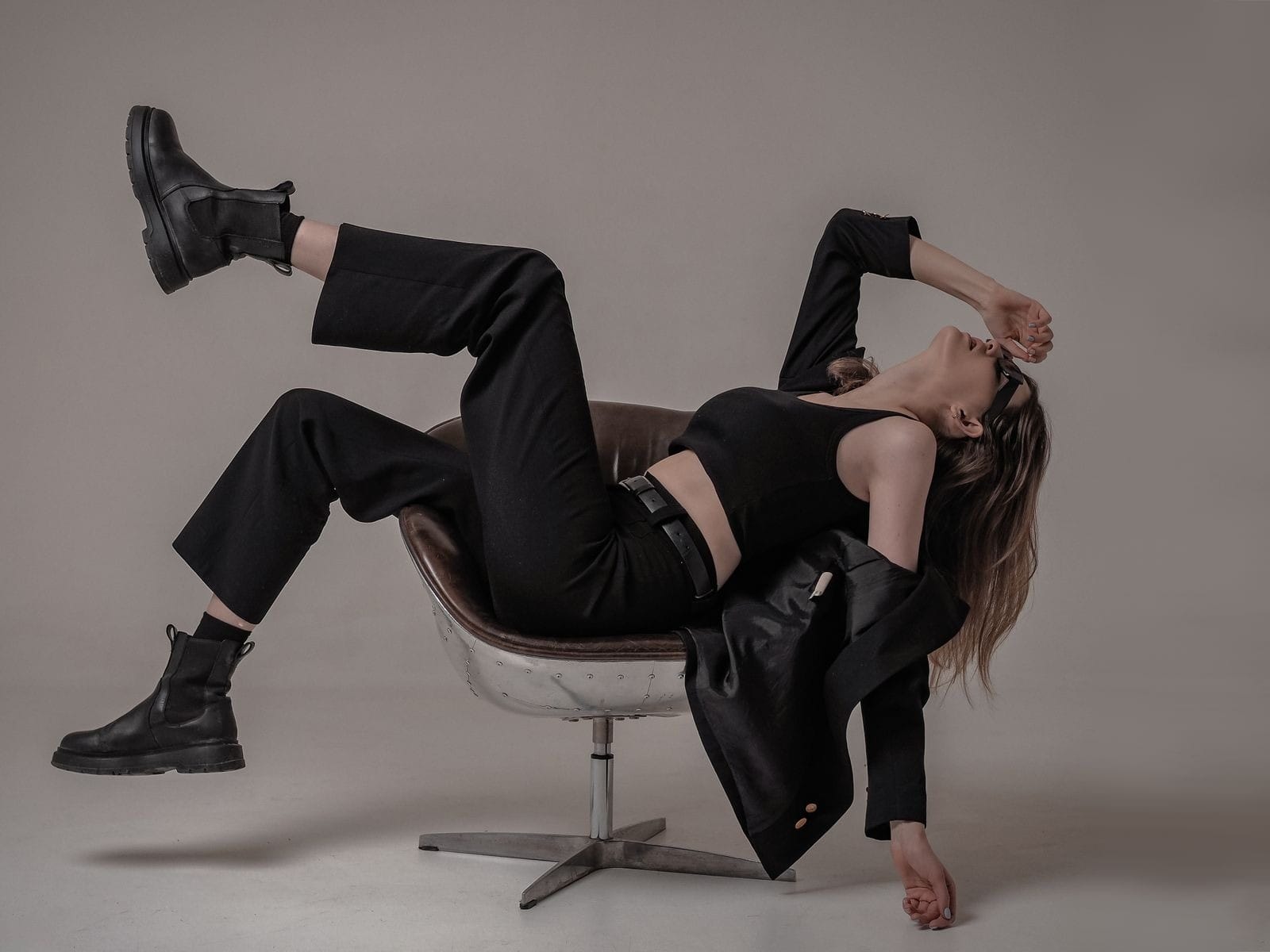
Scheduling is a modeling skill, especially when you are fitting practice and shoots around another job. Keep your availability in one calendar and include the preparation time, not only the appointment. Confirm the location and arrival arrangements so you can plan the day realistically.
Before accepting a commitment, check whether you can meet it without relying on a last-minute change elsewhere. Clear availability helps the people organizing a shoot or rehearsal. If something changes, communicate as soon as you know rather than leaving another person to discover the conflict on the day.
Use the time between sessions deliberately. You might review a set of photographs, practice movement or organize wardrobe for the next brief. Keep those tasks manageable alongside your other responsibilities. Consistency is easier to maintain when the plan fits your actual week. Being prepared and arriving on time are practical ways to show that the team can rely on you.
Build Professional Relationships and Learn From Feedback
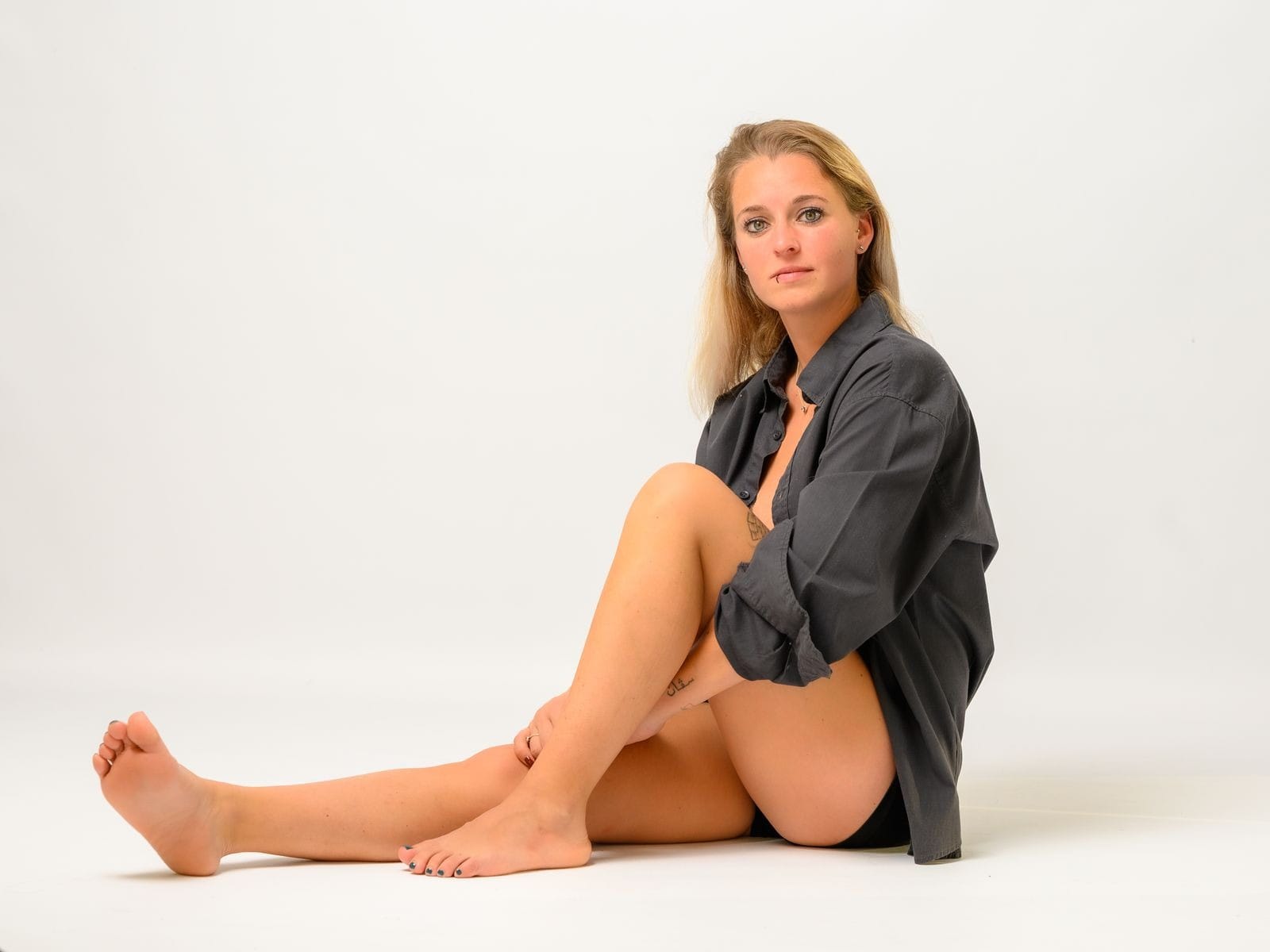
Professional relationships grow through the way you work with people. Listen during a shoot, respect the agreed plan and communicate clearly afterward. Meeting photographers or other models matters, but the impression you leave also depends on how you handle an ordinary working day.
Treat feedback as information you can test. If a pose looks tense, try changing the part that causes the tension. If a portfolio needs more variety, look for the specific gap instead of adding photographs at random. Rejection may reflect the requirements of a particular assignment, so avoid turning every unsuccessful application into a judgment about your overall potential.
Keep your public presentation professional too. The material you share should support the work you want to pursue and represent you honestly. These habits do not promise a particular career outcome, but they give you a way to improve, communicate and remain ready when an appropriate opportunity comes along.
Experiences Shared by Our Maps Studio Clients
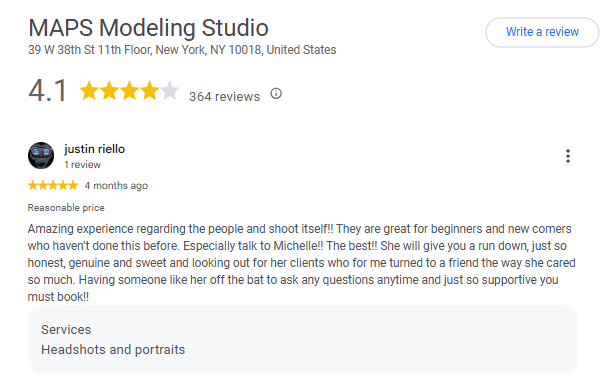
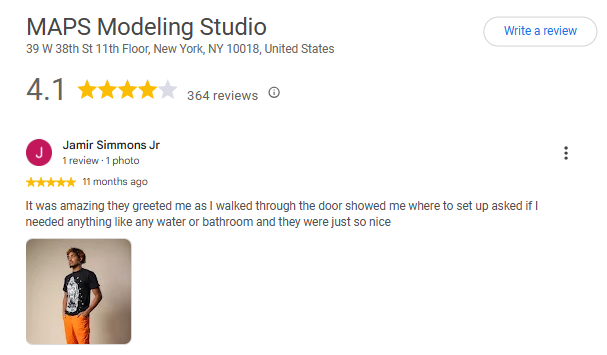
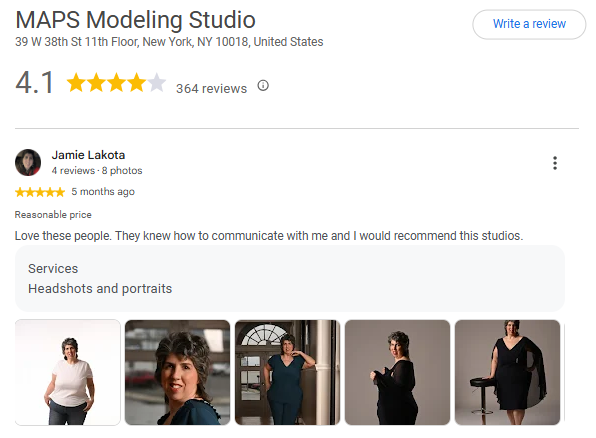
Preparing for a shoot can feel unfamiliar, especially at the beginning. Below, our clients describe their own experiences with Maps Studio. Their words offer a personal view of the studio visit and the people they met. These are supplied review screenshots, rather than a current rating summary or a promise of modeling work.
Frequently Asked Questions
How Can I Start Practicing Before a Professional Shoot?
Work on small changes in expression, posture and hand position. Review the result so you can see what changed, then practice following a specific direction rather than repeating one favorite pose.
Should My Portfolio Include Every Photograph I Like?
No. Choose a coherent selection that supports the work you want to pursue. Similar images can repeat the same information without showing anything new.
Why Is Rehearsal Important for Runway Work?
A show can require particular timing, spacing and choreography. Rehearsal lets you learn those details and understand how your movement fits the presentation.
Can I Develop Modeling Skills Alongside Another Job?
You can organize practice and appointments around your availability. Use a realistic calendar and communicate commitments clearly before agreeing to a session.
Does a Photoshoot Guarantee Modeling Work? No. A photoshoot can help you create images, but representation and assignments depend on separate decisions. Keep that distinction clear when planning your next step.
Conclusion
You can begin with one part of this process and build from there. Research the work that interests you, select photographs with a purpose and practice changes you can repeat. Wardrobe preparation, realistic scheduling and clear communication then help you bring those skills into a session. For anyone exploring New York modeling, progress is easier to assess when you know what you are working on. Review your images, listen to feedback and keep your expectations grounded. At Maps Studio, we encourage you to arrive with questions and a clear idea of the photographs you want to create.
Visit Mapsstudio for more information about photography.
Note: We enjoy sharing creative inspiration, photography tips, and industry insights to help you capture life's best moments. The services, styles, and equipment mentioned in our articles are for informational purposes only and may not reflect our current offerings. For the latest on our photography services and portfolio, visit Maps studio.

Member discussion