
Why is A2 desi ghee ideal for child digestion?

A2 desi ghee contains A2 beta-casein protein, which young bodies handle more easily than the A1 protein in regular ghee. It also brings the fats and nutrients children need for healthy growth, and it does good work in the gut. Its natural lubricating properties ease constipation and keep digestion moving. If you're thinking about adding it to your child's diet, there's a safe way to go about it.
What makes A2 desi ghee different from regular ghee
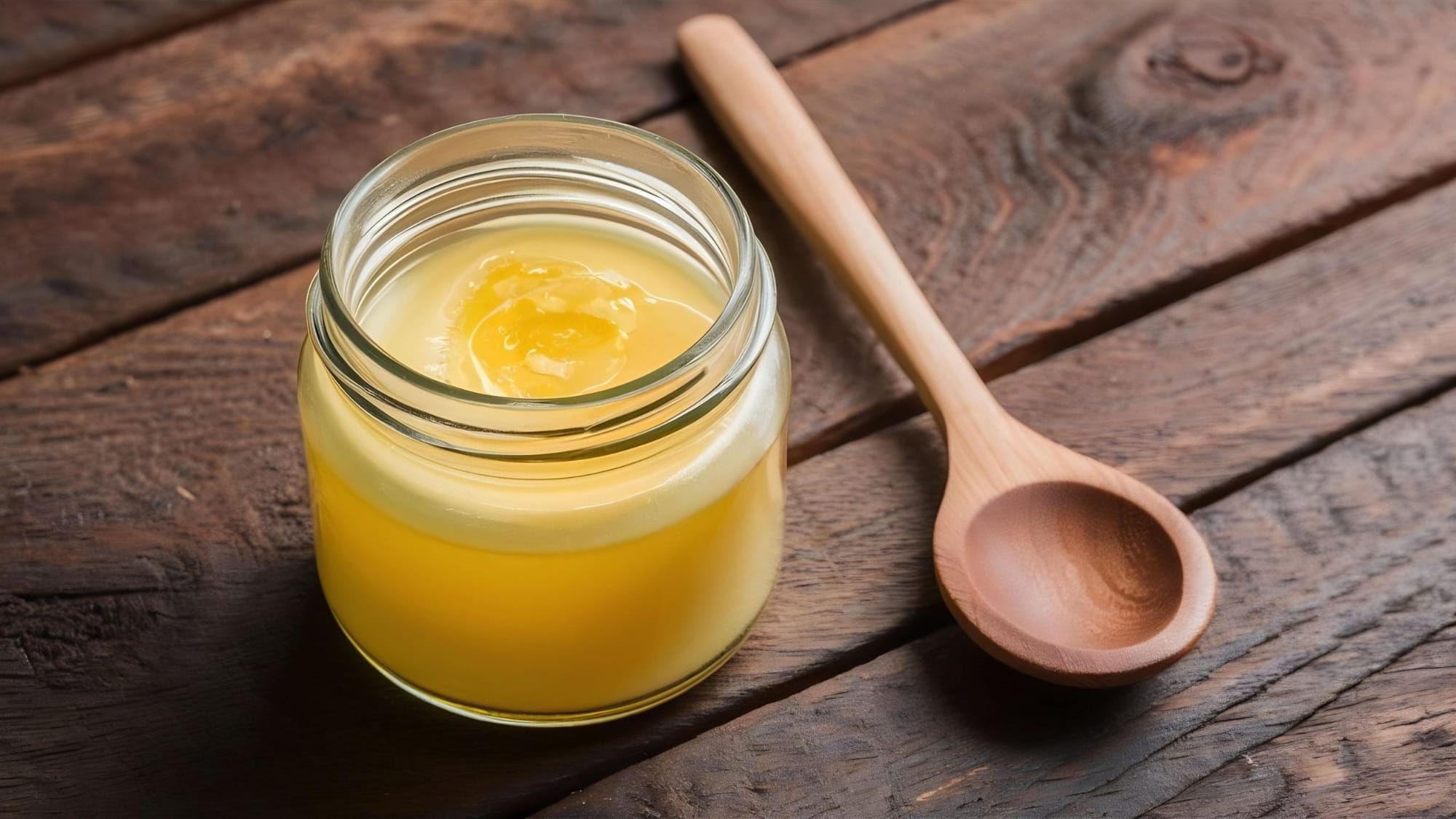
The gap between the two is bigger than the label suggests.
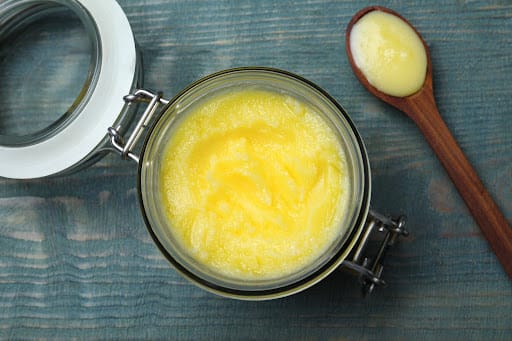
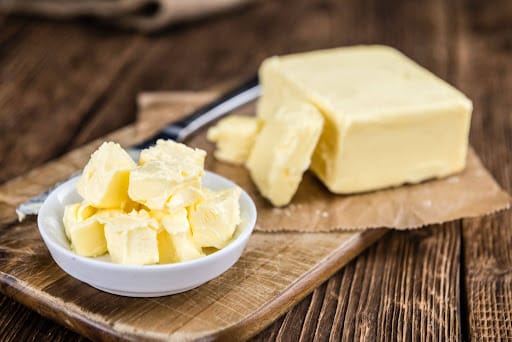
A2 desi ghee comes from the milk of indigenous Indian cows and contains A2 beta-casein protein, which small children digest more comfortably. Regular ghee usually contains A1 protein, and delicate systems find that harder work.
Purity sets it apart too. Made by the traditional bilona method, it keeps its nutrients intact and takes on no additives along the way. That gentler process is what supports smoother digestion, and it delivers the essential fatty acids children need for growth and brain development.
Choosing A2 desi ghee puts something wholesome and nutrient-dense into a baby's diet.
How A2 desi ghee enhances healthy digestion in kids
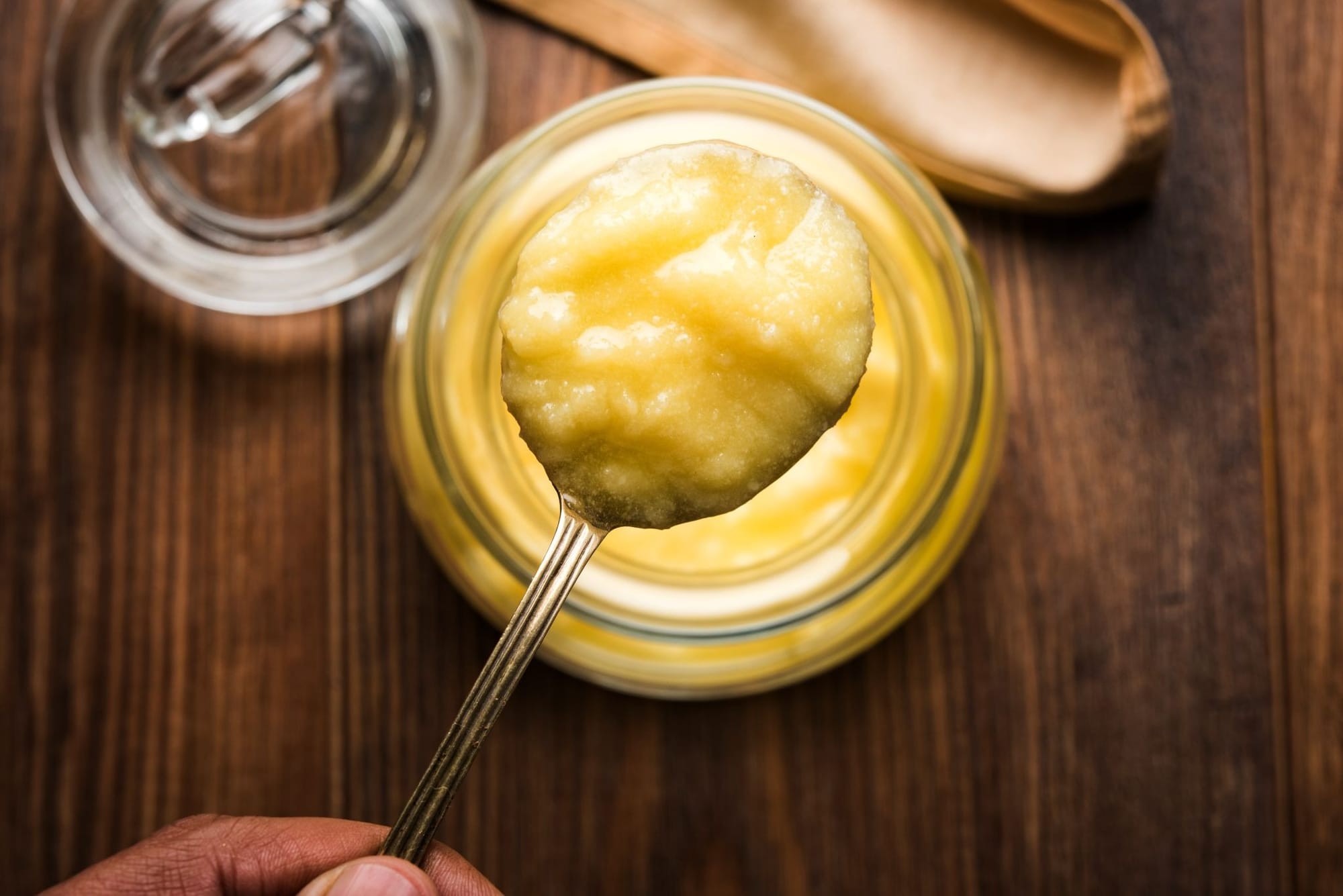
Growing bodies need fats and nutrients, and A2 desi ghee supplies both in a form that's easy on them.
Being made from A2 beta-casein protein, it digests more comfortably than regular ghee. Digestion runs smoother, and constipation and other discomforts ease off.
Its natural lubricating properties soothe the stomach and intestines, which makes mealtimes easier for everyone.
There's butyrate in it too, which supports gut health and helps the body take in fat-soluble vitamins.
The benefits of A2 desi ghee for infant and toddler growth
Organic A2 desi ghee earns its place in an infant's or toddler's diet for several reasons.
Made from the milk of indigenous Indian cows, it digests more easily than regular ghee, which matters a great deal for small tummies.
The essential fatty acids in it support brain development, and it improves how well the body absorbs vitamins A, D, E, and K.
It also supports immunity and helps with healthy weight gain, which gives children the energy their days demand.
The natural lubricating properties help digestion along, so growth happens without the discomfort that often comes with it.
How to safely introduce A2 desi ghee into your child's diet
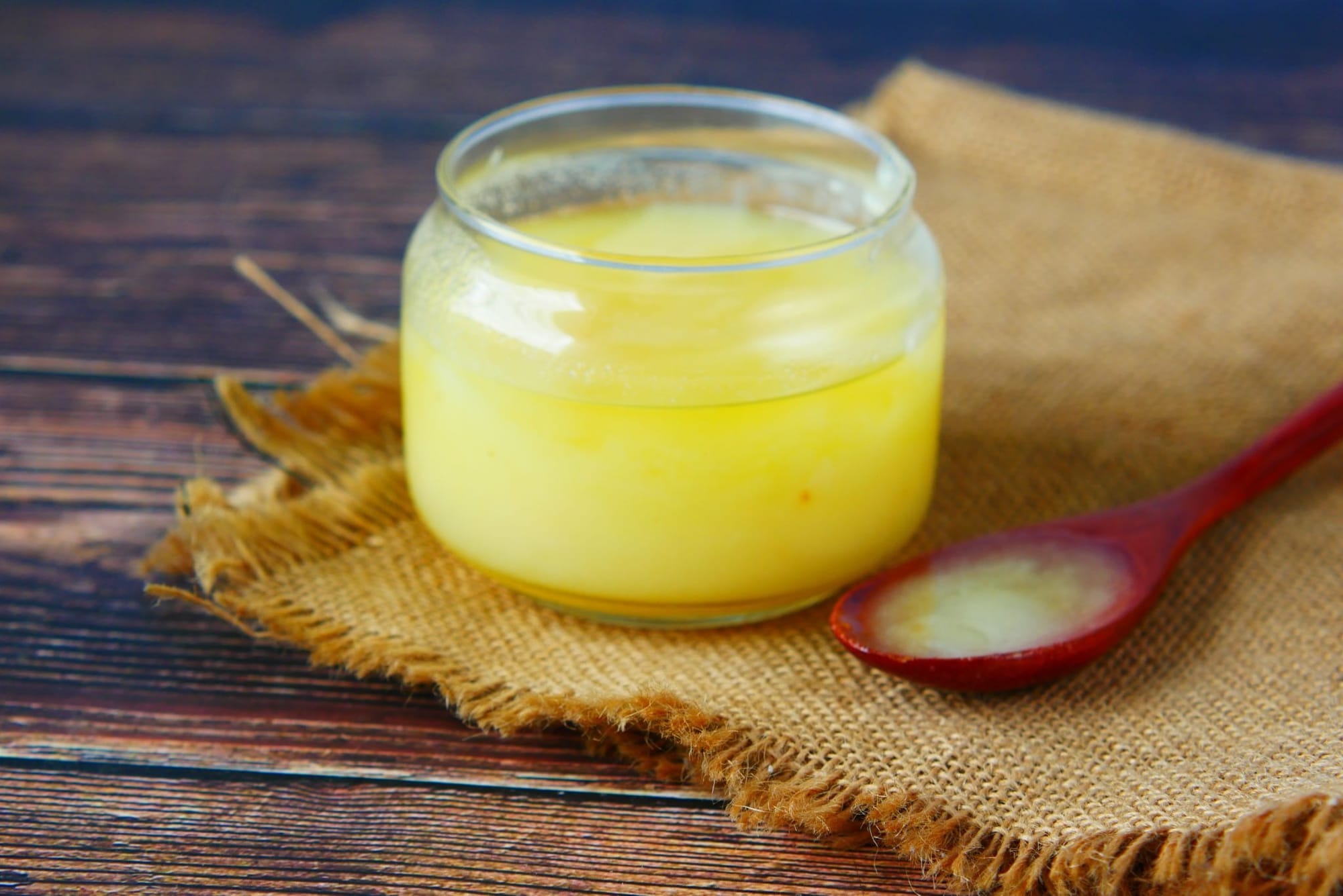
Take this slowly and pay attention as you go.
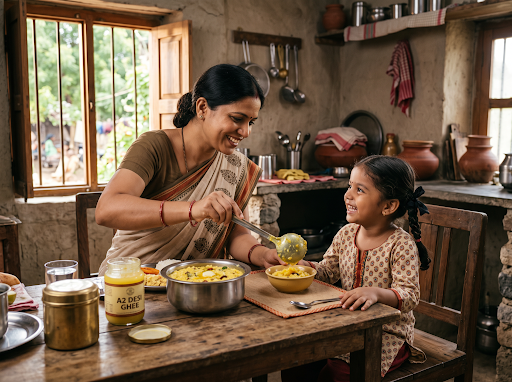
Around six months is the right time to start. Mix a tiny drop into a soft food like khichdi or pureed vegetables, then increase the amount gradually so your child's digestive system has time to adjust.
Watch for any reaction and make sure your child is comfortable with the addition.
Talk to your pediatrician first, particularly if dairy allergies run in the family.
Choose a high-quality A2 ghee made by traditional methods, and it will do good work in your child's meals.
Key safety concerns and precautions for A2 desi ghee use
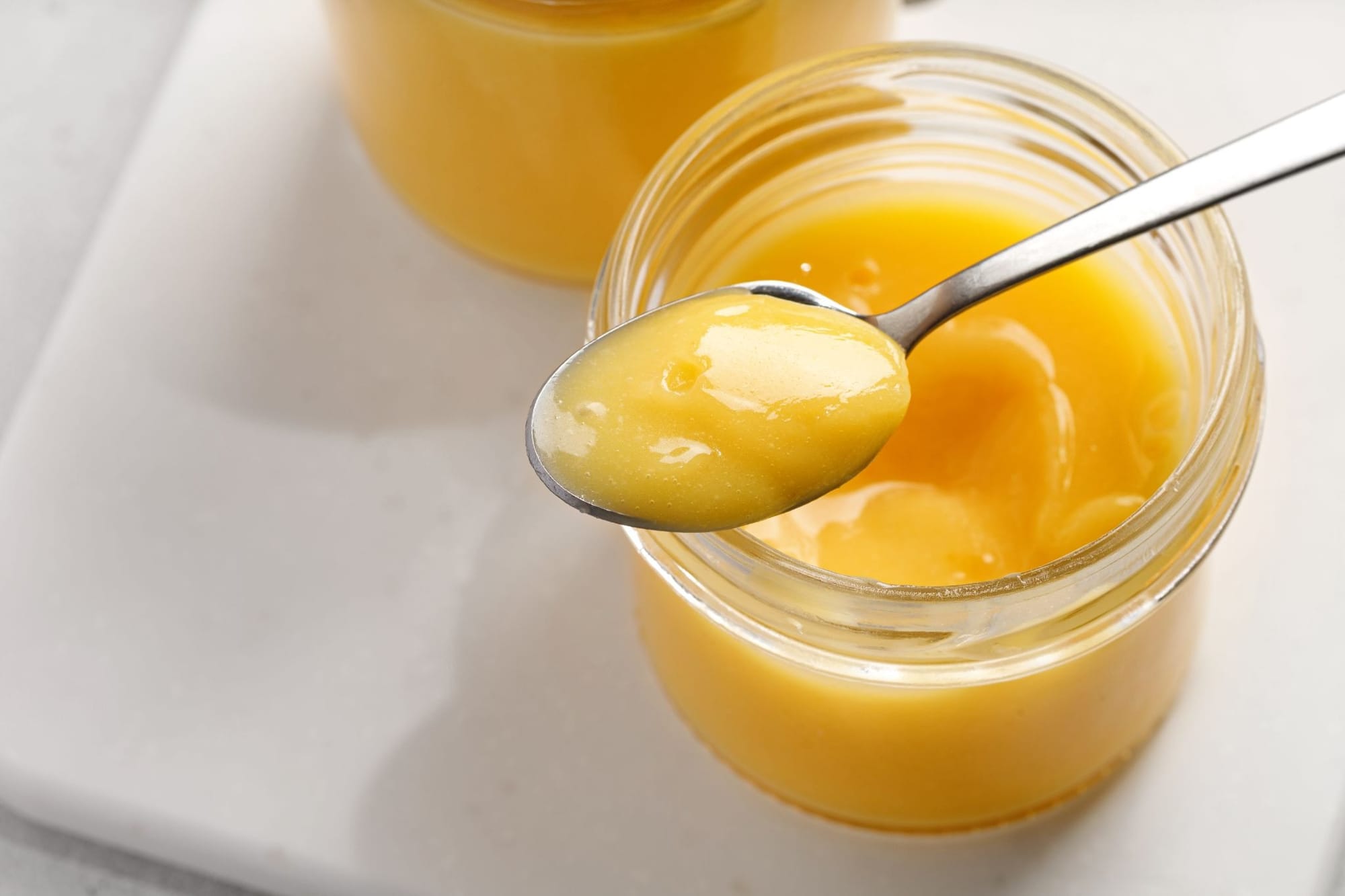
A few precautions are worth knowing before you start.
Babies under six months shouldn't have ghee at all. Breast milk or formula is all they need at that stage.
When you do begin, go gradually. A few drops mixed into a soft food like khichdi is the right starting point.
Watch how your child responds, and check with a pediatrician if there's a family history of dairy allergies.
Keep the portions moderate, since ghee is calorie dense.
Choose pure A2 cow ghee made by traditional methods. Quality matters most when you're feeding a small child, and a careful approach here supports both digestion and general health.
What customers say about Raghas A2 Desi Ghee
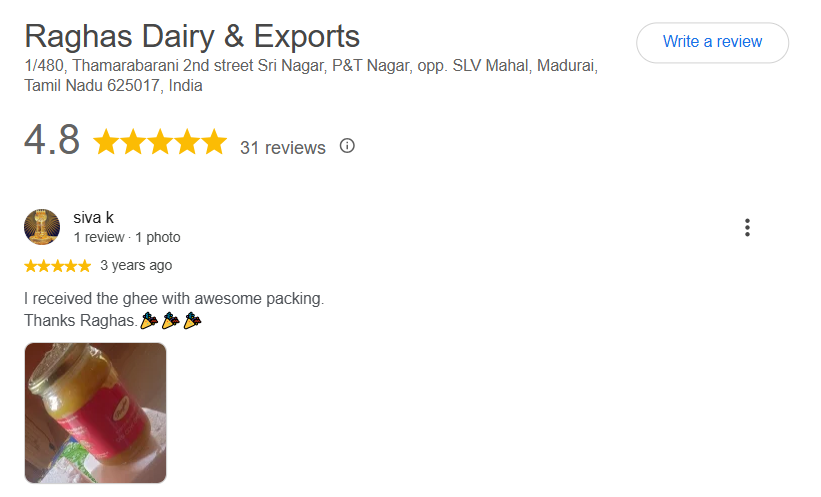
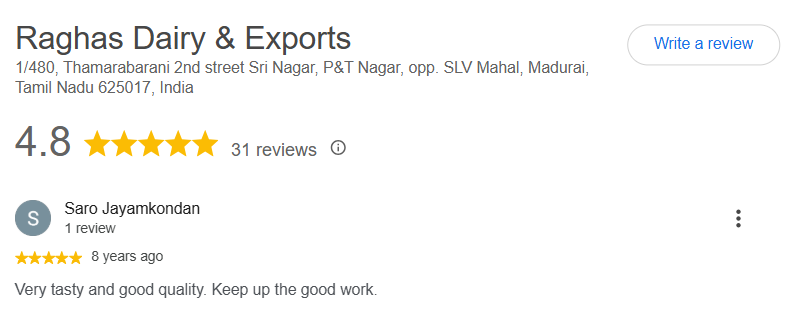
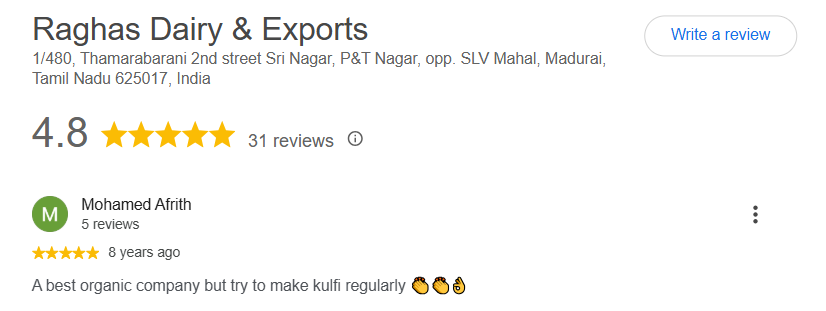
Parents want to hear from other parents before choosing a ghee for their children. Below are reviews customers have shared on platforms including Google Business Profile and other review sites, describing how Raghas A2 Desi Ghee has worked for their families. Explore more about Raghas A2 Desi Ghee and its traditional ghee products.
Frequently asked questions
Can A2 ghee help with lactose intolerance in children?Yes. It digests more easily than regular ghee, so children get the nutrients without the discomfort that usually follows.
Is A2 ghee suitable for children with dairy allergies?No. It still contains dairy proteins. Speak to a pediatrician about alternatives that offer similar nutrition without triggering a reaction.
How does A2 ghee compare in taste to regular ghee?Richer and nuttier than regular ghee, and more aromatic. The creamy texture improves whatever you cook with it.
Can A2 ghee be used for cooking at high temperatures?Yes. The high smoke point makes it good for frying and sautéing, and it keeps its nutritional value and flavor through the heat.
What are the signs of a ghee allergy in children?Rashes, digestive trouble, or unusual irritability. If any of those show up, see a pediatrician promptly.
Conclusion
A2 Desi Ghee makes a real difference to a child's digestion and growth. It's gentle on developing bodies and brings nutrients they need. Introduce it thoughtfully and your child gets the benefit without any trouble along the way.
Visit Raghas Dairy to learn more.
Member discussion