
What to Look for When Buying A2 Desi Ghee?
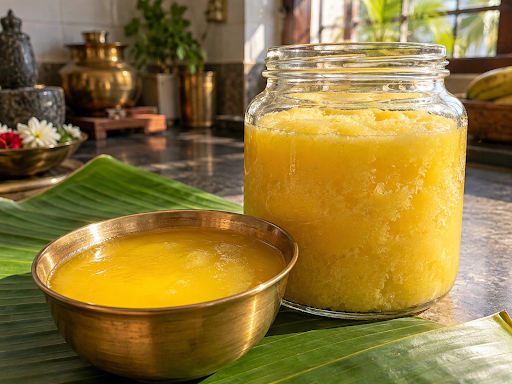
A jar can look appealing online and still leave important questions unanswered. Where does the milk come from? How does the maker prepare the ghee? What can you learn before you open it? When choosing A2 Desi ghee in Chennai, start with those details instead of relying on a golden photograph or a reassuring word on the label. For a kitchen that uses ghee in rice, dosa and family recipes, a clear account of the product is worth more than any of that. The following checks help you compare what a producer actually explains and decide which questions to ask before buying.
Start With the Milk Source
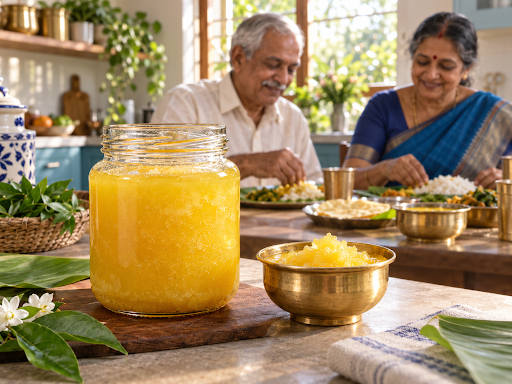
Look for a producer that explains where the milk comes from rather than relying only on a large A2 label. A farm or dairy story means more when it connects the milk to the people responsible for making the final product.
Read the sourcing information alongside the product page. Does the maker describe its herd or milk supply? Is the information specific to the ghee you are considering? These questions give you something concrete to discuss with the seller when a description feels incomplete.
Raghas Dairy describes milk from Tamil Nadu native desi cows and a Madurai-rooted business. That local context helps explain the product's origin. Keep the sourcing question separate from broad health promises: this buying decision should rest on clear product information, not a claim that one jar can meet every family's health needs.
Understand the Preparation Method
Traditional bilona preparation follows a sequence: milk becomes curd, the curd is churned to separate butter, and the butter is heated to make ghee. A producer that explains these stages gives you a clearer picture of its process than a description that simply repeats the word traditional.
If you are specifically looking for curd-based A2 Desi ghee, check whether the maker identifies that starting point. Ask about the steps when the page is vague. A familiar name for a method tells you more when the producer also explains what happens during preparation.
Raghas describes its process through milk, culture, churning and clarification. Read that account with your own preferences in mind, particularly if you enjoy the aroma and taste associated with traditional preparation. The process description should help you understand the product without turning into an unsupported promise about medical benefits.
Read the Label Beyond the Front of the Jar
Look for a clear product description and ingredient information. If you want plain A2 Desi ghee, check whether the producer mentions added flavors or other ingredients. A carefully styled front label should not be the only information available to someone deciding what to use in everyday cooking.
When a producer makes a certification or quality claim, look for details that explain it. Avoid treating a decorative seal, an organic-sounding phrase or the word pure as a complete answer on its own. Ask the seller to clarify an unclear claim before allowing it to determine your choice.
Compare the wording on the product page with what appears on the jar. They should describe the same product and preparation approach. This simple reading step keeps your attention on information you can check, rather than assumptions drawn from packaging style or a photograph of a farm.
Consider Aroma and Texture Carefully
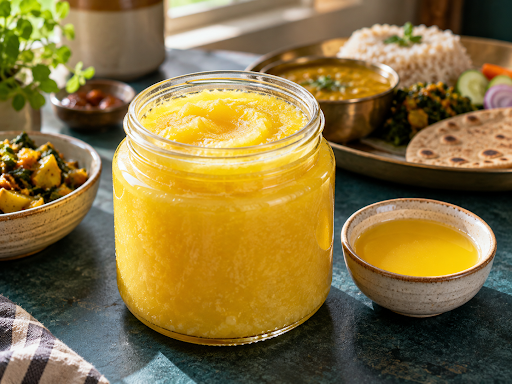
Both matter when you actually use ghee in food. Raghas describes a warm aroma, grainy texture and rich taste, qualities that help a buyer understand the intended eating experience. Similar descriptions in other buying guides can give you the vocabulary for your own preferences.
Treat sensory descriptions as part of that experience, rather than your only reason for trusting a product. A photograph cannot tell you everything about a jar, and a description of golden color does not answer questions about milk sourcing or preparation. Keep those checks together when comparing options.
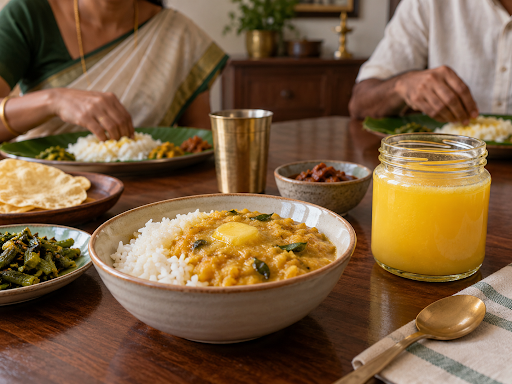
After opening a product, pay attention to whether its taste and aroma suit the food you make. You may want a familiar finish on rice or the richness that accompanies dosa and sweets. Record those preferences for your next purchase instead of expecting every family to enjoy exactly the same flavor.
Read Feedback With Your Own Kitchen in Mind
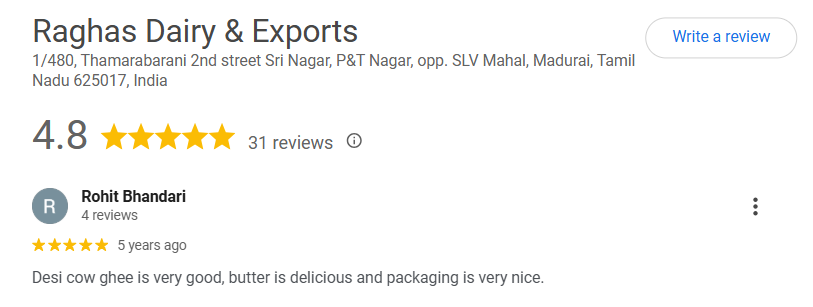
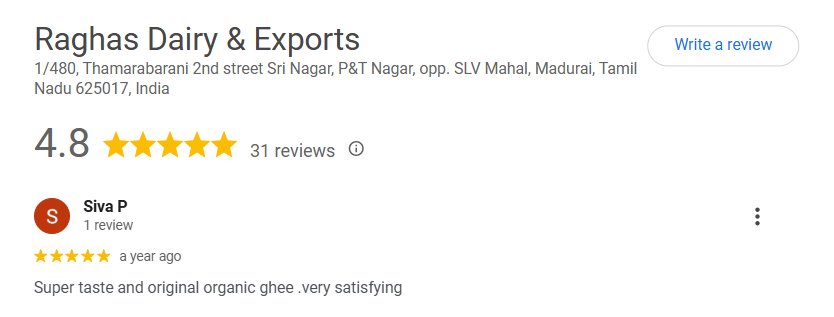
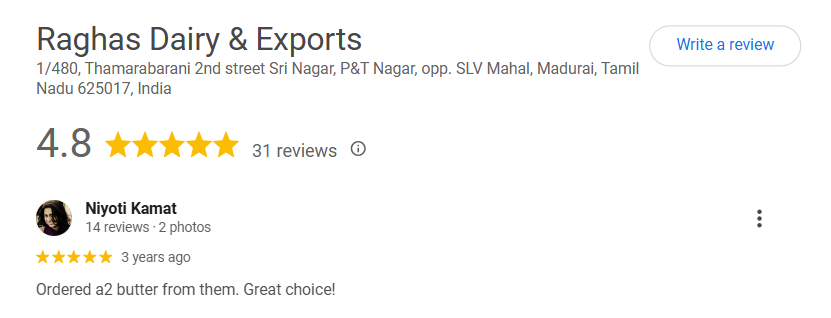
Customer feedback can help you understand how people use a product. Look for specific observations about aroma, texture or taste in familiar meals. A detailed account gives you more to consider than a short statement that the ghee is simply the best.
Keep an individual review in perspective. Someone else's preference may differ from yours, and their experience does not replace the producer's information about sourcing and preparation. Read feedback alongside the product details so that neither a single glowing comment nor an attractive photograph makes the whole decision for you.
Think about how ghee fits into your usual cooking. If you use it with rice, dosa or sweets, comments about those dishes may be especially relevant. Bring any remaining product questions to the dairy before choosing. The purchase that works is one you understand and enjoy using, with clear reasons for selecting it.
Choosing Raghas A2 Desi Ghee for Your Kitchen
At Raghas Dairy, we describe our A2 Desi ghee through its Tamil Nadu milk sourcing, traditional bilona preparation and everyday uses. When you read our customer feedback, consider the details that matter to your kitchen, such as aroma and taste. Individual experiences can help you form questions while you explore our product information.
Frequently Asked Questions
What Should I Check First When Buying A2 Desi Ghee? Start with the milk source and preparation method. Then read the product and ingredient information, along with specific feedback about how people use it.
What Does Bilona Preparation Involve? In the traditional curd-based process described here, milk is cultured into curd, the curd is churned into butter, and the butter is heated to prepare ghee.
Should I Choose Ghee From Its Photograph Alone? No. A photograph can show presentation, but it cannot answer all your sourcing and preparation questions. Read the details and ask the producer about anything unclear.
How Can Customer Reviews Help Me Choose? Specific comments about aroma, texture and familiar recipes can help you consider your preferences. Read them alongside the producer's information rather than using them as the only basis for a purchase.
Final Takeaway
Choose A2 Desi ghee by bringing the important details together: where the milk comes from, how the maker prepares it and what the product information actually tells you. Read sensory descriptions and customer feedback as practical guidance about the eating experience. Ask questions when a claim lacks a clear explanation, and keep broad health promises out of the buying decision. For families considering A2 Desi ghee in Chennai, this approach makes comparison more manageable. You can choose with a better understanding of the jar, then judge how its aroma and taste fit the meals you cook at home.
Visit Raghas Dairy to learn more about our products and join our community of happy customers.

Member discussion